
Our readers keep the lights on and my morning glass full of iced black tea. As an Amazon Associate, I earn from qualifying purchases.
Specs are compiled from manufacturer listings and verified buyer reviews and can change over time — please confirm the key details on the product page before buying.
Zero drop sneakers put your heel and forefoot on the same level, mimicking a barefoot position so your foot lands more naturally with each step. The real question most buyers have is which pair actually delivers that ground feel without sacrificing comfort for daily wear, trails, or the gym. This guide breaks down the top contenders by what genuinely matters — drop, toe-box room, cushioning, and durability — using manufacturer specs and the patterns across thousands of verified owner experiences.
I’m Min — the founder and writer behind Gadgets Feed. This guide is built by comparing the manufacturers’ published specifications and the patterns across verified customer reviews, so you get each pick’s real strengths and trade-offs instead of marketing spin.
Your feet will thank you when you pick 0 drop sneakers that match your foot shape and cushioning to your daily routine—whether you’re recovering from foot pain, training for a race, or just want healthier steps.
Our Picks at a Glance
How To Choose The Best 0 Drop Sneakers
Zero drop means the heel and toe sit at the same height, which encourages a more natural midfoot or forefoot strike instead of a heavy heel crash. Match the cushioning to your surface, prioritize a wide toe box, and plan a gradual break-in for the best fit.
Match the cushioning to your surface
Some zero-drop shoes are built with thick, plush midsoles for road miles and all-day standing, while others keep the sole thin and flexible for maximum ground feel. If you are coming from heavily cushioned running shoes, a moderate stack height eases the transition, whereas a seasoned minimalist will want the thinnest sole possible.
Check the toe box before the length
The biggest complaint across zero-drop and barefoot shoes is a toe box that is not actually wide enough. Look for a foot-shaped design that lets your toes spread and splay naturally rather than being squeezed together. If you have bunions, hammertoes, or wide feet, this single feature often matters more than any other spec.
Plan a gradual break-in period
Your calf muscles and Achilles tendons have to adapt to a flat foot position, so most buyers report that going straight into long runs causes soreness. Start with short walks or a few hours a day, and size up half a size if the brand runs small, since a too-tight fit defeats the purpose of natural foot movement.
Quick Comparison
| Model | Best For | Drop | Cushion | Stack Height | Amazon |
|---|---|---|---|---|---|
| ALTRA Lone Peak 9★ Best Overall | Trail running and hiking | 0 mm | Mid | 25 mm | Amazon |
| Hike Footwear Theora ProBudget Comfort | Budget all-day comfort | 0 mm | Minimal | — | Amazon |
| Xero Shoes HFS Original | Road running and walking | 0 mm | Low | — | Amazon |
| ALTRA Escalante 4 | Road running and daily wear | 0 mm | Moderate | 28 mm/32 mm | Amazon |
| Xero Shoes Nexus Knit | Workout and lifestyle | 0 mm | Low | — | Amazon |
| Flux Footwear Adapt Runners | All-day standing and walking | 0 mm | Soft | — | Amazon |
| Vivobarefoot Motus Strength | Gym and weightlifting | 0 mm | Firm | — | Amazon |
In‑Depth Reviews
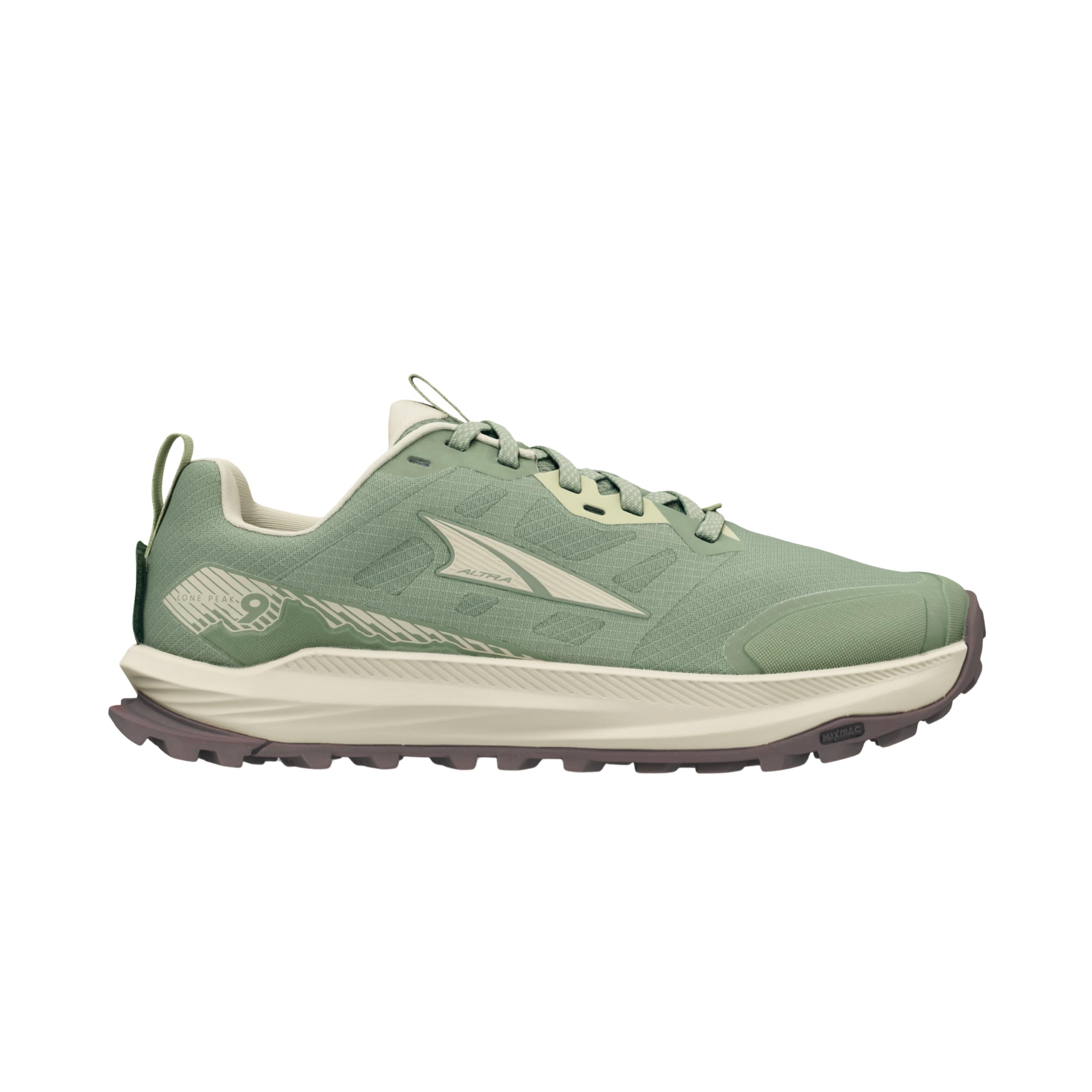
1. ALTRA Women’s Lone Peak 9 Trail Running Shoe
Our pick — 4.5★ from 850+ verified ratings; the strongest balance of quality and price.
The trail workhorse that keeps your toes free and your footing sticky on rocky ground.
Built for gravel, dirt, and uneven trails, this shoe delivers grip and stability on rugged terrain. The roomiest toe box in Altra’s lineup lets your toes move and spread naturally, and the zero-drop platform keeps your heel level with your forefoot for a stable, grounded stride. The MaxTrac outsole is designed to deliver grip and traction across all terrain types, so you stay planted on wet rock and loose dirt.
At 25 mm of stack height in both heel and forefoot, it offers a mid cushion that connects you to the ground without punishing your joints. The updated midsole foam is lighter than past versions, and the recycled ripstop mesh upper is built for high-mileage durability. A Stoneguard insert adds a flexible yet firm shield underfoot, protecting you from sharp rocks and debris on tough trails.
With a 4.5-star average across thousands of reviews, this pair earns its reputation for comfort and fit. What wins people over is the comfort — owners mention walking all day without pain, and the fit is a genuine lifesaver for extra-wide feet and older walkers. Customers note one 76-year-old woman found the roomy toe box and stable midsole perfect for daily dog walks, noting it has less foam than her old Skechers. The recurring minor gripe is the laces, which some find short and prone to coming untied, though swapping in elastic no-tie laces solves that in minutes.
What Earns the Praise
- Roomy toe box with genuine toe-splay room
- Grippy MaxTrac outsole handles wet and rocky trails
- Mid 25 mm cushion balances ground feel with protection
- Zero-drop platform with strong arch support
Small Trade-offs
- Stock laces run short and can come untied
- Premium price point for a specialized trail shoe
Reach for these if: you hike or trail-run regularly and want a zero-drop shoe with real cushion and dependable grip.
Look elsewhere if: you need a budget pair for light errands, since the Lone Peak is priced for serious trail use.
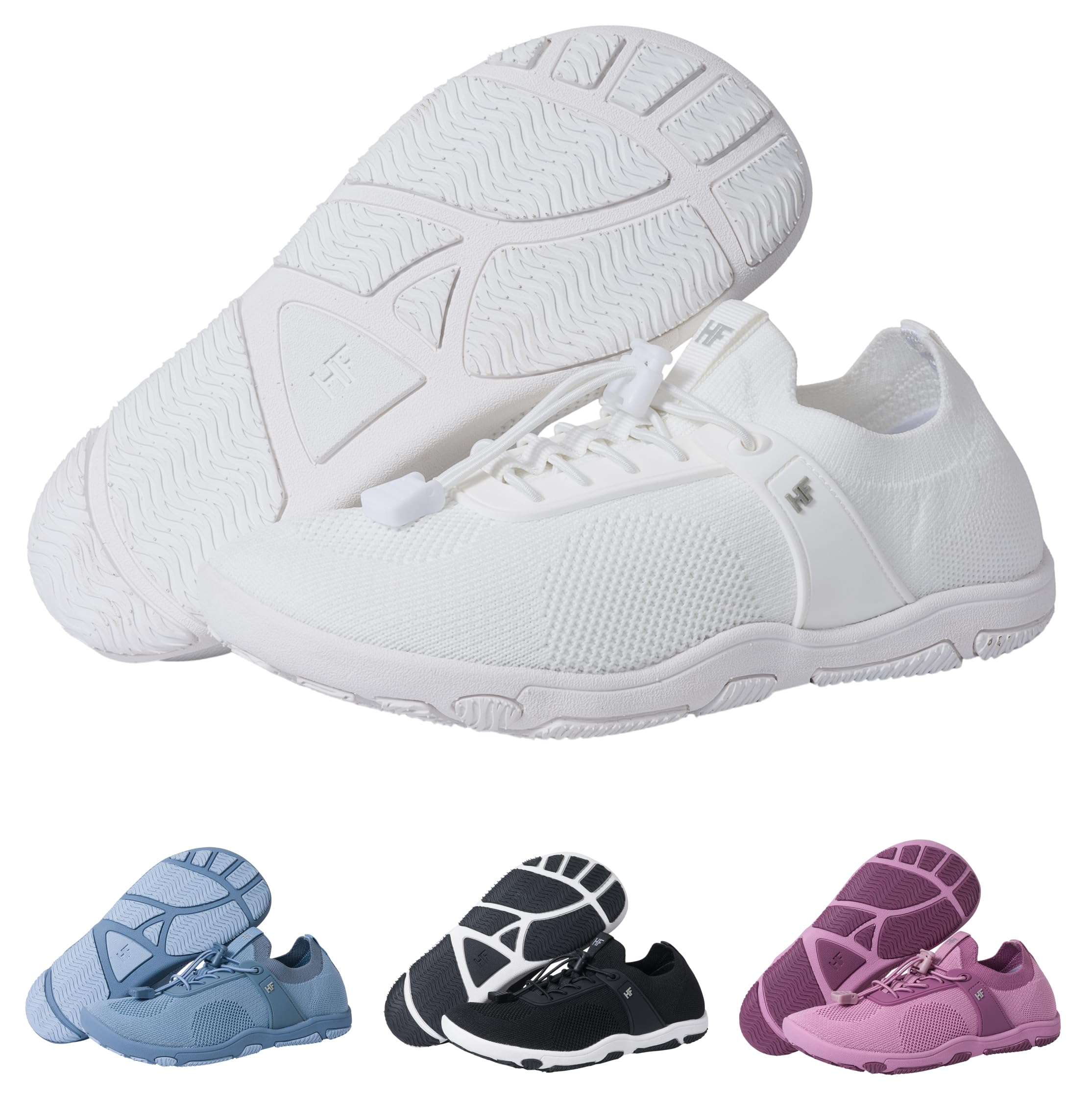
2. Hike Footwear Theora Pro Hiking Shoes, Wide Toe Box, Zero Drop
A wallet-friendly barefoot-style shoe that disappears on your feet during long days.
This budget-friendly zero-drop sneaker offers a surprisingly barefoot feel for all-day, pain-free wear. The wide toe box gives your toes room to breathe, and the lightweight build makes it easy to forget you are wearing them at all. It is a strong pick if you are curious about barefoot shoes but not ready to commit to a premium price tag.
Owners praise its comfort, with many reporting relief from bunions, hammertoes, and flat feet. One owner with a long history of foot issues called it the shoe that finally worked. The trade-off is the minimal sole: there is very little cushioning, and several buyers recommend adding insoles for extra support if you are on hard surfaces all day.
The honest downside here is durability and sizing. A few reviewers point out the sole showing premature wear, with one noting the left heel separated after about two months of use. Sizing runs small — owners consistently advise ordering two sizes up — and the return process can be slow, so measure carefully before you buy. This is best treated as an affordable introduction to zero-drop comfort rather than a long-term workhorse.
Comfort-first value: the wide toe box and featherlight feel make it a low-risk entry into barefoot-style shoes, but the thin sole and mixed durability mean it suits casual wear more than rugged trails.
Best for: budget-minded buyers who want to test zero-drop comfort for daily errands and walks.
Think twice if: you need a shoe that will survive heavy daily mileage — the durability reports are too mixed to trust it that far.
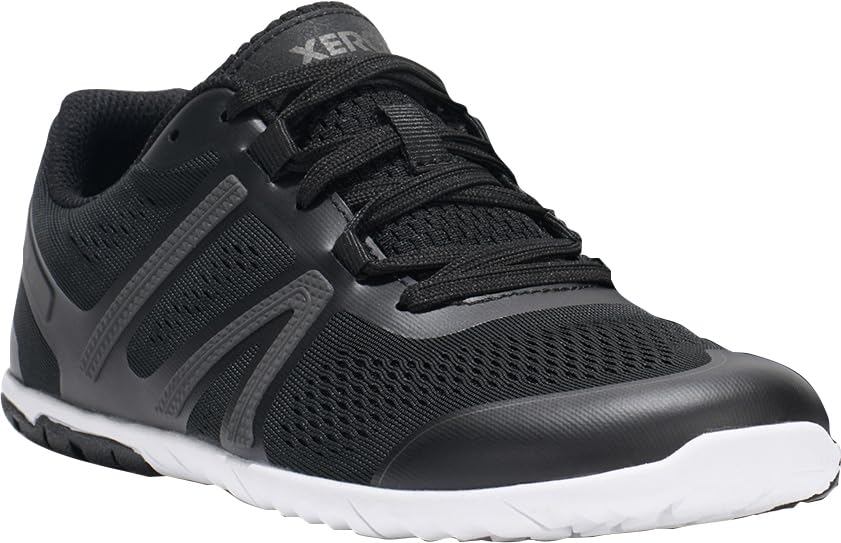
3. Xero Shoes Women’s HFS Original Barefoot Running Shoes
The flexible road runner that ended a decade-long search for pain-free miles.
If road running is your thing, this is the zero-drop sneaker to beat for pure flexibility and ground feel. The mesh upper lets your foot bend naturally, and the flexible sole gives you that barefoot connection to the pavement without any bulk. It is noticeably lighter than a traditional trainer, which owners say makes a real difference on longer runs.
One buyer logged 720 pain-free miles in 100 days, ending a ten-year search for comfortable sneakers. Reviewers with bunions, supination, and high arches find relief from the wide toe box and smooth interior. Another owner reports no blisters after walking 9 miles a day at Disney.
The catch is sizing and a thin insole. Owners consistently advise ordering half a size up, and the stock insole is thin enough that several buyers swap in supportive inserts from Dr. Scholl’s. A couple of owners mention the letters wearing off the shoe quickly, and it is not built for heavy shock absorption, so it is better for daily wear and 5k distances than marathon training.
Why Runners Love It
- Exceptional flexibility for natural foot bend
- Wide toe box with no seams for bunion relief
- 720 pain-free miles in 100 days for one owner
- Lightweight enough to forget you’re wearing them
Know Before You Buy
- Runs small — order half a size up
- Thin insole may need supportive inserts
- Limited shock absorption for long-distance running
Grab these for: road running and daily walking where flexibility and a true barefoot feel matter more than cushion.
Skip them if: you want a plush ride for long distances — the thin sole demands strong feet and a gradual transition.
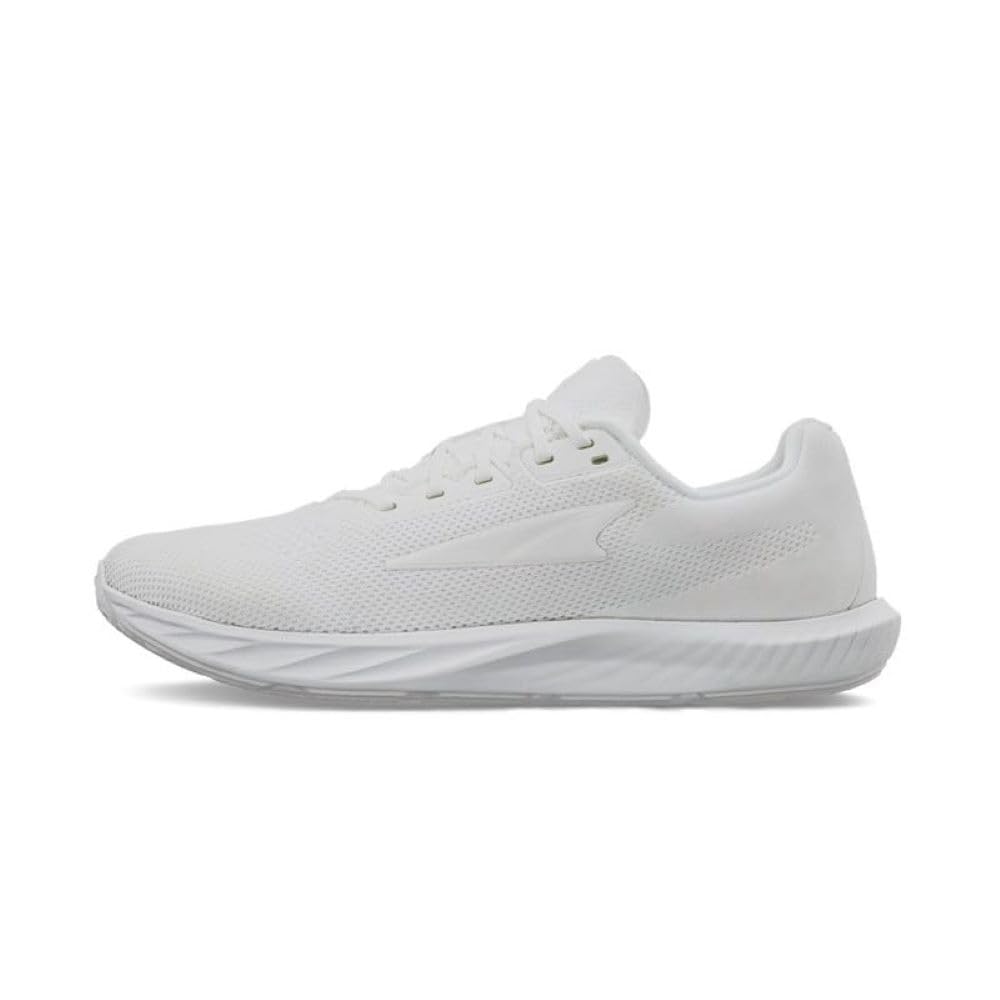
4. ALTRA Women’s Escalante 4 Road Running Shoe
The cushioned road runner that bridges barefoot comfort with everyday style.
This is Altra’s pick for road miles, daily walks, and errands, with a moderate cushion that makes the zero-drop transition easier for newcomers. The engineered knit upper gives a sock-like, forgiving fit, and the roomy FootShape toe box lets your toes move freely while the midfoot stays secure. At 28 mm in the forefoot and 32 mm in the heel, it offers noticeably more cushion than the minimalist options on this list.
Comfort is the runaway theme in owner feedback, with the wide, deep toe box winning over people with wide feet and plantar fasciitis alike. One owner specifically notes it handles plantar fasciitis better than other low-heel shoes, while another says it works great for a rebounder, bike, weights, and everyday wear. The Altra EGO midsole foam delivers responsiveness, and the FootPod outsole technology helps the shoe flex naturally with your foot.
The durability feedback is more guarded, with one owner mentioning the tread holds up well but the shoe feels slightly flimsy despite good support. Sizing runs small for some, so ordering half a size up is a common recommendation. The laces also come up short and slippery in multiple reviews, with several owners swapping in Lock Laces for a more secure fit.
Balanced everyday pick: more cushion than a barefoot shoe but still fully zero-drop, making it the smoothest transition option here for road runners and walkers.
Choose it for: road running, gym sessions, and daily wear where you want zero-drop benefits with a softer landing.
Reconsider if: you want maximum ground feel or plan to hit rocky trails — this one is built for smooth surfaces.
5. Xero Shoes Men’s Nexus Knit Zero Drop Workout & Lifestyle Sneaker
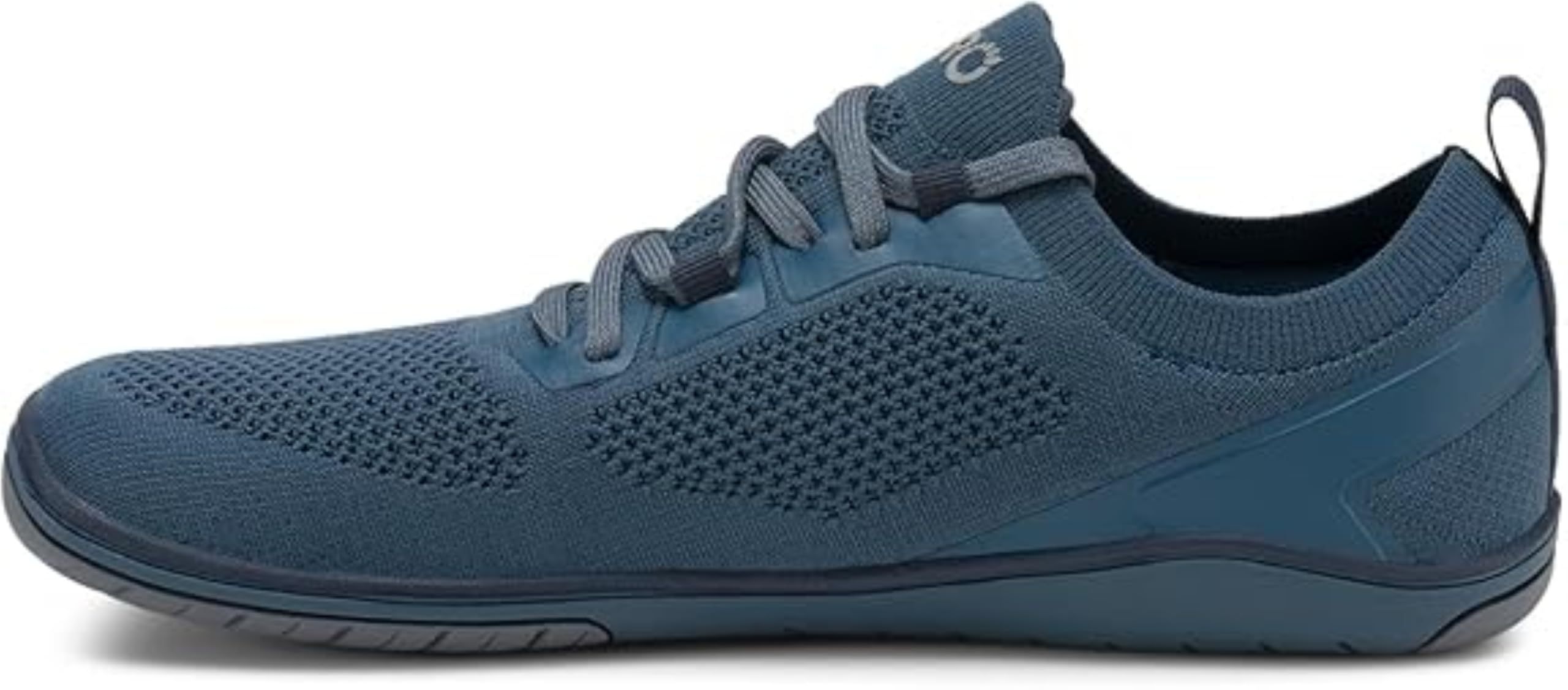
A slick-looking knit sneaker that pulls double duty in the gym and on the street.
This one blends zero-drop function with a modern, streamlined look that actually passes as a lifestyle sneaker. The knit upper is breathable and easy to clean, and the wide toe box keeps the Xero signature toe-splay room intact. It is a versatile option for workouts, casual wear, and even light running, with a flat sole that several owners say aids balance.
Quality is what owners praise most, with the build feeling solid for the price. One owner who suffers from neuropathy reports the barefoot feel prevents wobbling and balance loss, calling it far better than foam-soled shoes. Another compares it favorably to a Vivobarefoot model at roughly half the price. The removable insole is a nice touch — taking it out makes the shoe even more flexible.
Fit is the honest wildcard here. The toe box is wide, but the overall shoe runs narrow for people with unusually wide feet, and the fit runs small for some while true for others. A few owners mention the stretchy knit upper feels less secure than a traditional laced shoe, and one found the top of the shoe too tight despite extra length. If you have high arches, try them on first.
What Stands Out
- Sleek knit design that cleans up easily
- Flat sole aids balance and stability
- Removable insole for extra flexibility
- Strong quality for the price point
What to Watch
- Fit is inconsistent — narrow for wide feet, small for some
- Stretchy upper feels less secure than standard laces
- Not ideal for high arches
Pick it for: gym sessions and casual wear where you want zero-drop benefits in a shoe that looks sharp.
Pass if: you have very wide feet or high arches — the knit upper may feel too tight through the top.
6. Flux Footwear Adapt Runners – Barefoot Running Shoes Wide Toe Box Zero Drop
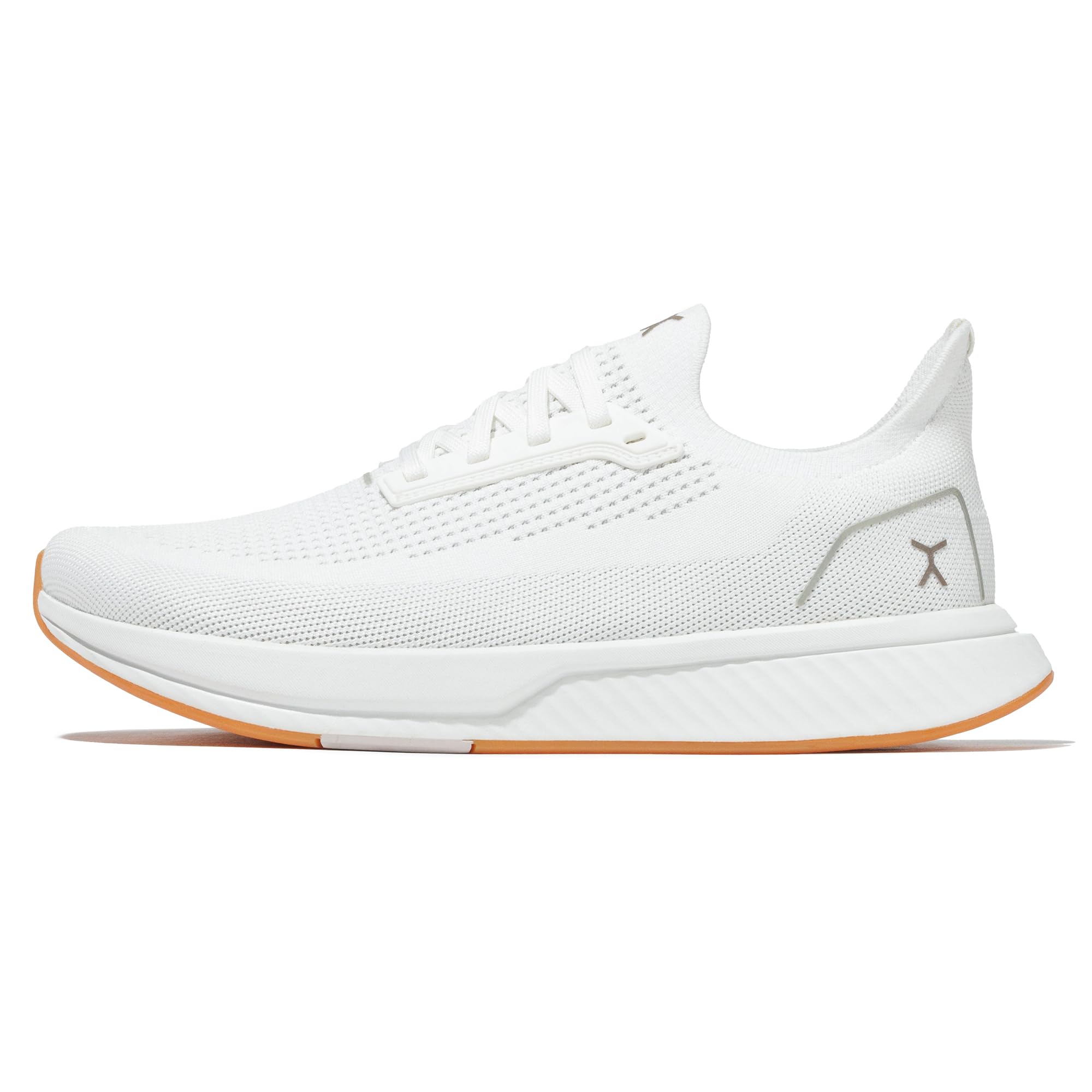
The slip-on comfort king for people who stand on their feet all day.
If your day involves hours on your feet — nursing shifts, retail floors, or theme parks — this is the zero-drop sneaker built for exactly that. The soft insoles and generous cushioning earn consistent praise, and the slip-on design makes them easy to get in and out of. The wide toe box is genuinely wide without looking awkward, and the breathable mesh upper keeps feet from feeling sweaty even after a full day.
Owners are emphatic about the all-day comfort. One nurse reports no foot pain after full shifts on her feet, and another says it is the most comfortable shoe she has had in a very long time. The versatility is a big part of the appeal — it works for running, lifting, and daily work, and owners have taken it through 5+ mile Disney days and Europe backpacking trips. They also wash up well, looking new again after a machine wash cycle.
The sizing is the main friction point. These run small for most, and the brand itself recommends sizing up half a size. The fit debate is real: some find them perfect for wide feet while others say the toe box is not as wide as claimed. A couple of owners warn that the heel can wear through under heavy daily use, and one had a frustrating return experience, so buy from a reliable source and size carefully.
Why It Wins Fans
- Soft insoles with real cushioning for long shifts
- Breathable mesh that keeps feet cool
- Machine washable and comes out looking new
- Versatile for running, lifting, and daily wear
Heads Up
- Runs small — size up half from your normal size
- Heel can wear through under a year of daily use
- Size debate on the toe box for very wide feet
Best for: anyone on their feet for long stretches who wants slip-on convenience with real cushioning.
Consider alternatives if: you have very wide feet or want a shoe that will last through heavy daily mileage.
7. Vivobarefoot Men’s Motus Strength Zero-Drop Training Shoe
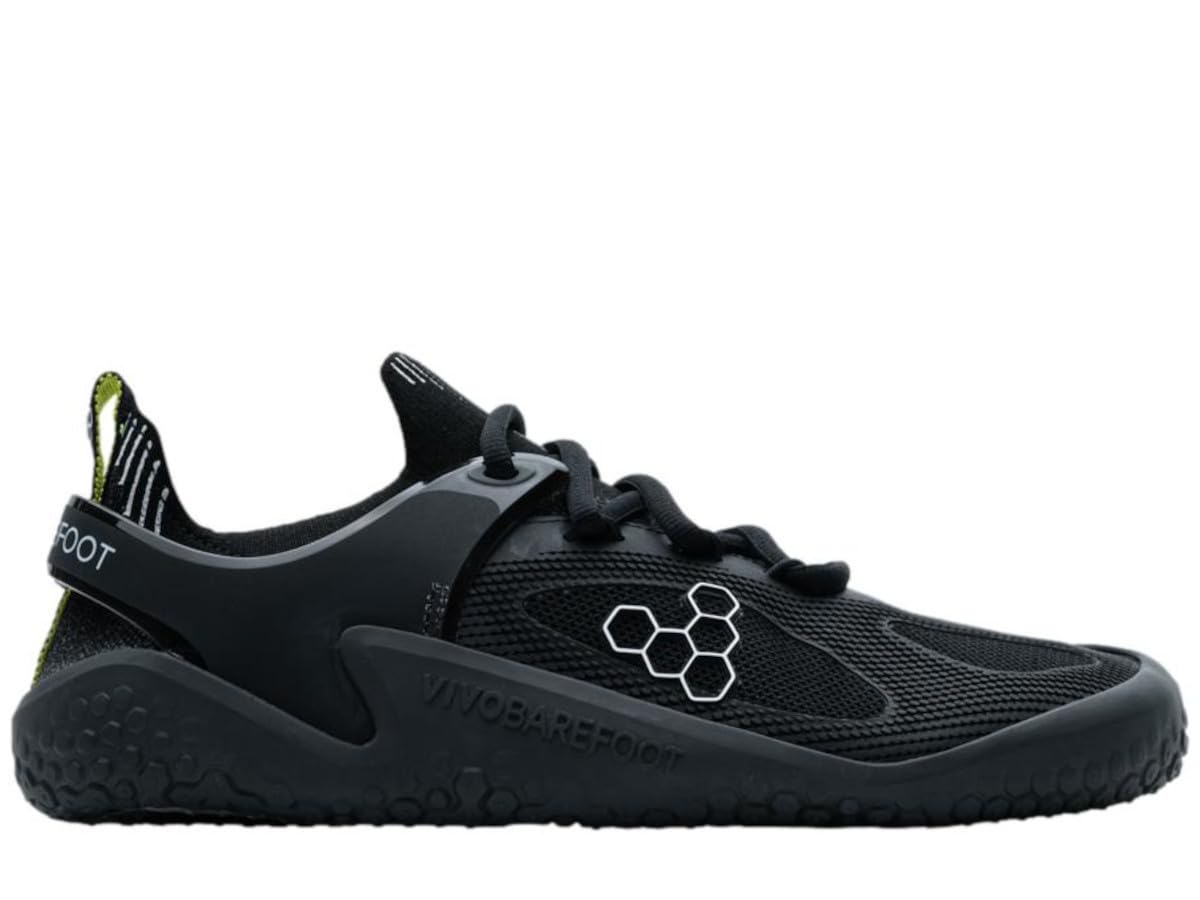
The weightlifter’s zero-drop sneaker with a firm, stable platform under heavy loads.
This is the specialist of the group — a training shoe built for the gym floor, where stability under heavy weight matters more than cushioning. The zero-drop platform keeps you level and grounded for squats, deadlifts, and power cleans, and the firm sole delivers a stable base that owners say improves their lifting. The wide toe box gives you toe splay for balance during dynamic movements.
Lifters are the ones raving about it. One owner calls it an elite weight training shoe that excels at squats, power cleans, agility, and box jumps, praising the zero-drop stability under heavy weight. Another says it is 100% more stable for squats than their previous training shoe, and notes the wide toe box feels almost flipper-like at first but becomes a huge asset. The no-break-in fit and flexible sole for full calf raises round out the appeal.
The fit is the biggest variable, and owners disagree on the direction. Some report it runs a full size big — a size 10 fits like a 10.5 — while others find it true to size for wide feet. The thin, minimal design means there is very little arch support, which is a drawback if you need structural support rather than a natural barefoot feel. A few owners with idiosyncratic foot shapes found the sock-like fit uncomfortable, so try before you commit.
Lifting Strengths
- Firm zero-drop platform stable under heavy weight
- Wide toe box for balance and toe splay
- No break-in period needed
- Flexible sole allows full calf raises
Lifting Caveats
- Sizing runs big for some — can fit a full size large
- Minimal arch support in the thin design
- Sock-like fit not comfortable for every foot shape
Reach for it in: the gym, especially for squats and deadlifts where a stable, level base directly improves your lift.
Look elsewhere if: you need arch support or plan to wear them for long walks — the minimal design prioritizes ground feel over comfort.
Understanding the Specs
Drop
Drop is the height difference between the heel and the forefoot, measured in millimeters. A zero-drop shoe has the heel and toe at the same level, which promotes a more natural foot position and a midfoot or forefoot strike instead of a hard heel crash. This is the defining spec of this entire category, and it is what makes your calf and Achilles work differently than in a traditional running shoe.
Stack Height and Cushioning
Stack height is the amount of material between your foot and the ground, typically measured in millimeters. A higher stack like 25 mm or 28 mm/32 mm offers more cushion and protection, while a lower stack gives you more ground feel. Cushion describes the softness of that midsole — ranging from firm and minimal in barefoot-style shoes to moderate and plush in road trainers.
Toe Box Width
The toe box is the front section of the shoe where your toes sit. A wide, foot-shaped toe box lets your toes spread and splay naturally, which is a core feature of zero-drop and barefoot shoes. This matters if you have bunions, hammertoes, or wide feet, and it is often the feature owners mention as the biggest relief.
Break-In Period
Transitioning to zero-drop shoes requires your calf muscles and Achilles tendons to adapt to a flat foot position. Most brands and owners recommend starting with short walks and gradually increasing distance. Jumping straight into long runs can cause soreness, so plan for a gradual transition over a few weeks.
FAQ
What does zero drop mean in sneakers?
Will zero drop shoes help with foot pain?
How long does it take to adjust to zero drop sneakers?
Do zero drop shoes run true to size?
Can I run in zero drop sneakers?
What is the difference between zero drop and barefoot shoes?
Are zero drop sneakers good for wide feet?
Can I wear zero drop shoes for weightlifting?
Final Thoughts: The Verdict
For most buyers, the 0 drop sneakers winner is the ALTRA Lone Peak 9 because it pairs the roomiest toe box in the category with a grippy outsole and genuine mid-cushion protection, making it the most versatile trail-to-town pick. If you want a smoother, more cushioned road ride, grab the ALTRA Escalante 4. And for pure gym performance under heavy weight, the Vivobarefoot Motus Strength is the one to reach for. Start with short walks and size up half a size if needed to ease the transition to zero-drop comfort.
How We Picked
We do not accept paid placement. Every pick is matched to a real buyer and a real use-case; we do not hands-on test units.
Sources & Methodology
Specifications: manufacturer listings and product documentation. Review insights: verified customer reviews, as of August 2026. Pricing: not shown on this page (it changes often); check the current price via the retailer link.
As an Amazon Associate, Gadgets Feed earns from qualifying purchases. This does not affect which products we feature.