
Our readers keep the lights on and my morning glass full of iced black tea. As an Amazon Associate, I earn from qualifying purchases.
Specs are compiled from manufacturer listings and verified buyer reviews and can change over time — please confirm the key details on the product page before buying.
Before you haul home any 50 lb bag of salt for snow, know this: not all ice melters are equal, and the cheapest bag of rock salt can be the most expensive one for your concrete. The real question is how fast it melts, how low a temperature it handles, and whether it damages concrete, steps, or shoes. This guide compares rock salt, calcium chloride, and gentler blends to match the right melter to your walkways and climate.
I’m Min — the founder and writer behind Gadgets Feed. This guide is built by comparing the manufacturers’ published specifications and the patterns across verified customer reviews, so you get each pick’s real strengths and trade-offs instead of marketing spin.
We’ve compared 50 lb bags on melting speed, temperature range, and surface safety to help you find the best 50 lb bag of salt for snow for your driveway this winter.
Our Picks at a Glance

How To Choose The Best 50 Lb Bag Of Salt For Snow
The first thing to understand is that “salt” is a catch-all term for several different chemical melters, and each one behaves differently on your driveway. Rock salt is cheap but slow and stops working in bitter cold. Calcium chloride is fast and works in extreme lows but costs more. Magnesium chloride is gentler on concrete and plants but can clump. Your choice hinges on your local winter lows and the surface you’re treating.
Know your lowest winter temperature
Every melter has a floor — a temperature below which it stops doing its job. If your winters regularly dip to -10°F, a product rated only to -8°F or -15°F might leave you with ice. Check the rating on the bag and match it to the coldest morning you realistically face. A product rated to -25°F gives you a big safety margin for brutal cold snaps.
Protect the surface you’re treating
If you have concrete, brick, or stone, the chemical makeup matters as much as the melting power. Plain rock salt can damage concrete over time as it undergoes freeze-thaw cycles. Blends with calcium chloride or magnesium chloride are considered gentler on concrete, and some are formulated to be safer for plants and metal too. For precious concrete or stone, invest in a formula explicitly designed for surface protection.
Quick Comparison
| Model | Best For | Melting Temp | Active Ingredient | Weight | Amazon |
|---|---|---|---|---|---|
| Peladow Calcium Chloride Pellets★ Best Overall | Extreme cold performance | Down to -25°F | Calcium Chloride | 50 lbs | Amazon |
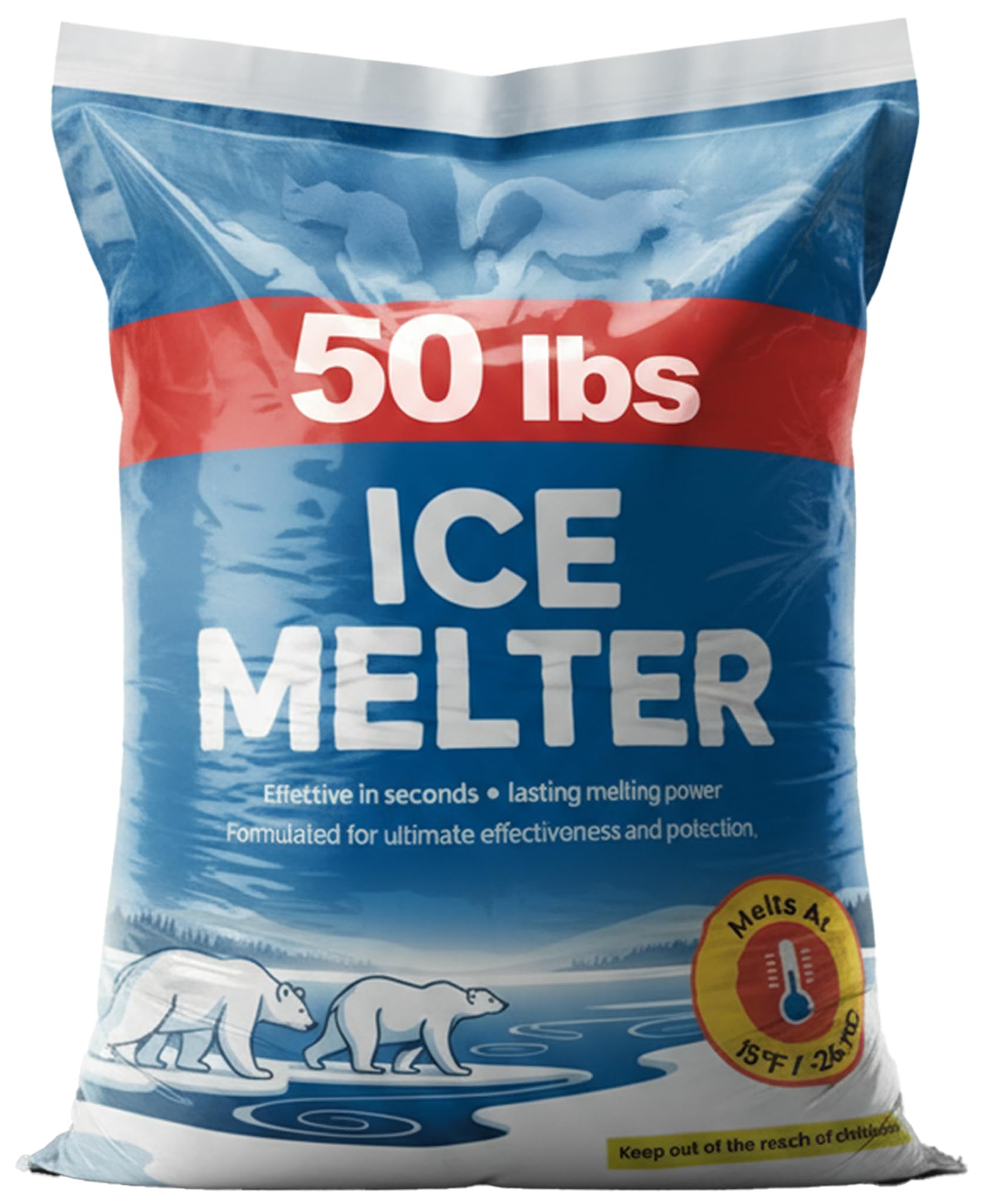
| Maple99 Ice Melt Safe for ConcreteSurface Saver | Gentle on surfaces | Down to -15°F | Blend with dye | 51 lbs | Amazon |
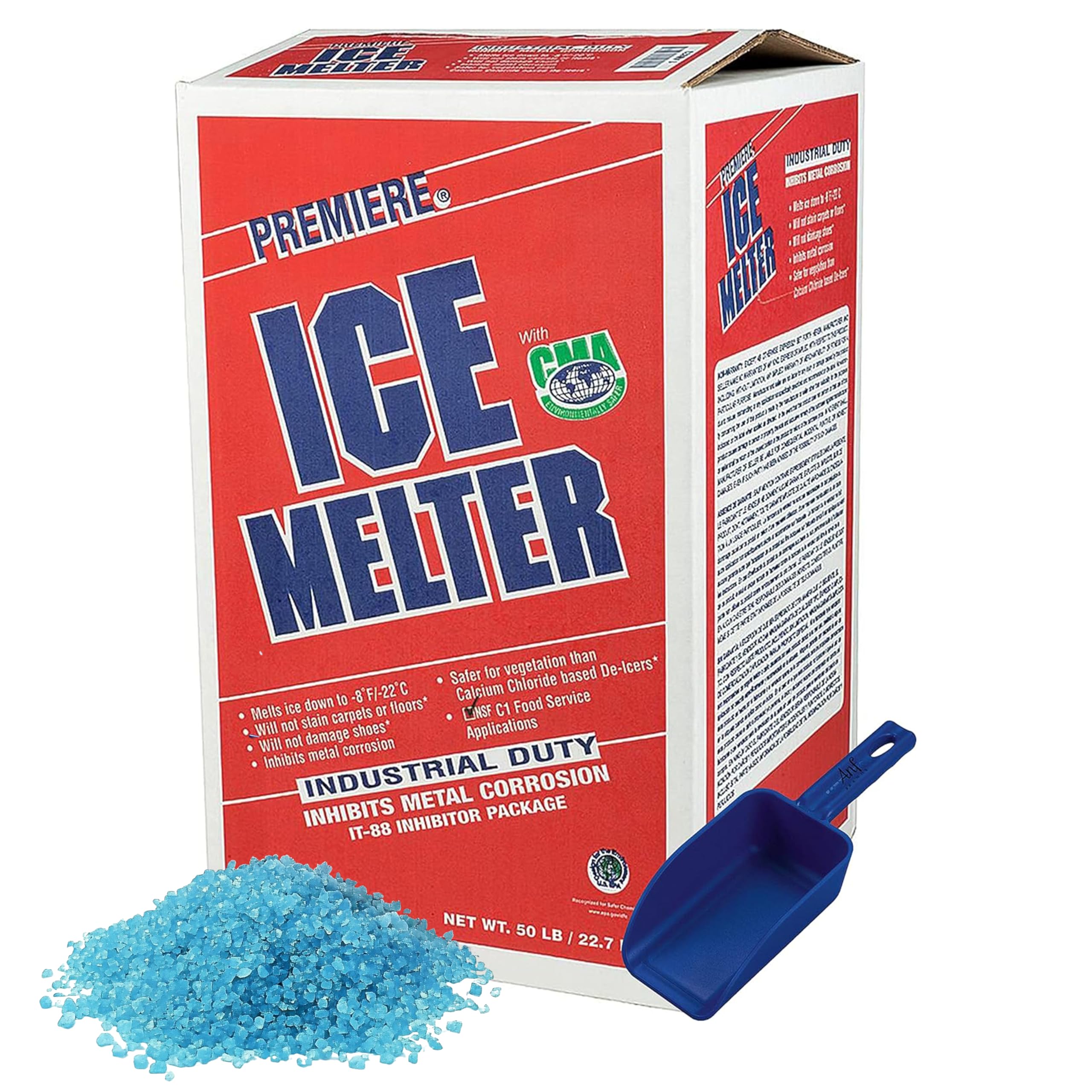
| Premiere Ice and Snow MelterMulti-Surface | Multi-surface use | Down to -8°F | Salt with CMA | 50 lbs | Amazon |
| Maple99 Sidewalk & Driveway Salt | Instant contact melting | Down to -15°F | Blend with dye | 51 lbs | Amazon |
| Snow Joe Dead Sea Magnesium Flakes | Pet and surface friendly | Down to -13°F | Magnesium Chloride | 50 lbs | Amazon |
| Scotwood Road Runner Ice Melt | High-volume blending | Not stated | Multi-chloride blend | 50 lbs | Amazon |
| North American Salt Enviro Blend | Home safety priorities | Down to -10°F | Enviro Blend | 50 lbs | Amazon |
| Snow Joe Pellets of Fire | Fastest action in a bucket | Down to -25°F | 100% Calcium Chloride | 50 lbs | Amazon |
| North American Salt Extreme 7300 | Long-term user loyalty | Down to -25°F | Calcium Chloride | 50 lbs | Amazon |
In‑Depth Reviews
1. Peladow Calcium Chloride Pellets Snow and Ice Melter
Our pick — over 4.5★ from 350+ verified ratings; the strongest balance of quality and price.
The deep-cold specialist that keeps melting when rock salt gives up.
If your winters plunge well below zero, this is the bag that earns its place in the garage. It’s a fast-acting calcium chloride formula rated effective down to -25°F, so it keeps working in the bitter cold where standard rock salt stops. The pellets attract moisture from the air to kick off melting, and the formula is exothermic — meaning it generates its own heat on contact with ice.
Buyers report it worked down to -10 degrees on driveways and walkways with excellent melting results, and it’s odorless, which matters if you’re storing it near the house. The trade-off is a higher per-bag cost than plain rock salt. But as owners note, you need noticeably less product to do the same job, so the value shows up in how long a bag lasts. A little goes further than expected, stretching the bag’s value.
The Deep-Cold Edge
- Melts effectively down to -25°F
- Attracts moisture for fast action
- Exothermic — generates its own heat
The Cost Reality
- Pricier per bag than rock salt
- Not the cheapest upfront option
Reach for this if: you face extreme cold and want a fast, effective melt that lasts.
Look elsewhere if: budget is your only concern and your winters stay mild.
2. Ice Melt Safe for Concrete Sidewalks & Driveways
The concrete-conscious formula that shows you exactly where you’ve spread it.
This bag starts working instantly on contact with ice and snow, and it’s pitched squarely at protecting your concrete. The formula is designed to prevent refreezing, so once your steps and driveway are clear, they stay clear — a genuine safety win for cars and pedestrians in extreme cold. It’s rated down to -15°F, which covers most residential winters.
The standout feature owners appreciate is the dye: it helps you see where you’ve applied it so you don’t overdo it. One heavy winter, a buyer found they didn’t even use a quarter of the bag on their driveway, which speaks to how concentrated the melt is. The lightweight application and visible coverage make it forgiving for anyone spreading by hand.
Why it wins: the visible dye and anti-refreeze formula make it a smart, surface-safe pick for homeowners who care about their concrete.
The honest note: at 51 pounds, it’s a heavy lift to haul from the car to the garage.
3. Premiere Ice and Snow Melter with CMA
The gentler salt-based blend that looks after plants, shoes, and metal too.
Most melters stop at protecting concrete — this one extends the courtesy to your plants, shoes, and metal surfaces thanks to its CMA enhancement. CMA is a calcium magnesium acetate compound known for being less corrosive than straight salt. The formula is fast-acting and melts on contact, and it’s rated effective down to -8°F, which suits moderate winter climates.
The blue tint is a practical touch: owners mention it helps you see exactly where you’ve spread it and where you haven’t, so you get even coverage without waste. It’s ideal for driveways, sidewalks, and parking lots where you want one product that won’t damage the landscaping or the car parked nearby. Just note the -8°F rating means it’s not built for extreme arctic blasts.
The fit: perfect for homeowners who want a multi-surface melter that’s kind to plants and metal.
Not for: anyone facing regular temperatures below -8°F who needs deeper cold insurance.
4. Maple99 Ice Melt Safer for Concrete
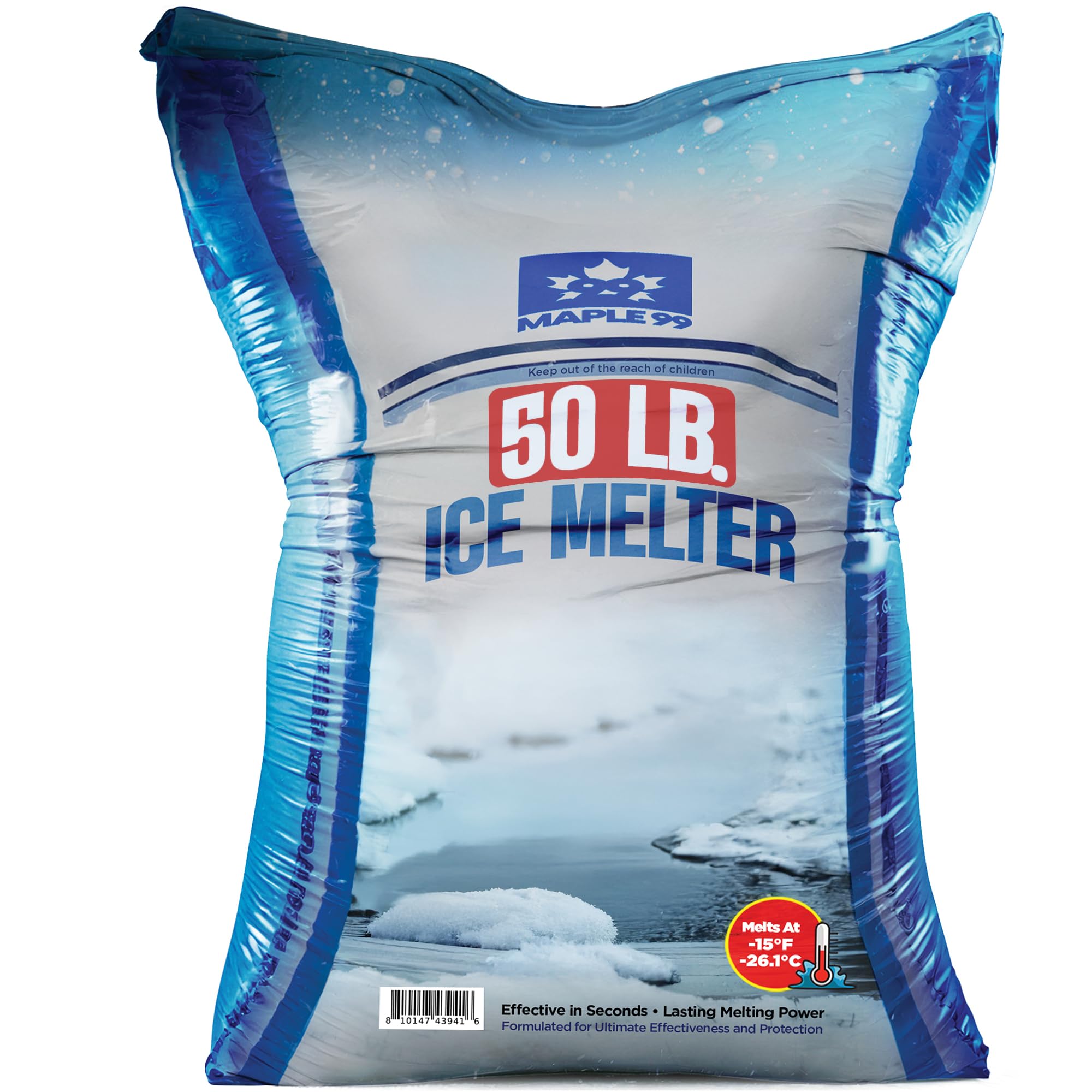
The step-saver that kept one owner’s stairs the only ice-free spot in a storm.
This is the bag for people who want visible, dramatic results fast. It’s a professional-grade formula that starts working instantly on contact, and the Safety-Max formula prevents refreezing once surfaces are clear. Rated down to -15°F, it held up through a heavy ice and snow storm where it was the only place left ice and snow free, according to one owner.
An Ohio buyer in his 70s calls it “great stuff” — applying it before snow means you can just push the snow across the driveway with ease. The catch is consistency: some owners find melting speed varies, and a few describe it as slow. It’s a strong performer for standard winter storms, but if you need guaranteed rapid melt in every condition, weigh that against the top calcium chloride picks.
The takeaway: pre-treat with this before a storm and shoveling becomes dramatically easier.
The caveat: melting speed gets mixed reviews, so results can vary storm to storm.
5. Snow Joe Dead Sea Magnesium Chloride Flakes
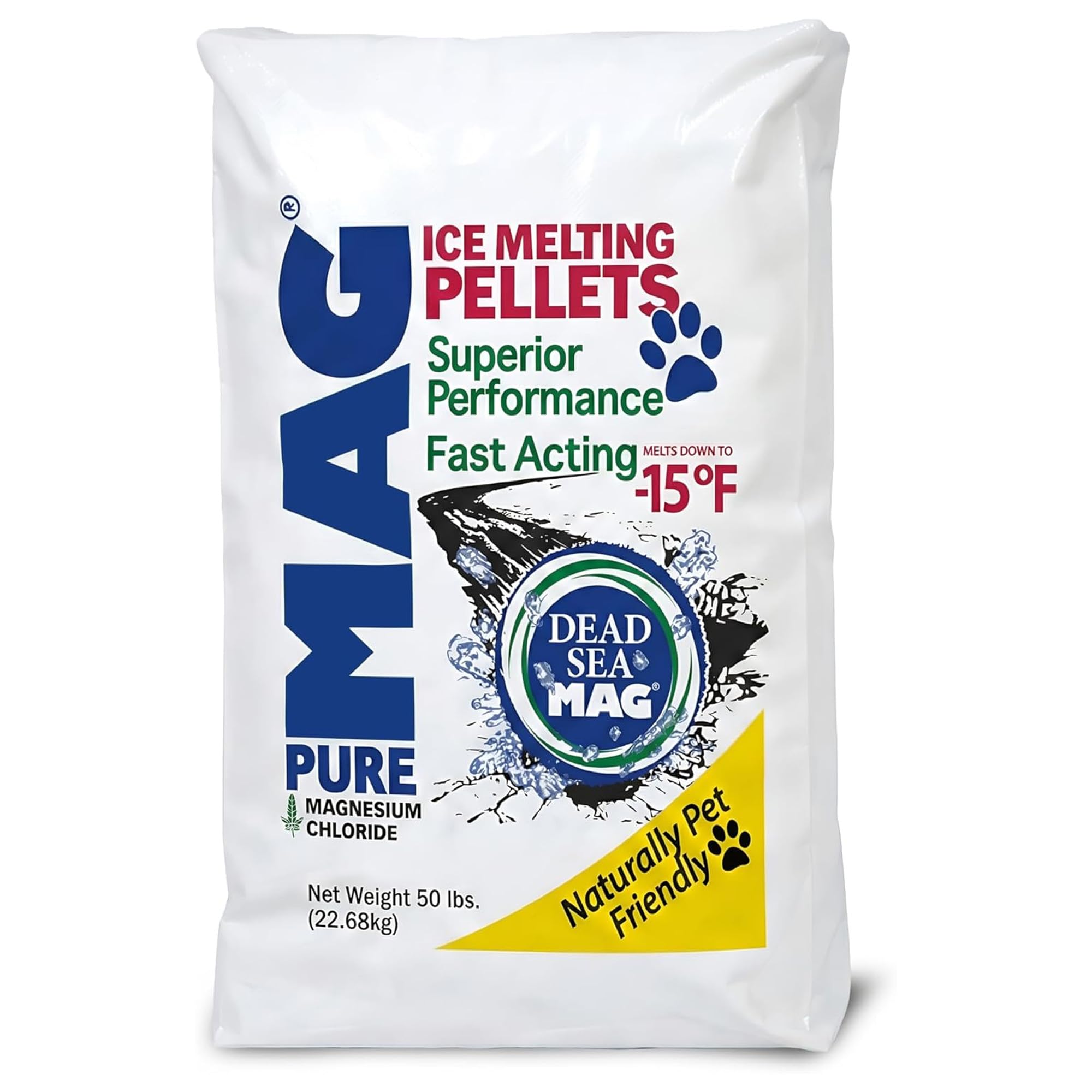
The natural-feeling flake that’s gentler on paws, plants, and concrete.
If you have pets, this is the bag to pay attention to. It’s made with magnesium chloride, which is less harsh on surrounding vegetation and helps reduce corrosion on concrete and metal. Owners specifically note it’s safe for pets, making it a thoughtful pick for households with dogs that walk the same paths you treat. It performs down to -13°F, so it holds its own in genuinely cold winters.
The uniform pellet size spreads evenly by hand or with a common lawn spreader, and each 50-pound bag covers roughly 2,500 square feet — enough for multiple storms around a typical home. One owner found it softened up 4 inches of solid ice so it could be shoveled easily. The recurring gripe is clumping: moisture can make the flakes solidify into a near-impossible mass, so keep the bag sealed tight between uses.
What Wins People Over
- Gentler on pets and plants
- Reduces corrosion on concrete and metal
- Covers about 2,500 square feet per bag
The Storage Catch
- Clumps and solidifies if moisture gets in
- Seal the bag tightly between storms
Choose this if: pets, plants, and concrete protection matter as much as melting power.
Be ready for: the clumping that comes with moisture exposure — storage discipline is key.
6. Scotwood Road Runner Ice Melt

The workhorse blend that balances four chlorides for all-around melting.
This bag throws everything at the ice: it combines calcium, magnesium, potassium, and sodium chlorides in one heavy-duty formula. That multi-chloride approach aims for fast action even in low temperatures, and it’s sized generously for both residential and commercial winter maintenance. You can spread it by hand or with a salt spreader for consistent coverage.
Owners find it keeps front steps ice-free and works effectively on cement sidewalks. It’s best for traction and melting in typical winter conditions — one buyer notes it provides traction below freezing and melts above 32°F. The honest limit: performance fades in extreme cold, with one report that it doesn’t melt snow around zero Fahrenheit or below, so it’s not the pick for brutal arctic blasts. It also leaves a salt residue that needs rain to wash away.
The verdict: a solid mid-range blend for standard winters and high-traffic areas.
Watch out for: its limits near zero degrees and the residue it leaves behind.
7. North American Salt Enviro Blend Ice Melter
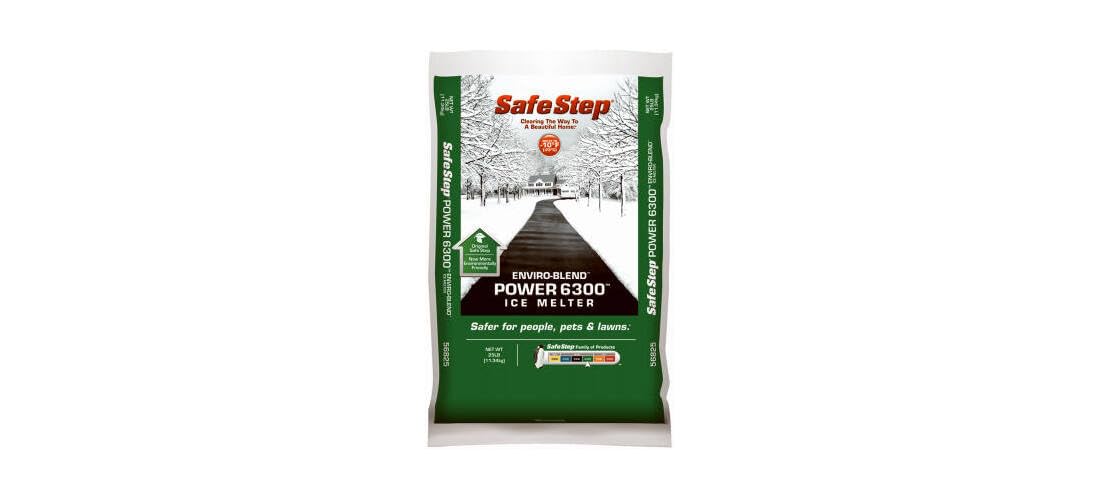
The family-conscious melter for households with kids and dogs.
If you have kids or pets, this Enviro Blend melts ice down to -10°F (about 23°C below freezing) without the harsh chemicals that worry parents. The maker claims it won’t harm carpets or concrete, so you can use it on your driveway and entryway without staining. One buyer with both a dog and a toddler reported it cleared ice effectively, giving you the safety you want without sacrificing performance.
It’s ready to use straight out of the bag on patios, sidewalks, driveways, and parking lots, so you don’t need to mix or prep anything. One unverified report claims concrete damage, so always follow the label’s application rate and avoid over-application. For most homes, it’s a dependable mid-tier choice that balances safety and melt power.
Grab this for: a household with pets and small kids where surface safety is a top concern.
Keep in mind: apply at the recommended rate to protect your concrete.
8. Snow Joe Pellets of Fire Ice Melter
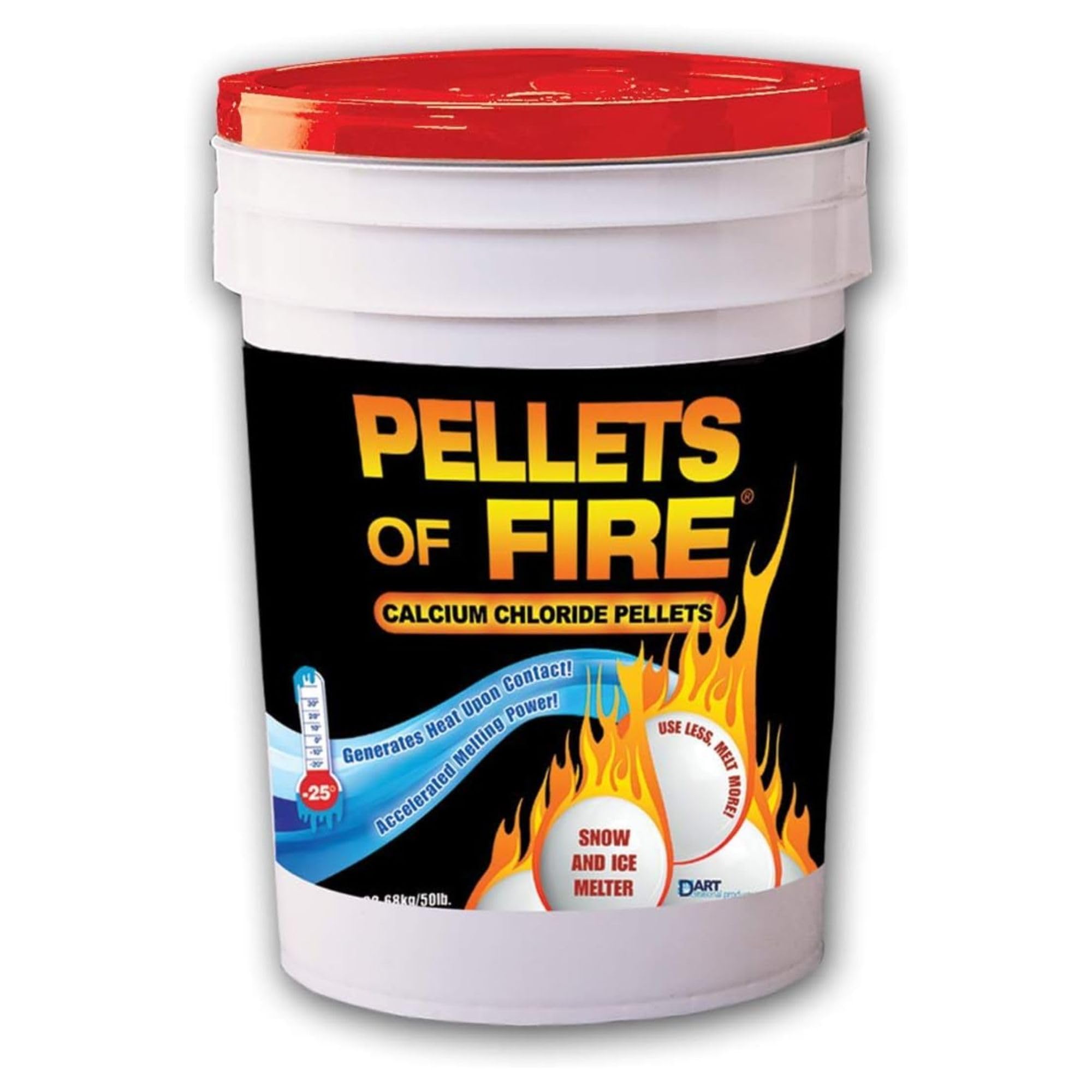
The pellet that audibly cracks ice the moment it makes contact.
This is the drama pick. It’s 100% pure calcium chloride with no fillers or additives, and it works by hygroscopic action — continuously drawing moisture to drive rapid de-icing. One owner described hearing the ice crack as soon as the pellets landed, and it’s rated effective down to -25°F, putting it in the top tier for extreme cold alongside the Peladow.
Unlike most bags, this comes in a heavy-duty 50-pound bucket with a resealable lid. That’s a real advantage: the lid keeps pellets dry and ready between storms, solving the clumping problem that plagues other melters. Owners note it doesn’t damage cement, keeps walkways clear, and doesn’t leave residue. The only friction is the lid itself, which one buyer called a beast to get off the first time — a small price for a storage-friendly container.
The Bucket Bonus
- Resealable bucket keeps pellets dry
- Melt on contact down to -25°F
- No fillers, pure calcium chloride
Small Friction Points
- The lid is tough to open at first
- Premium price for the convenience
Pick this if: you want the fastest melt plus the storage convenience of a resealable bucket.
Pay for: the premium container and pure formula — it’s the easiest way to store 50 lbs.
9. North American Salt Extreme 7300 Calcium Chloride

The years-long favorite that melts fast and leaves nothing behind.
This is the calcium chloride melter with a loyal following. It melts ice and snow down to -25°F, deeply penetrates ice, and instantly generates heat on contact. Owners who’ve used it for many years praise how little it takes — one Chicago buyer notes “a little goes a long way” and that it melts ice very fast. The gentle-on-concrete reputation is a recurring theme, and it’s the detail long-term users emphasize most.
It has one clean advantage over some competitors: it does not leave powdery residue, so you’re not tracking white dust through the house. It’s ready to use straight from the bag on driveways and sidewalks. Experienced users say it works best after shoveling—apply to remaining ice, wait about 30 minutes, then finish clearing.
Why it earns loyalty: fast melt, no residue, and a track record of years of reliable service.
The technique: apply after shoveling for the best results — it’s not a magic replacement for the shovel.
Understanding the Specs
Active Ingredient: What’s Actually in the Bag
The chemical makeup decides everything about how your melter behaves. Rock salt (sodium chloride) is cheap but slow and stops working in deep cold. Calcium chloride is fast, exothermic (generates its own heat), and works to extreme lows, but costs more. Magnesium chloride is gentler on concrete, plants, and pets, though it can clump when exposed to moisture. Some blends mix multiple chlorides to balance speed, cost, and surface safety.
Melting Temperature Rating: The Number That Matters Most
Every melter has a minimum working temperature, and it’s the single most important spec to match to your climate. A product rated to -8°F is fine for mild winters but will fail you in an arctic blast. Products rated to -25°F give you a huge safety margin. Check the coldest temperature your area realistically sees, then buy a bag rated for colder — your driveway will thank you.
Pellet vs Flake: It’s About Coverage
The physical form affects how evenly you can spread it. Uniform pellets — like those in calcium chloride and magnesium chloride products — spread consistently and boost coverage. Larger flakes or chips can be trickier to distribute evenly by hand. If you’re using a lawn spreader, look for products that note they work with common spreaders for the most even application.
Concrete Safety: Protecting Your Biggest Investment
Not all melters treat your concrete equally. Plain rock salt can damage concrete over time through freeze-thaw cycles. Calcium chloride and magnesium chloride formulas are generally considered gentler. Some products are explicitly marketed as concrete-safe, and some add CMA (a less corrosive compound) for extra surface protection. If your driveway or steps are concrete, spending a bit more for a gentler formula protects a much bigger investment.
FAQ
What is the difference between rock salt and calcium chloride ice melt?
Will 50 pounds of ice melt cover my whole driveway?
Is calcium chloride safe for concrete driveways?
What temperature does ice melt stop working?
Can I use ice melt on my plants and lawn?
Is ice melt safe for pets?
How is a 50 lb bag of ice melt different from the smaller sizes?
Why does my ice melt leave a white residue on the floor?
Can I use ice melt before it snows to prevent ice from forming?
Final Thoughts: The Verdict
For most homes, the 50 lb bag of salt for snow winner is the Peladow Calcium Chloride Pellets because it works down to -25°F (far colder than typical rock salt) and melts ice fast by generating its own heat, so you often need less per application. If you worry about your concrete, the Maple99 Ice Melt adds a visible blue dye so you can see where you’ve spread it and avoid over-treating. For the quickest melt and easy storage, the Snow Joe Pellets of Fire comes in a resealable bucket that keeps pellets dry between storms.
How We Picked
We do not accept paid placement. Every pick is matched to a real buyer and a real use-case; we do not hands-on test units.
Sources & Methodology
Specifications: manufacturer listings and product documentation. Review insights: verified customer reviews, as of August 2026. Pricing: not shown on this page (it changes often); check the current price via the retailer link.
As an Amazon Associate, Gadgets Feed earns from qualifying purchases. This does not affect which products we feature.