
Our readers keep the lights on and my morning glass full of iced black tea. As an Amazon Associate, I earn from qualifying purchases.
Specs are compiled from manufacturer listings and verified buyer reviews and can change over time — please confirm the key details on the product page before buying.
A snowmobile trail throws a mix of cold wind, body heat, and sweat at you, so your first layer decides whether you spend the day carving powder or shivering at the gas station. The right base layer for snowmobiling manages both moisture and warmth, keeping you dry when you work hard and warm when you stop. Merino wool leads the pack here because it regulates temperature naturally and resists odor, but you need to pick the right weight and fit for your ride.
I’m Min — the founder and writer behind Gadgets Feed. This guide is built by comparing the manufacturers’ published specifications and the patterns across verified customer reviews, so you get each pick’s real strengths and trade-offs instead of marketing spin.
Whether you are a weekend trail rider or a backcountry regular, this breakdown of the best base layer for snowmobiling cuts through the specs to the gear that actually keeps you riding longer.
Our Picks at a Glance

How To Choose The Best Base Layer For Snowmobiling
Your base layer is the foundation of your whole cold-weather system. It sits against your skin, so it needs to do two jobs at once: pull sweat away and hold warmth close. A cotton t-shirt fails both, so the choice is really between merino wool and synthetics.
Fabric weight and your ride intensity
Base layers are categorized by weight, usually measured in grams per square meter (gsm). A heavy 400g layer is for extreme cold and low activity, while a lighter 175g or 250g option suits active riding where you generate your own heat. For snowmobiling, think about how much you move — a high-exertion ride might overheat you in the thickest fabric.
Why the fit matters as much as the fiber
A base layer must fit snugly against your skin to trap heat and wick moisture effectively. A loose layer lets cold air in and lets warm air escape. Compression-style tops hug tight, but some riders find them restrictive, while form-fitting merino blends offer a middle ground that layers easily under a snowmobile suit.
Quick Comparison
| Model | Best For | Weight | Material | Type | Amazon |
|---|---|---|---|---|---|
| MERIWOOL Heavyweight Pants★ Best Overall | Extreme cold legs | 400g | 100% Merino Wool | Pants | Amazon |
| Merino.tech Short SleeveBest Value | Four-season value | — | 100% Merino Wool | Top | Amazon |
| Under Armour ColdGear MockTop Performer | Wet-weather compression | — | Dual-layer synthetic | Top | Amazon |
| Merino.tech Quarter Zip | Women’s slopes | 250 g/m² | 100% Merino Wool | Top + Socks | Amazon |
| MERIWOOL Midweight Half Zip | Versatile midweight | 250g | 100% Merino Wool | Top | Amazon |
| DANISH ENDURANCE Set | Women’s full set | 180 gsm | Merino Wool Blend | Set | Amazon |
| Icebreaker 175 Crew | Year-round versatility | 175 | 100% Merino Wool | Top | Amazon |
| Smartwool Classic Thermal Crew | All-day warmth | — | 100% Merino Wool | Top | Amazon |
| Helly Hansen LIFA Merino | Hybrid ski layering | 225g | Merino + LIFA | Top | Amazon |
In-Depth Reviews
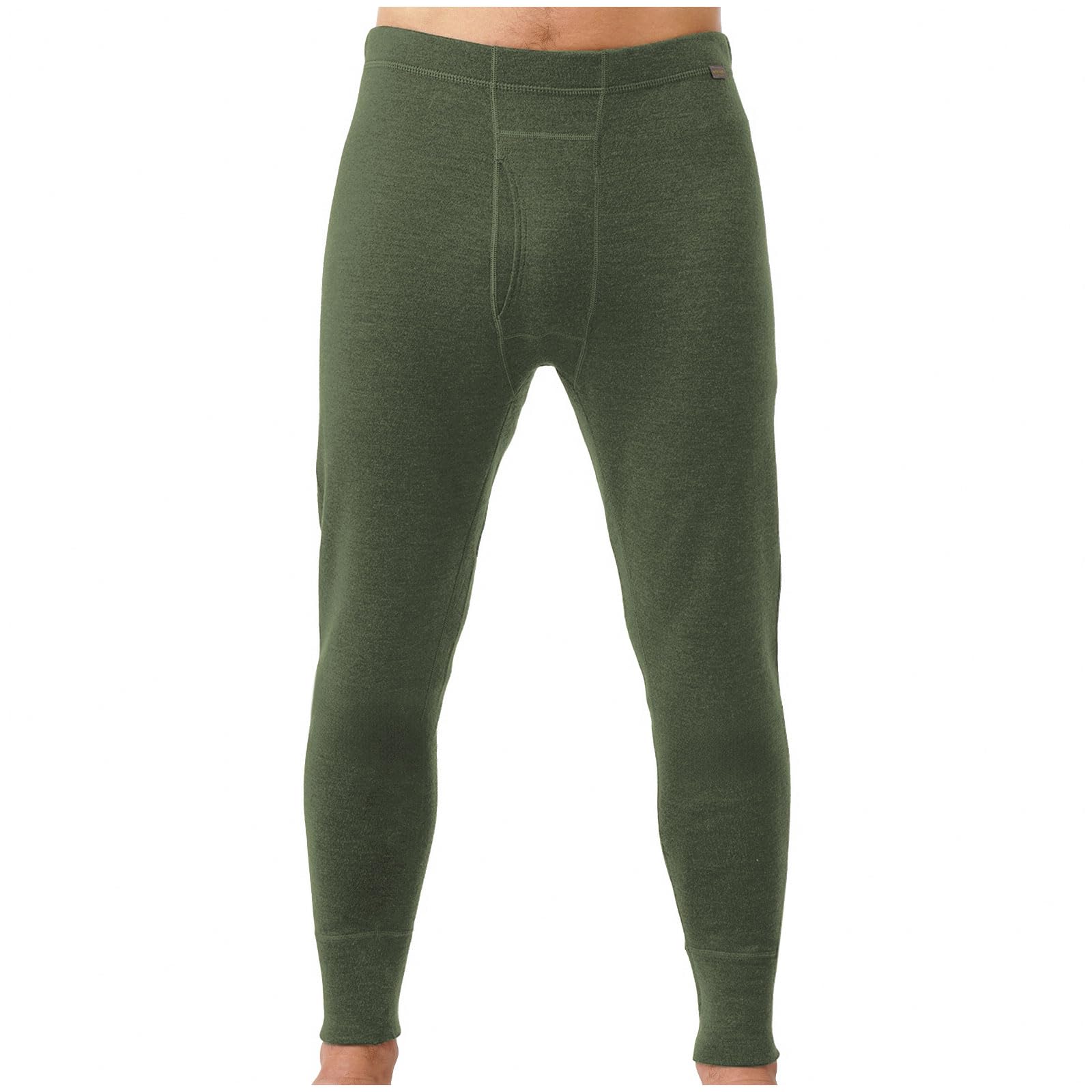
1. MERIWOOL Mens Base Layer 100% Merino Wool Heavyweight 400g Thermal Pants
Our pick — over 4.5★ from 700+ verified ratings; the strongest balance of quality and price.
The heavyweight champion for riders who refuse to feel the cold on their legs.
If your legs are the first thing to go numb on a long, cold trail, this is the pair to build your ride around. The 400g merino wool is the thickest pick in this lineup, and buyers report that at 16°F with just jeans over them, their legs stayed comfortable. That is exactly the kind of buffer you want between you and a snowmobile’s wind blast.
Owner feedback lands squarely on quality and comfort, with the thick 400g weight described as feeling like wearing a sweater on your legs. The fabric is soft and itch-free, which matters when you are sitting still between rides. It layers under other pants without restricting your range of motion, so you can still maneuver the sled.
There is one honest trade-off: the listed “no data” section aside, some owners note the legs can feel quite heavy and a few report holes developing after several wears, so treat them with care. The waist has no drawstring, which riders hiking on foot find lets them sag, though it is fine for stationary riding. The majority of owners, including a 6’2″ 205-pound rider, advise sizing down for a proper layering fit.
The Warmth Factor
- 400g heavyweight merino delivers serious cold-weather insulation
- Confirmed comfortable at 16°F under jeans
- Soft and itch-free against the skin
The Fit Reality
- Runs large; most riders need to size down, especially for layering
- No waist drawstring, so they can slide down when hiking
- An occasional unit develops holes after a few wears
Reach for these if: you run genuinely cold on your legs and want maximum insulation for deep-winter rides.
Look elsewhere if: you are highly active and prone to overheating, as 400g can feel heavy and warm.
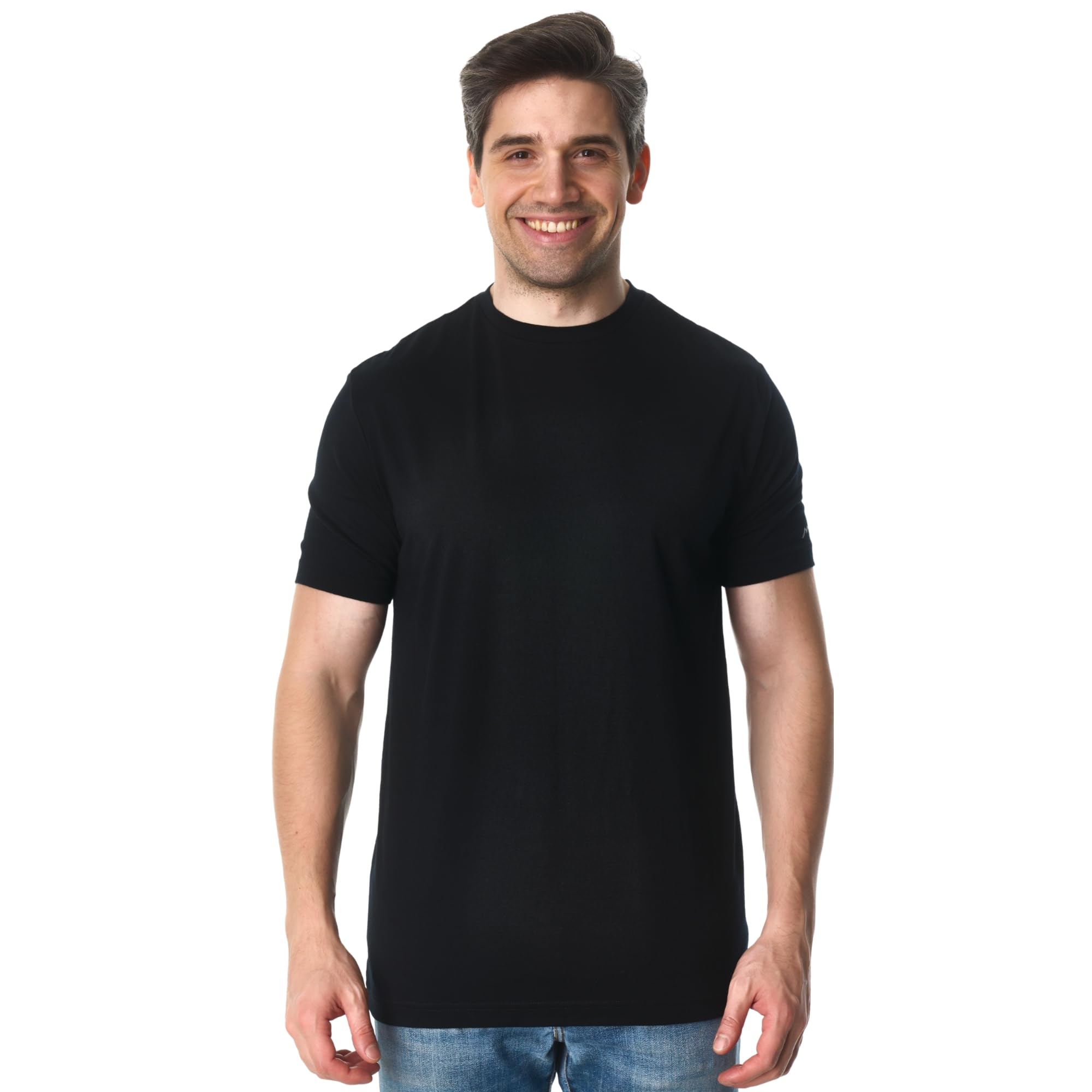
2. 100% Merino Wool Shirt Men – Short Sleeve Top Sport Thermal Base Layer
A budget-friendly merino top that punches far above its weight class.
You don’t have to spend a fortune to get real merino performance, and this short-sleeve top is proof. It is the entry-level pick here that still delivers the core benefits: owners mention it keeps you cool in humidity, warm in cool weather, and shows minimal odor even after 2-3 days of wear. That odor resistance is a huge win for multi-day snowmobile trips.
What wins people over is the combination of quality and fit — it is the most-praised aspect by far, with owners noting it is soft, well-made, and form-fitting for layering without bulk. It is a genuine 100% merino wool shirt with UPF 50+ sun protection, so it works for summer rides and warm-weather trail days as well as winter. The lifetime warranty from Merino.tech adds a layer of confidence the pricier brands don’t always offer.
The catch is on sizing: fit runs a little small, and one owner who wears a 2X found even a 3X too tight. Another found the collar stitching slightly itchy, which is unusual for merino. It also demands gentle care — hand washing and laying flat to dry keeps it in shape, so skip this if you need a machine-wash-and-go layer.
Smart buy: For the price, this is the best way to test whether merino works for your riding style before committing to a heavier investment.
Sizing caution: Order up if you are between sizes, and treat the collar stitching gently.
3. Under Armour Men’s ColdGear Compression Mock
The synthetic speedster for wet, high-output days on the trail.
When your ride turns into a workout, this is the top that keeps pace. The dual-layer fabric pairs an ultra-warm brushed interior with a smooth, fast-drying exterior, so it pulls sweat off your skin and dries quickly. Stretch-mesh back and underarm panels add ventilation exactly where you overheat, which is a lifesaver when you are wrestling a sled through deep snow.
This is a compression fit, and owners love it for colder runs, with one describing it as a good replacement for a sweatshirt on 35°F-50°F runs. The 4-way stretch moves in every direction, so it won’t bind when you are reaching for the handlebars. It layers easily under a suit because the tight fit adds no bulk, and the mock neck seals in warmth.
The honest fit note is the biggest factor here: it runs extremely small. One owner said their 2XL felt like a Medium, and a 5’8″ 160-pound rider found the XL skin-tight and hard to get on. This is not a warm layer on its own for deep cold — one owner notes it isn’t as warm as expected — so pair it under a heavier mid-layer for serious riding.
Pick this if: you run hot, sweat a lot, and want a snug, fast-drying layer that moves with you.
Think twice if: you hate tight fits or you are between sizes — size up one or two full sizes from your normal shirt.
4. 100% Merino Wool Quarter Zip Sweater Women – Thermal Base Layer with Socks

The women’s slope-ready layer that arrives with a bonus: merino socks.
You get a base layer built for women that keeps you warm without overheating on the trail. The 250 g/m² merino weight (grams per square meter, a measure of fabric thickness) is the recommended weight for 25–45°F conditions, so it covers most snowmobiling days. When you start to overheat, the quarter-zip neck lets you vent heat quickly without stopping.
Owners are emphatic that this is their new go-to base layer on the slopes, praising its warmth, dryness, and soft, non-itchy feel. The 17.5 micron superfine merino fibers are finer than human hair, which is why it doesn’t itch even on sensitive skin. It is OEKO-TEX certified and made from RWS-certified Australian merino, so you know exactly what you are getting. That included pair of hiking socks is a genuinely useful bonus.
The thin-fabric trade-off is the main theme: it is lightweight, closer to a heavy t-shirt than a sweater, so it is warm for active use in the 30s°F but cold if you are inactive at 15°F. Some owners note the knit is snag-prone and a few saw pilling after a few wears, so it needs gentle handling. Machine wash cold on delicate and lay flat to dry.
The Comfort Edge
- 250 g/m² is ideal for active cold-weather riding
- Quarter zip allows quick temperature adjustment
- OEKO-TEX certified with a free pair of merino socks
The Thin Warning
- Lightweight knit can snag and pill with rough use
- Not warm enough when you are inactive in deep cold
- Sleeves ran short for one owner
Designed for: the active woman rider who wants a certified, soft merino layer with a bonus pair of socks.
Not for: those who need an ultra-durable, thick layer for stationary cold — go heavier.
5. MERIWOOL Mens Base Layer 100% Merino Wool Midweight 250g Half Zip Sweater for Men

The versatile 250g half-zip that transitions from trail to dinner without missing a beat.
For the rider who wants one layer that does it all, this midweight merino half-zip is the answer. At 250g, it is the recommended weight for cold weather and most outdoor activities, and it earns its keep whether you are carving turns or taking a break at the lodge. The half-zip lets you dump heat quickly when you are working hard.
Owners praise the quality and warmth, noting it is noticeably softer and warmer than polyester blends they’ve used before. It is woven tightly enough that it doesn’t snag, which is a durability point many merino knits miss. One 6’2″ 215-pound rider found the XL a perfect athletic fit with a long back length, great for keeping your lower back covered while leaning over the sled.
Size guidance is a recurring note — a typical Large fits snug, which is actually ideal for a base layer. One owner found it slightly itchy, but that is the exception for a 100% merino piece. The only structural critique is the collar sits lower than some would like around the neck, so if you want a tall, sealing collar, look elsewhere.
The all-rounder: The 250g weight pairs with the half-zip to give you the most flexible merino top in this roundup, suited for everything from high-exertion riding to casual wear.
Fit note: Snug is by design; size up only if you prefer a relaxed cut.
6. DANISH ENDURANCE Merino Wool Base Layer Set Women, Thermal Underwear
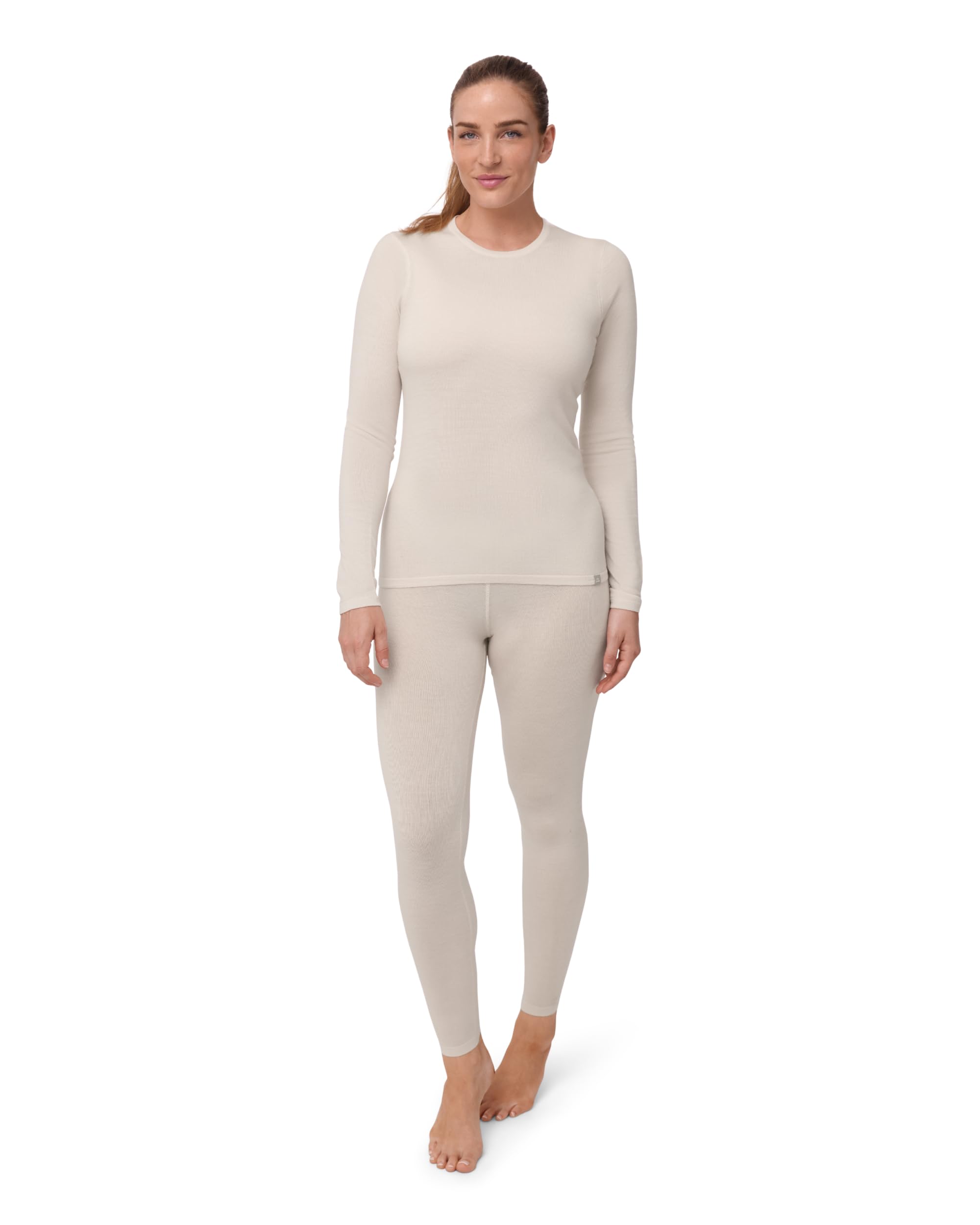
A women’s top-and-bottom set built for serious adventure, tested at the South Pole.
Here is a complete system for women riders, and it comes with serious pedigree: endurance athlete Rasmus Kragh trekked 1,130 km to the South Pole in this brand’s merino gear. That real-world testing tells you it handles extreme cold. The set is a comfortable, mulesing-free merino wool blend, OEKO-TEX Standard 100 certified, so it is soft and responsibly made.
The warmth-to-weight ratio is what wins people over here. At 180 gsm, it is a midweight that keeps you warm in 40-degree weather while staying light and non-itchy, with one owner calling it the best winter longjohns they’ve ever worn. The tag-free design means no scratchy labels against your skin, and it layers well under a snowmobile suit without bulk.
The honest caveat is the fabric is very thin, and a few owners note some pilling over time. One reviewer found it stretches slightly with washing, so cold wash and air dry is the way to go. It is designed for women, so men should stick with the men’s specific options in this list.
Best for: women who want a complete, tested, certified merino set ready for adventure straight from the start.
Keep in mind: the thin fabric means you’ll want a fleece mid-layer for truly frigid days.
7. Icebreaker Merino Womens 175 Everyday Cold Weather Base Layer Thermal Long Sleeve Crewneck T-Shirt

The featherweight 175 rib-knit that is more versatile than its slim profile suggests.
Icebreaker is a name that commands respect in merino circles, and this 175 Everyday crew shows why. It is a year-round baselayer made from 100% merino wool rib-knit, designed to work as a next-to-skin layer for frigid ski days or worn alone on warmer outings. For snowmobiling, its slim fit makes it an ideal foundation under a heavier suit.
Owners are genuinely converted by the quality, noting it stays comfortable at 5°F with no itch, no sweat, and no pilling. The fabric is thin but warm, and it washes well with cold water and hang drying. The flattering fit and nice length work for jeans or leggings, so it pulls double duty as a casual top after you park the sled.
The drawback is that a 175 weight is not a deep-winter heavyweight — it is warm for active use but you will need a mid-layer for seriously cold, low-exertion days. Some owners find it slightly sheer and note the sleeves run long. It is also priced at a premium, so you are paying for the Icebreaker brand and its proven durability.
The premium all-rounder: If you want one merino top that works from fall through spring, the 175’s versatility is tough to top—it handles both chilly fall rides and colder spring mornings without needing a second layer.
Layer note: This is a base layer, not a standalone winter coat — pair it with insulation for deep cold.
8. Smartwool Men’s Classic Thermal Merino Base Layer Crew
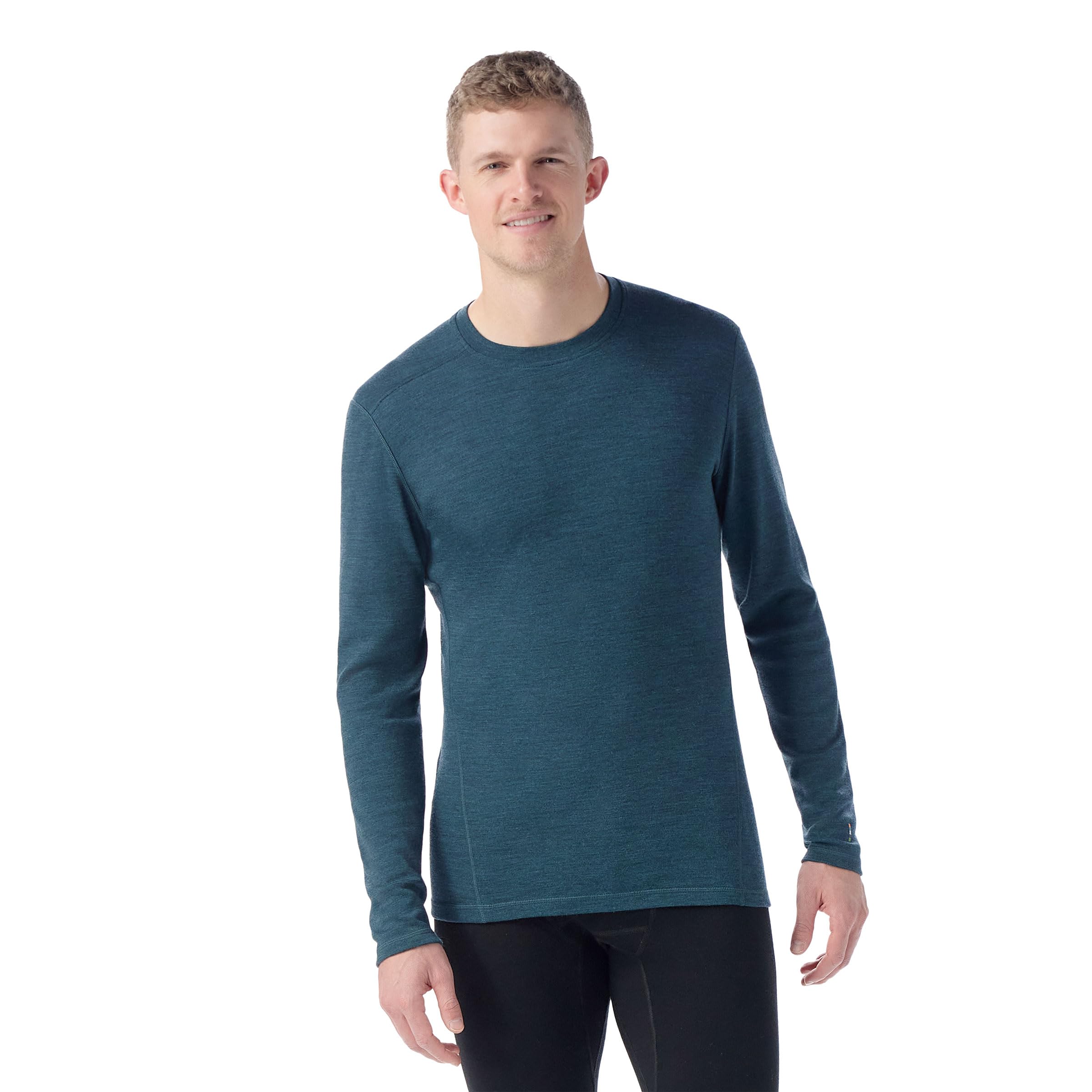
The legendary thermal crew that owners come back to year after year.
Smartwool has earned a reputation for a reason, and this Classic Thermal Crew delivers the quality that keeps riders loyal. It is a 100% merino wool top rated for temperatures from below 25°F up to 50°F, making it a solid choice for most snowmobile conditions. The long waist is a standout feature — it tucks in and stays put, and hugs your hips to keep cold wind from blowing up your coat.
Owners describe it as the softest, thinnest, easiest wool to wear directly against the skin, and remarkably warm while not bulky. It washes well and shows no wear even after five months of regular use. The sleeves run longer than expected, which is a bonus for riders reaching forward on the handlebars.
The price is the main hesitation — it is the most expensive crew here, and some owners note it is pricier than comparable synthetics. Color accuracy is also an occasional miss, with one order arriving in Charcoal instead of the requested Mink Heather. If you are comfortable paying for a proven merino pedigree, this is the one.
The Proven Performer
- Long waist tucks in and seals out wind
- Rated for below 25°F up to 50°F
- Soft, thin, and warm with lasting durability
The Cost of Quality
- Premium price that makes you think twice
- Color on delivery can differ from what you ordered
- Not as form-fitting as dedicated compression tops
Choose this if: you believe in paying for proven quality and want a layer that will last through many winters.
skip it if: you are on a budget or need a tight compression fit for maximum layering efficiency.
9. Helly Hansen LIFA Merino Midweight 1/2 Zip
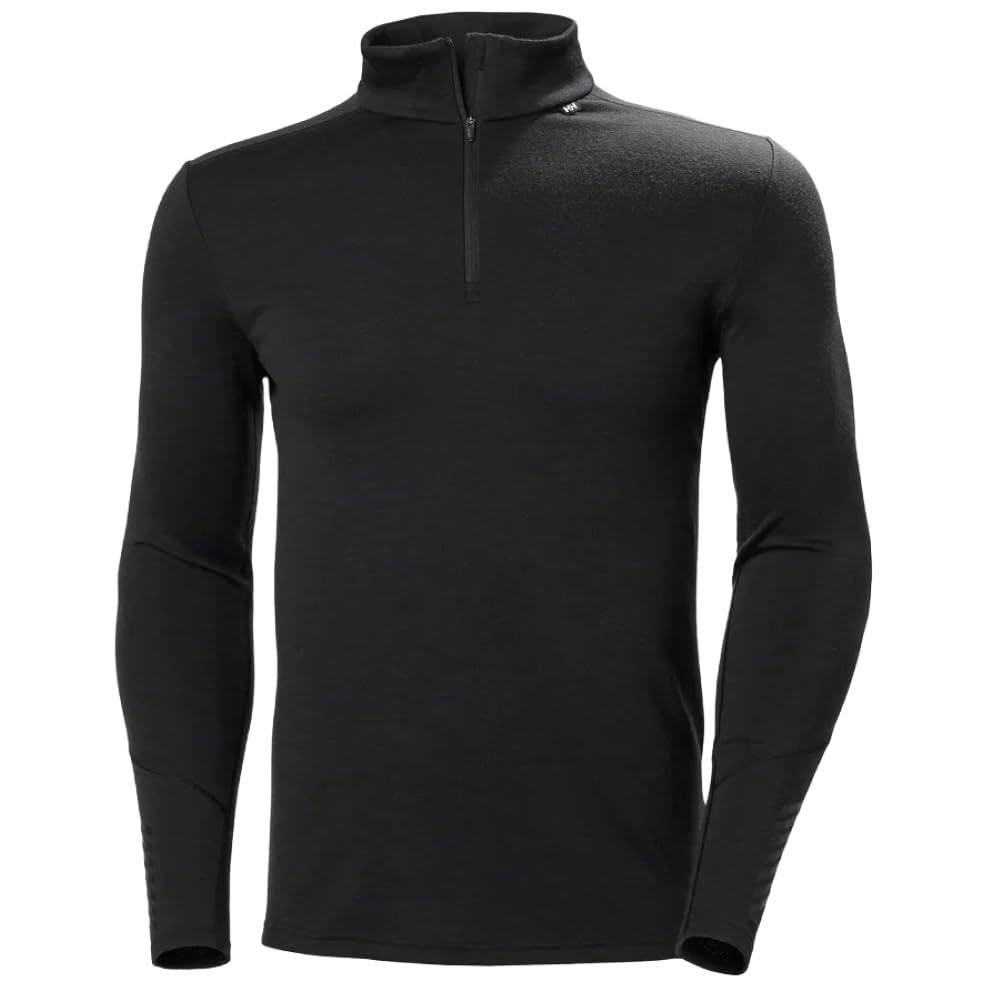
Norwegian hybrid tech that pairs a merino exterior with a moisture-wicking synthetic liner.
Helly Hansen brings a different engineering philosophy to this list. Rather than pure merino, this top uses a 2-layer construction: a 100% merino wool exterior backed by Helly Hansen’s proprietary LIFA synthetic liner. The result is a layer that wicks moisture aggressively while keeping the soft, breathable merino against your skin, rated at a solid 225g fabric weight for midweight warmth.
Skiers and riders praise it as a great mid-layer for non-insulated jackets, with one noting it offers better temperature control than the synthetic alternatives they’ve tried. The flat lock seams reduce chafing, which matters when you are layered up and moving. A 6’1″, 175-pound rider found the Large a perfect fit, and a 6’2″, 245-pound owner confirmed the XL works great for bigger frames.
The hybrid design has one notable trade-off: the synthetic liner kind of negates the merino’s natural odor-fighting properties, so it won’t stay fresh as long as pure merino. Some owners find it on the thin side for the price, and one long-time Helly Hansen user felt the newer version uses a cheaper merino blend. It is the premium pick here, so you are paying for the brand and the tech.
Best for: riders who want maximum moisture management and trust Helly Hansen’s professional-grade reputation.
Consider this: if odor resistance over multi-day trips is your priority, pure merino handles that better than this hybrid.
Understanding the Specs
Fabric Weight (gsm)
Weight is measured in grams per square meter, and it is the single biggest driver of warmth. A heavier 400g layer is for extreme cold and low activity, while a 250g or 175g layer suits high-exertion riding where you generate your own heat. For snowmobiling, consider how much you move — a sweaty, hard ride in the thickest fabric can leave you soaked and cold when you stop.
Merino Micron Rating
The fineness of a wool fiber is measured in microns, and finer fibers mean less itch. A 17.5 micron merino is finer than human hair, which is why it feels soft against sensitive skin, while standard wool at 25+ microns causes irritation. When a brand lists its micron count, you know you’re getting premium, skin-friendly material.
FAQ
What is the best weight of merino wool for snowmobiling?
Is merino wool better than synthetic for a snowmobile base layer?
Will merino wool base layers keep me warm when they get wet?
How should I care for a merino wool base layer?
Do I need a separate base layer top and bottom for snowmobiling?
How should a base layer fit for snowmobiling?
Can I wear a merino base layer for activities other than snowmobiling?
Why does some merino wool cost so much more than other base layers?
Final Thoughts: The Verdict
For most riders, the winning base layer for snowmobiling choice is the MERIWOOL Heavyweight Pants because its 400g merino delivers serious leg warmth that owners confirm holds at 16°F. If you want a versatile, budget-friendly top to test merino, grab the Merino.tech Short Sleeve. And for a complete women’s set, the DANISH ENDURANCE Set is the one to reach for with its South Pole-tested pedigree.
How We Picked
We do not accept paid placement. Every pick is matched to a real buyer and a real use-case; we do not hands-on test units.
Sources & Methodology
Specifications: manufacturer listings and product documentation. Review insights: verified customer reviews, as of August 2026. Pricing: not shown on this page (it changes often); check the current price via the retailer link.
As an Amazon Associate, Gadgets Feed earns from qualifying purchases. This does not affect which products we feature.