
Our readers keep the lights on and my morning glass full of iced black tea. As an Amazon Associate, I earn from qualifying purchases.
Specs are compiled from manufacturer listings and verified buyer reviews and can change over time — please confirm the key details on the product page before buying.
A cat’s wound is a race against time and their own tongue. You need a cream that stops infection, eases the sting, and survives a determined lick — ideally one that works fast enough that you can see a difference overnight. We’ve separated the genuine healers from the hype, zeroing in on formulas that are actually made for feline skin and safe if your cat gets to the spot before you do.
I’m Min — the founder and writer behind Gadgets Feed. This guide is built by comparing the manufacturers’ published specifications and the patterns across verified customer reviews, so you get each pick’s real strengths and trade-offs instead of marketing spin.
From gentle homeopathic salves to veterinary-grade ointments, here is the practical breakdown of the antiseptic cream for cats’ wounds that genuinely earns a spot in your first-aid kit.
Our Picks at a Glance

How To Choose The Best Antiseptic Cream For Cats’ Wounds
Before you pick a tube, you need to know the battleground. Cats groom obsessively, so any cream that isn’t safe to swallow gets licked off within minutes, and any that stings on contact will make your cat avoid you for days. The ideal formula fights bacteria while remaining safe if licked, so cats won’t be harmed by grooming.
Check the Safety Label First
Your first filter is always the “safe if licked” or “non-toxic” wording on the label. Dog-only creams may contain ingredients toxic to cats, so choose a formula explicitly labeled for feline use. If the product says it’s safe for all animals or specifically mentions cats, that’s your green light.
Match the Formula to the Wound Type
Not all wounds are the same, and neither are the creams. A thick barrier gel is your best friend for a raw, open scrape because it seals out dirt while keeping the area moist. A medicated ointment with anti-inflammatory and antibacterial action is better for hot spots and infected areas. And a natural honey gel excels at drawing out moisture from a deep wound to promote healing from the inside out. Pick the tool that matches the job.
Quick Comparison
| Model | Best For | Format | Key Ingredient | Size | Amazon |
|---|---|---|---|---|---|
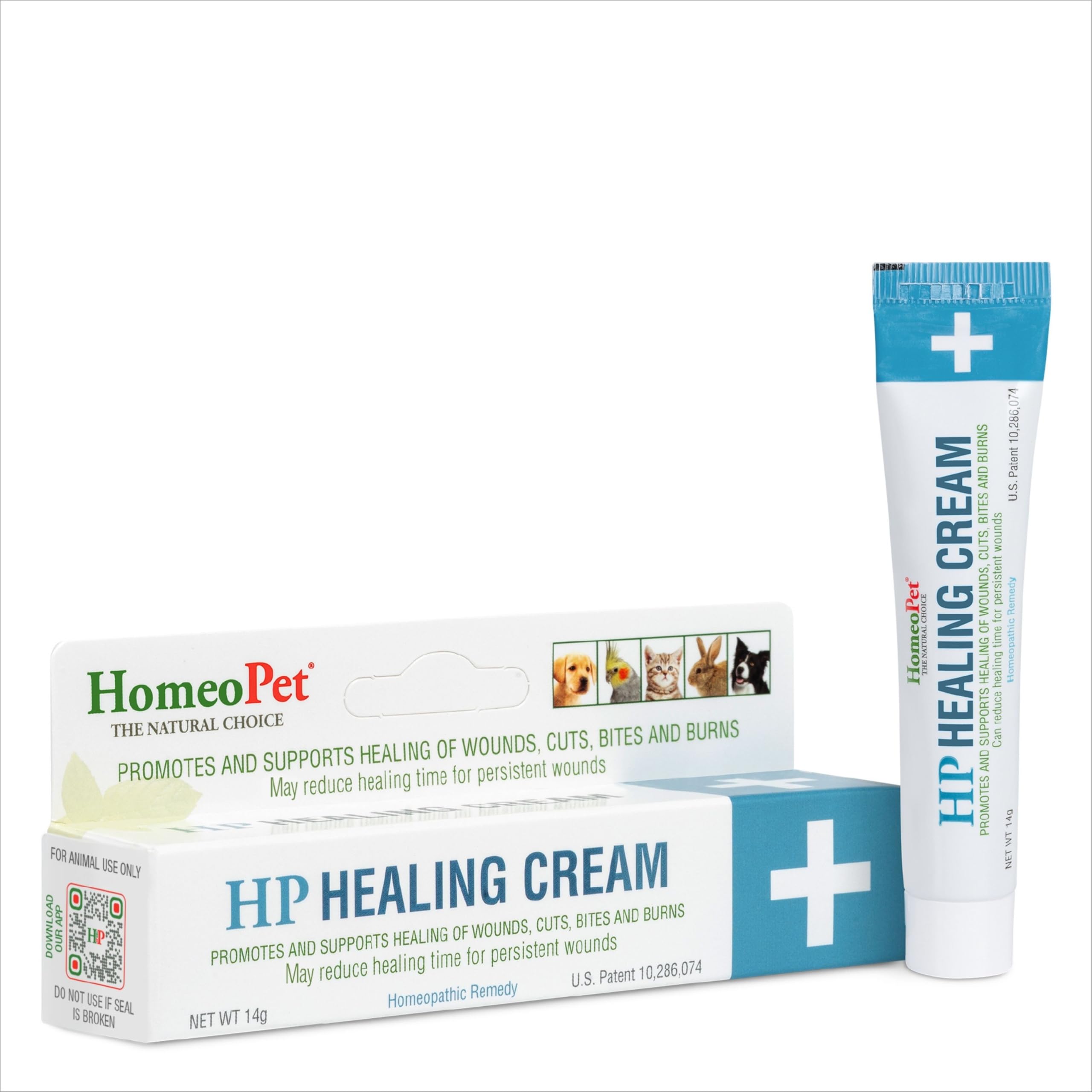
| HomeoPet Healing Cream★ Best Overall | Fast overall healing | Ointment | Homeopathic blend | 14g | Amazon |
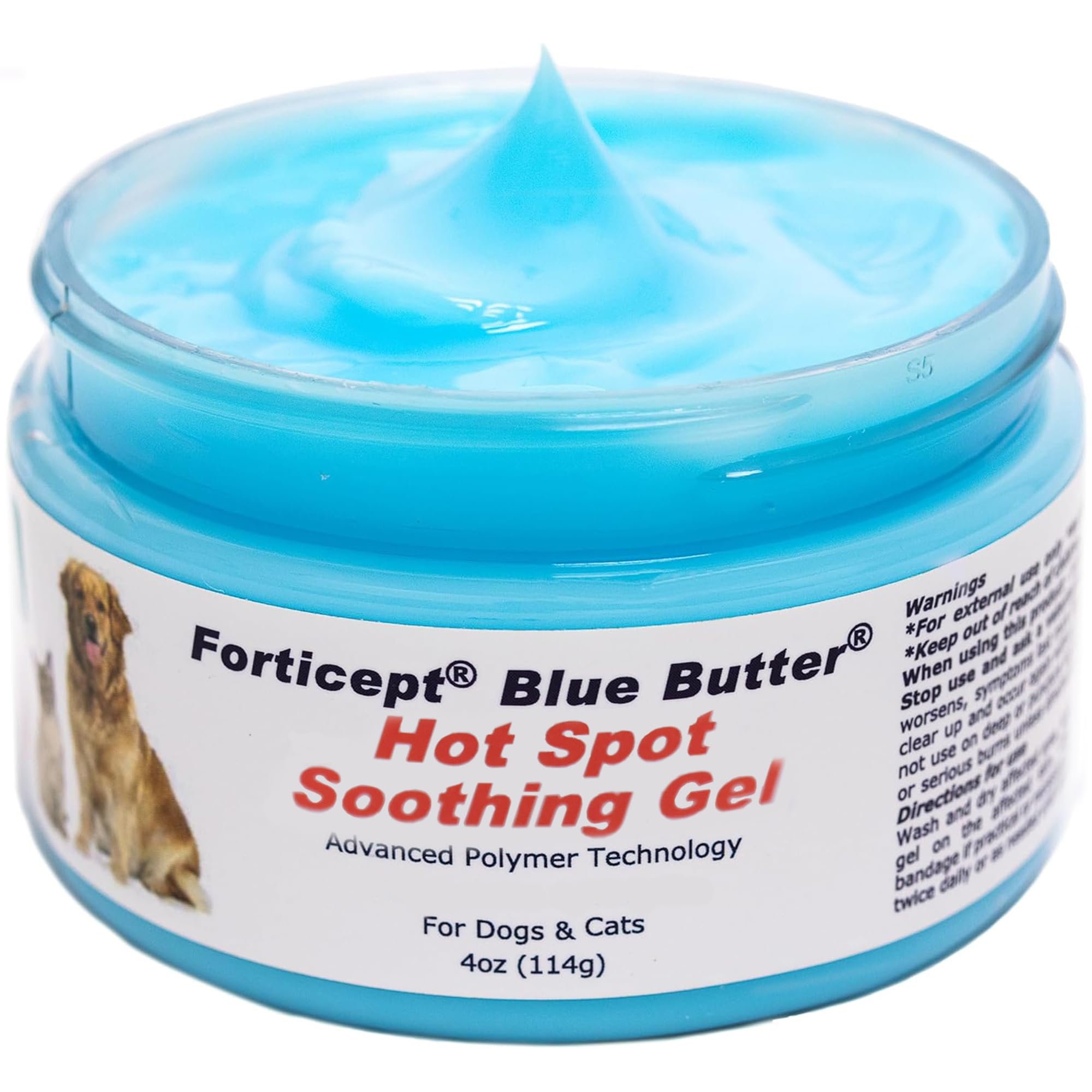
| Forticept Blue ButterHot Spot Hero | Stubborn hot spots | Gel | Thyme Oil | 4 oz | Amazon |
| Vetericyn Plus GelBarrier Expert | Open wound protection | Gel | Hypochlorous | 3 oz | Amazon |
| BeeCare+ Manuka Gel | Itchy skin & rashes | Gel | Manuka Honey + Silver | 2 oz | Amazon |
| Silver Grade Honey Gel | Cat-specific formula | Gel | Manuka Honey + Silver | 2 oz | Amazon |
| Animax Ointment | Vet-prescribed power | Ointment | Antibiotic + Steroid | 7.5 mL | Amazon |
| Nutriarise Ointment | Collagen support | Ointment | FK Keratin | 1 oz | Amazon |
| M Manuka Vet Gel | Medical-grade honey | Gel | MGO 500+ Honey | 1.76 oz | Amazon |
| Soos Pets Rescue Cream | Pain reduction | Cream | Dead Sea Minerals | 50ml | Amazon |
In-Depth Reviews
1. HomeoPet HP Healing Cream
Our pick — 4.5★ from 750+ verified ratings; the strongest balance of quality and price.
The gentle salve with a 759-owner fan club that heals fast without a fight.
One tube covers everything from a dime-sized cat fight wound to flea bites, so you do not need a cabinet full of treatments. The homeopathic blend is designed to support skin restoration from cuts, bites, burns, and other surface damage, and it is approved for cats, dogs, ferrets, hamsters, and other small animals of all ages, right up to seniors. The speed stands out: reviewers describe a cat’s wound and flea bites fully healed in just 3 days with once-daily use, which is why effectiveness earns the most praise by far — over 100 owners single out how well it works.
The formula is odorless, which makes a real difference when you’re trying to get close to a sensitive cat, and it causes no skin irritation. It does have a slightly greasy, salve-like texture, but that trade-off buys you a product that stays put. One elderly cat with allergy-related chin acne and a swollen rear finally found relief here, with bleeding and swelling stopping overnight and a single application lasting 2 weeks on the chin.
Why Owners Reach For It
- Heals visible wounds in days, not weeks
- Odorless and irritation-free for sensitive cats
- Safe for all ages, from kittens to seniors
The Real Trade-Offs
- Texture is greasy, which some cats dislike
- Small 14g tube runs out quickly for multi-cat homes
Your first-aid staple: This earns the top spot because it’s the most versatile, best-tolerated formula for everyday cat wounds.
Budget note: It’s on the pricier side for its size, so budget-conscious owners should track how fast they go through it.
2. Forticept Blue Butter
The blue gel that dries oozy hot spots overnight and stops the licking cycle.
This is the heavy hitter for hot spots — those angry, weeping patches that cats and dogs cannot leave alone. What wins people over is sheer effectiveness, with nearly a thousand owners raving about it, and the healing stories are dramatic: red spots vanish and oozy wounds dry up by the next day. A cat with skin damage from an infection found the gel had an almost instant numbing effect, and within 3 weeks he was fully healed. The blue dye shows application coverage but can temporarily stain light fur.
Forticept is a thicker gel than the HomeoPet ointment, and it smells pleasantly of thyme, which naturally deters licking. That’s a huge advantage when your cat’s instinct is to groom the spot constantly. Though pricey for 4 oz, a little goes a long way, making it a good value for stubborn hot spots.
Instant relief: Buyers report it starts working after the very first application, calming inflamed skin on contact.
Mind the color: The blue dye is non-toxic but can stain light fur, so keep that in mind for white cats.
Reach for this if: Your cat has a classic hot spot that’s oozing, itchy, and impossible to leave alone.
Look elsewhere if: You need a discreet, clear, no-stain formula for a show cat or a light-coated feline.
3. Vetericyn Plus Wound Dressing Gel
The thick, steroid-free barrier that saved a lost cat’s paws from serious infection.
This one is your go-to for an open, raw wound that needs a physical shield. The gel uses hypochlorous technology (a pH-balanced solution that mimics the body’s natural healing process) to create a thick protective barrier while actively promoting healing. It’s completely free of steroids, antibiotics, and toxic ingredients, and it’s safe if licked or ingested — which is non-negotiable for a cat. One reviewer credits this gel and the brand’s spray with saving a lost cat’s infected paws.
Compared to the HomeoPet ointment, this is a different beast: it’s not a medicated healer but a protective dressing in a tube. Owners note it’s not smelly and not sticky, so cats tolerate it well, and the healing is described as quick. The only gripe is the dispenser — some owners wish the applicator were designed differently for easier, less messy application.
Wound shield: Ideal under bandages and dressings, applied a few times daily to keep the wound sealed and clean.
One caveat: For deep puncture wounds, this helps protect but you should still consult a vet.
Best for: Building a cat first-aid kit that needs a safe, non-toxic barrier for open injuries.
skip it if: You’re treating an infected hot spot that needs a stronger medicated ingredient.
4. BeeCare+ Manuka Honey Wound Gel
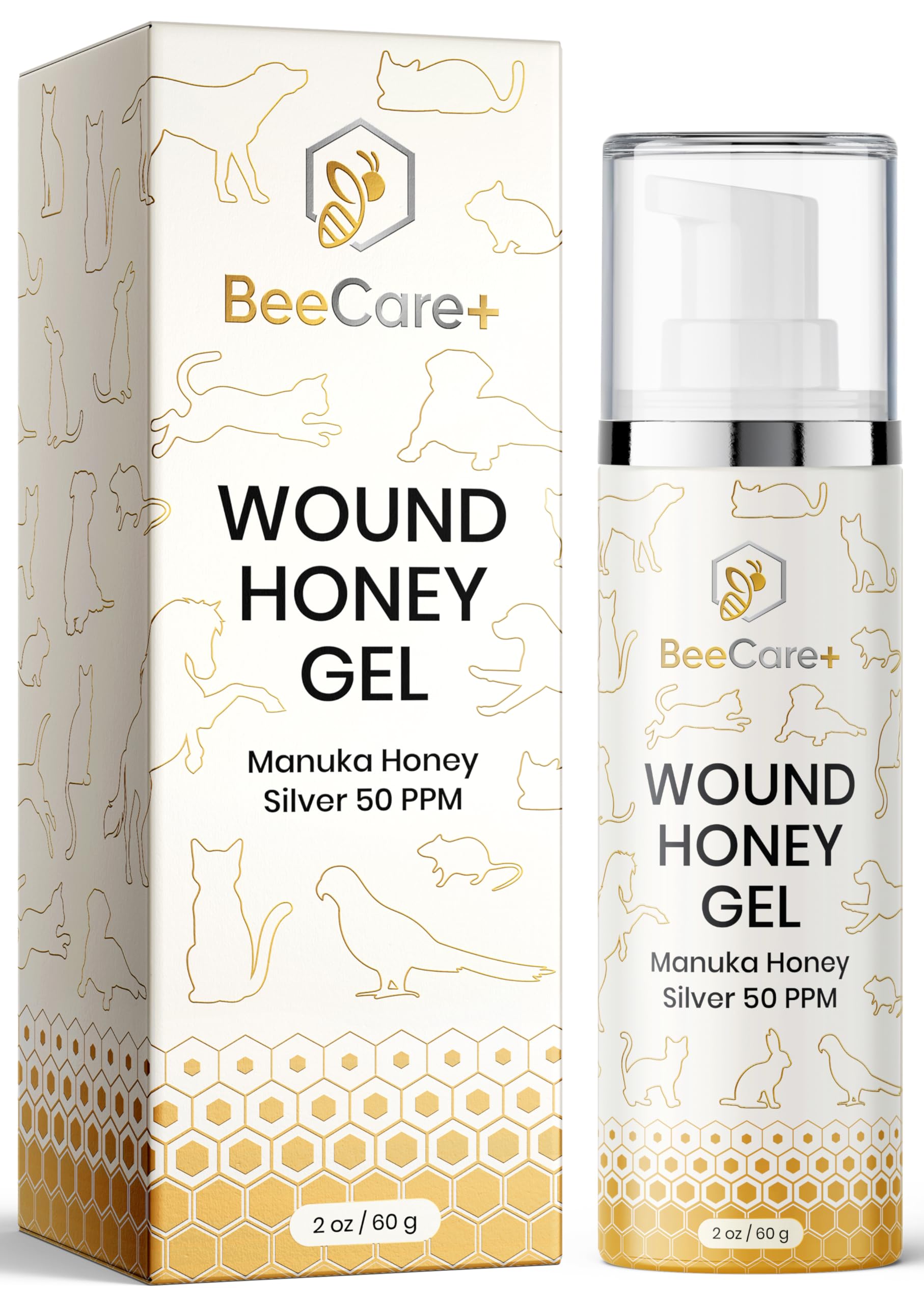
The non-greasy honey gel that makes irritated cats line up for treatment.
If your cat has red, itchy, irritated skin rather than a deep open wound, this is the gel that turns a battle into a bonding moment. The formula combines highly-concentrated Colloidal Silver (50 PPM) with Manuka Honey to cleanse and hydrate the skin, and it’s pH-balanced to maintain normal skin health. What stands out is the texture: it’s smooth and non-sticky, spreading easily without leaving a greasy residue, so it doesn’t mat the fur or feel unpleasant. Owners mention that while it hasn’t completely eliminated hot spots, their pets actively line up to have it rubbed on, and it immediately reduces redness and irritation — many say it works better than hydrocortisone.
It’s safe for pets from 2 months of age and safe if licked, but the brand advises using it after specialist consultation and with a cone to let it work. This is a gentler, more cosmetic-feeling option than the Forticept Blue Butter, which makes it ideal for daily maintenance of sensitive areas rather than a single dramatic rescue.
Daily relief: The fast-absorbing, non-sticky texture makes it easy to apply to sensitive faces and paws.
Honest note: Results vary by individual pet condition, so it may not fully clear severe hot spots alone.
Choose this for: Ongoing itchy skin, rashes, and irritations where your cat needs soothing without a greasy mess.
Think twice if: You need a thick barrier gel for a deep, open wound that requires sealing.
5. Silver Grade Cat Wound Care Gel

The honey-silver gel that cleared a year-long recurring wound on an elderly cat.
This tube is laser-focused on feline issues, covering scratches, bites, hot spots, surgical sites, and even feline acne. It combines Colloidal Nano Silver (tiny silver particles that help fight bacteria) with Manuka Honey and has no artificial additives — the label specifically notes it contains no antibiotic ointment. Reviewers report a back wound healing in 1-2 days and a year-long wound clearing when paired with the brand’s silver spray. The soothing effect is immediate, with owners noting their pets become calmer and more comfortable after application.
Like the BeeCare+ gel, this is pH-balanced to match skin, but it leans more toward a treatment formula for active wounds rather than an everyday maintenance cream. The 2-oz tube format is travel-friendly, and the expiration date is printed right on the box, which is a thoughtful touch. The main challenge is application — one owner’s note “works great if I can get it on my cat” is a reminder that no cream works if your cat won’t hold still.
Proven on felines: A 2-3 week routine of twice-weekly application cleared up persistent feline acne.
Combination therapy: Several owners saw the best results when pairing it with the same brand’s silver spray.
Ideal for: Multi-symptom cat care — wounds, hot spots, acne, and post-surgical sites in one tube.
Not for: Multi-pet households that need a bigger, more cost-effective jar.
6. Animax Ointment

The pharmaceutical-grade ointment that wipes out ear and skin infections fast.
When a wound is genuinely infected — red, swollen, smelly — you want the heavy artillery, and this is it. Animax combines nystatin, neomycin sulfate, thiostrepton, and triamcinolone acetonide, which covers anti-inflammatory, antifungal, antipruritic, and antibacterial action in one ointment. The defining review is a springer spaniel owner who keeps it on hand for recurring ear infections and reports it “gets rid of it immediately.” Another owner’s dog had a severe ear infection that this genuinely saved. It’s the kind of product that sits in your cabinet for the moment a minor scrape turns into something more serious.
This is a prescription-strength medication, and the directions emphasize applying it as directed by your veterinarian — that’s not boilerplate, it’s important. Unlike the gentle honey gels above, this is a true medicated ointment with a specific job: knock out infection. The small 7.5 mL tube is a reflection of its potency, not a design flaw. It’s important to note this is a much smaller volume than the HomeoPet’s 14g tube — a real difference to weigh when comparing value for a multi-pet home.
Infection buster: The four active ingredients target infection, inflammation, fungus, and itching simultaneously.
Use with care: Wash your hands after application and follow the vet’s dosing advice closely.
Who it beats: This outguns every natural remedy on the list when a wound is visibly infected.
Who it doesn’t: Cats with minor scratches who just need a gentle, lick-safe barrier gel.
7. Nutriarise Wound Care Ointment

The keratin-enriched ointment that heals fast while actively supporting skin regeneration.
This is the pick for owners who want fast healing with a focus on skin repair, not just surface protection. The key differentiator is FK Scalp keratin derived from New Zealand wool, which the brand says helps accelerate healing by boosting collagen production and supporting skin regeneration. It’s a natural, antibiotic-free, and steroid-free formula that’s non-toxic and safe if licked, making it suitable for puppies, kittens, and senior pets. The reviews highlight a cat with a large wound that healed quickly, and a persistent dog cut that kept reopening finally closed up with this ointment.
Compared to the thicker barrier gels, this sits in the middle: it creates a moisture-sealing barrier to protect wounds from bacteria while soothing inflammation, but it’s thinner in consistency. One owner notes it’s “very thin in substance,” which is worth knowing if you prefer a heavy cream. It also carries the “vet-recommended” and “trusted by veterinarians” language in the listing, and the formula avoids harsh antibiotic ointments entirely.
Regeneration focus: The keratin formula targets skin repair at a deeper level than basic antiseptic creams.
Texture note: The thin consistency may require more frequent reapplication on active wounds.
Great choice for: Owners who prioritize skin repair and regeneration over a simple barrier.
Consider a thicker gel if: Your cat’s wound is deep and needs a heavier protective seal.
8. M Manuka Vet Skin & Wound Gel

The independently certified MGO 500+ medical honey gel for serious wound repair.
If you want the gold standard in honey-based wound care, this is the purest option on the list. It’s made from ultra-filtered New Zealand manuka honey, independently certified at MGO 500+ (a measure of the antibacterial potency of the honey). The MGO 500+ rating indicates potent antibacterial action, making this a veterinarian-grade honey gel. Its high osmotic gradient draws fluid from tissues to create a moist, low-pH environment that speeds healing and reduces scarring.
The real-world results back it up. A cat’s open wound from a UTI stopped bleeding and nearly closed after cleaning with salt water and applying this gel uncovered. A hairless dog’s cracked, bleeding ear tips — which other balms failed to help — stopped bleeding and healed within days. Owners also note it’s cheaper than the equivalent vet-prescribed honey gel, which is a strong value argument. The honest caveat is that it’s an expensive product, and one owner received a tube that wasn’t completely full, which is a packaging quality issue worth watching.
Potency you can trust: The MGO 500+ certification is a concrete, measured indicator of antibacterial strength.
Cost consideration: This is premium-priced, so weigh the cost against a smaller wound that needs just a few applications.
Pick this for: Deep wounds, burns, and bites where maximum antibacterial and healing power is non-negotiable.
Reconsider if: Your cat has a minor scrape that a more budget-friendly general-purpose cream would handle.
9. Soos Pets Rescue Cream

The Dead Sea mineral cream that reduces pain fast and covers 93 natural remedies.
Compared to the thicker, greasier HomeoPet ointment, this absorbs quickly and doesn’t leave a messy residue. It covers an impressive range of issues — cuts, scrapes, rashes, hotspots, dry cracked paws, eczema, stings, minor infections, bug bites, and dry elbows. The brand’s commitment to quality is backed by a team dedicated to making things right if your experience is less than exceptional, and it’s a universal formula that works across all life stages and breeds.
Speedy relief: The fast-absorbing, pain-reducing formula is a standout for cats that hate being handled.
Broad coverage: With 93 natural remedies, this is a one-tube solution for a wide range of skin complaints.
Perfect for: Budget-conscious owners who want a natural, versatile cream that tackles everything from scratches to chronic skin conditions.
Not ideal for: Deep, infected wounds that need the pharmaceutical power of a product like Animax.
Understanding the Specs
Safe-if-Licked Formula
This is the most important spec on the label. Cats groom instinctively, so any cream you apply will be ingested to some degree. A formula that’s non-toxic and safe if licked means you can apply it without a constant watch. Products like Vetericyn and Nutriarise make this explicit, and it should be your baseline filter for any cat wound cream.
Active Ingredients & Potency
The active ingredient defines what the cream can actually do. Manuka honey is rated by its MGO level (methylglyoxal) — a higher number like 500+ means stronger antibacterial activity. Colloidal silver, measured in PPM, adds a cleansing element. Meanwhile, a veterinary ointment like Animax uses antibiotics and a steroid for serious infections. Understanding which ingredient you need prevents you from using a gentle gel on a wound that needs pharmaceutical intervention.
Texture & Absorption
How a cream feels on the skin determines whether your cat will tolerate it. A greasy ointment (like HomeoPet) stays put and provides lasting coverage, but some cats dislike the feeling. A fast-absorbing gel (like Soos or BeeCare+) is easier to apply and less messy, but may need more frequent reapplication. A thick barrier gel (like Forticept or Vetericyn) is the best for sealing open wounds from dirt and bacteria, and its color can help you see coverage.
Volume & Value
Size matters more than you’d think. A 14g tube of HomeoPet is a small amount for multi-cat households, while a 4 oz jar of Forticept lasts much longer. However, a large jar is only good value if it matches your need — a 7.5 mL tube of prescription-strength Animax is small but potent. Consider how often you’ll use it: for occasional scrapes, a smaller tube is fine; for chronic conditions, a larger format saves you money over time.
FAQ
What is the difference between a wound gel and a wound ointment?
Will a cream made for cats and dogs work on my cat specifically?
Is it safe if my cat licks the wound cream off?
How do I apply wound cream to a cat that hates being handled?
What is MGO in Manuka honey wound gel?
Can I use a human antiseptic cream on my cat’s wound?
How often should I apply wound cream to my cat?
When should a cat wound see a veterinarian instead of just cream?
Final Thoughts: The Verdict
For most owners, the antiseptic cream for cats’ wounds winner is the HomeoPet Healing Cream because it pairs gentle, all-ages-safe ingredients with the fastest visible results for everyday wounds. If you’re battling an angry hot spot that your cat won’t leave alone, grab the Forticept Blue Butter for its overnight drying power. And for an open wound or a lost cat’s infected paws, the Vetericyn Plus Gel is the steroid-free barrier shield worth reaching for first.
How We Picked
We do not accept paid placement. Every pick is matched to a real buyer and a real use-case; we do not hands-on test units.
Sources & Methodology
Specifications: manufacturer listings and product documentation. Review insights: verified customer reviews, as of August 2026. Pricing: not shown on this page (it changes often); check the current price via the retailer link.
As an Amazon Associate, Gadgets Feed earns from qualifying purchases. This does not affect which products we feature.