
Our readers keep the lights on and my morning glass full of iced black tea. As an Amazon Associate, I earn from qualifying purchases.
Specs are compiled from manufacturer listings and verified buyer reviews and can change over time — please confirm the key details on the product page before buying.
You want a shrub that actually blooms in your yard, not one that just sits there green. The key is matching three specs to your garden: hardiness zone (the coldest climate it survives), sun needs, and whether it reblooms or flowers once. Here are nine strong candidates, each with the exact numbers you need to pick the right one.
I’m Min — the founder and writer behind Gadgets Feed. This guide is built by comparing the manufacturers’ published specifications and the patterns across verified customer reviews, so you get each pick’s real strengths and trade-offs instead of marketing spin.
The picks below are chosen for real-world performance and lasting appeal across tropical, classic, and dependable bloom styles.
Our Picks at a Glance


How To Choose The Best Blooming Shrubs
The biggest mistake is choosing by photo alone and skipping the zone map on the tag. A shrub rated for Florida’s warm zones will fail in a cold northern winter. Start by checking the plant’s USDA zone range against your own, then look at sunlight and mature size.
Match the Zone Before You Match the Color
Every shrub listing names a hardiness zone range, like 5-9 or 7-10. That range tells you the coldest winter temperatures the plant can survive. If your zone sits inside the range, the shrub has a real chance; if you are outside it, the plant will likely struggle no matter how well you care for it.
Reblooming vs. One-and-Done Bloomers
Some shrubs flower once in spring and call it a year. Others are reblooming, meaning they push new flowers again in summer and sometimes into fall. For season-long color, choose a reblooming variety or one with an extended bloom period in the specs.
Size Up the Space You Have
A 1-gallon shrub can mature into a 3-foot bush or a 12-foot tree, so check the expected mature height before planting. Compact varieties fit patios and containers; taller types work as hedges or foundation plantings. Plan for the mature spread, not just the pot size at arrival.
Quick Comparison
| Model | Best For | Mature Height | Bloom Time | Sunlight | Amazon |
|---|---|---|---|---|---|
| Fiesta Hibiscus Bush★ Best Overall | Patio color | 3 feet | Spring to Fall | Full Sun | Amazon |
| Knock Out Double Pink RoseTop Performer | Easy roses | 48 inches | Spring to Fall | Full Sun | Amazon |
| Coral Drift RoseGroundcover Pick | Groundcover | 1-2 feet | Spring-Fall | Full Sun | Amazon |
| Bridal Wreath Spirea | Spring display | 5 feet | Spring to Summer | Full Sun | Amazon |
| Heart Throb Hydrangea | Shade gardens | 36 inches | Spring, Summer | Part Shade | Amazon |
| Pugster Amethyst Buddleia | Butterfly magnet | 24 inches | Spring to Summer | Full Sun | Amazon |
| Blue Chiffon Rose of Sharon | Tall hedge | 96-144 inches | Spring to Fall | Full Sun to Part Shade | Amazon |
| Yuletide Camellia | Winter blooms | 8-10 feet | Fall to Winter | Partial to Full Sun | Amazon |
| Bloomerang Dark Purple Lilac | Reblooming scent | 4-7 feet | Spring to Fall | Partial Shade to Full Sun | Amazon |
In‑Depth Reviews
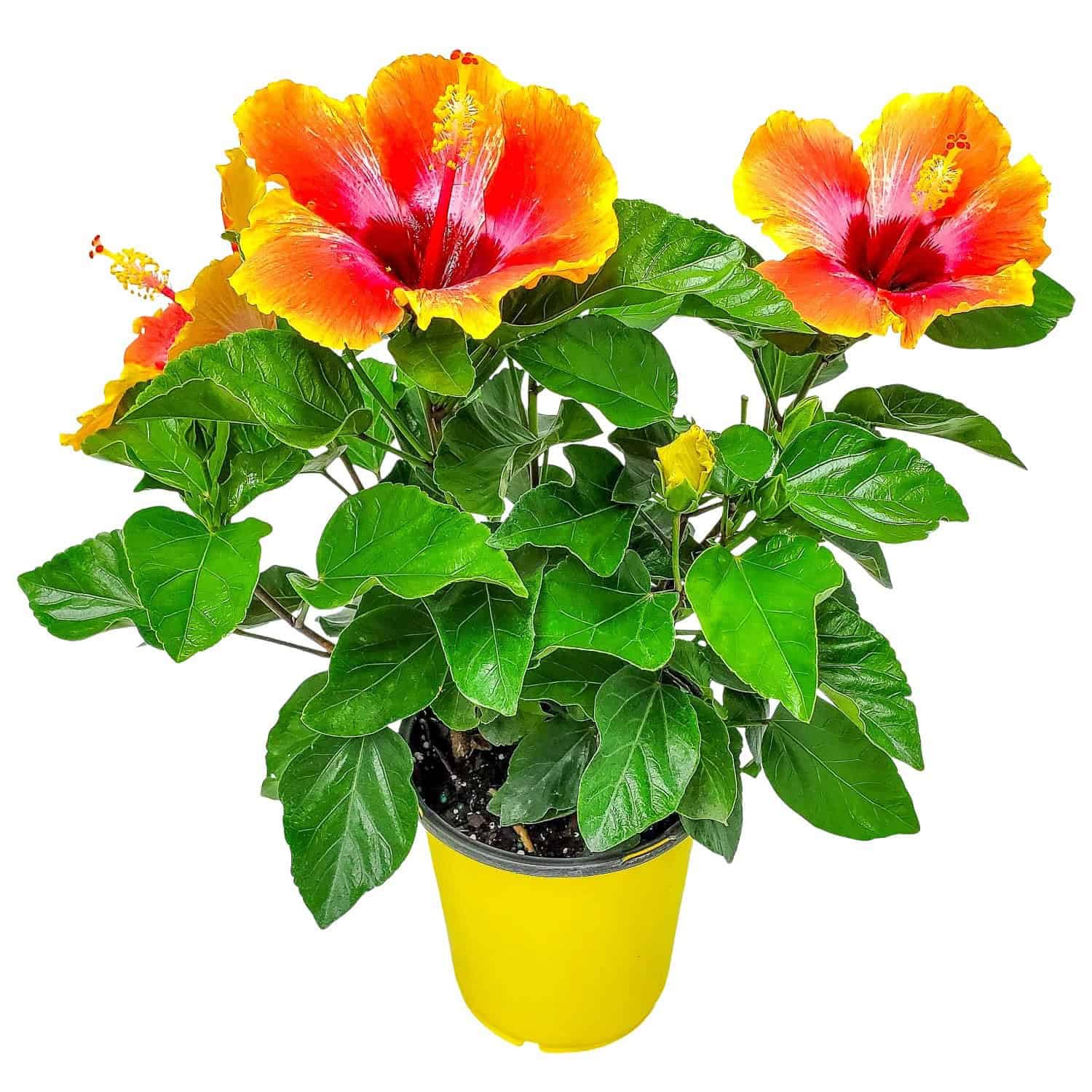
1. Fiesta Hibiscus Bush
Our pick — 4.5★ from 800+ verified ratings; the strongest balance of quality and price.
The show-stopping tropical that brings bold multicolor blooms to a patio-sized frame.
This hibiscus delivers the drama of a tropical vacation without needing a whole yard. It arrives about 10 to 14 inches tall in a 1-gallon nursery pot, with an established root system that keeps growing once you plant it. Owners consistently describe it as healthy on arrival, with glossy dark green leaves and buds already forming — the kind of first impression that makes ordering a live plant online feel safe.
It earns the top spot because it keeps flowering from spring to fall in warm, frost-free climates, so you get months of color rather than a single burst. The compact size makes it perfect for patios, balconies, and decorative containers. It also attracts pollinators and is listed as pet friendly, which broadens where you can place it.
The one thing to know before you buy: this is a tropical plant that wants full sun and regular watering, and it performs best where frost is rare. In colder zones, treat it as a container plant you can move or protect. It can reach about 3 feet tall, so give it room to grow into a small, manageable shrub.
tropical color burst
- Arrives healthy with buds, based on frequent owner reports of glossy leaves and strong roots
- Multicolor blooms on a compact plant that fits containers
- Blooms repeatedly from spring through fall in warm zones
needs warm winters
- Needs frost-free conditions to thrive outdoors
- Requires consistent watering and nutrient-rich soil
- Size at arrival can vary, so some owners find it larger than expected
vibrant choice: you want a low-space tropical showpiece with repeat blooms and pollinator appeal.
frost-prone zones: your winters freeze hard and you cannot move containers indoors — this one wants warm, frost-free air.
2. Knock Out 2 Gal. Double Pink Rose Shrub
A carefree rose that pumps out large double pink blooms from spring to fall.
Roses have a reputation for being fussy, but the Knock Out line exists to break that. This Double Pink version carries large, fully double flowers on a shrub that matures around 48 inches tall, and it stays in bloom from spring through fall. It suits USDA zones 5-11, which covers a huge swath of the country from cold northern winters to hot southern summers.
Owners often compare it to local nursery plants and find it just as good, with rich vibrant blooms and strong growth after planting. One common experience: plant it in full sun, water twice a week until it establishes, then drop to once a week. It is deciduous, so expect it to lose leaves in winter and come back in spring.
The catch is timing and size. If you order between mid-fall and mid-spring, the plant ships dormant — that is normal, not a sign of trouble. Some owners find the arrival size smaller than the photos suggest, though it tends to grow quickly once settled. Expect some waiting before the first full flush of flowers.
repeat blooming power: A classic garden rose with a forgiving care routine and a long bloom window — the right choice if you want real roses without constant fussing.
prickly stems: Dormant-season shipping and a modest starting size mean patience pays off here more than instant gratification.
3. Perfect Plants Coral Drift Rose Bush
A low-growing rose that spreads color like groundcover and shrugs off both drought and winter.
If you want the look of a rose garden without a single upright bush, the Coral Drift is built for you. It mimics groundcover growth, staying low to the soil with dark green foliage that spreads linearly into an even, colorful carpet. At maturity it stays just 1-2 feet tall with a 2-3 foot spread, making it ideal for mulch beds, walkways, patios, and along gazebos.
The bloom period runs spring through fall, and it comes with easy-to-use rose food in the box. Owners frequently report first blooms about two weeks after planting, and many describe the coral color as gorgeous with a fuss-free nature. It is both drought-tolerant and winter hardy, which is why it suits new and experienced gardeners alike.
The trade-off is in the details. While most plants arrive healthy and already blooming, a minority arrive withered, and some owners find the color leans more pink than coral. Growth speed also splits opinion — some see it take off, others say it barely grew. Treat the first season as establishment time rather than expecting instant coverage.
low spreader: covering bare ground with low, spreading color that survives tough conditions.
confined beds: you need a guaranteed tall, upright rose — this one stays deliberately low and wide.
4. Perfect Plants Bridal Wreath Spirea Shrub
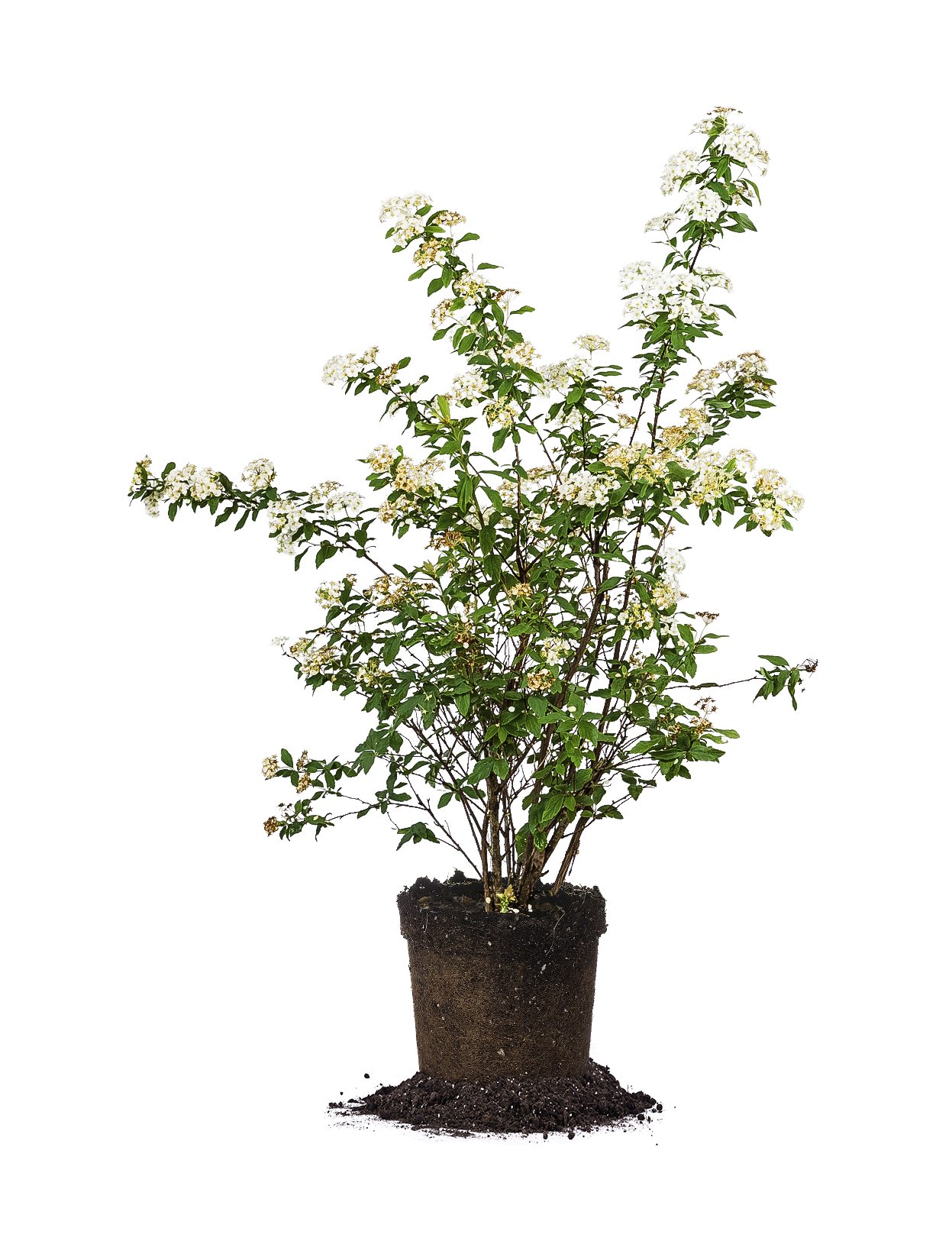
A cascading wall of white spring blooms that deer leave alone and butterflies adore.
The Bridal Wreath Spirea is the shrub you plant for that one spectacular spring moment when arching branches disappear under masses of double white flowers. Beyond the bloom, it keeps earning its place: it is deer resistant while attracting butterflies and bees, and it resists powdery mildew, root rot, and fire blight — three common shrub killers.
It is genuinely versatile in the landscape, working as a specimen, privacy hedge, foundation shrub, or border accent. Owners frequently report the plant arriving larger than expected and healthy, with at least one noting it more than tripled in size over a year. The green summer foliage shifts to red and orange in fall, so the shrub gives you something to look at in every season.
The honest caveats are about durability and packaging. Some owners find the shrub very hardy while others report issues, and the box can arrive crushed after rough shipping. A light pruning after the spring bloom keeps it tidy and encourages healthy regrowth. If you want a one-trick pony that does that one trick beautifully, this is it.
spring cascade bloom: An unforgettable spring display backed by deer resistance and multi-season foliage — a strong hedge or border choice.
one-season show: Rough shipping can occasionally damage the box, so inspect on arrival and plant promptly.
5. Southern Living Heart Throb Hydrangea Shrub
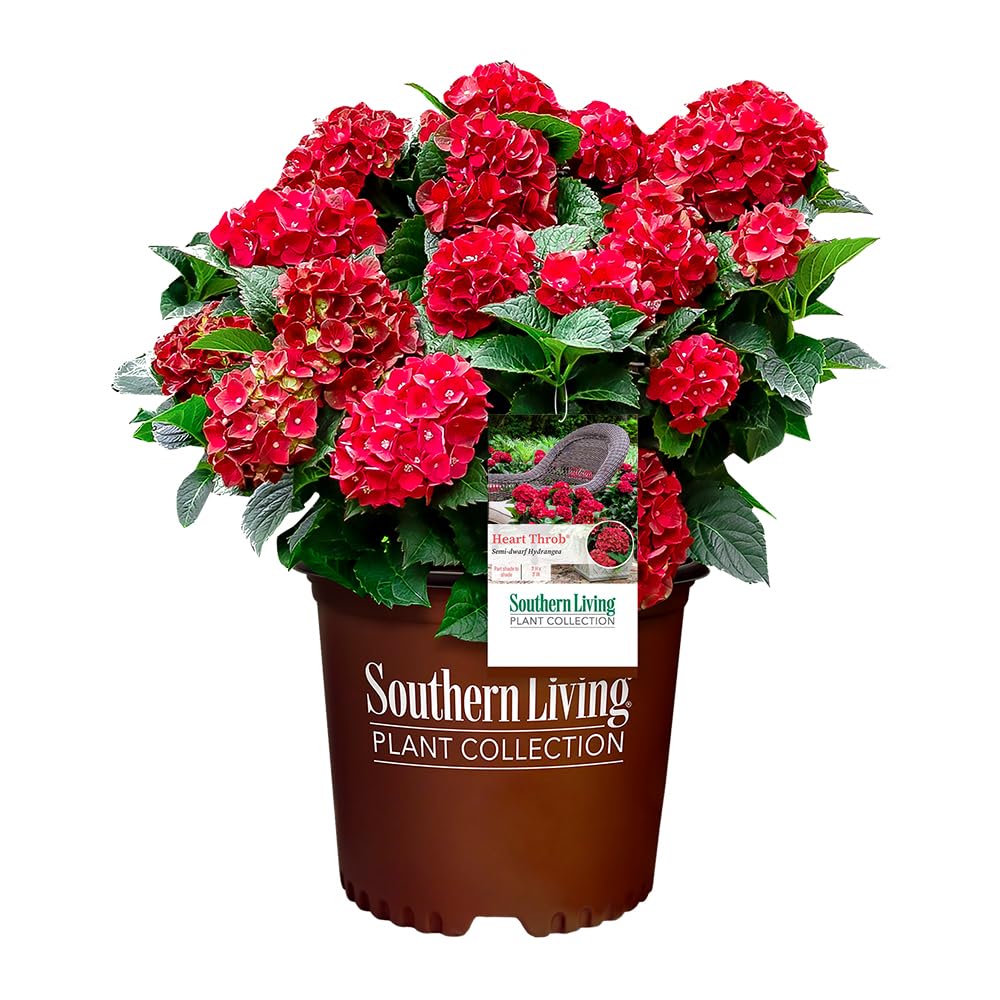
A shade-loving hydrangea with cherry red blooms that thrive where sun is scarce.
Most flowering shrubs demand full sun, which is a problem if your yard is shaded. The Heart Throb Hydrangea flips that expectation — it actually wants part shade to shade, making it the pick for covered corners and north-facing beds. It matures to a tidy 36 inches wide by 36 inches tall, and it suits USDA zones 5-9 with a recommended 36-inch spacing between plants.
The color is the headline: cherry red bloom clusters with green marbling, a look owners repeatedly describe as beautiful and worth the price. It is a low-maintenance shrub that works in containers, landscapes, and as an accent. The plant ships dormant from winter through early spring, and it is trimmed at times before shipping to promote plant health when it arrives.
The honest reality is that live plants carry risk. Some buyers report their hydrangea thriving and starting to bloom, while others say theirs died within days of arrival. Leaves also split opinion — some arrive green, others turn brown. This is a beautiful shrub when it settles in, but a live shipment is never a guarantee.
shade stunner: gardeners with shaded spots who want rich, unusual color without constant upkeep.
full sun: anyone who cannot tolerate the gamble of a live plant shipment, since a small share arrive damaged.
6. 2 Gal. Pugster Amethyst Buddleia Shrub

A compact butterfly bush that keeps the purple blooms coming from spring to summer.
Known commonly as a butterfly bush, the Pugster Amethyst is the shrub you plant to bring winged visitors to your yard. It produces purple blooms that attract butterflies and hummingbirds, and it matures around 24 inches tall — a compact height that fits smaller gardens and borders. It thrives in full sun across USDA zones 5-10.
Owners who get a good specimen are genuinely impressed, with many describing the plant as larger than expected with lots of buds, excellent value, and beautiful full blooms. It flowers from spring to summer, and the compact growth habit means it fits where a giant butterfly bush would not. Water twice a week until it establishes, then scale back to once a week.
The honest reality is a split experience. While many plants arrive healthy and thriving, a meaningful share of owners mention receiving nearly dead plants that did not survive the year. The plant is deciduous, so it loses leaves in winter, and if you order mid-fall to mid-spring it ships dormant. Quality varies more here than on the higher-rated picks, so order knowing there is some risk.
compact pollinator: a compact, pollinator-packed bush that earns rave reviews when it arrives healthy.
natural form: you want a guaranteed survivor — delivery quality is a genuine mixed bag on this one.
7. Proven Winners Blue Chiffon Rose of Sharon Shrub

A fast-growing hibiscus that towers into a living wall of ice blue blooms.
If you have space and want a serious presence, the Blue Chiffon Rose of Sharon delivers. This is a hibiscus that matures to 96-144 inches tall with a 48-72 inch spread — a true hedge-scale shrub that works as a privacy screen, landscape anchor, or tall accent. It blooms from spring through fall with ice blue flowers, and it grows fast once established.
Owners regularly say it exceeds expectations, arriving healthy with buds already on the stems and blooming continuously afterward. It suits USDA zones 5-9 and takes full sun to part shade. The botanical name is Hibiscus syriacus, and it ships dormant through winter to early spring, trimmed before shipping to promote healthy growth.
The honest trade-off is inconsistency in the box. A strong share of customers note plants arriving healthy and large with blooms, while others describe small, skimpy plants or leaves turning yellow from shipping stress and overwatering. The blooms tend to drop after transit, which is normal stress. Give it good soil, consistent watering, and patience, and it grows into a standout.
large flower display: Rapid growth and a long bloom window make this the pick for anyone planting a tall hedge or focal point.
sizeable footprint: Shipping quality varies noticeably, so some plants arrive stronger than others — inspect and care for yours on day one.
8. Yuletide Camellia, Evergreen Flowering Shrub

The evergreen that erupts in red blooms right when everything else goes dormant.
Most shrubs save their energy for spring and summer, but the Yuletide Camellia waits for winter. It produces large red single blooms with bright yellow stamens starting in September, carrying color through the holidays and into January. Owners describe bloom periods up to 4 months, which is longer than any other camellia, all set against glossy green foliage that stays year-round.
This is an evergreen, so you get dark lush leaves in every season, not just flowers. It grows in USDA zones 7-10 in partial sun to full sun with moist, well-drained soil. At maturity it can reach 8-10 feet tall and wide, making it a natural hedge, foundation shrub, or specimen plant for woodland gardens.
The critical limitation is geography — this plant cannot ship to many western states, including AK, AZ, CA, CO, HI, ID, MT, NM, NV, OR, UT, WA, and WY. Orders to those states are automatically cancelled. Owners praise the healthy arrival and outstanding size, with one noting that when a couple of shrubs arrived half-dried, the seller promptly sent replacements.
winter bloomer: This shrub gives you winter color and keeps its leaves all year, so your yard stays lively even in the cold months—if your hardiness zone matches its needs.
acidic soil needed: A long list of western states cannot receive this plant, so confirm you are eligible before ordering.
9. Proven Winners Bloomerang Dark Purple Lilac Shrub

A fragrant lilac that refuses to quit, blooming again from mid-summer to frost.
The classic lilac gives you one glorious spring flush and then nothing. The Bloomerang Dark Purple breaks that rule entirely — it is a reblooming lilac that flowers in spring, then pushes fragrant dark purple blooms again from mid-summer through fall. That gift-like quality is part of what makes it so popular, since it captures the lilac scent long after other shrubs have stopped.
It arrives in a 3-gallon container, ready to plant immediately when the weather allows. At maturity it reaches 4-7 feet tall with a 4-6 foot spread, and it grows in USDA zones 3-8 — a cold-hardy range that covers northern gardens. Owners frequently describe the plants as healthy, full, and taller than expected on arrival, with several noting their shrub doubled in size in its first year.
The color is the one honest caveat — some owners find the flowers are not quite as dark purple as advertised. It also needs some winter protection and goes dormant in late fall, which is normal. Plant it in well-drained soil with partial shade to full sun, and let the spent petals drop to keep the garden neat.
scented repeat: lilac lovers who want the classic scent and color for more than a single spring week.
mild climates: the purple can read lighter than the photos, and the shrub needs a little winter care in the coldest zones.
Understanding the Specs
USDA Hardiness Zone
This is the single most important number on any shrub tag. It tells you the coldest winter temperatures a plant can survive. Match the plant’s zone range to your own garden’s zone before anything else — a plant rated for zones 5-9 will not survive a zone 3 winter.
Expected Mature Height
A shrub’s mature height tells you how much space it will need in a few years, not what arrives in the pot. A compact 2-foot bush and a 12-foot hedge need completely different planting spots, so always plan for the full-grown size.
FAQ
What does it mean when a shrub ships dormant?
How do I know if a blooming shrub will survive my winter?
What is the difference between a reblooming shrub and a regular one?
Can I grow a full-sun shrub in a partly shaded yard?
Why did my shrub arrive looking dead or brown?
How much space does a shrub need between plants?
Are these shrubs safe to plant near a patio or walkway?
Will a butterfly bush attract pollinators to my yard?
Final Thoughts: The Verdict
For the majority of shoppers, the blooming shrubs winner is the Fiesta Hibiscus Bush because it delivers months of multicolor tropical blooms in a compact, patio-friendly size with strong healthy arrivals. If you want classic roses that bloom all season, grab the Knock Out Double Pink Rose. And for winter color when everything else fades, the Yuletide Camellia is the one to reach for.
How We Picked
We do not accept paid placement. Every pick is matched to a real buyer and a real use-case; we do not hands-on test units.
Sources & Methodology
Specifications: manufacturer listings and product documentation. Review insights: verified customer reviews, as of August 2026. Pricing: not shown on this page (it changes often); check the current price via the retailer link.
As an Amazon Associate, Gadgets Feed earns from qualifying purchases. This does not affect which products we feature.