
Our readers keep the lights on and my morning glass full of iced black tea. As an Amazon Associate, I earn from qualifying purchases.
Specs are compiled from manufacturer listings and verified buyer reviews and can change over time — please confirm the key details on the product page before buying.
Ceramic window tint is the smart upgrade for anyone tired of a roasting car interior and sun-faded dashboards. Unlike the cheaper dyed stuff, nano-ceramic films attack the problem at the source by blocking infrared heat. The real question is which shade and roll size actually fits your car — and your DIY skill — without turning your windows into a bubbly mess.
I’m Min — the founder and writer behind Gadgets Feed. This guide is built by comparing the manufacturers’ published specifications and the patterns across verified customer reviews, so you get each pick’s real strengths and trade-offs instead of marketing spin.
You want less sun glare, cooler seats, and no fading upholstery, so the right auto ceramic window tint must balance darkness, heat rejection, and how easy it is to install on your car. Start with the film that blocks the most heat without hurting your visibility at night.
Quick Picks
- ARANA 20% VLT Ceramic Car Window Tint Film — Best Overall
- SW Nano Ceramic 80% VLT Window Film — Best Windshield Pick
- MotoShield Pro 35% VLT Nano Ceramic Window Tint — Best Heat Rejection
- IAQWE 20% VLT Ceramic Car Window Tint Film — Best for Large Rigs
- MotoShield Pro Precut Tint Kit (2 Front Windows) — Best Precut Kit
- RockRose Charcoal Professional Ceramic — Best Pro-Style Shrink
- XhuangTech Blue Chameleon 70% VLT Windshield — Best for Style
- MEGICOLIM 80% VLT Light Blue Nano Ceramic — Budget Champion
How To Choose The Best Auto Ceramic Window Tint
Before you buy, match the film to the window’s job. A front windshield needs a high VLT (lighter) film for legality and night driving, while side and rear windows can go darker for privacy. The ceramic material itself is the star here, but the shade you pick determines your daily experience.
Decoding the VLT (Visible Light Transmission)
VLT tells you how much visible light passes through. A 5% VLT is nearly limo-black, offering maximum privacy but poor night vision. A 70% or 80% VLT looks almost clear but still blocks heat and UV, making it perfect for windshields where the law keeps things light.
Why Ceramic Beats Dyed and Metallic Films
Ceramic nanoparticles absorb infrared heat and then dissipate it, which is why the film itself may feel warm. Metallic films block heat but can interfere with radio, GPS, and cell signals in your car. Dyed films fade and turn purple over time, while ceramic won’t.
Weighing Installation Skill
Flat side windows are forgiving for beginners. Curved rear windshields need heat-shrinking — using a heat gun to mold the film to the glass curve. If that sounds intimidating, a pre-cut kit for your exact model or a professional installer might be the wiser path.
Quick Comparison
| Model | Best For | Shade (VLT) | Roll Size | UV Blocking | Amazon |
|---|---|---|---|---|---|
| ARANA 20% VLT | DIY value on flat glass | 20% | 36″ x 15 ft | 99% | Amazon |
| SW Nano Ceramic 80% | Windshield clarity | 80% | 40″ x 10 ft | 99% | Amazon |
| MotoShield Pro 35% | Balanced heat & shade | 35% | 20″ x 10 ft | 99.9% | Amazon |
| IAQWE 20% VLT | Large vehicles & vans | 20% | 36″ x 100 ft | 99% | Amazon |
| MotoShield Pro Precut | No-trim convenience | Custom 5%-75% | 2 Front Windows | 99% | Amazon |
| RockRose Charcoal | Pro-style shrinking | 20% | 36″ x 100 ft | 99% | Amazon |
| XhuangTech Blue | Style & windshield use | 70% | 40″ x 33 ft | 99% | Amazon |
| MEGICOLIM 80% | Nearly clear heat block | 80% | 40″ x 100 ft | 99% | Amazon |
In-Depth Reviews
1. ARANA 20% VLT Ceramic Car Window Tint Film
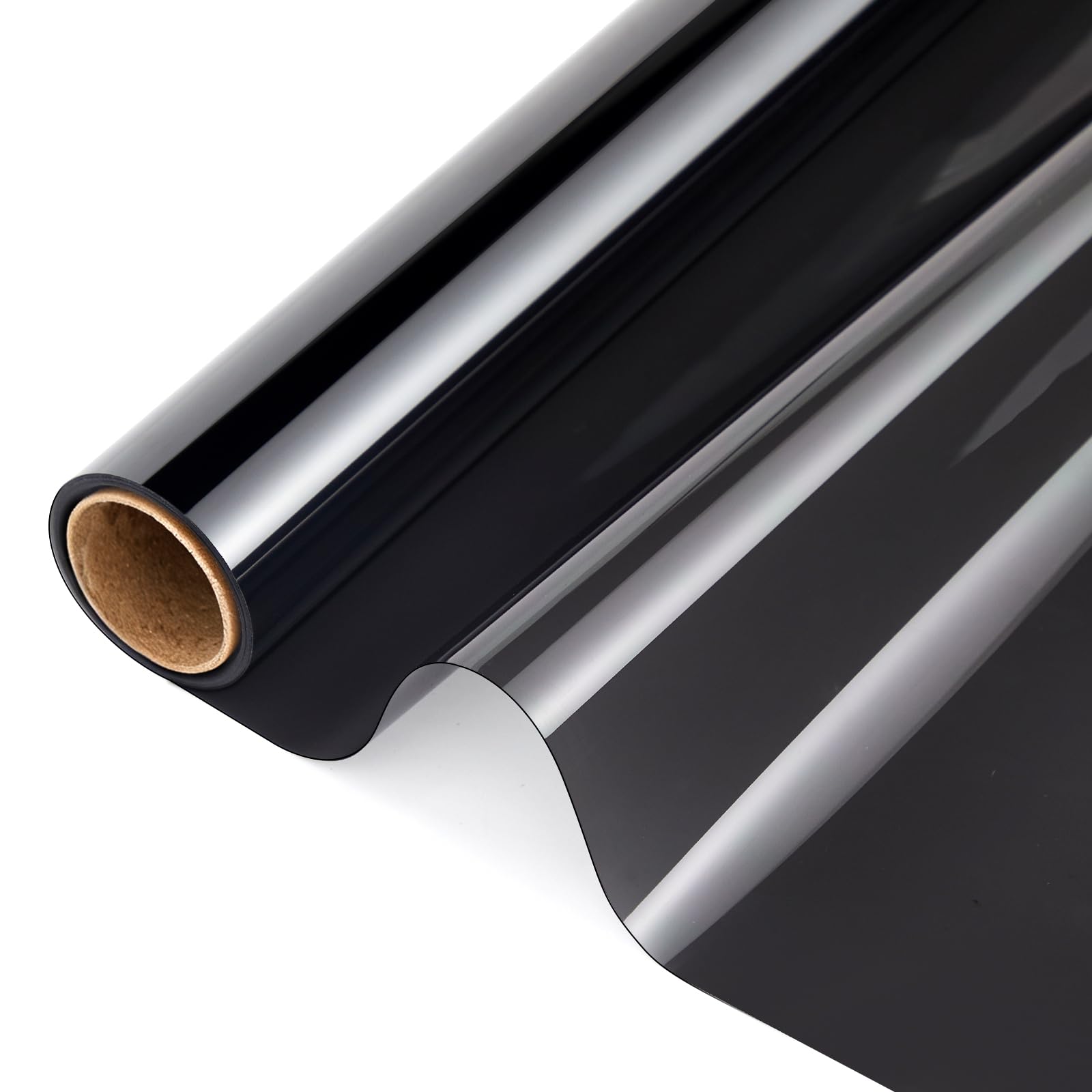
The value king that balances privacy with usable night vision for budget DIYers.
This ARANA roll is the most approachable entry into real ceramic tint, blocking 99% of UVA and UVB radiation to protect your skin and keep the dashboard from fading. Its 20% VLT gives you solid daytime privacy from outside prying eyes while keeping a clear view from inside, which is the balance most drivers actually want for side windows.
The film’s selling point is its forgiving nature — it’s easy to handle, cut, and apply with basic tools, saving you the cost of a professional install. Buyers report it works great for flat surfaces, even DIY patio doors, and that it has held up well against sun heat. The honest catch is that the shade runs lighter than the label suggests; as owners mention, “Light than 5%. More like 20%.”
It’s also not the thickest film, so it can crease easily if you fold it, and adhesion quality varies from window to window. Out of the 36″ x 15 ft roll (which measures 180 inches long and 36.22 inches wide), you have enough material for a couple of sedans’ side windows, making it a low-risk first attempt.
Who it fits: First-time DIY installers and budget buyers who prioritize a cool, private cabin over show-car darkness.
The honest limit: If you demand limo-black darkness or have heavily curved rear glass, you might find this film too light and too thin for the job.
2. SW Nano Ceramic 80% VLT Window Film

Nearly invisible heat armor that keeps windshields legal and cabins cool.
If you want heat protection without the “tinted” look, this is the pick. With an 80% VLT, it’s almost transparent, letting in plenty of light while blocking 99% of UV rays — so your seats and dash age slower even with a clear windshield. It also blocks infrared heat, and the non-metallized construction means it won’t interfere with your radio, GPS, or cell signals inside the car.
The nano-ceramic principle means this film absorbs the sun’s heat first and then dissipates it as the vehicle moves, which explains why the film itself might feel warm to the touch. It’s a 2-ply design with a scratch-resistant coating, so it resists fading, bubbling, and peeling over years of use. Being roughly 3.6 times narrower than the ARANA’s 36.22-inch width, this 40-inch by 10-foot roll is best suited for long, narrow cuts like windshields rather than full coverage.
Real-world testing shows the heat reduction is modest but real: one buyer measured that the 80% film reduced dash temperature by 10°F (146°F vs 155°F with no film). The trade-off is that installation is notably tricky — it needs plenty of soapy water sprayed on both the glue and glass, and the liner is easier to remove using two pieces of tape on the corners. Owners also note that a 35% VLT film cut 20°F (down to 135°F), showing this lighter film trades some heat rejection for clarity.
Smart for: Windshield and front-window applications where a dark shade is illegal or hampers night vision.
The catch: Expect a genuine learning curve here; customers note it’s painful to install solo on large, curved glass and recommend having a second pair of hands ready.
3. MotoShield Pro 35% VLT Nano Ceramic Window Tint

The thick, pro-grade film that makes the temperature difference obvious immediately.
This MotoShield Pro roll leans into serious heat management, blocking up to 99% of infrared radiation (IRR) and 99.9% of harmful UV rays. It’s engineered to cool your interior by up to 25°F and rejects a maximum of 70% of total solar energy, making it the strongest heat-fighter in this lineup. The 35% VLT gives a sleek, sporty look that balances privacy with enough light for confident city driving.
This film stands out for its 2-mil thickness (a mil is one-thousandth of an inch), which owners say gives a high-end look with no haze and a noticeable temperature drop right after installation. That thickness also makes it tougher, and the maker backs it with a 3-year warranty against manufacturing defects. But the thickness cuts both ways: it is harder to shrink around curved rear windows, and some buyers measured their film darker than the 35% label — one measured 5% on a tint meter, which could fail state inspections.
With a 20-inch by 10-foot roll, it offers far less coverage than the ARANA’s 36-inch width, so plan for side windows rather than a full-vehicle job. The crowning feature is the included installation manual and video, which guide you through the process — though even with those, a heat gun and window tools are strongly recommended for success.
What wins you over
- Serious heat and glare reduction — up to 99% IRR blocked
- Thick, durable 2-mil film with a premium no-haze finish
- 3-year manufacturer warranty for confidence
Pitfalls to know
- Hard for novices to shrink around curved glass
- Shade can run darker than labeled, risking state inspection issues
- Occasional quality-control sizing slip-ups
Reach for this if… you want maximum cabin cooling and don’t mind a challenging install or a possible appointment with a pro.
Look elsewhere if… you need precise, guaranteed shade compliance or have a heavily curved rear windshield you plan to DIY.
4. IAQWE 20% VLT Ceramic Car Window Tint Film
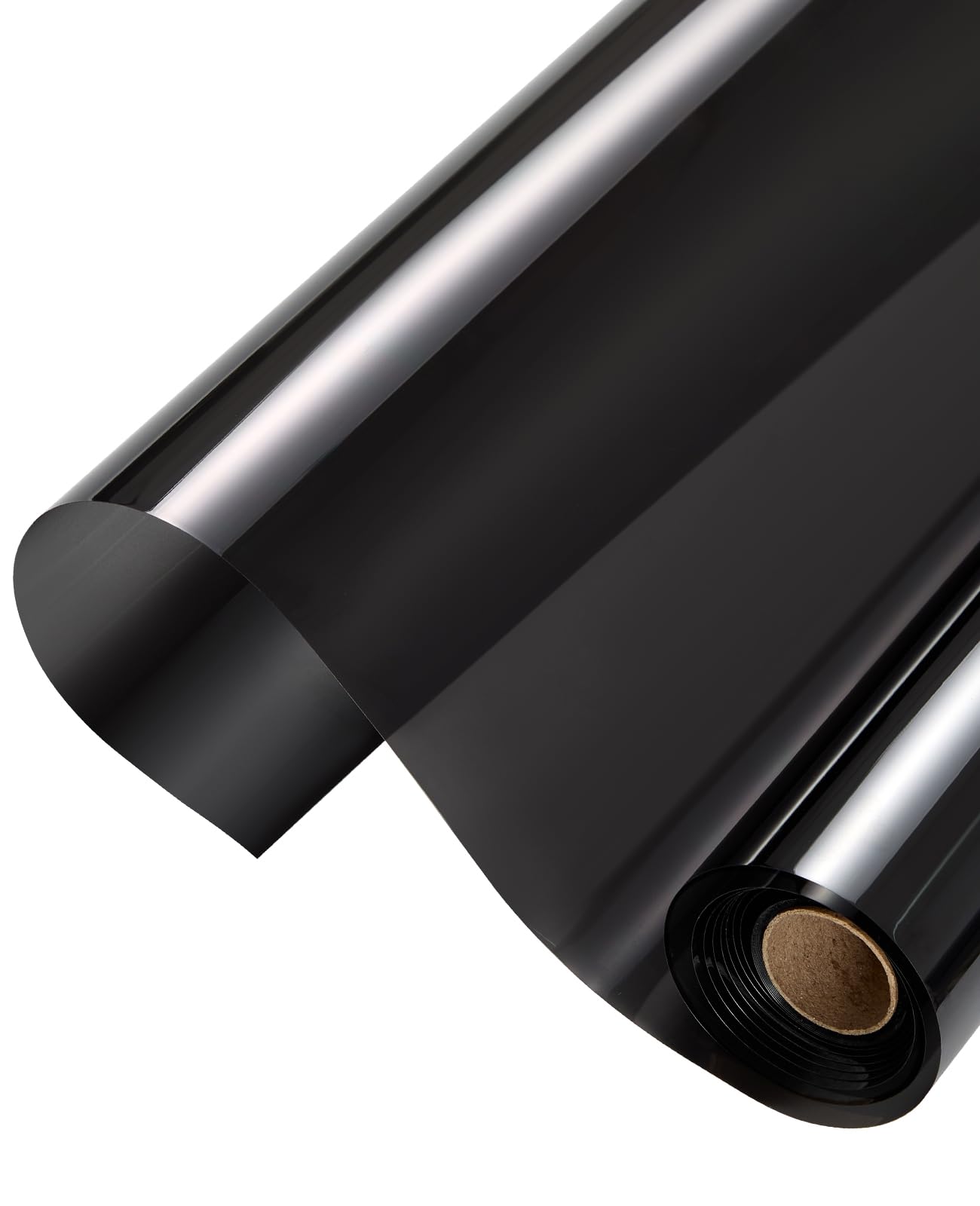
A massive 36-inch by 100-foot roll that swallows whole fleets of windows.
This is the volume play. At 36 inches wide and a whopping 100 feet long, this single roll covers far more glass than anything else here — think full sedans, SUVs, trucks, and even 15-passenger vans. The 20% VLT offers a classic privacy-and-clarity balance, and the film’s 5-layer safety design means it holds glass together on impact while keeping a glossy, scratch-resistant surface.
Owners rave about the install experience, calling it remarkably easy to work with: it’s smooth, easy to cut, and the heat-shrink capability helps it conform to curved windows. The glue does its job well, and the film reduces heat and glare immediately. All that footage also protects your dashboard and lowers your AC load by keeping the cabin cooler from the start.
The honest trade-off is in the material itself. Some reviewers point out the film’s adhesion is weaker than premium brands, with edges potentially needing a redo over time, and that it tears easily if your cutter is dull. The included instructions can also be confusing about inside versus outside application, though the 24/7 online customer service line is there to help talk you through it.
Ideal for: Tinting multiple vehicles, long vans, or home windows where sheer square footage wins.
Not ideal for: Perfectionists who demand show-car edges — this is a solid DIY film, not a professional-grade finish.
5. MotoShield Pro Precut Tint Kit (2 Front Windows)

Precision-cut panels that skip the guesswork of trimming for your exact car model.
The biggest headache in DIY tinting is cutting the film to match your window’s curve. This kit solves it by shipping pre-cut panels made for your specific vehicle — you select your make and model, and pick your shade from 5% up to 75% VLT. It’s hand-assembled in the USA and blocks 99% of UV rays and up to 99% of infrared heat, keeping direct sun off your kids’ faces in the back seat.
Each piece is 16 inches by 16 inches and cut to match your car, so no additional trimming is required — just shrink and stick. The ceramic material won’t turn purple or fade after installation, and it’s backed by a lifetime warranty covering manufacturing defects, adhesion, cracking, and bubbling. That’s a rare promise for a tint film.
Fit depends on the data, and the recurring complaint is that pre-cut sizes sometimes don’t match the vehicle. Because the film is thicker than most, it takes longer to heat-shrink around the rear glass; shoppers say side windows go on easily with great results, but the back glass is genuinely hard, often needing heat-shrinking skill to avoid creases and “fingers.” One buyer found two pieces in a kit arrived mislabeled, so double-check the cut before you peel.
Best for: Drivers comfortable with tools who want a perfect factory-style fit on their front doors without buying a whole roll.
Think twice if: You have a heavily curved rear window you plan to tackle yourself — that’s exactly the job that sends owners to a pro.
6. RockRose Charcoal Professional Ceramic (36″ x 100 ft)
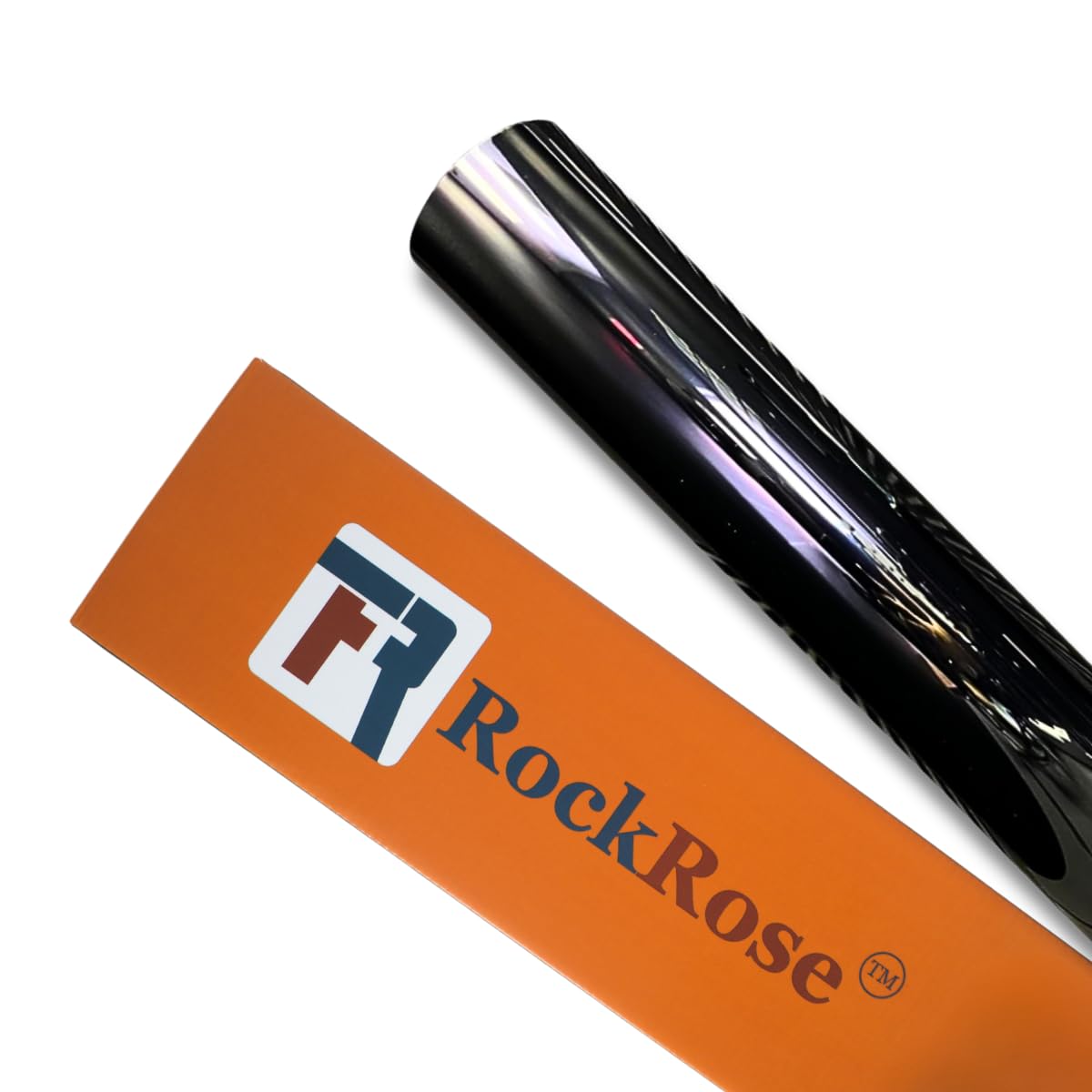
A plotter-friendly roll that shrinks like the pro films, built for serious installers.
This is the film for someone who tints as a hobby or side hustle. The 36-inch by 100-foot roll is “plotter friendly,” meaning it feeds cleanly through a plotter cutter for precise, repeatable shapes. It’s an “Air Nano Ceramic” film that blocks 99% of UV rays and 93-95% of infrared radiation (IRR), which is real heat-fighting muscle for a charcoal-tinted look.
What owners love is that it shrinks well — “shrinks like the pro films” is a common refrain from those who use the gloved-hand tinting style. That means it conforms to curved glass without fighting you, which is the mark of a film that behaves. One owner’s thermal camera showed a clear win: 124°F in direct sun versus 114°F under the tint, an obvious cooling effect even on a 92°F day.
The trade-offs are real for a beginner. The film can be tricky to separate from its liner, and there’s no instruction booklet or spec sheet included in the box. The tint is also hard to predict — one owner ordered 50% and got a shade closer to black, while the view can look cloudy to some eyes. It’s best for someone who already knows their way around a squeegee.
The big win: Consistent, professional-grade shrinking on curved glass at a bulk-roll price.
The honest caveat: No instructions, unpredictable final shade, and a liner that’s fiddly to peel — not a beginner’s first tint.
7. XhuangTech Blue Chameleon 70% VLT Windshield Tint

A head-turning chameleon blue look that keeps windshields street-legal and glare-free.
If you want your car to look different from everything else on the road, this is the one. The blue chameleon finish shifts color with the light, and at 70% VLT it’s light enough for front windshield use in most places while still cutting heat and UV. It rejects 99% of UV rays, which protects your skin and keeps the dash from cracking, plus it reduces glare from bright headlights at night.
Professional installers who bought this film are genuinely impressed — one “tinter” calls it easy to shrink, easy to install, and loves the color, noting the view from inside is unhindered. It offers one-way daytime privacy through its mirror-like reflection, so passersby see their own reflection instead of your car’s contents. The peel-and-stick design avoids complicated installation, though you’ll still want to spray plenty of water and use a squeegee for a bubble-free finish.
The caveat is hit-or-miss quality control. Some rolls arrive with micro-wrinkles right off the roll, and the adhesive strength gets called out as weaker than it should be — one buyer suggests the manufacturer add more glue. It also produces a slight glare from the inside on sunny days. It’s a style statement that rewards patience and careful handling.
Perfect for: Enthusiasts and windshield tinters who want a unique look with legal light transmission and strong UV protection.
Skip if: You need dark privacy glass or a flawless factory-perfect film — the adhesive and roll consistency can be inconsistent.
8. MEGICOLIM 80% VLT Light Blue Nano Ceramic (40″ x 100 ft)

A massive clear-coat roll that fights heat without announcing itself visually.
Here’s the ultimate “invisible” option: an 80% VLT film that’s basically clear but still blocks 99% of UV rays and cuts heat, keeping your skin safe and your seats from fading. The light blue tint is subtle, and the 2-ply scratch-resistant design resists fading, bubbling, and peeling even after years of use. At 40 inches by 100 feet, the coverage is immense for the price tier — enough for a car, a house, or both.
Nano-ceramic technology (tiny ceramic particles that absorb the sun’s heat and release it as you drive) is confirmed by owners: “visibility is great at night and during the day decreases the heat a lot.” Because the film is non-metallized, it won’t interfere with your phone, radio, or GPS signal, a real bonus if you rely on navigation daily.
The Achilles’ heel is installation, and it’s a big one. The film is thick, stiff, and doesn’t easily conform to curves, making it genuinely difficult on large windows — even a former professional installer called it the worst film they’d ever used on a curved windshield. It creases and scratches easily if you’re not careful. This is strictly for flat glass and patient DIYers; for curved surfaces, you’ll need an expert’s touch.
Pick this for: Windshield or flat side-window heat reduction where you refuse to darken your glass.
Pass this by if: You’re tackling a curved rear windshield solo — the stiff film demands real skill.
Understanding the Specs
VLT (Visible Light Transmission)
This number tells you how much visible light passes through the film. A lower VLT, like 5% or 20%, means darker glass with more privacy and better heat blocking, but worse night visibility. A higher VLT, like 70% or 80%, looks nearly clear while still blocking UV and infrared heat — often the only legal choice for windshields.
IRR (Infrared Rejection)
This measures how much infrared heat from the sun the film blocks. A higher percentage — like MotoShield Pro’s “up to 99%” or RockRose’s 93-95% — means a cooler cabin and less strain on your AC. For comparison, a lighter 80% VLT film typically blocks less heat than a darker 35% film, so there’s always a trade-off between clarity and cooling.
FAQ
What does VLT mean on a ceramic window tint?
Will ceramic window tint interfere with my phone or GPS signal?
Is a darker 5% tint always better for heat blocking?
How do I stop the film from creasing during installation?
Can I tint my front windshield with these films?
What does “2-ply” mean and why does it matter?
Will ceramic tint really stop my car’s interior from fading?
How much film do I need for a standard sedan?
Is a pre-cut tint kit worth it over a full roll?
Why does my ceramic film feel warm to the touch after baking in the sun?
Final Thoughts: The Verdict
For most people, the auto ceramic window tint winner is the ARANA 20% because it delivers real ceramic heat and UV protection with the most forgiving DIY profile and a 36-inch-wide roll. If you want maximum cabin cooling with a sporty look, grab the MotoShield Pro 35%. And for a nearly invisible heat block on your windshield, the SW Nano Ceramic 80% is the one to reach for.
How We Picked
We do not accept paid placement. Every pick is matched to a real buyer and a real use-case; we do not hands-on test units.
Sources & Methodology
Specifications: manufacturer listings and product documentation. Review insights: verified customer reviews, as of August 2026. Pricing: not shown on this page (it changes often); check the current price via the retailer link.
As an Amazon Associate, Gadgets Feed earns from qualifying purchases. This does not affect which products we feature.