
Our readers keep the lights on and my morning glass full of iced black tea. As an Amazon Associate, I earn from qualifying purchases.
Specs are compiled from manufacturer listings and verified buyer reviews and can change over time — please confirm the key details on the product page before buying.
Most people plant a hedge and then spend years staring at a row of twigs. The real trick to bushes for hedges is matching each variety’s growth rate and hardiness zone to your patience and climate. This guide breaks down nine proven options, from the fastest privacy screens to tidy evergreens that need almost no pruning.
I’m Min — the founder and writer behind Gadgets Feed. This guide is built by comparing the manufacturers’ published specifications and the patterns across verified customer reviews, so you get each pick’s real strengths and trade-offs instead of marketing spin.
We focus on mature height, growth speed, and hardiness zones to separate instant gratification from long-term structure. bushes for hedges only work when they match your yard, your zone, and your willingness to water.
Our Picks at a Glance

How To Choose The Best Bushes For Hedges
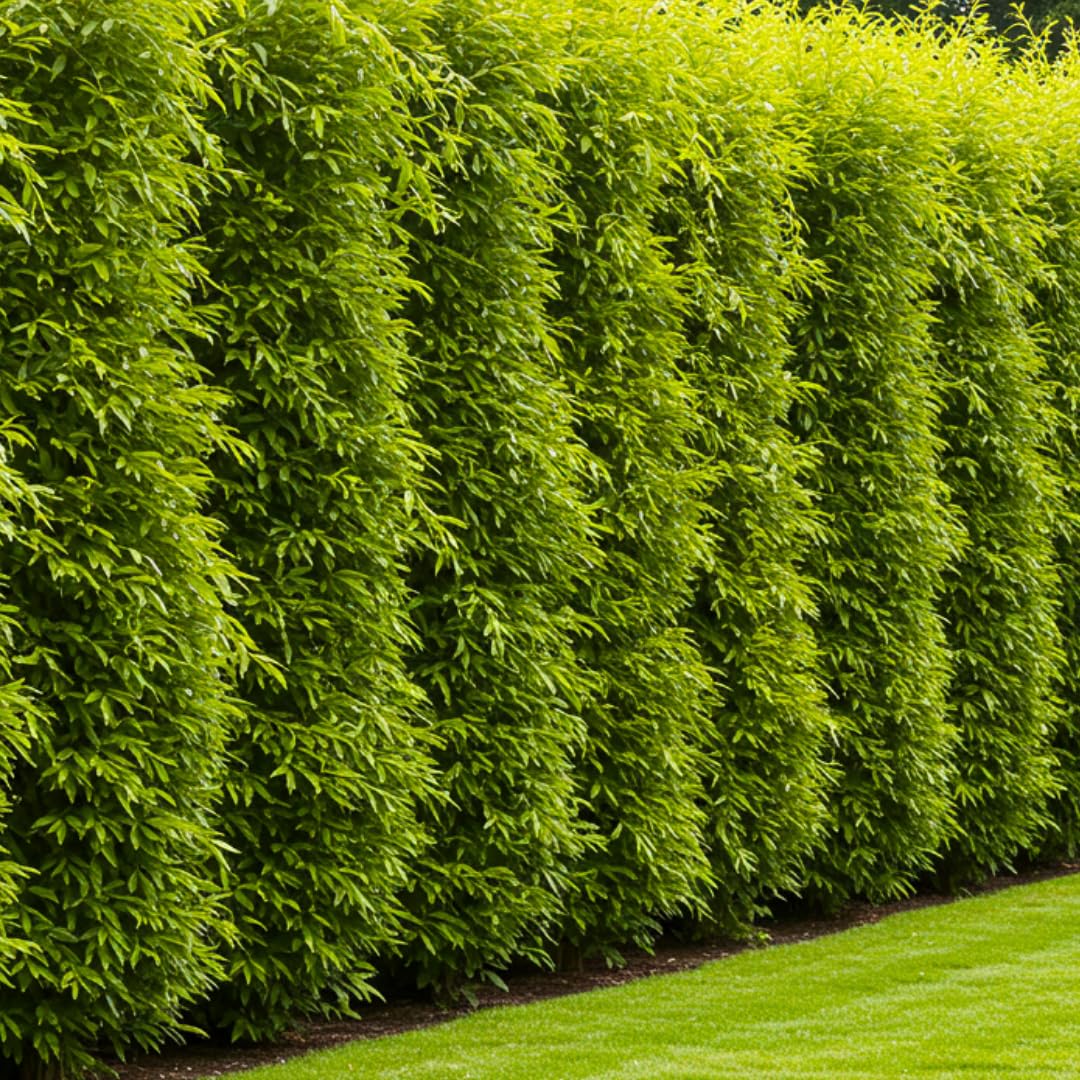
Before you buy, settle one question: do you want a living wall this season, or a formal border you can shear into a perfect rectangle for decades? Your answer determines the shrub’s mature height and how often you’ll need to prune.
Match the mature height to your real goal
A privacy screen that never blocks your neighbor’s window is a waste of money. Check the expected plant height on the label, then picture it at full size. Some hedging shrubs top out around 5 feet — perfect for a low border — while arborvitae can tower 50 feet or more if you never prune them.
Know your hardiness zone before you fall in love
A plant that thrives in one region can sulk or die a few hundred miles away. The zone range printed on each listing tells you the climates it can handle. If your zone sits outside that range, the shrub will struggle regardless of how well you care for it.
Decide how much watering you can actually commit to
Fast-growing hedges drink a lot, especially in their first summer. If you travel or forget to water, a drought-tolerant evergreen will forgive you far more readily than a thirsty fast grower that yellows in a heat wave.
Quick Comparison
| Model | Best For | Mature Height | Hardiness Zones | Growth Speed | Amazon |
|---|---|---|---|---|---|
| Perfect Plants Thuja Green Giant★ Best Overall | Fast privacy screen | 50 ft | 5-9 | 1-3 ft/yr | Amazon |
| Boxwood WintergreenTidy Border Pick | Low formal border | 60 in | 4-9 | Moderate | Amazon |
| Hybrid Willow (24 Trees)Fastest Grower | Maximum speed | 75 ft | Not listed | 12 ft/yr | Amazon |
| Eastern Snowball Bush | Showy spring blooms | 12 ft | 6-9 | Moderate | Amazon |
| Proven Winners Sprinter Boxwood | Topiary shaping | 48 in | 5-9 | Fast for boxwood | Amazon |
| 10 Thuja Green Giant (7-10 in) | Budget volume planting | 40 ft | 5-9 | 3 ft/yr | Amazon |
| Greenwood Spicebush (3-Pack) | Wildlife & fall color | 5 ft | 4-9 | Fast | Amazon |
| Brighter Blooms Emerald Green | Narrow privacy column | 15 ft | Not listed | Moderate | Amazon |
| Golden Euonymus (12-Pack) | Colorful low hedge | 10 ft | 6-9 | Moderate | Amazon |
In-Depth Reviews
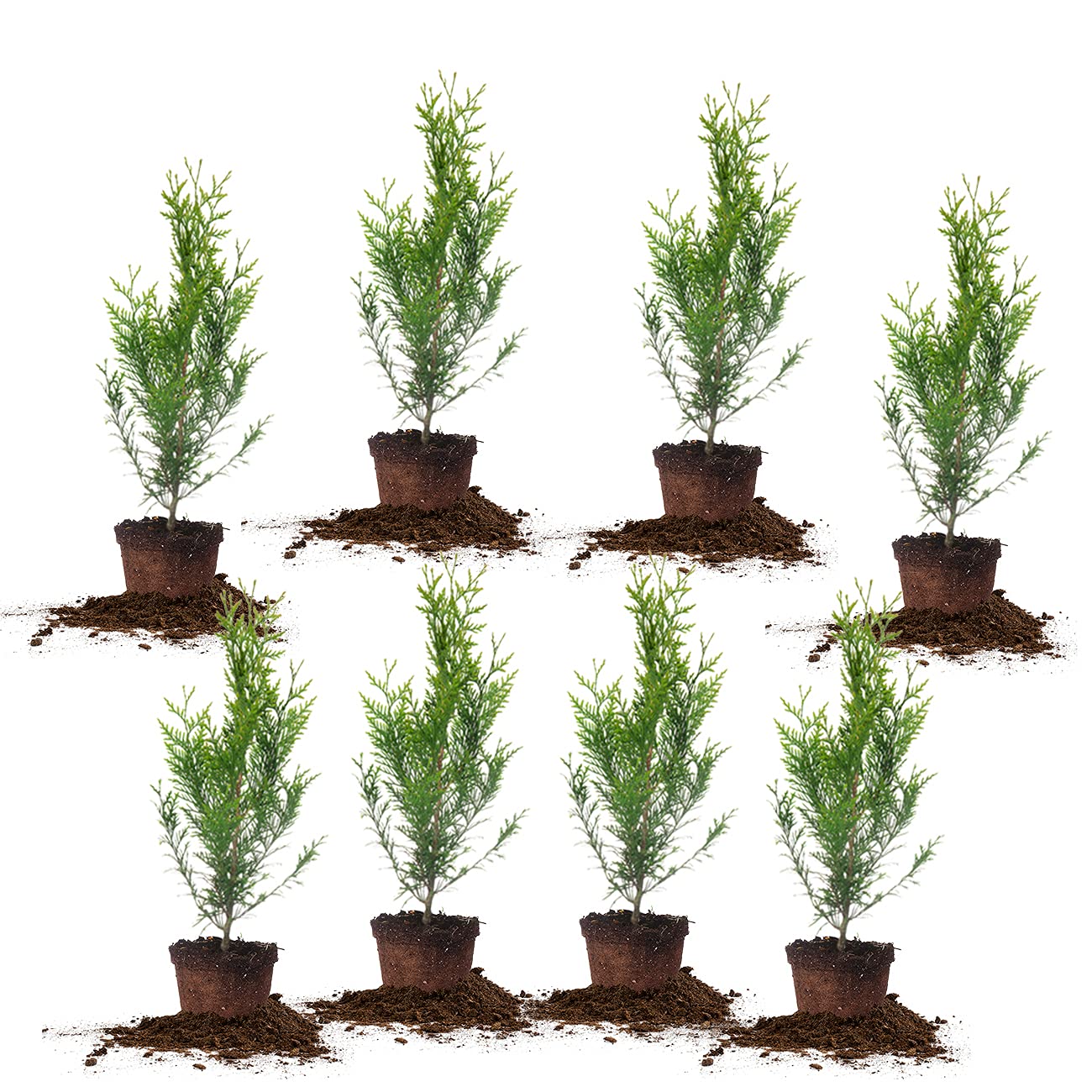
1. Perfect Plants Thuja Green Giant Arborvitae, 2 ft (8-Pack)
Our pick — over 4★ from 300+ verified ratings; the strongest balance of quality and price.
The fast-growing evergreen wall that smells like Christmas when you crush a leaf.
You get a privacy screen that hides your yard within a few seasons, because the Thuja Green Giant adds 1-3 feet of new growth per year once settled and can reach 50 feet tall at full maturity — so it blocks sightlines, not just marks a property line. It thrives in zones 5-9 (hardiness zones, the USDA’s temperature-based growing regions), which covers most of the continental US, and once established it needs almost no maintenance.
The dense, dark green foliage forms a wide pyramidal shape that you can prune to any size you like, so it works for a loose screen or a tighter formal hedge. Buyers report the plants arrive healthy even in summer heat, often 1-2 feet tall with bamboo stakes included. The quality is the thing people rave about most here — well over 90 owners single it out, with healthiness the second-most praised trait at 51 mentions. Some root balls arrive only two-thirds full in the pot, but none come root-bound, and the consensus is these are the cheapest Green Giants you’ll find.
The honest catch: this is the highest-volume pick on our list, so you’re getting small plants, not instant trees. An occasional batch loses a plant or two — owners mention roughly half may not survive in the worst cases, which is the nature of shipping live goods. Plant them in spring, keep the soil moist, and the growth rate does the heavy lifting for you.
fast privacy screen
- Grows 1-3 ft per year toward a 50-ft mature screen
- Hardy in zones 5-9 — nearly anywhere in the US
- Fragrant foliage with a classic evergreen smell
- Deer-resistant, ideal for rural or wooded edges
needs ample space
- Arrives small — patience required for full height
- Some shipments lose individual plants
- Needs regular watering while establishing
fast privacy: you want the fastest route to a tall, low-maintenance privacy wall and you have a few years of patience while it fills in.
small yards: you need a low border under 6 feet — this tree wants to be big.
2. Boxwood Wintergreen, 1 Gallon
The classic low hedge that takes a shearing and asks for more.
Boxwood is the backbone of formal gardens for a reason — it stays small, stays green, and takes pruning better than almost any other shrub. This Wintergreen variety matures at a compact 60 inches tall and 36 inches wide, making it the right scale for a foundation planting or a knee-high border along a walkway, not a towering screen. It’s hardy in zones 4-9, so it shrugs off cold winters that would damage more delicate evergreens.
New plants arrive small — that’s the number-one thing owners mention, with size flagged as the most-discussed aspect. But the quality is solid: 17 owners praise it, and they note the plants come healthy with the soil in great condition. One buyer put four in the ground and called them “so cute,” planning to buy again. Another confirmed they sailed through a New Jersey winter and came back strong in spring.
Unlike the towering Thuja above, this shrub gives you structure and shape rather than raw height. It grows best in full sun to part shade, and it’s forgiving enough for gardeners who want a neat, trimmed look without constant attention.
low hedge: you want a classic evergreen border that stays tidy at a manageable height.
quick coverage: you’re trying to block a two-story view — boxwood won’t get there.
3. Hybrid Willow Tree Plants (24 Trees)
A 75-foot windbreak that can add 12 feet in a single season.
If speed is the only metric that matters, nothing here touches the hybrid willow. It earns its “fast growing” name with a stunning 12 feet of new growth per year, reaching a maximum height of 75 feet — that’s a 50% taller ceiling than the Thuja Green Giant’s 50 feet. The slim branches and slender green leaves give it a unique, eye-catching look, and it’s genuinely low-maintenance once your cuttings take root. It’s also touted for reducing noise and controlling erosion along property lines.
But here’s the honest trade-off: this one demands more from you. These ship as fresh cuttings, not potted plants, so rooting success is on you. Customers note mixed results — one buyer saw fast growth to 12 feet in a single year with 95% survival, while another watched most cuttings rot at the base. The plants also struggle in extreme heat; at 103°F the leaves yellowed until a daily-watering and kelp-treatment routine brought them back. Rooting speed is the most-mentioned aspect at 54 comments, and it’s genuinely split.
Space them close together — one owner planted 5 feet apart and found the screen too thin for real privacy. This is a windbreak and quick-shade machine, not a dense living wall.
quick screen: a fast, tall windbreak where you’re willing to water daily in summer and accept some losses.
tidy gardens: you want a low-maintenance, dense privacy hedge — the willow needs attention and space.
4. Eastern Snowball Bush (Viburnum)

A hedge that puts on a cloud of pure white snowball flowers every spring.
Most hedging shrubs are all about greenery — this one adds a spectacle. The Eastern Snowball viburnum covers itself in large clusters of pure white, snowball-like flowers in spring, and the oak-leaf-shaped green foliage turns reddish in fall. It’s a deciduous shrub (meaning it drops its leaves in winter), growing 8 to 12 feet tall with a wide 10-15 foot spread, so it reads as a substantial flowering screen rather than a tight hedge. It works as a foundation plant, shrub border, or loose privacy hedge, and the showy flowers attract butterflies.
Quality is the strongest point here — 31 owners praise it, and the foliage is the second-most praised aspect at 20 mentions. Buyers describe healthy plants with fantastic root balls, and several note the shrub bloomed beautifully by its second year. Growth speed is the most-discussed aspect at 47 mentions, and it’s genuinely mixed: some report their plant is doing fantastic while others say it “never bloomed” or grows slowly. This shrub rewards patience, not instant gratification.
It ships in a quart pot and may arrive dormant if you order between November and April, so don’t panic if it looks bare in winter. Prune right after flowering to keep the shape you want.
spring display: gardeners who want a flowering privacy screen that feeds butterflies and changes color through the seasons.
low upkeep: anyone needing evergreen coverage — this one goes bare in winter.
5. Proven Winners 2 Gallon Sprinter Boxwood
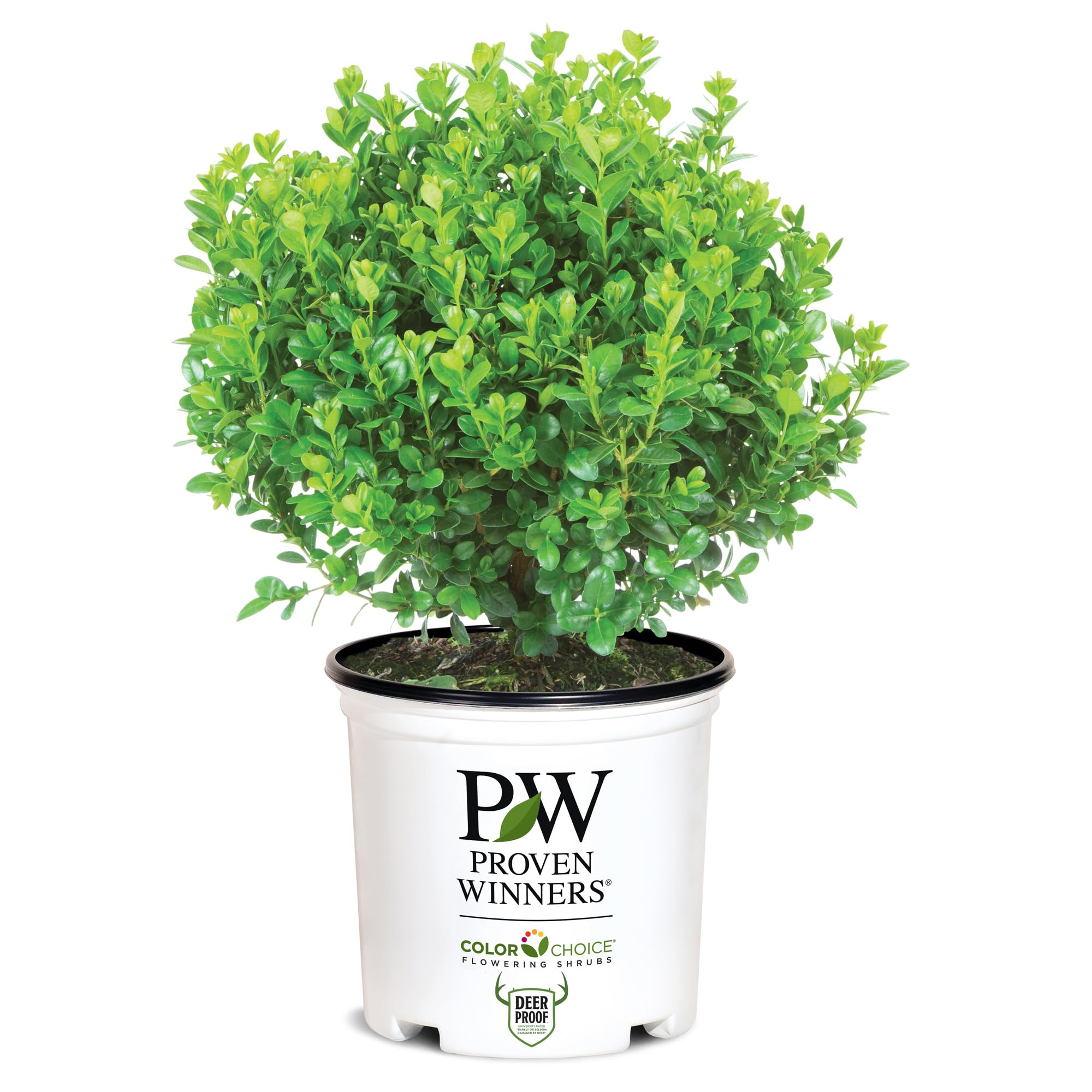
The boxwood that grows fast enough to become a topiary in one season.
Boxwoods are usually slow, stately, and patient. This one isn’t. The Sprinter variety lives up to its name, growing quickly enough that reviewers point out shaping them into topiaries within weeks of planting. It matures at a compact 24-48 inches tall and wide, making it a versatile choice for low hedges, edging, or container specimens on a sunny deck. It’s hardy in zones 5-9 and tolerates full shade to part sun, so it’s more flexible about light than many evergreens.
The quality is what stands out — 19 owners praise it, with health close behind at 14 mentions. Buyers consistently describe the plants arriving full, green, and healthy, with one planting 15 in the ground and watching them all thrive. New growth appears within days, which is unusual for boxwood. The recommended spacing is just 24 inches, so a 2-gallon plant goes a long way when you’re lining a border.
The one caveat: size. The most-mentioned aspect is size at 17 comments, and it trends negative — the 2-gallon plants arrive smaller than the catalog photos suggest. One owner measured an 8-inch diameter when they wanted 10-14 inches. It’s a fast grower, so it catches up, but you’re buying potential, not instant mass.
reliable boxwood: you want a fast-establishing boxwood that’s ready to be shaped into balls, spirals, or neat borders.
budget buys: the plants arrive small, so give them a season to bulk up.
6. 10 Thuja Green Giant Arborvitae (7-10 inches)

Ten baby Green Giants that grow 3 feet a year into a 40-foot screen.
If you’re planting a long property line, this 10-pack gives you the most trees for your money — and they’re the same species as our top pick, just younger. These arborvitae ship as small potted plants (7-10 inches tall) and grow a remarkable 3 feet per year, eventually reaching 40 feet tall and 15 feet wide. Space them 6-7 feet apart for a quick screen, and they’re hardy in zones 5-9. Quality is the dominant theme here, with 202 owners praising it and value-for-money right behind at 103 — buyers call them “better than any nursery” at a fraction of the price.
The crowd favorite was quick to prove itself even in brutal conditions — one owner opened a shipment in 93°F heat and found all 10 plants perfectly hydrated and alive. They arrive in their soil and container, so they’re less of a gamble than bare-root cuttings. The health aspect is the most-mentioned at 188, and it’s genuinely mixed, though the positive quality and value scores are far stronger.
The trade-off is starting tiny. Several buyers recommend sizing up to 1-2 foot trees instead, noting the small ones are more fragile while they establish. If you’re patient and want maximum coverage per dollar, this is the efficient route.
economy choice: covering a long stretch of fence line cheaply, with the patience to let 10 small trees become a wall.
instant height: start with fewer, bigger plants that give you privacy sooner.
7. Greenwood Nursery Spicebush, 3X Quart Pots
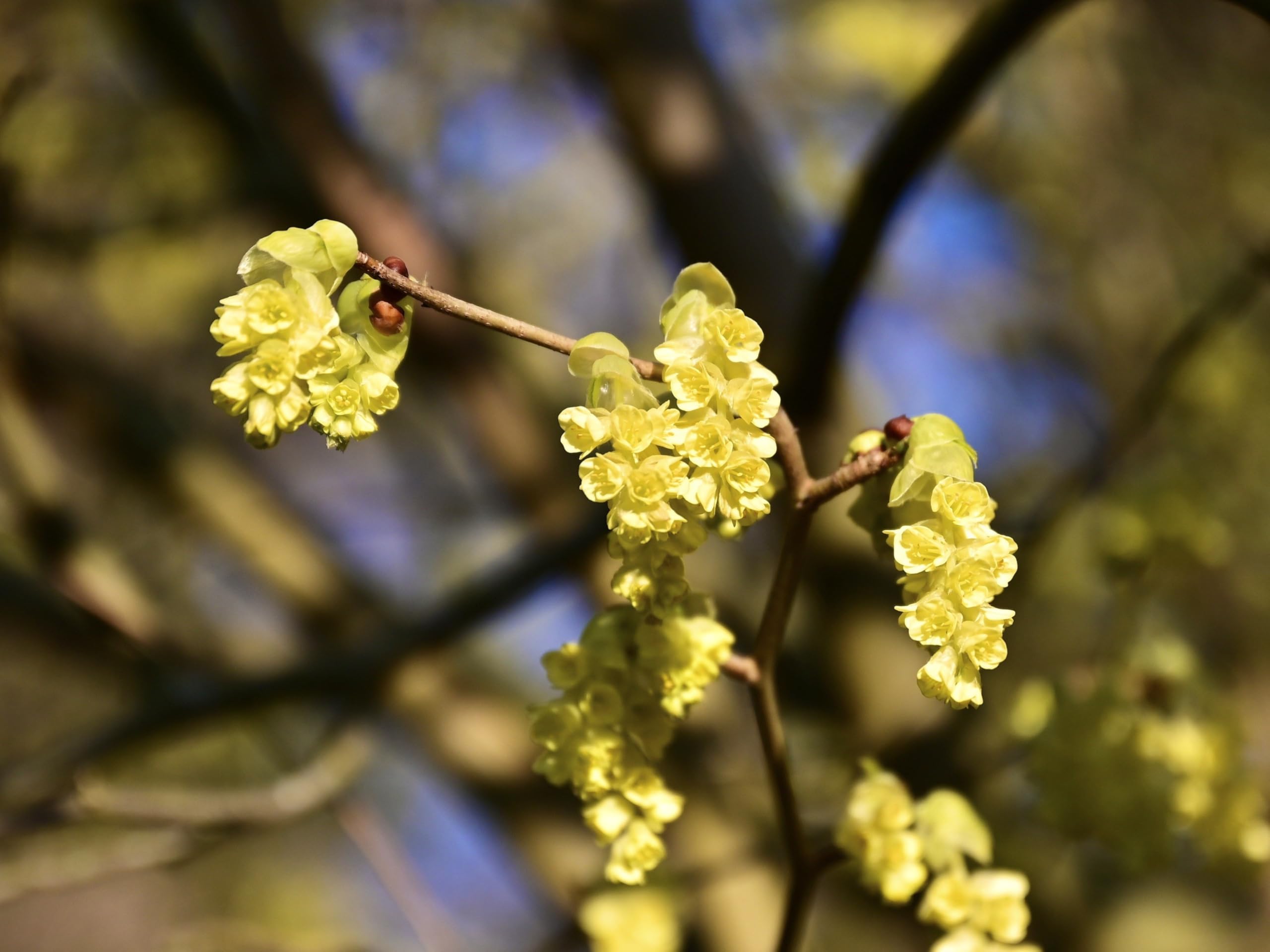
A fragrant native hedge that turns golden in fall and feeds the butterflies.
Most hedges are chosen for what they block. This one is chosen for what it attracts. The Spicebush (Lindera benzoin) is a broad, rounded, multi-stemmed shrub covered in fragrant yellow-green flowers each early spring, before the leaves even emerge. The aromatic light green foliage turns a deep yellow-gold in fall, and the shiny red berries feed robins, bobwhites, catbirds, and even raccoons. It’s a magnet for the Spicebush Swallowtail butterfly, which lays its eggs on the leaves.
At a mature height of 4-5 feet, it’s a smaller, looser hedge — the listing suggests planting in groups of 3-5, spaced about 3 feet apart, to create a natural screen. Quality is the top praise at 43 mentions, and it’s genuinely a fast-growing shrub. One landscape architect specifically praised the plant quality and the rarity of finding Lindera benzoin at all. The nursery backs it with a 14-day guarantee and packs each order carefully in corrugated boxes.
The caveat is survival. Plant health is the most-mentioned aspect at 49, and it’s mixed — some owners watched all three plants die within 5 days despite proper planting, while others saw theirs double in size in a week. It’s a real gamble, though the seller’s replacement policy softens the blow.
wildlife value: a native, fragrant hedge that feeds wildlife and delivers brilliant fall color.
dry spots: live-plant survival varies, and some shipments fail despite good care.
8. Brighter Blooms Emerald Green Arborvitae, 3-4 ft

The naturally narrow evergreen that needs zero pruning for a trim look.
Some hedges demand a weekend with the shears. This one doesn’t. The Emerald Green Arborvitae grows into a neat, narrow column — reaching 15 feet tall — that keeps its shape on its own, no pruning required. It’s the perfect fit for tight spaces along foundations or between windows where a wider shrub would crowd the walkway. Plant several in a row and they form a tidy, medium-height privacy screen that adapts to varying soil types and weather extremes.
Quality is the standout here, with 44 owners praising it and appearance close behind at 23. Buyers describe stunning, healthy trees that arrive in great shape, and the seller responds quickly to questions. The 3-4 foot starting size is a big advantage over the tiny 7-10 inch saplings elsewhere — you’re getting a head start on height.
The honest downsides: one owner found the same trees at a big-box store for less than half the price, so it pays to shop around. And buy from a seller with a real guarantee — the warranty here is limited, and one buyer watched their plants die months after the 30-day window closed. Note the shipping restriction: this one can’t go to AK, AZ, HI, or OR.
instant height: a tight, no-fuss privacy column in a narrow space, where the 3-4 ft head start is worth it.
tight budgets: your local nursery prices and your state’s shipping eligibility.
9. Golden Euonymus Shrubs, 12-Pack (2.5-inch Cubes)
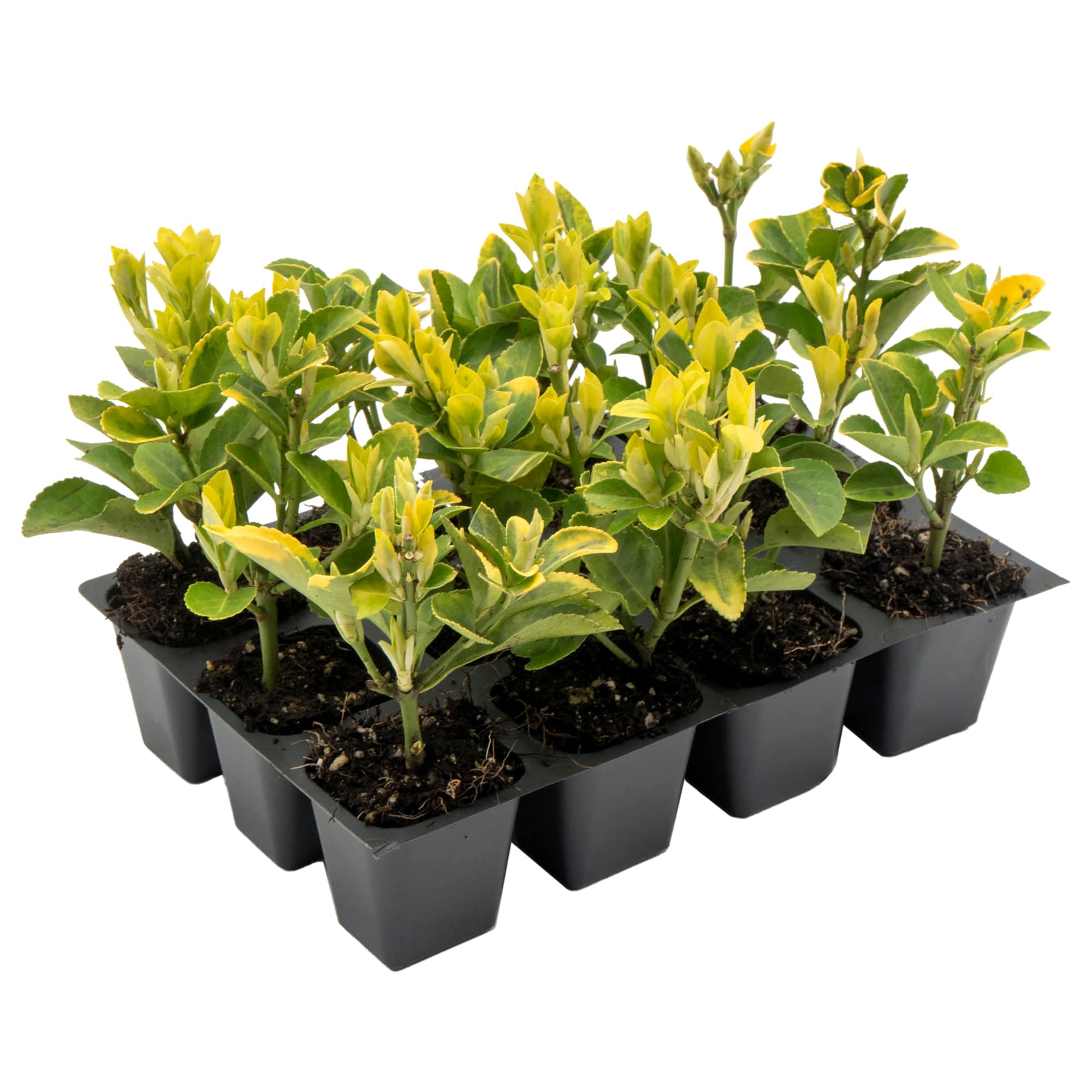
A drought-tolerant evergreen with bold yellow-green leaves that brighten any border.
If you want year-round color instead of plain green, this is the hedge for you. The Golden Euonymus (Japonica ‘Aureo-Marginatus’) shows off vivid yellow-green variegated foliage that stays bright through all four seasons. It’s a tough, drought-tolerant evergreen that thrives in zones 6-9 and adapts to various soils and light conditions — about as low-maintenance as hedging gets. Left to its own devices it can reach 10 feet tall, but it takes shearing well for a shapely low hedge.
This pack gives you 12 plants, each in a 2.5-inch nursery cube (a small growing container), so you cover ground without buying many packs. Shoppers say the plants arrive small (about 2 inches) but healthy, with vigorous growth and vibrant color — one repeat buyer ordered 24 twice. Every plant ships in its own cardboard sleeve, and the seller backs it with a low-maintenance replacement guarantee. Growing is the most-praised aspect at 7 mentions, with healthiness close behind at 6.
The size is the trade-off — these are tiny starter cubes, not shrubs, so you’re committing to a season or two of nurturing before they read as a hedge. The listing also notes it’s deer-resistant and drought-tolerant, though some buyers mention using it as a trellis climber, so it’s more versatile than a typical border shrub. One owner saw 2 of 3 thrive while one died, so a few losses are possible.
color accent: a budget-friendly, colorful ground cover that rewards a little patience with vivid year-round foliage.
low maintenance: instant height — these cubes need a season to become a hedge.
Understanding the Specs
Hardiness Zones
A zone range (like 5-9) tells you the winter climates a plant can survive. Zone 5 gets cold winters; zone 9 is nearly frost-free. If your area falls outside a shrub’s range, it will struggle no matter how well you care for it — so check your zone before you buy.
Mature Height & Growth Rate
The mature height is the plant’s ceiling, and the growth rate tells you how fast it gets there. A 50-foot tree growing 3 feet a year takes over a decade to peak; a 75-foot willow growing 12 feet a year is nearly a screen in one season. Match the ceiling to your goal — a low border needs a different plant than a privacy wall.
FAQ
How far apart should I space my hedge bushes?
Which hedge bush grows the fastest?
Will evergreens like arborvitae stay green all winter?
How much water do fast-growing hedges need?
What does a hardiness zone like “5-9” mean for me?
Which hedge bushes stay small for a low border?
Are these bushes resistant to deer?
Why did some of my plants arrive dead or dying?
Can I prune these hedges to keep them shorter?
Final Thoughts: The Verdict
For most people, the bushes for hedges winner is the Perfect Plants Thuja Green Giant because it pairs 1-3 feet of annual growth with a towering 50-foot mature height and near-universal hardiness in zones 5-9. If you want a colorful, drought-tolerant border that stays small and bright, grab the Golden Euonymus 12-pack. And for the absolute fastest windbreak, the Hybrid Willow adds 12 feet a year but demands daily summer watering — a fair reminder that with hedges, speed always has a price in care.
How We Picked
We do not accept paid placement. Every pick is matched to a real buyer and a real use-case; we do not hands-on test units.
Sources & Methodology
Specifications: manufacturer listings and product documentation. Review insights: verified customer reviews, as of August 2026. Pricing: not shown on this page (it changes often); check the current price via the retailer link.
As an Amazon Associate, Gadgets Feed earns from qualifying purchases. This does not affect which products we feature.