
Our readers keep the lights on and my morning glass full of iced black tea. As an Amazon Associate, I earn from qualifying purchases.
Specs are compiled from manufacturer listings and verified buyer reviews and can change over time — please confirm the key details on the product page before buying.
You open the box and see a bundle of brown sticks—the only real question is whether they will push out green buds in a few weeks or just sit there mocking your soil. The difference between a great patch and a frustrating one depends on a few things you can check before you buy: the variety’s growth habit, the root system’s condition on arrival, and how honestly the seller handles a cane that simply does not wake up.
I’m Min — the founder and writer behind Gadgets Feed. This guide is built by comparing the manufacturers’ published specifications and the patterns across verified customer reviews, so you get each pick’s real strengths and trade-offs instead of marketing spin.
Here is how to spot the bare root raspberries worth planting this season, plus which varieties actually deliver on their promises once they hit your garden soil.
Quick Picks
- Tahi Black Raspberry Plant — Top Performer
- 2 Joan J Raspberry Plants — Best Value
- Encore Raspberry, 2 Plants, Wrapped in Coco Coir — Cold Hardy Pick
- 2 Jewel Black Raspberry Plants, Everbearing — Fast Grower
- 2 Anne Golden Raspberry Plants — Color Curious
- 3 Heritage Everbearing Red Raspberry Plants — Classic Choice
- 3 Caroline Red Raspberry Plants — First Year Fruit
- Double Gold Raspberry Bare Root Plant, 5 Pack — Most Generous
- 6 Joan J Raspberry Plants — Patio Patch Pick
How To Choose The Best Bare Root Raspberries
Before you pick a variety, know what a bare root raspberry actually is. It is a dormant cane—a stem with its roots exposed and no soil around them—shipped while the plant sleeps. That dormancy is not death; it is a resting state that reduces transplant shock and helps the plant focus energy on new roots once planted. The catch is that a dormant cane gives you very little visual clue about its health, so your buying decision relies on the seller’s care and the variety’s reputation.
Decide on your harvest style first
Everbearing (also called fall-bearing) raspberries produce two crops—one in summer and another in fall—which means a longer picking window from a single planting. Summer-bearing types give you one big flush of fruit and then stop. If you want berries scattered across the season, everbearing is the lower-effort choice. If you are canning or freezing in bulk, a summer-bearing variety with one heavy harvest may suit you better.
Match the variety to your hardiness zone
Raspberries are rated for USDA hardiness zones, and ignoring this number is the fastest way to lose your investment. A variety rated for zones 5–8 will struggle in a zone 3 winter, while a cold-hardy type may sulk in a hot southern summer. Check the zone range on the listing before ordering, and remember that your local microclimate—frost pockets, wind exposure, soil drainage—can shift the practical range by a zone or two.
Check the root system expectations
A healthy bare root raspberry should arrive with roots that are moist, not dried to a crisp, and ideally showing a bit of flexibility rather than snapping. Many sellers pack roots in damp paper or coir to keep them hydrated in transit. Some experienced growers insist on soaking the roots in room-temperature water for 20 to 30 minutes before planting, which rehydrates the system and improves the odds of those first buds appearing.
Quick Comparison
| Model | Best For | Plant Count | Habit | Hardiness | Amazon |
|---|---|---|---|---|---|
| Tahi Black Raspberry | Deep color, one-cane trial | 1 | — | — | Amazon |
| 2 Joan J Raspberry | Thornless everbearing pairs | 2 | Everbearing | — | Amazon |
| Encore Raspberry | Vigorous large berries | 2 | Everbearing | Zone 3 | Amazon |
| 2 Jewel Black Raspberry | Fast growth, fall planting | 2 | Everbearing | Zones 5–8 | Amazon |
| 2 Anne Golden Raspberry | Unique gold color, organic | 2 | Everbearing | — | Amazon |
| 3 Heritage Raspberry | Classic red, heirloom quality | 3 | Everbearing | — | Amazon |
| 3 Caroline Raspberry | First-year fruit, organic | 3 | Everbearing | — | Amazon |
| 5 Double Gold Raspberry | Double harvest, golden color | 5 | Double | Zones 5–7 | Amazon |
| 6 Joan J Raspberry | Big patch, thornless yield | 6 | Everbearing | — | Amazon |
In‑Depth Reviews
1. Tahi Black Raspberry Plant

A deep-black berry cane that wins over buyers with its gorgeous look and healthy arrival — when it arrives intact.
This pick from Hand Picked Nursery earns its spot through sheer appearance — owners describe the plants as beautiful and healthy, with a rich, deep black hue that stands out in any patch. Compared to the tiny, pale-start complaints on other listings here, this one ships as a plug bareroot that generally looks the part. The GMO-free label and full-sun requirement are standard for the category, but the visual payoff is the real draw.
Here is the honest trade-off: size. The canes arrive small — buyers report “so tiny” and warn that starts look nothing like the marketing photo. One plant in a shipment arrived dead, with a USPS-bent package as the likely culprit. That fragility is the cost of buying dormant, and it is why the health verdict splits between “gorgeous and thriving” and “almost dead” depending on transit luck.
What wins people over is the growth once planted — reports describe buds and new leaves within weeks, and one buyer saw 4 of 5 canes thrive after a month. The single-cane count (1 Count) makes this a trial-size buy; if you want a full patch, budget for several. It is a solid choice for someone who wants to test a black raspberry variety before committing to a larger row.
What Owners Love
- Beautiful deep-black appearance that stands out
- Healthy, thriving plants when transit goes smoothly
- GMO-free and simple to plant
Where It Falls Short
- Canes arrive very small despite the photo
- Shipping damage can kill a cane before planting
- Single plant means slow patch building
Reach for it if: you want a beautiful black raspberry to trial in one spot and you trust your soil prep.
Think twice if: you need a guaranteed survivor — transit damage is a real risk here.
2. 2 Joan J Raspberry Plants, Everbearing, Thornless

A thornless everbearing pair that rewards patient growers with sweet, vigorous canes — if you can outlast the slow start.
The Joan J is a two-cane investment (2 Count) built for full sun and moderate watering, with an everbearing habit that promises fruit in the fall. What buyers rave about is the quality — plenty of roots and a vigorous appearance on arrival, with one owner describing buds and new leaves within two weeks of unpacking. That is the payoff for following the bare-root care steps.
The counterweight is germination—the single most-discussed aspect here, and it is decidedly mixed. About as many owners mention “dead raspberry sticks” with dry, lifeless roots as report thriving canes. That means your success hinges on the canes arriving healthy, not on post-planting support.
Here is the catch that separates the happy owners from the frustrated: patience. The berries that did grow were very sweet, but growth was slow, with some reporting no green leaves for weeks. If you can wait through a slow first season and your soil drains well, the Joan J returns the favor with quality fruit. This is a value pick in the truest sense — good when it works, but you are betting on the draw.
Why It Wins
- Thornless canes make picking and pruning painless
- Quality roots and vigorous appearance on good units
- Two-cane pack builds a small patch fast
The Real Risk
- Germination is a coin flip — some canes never root
- Slow early growth tests your patience
- Customer service may not help if a cane fails
Best suited for: the gardener who enjoys the process and can wait a full season for results.
A better fit elsewhere: if you need guaranteed sprouting, buy from a seller with a longer warranty.
3. Encore Raspberry, 2 Plants, Wrapped in Coco Coir

Vigorous large-flavored berries from mid-summer to first frost — with a zone 3 rating that shrugs off cold winters.
The Encore from GreenEase by ENROOT leans hard on its everbearing reputation: large, sweet berries ripening earlier in the season and continuing until the first frost. The 2 Count pack ships wrapped in coco coir, and the seller’s instructions are refreshingly specific — soak the roots in room-temperature water for 20 to 30 minutes before planting to fully hydrate the system. Follow that and you are already ahead of most first-timers.
The hardiness angle is the standout. Rated for USDA zone 3, this is the most cold-tolerant pick here, rated for zone 3., and buyers confirm it thrives even in brutal July heat — one Texas owner reported it springing to life despite planting in the summer. Compared to the black raspberry varieties here, the Encore trades exotic color for sheer reliability in challenging climates.
Growth reports are genuinely mixed—some owners saw sprouts within weeks, while one buyer’s stalks stayed “brow sticks” through a wet spring. The difference often depends on drainage; this variety demands moist soil, good drainage, and plenty of sun, and it will punish heavy clay. For a cold-hardy red that rewards careful planting, the Encore is a dependable bet.
Climate Champion: the zone 3 rating makes it the safest choice for northern gardens where other varieties fail.
The Fine Print: success depends on drainage — soggy soil turns these canes into brown sticks fast.
4. 2 Jewel Black Raspberry Plants, Everbearing

A fast-growing black raspberry that takes off once planted, with sweet, thornless, high-yielding canes.
Jack’s Back 40 ships this as a 2 Count pack of 2-year-old plants that should start producing in the same season, and the growth reports back that up—buyers call them among the fastest-growing berry bushes they have seen, with healthy leaves appearing quickly. The sweet, thornless, high-yielding profile plus The high antioxidant content suits both fresh eating and jam-making..
What is notable here is the contrast between arrival and outcome. The canes arrive tiny — buyers describe “ridiculously tiny” starts with spindly, pale shoots — yet once planted, they take off and grow a lot. That is the opposite of the pattern on the Tahi, where appearance is great but size disappoints. Here, the small start is a feature if you trust the growth.
The durability split is real: some customers note thriving bushes while others lost plants within a week despite covering them during temperature drops. Rated for zones 5 through 8, this variety wants a moderate climate. If you are in that zone range and can handle a fragile-looking start, the growth payoff is among the strongest on this list.
The Growth Story
- Fast, healthy growth once established
- Thornless and high yielding with sweet berries
- 2-year-old plants should fruit in the first season
Arrival Reality
- Starts arrive very small and pale
- Some plants die within a week of planting
- Limited to zones 5–8
Pick this if: you can nurse a fragile start through its first weeks and want fast black raspberry growth.
Skip for: gardeners who want a sturdy-looking plant on day one.
5. 2 Anne Golden Raspberry Plants, Everbearing, Organic
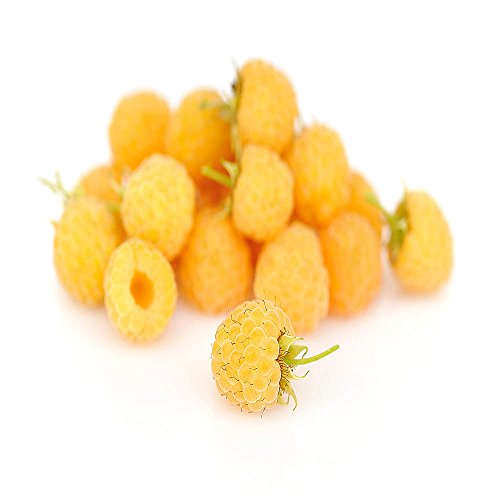
A golden-berry twist on the classic raspberry, grown organically for those who want something beyond red.
The Anne variety is the color-curious pick — golden raspberries that stand apart from every red cane in your patch. Hand Picked Nursery ships these as organic-grown bare roots, and the seller is upfront about the reality: the plants arrive as dormant canes with no soil, looking lifeless but actually resting. That honesty in the listing is a good sign, and the instructions include the key tip — mix at least 30% sand into your soil for best results.
What reviewers point out is a strong plant that produces amazing results, with some noting lots of berries. But the growth curve is the most mixed aspect here — some saw obvious growth, while others got dead-looking sticks that never sprouted. One buyer who used rooting hormone managed to revive a cane that initially failed. That hint suggests the plants are viable but sensitive to how they are handled before planting.
The annealing of expectations is important: as with most bare roots, you might wait a month before seeing sprouts, and patience is part of the deal. The flavor payoff, though, is what keeps people coming back — golden raspberries have a milder, almost tropical sweetness that red varieties cannot match. For the curious gardener, the Anne is a fun, distinct addition.
The Appeal: a unique golden color and organic growing make it a standout conversation piece in any patch.
Patience Required: sprouting can take a month, and rooting hormone may be your friend.
6. 3 Heritage Everbearing Red Raspberry Plants

An heirloom classic that rewards strict care with fast sprouting and a healthy, vigorous first season.
The Heritage is the name every raspberry grower knows — an heirloom everbearing red that produces from spring into winter, which is why it remains a top seller. Hand Picked Nursery ships a 3 Count pack and includes a free Plant Boost (growth supplement), and the quality feedback is strong, with buyers praising good root systems and beautiful appearance. The key to success, as one owner put it, is reading the instructions — refrigerate if needed, soak the roots for about 2 hours, and follow the propagation steps.
The growth story splits, though. Some owners saw 4 of 6 canes leaf out within 4 days of planting, while others reported nothing ever grew. The durability concern is real — several buyers lost plants quickly, and one noted the 8-month guarantee does not cover a Wisconsin winter, which killed every cane. The seller’s instructions are clear, but they demand strict adherence.
Compared to the Joan J, the Heritage is a more demanding plant that rewards effort with faster, more vigorous growth when treated right. It also spreads aggressively after a year, so give it room — one owner described tall floppy stems that took over a small plot. For the classic red with proven lineage, this is the one to beat.
Proven Pedigree
- Heirloom variety with a long reputation
- Fast sprouting when care instructions are followed
- Includes free Plant Boost supplement
Demanding Nature
- Strict care routine is required for success
- Aggressive spread unsuitable for small plots
- Winter survival not guaranteed by the warranty
Best for: the attentive grower who enjoys following precise instructions and wants a proven red variety.
Not for: casual planters or those in harsh winter zones without winter protection.
7. 3 Caroline Red Raspberry Plants
An organic red that can fruit in its first year, with sturdy canes and a reputation for fast growth.
The Caroline is the pick for impatient growers — an organic-grown red raspberry that shoppers say produces in the first year, with multiple vines growing well. Bulbs & Berries ships a 3 Count pack, and the growing feedback is the strongest of any listing in this guide., with buyers praising fast growth, healthy appearance, and sturdiness. One owner who survived a polar vortex shipping delay saw all 6 canes grow vigorously after a 24-hour soak.
What sets the Caroline apart is its resilience. Buyers describe large roots, well-packaged canes that survived delayed planting in a garage or fridge, and even heavy rain. The survival rate is not universal — one buyer saw only 1 of 3 sprout — but the majority report leafed-out canes within 2 to 4 weeks, some with flowers and berries in the same season.
Compared to the Heritage, the Caroline is more forgiving and more productive in year one, making it ideal for gardeners who want quick feedback. The customer service story is mixed, with one denial of a refund past the 30-day window, so treat the warranty skeptically. But for an organic, first-year-fruiting red, the Caroline is a strong, sturdy choice.
Quick Reward: the best chance of berries in the first year among the red varieties here.
Rough Edge: refunds are not guaranteed if a cane fails after the return window.
8. Double Gold Raspberry Bare Root Plant, 5 Pack

A five-cane golden harvest that yields twice a year, with a blush-champagne color you will not see anywhere else.
The Double Gold is the most generous pack here, with five canes. — 5 bare root canes from Pri Gardens, each promising a double harvest: one crop in summer and another in fall. The golden-champagne color with a deep blush is a visual treat, and the flavor is described as excellent with a tender, juicy texture. It grows best in zones 5–7, so it is a moderate-climate specialist rather than a cold-hardy workhorse.
Buyers who had success raved about the root system — one described “massive roots” that all sprouted within 2 to 3 weeks, with flowers appearing in the same year. That is the upside of buying from a nursery that clearly takes root care seriously. The mixed side is the growth rate, with some reporting zero signs of life despite excellent soil prep.
Here is the honest math: some buyers report 4 of 5 plants growing, while a few report 100% failure. The value-for-money verdict splits along the same lines — great when it works, disappointing when it does not. If you have zone 5–7 soil and want a golden berry with a double harvest, this pack gives you the best survival odds through sheer cane count..
Why Five Is Better
- Five canes improve your survival odds
- Double harvest in summer and fall
- Massive roots on quality units
The Gamble
- Some owners mention zero growth despite good prep
- Limited to zones 5–7
- Value depends heavily on survival rate
Choose this for: a golden berry patch with double-harvest potential and the safety of five canes.
Reconsider if: you garden outside zones 5–7 and need winter hardiness.
9. 6 Joan J Raspberry Plants, Free Plant Boost Included
A six-cane thornless everbearing bed that delivers abundant, delicious berries — with the highest owner trust here.
This is the big-patch version of the Joan J, and it is the most-reviewed bare root raspberry here., which tells you something about its staying power. Hand Picked Nursery ships 6 canes with a free Plant Boost, and the quality feedback is the strongest of any product in this lineup.—buyers praise healthy, well-rooted plants producing large, delicious berries in abundance, with one describing them as beautiful thornless bare root plants.
The growth story is the most mixed aspect, but the tone of the reviews is notably different from the 2-pack Joan J. Here, customers note a slow start that turns around—one buyer lost all 6 in year one, only to see a survivor fruit in year two; another planted 18 canes in November at -10°F and saw 95% survival with great berries. That persistence suggests the variety is tough once established, just demanding in its first season.
Compared to the 2-pack Joan J, the 6-pack gives you both more canes and better odds — and the review pattern rewards that. The thornless habit makes picking painless, and the everbearing fall crop extends your harvest. If you want to build a real raspberry bed in one order, this is the most reliable way to do it.
The Bed-Builder
- Six canes fill a patch in a single order
- Thornless, everbearing, abundant fruit
- Proven resilience once established
The First Season
- Slow to acclimate — some canes fail initially
- Needs constant water to thrive
- Freeze can kill flowers, though canes regrow
The go-to for: building a full raspberry bed with the best odds of a productive, thornless harvest.
The catch: be ready to water regularly and wait through a slow first season.
Understanding the Specs
Everbearing vs Summer-Bearing Habit
Everbearing raspberries, also called fall-bearing, produce a crop in late summer to fall on new canes, and often a smaller summer crop on last year’s canes. That gives you two harvest windows from one planting. Summer-bearing types produce one heavy flush in early summer and stop. Look for the “everbearing” label when you want a long picking season, or a summer-bearing variety if you prefer to harvest in bulk for freezing or jam.
USDA Hardiness Zone
This number tells you which winter temperatures a raspberry variety can survive. A variety rated for zone 3 handles very cold winters, while one rated for zones 5–8 needs a milder climate. Check your local zone before ordering — matching the variety to your zone is the single biggest factor in whether your canes come back each spring or turn into brown sticks.
FAQ
How long does a bare root raspberry take to sprout?
Should I soak the roots before planting?
What is the difference between everbearing and summer-bearing raspberries?
Why do my bare root raspberries look dead when they arrive?
How much sun do raspberry plants need?
Can I plant bare root raspberries in the fall?
What is the difference between thornless and thorny raspberries?
How long do raspberry plants live?
Final Thoughts: The Verdict
For the majority of shoppers, the bare root raspberries winner is the Caroline Red Raspberry because it offers the best first-year reward—fast growth, sturdy canes, and the best odds of first-year fruit, backed by the strongest growing feedback here.. If you want a classic heirloom red that rewards careful attention, grab the Heritage Raspberry. And for building a full thornless patch in one order, the 6 Joan J bundle is the one to reach for.
How We Picked
We do not accept paid placement. Every pick is matched to a real buyer and a real use-case; we do not hands-on test units.
Sources & Methodology
Specifications: manufacturer listings and product documentation. Review insights: verified customer reviews, as of August 2026. Pricing: not shown on this page (it changes often); check the current price via the retailer link.
As an Amazon Associate, Gadgets Feed earns from qualifying purchases. This does not affect which products we feature.