
Our readers keep the lights on and my morning glass full of iced black tea. As an Amazon Associate, I earn from qualifying purchases.
Specs are compiled from manufacturer listings and verified buyer reviews and can change over time — please confirm the key details on the product page before buying.
Choosing a tint film means balancing three things: darkness, heat blocking, and whether you can install it without bubbles. This guide compares top rolls by their real specs—material, VLT percentage (visible light transmission, or how much light passes through), and coverage per roll—so you can match the film to your car, your skill level, and your state’s legal limits.
I’m Min — the founder and writer behind Gadgets Feed. This guide is built by comparing the manufacturers’ published specifications and the patterns across verified customer reviews, so you get each pick’s real strengths and trade-offs instead of marketing spin.
Find out which options deliver the best balance of privacy, heat rejection, and DIY-friendly application when you shop for the auto window tint film that matches your ride and your budget.
Our Picks at a Glance
How To Choose The Best Auto Window Tint Film
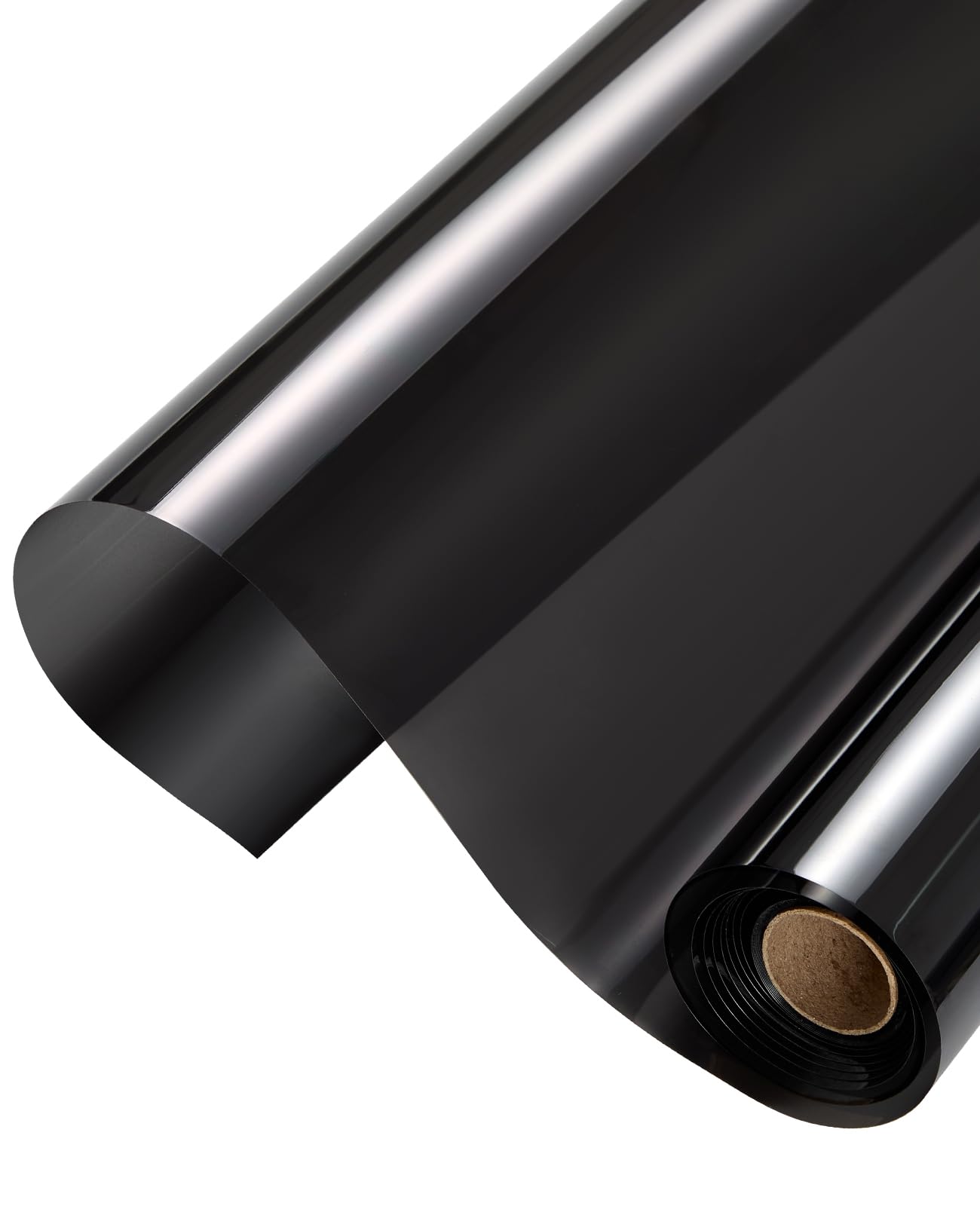
Before you pick a roll, you need to know your local tint laws. The VLT (visible light transmission) percentage tells you how much light passes through the film, and most states have strict limits on how dark the front side windows can be, while rear windows often allow darker shades.
Decode the VLT Numbers
A 5% VLT film is very dark and offers maximum privacy, but it can hurt your night visibility. A 35% VLT film is a popular middle ground because it cuts glare and heat while keeping a much clearer view at night. Always check the VLT number, not just the color name.
Ceramic vs. Dyed Film
Ceramic film uses nanoparticles to reject heat and UV rays without blocking wireless signals, which is why it’s better for keeping your car cool. Dyed film is cheaper and gives a deep black look, but it doesn’t block heat as effectively and can fade over time.
Match the Film to Your Skill
Thicker 2-ply film is more forgiving during installation because it resists creasing and tears, making it a better choice for first-time DIY fitters. Thin single-ply film is harder to handle and shrinks poorly, so it often ends up with bubbles and ragged edges if you’re not experienced.
Quick Comparison
| Model | Best For | VLT Level | Material | Coverage | Amazon |
|---|---|---|---|---|---|
| United Universal Black★ Best Overall | Maximum privacy & value | 5% | 1Ply Dyed PET | 167 sq ft | Amazon |
| IAQWE CeramicBest Value | Budget ceramic balance | 35% | Ceramic | 400 sq ft | Amazon |
| TOYOCO 20% VLT | Factory-match look | 20% | Ceramic | 16.66 sq ft | Amazon |
| ARANA Ceramic | DIY heat blocking | 5% | Ceramic | 1 Count | Amazon |
| TOYOCO 5% VLT | Signal-friendly privacy | 5% | Ceramic | 400 sq ft | Amazon |
| BLACKGLASS IX | Learning installs | 30% | 2-Ply PET | 1 Count | Amazon |
| MotoShield Pro | High heat rejection | 35% | Nano Ceramic | 30 sq ft | Amazon |
In‑Depth Reviews
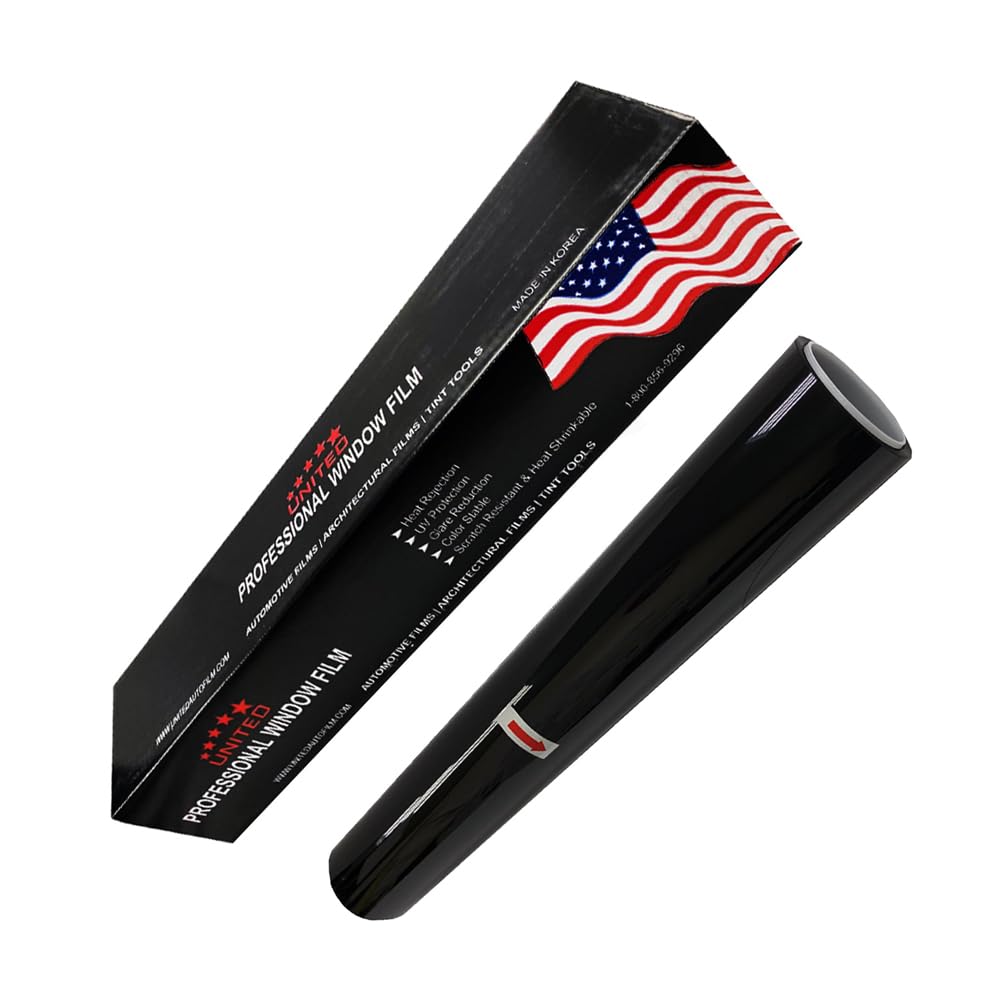
1. United Universal Black Window Tint Film 20″ x 100′
Our pick — over 4.5★ from 400+ verified ratings; the strongest balance of quality and price.
This 167-square-foot roll covers up to six vehicles with film left over for other projects.
This roll wins on value for anyone who wants deep, near-black privacy without per-window prices. The 5% VLT (visible light transmission, meaning only 5% of light passes through) gives that sleek, dark finish for daytime privacy. The 20-inch by 100-foot roll covers 167 square feet—enough that buyers report tinting six vehicles and still having film left over. It’s single-ply dyed PET (polyethylene terephthalate, a common film base), so it prioritizes privacy and looks, with up to 99% UV block to help protect your interior from fading.
The trade-off: dyed film doesn’t reject heat like ceramic does, and quality feedback is mixed—some find it great, others say it’s low quality and doesn’t shrink well on curved glass. What wins people over is value: the sheer amount of film for the price is what everyone raves about. One buyer on a work truck said, “I tinted windows in 6 vehicles and still have more left!”
Installation feedback is genuinely positive, with owners noting the film is thicker than expected, making it easier to handle without tearing. Just know that the 5% darkness means night visibility is limited, so this is best for rear windows, side windows, or a truck you don’t daily-drive at night.
The Crowd Favorite
- Massive 167 sq ft coverage for multiple vehicles
- Thicker than expected, resists tearing during install
- Deep 5% privacy with 99% UV block
The Honest Fit Note
- Dyed film won’t block heat like ceramic
- Doesn’t shrink well on curved glass
- 5% VLT limits night visibility
Reach for this if: you want maximum privacy and the biggest bang for your buck across multiple vehicles or home windows.
Look elsewhere if: you’re chasing serious heat rejection on a daily driver — that’s a ceramic film’s job.
2. IAQWE 35% VLT Ceramic Car Window Tint Film
This 400-square-foot ceramic roll offers budget-friendly heat rejection and is easy for first-timers to install.
If you want ceramic heat rejection on a budget, this 35% VLT roll is the one to grab. It’s a nano ceramic film that reduces infrared heat to keep your interior cooler. The 35% VLT (visible light transmission) balances privacy and night visibility—dark enough to cut glare, light enough to stay legal in most states. The 20-inch by 20-foot roll covers 400 square feet, which is 24 times the material of the smaller TOYOCO 20% roll, so it’s plenty for a full sedan plus spare film for mistakes.
What wins people over is the ease of use — the film is described as incredibly easy to work with and install, with a bubble-free adhesive that makes DIY results look clean. However, the adhesion is the recurring gripe, with enough owners noting edges may need a redo that you should budget for that. The quality reviews are mixed, with some calling it “decent budget tint; works fine, not high-end,” which is a fair summary of what you’re getting.
It’s a 5-layer safety film that holds glass on impact and resists scratches, and it won’t interfere with your phone or GPS signal. But the most critical reviews claim the heat rejection isn’t pro-grade, and one Florida owner found it failed their sun test entirely. If you’re in extreme heat, this is a “good enough” pick rather than a premium one.
Smart budget buy: ceramic film’s heat rejection at a price that undercuts premium brands, with 400 sq ft to cover your whole car.
The catch: the adhesive is the weakest link — plan to re-press edges after a few days, and don’t expect show-car perfection.
3. TOYOCO Ceramic Window Tint Film 20% VLT
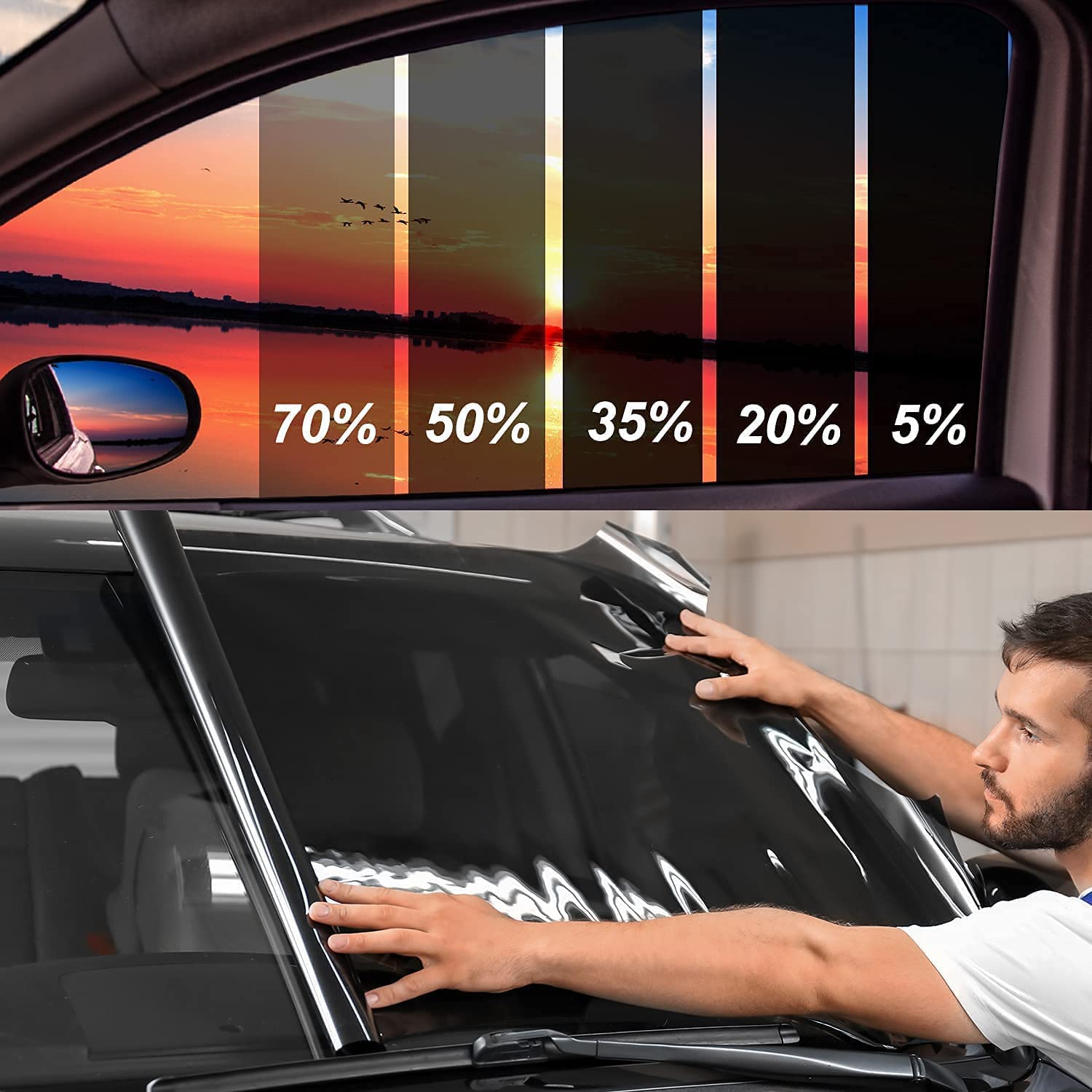
This 20% VLT ceramic film matches factory rear glass appearance for a smooth, OEM-like look.
This 20% VLT ceramic film is the pick for anyone who wants aftermarket tint to look factory-original. At 20% light transmission, it gives strong daytime privacy without the cave-black look of 5%. The ceramic material blocks over 99% of UV (ultraviolet) rays and over 95% of IR (infrared) rays, so it protects your skin and dashboard from aging. The 20-inch by 10-foot roll covers 16.66 square feet—enough for a couple of windows or a quick job, not a whole fleet.
The biggest praise here is the appearance: owners say it looks just like factory-tinted glass on their rear windows, with one even claiming it feels better than the Gila tint sold at auto stores. The scratch-resistant and explosion-proof claims add a safety layer, keeping glass together on impact. The honest catch is adhesion — the most common negative is that the film doesn’t stick properly and can start coming off within a day if the surface prep isn’t perfect.
This is a “do it yourself if you’re patient” roll, with instructions, a scraper, and a blade included in the box. Just know that the quality opinions are split, and while the factory-match look wins people over, a few owners found bubbling and peeling almost immediately — so prep your glass meticulously.
The Look
- Matches factory rear glass appearance
- Blocks 99% UV and 95% IR rays
- Scratch-resistant, safer on impact
Who Should Skip
- 16.66 sq ft covers only a couple of windows
- Adhesion issues if glass isn’t prepped perfectly
- Mixed durability reports — some peel fast
Best for: drivers who want a clean, factory-matched look on rear windows without paying shop prices.
Think twice if: you’re covering a large vehicle or want a simple to use adhesive—this one demands careful prep.
4. ARANA 5% VLT Ceramic Car Window Tint Film
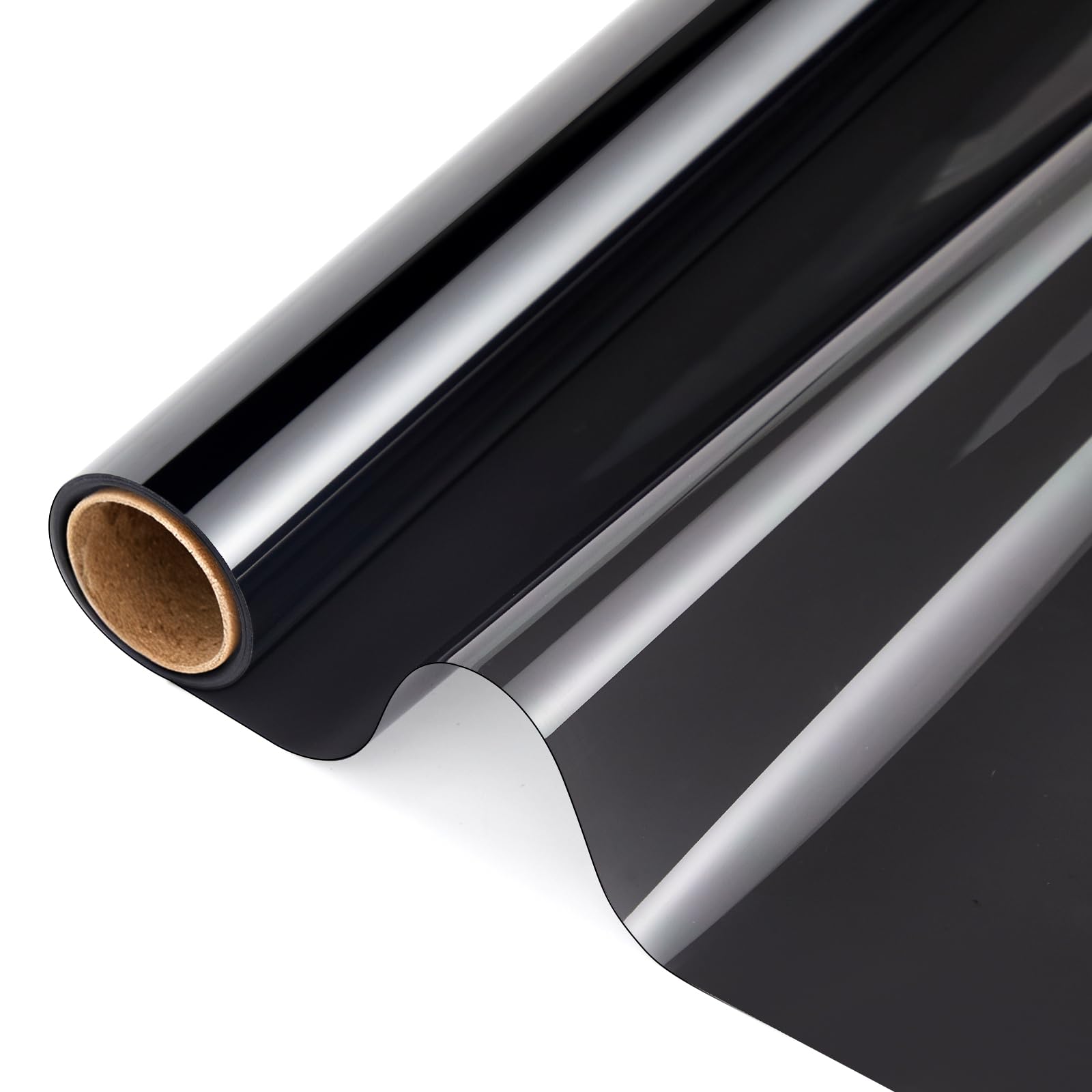
This 5% VLT ceramic film works well on both car side windows and home patio doors, blocking heat effectively.
This 5% VLT ceramic film is a true multi-tasker, and owners have actually used it on patio doors to knock down afternoon sun heat — proof of how well it blocks heat. The nano ceramic construction blocks 99% of UVA and UVB radiation, which keeps the car cooler and protects your skin and interior from fading. The 20-inch by 19-foot roll is a solid single-vehicle quantity, and the peel-and-stick install is genuinely praised as easy, even for first-timers.
What wins people over is the appearance and the sun protection, with owners noting it keeps the car cooler and looks clean. The honest fit note: some buyers find it’s not as dark as the 5% advertised, with one measuring it closer to 20%, and the film is on the thin side so it creases easily. Adhesion and durability get mixed feedback — some find it durable, others report it barely sticks and starts peeling.
It’s scratch and wear resistant with a hard coating, and the phone and GPS friendly claim means no signal interference. The 18-month after-sales support provides a useful safety net., but if you need guaranteed 5% darkness, be aware the actual shade can run lighter than the label.
Flexible performer: easy DIY install with real heat-blocking ability, proven on both car and home glass.
Keep in mind: the 5% shade can run lighter, and the thin film creases if you’re not gentle during install.
5. TOYOCO Ceramic Car Window Tint 5% VLT
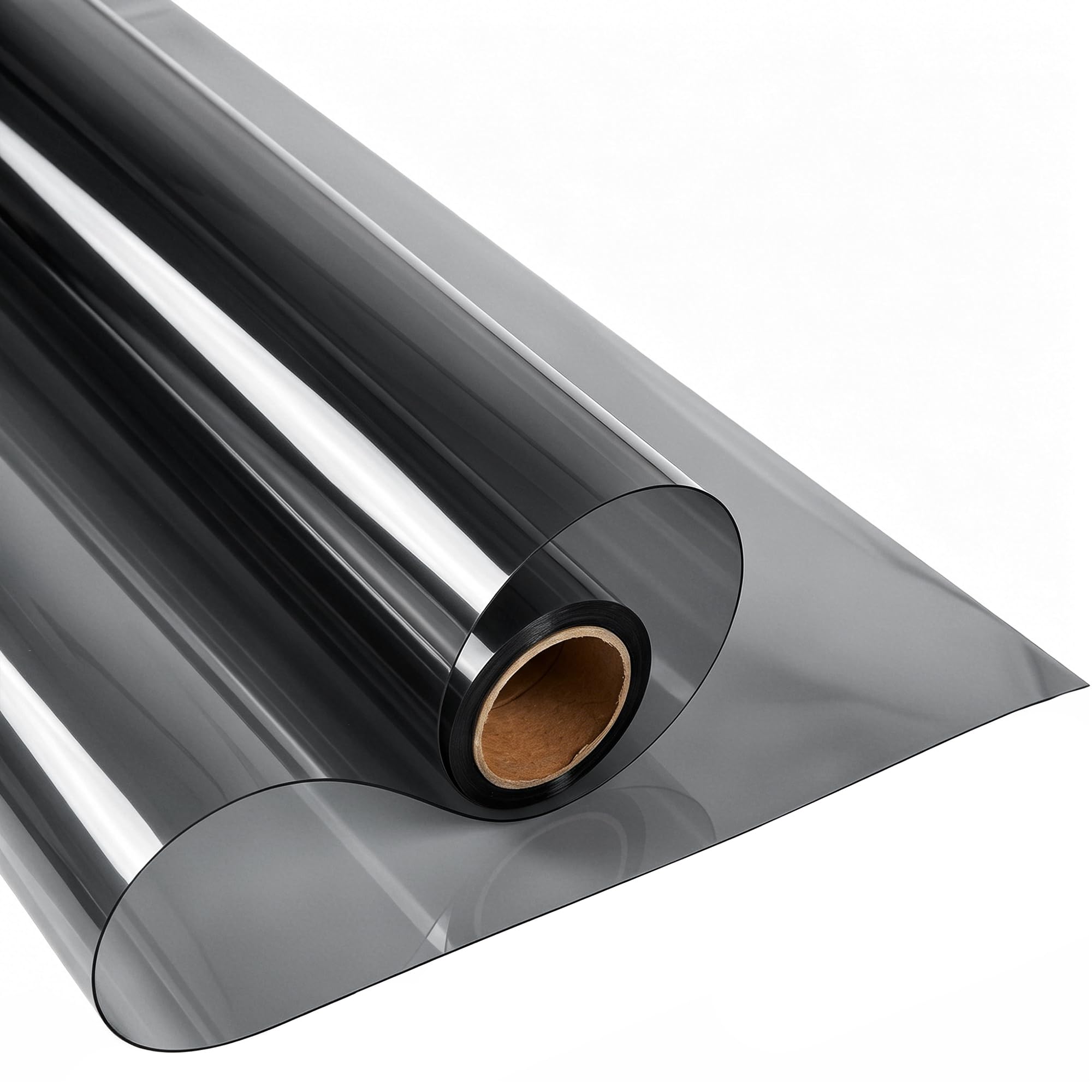
A 2-ply ceramic film that blocks 99% of UV while letting your GPS and phone signals pass through clean.
This is the dark-privacy pick for drivers who refuse to trade phone reception for shade. The 2PLY premium ceramic construction blocks 99% of UV rays and cuts glare without the metal that messes with wireless signals — so your GPS, phone, and other devices keep working after install. The 20-inch by 20-foot roll gives you 400 square feet, which is plenty to cover a full vehicle and have spare film for practice on your first try.
What wins people over is the effectiveness, with one owner specifically noting it significantly reduces glare from headlights at night — a real safety win. The film is also praised for being forgiving during installation, with one Jeep owner reporting they could lift, reposition, and reapply without damaging the film. The catch is adhesion, which gets the most negative feedback: some report it doesn’t stick to windows, and one owner found it peeled away fast in direct sunlight.
It comes in multiple shades — 5%, 15%, 20%, 35%, 50%, and 70% — so you can match your state’s legal limits. The scratch-resistant surface resists peeling and bubbling, and the 15-year factory assurance on functionality is a strong longevity claim, though the mixed adhesion reports suggest prep is everything.
Why It Stands Out
- 2-ply ceramic blocks 99% UV without signal interference
- Forgiving install — lift and reapply without damage
- Reduces night headlight glare
The Trade-Off
- Adhesion is the most-mentioned negative
- Some rolls arrive wrinkled or dirty
- 5% darkness limits night visibility
Reach for this if: you want deep 5% privacy without sacrificing your phone or GPS signal on the road.
Look elsewhere if: you’re a perfectionist who can’t tolerate the occasional adhesion quirk — this one needs patient install.
6. BLACKGLASS IX 30% VLT 2-Ply Solar Film
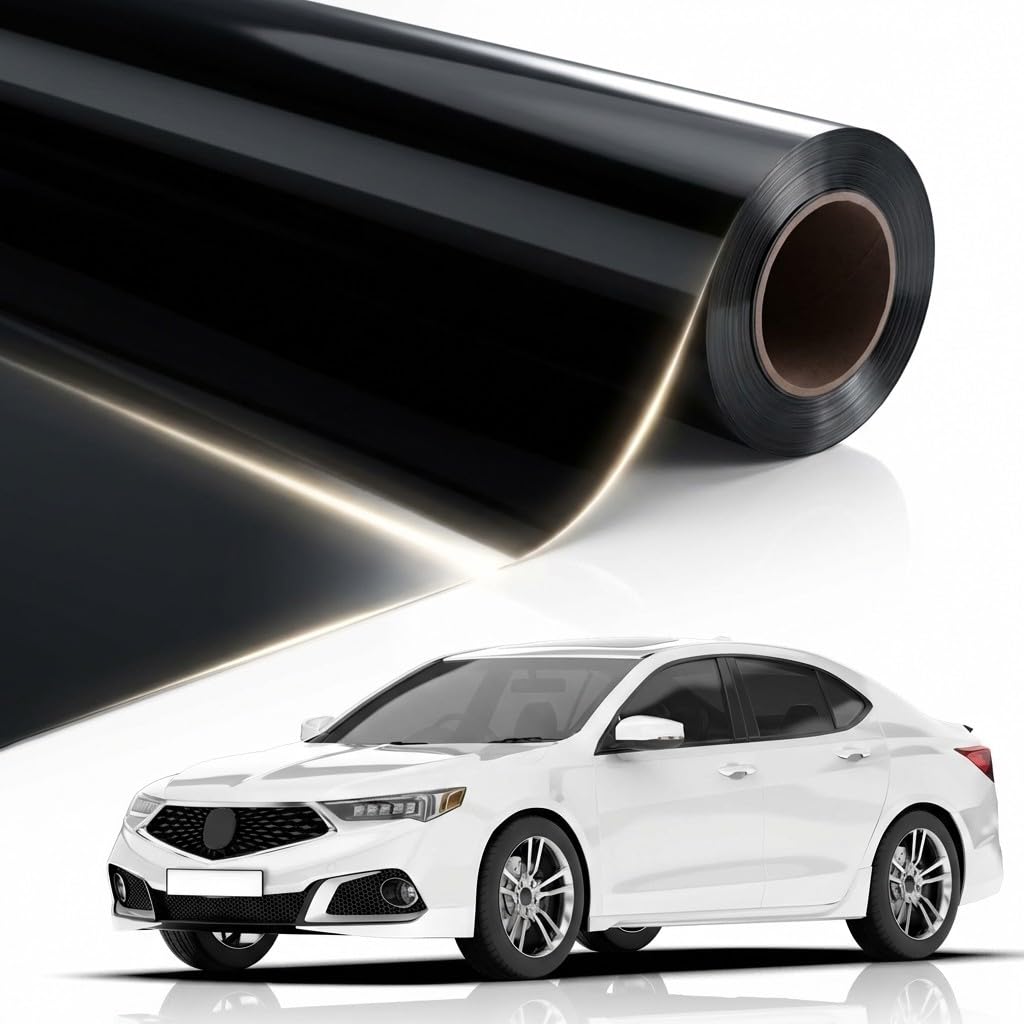
The forgiving 2-ply roll that one owner used to learn tinting — and it’s still holding two years later.
If you’ve never tinted a window and want to learn without frustration, this 30% VLT medium smoke film is built for you. The professional-grade 2-ply laminated structure is thicker and more workable than single-ply budget films, which makes it easier to heat-shrink onto curved glass and less likely to tear mid-install. The 20-foot by 26-inch roll covers the rear windshield and rear side windows on most cars, with extra film for mistakes, and includes step-by-step instructions and video guides.
The 30% VLT is a smart all-rounder — it cuts glare and heat while keeping more visibility than darker films, making it a popular daily-driver choice. One owner bought it specifically to learn how to tint and reports it held up for over two years, doing a great job reducing glare from headlights and heat in the summer. The 2X pressure-sensitive adhesive gives a firm bond, and the scratch-resistant surface takes squeegee pressure without marking.
The honest caveat: this tint is for people ready to put in the work. Several owners note you need patience and experience for a truly professional result, with one bluntly saying “this tint need experienced person to do it the right way.” An occasional roll arrives with punctures, but overall quality feedback on installation ease is positive.
Patience pays off: this roll thrives in the hands of a careful beginner and holds its color well over years of sun exposure.
Not a shortcut: skip it if you want a true pro-grade finish without the learning curve — this one rewards patience.
7. MotoShield Pro 35% VLT Nano Ceramic Window Tint

This 2-mil nano ceramic film blocks up to 99% of infrared heat and can lower your interior temperature by up to 25°F.
This is the pick for drivers in brutal summer climates who want real, measurable heat rejection. The nano ceramic film blocks up to 99% of infrared heat, rejects up to 70% of total solar energy, and is tested to cool your interior by up to 25°F. It also blocks 99.9% of UV rays, protecting your skin and preventing dashboard cracking. The 36-inch by 10-foot roll is wider than most, giving you 30 square feet to work with, sized for a car rather than a whole fleet.
What wins people over is heat blocking and appearance—owners say it looks high-end, blocks sun heat well, and the haze disappears after a few days to feel like professional film. The 2-mil thickness (2 thousandths of an inch) makes it relatively simple to handle, and the 3-year manufacturer warranty against defects adds confidence. However, installation gets the most mixed feedback: some find it easy, others describe it as very hard to work with.
The honest trade-off is consistency: some owners received shorter rolls than advertised, and a few found it creases easily and shrinks poorly. One owner ordered 35% but measured 5%, which could fail a state inspection — so if you’re in a strict state, verify your shade before committing.
The Performance
- Blocks up to 99% infrared heat, cools interior by up to 25°F
- Blocks 99.9% of UV rays
- 3-year manufacturer warranty
Who Should Skip
- Installation is hard for beginners
- Roll length and shade can be inconsistent
- Premium price for a sometimes-budget finish
Best for: heat-sensitive drivers who want pro-level infrared rejection and will pay for the performance.
Think twice if: you’re a first-timer — the installation difficulty is real, and a strict state inspection might catch the inconsistent shade.
Understanding the Specs
VLT (Visible Light Transmission)
This percentage tells you how much light passes through the film. Lower numbers mean darker film — 5% blocks most light for maximum privacy, while 35% blocks less for better night visibility. Check your state’s legal limit before choosing, since front side windows often require lighter film than rears.
Ceramic vs. Dyed Film
Ceramic film uses nanoparticles to reject heat and UV rays without blocking wireless signals, making it the better choice for keeping your car cool. Dyed film is cheaper and gives a deep black look, but it doesn’t block heat as effectively and can fade over time with sun exposure.
Coverage Per Roll
The square footage tells you how much glass you can actually cover. A 400-square-foot roll handles a full sedan with spare film for mistakes, while a 16-square-foot roll might only cover a couple of windows. Always measure your windows before buying.
Heat Rejection
This measures how much infrared radiation the film blocks from entering your car. Premium ceramic films can block up to 99% of infrared heat, which keeps your interior cooler and reduces your AC load. Dyed films block far less heat, so they won’t help much in summer.
FAQ
What does 5% VLT mean for my car windows?
Is ceramic tint better than dyed tint?
Can I install window tint film myself?
What is the legal VLT limit for front side windows?
Does window tint film block UV rays?
Will tint film interfere with my phone or GPS signal?
How much film do I need for a full car?
Why is my tint bubbling or peeling after install?
Can I use car tint film on home windows?
Final Thoughts: The Verdict
For most drivers, the auto window tint film winner is the United Universal Black because its massive 167-square-foot coverage delivers the best value for deep privacy across multiple vehicles. If you want ceramic heat rejection on a budget, grab the IAQWE Ceramic, and for drivers in extreme heat who need measurable infrared blocking, the MotoShield Pro is the one to reach for.
How We Picked
We do not accept paid placement. Every pick is matched to a real buyer and a real use-case; we do not hands-on test units.
Sources & Methodology
Specifications: manufacturer listings and product documentation. Review insights: verified customer reviews, as of August 2026. Pricing: not shown on this page (it changes often); check the current price via the retailer link.
As an Amazon Associate, Gadgets Feed earns from qualifying purchases. This does not affect which products we feature.