
Our readers keep the lights on and my morning glass full of iced black tea. As an Amazon Associate, I earn from qualifying purchases.
Specs are compiled from manufacturer listings and verified buyer reviews and can change over time — please confirm the key details on the product page before buying.
Blurry shots ruin the moment, whether it’s a kid scoring a goal or a dog mid-sprint. Autofocus (the camera’s ability to lock onto a subject and keep it sharp on its own) is the single feature that separates keepers from throwaways. This guide breaks down the best bodies for everything from family candids to paid work, with a heavy focus on how fast and how accurately each one locks on.
I’m Min — the founder and writer behind Gadgets Feed. This guide is built by comparing the manufacturers’ published specifications and the patterns across verified customer reviews, so you get each pick’s real strengths and trade-offs instead of marketing spin.
You want a camera that nails focus without a fight, so we’ve matched each body to the shooting style it handles best in this roundup of the cameras with autofocus that actually earn their keep.
Our Picks at a Glance


How To Choose The Best Camera With Autofocus
Autofocus is more than a single on/off switch. It’s a system of sensors, processing power, and lens communication that decides how quickly and confidently your camera finds sharp focus. Different shooting styles demand different strengths, so match the system to what you actually photograph.
Match the autofocus points to your subject
Autofocus points are the tiny focus zones scattered across the frame. A camera with 51 points can track a subject moving across a wider area of the image compared to one with only 9 points clustered in the middle. If you mostly shoot stationary portraits or landscapes, fewer points are fine. For sports, wildlife, or kids who never stop moving, you want the densest array you can find.
Decide between DSLR and mirrorless
DSLRs use a separate phase-detection sensor that works fast with the optical viewfinder, making them great for action. Mirrorless cameras read focus directly off the image sensor, which enables powerful subject-tracking like eye detection on people and animals. Both can be excellent, but the way they lock focus feels different in your hands.
Burst speed only matters if focus keeps up
Continuous shooting speed, measured in frames per second (fps), tells you how many shots you can fire in a second. A high burst rate is only useful if the autofocus can re-acquire the subject between each frame. A camera that shoots 8 fps with solid tracking beats another that shoots 10 fps but drifts off the subject.
Quick Comparison
| Model | Best For | Autofocus Points | Max Burst Speed | Sensor Size | Amazon |
|---|---|---|---|---|---|
| Nikon D7500★ Best Overall | Action & birds in flight | 51 | 8 fps | APS-C (DX) | Amazon |
| Canon Rebel T7Best Value | First-time DSLR buyers | 9 | 3.0 fps | APS-C | Amazon |
| Canon EOS RPCompact Full-Frame | Full-frame entry | 4,779 (Dual Pixel) | 5 fps | Full-Frame | Amazon |
| Nikon Z 5 | Hybrid photo & video | 273 | 4.5 fps | Full-Frame | Amazon |
| Fujifilm X-T30 III | Travel & street style | 425 | 20 fps | APS-C | Amazon |
| Sony a7 III | Versatile all-rounder | 693 | 10 fps | Full-Frame | Amazon |
| Nikon D850 | High-res studio & landscape | 153 | 9 fps | Full-Frame (FX) | Amazon |
| Panasonic S5IIX | Hybrid creators & video pros | 779 | 9 fps | Full-Frame | Amazon |
| Sony a7 IV | Pro photo & video hybrid | 693 | 10 fps | Full-Frame | Amazon |
| Panasonic S5II | Reliable all-around mirrorless | 779 | 9 fps | Full-Frame | Amazon |
| Leica Q3 | Compact luxury street shooting | 256 | 15 fps | Full-Frame | Amazon |
In‑Depth Reviews
1. Nikon D7500 DSLR
Our pick — over 4.5★ from 650+ verified ratings; the strongest balance of quality and price.
The action shooter’s DSLR that never loses the subject.
Fast-moving subjects are this camera’s home turf. Its 51-point autofocus system includes 15 cross-type sensors (the more sensitive ones that lock onto low-contrast subjects), and it pairs with an 8 fps burst — so you can spray a sequence of a dog catching a frisbee and expect most frames sharp. That’s a 5.7x gap in focus points and a 2.7x gap in burst speed over the entry-level Canon Rebel T7, which makes the D7500 the clear choice if action is your priority.
The 20.9MP sensor delivers class-leading image quality and metering that behaves like Nikon’s award-winning D500, according to the spec sheet. Owners consistently report fast, accurate autofocus and impressive low-light pictures. It shoots 4K UHD and 1080p Full HD video with stereo sound, and the 3.2″ tilting touchscreen (922K dots) makes it easy to tap your focus point when shooting from odd angles.
One honest note: this is a 2017 model, so it lacks the latest tech — buyers report “2017 model, lacks latest tech but near-perfect for needs.” The 18-140mm kit lens is sharp at all focal lengths, but the body is heavy compared to mirrorless rivals. It’s weather-resistant and takes excellent 4K/30fps video, making it a rugged all-rounder that’s simply not meant for beginners who want a tiny camera.
Built to Track
- 51-point AF with 15 cross-type sensors
- 8 fps continuous shooting for action
- Weather-resistant body for outdoor shoots
Consider This
- Heavier than mirrorless competitors
- Dated 2017 tech with no modern AI tracking
Reach for this if: you chase birds, sports, or kids and want a proven DSLR that nails focus at speed.
Look elsewhere if: you want the latest AI subject-tracking found in newer mirrorless bodies.
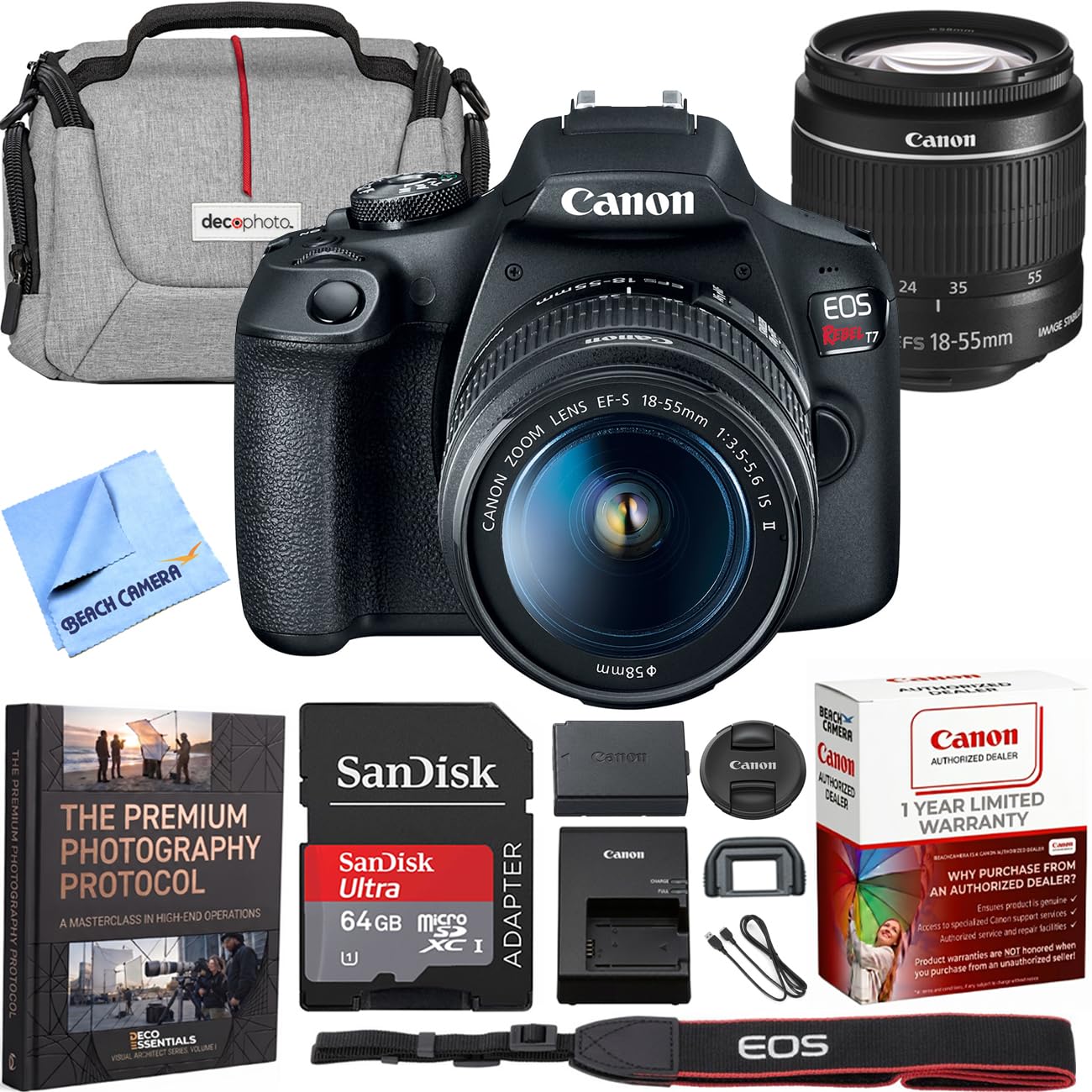
2. Canon EOS Rebel T7 DSLR Bundle
The budget-friendly gateway to real DSLR photography.
If this is your first interchangeable-lens camera, the Rebel T7 bundle gives you everything to start shooting the day it arrives. Its 9-point AF system with AI Servo AF is basic but dependable for portraits and landscapes, and the 24.1MP CMOS sensor with ISO up to 6400 (expandable to 12800) delivers clean images in decent light. The included 18-55mm image-stabilized lens is the classic starter glass.
The bundle adds a camera bag, a 64GB microSD card with adapter, and a microfiber cloth — plus it records Full HD 1080p video. Built-in Wi-Fi and NFC let you transfer shots to your phone for quick sharing. The 3.0″ LCD has 920,000 dots for reviewing your work.
What wins people over is the sheer value: owners consistently praise the bundle for arriving with more accessories than expected, and the image quality holds up well. The recurring gripe is the included slave flash, which some report doesn’t work with the camera body. This is a gentle learning curve camera — not one for fast action, given its 3.0 fps burst — but for everyday memories it’s a friendly, affordable entry point.
Solid starter: This is the camera to learn on, with a full accessory kit and Canon’s reliable color science from the start.
Know the limit: The 9-point AF and 3.0 fps burst mean fast sports and wildlife are out of reach.
3. Canon EOS RP Mirrorless
Your lightest ticket into full-frame image quality.
Full-frame sensors capture more light and depth than smaller ones, and the EOS RP is the most accessible way in. Its face-tracking autofocus is excellent, and owners mention “AF fast, battery good (one change from half-charge).” The bundled RF24-105mm lens covers a versatile zoom range with optical image stabilization at up to 5 stops of shake correction — so you can shoot handheld in lower light without blur.
It’s designed for travel and vlogging, with a compact body and 4K UHD 2160p video capture. The minimum focusing distance of 0.66 feet in autofocus lets you get satisfyingly close to small subjects, and it’s a breeze to turn into a high-quality webcam via the EOS Utility Webcam Beta Software on Mac or Windows.
Owners describe this as a fantastic way to get into full-frame “while staying affordable,” praising its vibrant pictures and compact size. The honest trade-offs: this is not a sports camera (single-shot focus is fine, but continuous tracking is limited), and the kit lens edges can be soft — sharpest in the center at f/8 and beyond. Battery life also gets flagged as a weak spot, so a spare pack is a smart add.
Why It Shines
- Full-frame sensor for depth and low light
- 5-stop image stabilization for handheld shots
- Face-tracking AF for portraits
The Reality
- Not built for fast action or sports
- Battery life is short — carry a spare
Pick it for: travel, portraits, and vlogging where full-frame depth matters more than burst speed.
Skip it for: wildlife and sports where you need rapid continuous focus.
4. Nikon Z 5 Mirrorless

Nikon’s most compact full-frame, with eye detection that locks onto pets.
Portrait and pet photographers will love the Z 5’s Eye-Detection Autofocus, which automatically locks onto the eyes of people, dogs, and cats and tracks them as they move. The 273-point autofocus system covers a wide area of the frame, and the 5-axis in-body image stabilization lets you shoot at slower shutter speeds in low light without camera blur — customers note sharp shots even at 1/9s handheld.
The 24.3MP full-frame sensor delivers sharp, lifelike detail with vibrant colors, and it’s Nikon’s most compact, lightweight full-frame Z series camera. It shoots 4K/30p and 1080/60p video with shallow depth of field, and built-in Wi-Fi and Bluetooth let you share photos via the free SnapBridge app. Dual SD UHS-II slots give you redundant storage for important shoots.
What impresses owners is that it behaves like a much more expensive camera — the autofocus draws “lightning-fast” praise and the controls feel comfortable. The caveats: burst shooting is a modest 4.5 fps, which is slow for action, and one owner noted a ~30 second processing delay when a second SD card is installed. It’s not an entry-level camera, but it’s a superb value for enthusiasts stepping up to full-frame.
Smart buy: You get pro-level image quality and eye AF without the pro-level price.
Watch out for: The 4.5 fps burst and the occasional processing lag with dual cards.
5. Fujifilm X-T30 III Mirrorless
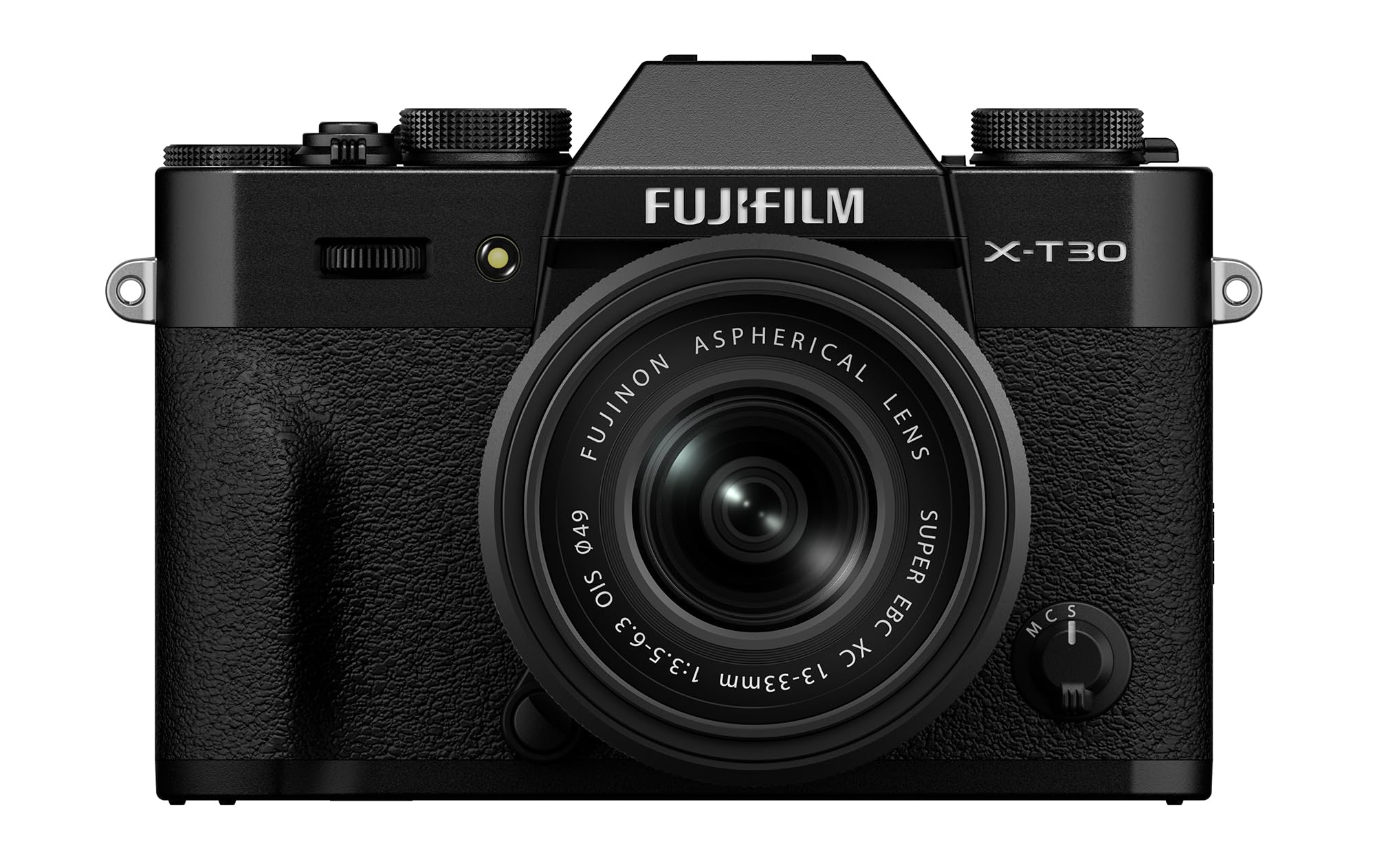
A compact camera with film-inspired colors and blazing speed.
The X-T30 III packs serious speed into a small body. Its AI-powered subject detection autofocus keeps subjects sharp, and the continuous shooting tops out at a blistering 20 frames per second — ideal for capturing kids mid-laugh or fast-moving pets. The 425-point phase-detection autofocus system covers the frame densely for reliable tracking.
The defining feature is its 20 built-in Film Simulations, which give you gorgeous, distinct color profiles straight out of camera — owners say photos look professional without heavy editing. The new FUJINON XC13-33mmF3.5-6.3 OIS kit lens is surprisingly sharp, and the body is remarkably compact for travel.
Reviewers rave about the “beautiful SOOC film sims” (SOOC means straight out of camera) and note the autofocus is fast and reliable even with moving subjects. The trade-offs: there’s a real menu learning curve, video lacks in-body stabilization, and the battery drains fast — buy backups. There’s also no charger included in the box, which is an odd omission.
The Charm
- 20 Film Simulations for distinctive color
- 20 fps burst for action moments
- Compact body easy to carry daily
The Catch
- Short battery life — pack spares
- Menu system has a learning curve
Best for: travel photographers who want beautiful color out of camera and a small body.
Not for: videographers needing in-body stabilization or long battery endurance.
6. Sony Alpha a7 III Mirrorless

The mirrorless benchmark that handles almost anything.
The a7 III is the camera that made full-frame mirrorless mainstream, and its autofocus is a huge part of the legend. With 693 phase-detection AF points covering 93% of the image frame, it tracks subjects across the entire viewfinder rather than just the center. It shoots up to 10 fps with AE/AF tracking, so you can capture action AND keep exposure locked — a rare combo at this level.
Inside is a 24.2MP back-illuminated full-frame sensor with 15-stop dynamic range and ISO up to 204,800, making it a low-light champion. The 28-70mm kit lens is solid, and the battery is a standout — reviewers point out roughly 710 photos per charge. It records 4K video with full pixel readout, though you’ll want a fast UHS-II card for the higher bitrates.
Owners describe the AF speed and accuracy as superior to Canon DSLRs they used before, and the image quality is “game-changing” even with the kit lens. The honest negatives: the menu system is notoriously complex, and battery life draws mixed feedback despite the strong per-charge numbers. A few also flag that weather sealing isn’t enough for harsh environments.
The workhorse: If you shoot a mix of portraits, events, and travel, this one AF system handles it all.
The friction: Expect a steep menu learning curve and carry a spare battery for long shoots.
7. Nikon D850 DSLR
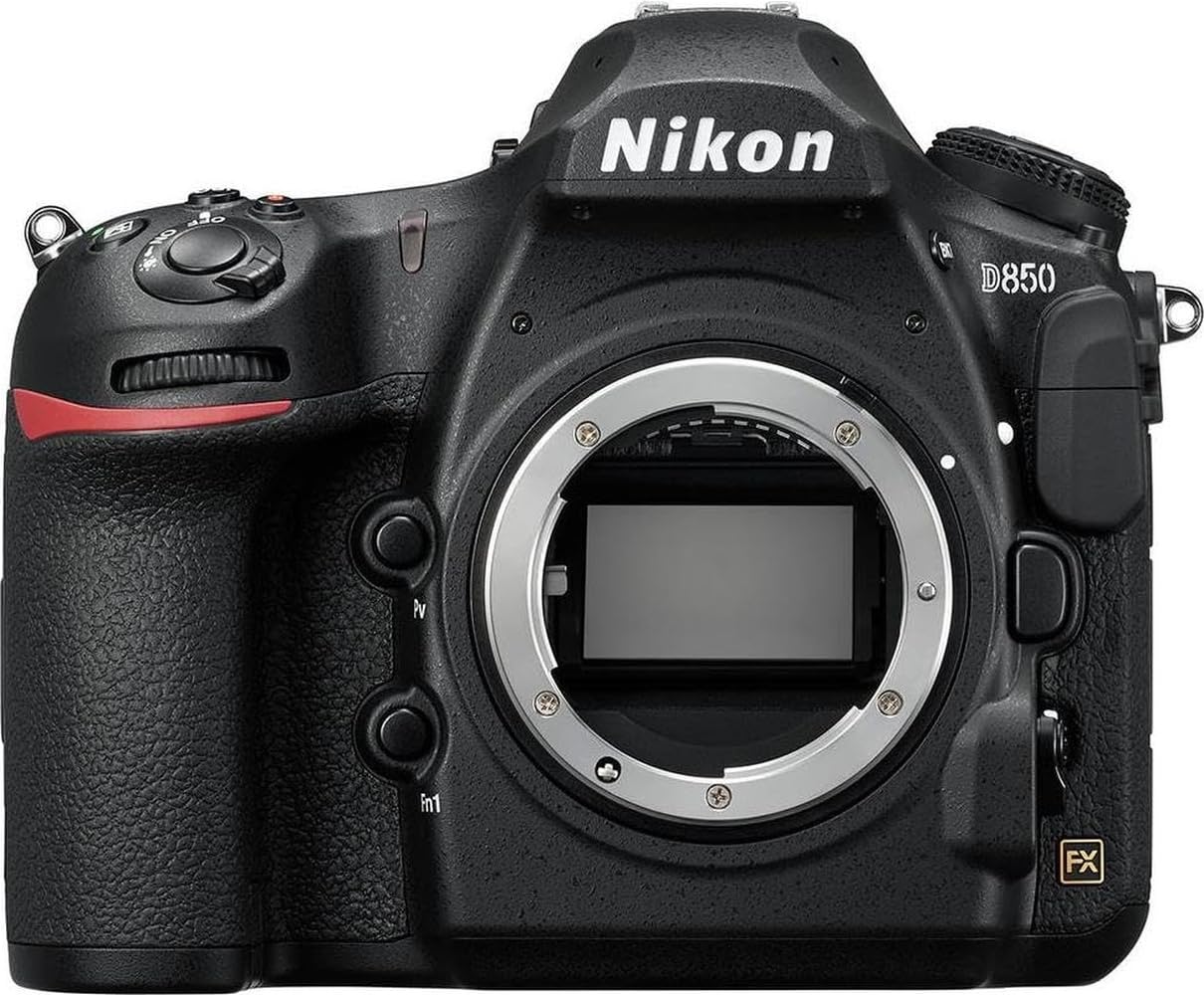
A 45.7-megapixel monster that focuses like a sports car.
The D850 is widely considered the best DSLR body ever made, and the numbers back it up. Its back-side illuminated (BSI) full-frame sensor delivers 45.7 megapixels of resolution with stunning dynamic range and no optical low-pass filter — meaning maximum sharpness with virtually no risk of moiré. The 153-point autofocus system is Nikon’s most advanced in a DSLR, with industry-leading low-light capability down to ISO 12,800 in usable quality.
It shoots up to 9 fps at full resolution with full AF performance, thanks to a large buffer and fast XQD card support. Photographers upgrading from older bodies consistently say the AF “nails action shots” that their previous camera missed. The tilting touchscreen and illuminated buttons make it a joy to use in the field.
The catch is the ecosystem demands. Owners note you need fast SD or XQD cards to open up the full burst speed, and the 45.7MP files fill a 32GB card fast — plan for 128GB+ cards. The body is heavy, video autofocus is poor, and complex menus scare off beginners. This is a serious tool for serious shooters who want resolution AND speed.
What You Gain
- 45.7MP resolution for huge prints and crops
- 153-point AF with superb low-light lock
- 9 fps burst with full AF
What It Costs
- Massive files demand big, fast cards
- Heavy body and weak video AF
Choose this if: you shoot landscapes, studio work, or weddings and want resolution plus reliable autofocus.
Think twice if: you’re a beginner or video-first shooter — this is a photographer’s camera.
8. Panasonic LUMIX S5IIX
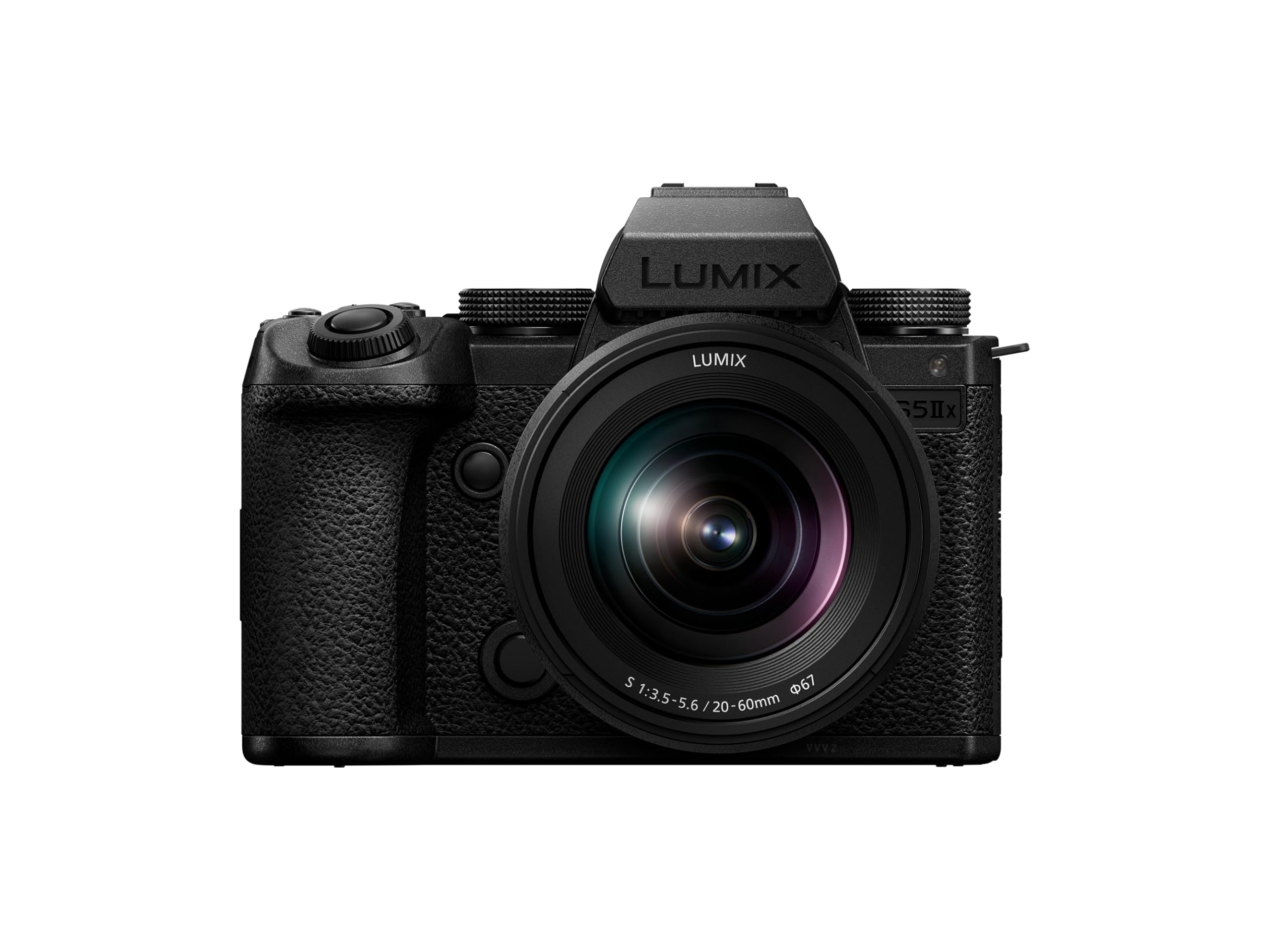
The hybrid that finally made Panasonic autofocus a selling point.
Panasonic spent years as the video king with mediocre autofocus — the S5IIX changes that. Its Phase Hybrid Autofocus with 779 points is fast, sticky, and tracks subjects even in adverse lighting, with advanced subject detection. Contents creators report the video focus locks quickly and keeps tracking even with many moving objects, making this a genuine hybrid powerhouse.
Video is the headline: unlimited 4:2:2 10-bit recording with 14+ stop V-Log/V-Gamut capture, plus REAL TIME LUT for in-camera color grading. A built-in fan and heat sink prevent overheating — one owner shot at 104°F with no shutdown. The 24.2MP full-frame sensor delivers sharp stills, and Active I.S. stabilization supports smooth walking shots.
Owners call it “the ultimate hybrid video camera” and note it beats rivals that overheat or struggle with focus. The recurring complaint is battery life — you’ll want packs or a USB-C cable on hand. The 800-page manual hints at the other issue: a steep learning curve for beginners exploring its full feature set.
For creators: This is the video-first body that also nails stills, with autofocus you can finally trust.
The cost: Short battery life and a demanding learning curve are the price of all that power.
9. Sony Alpha 7 IV Mirrorless

The pro body that tracks eyes with remarkable accuracy.
The a7 IV is Sony’s best-selling full-frame body for good reason. Its 693-point autofocus system includes remarkably accurate real-time eye tracking for people and animals, and the improved menu system finally makes it usable. The 33MP back-illuminated sensor with the BIONZ XR processor delivers crisp detail, and shoppers say 2000+ shots per battery charge.
Video is serious here too: up to 4K 60p 10-bit 4:2:2 with full pixel readout in all recording formats, plus 7K oversampling for stunning 4K 30p. The S-Cinetone color profile gives you beautiful, cinematic color straight out of camera. Dual card slots (CFexpress Type A and SD) give pros flexibility and redundancy.
Owners praise the “lightning-fast AF” and describe it as a top-tier device that takes amazing pictures and videos with an amazing amount of customization. The honest issues: some report overheating in demanding conditions, and the 60-120p modes have a crop factor. Battery life, while generally strong, needs a spare for marathon shoots. It’s a steep learning curve but a rewarding one.
The Strengths
- Accurate face and eye AF tracking
- 33MP resolution with 4K 60p video
- 2000+ shots per battery charge
The Weaknesses
- Possible overheating in sustained use
- Cropped 60-120p slow-motion modes
Get this for: professional-level hybrid work where eye AF and 33MP detail matter.
Pass if: you want a simple beginner camera — the feature set demands time to master.
10. Panasonic LUMIX S5II

A dependable full-frame that does photo and video with equal grace.
The S5II is the slightly more photo-focused sibling of the S5IIX, sharing the same Phase Hybrid Autofocus with 779 points and the 24.2MP full-frame CMOS sensor. Owners consistently rate the autofocus as fast and reliable, even in low light, and the Active I.S. stabilization keeps handheld video smooth without a gimbal.
It offers unlimited 4:2:2 10-bit recording with the same 14+ stop V-Log and REAL TIME LUT features as its X sibling, plus a built-in fan and heat sink for marathon sessions. The bundled 20-60mm lens is versatile and produces a cinematic look straight from the start. Dual SD slots and the L-mount ecosystem (with Sigma and Leica glass) give you room to grow.
Owners describe it as easy to use with a gentle learning curve — a rare complement for a camera this capable. What wins people over is the combination of excellent AF, superb IBIS, and natural colors at a competitive price. The known quirks: some report settings not saving between power cycles, and battery life is the usual Panasonic weak spot. Overall it’s a brilliantly balanced all-rounder.
The balanced pick: Great AF, great stabilization, and intuitive menus make this the easiest pro camera to love.
Minor quirks: Watch for settings that don’t always save and the need for spare batteries.
11. Leica Q3 Compact
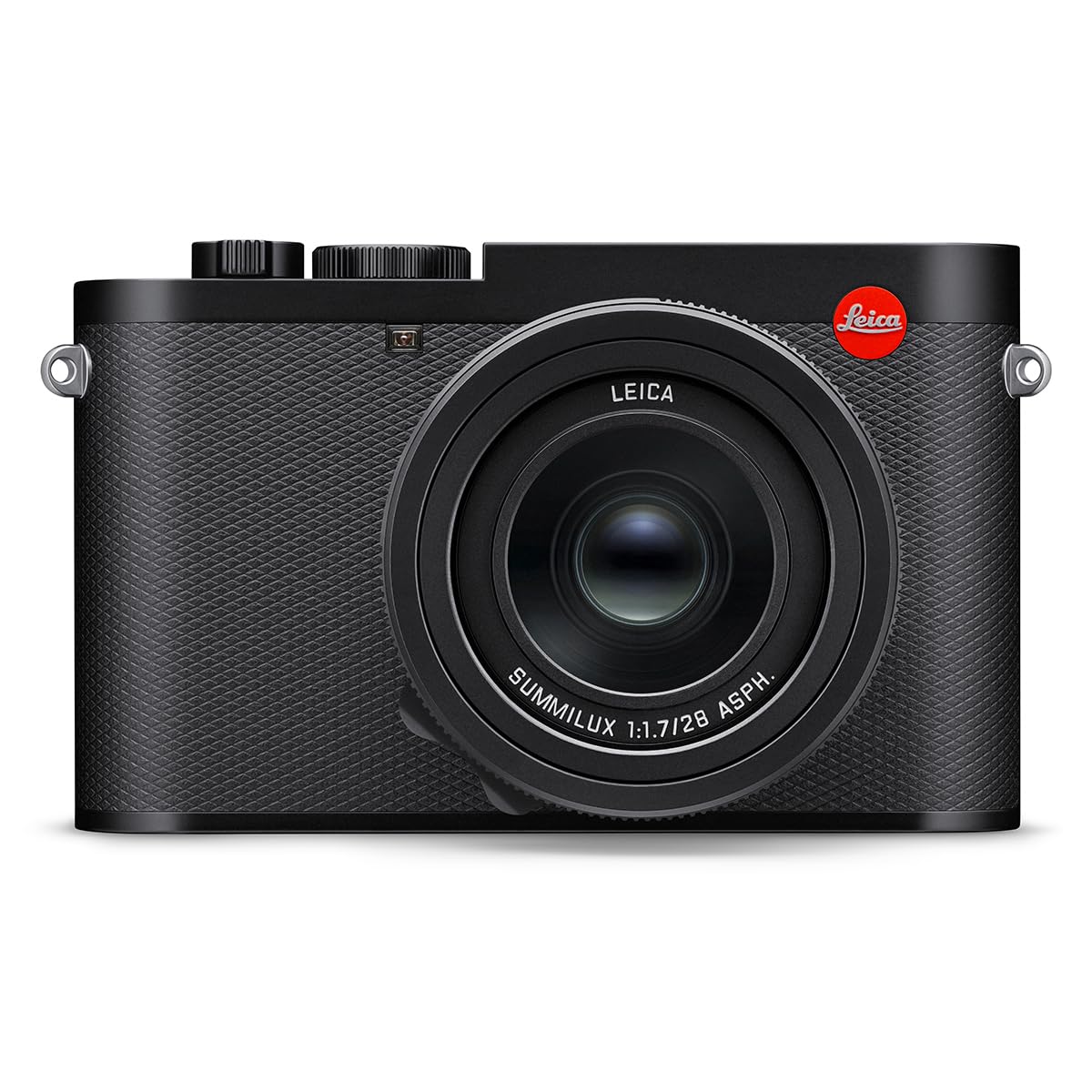
A pocketable Leica with a 60MP sensor and a legendary lens.
The Q3 redefines what a compact camera can do. Its first-ever 60MP BSI CMOS sensor with Triple Resolution Technology delivers exceptional image quality and lifelike colors — one owner calls it “one of the sharpest 28mm lens available combined with a full frame 60MP sensor in a small package.” The fixed Summilux 28mm f/1.7 ASPH. lens is fast and optically stunning.
Autofocus here is a hybrid system combining contrast and phase detection with tracking, backed by 256 AF points. The Maestro IV Processor with 8GB of memory ensures swift performance and high-speed continuous shooting. Digital zoom options extend your reach up to 90mm for composing flexibility without changing lenses.
Professional street photographers describe it as the ultimate travel and vacation camera — a “one camera for everything” that fits in a small bag. The sharp caveat: this is not a full SLR replacement, and availability is a real problem, with demand pushing prices well above MSRP. A few buyers report receiving damaged units from third-party sellers, so buy from a trusted source.
The Magic
- 60MP full-frame sensor in a small body
- Legendary 28mm f/1.7 lens sharpness
- Hybrid AF with 256-point tracking
The Reality
- Premium price with limited availability
- Fixed lens means no zoom range of an SLR
Perfect for: the discerning traveler who wants Leica image quality in a coat pocket.
Not for: those needing interchangeable lenses or who are wary of high-luxury pricing.
Understanding the Specs
Autofocus Points
Autofocus points are the tiny focus zones spread across your frame. More points usually mean better coverage, letting you focus on subjects near the edge of the shot without moving the camera. A 51-point system can track a moving bird across a wide sky, while a 9-point system is fine for centered portraits. Dense arrays (273, 425, 693, 779 points) are the hallmark of modern mirrorless cameras with wide subject tracking.
Phase Detection vs Contrast Detection
Phase detection is the fast, decisive autofocus method — it measures distance directly, like a rangefinder, so it locks quickly and handles moving subjects. Contrast detection (often found in older or basic cameras) hunts back and forth to find sharpness, which is slower and can struggle in low light. Most modern mirrorless cameras combine both with hybrid systems for speed and accuracy across all conditions.
Continuous Shooting Speed (fps)
Frames per second (fps) is how many photos the camera can fire in one second while holding the shutter. A 3 fps camera captures a fast sprint as a few frames; a 20 fps camera can freeze the whole sequence. The catch: burst speed only matters if the autofocus can keep re-locking onto your subject between frames, so ask about AF tracking when you see a big fps number.
Sensor Size (APS-C vs Full-Frame)
Sensor size dictates image quality and low-light performance. Full-frame sensors (like in the Sony a7 IV or Nikon Z 5) physically capture more light, giving shallower depth of field and cleaner high-ISO shots. APS-C sensors (like the D7500 or X-T30 III) are smaller, making the cameras lighter and lenses cheaper. For autofocus, larger sensors often pack more focus points across the frame.
FAQ
How many autofocus points do I really need?
Is phase detection autofocus always better than contrast detection?
What does eye autofocus do and do I need it?
Will a DSLR autofocus better than a mirrorless camera?
Is a higher frames per second (fps) burst rate always better?
Does autofocus work well in low light?
What is a cross-type autofocus sensor?
Do I need to worry about the lens for autofocus speed?
Final Thoughts: The Verdict
For most people, the crowd favorite is the cameras with autofocus winner, the Nikon D7500 — its 51-point AF and 8 fps burst give you action-ready performance that casual shooters can actually use. If you want the best blend of value and ease for a first camera, the Canon Rebel T7 bundle is the entry point that won’t overwhelm you. And for full-frame quality in a compact body, the Canon EOS RP is the one to reach for.
How We Picked
We do not accept paid placement. Every pick is matched to a real buyer and a real use-case; we do not hands-on test units.
Sources & Methodology
Specifications: manufacturer listings and product documentation. Review insights: verified customer reviews, as of September 2026. Pricing: not shown on this page (it changes often); check the current price via the retailer link.
As an Amazon Associate, Gadgets Feed earns from qualifying purchases. This does not affect which products we feature.