
An aluminum boat is a lightweight workhorse on the water, but its greatest strength—the metal itself—is also its biggest vulnerability. Corrosion, pitting, and oxidation can turn a perfectly good hull into a leaky headache, and the wrong sealer only makes the problem worse by trapping moisture against the bare alloy.
I’m Min — the co-founder and writer behind Gadgets Feed. I’ve spent countless hours analyzing marine sealant chemistries, reading through real owner reports, and cross-referencing application methods so you don’t have to waste time or money on products that fail after a single season.
This guide cuts through the marketing noise to help you find the best aluminum boat sealer that actually bonds to bare alloy, resists UV and saltwater, and holds up under real-world conditions.
How To Choose The Best Aluminum Boat Sealer
Aluminum isn’t like fiberglass or wood. It reacts differently to sealants, and picking the wrong chemistry can lead to adhesion failure or even accelerated corrosion. Here’s what to look for when narrowing down your options.
Chemical Compatibility With Bare Aluminum
Not all sealants bond well to anodized or bare 5000-series marine-grade aluminum. Avoid products high in acetic acid (common in basic silicone) as they can cause poultice corrosion. Look for polyurethane blends, modified-silicone polymers, or specially formulated epoxy primers that are explicitly labeled for aluminum marine use.
Application Environment: Above or Below the Waterline
A sealer for deck hardware sees far less pressure than one applied to a hull bottom below the waterline. Below-waterline sealants need superior hydrolytic stability—the ability to stay flexible and waterproof after months of constant immersion. Products like BoatLIFE Life Seal are tested for submersed conditions, while wax-based barrier coats are better suited for above-water brightwork.
Cure Time and Workability
Some sealants skin over in minutes, which is great for vertical seams but punishing for beginners. Others remain workable for hours. If you’re bedding a fitting or installing a transducer, a slower-curing polyurethane gives you time to position the part perfectly. Fast-cure options are better for production-line speed or quick emergency repairs.
Quick Comparison
On smaller screens, swipe sideways to see the full table.
| Model | Category | Best For | Key Spec | Amazon |
|---|---|---|---|---|
| TotalBoat Barrier Coat | Epoxy Primer | Full hull protection below waterline | 225 sq. ft./gallon @ 7 mils wet | Amazon |
| TotalBoat TotalProtect | Epoxy Barrier | Gelcoat blister repair & underwater metals | 56 sq. ft. per quart – high-build | Amazon |
| BoatLIFE Life Seal Clear | Polyurethane Blend | Port lights, outboard installs, deck fittings | UV resistant, flexible, cures in 24 hrs | Amazon |
| Woody Wax Marine Metal Sealer | Wax Barrier | Restoring shine to anodized aluminum & stainless | 6-month durability per application | Amazon |
| Boat Life Sealant Lifeseal White | Polyurethane Blend | General bedding, screw holes, wet surfaces | 10.48 oz cartridge – adheres damp | Amazon |
| TAPEBEAR Butyl Tape | Butyl Tape | RV roofs, hatches, pipe sealing repairs | 39.37 mil thickness – 8-inch width | Amazon |
| Sharkhide Metal Protectant | Polymer Coating | Long-term finish on bare aluminum pontoons | 32 oz (1 quart) – won’t yellow | Amazon |
In‑Depth Reviews
1. TotalBoat Aluminum Boat Barrier Coat

This is the sealer you reach for when you need genuine corrosion prevention on an aluminum hull, not just a cosmetic shine. TotalBoat’s high-build two-part epoxy primer creates a hard, semi-gloss barrier that bonds aggressively to bare 5000-series plate and pontoon extrusions. It covers roughly 225 square feet per gallon at 7 mils wet, so a quart will handle most small skiffs with a couple of coats to spare.
The 3:1 volume mix ratio is straightforward if you have a graduated cup, and the 3-hour dry time means you can recoat the same afternoon without sanding between layers—an enormous time saver when you’re working on the hard in short weather windows. Customers who’ve used it below the waterline report zero osmotic blistering even after extended mooring in brackish water.
One trade-off: the cured film is extremely tough. A welder working on a restored hull had to sand and torch through three coats to get back to bare metal. That’s a testament to its durability, but it also means you need to be precise about masking and surface prep before you roll it on.
Why it’s great
- High-build epoxy bonds firmly to bare aluminum without acid etching
- Fast 3-hour dry time with zero sanding between coats
- Excellent corrosion resistance above and below the waterline
Good to know
- Requires exact 3:1 mixing ratio by volume; wrong ratio wastes material
- Cured film is extremely hard and difficult to sand or torch off
2. TotalBoat TotalProtect Epoxy Barrier Coat
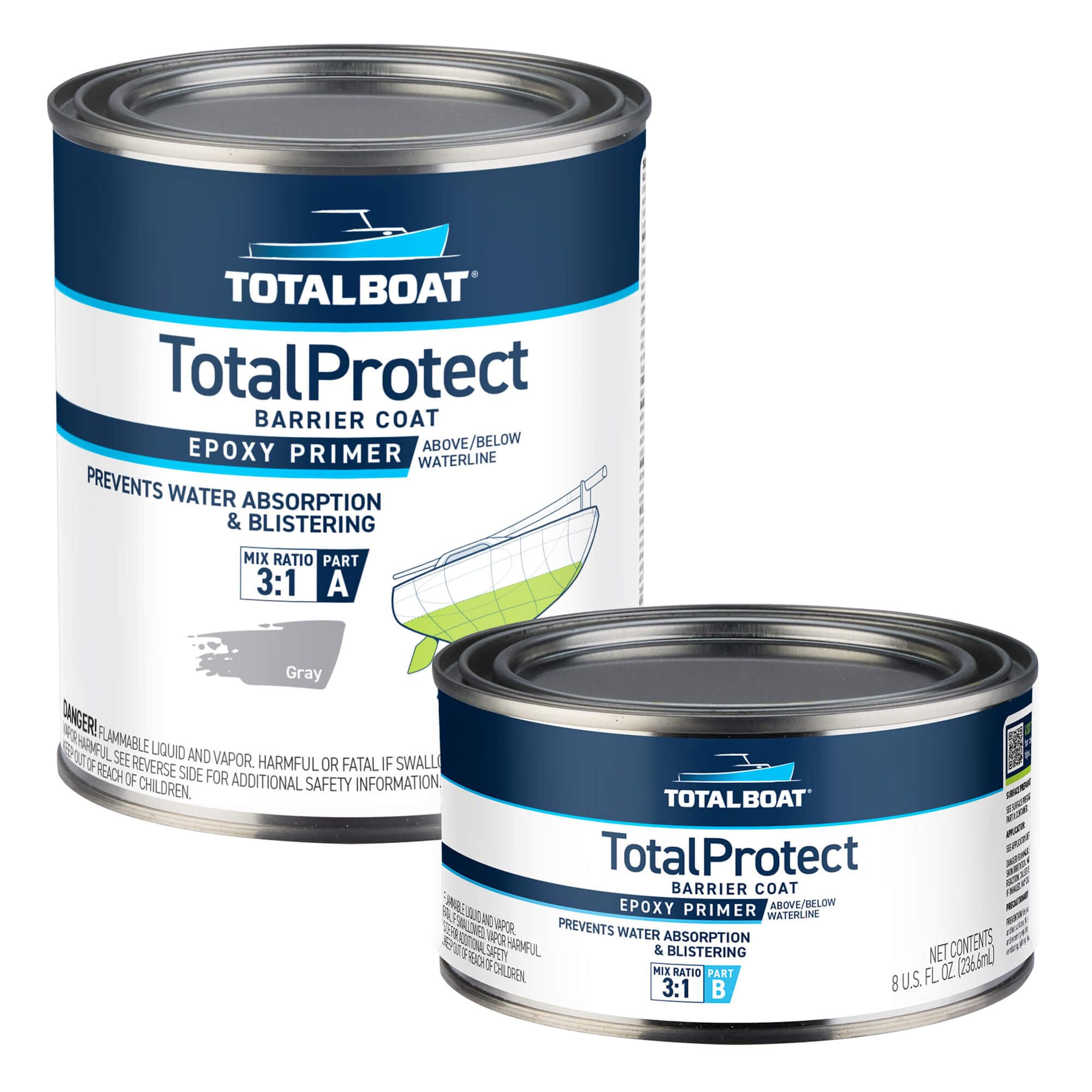
Think of TotalProtect as the defensive specialist for your hull and bilge. It’s a high-build two-part epoxy formulated specifically to prevent gelcoat blistering on fiberglass hulls, but it works equally well as a sealer on underwater metals, including aluminum rudder stock and trim tabs. The quart size covers 56 square feet, making it economical for smaller areas or targeted repair work around through-hulls.
Roller application is the recommended method, and the formula levels well without heavy sagging on vertical surfaces. A 4-hour pot life gives you a comfortable window to mix and apply, even if you’re working around obstructions. The matte finish accepts a topcoat easily if you want a glossier look later. Several owners used it inside their bilge compartments and reported excellent adhesion to bare aluminum even without a full etch primer underneath.
The main catch: the cured film is very hard—almost bedliner-level tough—which makes it a bear to sand. If you need a smooth finish, plan to apply it with a quality foam roller in thin coats, and accept that rework will require 80-grit paper and elbow grease.
Why it’s great
- Long 4-hour pot life for stress-free application on complex surfaces
- Bonds well to aluminum, epoxy, JB Weld, and gelcoat
- Creates a tough, watertight barrier ideal for bilges and underwater metals
Good to know
- Very difficult to sand once cured; requires 80-grit or coarser
- Foam rollers may degrade chemically—use a solvent-resistant sleeve
3. BoatLIFE Life Seal Cartridge, Clear

Life Seal is the one cartridge to keep in your wet locker if you don’t want to carry three different sealants. It’s a hybrid of silicone and polyurethane that delivers the best of both: the UV stability and flexibility of a premium silicone with the adhesion strength of a polyurethane. The clear formula stays optically transparent even after months of direct sunlight, which matters when you’re sealing a port light or a hatch window.
It skins over in about 20 minutes and sets in roughly 8 hours, with full cure overnight. That’s fast enough for a weekend project but still gives you time to tool the bead with a wet finger. Users have successfully sealed outboard motor mounting bolts, deck fill plates, and even below-waterline transducer housings with no leaks reported after several seasons. It also cleans up with mineral spirits before it cures, saving you a headache.
The only downside: it won’t stick to HDPE (high-density polyethylene), so if your boat has polyethylene rub rails or trim, you’ll need a different product for those specific parts. Otherwise, for nearly every metal-to-fiberglass or metal-to-metal joint on an aluminum boat, this is the most versatile pick in this guide.
Why it’s great
- UV and solvent resistant—stays clear and flexible in direct sun
- Cures within 24 hours for quick turnaround on projects
- Works above and below the waterline on metal, fiberglass, and wood
Good to know
- Does not adhere to HDPE plastic surfaces
- Can be messy to tool if you don’t have masking tape
4. Woody Wax Marine Metal Sealer
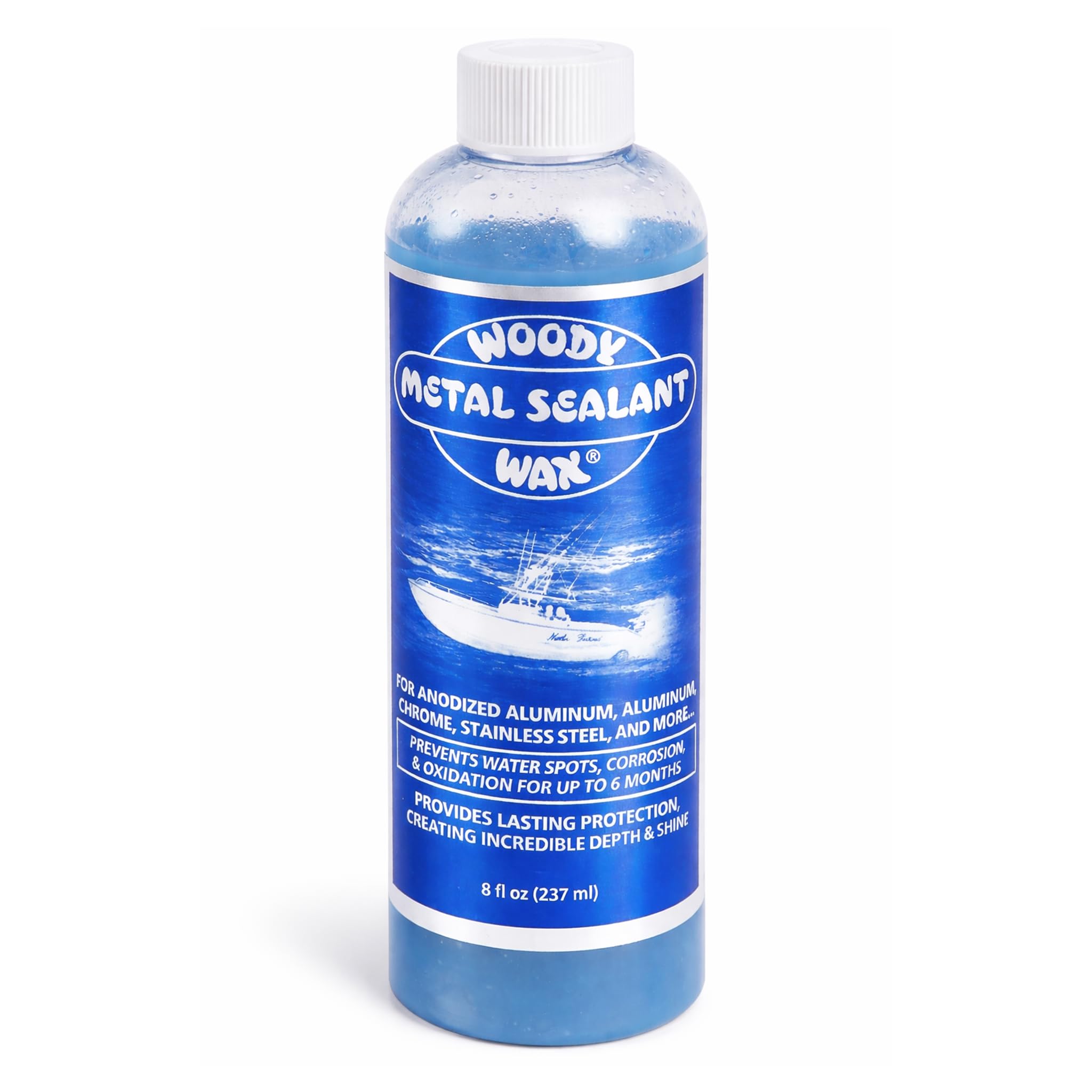
Woody Wax isn’t a sealer in the gap-filling sense—it’s a dual-action barrier that protects the surface finish of anodized aluminum, stainless steel, and chrome fittings. The 8-ounce bottle goes a long way: you apply it with a foam brush, let it haze, and buff to a high-gloss shine that repels salt spray and UV oxidation for up to six months per coat.
Where this product shines is on pitted or weathered metal. The wax-based formula contains specialized polymers that fill micro-pitting and restore depth to faded T-tops, railings, and outrigger hardware. It won’t peel, chip, or yellow like some solvent-based clear coats. Owners with pontoon boats and center consoles report that a single spring application keeps their brightwork looking showroom fresh through the entire season.
The limitation is durability under immersion. This is strictly an above-water brightwork protectant. If you use it on a hull bottom that sits in the water, the constant hydraulic pressure will wash it off in weeks. Use it where it belongs—on the topsides and hardware—and it performs flawlessly.
Why it’s great
- Restores deep luster to pitted or weathered anodized aluminum
- Single application lasts a full 6 months in normal marine conditions
- Easy foam-brush application with no mixing or measuring
Good to know
- Only suitable for above-waterline brightwork, not submersed hulls
- Requires clean, dry metal surface for proper bonding
5. Boat Life Sealant Lifeseal Cartridge, White
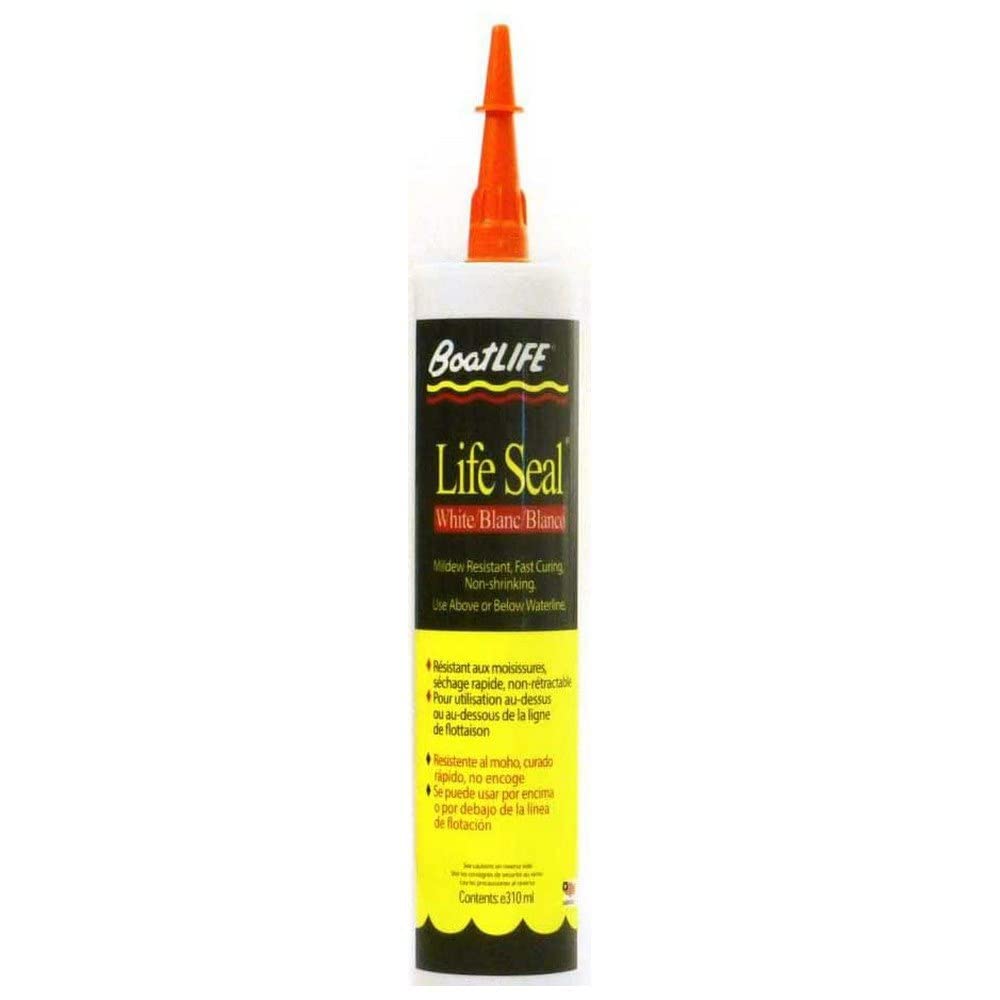
The white version of Life Seal is the same hybrid polyurethane-silicone chemistry as the clear, but in an opaque white paste that matches fiberglass and white painted aluminum beautifully. It bonds to fiberglass, metal, plastic, and wood, and one of its biggest selling points is that it can be applied to damp surfaces—perfect if you’re chasing a leak during a rain squall or on a boat that hasn’t fully dried out.
This cartridge has been a go-to for non-professional boat owners who don’t want to maintain an inventory of five different sealants. Users have fixed screw holes, sealed rub rail joints, and bedded deck hardware with this single tube, reporting zero leaks years later. The 10.48-ounce cartridge is manageable size for a weekend project, and it tools easily with a wet finger or a plastic spoon.
The biggest complaint is the price per ounce, which is higher than standard silicone. But considering it replaces multiple specialty products and holds up well under UV and water pressure, most owners find the premium justified. Just note that like the clear version, it won’t stick to HDPE.
Why it’s great
- Applies to damp surfaces without losing adhesion
- One-cartridge replacement for multiple specialized marine sealants
- Proven track record of holding up for several years on deck fittings
Good to know
- Higher per-ounce cost than standard silicone caulk
- Does not bond to HDPE plastic surfaces
6. TAPEBEAR Butyl Tape – Aluminum Foil
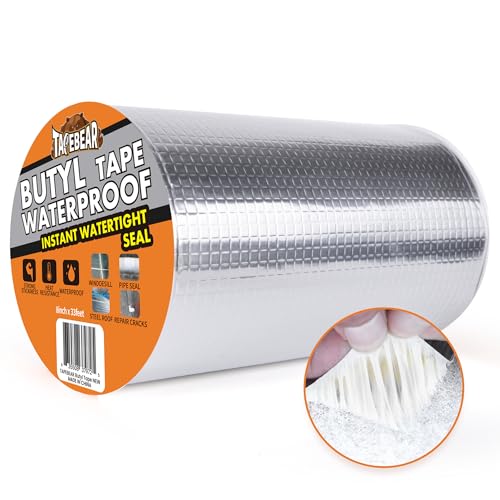
This isn’t a sealer in a tube—it’s an 8-inch-wide, 39-mil-thick butyl tape backed with aluminum foil that’s designed for emergency patching and permanent sealing of flat surfaces like RV roofs, hatch covers, and pipe penetrations. On an aluminum boat, it works exceptionally well for temporary hull breach repairs or for sealing large seams on pontoons where a caulk gun would be impractical.
The butyl rubber remains flexible in temperatures from 5°F to 113°F, so it won’t crack in cold weather or sag in summer heat. Application requires a clean, dry surface and firm pressure with a roller to squeeze out air pockets. Once applied, let it sit undisturbed for 24 hours before exposing it to water. Users have reported it holding strong on greenhouse roofs and RV seams through heavy rainstorms with zero leakage.
The drawback is aesthetics and precision. You can’t tool a tape, and the 8-inch width makes it difficult to fit into tight corners or narrow channels. It’s also a one-shot deal—if you mess up the alignment, peeling it off destroys the adhesive layer. Keep this in your dry bag as a rapid-response tool, not as your primary below-waterline sealer.
Why it’s great
- Creates an instant, flexible waterproof barrier on large flat surfaces
- Thick 39-mil butyl core withstands UV and temperature extremes
- No curing or mixing—just peel, stick, and press
Good to know
- Not suitable for small channels, corners, or precision sealing work
- Adhesive is one-time use—misalignment means starting over with new tape
7. Sharkhide Metal Protectant

Sharkhide is a polymer-based protectant formulated specifically for bare (uncoated or unsealed) aluminum—the exact scenario you face when restoring pontoon tubes, polished toe rails, or raw aluminum hull plates. It forms a clear, breathable barrier that prevents oxidation, water spotting, and staining from fresh, brackish, or saltwater without trapping moisture against the metal.
Application is straightforward: wipe it on with a clean cloth diaper or microfiber, let it sit for a short dwell time, and buff off. One quart covers a surprisingly large area—many owners have coated full 24-foot pontoon logs with a single quart. Customers who have used it on saltwater-moored boats report that their anchor pulpits still look new after several years of continuous exposure. The manufacturer also advises that it can be applied over polished aluminum that has already oxidized, with proper cleaning beforehand.
The trade-off is price—this is the highest per-ounce cost in this roundup. But if you’ve invested hours polishing your pontoon or hull to a mirror finish, Sharkhide is the clear coat that keeps that shine alive. Just follow the instructions precisely: cloth diapers from a big-box store are recommended because synthetic applicators can leave streaks.
Why it’s great
- Forms a breathable barrier that prevents oxidation and water spots on bare aluminum
- One quart covers an entire 24-foot pontoon set
- Won’t chip, peel, flake, or yellow even after years of UV exposure
Good to know
- Highest per-ounce cost in this guide
- Requires specific application with cloth diapers—synthetics may cause streaking
FAQ
Can I use regular silicone caulk on my aluminum boat?
How do I prepare the aluminum surface before applying a sealer?
Will a wax-based sealer protect my hull if I keep the boat in the water?
How often should I reapply an aluminum boat sealer?
Final Thoughts: The Verdict
For most users, the best aluminum boat sealer winner is the TotalBoat Aluminum Boat Barrier Coat because it delivers true corrosion-proofing for hulls and pontoons with a fast-curing, high-build epoxy that bonds aggressively to bare alloy. If you want a versatile tube sealer for fittings, hatches, and outboard installs, grab the BoatLIFE Life Seal in clear. And for the ultimate long-term shine on freshly polished pontoon logs or bare aluminum trim, nothing beats the Sharkhide Metal Protectant for preserving your hard work season after season.