
Our readers keep the lights on and my morning glass full of iced black tea. As an Amazon Associate, I earn from qualifying purchases.
Specs are compiled from manufacturer listings and verified buyer reviews and can change over time — please confirm the key details on the product page before buying.
If you are chasing a 100 Watt Bass Amp, the real goal is simple: you want to be heard over a drummer without needing a road crew. This guide sorts the combos and stacks that actually deliver at that wattage, separating the ones that shine on stage from those that are a pain to haul. You will find picks that range from featherlight gigging workhorses to classic deep-tone machines.
I’m Min — the founder and writer behind Gadgets Feed. This guide is built by comparing the manufacturers’ published specifications and the patterns across verified customer reviews, so you get each pick’s real strengths and trade-offs instead of marketing spin.
We zero in on five amps that hit that 100-watt class, checking tone, weight, and real-world gigging feedback to find the best 100 watt bass amp for your back and your band.
In this article
Note on matching: this list uses flexible matching for “100 watts,” so some amps may be rated slightly above or below that exact number. Every pick here serves the same purpose — loud, gig-ready bass tone in the 100W class.
Our Picks at a Glance

How To Choose The Best 100 Watt Bass Amp
Buying a 100-watt bass amp is about matching the box to the room you play in. Your choice hinges on balancing portability for hauling with the low-end tone you need on stage.
Speaker Size and Cabinet Design
Speaker size shapes how the amp pushes air. A 12-inch speaker is the modern standard for gigging, balancing tight midrange punch with deep lows. Bigger 15-inch drivers move more air for a broader, rounder low end that can feel enormous in a room.
Weight and Portability
At 100 watts, weight varies wildly — some combos hover around 23 pounds, while full stacks tip past 40 pounds. If you haul gear up stairs or to weekly rehearsals, a lightweight combo saves your spine. If you want the visual punch of a tall stack on stage, you accept the lift.
Quick Comparison
| Model | Best For | Power | Weight | Speaker | Amazon |
|---|---|---|---|---|---|
| Fender Rumble 100 V3★ Best Overall | Gigging musicians wanting light weight | 100 watts | 23.3 lb | 12-inch Eminence | Amazon |
| Ampeg Rocket Bass RB112Classic Tone | Classic Ampeg tone in a portable combo | 100 watts | — | 12-inch | Amazon |
| Ampeg Micro CL Stack | Iconic SVT look with a smaller footprint | 100 watts | 40 lb | — | Amazon |
| Orange Crush 100 1×15 | Deep low-end with a clean, clear voice | 100 watts | 33.1 lb | 15-inch | Amazon |
| Gallien-Krueger MB110 | Ultra-portable practice and small gigs | 100 watts | 25 lb | 10-inch Paragon | Amazon |
In‑Depth Reviews
1. Fender Rumble 100 V3 Bass Amp
Our pick — over 4.5★ from 650+ verified ratings; the strongest balance of quality and price.
The gigging standard that pairs featherlight handling with a surprisingly heavy punch.
The Fender Rumble 100 V3 is the crowd favorite for a clear reason: it delivers enough muscle for bars and clubs while staying kind to your spine. The 12-inch Eminence Special Design speaker cranks out the full 100 watts, and the amp’s Class-D power section keeps the whole combo at just 23.3 pounds. That makes it dramatically easier to haul than a traditional stack.
Players report taking it through 30-plus shows without issue, noting it sits comfortably beside a drummer and cuts through guitars. The built-in overdrive circuit and switchable contour controls let you dial in anything from clean thump to gritty grind, and the effects loop plus direct XLR output mean you can send a clean signal straight to a PA system at bigger outdoor gigs.
Owners frequently rank it above comparable Ampeg combos for its lighter weight and punchy tone. Reviewers consistently praise its rugged build and clear, punchy sound. As the review pages sum it up: it is “lightweight and packs a punch,” with some noting it stays clear and crisp even when handling a 5-string’s low B. The only advice from owners is that at full 100 watts, it can overwhelm a bedroom practice space — keep the master volume low at home.
What Wins Players Over
- Just 23.3 pounds makes it the easiest full-wattage combo to haul
- Versatile tones from clean to gritty overdrive via contour controls
- Direct XLR output for plugging straight into a PA system
- Built to endure years of gigging, backed by a 2-year warranty
The Trade-Offs
- Effects loop is not footswitchable from the front panel
- Too loud for quiet home practice unless you keep the volume low
Grab this one for: the gigging musician who wants pro-level tone without the heavy lift — 23.3 pounds is the magic number here.
Think twice if: you only practice in a bedroom and never play with a drummer; this much power needs room to breathe.
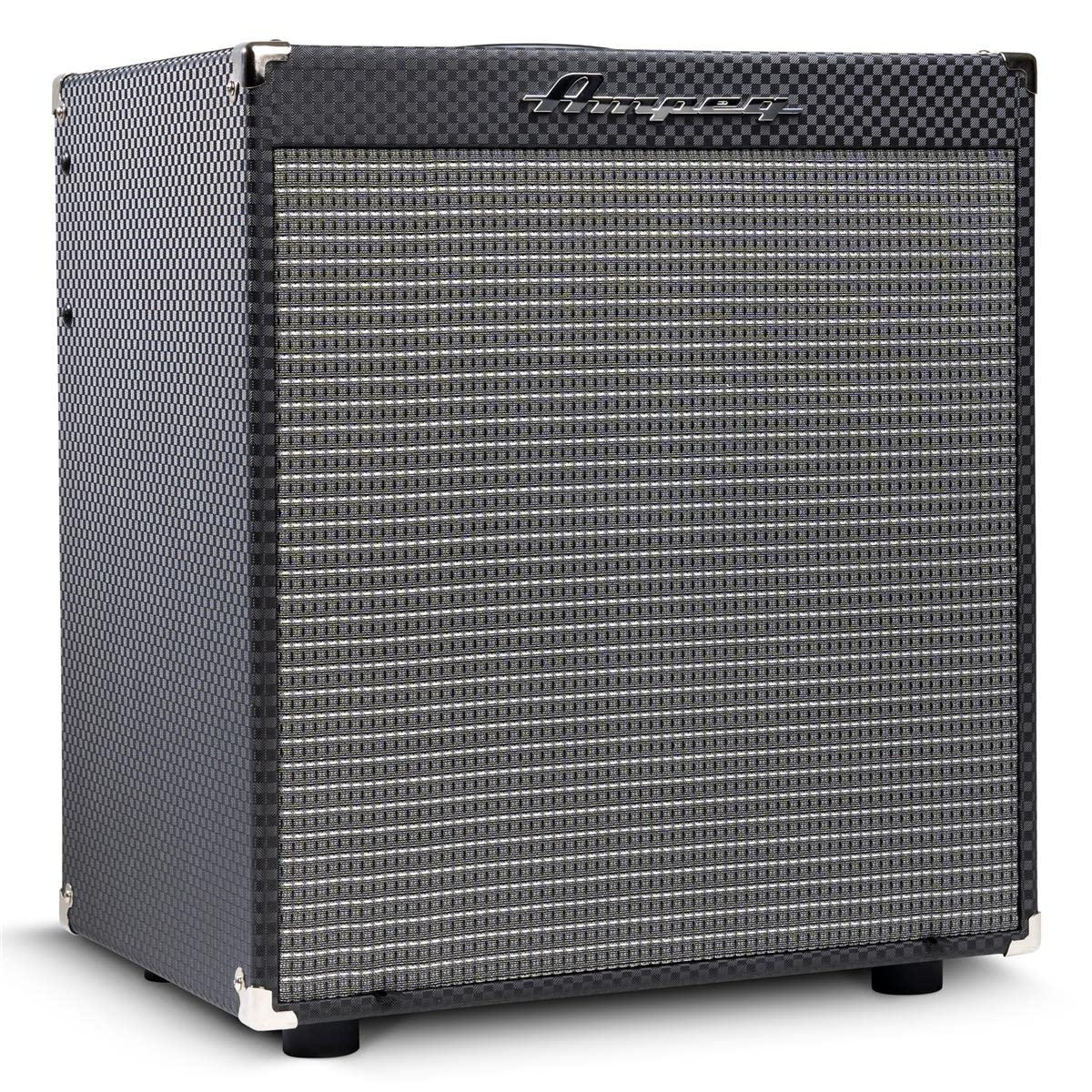
2. Ampeg Rocket Bass RB112 Bass Combo
The legendary Ampeg deep voice, condensed into a combo that surprised everyone with its weight.
Ampeg built its name on those warm, round lows that anchor a band, and the Rocket Bass RB112 brings that heritage into a 100-watt, 1×12 combo format. Vintage styling hides genuinely modern components, including the Super Grit Technology overdrive that adds hair to your tone without losing the low-end body.
Owners are consistently taken aback by how portable it feels for a 100-watt Ampeg — “surprisingly light” is the recurring note. The 0dB and -15dB inputs handle both passive and hot active basses, so you can match the input level to your instrument’s output without distortion. A dedicated XLR direct output routes your signal to a mixing desk for bigger stages.
The devoted owner base responds with near-universal enthusiasm. Longtime Ampeg players — some going back decades — simply nod and say “it’s an Ampeg, nothing more to say,” while newer players see it as the perfect step up from a basic starter amp. The only aesthetic complaint is a minor one: the blue light sits somewhere other than the front, which a few wish they could see on stage.
The Draw: classic Ampeg deep tone with modern features like Super Grit overdrive and flexible -15dB input for hot basses.
The Fine Print: a genuinely light combo for 100 watts, but the blue power indicator’s placement is a small cosmetic letdown for some.
3. Ampeg Micro CL 100W SVT Classic Stack

The iconic SVT look in a smaller footprint that still requires two hands to move.
The Ampeg Micro CL is the amp for players who want the towering SVT stage presence without needing a van. It delivers 100 watts RMS at 8 ohms through a solid-state preamp and power amp, with separate bass, mid, and treble controls for shaping your tone. An unbalanced line out lets you feed a PA system when the stack’s own volume is not enough.
Owners who love it describe using it for practice and worship services, praising how “small but heavy” it is while noting it gets the job done. The aesthetic payoff is real: it presents like a classic SVT rig on stage.
Reliability is where this pick divides opinion, and it is worth flagging honestly. Some buyers report hardware failures within the first months — one described a blown speaker followed by a dead amp head, with Ampeg’s own service listing it as a do-not-repair item. This stands in contrast to the more consistent track records of the combos here. For the same money, the simpler combos above offer fewer moving parts and more proven durability.
The Appeal: unmistakable SVT silhouette with authentic Ampeg tone controls and a line out for direct connection.
The Catch: at 40 pounds it is the heaviest pick here, and its reliability record is more mixed than the others — some units fail within months.
4. Orange Crush 100 Bass Combo 1×15
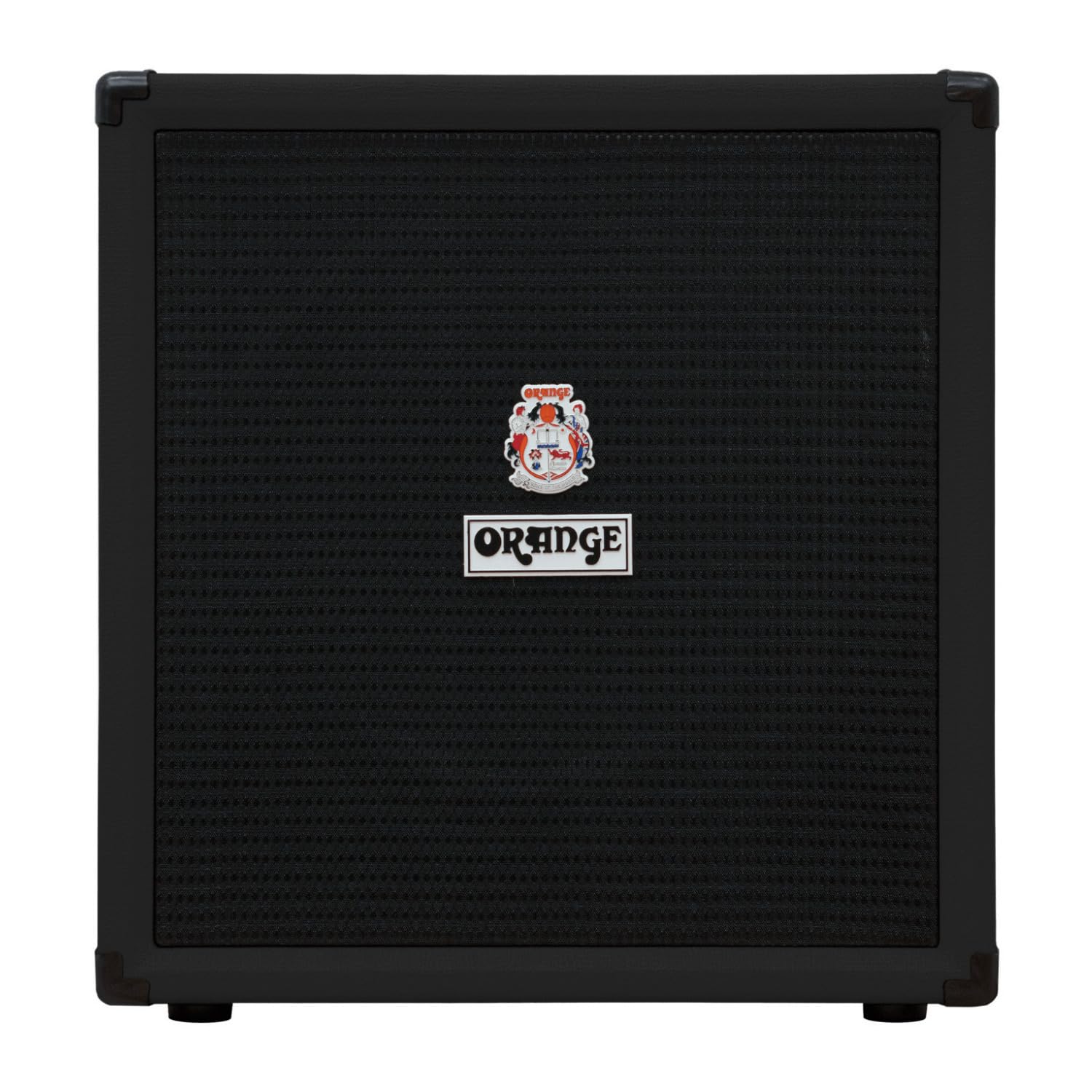
The 15-inch bruiser that rumbles deep lows while keeping your note definition crisp.
The Orange Crush 100 takes a different path with a 15-inch speaker, and that larger driver moves serious air. At 33.1 pounds it sits between the lightweight Fenders and the heavy stacks, a reasonable middle ground for the low-end authority it delivers. The single 15-inch cone gives you that wide, round bass response that smaller speakers simply cannot reproduce.
What owners love most is the sound quality — the amp stays notably clean, with several describing it as having “very little static and hum” compared to other bass amps they tried. The bi-amp inspired blend and gain controls are a standout for shaping tone, with the foot-switchable control letting you dial in a bit of grit without losing the smooth lows. A buffered effects loop and balanced output complete the pro-oriented feature set.
It earns “solid gigging amp” praise, with blend and gain controls offering versatile tone shaping. The trade-off is sheer physical size — one apartment-dwelling owner jokingly noted the delivery person hauled it up four flights of stairs, and they struggled to get it through the door themselves. This is a big cabinet that wants a rehearsal space or stage, not a cramped bedroom.
Why It Stands Out
- 15-inch driver delivers deep, room-filling low end
- Blend and gain controls add foot-switchable grit without losing lows
- Notably clean signal with little static or hum
Who Should Pass
- 33.1 pounds and a big cabinet is a lot for bedroom practice
- Its size and grunt are wasted if you never play with a band
Best for: players who crave the round, authoritative low end only a 15-inch speaker provides and who have the space to store it.
Reach elsewhere if: you are moving the amp weekly by hand — the Orange is heavy enough that portability becomes a workout.
5. Gallien-Krueger MB110 Bass Combo

A no-frills workhorse that proves 100 watts and portability can share one small cabinet.
The Gallien-Krueger MB110 is the amp for players who value function over flash. This compact combo packs 100 watts into a surprisingly small 25-pound cabinet, driven by a single 10-inch Paragon Driver. Owners describe it as “no frills, no whistles” — just a solid, clean bass amp that handles practice and small venues with ease.
Owners highlight its clean, rattle-free performance as the standout feature. The clean sound has no rattles, and the cabinet is compact enough to move from room to room or carry with one hand. A chain output lets you connect to GK’s powered cabinets to scale up your rig for larger stages, and the XLR out proves handy for sending a monitor feed to the PA in church or rehearsal settings.
For players who are gentle on their gear, this is an easy recommendation — several owners note the deep bass tone and how “lightweight” it feels for what it puts out. The honest caveat here is power handling: with just a 10-inch speaker, this amp punches above its weight for practice and medium venues, but it cannot move as much air as the 12-inch or 15-inch combos when you really push it. Think of it as the agile, portable option rather than the floor-shaker.
The Verdict: the smart choice for bassists who want a genuinely light, one-hand-carry combo for practice, church, or small gigs.
Know This: the 10-inch driver gives you clean, clear tone but less low-end mass than bigger speakers when cranked.
Grab it for: easy portability — it is light enough to carry one-handed and small enough for any room.
Look elsewhere if: you need to fill a loud, large venue with deep sub-bass; this compact cab has physical limits.
Understanding the Specs
Speaker Size and Air Movement
Speaker diameter — 10, 12, or 15 inches — governs how much air the amp pushes and shapes the character of your low end. A 10-inch driver stays tight and punchy, while a 15-inch cone moves more air for a rounder, more physical bass response that you feel as much as hear.
Weight and Cabinet Design
At 100 watts, weight swings from 23 to 40 pounds, so portability often decides which amp fits your gig routine. Weights range from roughly 23 pounds for a Class-D combo to 40 pounds for a full stack. A ported plywood enclosure with a removable grille, like on the Fender, keeps weight down while preserving projection.
FAQ
Is 100 watts loud enough to gig with a drummer?
What is the difference between a bass combo and a stack?
How much does a 100 watt bass amp weigh?
What does Class-D mean in a bass amp?
Why would I use the XLR direct output on a bass amp?
What does the -15dB input do on an Ampeg combo?
Is a 15-inch speaker better than a 12-inch for bass?
Can I use a bass amp for an acoustic guitar or keyboard?
Final Thoughts: The Verdict
For most players, the 100 watt bass amp winner is the Fender Rumble 100 V3 because it pairs genuine gig volume with a back-saving 23.3-pound cabinet and flexible tones. If you are chasing that classic, warm Ampeg voice in a portable format, grab the Ampeg Rocket Bass RB112 — the crowd favorite at 4.8 stars across 20+ owners. And for the deepest, most authoritative low end that rattles the room, the Orange Crush 100 1×15 is the one to reach for.
How We Picked
We do not accept paid placement. Every pick is matched to a real buyer and a real use-case; we do not hands-on test units.
Sources & Methodology
Specifications: manufacturer listings and product documentation. Review insights: verified customer reviews, as of September 2026. Pricing: not shown on this page (it changes often); check the current price via the retailer link.
As an Amazon Associate, Gadgets Feed earns from qualifying purchases. This does not affect which products we feature.