
Our readers keep the lights on and my morning glass full of iced black tea. As an Amazon Associate, I earn from qualifying purchases.
Specs are compiled from manufacturer listings and verified buyer reviews and can change over time — please confirm the key details on the product page before buying.
When you buy berry bushes online, you are betting on the roots, not just the canes. Your first decision is simple: do you want fruit this season, or are you willing to wait a year or two for a new patch to establish? The picks below split into two groups — potted plants that arrive ready to grow, and bare-root canes that need patience and the right soil mix.
I’m Min — the founder and writer behind Gadgets Feed. This guide is built by comparing the manufacturers’ published specifications and the patterns across verified customer reviews, so you get each pick’s real strengths and trade-offs instead of marketing spin.
You want a bush that survives the mail, not a stick that turns to mulch. That is exactly what this rundown of the best berry bushes delivers, with the honest catch on each variety spelled out clearly.
Our Picks at a Glance


How To Choose The Best Berry Bushes
Berry bushes are not all the same plant in different colors. Blueberries need acidic soil and often a second variety nearby, while blackberries and raspberries are more forgiving and mostly self-sufficient. Your climate zone and your patience level decide which one belongs in your yard.
Potted vs. Bare-Root Arrivals
A potted bush arrives with soil around its roots, so it can go into the ground immediately and shows little transplant shock. Bare-root canes arrive as dormant sticks with damp paper wrapping, and they need soaking, careful planting, and a few weeks of waiting before you see green. Choose a potted plant for immediate planting and faster results.
Pollination and Fruiting Habits
Some blueberries need a different variety planted nearby to set fruit, while others are self-pollinating. Blackberries and raspberries generally fruit on their own, but the timing matters — some bear on first-year canes and others wait until the second year. Know which type you are buying before you expect a harvest.
Quick Comparison
| Model | Best For | Plant Type | Zones | Mature Height | Amazon |
|---|---|---|---|---|---|
| Patriot Blueberry★ Best Overall | Reliable first harvests | Potted HighBush | 3-8 | 4-5 ft | Amazon |
| Rabbiteye TifblueWarm-Climate Pick | Warm-climate growers | Potted Rabbiteye | Zone 3+ | 3-15 ft | Amazon |
| Pink Icing BlueberryPatio Showstopper | Patio containers | Potted Shrub | 5-10 | 3-4 ft | Amazon |
| Apache Blackberry | Big first-year plants | Potted Thornless | 6-9 | 6 ft | Amazon |
| Caddo Blackberry | High yields, easy picking | Plug Thornless | 5-9 | 6 ft | Amazon |
| Mulberry Dwarf 4-Pack | Small spaces, containers | Potted Dwarf | 5-10 | 6-10 ft | Amazon |
| Natchez Blackberry 4-Pack | Budget multi-plant starts | Bare Root | Zone 5 | 6 in | Amazon |
| Heritage Raspberry 3-Pack | Cold-climate canes | Bare Root | — | — | Amazon |
| Joan J Raspberry 6-Pack | High-yield berry patches | Bare Root | — | — | Amazon |
In‑Depth Reviews
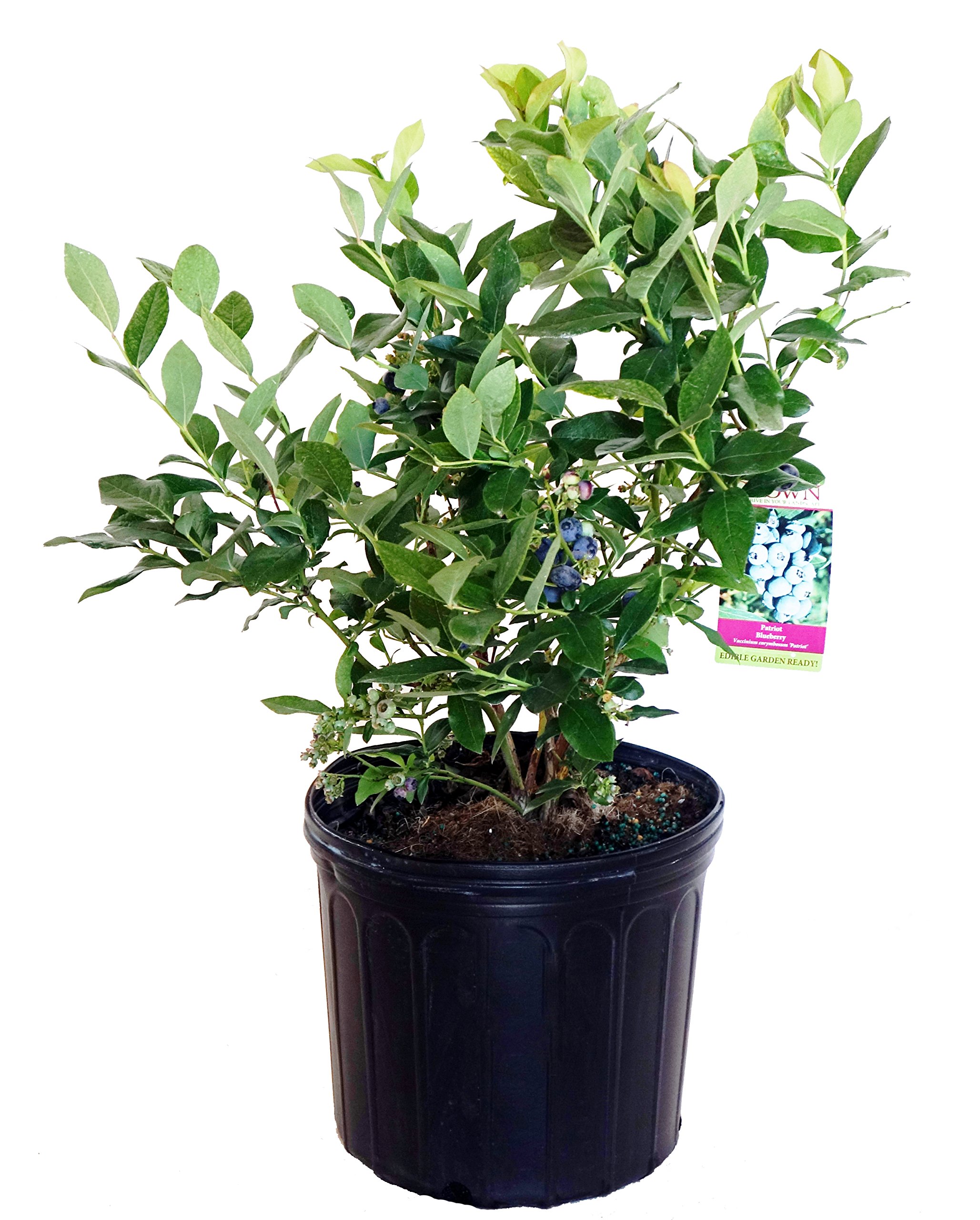
1. Vaccinium corymbosum ‘Patriot’ HighBush Blueberry
Our pick — over 4.5★ from 100+ verified ratings; the strongest balance of quality and price.
The potted blueberry that arrives blooming and skips the waiting room entirely.
This Patriot blueberry lands fully rooted in soil, so you plant it the day it shows up rather than coaxing a bare stick back to life. It is a crowd favorite for good reason — the quality and plant health are what win people over, and buyers report it arriving with pink and white blooms already forming. Some even saw fat berries in the very first year, which is rare for blueberries that usually need a season to settle.
You get a bush that matures to 4-5 feet tall with a matching 4-5 foot spread, sized for a real garden spot rather than a windowsill. It wants full sun and moderate watering, and it goes dormant in late fall through winter — that bare look is normal, not a death sentence. The packaging earns steady praise for keeping branches and soil intact through shipping, even when the box takes a beating in transit.
One honest caveat: despite the blooms, it may not arrive with fruit on it. But compared to the bare-root raspberry canes in this guide, this is the lower-risk buy — the root system is already established in its container. Choose this potted blueberry for a low-effort, ready-to-plant start.
What Arrives
- Fully rooted and plantable immediately
- Blooms of pink and white before fruit in May
- Grows well in full sun across zones 3-8
Honest Limits
- Not guaranteed to arrive with fruit
- Goes fully dormant (leafless) in winter
Start here if: you want a potted blueberry that is ready to plant and has a strong shot at early fruit.
Look elsewhere if: you need a bush that stays leafy indoors all winter — dormancy is part of its cycle.
2. Perfect Plants Rabbiteye Tifblue Blueberry Bush
A heavy-bearing Rabbiteye that rewards warm-climate growers with tart-to-sweet summer fruit.
Tifblue stands out as a heavy blueberry producer versus other varieties, and the flavor story is the hook — berries hold a tart potency until fully ripe, then turn juicy-sweet. Owners consistently report the bush arriving beautiful with berries already forming, which makes the unboxing feel like a harvest preview rather than a planting chore.
This is the largest grower in the blueberry lineup, reaching a mature height of 3-15 feet with a 3-10 foot spread, and it responds well to pruning if you want it shorter. It loves full sun and needs moderate water. The important catch is that it requires another blueberry variety nearby to pollinate and produce fruit, so a single bush will not give you a crop on its own. Round ripe berries come every June-July once it is set.
Size feedback runs mixed — some call it perfect while others find it much smaller than expected, and a few report plants that did not survive past a couple of months. This suits gardeners prepared to provide acidic soil and a second blueberry variety for pollination. The easy-to-use blueberry food included in the box is a thoughtful nudge toward success.
Heavy cropper: a Tifblue that leans into its reputation for volume, but it will not fruit solo — you need a second variety planted nearby.
Best in the South: this one shines for warm-climate growers who can give it full sun and room to reach its full 15-foot potential.
3. Bushel and Berry Pink Icing Blueberry
Ornamental pink foliage that doubles as a real blueberry producer for decks and small yards.
This is the blueberry that earns its spot on looks alone — gorgeous pink spring foliage that shifts to deeper blue-green in winter, giving you year-round color instead of a plain green bush. It is compact at a mature 3-4 feet tall with a 4-5 foot spread, which makes it small enough for a deck container or a tight yard corner. Owners call the foliage gorgeous and note it thrives in pots or in the ground.
The color show does not come at the cost of fruit. Owners mention bushes arriving with berries already starting to grow and some producing blueberries in their very first season, which is a fast return for a blueberry. It thrives in both partial shade and full sun across zones 5-10, and it arrives fully rooted in a #2 size, 2-gallon container, ready to plant immediately.
Health and quality are the standout themes, with the plant holding up well after a month in the ground or on a deck. The catch is that a shipment mix-up occasionally sends the wrong variety, though the health of what arrives is consistently praised. If you want a blueberry that earns compliments before it earns breakfast, this is the one.
Why It Stands Out
- Pink spring foliage with blue-green winter color
- Compact 3-4 ft height suits patio pots
- Thrives in partial shade or full sun
Watch For
- Occasional wrong-variety mix-ups in shipping
- Leaf condition varies on arrival
Reach for this if: you want a decorative, container-friendly blueberry that still delivers real fruit.
Think twice if: you need maximum berry volume — this one leans ornamental first.
4. Perfect Plants Apache Thornless BlackBerry Bush

A huge, healthy, thornless blackberry that can put fresh fruit on the table the same year.
Apache earns its spot for first-year fruit size — the brand claims it produces huge fresh berries in the first year of planting, and the arrival size backs that up. Buyers describe it as huge at 2 feet tall, a substantial plant next to the small starter plugs from other sellers. It ships in a 1-gallon pot, fully alive and ready for the ground, bearing dark purple to black berries that are sweet and healthy.
This one is grown organically with no harmful sprays or chemicals, and it is hardy in zones 6-9, making it a strong match for warm Southern climates. It is also drought tolerant once established, which cuts down on babysitting during hot summer stretches. The seller adds a bamboo stick to keep the plant from shuffling around in the box, a detail buyers notice and appreciate.
The recurring theme in owner feedback is health — plants arrive taking off and already producing, with quality and healthiness leading the positive talk. A few note the plant reaches toward 6 feet and needs support, and there is an occasional report of thorns despite the thornless label, so glove up when pruning. This is the pick for someone who wants a big, established start rather than a tiny cutting.
Established and eager: a 2-foot-tall potted start that skips the fragile seedling stage and can fruit in year one.
A warm-climate workhorse: built for zones 6-9 with drought tolerance once it settles into the ground.
5. Caddo BlackBerry Plants from Hand Picked Nursery
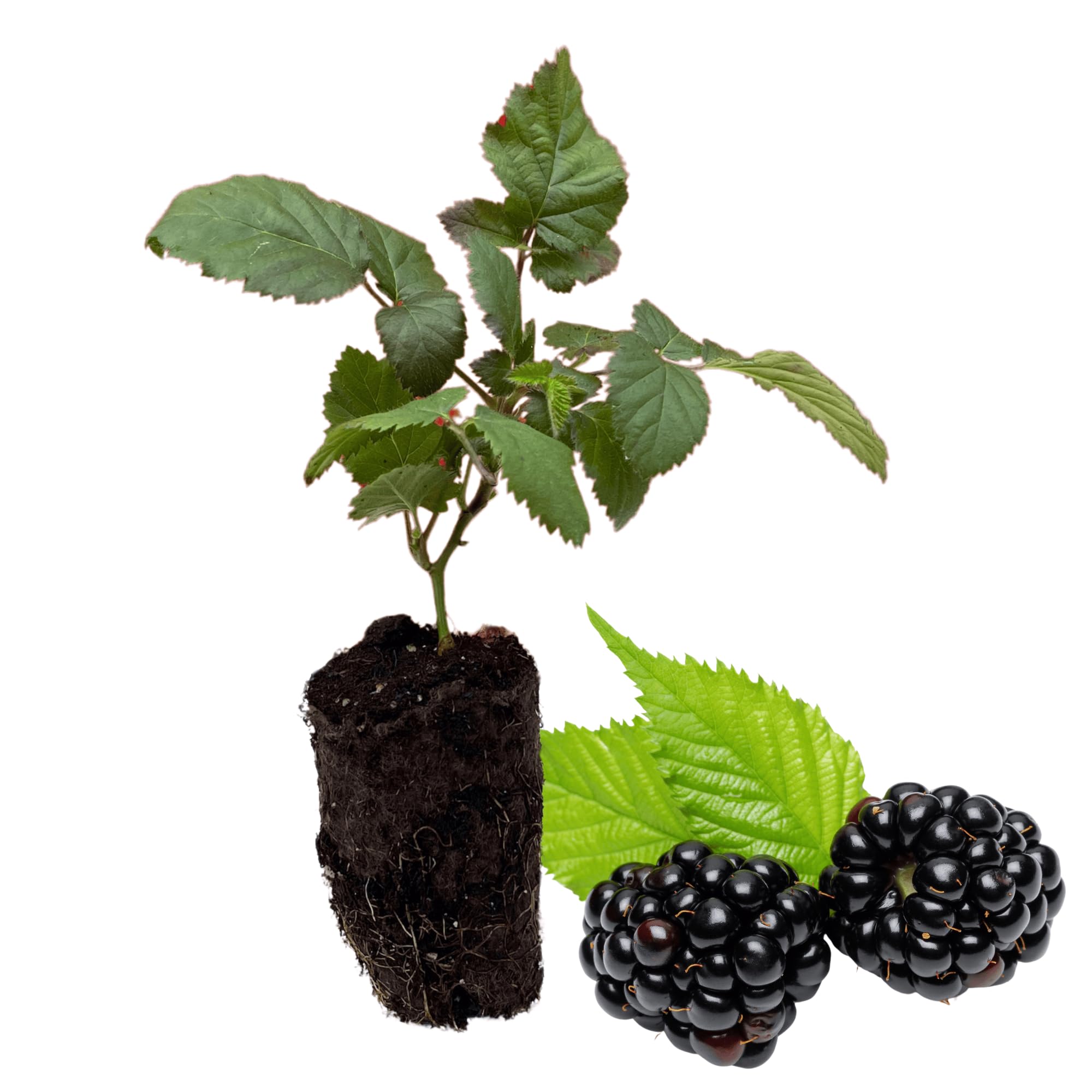
A thornless, upright grower built for consistently high yields of sweet, large berries.
Caddo is the blackberry that makes harvesting feel like less of a battlefield. It is thornless for easy picking and grows upright compared to other varieties, which keeps the canes manageable and the maintenance simple. The payoff is consistently high yields of large, sweet berries with a great shelf life, making them practical for fresh eating or freezing.
This pick wins on shipping survival — it arrives as a blackberry plug with a healthy root system, and customers note plants sprouting two new sets of leaves quickly. Some even survived summer mailing and thrived in Oklahoma weather. A common thread: these plants came through shipping in better shape than dead blueberries from another seller, which says a lot about the packing care.
The plant matures to about 6 feet tall and wants full sun with regular watering across zones 5-9. The honest note is that appearance and size on arrival get mixed comments — some find the starter smaller than expected, but the growth after a few weeks wins people over. This is a solid value pick for someone who wants a productive thornless blackberry without paying for a giant potted specimen.
The Appeal
- Thornless and upright for easy picking
- Consistently high yields of sweet, large berries
- Healthy root system in a starter plug
The Trade-Off
- Starter size looks small on arrival
- Needs a season to size up to full production
Pick this for: a budget-friendly thornless blackberry that grows fast once it is in the ground.
skip it if: you expect a large, established bush at delivery — this is a starter plug.
6. Mulberry Dwarf Everbearing Plant (4 Pack)

A self-pollinating dwarf mulberry that packs sweet, blackberry-like fruit into a compact frame.
Its compact 6-10 foot mature height suits small gardens and containers. It reaches a mature height of just 6-10 feet, which makes it ideal for small gardens and container planting, and it is self-pollinating so a single tree sets fruit without a partner. The payoff is prolific fruiting of sweet, blackberry-like mulberries from late spring through summer, plus berries rich in vitamins, antioxidants, and fiber.
You get four plants in the pack, and the growth reports are genuinely encouraging — some owners saw significant growth of 8 inches with leafy stem development. One describes plants that arrived at 6-8 inches and grew into bushy 3-4 foot trees within months. It thrives across USDA hardiness zones 5-10 with minimal maintenance, making it one of the easier entries on this list for beginners.
Some arrive as small seedlings, and a few reviewers point out early losses, so patience is required. The plants are small on arrival, so patience is part of the deal — but the rooting is described as deep and healthy, with soil still moist in the pot. For a fast-growing, space-saving berry that does not need a pollination partner, this four-pack delivers serious value.
Space-saver special: a dwarf, self-pollinating mulberry that tops out at 6-10 feet and fruits from late spring through summer.
Patience required: starts as a small seedling, so give it a season before expecting a real harvest.
7. Natchez Blackberry Plants (4 Pack) from Hello Organics

Four thornless Natchez starts for the price of one, if you can wait out the rooting years.
Natchez is a thornless, erect blackberry released by the University of Arkansas, known for very early production and very large berries. This pack gives you four rooted plants shipped in 2-inch tray pots at 3-6 inches tall, which is a genuine value proposition — you get four plants for basically the price of one from other sellers. The plant health and quality lead the positive feedback, with well-developed root systems and fast growth reported.
The catch is spelled out clearly in the product name and the reviews: these are tiny starts. One buyer’s summary captures it — “very small, so patience is required,” with blackberries bearing fruit on second-year canes, so you should not expect much fruit for up to three years. The first year is mostly about establishing roots, with a single cane per plant. The seller recommends starting them in a 4-inch pot with good organic potting soil to give them a strong beginning.
Some plants arrived without a pot of soil, which surprised a few buyers and led to struggles with powdery mildew after transplanting. That makes this a pick for the gardener who enjoys nurturing a plant from a small start into a full patch. If you want instant blackberries, the potted Apache above is the better call — but for building out a whole row on a budget, four Natchez canes are tough to top.
What You Gain
- Four healthy plants for the cost of one
- Thornless, erect, very early producing
- Well-developed root systems reported
What It Costs You
- Tiny 3-6 inch starts need patience
- Fruit can take up to three years
Choose this for: building a full blackberry row cheaply, with time to grow them out.
pass on it if: you lack the patience for a multi-year wait before your first real harvest.
8. Heritage Everbearing Red Raspberry Plants (3 Pack)

Dormant heirloom raspberry canes that leaf out fast once you follow the sand-mix rule.
These are bare-root raspberry plants that arrive as dormant canes with healthy root systems, wrapped in damp strips of paper to keep the roots from drying out. They look lifeless on arrival, but that dormancy is a necessary resting state that improves survival rates and reduces transplant shock. The growth pattern is simple — canes go dormant in fall and winter, then come back each spring to bloom and fruit during summer and fall.
The single most important planting detail is the soil: you need at least 30% sand mixed into the soil for these to thrive. Buyers who follow the instructions see results quickly, with reports of stems leafing out within four days indoors and new growth appearing in about a week after proper preparation. The quality and health of the root systems earn steady praise, and the seller typically sends extra plants as a buffer against losses.
These bare-root canes demand strict adherence to the 30% sand soil rule and winter protection. A significant share of feedback centers on plants that did not make it — one buyer in Wisconsin lost every cane over winter, noting the guarantee did not stretch far enough to cover a full cold season. Others report aggressive spread that is too much for small plots. Treat these as a project with clear instructions, and they reward you; ignore the sand rule, and you are gambling.
Fast-starting canes: healthy dormant roots that leaf out within days indoors when the 30% sand rule is followed.
Not for neglect: winter losses are the recurring theme, so cold-climate buyers need real protection and a longer guarantee.
9. Joan J Raspberry Plants (6 Pack) with Free Plant Boost
A six-cane Joan J patch that rewards patient soil prep with large, delicious berries.
Joan J is described as beautiful, thornless bare-root stock that produces large, delicious berries in abundance once established. You get six plants in this pack, and the seller notes they may send extras — some shoppers say receiving seven. These arrive as dormant canes with healthy root systems, packaged with damp paper strips, and they need the same 30% sand mix in the soil as the Heritage raspberries above.
The success stories here are genuinely impressive for anyone willing to put in the prep work. One buyer in Tennessee saw 18 plants yield great berries in their first year after a November planting that survived -10°F temperatures. Another reports that after a slow start with only 2 of 6 canes alive, a two-year follow-up found all of them growing vigorously and producing delicious berries once the soil was amended with peat moss and fed with fish emulsion.
The flip side is that establishment is the hard part. A fair number of buyers report canes that died over the winter after direct planting, and some describe a costly first-year failure. Joan J thrives with amended soil and regular watering, but fails when planted directly without prep. If you are ready to put in the work on soil and watering, this six-pack is a high-yield route to a serious berry patch.
Why It Wins
- Six thornless canes, often with extras
- Large, delicious berries in abundance
- Survives extreme cold once established
The Hard Part
- Direct planting can kill canes over winter
- Needs consistent water and soil prep
Build a patch with this if: you will amend the soil, water on schedule, and protect canes through the first winter.
Pass it by if: you want a plant that survives benign neglect — these demand an active grower.
Understanding the Specs
Hardiness Zones
A zone range like 3-8 or 5-10 tells you whether a bush can survive your local winters. Check your USDA zone before buying — a plant rated for zone 5 will struggle in a zone 3 deep-freeze, and a warm-climate bush like Apache (zones 6-9) may not thrive in the north.
Pollination Needs
Some blueberries, like the Tifblue Rabbiteye, need a second variety planted nearby to set fruit. Others, including this mulberry, are self-pollinating and fruit on their own. Check before you plant a single bush and wonder why it never produces.
FAQ
Why do my bare-root raspberry canes look dead when they arrive?
Do blueberry bushes need a second variety to produce fruit?
How long until a new blackberry plant bears fruit?
What is the difference between a potted plant and a bare-root plant?
Can I grow berry bushes in containers?
Why does my blueberry bush lose its leaves in winter?
What kind of soil do berry bushes need?
Is a thornless blackberry really thornless?
Final Thoughts: The Verdict
For the majority of shoppers, the best berry bushes winner is the Patriot Blueberry because it arrives potted, blooming, and ready to plant with a strong chance of early fruit. If you want a thornless blackberry that produces in its first year, grab the Apache. And for a small-space, self-pollinating option, the Dwarf Mulberry 4-Pack is the one to reach for.
How We Picked
We do not accept paid placement. Every pick is matched to a real buyer and a real use-case; we do not hands-on test units.
Sources & Methodology
Specifications: manufacturer listings and product documentation. Review insights: verified customer reviews, as of September 2026. Pricing: not shown on this page (it changes often); check the current price via the retailer link.
As an Amazon Associate, Gadgets Feed earns from qualifying purchases. This does not affect which products we feature.