
Our readers keep the lights on and my morning glass full of iced black tea. As an Amazon Associate, I earn from qualifying purchases.
Specs are compiled from manufacturer listings and verified buyer reviews and can change over time — please confirm the key details on the product page before buying.
Your calves often ignore standing raises and leg presses, leaving you frustrated. A seated calf machine fixes that by removing your lower back from the movement and locking the weight onto your lower legs, so you finally hit the muscle directly. That is why serious lifters call it a must-have for a home gym.
I’m Min — the founder and writer behind Gadgets Feed. This guide is built by comparing the manufacturers’ published specifications and the patterns across verified customer reviews, so you get each pick’s real strengths and trade-offs instead of marketing spin.
Everything here focuses on finding the right calf machine for your space, your height, and the weight you actually move.
Our Picks at a Glance

How To Choose The Right Calf Machine
The biggest mistake buyers make is picking a machine by brand name alone, then discovering the thigh pad won’t adjust high enough for their height or the plate sleeves only take old-style 1″ plates. Sort those two questions first and the rest of the decision gets easier.
Match the machine to your plates
Check whether the weight posts accept 1″ standard plates, 2″ Olympic plates, or both. Several machines ship with adapter sleeves so you can switch, but a few premium units require a separate Olympic adapter that isn’t in the box — read the fine print before you commit.
Capacity is about the fulcrum, not just the steel
A seated calf raise works on a lever, so the rated load is only part of the story. A machine rated for 550 pounds may still feel unsteady at moderate weights because the pivot point and base width do the real work. Look for a wide, low footprint and read owner notes about wobble before you trust a big number.
Fit your frame, not the other way around
The single most common complaint across every model is adjustability — or the lack of it. If you’re over 6 feet tall, a seat that sits too low or pads that max out will put strain on your knees. Count the adjustment levels and check the seat height before buying.
Quick Comparison
| Model | Best For | Max Load | Plate Type | Unit Weight | Amazon |
|---|---|---|---|---|---|
| Titan Fitness Tibia Dorsi★ Best Overall | Pure tibialis isolation on a budget | 200 lb | 2″ Olympic | 55 lb | Amazon |
| Soozier Seated Calf RaiseBest Value | Home gyms on a tight budget | 440 lb | 1″ & 2″ | 41 lb | Amazon |
| Synergee Seated Calf RaiseTop Capacity | Heavy progressive loading | 550 lb | 1″ & 2″ | — | Amazon |
| GMWD Seated Calf Raise | Space-saving apartments | 550 lb | — | 56.2 lb | Amazon |
| HVO Seated Calf Raise | Band and plate versatility | 660 lb | 1″ & 2″ | 22 kg | Amazon |
| Valor Fitness CC-5 | Tall lifters who need range | 350 lb | 2″ Olympic | 80 lb | Amazon |
| Titan Fitness Leverage Squat | Multi-function leg day | 1,000 lb | 2″ Olympic | 180 lb | Amazon |
| Body-Solid GSCR349B | Commercial-grade feel at home | — | 1″ standard | 95 lb | Amazon |
| Body-Solid GSCL360 | Heavy squats plus calf work | — | 2″ Olympic | 170 lb | Amazon |
In‑Depth Reviews
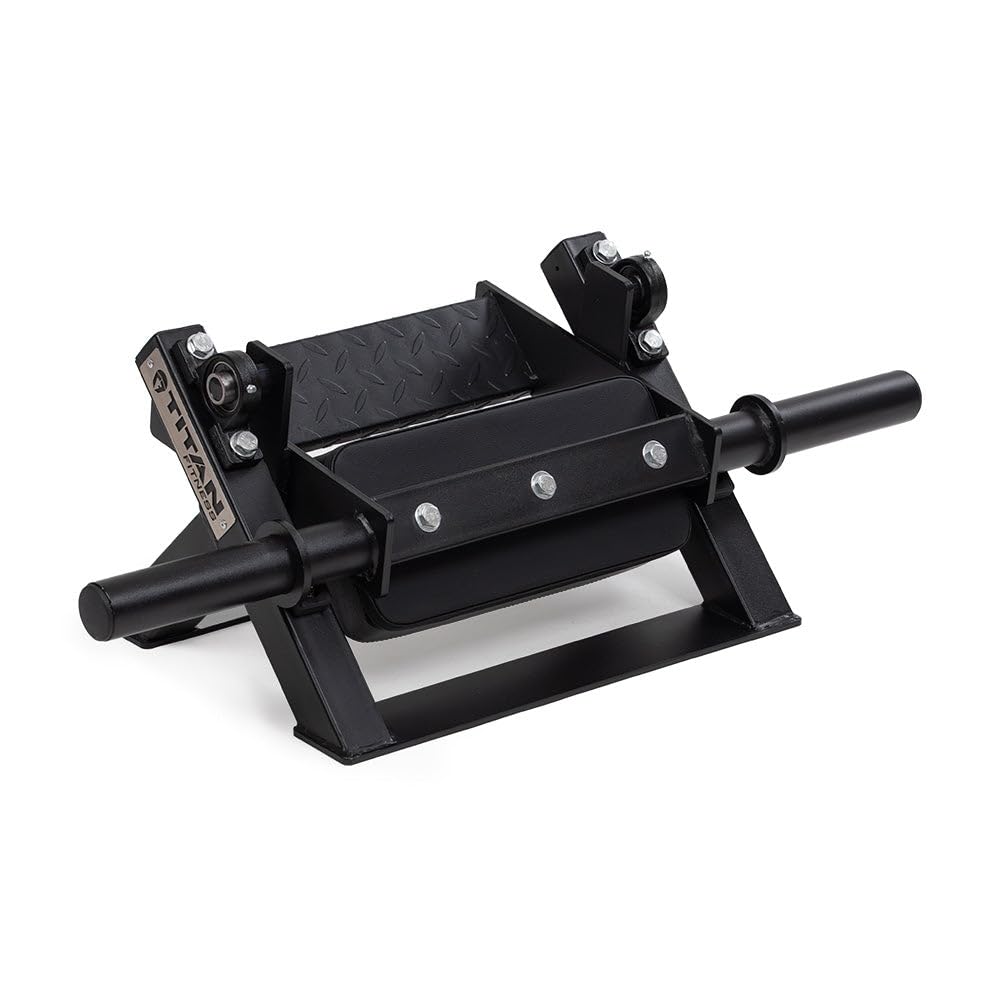
1. Titan Fitness Plate-Loaded Tibia Dorsi Calf Machine
Our pick — over 4.5★ from 100+ verified ratings; the strongest balance of quality and price.
The compact steel sled that makes front-shin work a permanent part of leg day.
This machine targets your tibialis (the muscle along your shin) first, not your traditional calf press. You hook your ankle under a padded bar and pull your toes upward, rather than pushing a platform with the balls of your feet. That motion isolates the tibialis anterior (the muscle running down the front of your shin), which most gym-goers never train directly.
The plate posts each measure 7 inches long and accept Olympic plates up to the 200-pound rating, so it slots into any rack owner’s setup. Buyers report using it twice weekly for three sets of 20 reps, making it a routine staple. It weighs 55 pounds and sits just 12 inches tall, making it one of the easiest pieces here to slide under a bench when you’re done.
The 11-gauge steel and powder-coat finish earn tank-like, industrial-grade praise from buyers. The trade-off is that the foot padding is not adjustable, so taller lifters may need to raise the machine on blocks to get a full range of motion.
What wins people over
- True tibialis isolation you can’t get from a standard calf press
- Built from 11-gauge steel with a rust-resistant powder-coat finish
- Arrives fully assembled in the box — just add plates
What to know before buying
- Non-adjustable foot padding limits the fit for some body types
- Sleeves may not clear larger-diameter plates without raising the unit
The verdict: if your goal is barbell-and-plate strength for the front of your lower leg, this is the cleanest, most durable way to get it done.
Who should pass: anyone needing a full seated calf press for heavy toe raises should look at the lever machines further down this list.
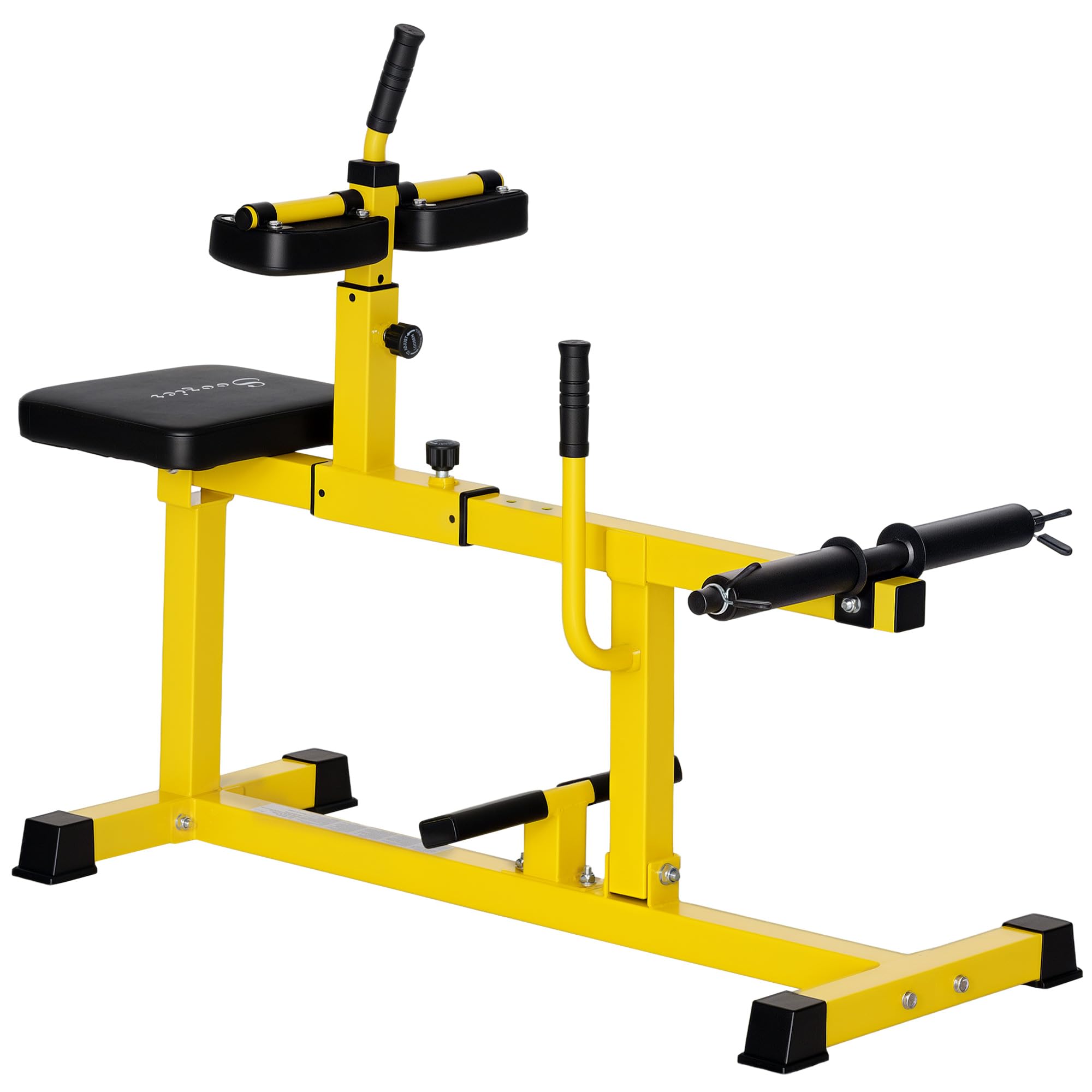
2. Soozier Seated Calf Raise Machine
A budget-friendly seated press that outperforms machines costing twice as much.
The defining spec here is the 440-pound capacity on a frame that weighs just 41 pounds — a ratio that explains why the value gets so much attention from owners. The dual Olympic posts accept both 1″ and 2″ plates, so your existing collection works without adapters.
Fit is the strong suit. The thigh pad adjusts through 5 handle heights and 4 lengths, and the seat itself is padded, which helps you dial in a position that actually fits your legs. Buyers praise the ergonomics, noting the foot platform eliminates the ball-of-foot stress of standing raises.
The honest catch is stability. Owners mention shifting knee pads and a slight wobble, with heavier lifters describing failures under 100 pounds. This is a machine for controlled, moderate weight — not a platform for maxing out.
The value read: for a home gym that needs a comfortable seated calf press without a commercial price tag, this delivers on the priorities that matter — fit, comfort, and dual-plate compatibility.
Who it isn’t for: serious powerlifters pushing near the rated limit should invest in a heavier, wider-base machine instead.
3. Synergee Seated Calf Raise Machine
The plate-loaded press that lets you chase new personal records at home.
Load capacity is the whole pitch here. The Synergee accepts up to 550 pounds, which is 2.8x the 200-pound ceiling on the Titan tibia machine above, so it suits lifters whose calves have outgrown light machines. A removable adapter on each plate holder flips between 1″ and 2″-opening plates, putting your full plate collection to work.
The comfort package is thoughtfully specced: a padded seat, height-adjustable padded quad cushions, a textured foot platform, and a safety lever you pull once you’re seated and ready. The frame stands 30 inches tall on a 21″ by 42.5″ base, with a black and red powder-coat finish.
The reality check is fit and stability. The machine is built for shorter users — customers note that anyone 5’10” or taller will find the geometry cramped, and the fulcrum design means the stability can feel limited at higher loads. Assembly is straightforward for some and frustrating for others, depending on how well you read diagrams.
The strong points
- 550-pound max load for serious progressive overload
- Removable adapters handle both 1″ and 2″ plate openings
- Safety lever and padded quad cushions make each rep feel controlled
The limiting factors
- Geometry suits shorter lifters — tall users will feel cramped
- Stability gets mixed reviews at higher loads
Reach for this if: you’re an average-height lifter who wants to load serious weight onto your calves without upgrading your home gym.
Look elsewhere if: you’re over 5’10” and need a machine that stretches out for long legs.
4. GMWD Adjustable Seated Calf Raise Machine
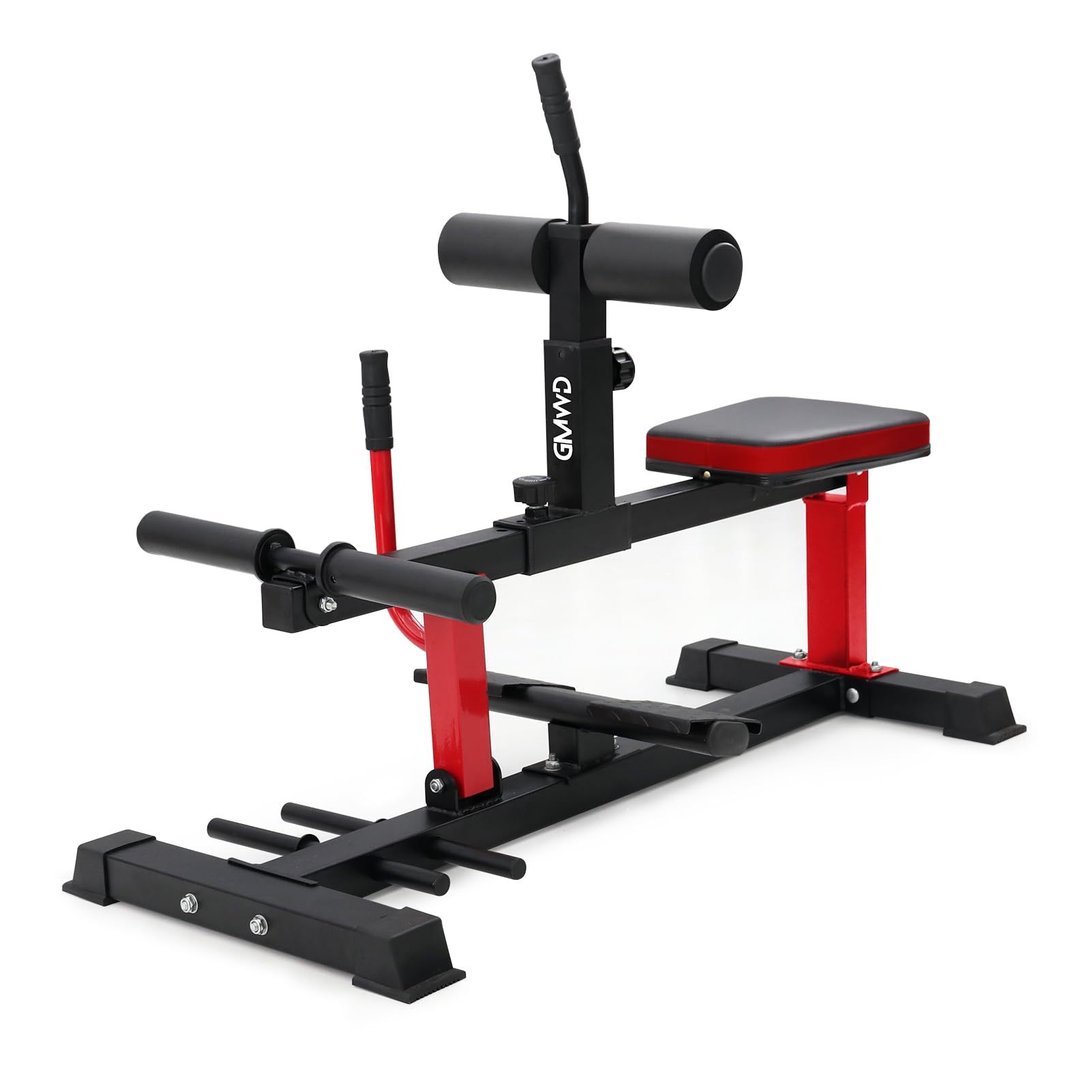
A rolling calf station that tucks under the bed when leg day is over.
Space is the story with the GMWD. The frame measures 49 inches long by 22 inches wide and rolls on 3-inch silicone wheels, so you can move it from the living room to a closet and lock the rubber feet when it’s in position. Owners in apartments single out this mobility as the reason it earned a permanent spot in their routine.
The adjustability is genuinely broad — 6 height and length settings plus a seat that shifts through a 19.7″ to 25.6″ range, which is how it accommodates lifters from 5’0″ up to 6’5″. The rated capacity is 550 pounds, though reviewers point out it’s happiest with moderate plates or with the included band pegs for lighter resistance work.
The trade-off shows up in the details. The band rollers don’t lock securely and the range of motion bottoms out at around 35 pounds for some users, which is a real limitation if you planned to go heavy. Quality and ease of assembly get strong marks across the board — it’s the heavy-load ceiling that keeps it out of the top spot.
The smart-buy angle: if floor space is your #1 constraint, the wheels and 56.2-pound frame make this the most livable calf machine in the lineup.
The honest limit: plan to use bands or moderate plates — this isn’t built to be a heavy 550-pound platform in practice.
5. HVO Seated Calf Raise Machine
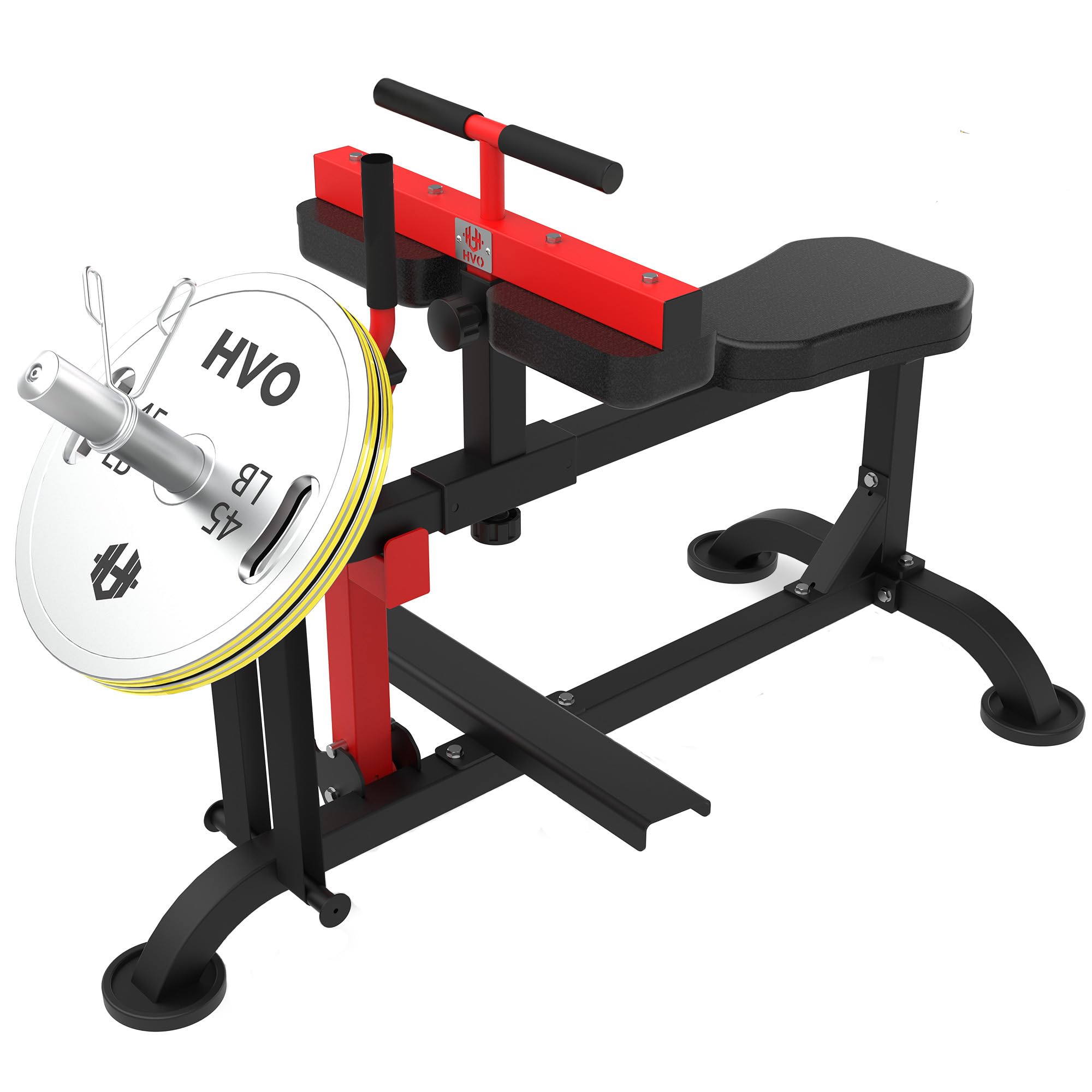
The dual-resistance machine that switches from plates to bands in seconds.
Most calf machines force you to choose between plates and bands. The HVO gives you both — 4 elastic band hooks sit on either side for add-on resistance, while detachable barbell sleeves accept both 1″ and 2″ plates up to a 660-pound capacity. That makes it the most adaptable pick for a home gym that owns a mix of equipment.
Fit adjustments are generous: the leg pad raises through 6 levels and the support rod shifts through 4 front-back positions, which owners say makes it easy to lock in a comfortable posture. The flat compression pad is designed to relieve pressure on your legs, and the wider seat plus extended anti-slip pedals help keep the movement steady.
Buyers praise the compact footprint and the fact it stands upright for storage. A useful tip from owners: attach the included bands even when using plates — not for extra resistance, but to dampen wobble. That quirk tells you the stability is serviceable rather than rock-solid at heavy loads.
Where it shines
- Dual-resistance design covers bands plus 1″ and 2″ plates
- 6 leg pad levels and 4 rod positions for a custom fit
- Compact enough to store standing upright
Where it wobbles
- Stability is decent but not rock-solid without the bands attached
- Some owners note the seat needs care at very heavy loads
Pick this for: a home gym that wants one machine to handle light banded toning and heavy plate-loaded strength work.
Heavier lifters note: attach the bands to steady the frame and keep loads sensible.
6. Valor Fitness Seated Calf Raise Machine
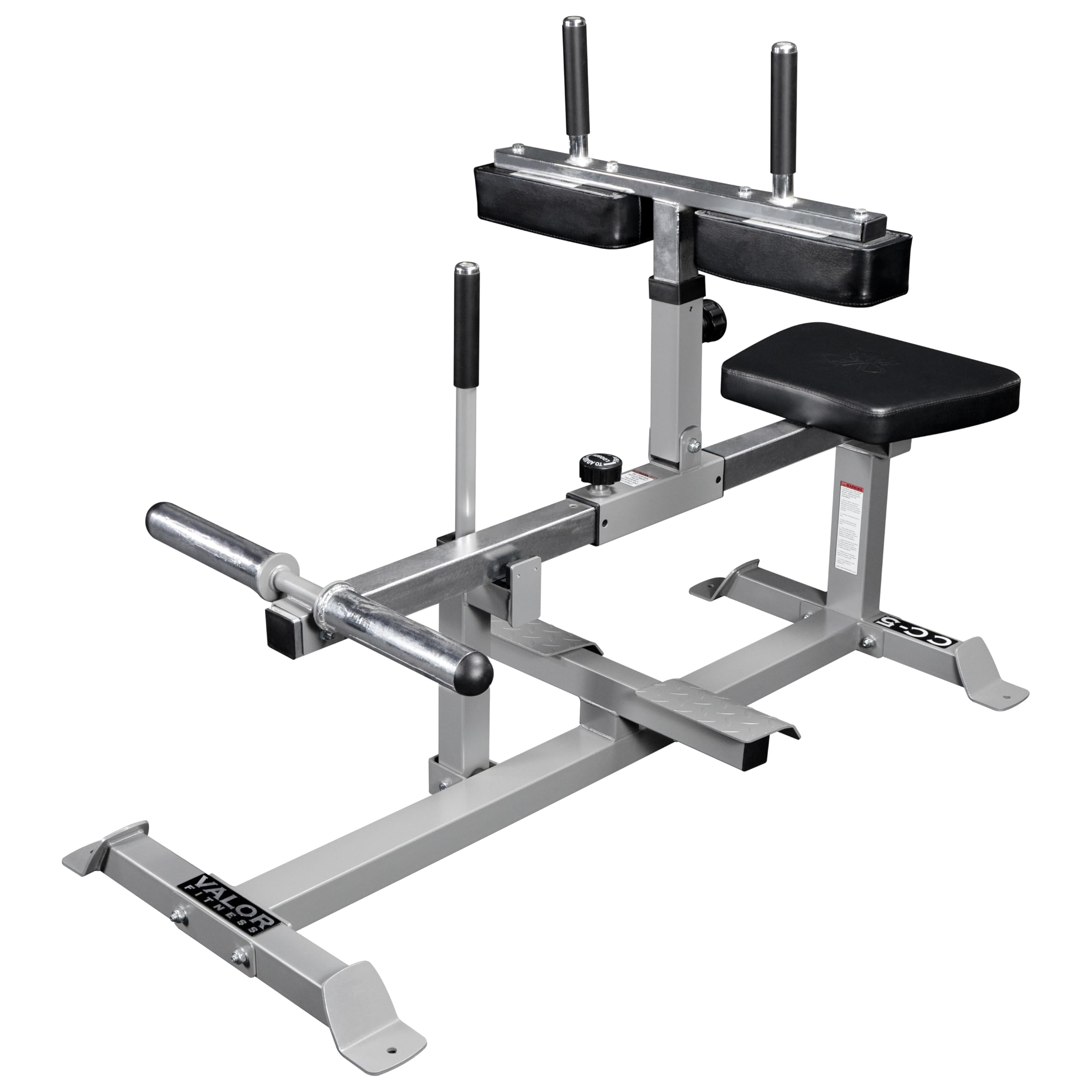
The 80-pound anchor that tall lifters call the most stable home option.
Valor’s CC-5 is built from 12-gauge steel with diamond plate foot platforms and chrome weight sleeves, and at 80 pounds it’s heavy enough to stay planted during aggressive reps. Buyers describe it as commercial-grade—solid, wobble-free, with thick padding that endures repeated use.
The adjustable knee pad moves through multiple vertical and horizontal positions, which is the feature tall users rave about. Owners at 6’3″ report a comfortable fit and full range of motion, with the 350-pound capacity suiting home use. Olympic posts handle 270 pounds plus without complaint.
The honest friction point is ergonomics for certain body types. While many owners find the fit excellent, others report knee and hip discomfort depending on their proportions — it’s a machine that rewards you for dialing in the pad position carefully before you start loading weight.
The strengths
- 80-pound frame with 12-gauge steel stays planted at heavy loads
- Knee pad adjusts vertically and horizontally for tall users
- Thick padding and solid welds get consistent praise
The fit note
- Ergonomics can cause knee or hip strain if pads aren’t positioned precisely
- Bare metal legs may dig into soft floor mats
The fit verdict: if you’re tall and tired of machines that feel cramped, this is the one that stretches out properly.
Watch out for: spending time on pad positioning before your first working set.
7. Titan Fitness Leverage Squat & Calf Machine

One welded station that replaces the squat rack, hack press, and calf block.
This is the machine for lifters who want a full lower-body station, not a single-purpose tool. It combines a leverage squat, calf raise, hack squat, and leg press in one 180-pound frame, with a 1,000-pound rating that puts it in a different class from the compact presses above. The 13.5-inch shoulder sleeves take Olympic plates, and 8-inch lower horns double as storage.
If you cannot squat because of lower back or knee pain, shoppers say this machine lets you train legs safely again. The leverage design removes spinal loading, and the 12″ x 4″ shoulder pads spread the weight across your shoulders. Owners specifically praise the superior foot placement for calf work.
The catch is the footprint and assembly reality. It measures 62 inches tall with a 44″ x 58″ base, so you need real floor space, and buyers report assembly takes about an hour solo with instructions that are less helpful than they should be. It’s a serious commitment, but owners consistently call the value outstanding for what it replaces.
Why it earns the space
- Four leg exercises in one 1,000-pound-rated frame
- Removes lower back strain so you can squat through injury
- 13.5″ shoulder sleeves and 8″ storage horns for Olympic plates
What it costs you
- 44″ x 58″ footprint demands dedicated floor space
- Instruction manual is thin — expect a solo assembly session
Choose this for: a serious leg-day setup where the calf machine is one station among several, not the whole story.
skip it if: you only train calves and don’t have room for a full-size leverage station.
8. Body-Solid GSCR349B Seated Calf Raise Machine
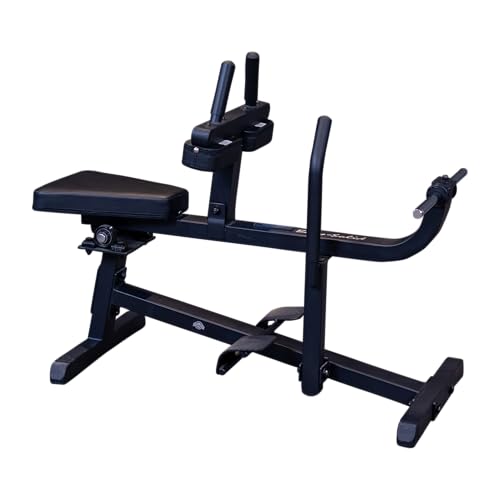
The 95-pound seated press that matches the feel of a commercial gym machine.
Body-Solid’s GSCR349B earns its spot for buyers who want a pro-gym calf raise at home. Its rounded, angled foot platform reduces strain on the balls of your feet and lets you sink into a deeper stretch. Reviewers who have trained at commercial gyms say it performs on par with machines costing far more, making it a standout versus cheaper home models.
The frame is heavy-duty 2″ x 3″, 11-gauge high-tensile steel, weighing 95 pounds, with plush DuraFirm knee and seat pads that make long sessions comfortable. A 3:1 weight ratio carriage means the resistance stacks up efficiently, and the adjustable knee and seat pads accommodate users of different sizes.
Two honest caveats stand out. First, the standard 1″ plate post means your Olympic plates need a separately sold adapter sleeve — a fact that has surprised several buyers. Second, several owners note the frame arrived with the Olympic holders conspicuously absent despite product imagery suggesting otherwise, so read the listing carefully before purchase.
The commercial-grade wins
- Rounded foot platform delivers the deepest calf stretch in this lineup
- 95-pound frame with 11-gauge steel feels rock-solid
- DuraFirm pads keep long sessions comfortable
Read before you buy
- Uses a 1″ standard plate post — Olympic adapter sold separately
- Listing imagery can mislead about included plate holders
Buy this for: the most authentic commercial-gym calf raise experience you can put in a home gym.
Confirm first: whether you own 1″ plates or are ready to buy the separate Olympic adapter.
9. Body-Solid Leverage Squat/Calf Machine
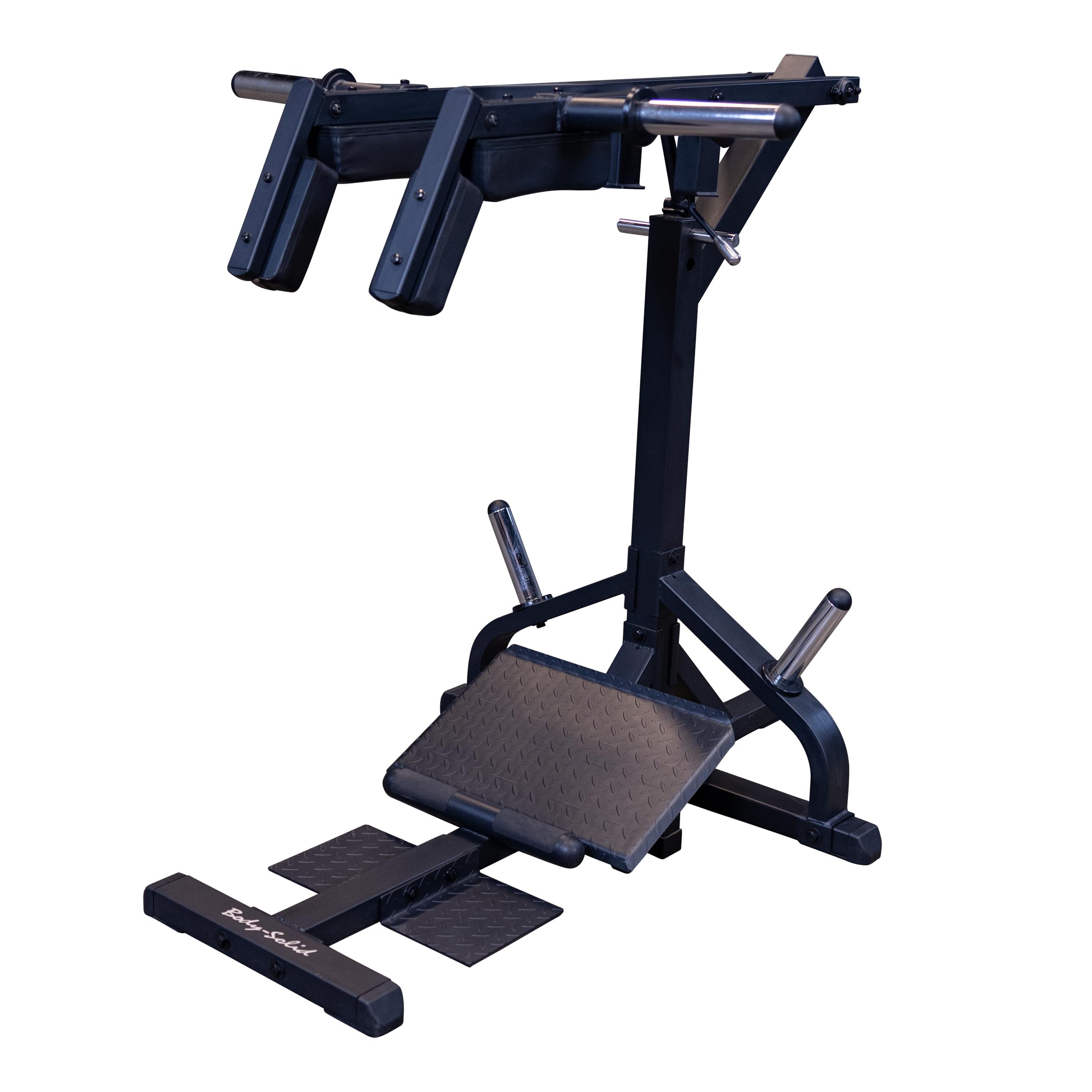
The heavy-duty hybrid that pairs deep squats with a rounded calf station.
This is the flagship of the list — a 170-pound leverage squat machine with a calf raise block built into the design. The defining detail is that calf block: it’s round instead of square, which eliminates the painful edge you get on cheaper machines and provides a deep pre-stretch for the calves. The mainframe uses extra-large 3″ x 3″, 12-gauge steel with all-4-side welded construction.
For leg-day training, owners say it handles heavy loads smoothly and lets you push more weight than free-weight squats because the stabilizer muscles aren’t the limiting factor. The exclusive DuraFirm shoulder and back pads are extra-thick and contoured to fit your shoulders, and a spring-loaded lockout handle sits within reach for safety.
The assembly reality is the trade-off. The manual is essentially an exploded drawing rather than step-by-step instructions, and owners mention a build session of around 3 hours for a mechanically inclined person. Packaging issues that cause scratches and loose bolts show up in several owner accounts, though the machine itself earns consistent praise for its solid, smooth motion once assembled.
The heavy-duty wins
- Rounded calf block removes the painful edge for deep pre-stretch
- 170-pound frame with 3″ x 3″ 12-gauge steel handles heavy loads
- DuraFirm shoulder and back pads conform to your frame
The assembly tax
- Manual is just an exploded drawing — expect a ~3-hour build
- Packaging can arrive with scratches, chips, or loose bolts
Reach for this if: you want one welded machine that pulls double duty as a heavy squat station and a calf developer.
Budget your time: the assembly and packing quirks are real, so plan the build before you commit.
Understanding the Specs
Maximum Load Capacity
The rated load tells you the ceiling the manufacturer engineered for, measured in pounds. Every machine works on a lever, so a higher number does not automatically mean more stability — the pivot design and base width do that work. Use capacity as a filter: if you lift heavy, aim for a machine rated well above your working weight, and read owner notes about how the frame actually feels under load.
Plate Sleeve Compatibility
Weight posts come in two standards — 1″ for older-style plates and 2″ for Olympic plates. Some machines ship with removable adapters that accept both, while others require a separately sold Olympic sleeve. Checking this before you buy saves you the frustration of a machine that won’t take your existing plate collection.
FAQ
Is a seated calf machine better than standing calf raises?
What is the difference between a seated calf raise and a tibialis raise machine?
Will a calf machine fit under a bed or in a small apartment?
Do I need Olympic or standard plates for my calf machine?
Why does my calf machine wobble and is that normal?
Is the Synergee calf machine good for taller lifters?
How much weight can a home calf machine actually hold?
What muscles does a calf raise machine work?
How long does it take to assemble a calf machine?
Should I get a dedicated calf machine or a multi-function leg machine?
Final Thoughts: The Verdict
For most home gyms, the calf machine that earns the top spot is the Titan Fitness Tibia Dorsi because it delivers the one movement most machines skip — true front-shin isolation — in an affordable, tank-like package. If you want a traditional seated press with deep adjustability, the Soozier is the value pick. And for lifters who need one station to cover squats and calves, the Titan Leverage Squat is the heavy-duty answer.
How We Picked
We do not accept paid placement. Every pick is matched to a real buyer and a real use-case; we do not hands-on test units.
Sources & Methodology
Specifications: manufacturer listings and product documentation. Review insights: verified customer reviews, as of September 2026. Pricing: not shown on this page (it changes often); check the current price via the retailer link.
As an Amazon Associate, Gadgets Feed earns from qualifying purchases. This does not affect which products we feature.