
Our readers keep the lights on and my morning glass full of iced black tea. As an Amazon Associate, I earn from qualifying purchases.
When summer heat turns your attic into a convection oven, the only barrier between that 140°F air and your living space is the weak point in your roof’s ventilation system. A properly sized gable vent doesn’t just let hot air escape — it creates a pressure differential that pulls moisture out of insulation and keeps your roof deck from becoming a fungal habitat.
I’m Min — the co-founder and writer behind Gadgets Feed. I’ve spent over a hundred hours cross-referencing louver geometry, mesh density specifications, material gauge thickness, and real-world airflow performance data to assemble a buying guide that separates functional vents from decorative facade pieces.
Whether you’re battling condensation in a 1940s cottage or upgrading a shipping container workshop, finding the right attic gable vents demands understanding how net free area and animal exclusion mesh work together in a single aluminum frame.
How To Choose The Best Attic Gable Vents
Selecting the right gable vent isn’t a one-size-fits-all decision. You need to match the vent’s open area to your attic’s square footage, climate zone humidity levels, and the specific pests in your region. Start with these three criteria to narrow down the field.
Net Free Area vs. Your Attic Fan’s CFM
Every active attic fan — whether thermostatically controlled or hardwired — requires a specific net free area (NFA) at the intake. A powered gable ventilator like the Air Vent 53315 moves 1050 CFM of air. If your passive gable vent on the opposite gable provides less than 1 square foot of NFA per 300 CFM of fan output, the motor starves for air and your insulation becomes the path of least resistance, pulling conditioned air out of the rooms below. Check the NFA rating stamped on the vent’s packaging — it’s usually between 48 and 72 square inches for a typical 14×14 vent.
Material Composition and Finish
Untreated steel rusts within two seasons in coastal or high-rainfall climates. Aluminum alloy vents dominate this category for good reason — the metal stays inert in humid attic environments. But not all aluminum is equal. Thicker gauge material (0.040 to 0.063 inches) resists denting during hail storms and holds screws better when you add the optional animal screen. The powder-coat or baked-enamel finish matters more than color: glossy coatings shed water and UV rays far better than matte textures, which tend to chalk after three years of direct sun exposure on a south-facing gable.
Louver Geometry and Pest Exclusion
The angle and spacing of the horizontal louvers determine whether driving rain enters your attic. Look for louvers with an overhang drip edge and an internal slope of at least 15 degrees. Every vent reviewed here includes a stainless or aluminum alloy mesh screen behind the louvers, but the mesh aperture varies wildly — some allow wasps to crawl through while blocking only birds. A mesh opening smaller than 1/4 inch keeps out most squirrels, but 1/8 inch is needed to stop rodents like roof rats. Balance this against airflow restriction: smaller holes reduce the NFA by roughly 15 to 25 percent.
Quick Comparison
On smaller screens, swipe sideways to see the full table.
| Model | Category | Best For | Key Spec | Amazon |
|---|---|---|---|---|
| Air Vent 53315 | Powered Gable Ventilator | Large attics needing active exhaust | 1050 CFM, 1/12 HP motor | Amazon |
| Zepoty 20×20 | Large Passive Louver | High-volume natural airflow | 18″ x 18″ vent opening | Amazon |
| Zepoty 24×24 | Extra-Large Passive Louver | Maximum passive intake for fans | 22″ x 22″ vent opening, white | Amazon |
| Zepoty 16×16 Black | Mid-Size Passive Louver | Sheds and garages | 14″ x 14″ vent opening, heavy-duty | Amazon |
| Zepoty 14×14 White | Standard Passive Louver | Matches white trim | 12″ x 12″ vent opening | Amazon |
| Zepoty 12×18 | Rectangular Louver | Tall narrow gable spaces | 10″ x 16″ vent opening, white | Amazon |
| Zepoty 14×14 Black | Standard Passive Louver | Dark-trimmed homes | 12″ x 12″ vent opening, black finish | Amazon |
In‑Depth Reviews
1. Air Vent Gable Ventilator 53315
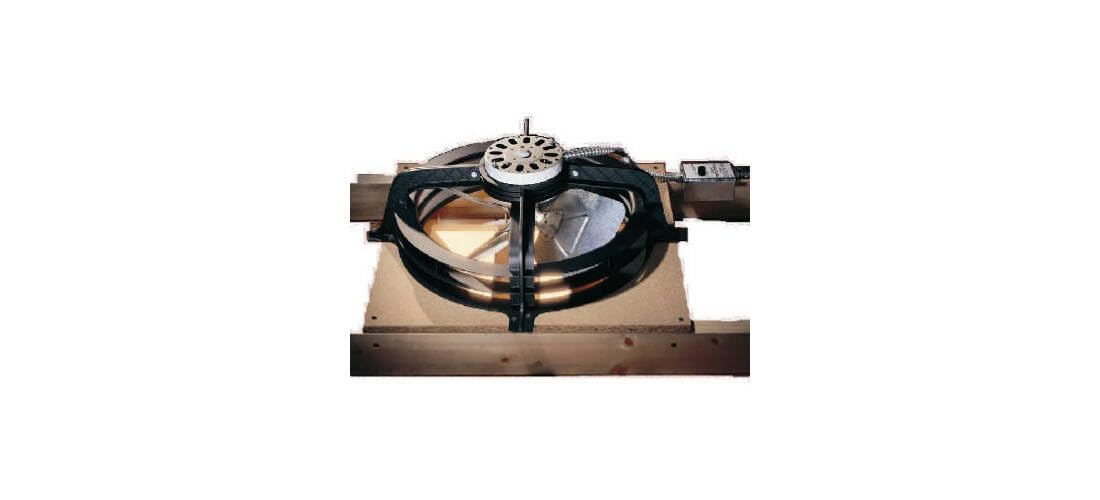
The Air Vent 53315 is the only powered unit in this roundup, which makes it a fundamentally different tool from the passive louvers. Its 1/12-horsepower motor pulls 1050 cubic feet of air per minute through a 14-inch plastic blade, enough to cycle the air in a 1500-square-foot attic every four minutes. The included thermostat triggers the fan at a preset temperature, so you don’t have to climb up and flip a switch on the first hot day of spring.
Mounting flexibility is a standout trait here — multiple verified buyers confirm the fan can be oriented horizontally in a gable or even nearly flush on a sloped roof, though the manufacturer’s documentation doesn’t advertise that. Using rubber isolating washers between the mounting tabs and the wall frame dramatically cuts the minor vibration hum that a few units exhibit at full speed. The plastic louvers close automatically when the fan stops, preventing backdrafts and keeping cold air from siphoning out of the attic at night.
One consistency concern emerged in the feedback: the impeller alignment on a small number of units arrived off-center, producing a wobble that required a replacement. That said, the return process was smooth, and the replacement fan ran true. For anyone needing active mechanical ventilation rather than passive convection, this is the only serious option in the list.
Why it’s great
- Thermostat-controlled automatic operation eliminates guesswork
- Versatile orientation — verified horizontal or near-horizontal mounting
- Closed louvers prevent wildlife entry when fan is off
Good to know
- Some units arrive with misaligned impellers requiring exchange
- Plastic blade and mounting tabs feel less robust than all-metal alternatives
- Needs rubber washers to fully dampen vibration noise
2. Zepoty 24×24 Gable Vent

The Zepoty 24×24 provides a massive 484 square inches of louvered surface area with a 22×22-inch rough opening, positioning it as the ceiling of passive intake capacity in this lineup. At 4.49 pounds, it’s significantly heavier than the smaller options, a direct result of the thicker aluminum alloy used in both the frame and the individual louvers. That mass translates into genuine rigidity during hurricane-force wind gusts — the louvers don’t rattle or deflect.
Buyers consistently praise the glossy powder-coat finish on the white version, noting that after a full season of UV exposure on south-facing gables, the coating shows no chalking or fading. The metal screen mesh behind the louvers uses an aperture measured at roughly 3/16 inch — small enough to block most rodents but still large enough to avoid choking the net free area below 50 square inches. A common feedback point involves the lack of pre-drilled mounting holes, with several users installing the vent using only exterior-grade construction adhesive rather than screws.
The 24×24 format is overkill for a single-car garage or small shed, but it excels as the intake vent for an active exhaust fan in a large attic. Pairing it with the Air Vent 53315 on the opposite gable creates a cross-flow corridor that moves a column of air three feet wide through the entire attic space.
Why it’s great
- Largest opening area of any passive vent reviewed
- Thick aluminum alloy resists wind-induced flexing
- Powder-coat holds color well in direct sun exposure
Good to know
- No pre-drilled screw holes for mechanical fastening
- Packaging box sometimes arrives unsealed in transit
- Overly large for small or mid-sized attics
3. Zepoty 20×20 Gable Vent

The 20×20 Zepoty occupies the sweet spot between the standard 14×14 vents and the massive 24×24, offering an 18×18-inch rough opening that balances high airflow with manageable installation. Weighing 3.14 pounds, the frame uses the same aluminum alloy as the rest of the Zepoty lineup but the louvers are individually tack-welded at the corners, a construction detail that prevents the gradual sag seen in crimped or friction-fit designs after several freeze-thaw cycles.
Buyers in the feedback note the black model’s finish appears slightly more matte than the white version, which some prefer for blending into dark siding or shadowed gable ends. The integrated metal mesh screen attaches with an internal frame rather than being stapled to the back, meaning it won’t detach after a few seasons of wind loading. Several users installed it as a return air grille for HVAC systems due to its clean aesthetic and the screen’s ability to trap large dust particles before they enter the ductwork.
A recurring observation from the review set is the absence of pre-drilled mounting holes, a design choice that pushes installation toward adhesive-only methods. While construction adhesive holds the 3.14-pound frame securely on wood siding, users mounting the vent onto vinyl or metal surfaces should drill pilot holes and use rubber-backed washers to prevent the aluminum from deforming under screw tension.
Why it’s great
- Tack-welded louvers resist sagging over time
- Internal mesh frame prevents screen detachment
- Aesthetically clean enough for HVAC return air grille use
Good to know
- No pre-drilled holes for mechanical fasteners
- Black matte finish chalks faster than gloss white
- Template card helps but does not include screw or adhesive
4. Zepoty 16×16 Gable Vent Black
The Zepoty 16×16 hits the price-to-performance target that most shed and garage owners are after, delivering a 14×14-inch opening in a compact frame that fits between standard wall studs without needing header modifications. The aluminum alloy screen mesh is noticeably denser here — the aperture measures about 1/8 inch, which effectively excludes even roof rats and juvenile squirrels, a meaningful upgrade over the 3/16-inch mesh found on the larger Zepoty models.
At 2.25 pounds, the 16×16 is light enough for a single person to install with just a tube of exterior silicone. Several verified buyers mention they mounted it on a chicken coop wall, where the small mesh kept out weasels while still allowing sufficient cross-ventilation to prevent ammonia buildup. The louver angle is steeper than the 14×14 models, which reduces the amount of wind-driven rain that can reach the screen — a detail that matters when the vent is placed on the windward side of a building in coastal areas.
The only consistent complaint ties back to the lack of mounting holes, a theme across all Zepoty passive vents. For a 16×16 vent positioned low on a wall within easy reach of ground-level critters, adhesive-only attachment may not be enough. A few users reported drilling their own pilot holes and backing them with fender washers to spread the clamping load across the thin aluminum flange.
Why it’s great
- 1/8-inch mesh stops small rodents effectively
- Light enough for single-person adhesive install
- Steep louver angle reduces rain intrusion
Good to know
- No pre-drilled mounting holes
- Not large enough for primary attic intake in homes over 1000 sq ft
- Black color shows dust accumulation more than white
5. Zepoty 14×14 Gable Vent White
This 14×14 white Zepoty vent is the most straightforward option for homeowners who value curb appeal — the glossy white powder-coat finish blends seamlessly with white vinyl trim and white-painted shutters, making the vent almost disappear from a street view. The 12×12-inch rough opening is the standard size for the vast majority of residential gable end cutouts, which means this is likely a direct replacement for whatever builder-grade plastic vent the house originally came with.
Several buyers on record swapped out rotted wooden vents from 1940s-era homes and noted that the aluminum construction eliminated the recurring painting and rotting cycle. The metal screen mesh is the same 3/16-inch aperture found on most Zepoty models — adequate for birds and leaves, but not quite tight enough for roof rats. The finish is described as “hard and glossy” in user feedback, resisting scuffs during transport and handling better than matte alternatives.
One drawback surfaced in multiple reviews: the packaging box frequently arrives with the tape seam broken, which allowed the vent to shift during transit and caused minor denting on a few of the bottom louvers. These dents were cosmetic only and didn’t affect function, but they are worth checking before installation. The paintable surface accepts latex or oil-based primer without issue, useful if the white finish doesn’t match your existing trim color.
Why it’s great
- Matches standard residential white trim perfectly
- Eliminates rot and painting cycles of wood vents
- Acceptable paint adhesion for custom color matching
Good to know
- Box often arrives unsealed, risking transit damage
- 3/16-inch mesh may not stop smaller rodents
- No mounting hardware included in the package
6. Zepoty 12×18 Gable Vent

The rectangular 12×18 Zepoty vent is the only vertical-orientation option in this lineup, making it the natural fit for narrow gable end sections between closely spaced windows or above a garage door header. The 10×16-inch rough opening fits into tight stud bays that standard square vents simply cannot occupy. At just 1 pound, it’s the lightest vent here, a direct result of the thinner aluminum gauge used on the shorter louver spans.
Buyers consistently highlight the elegant appearance after installation — the tall rectangular shape echoes the proportion of traditional window shutters and looks intentional rather than like a ventilation afterthought. The metal screen uses the same 3/16-inch mesh as the Zepoty square vents, though the narrower frame means the total screen surface area is only about 140 square inches, which limits the net free area to roughly 55 to 60 square inches after the louvers are factored in. Several users installed this vent as a high intake opening for a shipping container conversion, where the vertical orientation let them place it above a workbench without blocking headroom.
The thinner aluminum shows a trade-off: a couple of verified buyers received units with slightly bent louvers, likely from compression in the box during shipping. The bends were subtle enough to be invisible from the street but noticeable up close. For installations where appearance is critical, a careful inspection before adhesive application is recommended.
Why it’s great
- Only rectangular option — fits narrow stud bays
- Lightweight design for easy handling and adhesive install
- Vertical proportion complements adjacent window shutters
Good to know
- Thinner aluminum can bend during shipping
- Net free area is lower than equivalent square vents
- No hardware included for mechanical fastening
7. Zepoty 14×14 Gable Vent Black
The black 14×14 Zepoty vent shares the same 12×12-inch rough opening and basic construction as its white sibling, but the finish and the price positioning make it a different buy. The black powder-coat offers a deliberate visual contrast against light-colored siding, which some homeowners prefer for architectural depth, and it hides dirt and pollen far better than white during spring bloom season.
Feedback from buyers who installed this vent on dark gray or charcoal sheds and garages is overwhelmingly positive in terms of visual integration — the black frame and louvers look like a custom factory-color piece rather than an aftermarket add-on. The aluminum alloy weight is 1.68 pounds, slightly lighter than the 14×14 white model, which may be due to variations in the powder-coat thickness or minor differences in the alloy sheet stock. The screen mesh uses the standard 3/16-inch aperture that blocks birds and leaves but allows smaller insects to pass.
A noteworthy issue surfaced in the customer reviews: the black finish shows scuffs and scratches more prominently than white, especially along the edges where the vent contacts the saw-cut opening. These scuffs can be touched up with standard black spray paint, but the glossy texture of the original coating is hard to replicate perfectly. For installations where the vent will be regularly brushed by overhanging branches or lawn equipment, the white version may be a more forgiving choice.
Why it’s great
- Black finish provides strong visual contrast on light siding
- Same robust construction as the white Zepoty models
- Hides pollen and dirt better than white alternatives
Good to know
- Black finish shows scuffs and scratches readily
- 3/16-inch mesh does not exclude wasps or smaller pests
- No mounting gear or template included
FAQ
How do I calculate the correct gable vent size for my attic?
Can I mount a gable vent fan horizontally instead of vertically?
What mesh aperture size keeps squirrels out of my attic vent?
Final Thoughts: The Verdict
For most users, the attic gable vents winner is the Zepoty 24×24 because its massive opening provides the passive intake capacity needed for both natural convection and powered fan systems, and the thick aluminum alloy frame will outlast the siding it’s mounted on. If you want powered mechanical ventilation that automatically cycles hot air out without climbing into the attic, grab the Air Vent 53315. And for small sheds or tight budget builds, nothing beats the Zepoty 16×16 with its denser animal-exclusion mesh and steeper rain-deflecting louvers.