
Our readers keep the lights on and my morning glass full of iced black tea. As an Amazon Associate, I earn from qualifying purchases.
Specs are compiled from manufacturer listings and verified buyer reviews and can change over time — please confirm the key details on the product page before buying.
If you drive a crossover, SUV, or light truck on 245/50R20 rubber, you already know the real question: which all-season tire keeps its grip in rain, stays quiet on the highway, and still has tread left after a few years? The answer depends on three things — how the tread clears water, how the sidewall handles your curb weight, and how the compound holds up mile after mile. This guide breaks down nine tires that all fit the exact 245/50R20 size, so you can pick the one that matches your driving instead of guessing at the tire shop.
I’m Min — the founder and writer behind Gadgets Feed. This guide is built by comparing the manufacturers’ published specifications and the patterns across verified customer reviews, so you get each pick’s real strengths and trade-offs instead of marketing spin.
if you want all-weather confidence, a longer limited treadwear warranty, or a quieter cabin on your daily commute, the picks below cover every priority. Every tire here matches the exact 245/50R20 size and an all-season compound, so the only real question is which one fits how you drive.
Our Picks at a Glance

How To Choose The Best 245/50R20 All Season Tires
Buying tires is different from buying most gear — the size is fixed and there is no returning a set you cannot mount. Before you compare brands, make sure the tire actually fits.
Start With the Size String, Not the Brand
245/50R20 breaks into three parts. The 245 is the tread width in millimeters, measured across the face of the tire. The 50 is the sidewall height expressed as a percentage of the width. The R20 means it sits on a 20-inch wheel. Every tire in this guide carries that exact string, so you are comparing like with like.
Read the Load Index and Speed Rating
The load index is a number that tells you how much weight each tire can carry. A 102 index handles 1,874 pounds per tire; a 105 index carries 2,039. If you load a heavy SUV or tow regularly, the higher figure gives you more headroom. The speed rating — the letter after the load index — tells you the maximum sustained speed the tire is engineered for.
Match the Tread to Your Weather
All-season does not mean identical across brands. Full-depth sipes — those thin cuts in the tread blocks — create biting edges that keep working as the tire wears. Shoulder channels push standing water away from the contact patch. If you drive in heavy rain or occasional light snow, those two features matter more than anything on the sidewall label.
Check the Warranty Before You Buy
Limited treadwear warranties range widely. Some tires carry a 50,000-mile warranty, others 70,000 or 80,000. That warranty is a manufacturer’s own coverage estimate for how long the tread should last, not a guarantee tied to your driving, and it only applies if you rotate on schedule.
Quick Comparison
| Model | Best For | Size | Load Index | Speed Rating | Amazon |
|---|---|---|---|---|---|
| Pirelli Scorpion All Season Plus 3★ Best Overall | All-around daily confidence | 245/50R20 | 102 | V | Amazon |
| GT Radial Maxtour LXBest Value | Budget highway cruising | 245/50R20 | 102 | V | Amazon |
| Nexen N’Priz AH5Most Versatile | Light truck and trailer use | 245/50R20 | 102 | H | Amazon |
| General Tire Altimax RT45 | Long-warranty value | 245/50R20 | 105 | H | Amazon |
| Cooper ProControl All Season | Even wear and crisp handling | 245/50R20 | 102 | V | Amazon |
| Continental CrossContact LX25 | Rain and winter weather | 245/50R20 | 102 | H | Amazon |
| Michelin Defender 2 | Maximum treadlife warranty | 245/50R20 | 105 | H | Amazon |
| Michelin CrossClimate2 A/W | All-weather traction | 245/50R20 | 105 | V | Amazon |
| Hankook Ventus S1 Noble2 H452 | Highway performance and value | 245/50R20 | 102 | V | Amazon |
In‑Depth Reviews
1. Pirelli Scorpion All Season Plus 3 245/50R20 102V
Our pick — over 4.5★ from 800+ verified ratings; the strongest balance of quality and price.
The touring tire that keeps its manners in Seattle rain and stays hushed at highway speed
This is the pick for anyone who wants one tire to do everything well on a family crossover or SUV — rain, dry, light snow, and hundreds of highway miles without a drone in the cabin. The Scorpion All Season Plus 3 uses 3D sipe technology, which means the thin cuts in the tread blocks interlock as the tire rolls, keeping the blocks stiff for steering feel while still opening up for grip. It also carries full-depth sipes that work from the first mile to the last, so the traction you feel on day one does not vanish as the tread wears down.
Carrying 1,874 pounds per tire at a 102 load index, the Pirelli is rated for the CUVs and SUVs it is designed around — think Acura MDX, Toyota RAV4, Mazda CX-5, and Subaru Outback territory. At 32.1 pounds per tire, it is noticeably heavier than the GT Radial Maxtour LX at 14.7 pounds, and that extra mass tends to show up as a planted, quiet ride rather than a light, skittish one. If quiet matters most to you, this is one of the strongest picks here, and owners consistently point to a plusher, less noisy cabin than the OEM rubber they replaced.
Here is the honest trade-off. Some buyers report the treadlife does not match the premium positioning, and a few Grand Caravan drivers have seen fuel economy dip after fitting them, with one buyer reporting “MPG dropped 23→18.” Others on the same platform had no such complaint. Light-snow grip is described as adequate but not winter-tire territory, so if you regularly drive unplowed mountain passes, budget for a dedicated winter set. Fitment is universally compatible, but you should still confirm your vehicle’s recommended load and speed rating before ordering.
What buyers keep coming back to
- Quiet cabin and smooth ride are the most-praised traits, and owners say the difference is immediate versus worn OEM tires
- Grip in heavy rain is a specific strength — wet and dry traction both get consistent praise
- 3D sipes and full-depth siping hold their bite as the tire wears, so performance does not fall off a cliff
Where it can disappoint
- Treadwear is the one split verdict — some owners get solid years of life, others say it wears faster than expected
- A few drivers report a fuel-economy penalty after fitting them, especially on heavier minivans
- Light-snow performance is fine but not a substitute for a winter tire in serious conditions
Right call for: daily commuters in wet climates who value quiet, confident road manners over the absolute longest treadlife.
Think twice if: you put 20,000+ miles a year on a heavy vehicle and want the longest-wearing tire in this lineup — that is where the Michelin Defender 2 earns its keep.
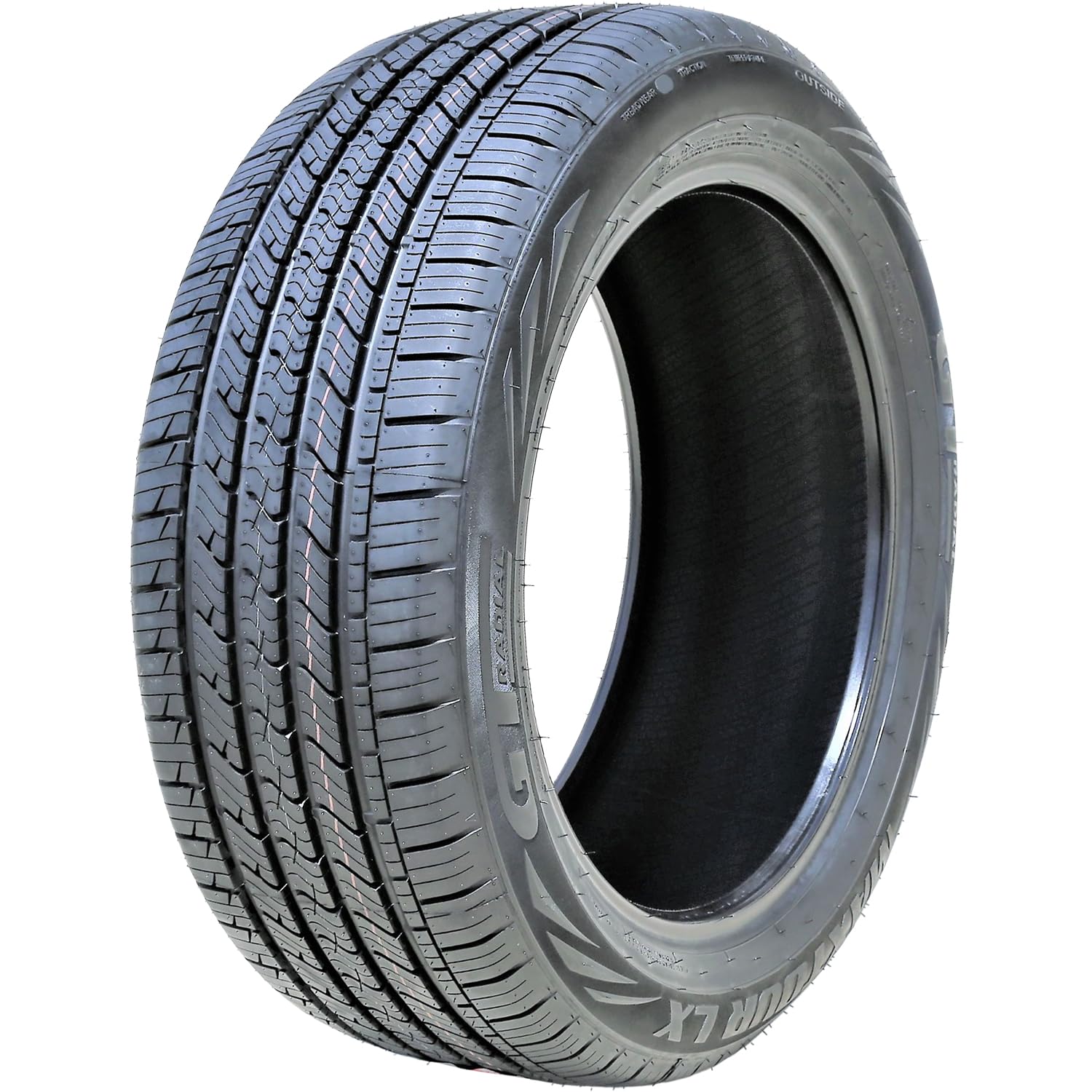
2. GT Radial Maxtour LX 245/50R20 102V BSW
A budget highway tire that punches well above its price on grip and comfort
If your goal is a solid all-season tire without paying premium-brand money, the Maxtour LX is the one to look at first. It carries the same 102 load index and V speed rating as the Pirelli, so it is rated for the same 1,874 pounds per tire and the same sustained speed ceiling — you are not giving up ratings by going with the cheaper tire. What you do give up is weight. At 14.7 pounds, the GT Radial is far lighter than the Pirelli at 32.1 pounds, and it also lists a much smaller item diameter figure than the Pirelli’s 29.69 inches. That lighter build is part of why it feels nimble on the road.
The tread design is the interesting part. Extra shoulder channels push water out of the tire to cut hydroplaning risk, and stiff tread blocks keep steering response precise. The asymmetric pattern with full-depth siping is built to hold traction in dry, wet, and light winter weather even as the tire wears — which is exactly the property that matters when you keep a budget tire for several seasons instead of replacing it yearly. Ride quality earns the second-most praise here, and owners describe a smooth, comfortable ride for a tire in this price band.
Be realistic about where the corners were cut. Treadlife is the recurring complaint — some owners clear 55,000 miles with tread left, while others say they did not last long in heavy daily driving. One owner noted that mounting is a chore: “the bead is wide and the sidewalls are stiff,” which is great for driving feel but annoying for the installer. If you want a predictable lifespan and easy mounting, pay up; if you want value and do not mind a stiffer sidewall, this is a smart buy.
The honest read: a genuine value pick that holds its own on grip, ride, and quietness — with a durability spread that owner reviews simply will not let you ignore.
Buying note: the asymmetric tread means you need to follow the mounting direction marked on the sidewall; fitment is universal, but have your shop double-check orientation before balancing.
Reach for this one if you want V-rated all-season grip and a comfortable ride without premium-badge pricing.
Look elsewhere if you need a long, predictable treadwear warranty or you do a lot of non-highway driving where sidewall durability is the priority.
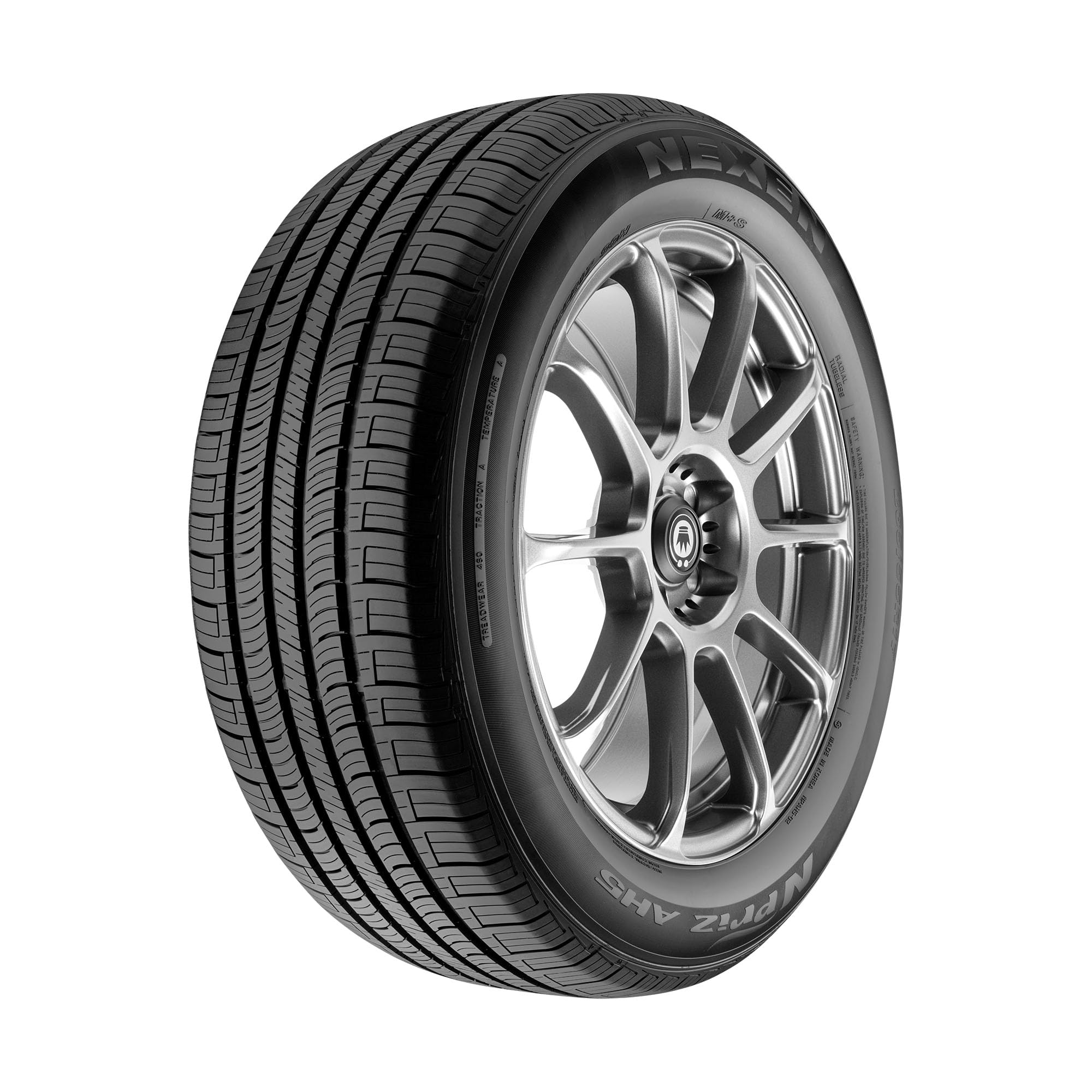
3. Nexen N’Priz AH5 All Season 245/50R20 102H Passenger Tire
The light-duty workhorse that tows trailers and commutes without drama
Not everyone is outfitting a loaded SUV. The N’Priz AH5 is a 102H tire — rated for 1,874 pounds per tire with a lower speed ceiling than the V-rated options here — and the design leans toward predictable, tidy behavior rather than outright performance. The rigid shoulder block design sharpens cornering and handling, which is exactly what you want when the thing you are towing or hauling shifts weight around under you. It also uses dual sipes: those cuts in the tread blocks give you the biting edges for snow and ice, while the wider blocks between them keep the tread stiff for mileage.
Weighing 28.6 pounds, the Nexen lands between the featherweight GT Radial and the heavier Pirelli and Cooper tires, and riders describe a smooth ride that does not feel like you are bouncing along on rock-hard rubber. Value is the second-strongest point reviewers raise, especially for light-duty trucks and utility trailers where you are not trying to squeeze out the last drop of dry-handling performance. It is a 102 load index, so keep it on passenger-car and light-truck duty — do not push it onto a heavy tow rig.
The one caveat is treadlife. Some owners mention the tires hold up with no noticeable wear, while others say they simply do not last long. That split is typical at this price, and it means regular rotation and alignment checks are your best defense. Check your vehicle’s door-jamb placard — if the factory fitment calls for a V-rated or higher-load tire, this H-rated option may not be the right match.
Suits you if you are fitting a light truck or utility trailer and want solid grip and a smooth, uncomplicated ride at a value price.
Skip it if your vehicle demands a V speed rating or a higher load index than 102 — you would be under-specing the tire for the job.
4. General Tire Altimax RT45 245/50R20 105H XL

Built for the driver who wants the warranty to outlast the car loan
Pick the Altimax RT45 if you value confidence over peak performance. General backs it with up to 75,000 miles of limited manufacturer tread life coverage, and it is an extra-load design at a 105 load index, which means each tire is rated to carry 2,039 pounds. That higher capacity makes it a strong choice for heavier crossovers and SUVs where the factory fitment already calls for extra load. At 29.3 pounds per tire it is a mid-weight option, and owners describe it as incredibly quiet with a super smooth ride.
The engineering targets year-round drivability rather than any one season. It is built for reliable braking on wet roads with optimal traction in light snow, plus responsive handling on dry pavement. Long-lasting treadwear is the whole point of this tire, and the low road noise rating exists to keep the cabin calm on long trips. A 5-rib tread pattern with steering response that improved over a 4-rib OEM tire is a pattern several drivers mention, and the treadwear indicator built into the center tread is a nice touch for anyone who tracks exactly how much tread is left.
There is one real-world snag to know before you commit. On some vehicles, particularly smaller-displacement sedans, the RT45 has been reported to cost noticeable fuel economy — one Elantra driver saw a 15 to 20 percent drop that persisted past 4,000 miles, and General refunded the set under its own satisfaction period. That experience is not universal, but if you drive a compact car and fuel cost is your top priority, ask about the return window before mounting.
Reasons it earns a spot
- 75,000-mile limited treadwear warranty gives you a manufacturer-backed runway
- 105 load index handles 2,039 pounds per tire for heavier vehicles
- Quiet ride and strong wet-road braking are the standout traits
Keep in mind
- Fuel-economy loss has been reported on some lighter vehicles
- Light-snow grip is adequate, not a replacement for winter tires
- Durability is strong on paper but depends on rotation and alignment discipline
Ideal for: heavier crossovers and SUVs where the 105 load rating and the long treadwear warranty are the deciding factors.
Weigh the risk if: you drive a small-displacement car and fuel economy is your number-one concern.
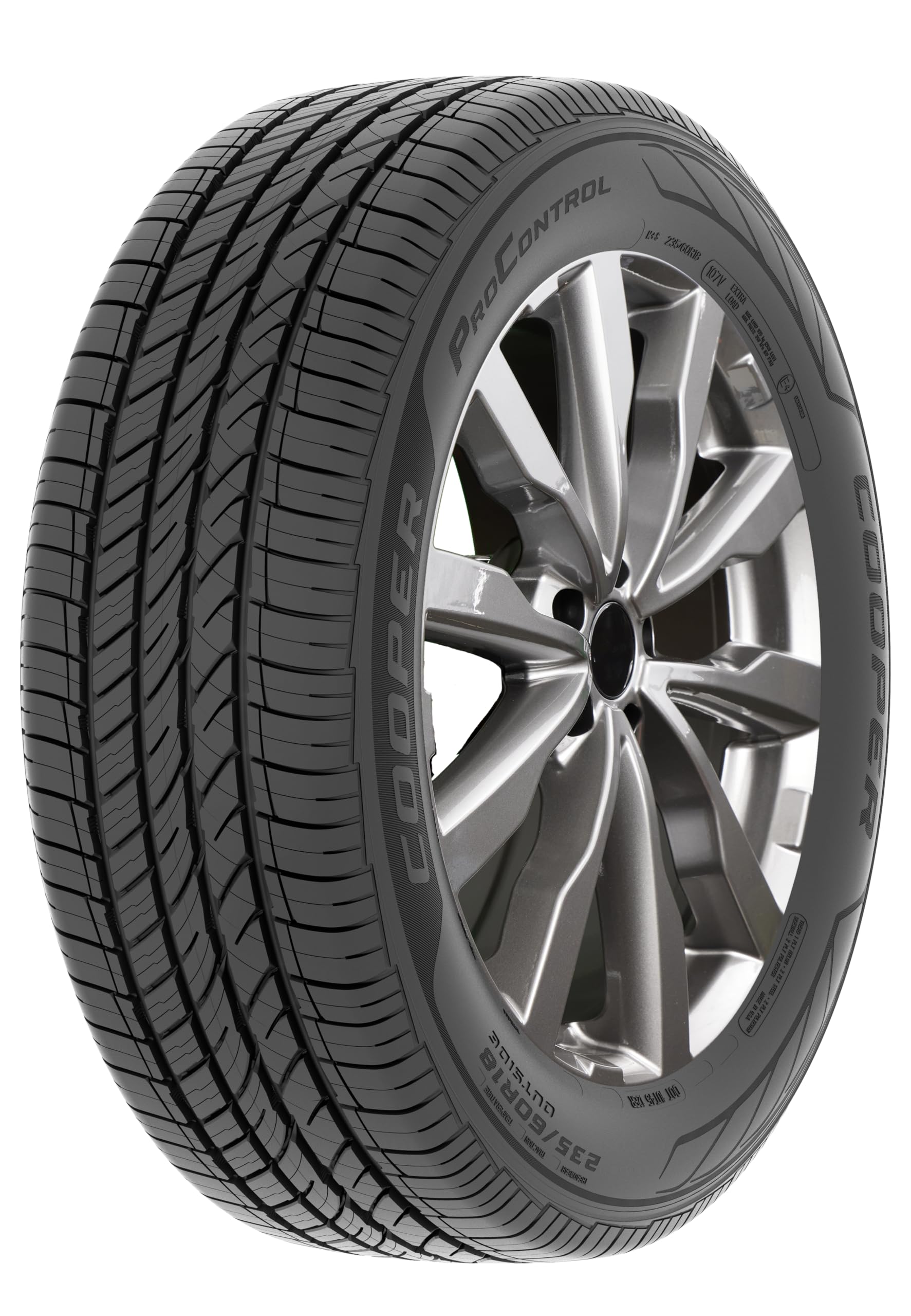
5. Cooper ProControl All Season 245/50R20 102V SL Tire
Crisp steering and a ride that improves on the tires your car came with
Cooper engineered this one around an idea most tire buyers never think about: the tire should feel sharp at the end of its life, not just the beginning. The tread is designed to wear evenly so handling stays consistent at every turn, straightaway, and stop light. The sipes widen as the tire wears — a clever trick that keeps grip on the road even as the tread thins. Sweeping grooves help water evacuate to keep wet traction strong, and at 32.9 pounds per tire it is the heaviest option in this lineup, which is consistent with the solid, planted feel owners describe.
What you get on top of the driving feel is coverage. A 70,000-mile limited treadwear warranty and a 45-day satisfaction guarantee give you real room to test the tire on your own roads before you commit. Several owners have used it across two vehicles and describe solid, comfortable rides with no delamination — the tire holds together under sustained use. Quiet interstate cruising is a specific strength, and one driver put it simply: “the ride is pretty smooth” once broken in.
The one honest caveat is noise later in life. Once you get deep into the tread — one owner cites 30,000 to 35,000 miles — the cabin can pick up a little more road drone. Aggressive handling and stopping are also not as sharp as its premium sibling, the Pirelli, which beats it on outright grip feel. If you drive a performance crossover and want maximum bite, look at the Pirelli; if you want a comfortable, long-lasting daily tire with a generous satisfaction window, the Cooper is a smart pick.
what separates it: the wear-even tread design keeps handling consistent for thousands of miles, and the sipes widening over time is a genuine engineering answer to worn-tire grip loss.
One trade-off to know: road noise increases noticeably as the tread wears down, so owners with noise sensitivity should rotate on schedule.
Choose this for: comfortable daily driving across multiple vehicles, backed by a 70,000-mile warranty and a test window you can actually trust.
Consider the Pirelli instead if maximum wet-handling sharpness and razor-crisp steering response top your list.
6. Continental 245/50R20 102H CrossContact LX25 BW

The rain specialist that also refuses to give up its treadlife
For drivers who see a lot of rain — Pacific Northwest, Gulf Coast, mountain summer storms — this is one of the strongest wet-weather tires in the lineup. It is built for short braking distances on wet roads, and the tread is designed to hold its grip as it wears, which is why one owner said “they still have enough tread to go another 10K miles or so” after 51,000 miles on a Maverick Hybrid. It also carries up to 70,000 miles of limited manufacturer tread life coverage and uses Continental’s EcoPlus Technology, a design approach the manufacturer says saves fuel, tune range, and extends treadlife.
At 30.9 pounds with a 102 load index — 1,874 pounds per tire — the LX25 sits in the middle of the weight range here and is rated for the same weight capacity as the Pirelli and the Cooper. It is an H-rated tire, so its sustained speed ceiling is lower than the V-rated options, but for every normal street-driving scenario it is more than sufficient. Owners repeatedly praise how the tire holds up in varied weather, including snow, and safety features get specific mention — one buyer pointed out the protective rim lip that keeps your alloy wheels off the curb.
The trade-off is a familiar one: it is not the cheapest tire here, and Continental does not claim top-tier dry handling. If you want the sharpest dry-road steering, the Pirelli or the Cooper will feel crisper. But if wet-road confidence is your priority and you want a tire that keeps going through multiple seasons, the LX25 is one of the picks worth paying for.
This is your tire if you drive in wet climates and want short wet-road braking distances backed by a 70,000-mile warranty.
Choose a different pick if you want razor-sharp dry-road steering feel or you need the higher speed rating that the V-rated options here provide.
7. Michelin Defender 2 245/50R20 105H XL

The treadlife champion — built for families who keep their vehicles for years
If you keep your SUV for the long haul, the Defender 2 is the tire to consider. Michelin redesigned this model specifically around long treadlife for modern passenger cars and crossovers, and it is the only tire in this lineup backed by an 80,000-mile limited mileage warranty — the longest coverage here. As an extra-load tire at a 105 load index, it is rated for 2,039 pounds per tire, matching the General Altimax RT45 on weight capacity. At 31.4 pounds with a 50 psi maximum pressure rating, it sits comfortably in the mid-weight range.
The small details matter for the everyday driver. It is engineered to be quiet and comfortable, and the all-season safety design covers the wet and dry conditions most commuters actually face. Owners describe it as long-lasting and quiet, with a ride noticeably quieter than factory tires — one Lexus RX driver specifically called it “top grade.” A family that has owned the Defender 2 across multiple vehicles reports everyone being satisfied with the ride quality and handling.
Be aware that this is a relatively new tire with a smaller review base, so the long-term durability record is shorter than the established picks here. It is also positioned with a premium price, and its speed rating is H rather than V, which will not matter for most commuting but does matter if your vehicle requires V-rated tires. One owner did report a sidewall tear deep into the tire’s life — an outlier, but a reminder to inspect sidewalls regularly.
The strongest argument for it: no tire here matches the 80,000-mile warranty, and for a family vehicle kept past 100,000 miles that coverage is a genuine hedge against premature wear.
A fair caution: the smaller review base means less long-term data than the well-established picks, so think of the Defender 2 as a bet on Michelin’s engineering consistency rather than a proven track record — check your vehicle’s speed rating requirement before ordering.
The pick for you if you want the longest manufacturer warranty here and drive a family crossover you plan to keep for years.
Hold off if your vehicle requires a V speed rating — this one is H-rated.
8. MICHELIN CROSSCLIMATE2 A/W 245/50R20 105V XL

The tire that laughs at slush and refuses to slip on a rain-soaked turnpike
When snow actually happens where you live — not just an occasional dusting — this is the all-season tire that erases most of the reason people buy winter tires. The CrossClimate2 is designed for every climate condition, with excellent wet and dry braking, and Michelin says it stops shorter than four leading competitors in dry and wet conditions and lasts up to 15,000 miles longer. It carries the same 105 load index as the Defender 2, rated for 2,039 pounds per tire, with a V speed rating and an extra-load sidewall — and it weighs 31.4 pounds, matching the Defender 2 exactly.
Real-world snow reports are the reason this tire has fans. A Ford Explorer Platinum AWD owner drove through 12 to 18 inches of snowfall with 4 inches on the ground and reported the vehicle “couldn’t fishtail or slip.” A crossover driver on monthly PA turnpike and Appalachian trips who switched from Pirelli Scorpions says the CrossClimate2 feels “glued to road in wet” and handles mild snow with ease. One owner is on their third set in six years. The wet-road grip specifically is what keeps buyers coming back.
Know what you are buying. This is a premium-positioned tire with a smaller review base, and it carries a 50,000-mile limited mileage warranty — noticeably shorter coverage than the Defender 2’s 80,000-mile warranty, despite the higher price. That is the trade: you are paying for the all-weather compound and the dry/wet/snow performance, not the longest treadwear promise. If your biggest concern is minimum miles per set, the Defender 2 is the better-matched pick. If confident all-weather traction is worth the premium, this is the one.
Why drivers commit to it
- Confident snow traction — customers note driving through deep snow without losing grip
- Wet-road braking that feels locked to the pavement, especially on slick highways
- 105 load index with V speed rating gives you a higher weight capacity and a higher speed ceiling
The honest trade-offs
- 50,000-mile warranty is shorter than the Michelin Defender 2’s coverage despite the higher positioning
- Premium pricing puts it at the top of this lineup
- Fewer owner reviews than the more established picks, so long-term data is still building
Buy this one if you drive where snow actually accumulates and you want all-season convenience without sacrificing winter grip.
Pass if you rank treadwear-dollar value above all-weather performance — the Defender 2 covers that ground for less.
9. HANKOOK 245/50R20 102V HANKOOK H452 VENTUS S1 NOBLE2 BW

An OEM-quality fit that beats the premium brands on value, not on price
Plenty of drivers just want to replace the tires their car came with, at a fair price, without compromising on the ratings. That is exactly what the Ventus S1 Noble2 is built for. It is a 102 load index, V speed rating — the same 1,874 pounds per tire and the same speed ceiling as the Pirelli and the GT Radial — at 31 pounds per tire, right in the middle of the weight range. If your car’s original fitment was this exact tire, mounting is a straight swap. Value for money is the most-praised trait by a wide margin, so treat it as a strong pick for anyone working to a budget.
The honest trade-off is durability. Some reviewers point out strong wear, others say the tire did not last long, and one Highlander driver noted a small fuel-economy dip versus the OEM Toyo tires. It is not the quietest tire in this lineup either, though it is described as quiet on most roads. If you drive a performance car and want maximum bite, look at the CrossClimate2 or the Defender 2; if you want an OEM-quality all-season at a value price with V-rated confidence, this is a strong pick.
Where it wins: matching V speed rating and 102 load index at an entry-level price point, backed by owners who compare it favorably to tires costing significantly more per tire.
Where it asks for discipline: treadwear is variable — regular rotation and alignment keep it honest, and owners who keep up with maintenance consistently get the better outcome.
The one for you if you want OEM-level fitment and spec at an entry-level price and your vehicle calls for a 102V tire.
Look elsewhere if you rank treadlife and cabin quiet above everything else — the premium picks here hold those edges.
Understanding the Specs
Load Index Explained
The load index is a code that tells you how much weight a single tire is rated to carry. A 102 index handles 1,874 pounds; a 105 index handles 2,039. That difference matters when you load a heavy SUV or tow regularly with a full complement of passengers and gear. Always check the door-jamb placard on your vehicle to see what index the manufacturer specifies — going lower than the spec is not safe, but going to the next index up is fine.
Speed Rating Explained
The letter after the load index — H, V, or beyond — tells you the maximum sustained speed the tire is engineered to handle. An H rating covers typical highway driving, while a V rating handles a higher ceiling for vehicles built with more performance in mind. If your car’s manual specifies V, sticking with a V-rated tire is the right move. Mixing speed ratings on the same axle is not recommended, so replace tires in pairs at minimum.
Tread Sipes and Water Evacuation
Sipes are the thin cuts molded into the tread blocks. They open up as the tire contacts the road, creating biting edges that improve grip on wet and snowy surfaces. Full-depth sipes continue working as the tire wears, whereas shallow ones lose effect once the tread wears below them. Shoulder channels and sweeping grooves push standing water away from the contact patch to reduce hydroplaning risk on wet roads.
Treadwear Warranty vs Real-World Lifespan
A limited treadwear warranty is the manufacturer’s coverage estimate for how long the tread should last under normal driving. Warranties in this category range from 50,000 miles up to 80,000 miles. The warranty only stands if you rotate on schedule, keep the alignment in spec, and drive within the tire’s rated conditions. It is a useful comparison number, but not a guarantee — your actual miles will depend on your vehicle weight, road surface, and driving style.
FAQ
Will a 245/50R20 tire fit my vehicle?
Do I need to replace all four tires at once?
What is the difference between an H and a V speed rating?
Is the 105 load index better than a 102?
Can I use all-season tires in the snow?
How long do all-season tires typically last?
Do I need to rotate all-season tires on a schedule?
Can I mix all-season tires with winter tires on the same vehicle?
Is a quieter tire worth paying more for?
Final Thoughts: The Verdict
For most drivers shopping 245/50r20 all season tiresPirelli Scorpion All Season Plus 3 is the pick to make — it earns the top spot on 4.6 stars across 800+ ratings because it pairs real wet-and-dry grip with a quiet, planted ride that makes family crossovers feel better than new. If mountain snow and all-weather confidence matter more than a long warranty, grab the Michelin CrossClimate2. And if maximum treadwear coverage is your priority, the Michelin Defender 2 and its 80,000-mile limited warranty is the one to reach for.
The single nudge worth making: before you order anything, confirm your vehicle’s door-jamb placard calls for 245/50R20 and the load index and speed rating match your factory spec. Tire sizing is unforgiving — a beautiful tire in the wrong size does nothing for you. Once the size checks out, every option above is a sound buy — you are just choosing the trade-off between wet grip, quietness, treadlife, and warranty that suits how you actually drive.
How We Picked
We do not accept paid placement. Every pick is matched to a real buyer and a real use-case; we do not hands-on test units.
Sources & Methodology
Specifications: manufacturer listings and product documentation. Review insights: verified customer reviews, as of September 2026. Pricing: not shown on this page (it changes often); check the current price via the retailer link.
As an Amazon Associate, Gadgets Feed earns from qualifying purchases. This does not affect which products we feature.