
Our readers keep the lights on and my morning glass full of iced black tea. As an Amazon Associate, I earn from qualifying purchases.
Specs are compiled from manufacturer listings and verified buyer reviews and can change over time — please confirm the key details on the product page before buying.
You order a shrub online picturing a full, leafy bush, and a box shows up with a bare stick and a bag of damp soil. The fix is simpler than the marketing: the plant that survives your first month was grown in the right hardiness zone (the climate range where a plant can live through winter), shipped at the right time of year, and potted in a size big enough to hold real roots. Below are nine live bushes that real buyers have planted, bloomed, and kept alive, so you can pick the one that fits your yard instead of reordering the same disappointment twice.
I’m Min — the founder and writer behind Gadgets Feed. This guide is built by comparing the manufacturers’ published specifications and the patterns across verified customer reviews, so you get each pick’s real strengths and trade-offs instead of marketing spin.
Zone fit, pot size, and shipping season decide whether a shrub thrives or sulks, and every pick below is judged on those three things first. That is exactly how this breakdown of the bushes for backyard shortlist is organized.
Our Picks at a Glance


How To Choose Bushes For Backyard
Every dead-on-arrival shrub story starts the same way: the plant was a fine plant, it just went into the wrong yard, the wrong month, or the wrong size hole. Get three things right and live shrubs are remarkably forgiving.
Match the hardiness zone before you fall for the flowers
The USDA hardiness zone (a number that tells you the coldest winter temperature your area reaches) is the first filter, not the last. Zones 3-8 shrubs like spirea and panicle hydrangea shrug off a hard freeze, while a tropical hibiscus sold as a patio star wants a frost-free climate and behaves as a tender annual anywhere colder. Buy outside your zone and you are renting the plant for one season.
Bigger pot means a bigger head start
A 2-gallon or 3-gallon nursery pot holds far more established root mass than a 1-gallon or a 4-inch pot, and that root mass is what fuels the first year. Bare-root and tiny-pot plants can catch up, but they spend their first season building roots instead of putting on height. If you want a shrub that looks planted rather than newly stuck in the ground, start with the larger pot.
Buy for the season you actually plant in
Shrubs ordered mid-fall through mid-spring often arrive dormant, meaning leafless and twiggy on purpose so the plant survives shipping. That is normal, not a defect. If a fully leafed-out box matters to you, order in spring or summer; if you are planting cool-season and want the best root establishment, a dormant plant is often the stronger buy.
Decide if you want berries, blooms, or groundcover
Fruiting shrubs, flowering shrubs, and spreading groundcover shrubs need different spacing, different sun, and different expectations. A blackberry bush earns its space with fruit; a drift rose spreads low and wide along a walkway; a panicle hydrangea needs room to reach its mature width. Knowing which job the bush has saves you from planting a 6-foot spreader two feet from the fence.
Quick Comparison
| Model | Best For | Hardiness Zones | Mature Height | Pot Size | Amazon |
|---|---|---|---|---|---|
| Southern Living 2 Gal. Obsession Nandina Shrub★ Best Overall | Year-round red color with almost no upkeep | 6-10 | 48 inches | 2 Gal. | Amazon |
| Knock Out 2 Gal. Rose Pink ShrubPatio Favorite | Repeat pink blooms spring through fall | 5-11 | 48 inches | 2 Gal. | Amazon |
| Perfect Plants Apache Thornless BlackBerry BushBest for Fruit | Homegrown berries in the first year | 6-9 | 6 feet | 1 Gal. | Amazon |
| Fiesta Hibiscus Bush | Patio and balcony tropical color | — | 3 feet | 1 Gal. | Amazon |
| Perfect Plants Coral Drift Rose Bush | Low spreading color along walkways | — | 1-2 ft | 1 Gal. | Amazon |
| Proven Winners 2 Gal. Double Play Doozie Spirea Shrub | Cold-climate hedge and border filler | 3-8 | 24 inches | 2 Gal. | Amazon |
| Clovers Garden Lantana Camara Flowers – Two (2) Live Plants | Pollinator-friendly color in small spaces | All US Zones | — | 4″ Pots | Amazon |
| Proven Winners 2 Gal. Blue Chiffon Rose of Sharon Shrub | A tall flowering privacy screen | 5-9 | 96 inches | 2 Gal. | Amazon |
| First Editions 3 Gal. Vanilla Strawberry Hydrangea Shrub | Big, room-filling panicle blooms | 3-8 | 72 inches | 3 Gal. | Amazon |
In‑Depth Reviews
1. Southern Living 2 Gal. Obsession Nandina Shrub
Our pick — over 4.5★ from 900+ verified ratings; the strongest balance of quality and price.
A nandina that holds bright red foliage year-round, not just for a six-week autumn window.
If you want a border plant that looks intentional all twelve months, this is the one. The Obsession Nandina throws bright red foliage year-round rather than for a six-week window, so your yard never slides back into a green wall. It comes as two plants in 2-gallon pots — that is one more live shrub in the box than the Knock Out Rose Pink offers, which ships as a single plant in the same 2-gallon size.
Weighing 8.8 pounds against the Apache Thornless BlackBerry at 5 pounds, the Nandina carries noticeably more root and soil into your ground, and that mass is why it settles in fast under a light routine. Water twice a week until it is established, then drop to once a week. It is rated for USDA zones 6-10 and handles sun to part shade, so a spot that gets brutal afternoon light still works.
Growers describe these as arriving moist and healthy, the way a good nursery would hand them over, with the red highlights already showing from the start. What wins people over is the color — it is the first thing they mention by far — with the lush look and overall plant vigor close behind. The one consistent caveat is size: some buyers feel the pot runs smaller than the label suggests, especially next to an equally sized lemon lime Nandina. An occasional box also arrives less full than hoped, though that reads as rare rather than routine.
What buyers keep coming back to
- Red foliage holds up across every season instead of one bloom window
- Two 2-gallon plants arrive together, so you can split them across a bed
- Zones 6-10 coverage and sun-to-part-shade tolerance cover most yards
- Watering settles into a simple twice-weekly, then once-weekly rhythm
Worth knowing before you order
- Some buyers find the delivered size smaller than the 2-gallon label implies
- No blossoms — this plant earns its place on foliage, not flowers
The call: the strongest all-round pick here for anyone who wants structure and color without a blooming calendar to manage.
Think twice if: you are shopping specifically for flowers or fruit, since this one is grown purely for that red leaf.
2. Knock Out 2 Gal. Rose Pink Shrub
A repeat-flowering rose that keeps pushing new buds out long after the first pink wave fades.
For a yard that should look colorful from spring through fall, this shrub does the heavy lifting with double pink blooms on a 48-inch frame. The zone range is the wide part: USDA 5-11, which reaches further north and further south than the Obsession Nandina’s 6-10 window. Water twice a week until established, then once a week, and it settles into a low-effort routine.
The recurring rhythm buyers describe is quick to arrive — new growth and buds showing within days of a good watering, even a December planting in Texas pushing blooms. Owners talk about plants arriving bigger than pictured and full of flowers within a week on the patio. It is a single plant in a 2-gallon pot, so if you are filling a long border, plan on ordering more than one.
Deciduous is the word to sit with: this rose loses its leaves through winter, and boxes shipped mid-fall to mid-spring arrive dormant on purpose. A bare-looking box in February is not a failed order. Blooms do not hold for long individually, though fresh ones replace them steadily. That is the trade — shorter-lived individual flowers in exchange for a plant that keeps producing through the season.
Where it shines: blooms appear fast after planting, and the freshly arrived plant often already carries several buds ready to open.
The honest trade: single blooms fade quickly and the shrub ships bare in cold months by design.
Reach for this if: you want a rose that produces across the whole growing season and you are fine with winter dormancy.
Look elsewhere if: you need a shrub that stays leafy and green through the cold months.
3. Perfect Plants Apache Thornless BlackBerry Bush
A 1-gallon blackberry bush listed to produce a bushel of sweet fruit in its first year.
Here is the one pick in this lineup that earns its space with fruit. The Apache BlackBerry is a 1-gallon live plant that reaches 6 feet and is listed as producing a bushel in the first year of planting, with dark purple-black berries described as sweet. It is rated for USDA zones 6-9 and listed as drought tolerant once established, which suits warm southern yards.
Plant quality is what this one is known for, with healthy arrival a close second among the things buyers discuss most. The shipping details earn real affection — bamboo sticks hold the plant steady in the box so it does not shuffle around in transit. Growers describe plants putting on growth and flowering within weeks of a repot. One buyer’s half-barrel planters produced large, juicy, sweet fruit by the following June with no care given all year, though the second plant stayed weaker. Squirrels and birds are a real consideration; netting is a common workaround.
The name says thornless and the listing says thornless, but at least one buyer grabbed a section expecting a smooth stem and came away with cuts. Treat that as a handling note rather than a plant defect — check before you reach into the canes. Buyers in California, Arizona, and Hawaii cannot order it at all due to state restrictions, so confirm your address first.
Why it earns its spot
- Listed to fruit in the first year rather than waiting seasons for berries
- Grown in a family nursery in Florida and shipped nationwide with bamboo bracing
- Drought tolerant once established, helping it ride out warm-climate dry spells
- Organic material with no harmful sprays or chemicals listed on the plant
The fine print
- One reviewer noted thorns despite the thornless name — check before handling
- Cannot ship to California, Arizona, or Hawaii
- Fruit gets raided by birds and squirrels without netting
Buy it for: the household that wants edible harvest from the backyard, not just a pretty border.
Pass if: you live in a restricted state or want zero chance of a prickle near the picket fence.
4. Fiesta Hibiscus Bush – Live Hibiscus Flowering Plant
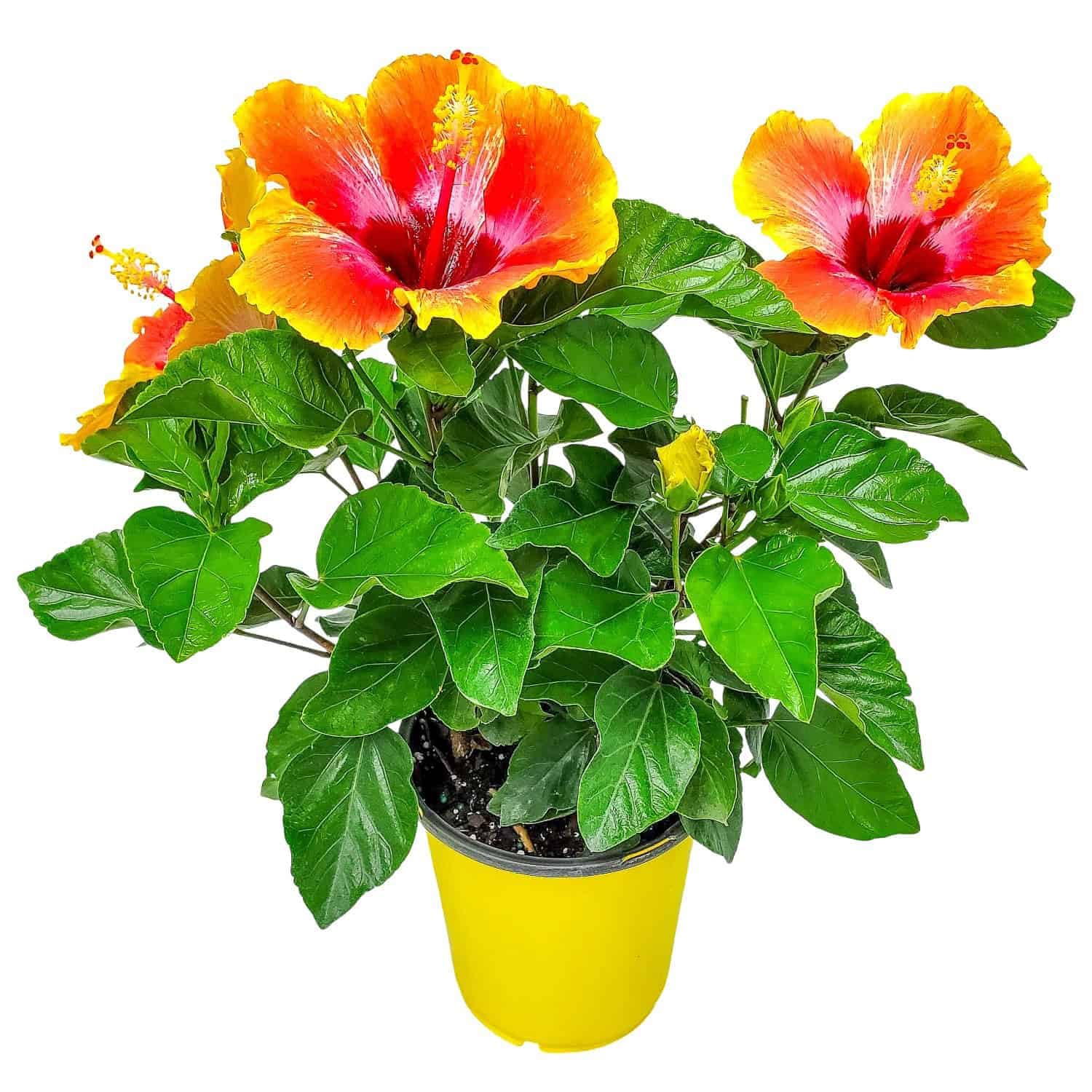
A 10-14 inch hibiscus for containers that reaches about 3 feet and blooms on a sunny patio.
Picture a plant that fits a balcony but still delivers a tropical display. The Fiesta Hibiscus arrives roughly 10 to 14 inches tall including its 1-gallon nursery pot, and is built for containers, small spaces, and patios. It reaches a mature height of about 3 feet, so it stays manageable where a full hedge would crowd the space. Foliage and plant health lead the conversation here, with bloom count close behind — the whole reason people buy it.
Owners in cold states are genuinely surprised by the outcome. One plant rode a four-day trip from Florida to Idaho and arrived healthy with two buds already formed, well-hydrated and carefully packed. If you are worried about ordering a live tropical sight-unseen, that is the reassuring pattern. This is not the biggest bloomer from the start, but the health reports are consistent and the leaves arrive glossy and clean.
The pot runs small next to the 2-gallon shrubs above, so sun and watering matter more in year one. Full sun is the listed need, plus regular watering to keep the soil consistently moist without drowning it. The maker’s own care note is clear: do not fertilize further if your plant arrives with the 30-day slow-release fertilizer already in the pot. White spots on leaves are reported as Neem residue from shipping, not a disease. One buyer waited months for a bloom in a greenhouse and found it worth the wait.
The overnight test: arrived intact from Florida to Idaho in four days and bloomed shortly after — that is the reliability most patio growers want to know first.
Keep in mind: frost-free warm climates suit it best, so cold-zone buyers should plan for a container they can move indoors.
Suits you if: you have a sunny patio, small planting bed, or balcony that needs bold color in a compact form.
skip it if: you want a bare-ground shrub that weeds out a border in a cold winter zone.
5. Perfect Plants Coral Drift Rose Bush, 1 Gallon, Live Plant

A 1-2 ft tall drift rose that spreads 2-3 ft wide along walkway edges in coral blooms.
Drift roses behave more like groundcover than classic roses — low to the soil, dark green foliage growing linear across the bed, spreading a bright coral color you can see from the walkway. Mature size is 1-2 ft tall and 2-3 ft wide, which makes this the right plant for edging a patio, flanking a gazebo, or softening a mulch bed. It ships as a 1-gallon live plant and includes easy-to-use rose food.
Quality and appearance are the two things buyers bring up most when they talk about this one. First blooms tend to show up around two weeks after planting, and owners with several drift roses in the ground describe them as fuss-free with a long bloom window. The coral shade ranks high among people who own multiple drift roses in different colors. The plant is listed as drought tolerant and winter hardy across all four seasons, so it does not demand a lot of babysitting.
The bump in the road is durability during those early weeks. The growth rate divides buyers — some report the plant flourishing while others describe it barely growing — and a handful of pots arrive brown and withered. Placing it in full sun with moderate watering once it is rooted is the difference between the two outcomes. For most, the plant settles in and blooms on schedule; the occasional disappointing box is the cost of shipping a live plant.
What makes the spread work
- Low-to-the-ground habit fills walkway edges and patio borders fast
- Drought tolerant and winter hardy, per the grower’s own listing
- First blooms appear roughly two weeks after planting
- Arrives with rose food included, so nothing extra is needed on day one
What to keep in mind
- A share of pots arrive withered, so sun and watering in week one matter
- Growth rate divides buyers — some pots barely move early on
- 1-gallon pot is smaller than the 2-gallon shrubs on this list
The right buyer: someone who wants a low rose that doubles as a groundcover spread and keeps blooming without constant attention.
Not the match if: you need a tall shrub in a hurry or you are looking for a specimen plant to anchor a bed.
6. Proven Winners 2 Gal. Double Play Doozie Spirea Shrub

A spirea rated for USDA zone 3 that blooms red-to-purple from spring to fall.
Zone 3 is the headline number. This spirea handles USDA zones 3-8, which opens it up to far colder yards than most of the bushes here — the Obsession Nandina stops at zone 6. It reaches 24-36 inches wide by 24-36 inches tall, with a recommended spacing of 24 inches between plants. Red-to-purple flowers bloom from spring to fall, and the shrub keeps its compact, well-shaped habit across the season.
Quality and health are what buyers reward this one for, and the reports back it up. Ships in a 2-gallon pot that is trimmed at times when shipped to promote plant health, arriving full and healthy with russet tips and blooms already showing on the branches. When one owner had to delay planting by three weeks until after a last-frost date, the shrub stayed alive on an enclosed porch and started blooming anyway. It is deciduous and ships dormant in deep winter and early spring, so a bare-looking arrival is expected.
The most common friction point is shipping given how heavy two 2-gallon pots are. One box arrived with insufficient packing around the weight, and the plants showed up scrunched. The other note worth sizing honestly: one buyer found this shrub arrived bone dry and anemic and needed about ten days of sun and watering to bounce back — a rough start, not a ruined plant. Prepare the ground as directed, water in the first week, and it usually comes around.
Hardy where most fail: a zone 3 label is rare for shrubs this showy, so it opens the category to cold-climate yards that were previously stuck with plain green hedging.
The weight tax: two heavy 2-gallon pots in one oversized box make shipping damage more likely than with a single-pot order.
Built for: cold-state gardeners who want a flowering hedge and a shrub that handles dormancy without drama.
Not the pick if: you want an instant bloom display or you are ordering in summer and expect leaves on arrival — this is deciduous.
7. Clovers Garden Lantana Camara Flowers – Two (2) Live Plants
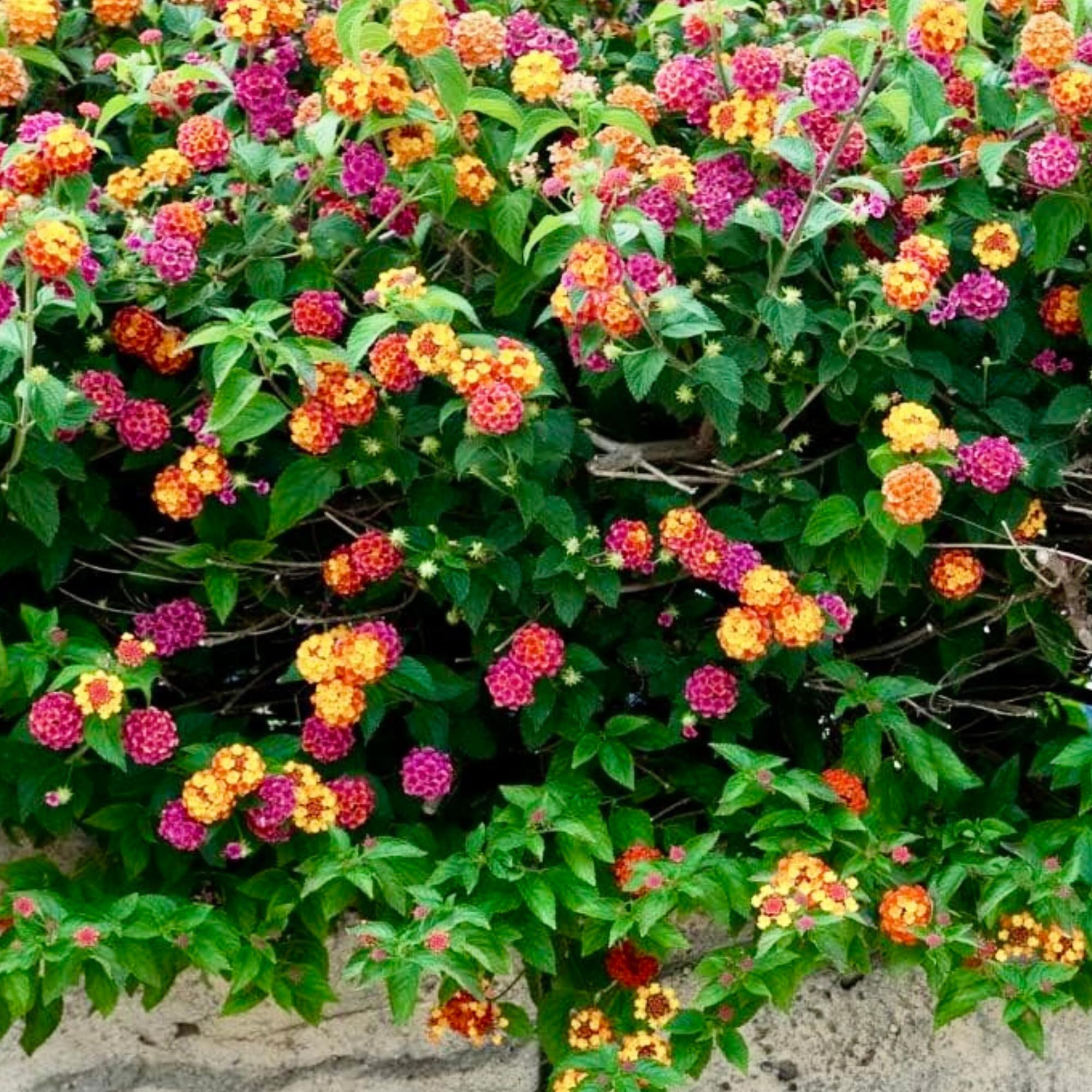
Two 4-inch lantana plants grown to attract hummingbirds and butterflies.
These are smaller specimens than the 2-gallon shrubs above: two live lantana plants, each 4 to 8 inches tall in a 4-inch pot. Lantana is grown to attract hummingbirds and butterflies, and the listing suggests it can form a protective planting barrier in the yard. It grows in containers, small spaces, balconies, patios, and large gardens, and can be planted in any US zone — treated as a tender annual in zones 9 and colder.
When these plants work, they really work. Owners in Kentucky planted them in late April and describe them as healthy with very little care, ordering a second round the following year. The 10x root development listed on the plant is meant to give them a running start, and appearance and overall healthiness are the strongest themes when buyers discuss this one.
Set expectations on the size and the color. Plants arrive small, and the specific hue of each is not guaranteed — the assortment can vary from the product image. The recurring complaint, and it is the biggest, centers on plants that did not survive the first week in some shipments. The same product also draws praise for healthy arrivals and careful eco-friendly packaging, so this one is a gamble that rewards good review-reading before you buy. Plant them in full sun with loamy soil and regular watering for the best odds.
The case for these two
- Attracts hummingbirds and butterflies, per the grower listing
- Two plants per order, both Non-GMO and free of Neonicotinoids
- Works in containers, small spaces, and balconies as well as beds
The variables to accept
- Only 4-inch pots — much smaller than the 2-gallon shrubs here
- A share of shipments die within the first week
- Bloom color is assorted and not guaranteed to match the listing photo
- Plant health is the most-discussed topic overall, and it runs negative
Fits best when: you want low-cost pollinator color for pots and small beds and can tolerate some replacement risk.
Might not fit: you want a shrub you can plant once and forget — the survival odds here are shakier.
8. Proven Winners 2 Gal. Blue Chiffon Rose of Sharon (Hibiscus) Shrub

A rose of Sharon that reaches 96-144 inches tall and blooms ice-blue from spring through fall.
The mature height is 96-144 inches, which makes this the tallest-sized pick on the list — the Fiesta Hibiscus, by comparison, tops out around 3 feet, so the size gap is enormous. Blue Chiffon reaches 48-72 inches across and would spread with a recommended spacing of 96-144 inches between plants. It handles USDA zones 5-9, full sun to part shade, and blooms spring through fall with a soft, layered flower that reads almost ice blue.
The two stories this shrub earns are quality and appearance, both talked about positively. Owners describe it arriving large and healthy with buds already on it — one buyer counted 10 buds ready to bloom — and it grows fast once in the ground. A grower in arid, high-altitude Colorado reported it performing beautifully despite alkaline soil, which is a common worry with this species. It ships dormant in winter and early spring, so a bare box in February is expected, not a problem.
The honest picture is that some shipments arrive dry and hot, with most of the blooms falling off once the box is opened. That is why buds and dormancy season matter when you order. Also worth knowing: this deciduous shrub drops foliage in winter, so do not plan it as a year-round screen. Pair it with an evergreen if you want coverage in the cold months. It is a bold, big plant for someone with the space; not a modest addition to a small bed.
Why height matters: 96-144 inches at maturity turns this into a natural screen for a porch, driveway, or side yard rather than a small border accent.
The shipping caveat: blooms can wilt or drop during a hot transit, so timing your order to cooler months helps preserve buds.
Choose this if: you have the room for a tall deciduous shrub and want blue blooms from spring through fall.
Don’t choose this if: you need a small plant, a compact container shrub, or something that stays green all winter.
9. First Editions 3 Gal. Vanilla Strawberry Hydrangea Shrub
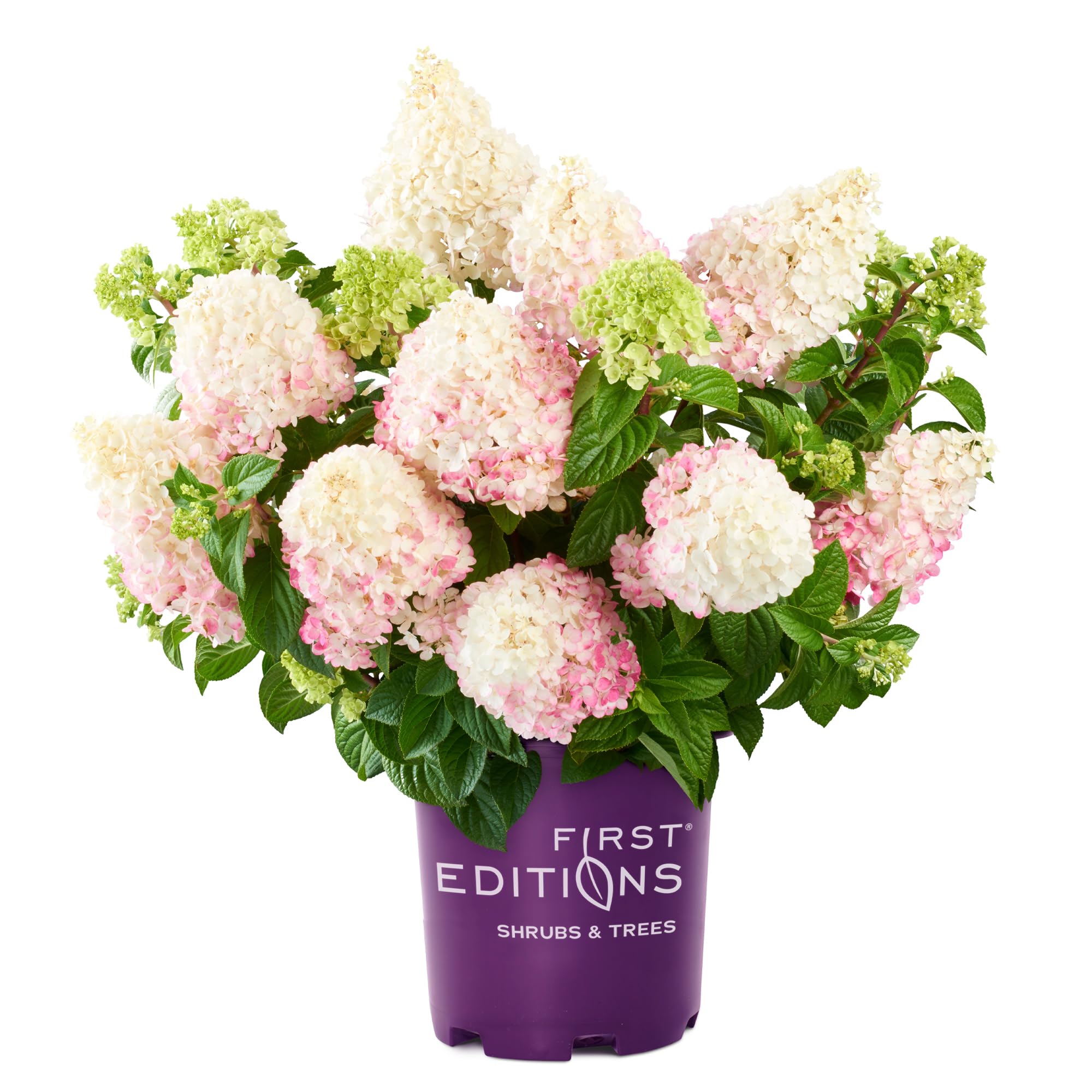
A 3-gallon hydrangea, the largest pot here, that arrives over 3 feet tall.
Bigger pot, bigger plant. This hydrangea ships in a 3-gallon container, the largest pot on this list, and weighs 11 pounds — noticeably heavier than the Apache BlackBerry’s 5 pounds. Mature size is 60-72 inches wide by 72-96 inches tall, with a recommended spacing of 60 inches. It handles USDA zones 3-8, full sun to partial shade, and blooms spring through fall with a white-to-pink flower show on a Vanilla Strawberry panicle hydrangea.
Size and appearance are the first things buyers mention, and the numbers back them up: over 3 feet tall and larger than expected on arrival. Owners describe a plant that doubled in size after planting and bloomed heavily within weeks. Packing is noted as careful — pot and soil bagged to keep the box tidy — and the plant perks up quickly with a good watering even if it arrives thirsty.
Know this before you buy: because plants are sometimes trimmed when shipped to promote plant health, an occasional specimen arrives with cut stems and no buds, so you get no flowers that same season. In that case you wait for next year instead of this summer. Buyers report a wide range of plant health, from thriving to nearly dead on arrival. That is the reality of shipping a living plant, and generous sun and watering once it lands go a long way.
What you are paying for
- 3-gallon pot is the largest on this list — an established root system on day one
- 72-96 inches tall at maturity anchors a large landscape bed
- Zones 3-8 and full sun to partial shade broaden the yards it will thrive in
- Ships with pot and soil bagged to prevent mess during shipping
What to weigh honestly
- Some plants arrive trimmed with no buds, pushing blooms to the next season
- Health on arrival varies, and a few buyers receive nearly dead plants
- Deciduous — no foliage through winter
- Needs the most room of any pick here, at 60 inches recommended spacing
Best for: gardeners with a big landscape bed who want the head start of a 3-gallon pot and can wait a season for the flowers.
Rethink it if: you want a compact shrub or you are shopping for a display this season right away.
Understanding the Specs
USDA Hardiness Zones
A hardiness zone is a number from 1 to 13 that tells you the coldest average winter temperature your area reaches — so a zone 3 shrub can survive a colder winter than a zone 8 shrub. When a plant is rated zones 6-10, it means that range is where it survives year-round without pampering. Buy outside your zone and you may be treating a shrub like an annual.
Nursery Pot Size (Gallons)
The gallon number on a nursery pot signals root mass, not just top growth. A 2-gallon or 3-gallon shrub arrives with more established roots and a bigger head start in the ground than a 1-gallon or a 4-inch pot. Bigger pots typically survive the first month more reliably, which is why the larger-pot picks anchor this list.
Mature Height and Width
The height and width a shrub reaches at maturity tell you where it can actually go — not how it looks in the box. A shrub that matures at 72-96 inches tall needs a completely different spot than one that tops out at 3 feet. Recommended spacing between plants follows directly from mature width, so match it to your bed size before ordering.
Dormancy and Shipping Season
Shrubs ordered mid-fall through mid-spring often ship dormant, meaning they travel with bare stems and no leaves on purpose to survive the trip. A leafless box in winter is normal. If you want blooms on arrival, order in the growing season and be ready to water thoroughly on day one.
FAQ
Will a shrub rated for zones 6-10 survive a colder winter than zone 6?
What does “ships dormant” mean when the box arrives without leaves?
Should I pick a 1-gallon or 2-gallon bush for a new backyard bed?
How often should I water a newly planted shrub?
Why do some bushes arrive with yellowing or spotted leaves?
Do these shrubs bloom in the first season after planting?
Is lantana a perennial or an annual in cold climates?
Can I plant these shrubs in containers instead of the ground?
Will the blackberry bush ship to California, Arizona, or Hawaii?
How far apart should I space shrubs when planting a backyard row?
Final Thoughts: The Verdict
Across the board, the bushes for backyard winner is the Southern Living Obsession Nandina because it delivers year-round color without a blooming calendar to manage and comes as two 2-gallon plants ready to split across a bed. If you want fruit instead of foliage, grab the Perfect Plants Apache Thornless BlackBerry Bush. And for a tall bloomer that screens the porch in the warmer months, the Proven Winners Blue Chiffon Rose of Sharon is the one to reach for.
How We Picked
We do not accept paid placement. Every pick is matched to a real buyer and a real use-case; we do not hands-on test units.
Sources & Methodology
Specifications: manufacturer listings and product documentation. Review insights: verified customer reviews, as of September 2026. Pricing: not shown on this page (it changes often); check the current price via the retailer link.
As an Amazon Associate, Gadgets Feed earns from qualifying purchases. This does not affect which products we feature.