
The constant transition between attic rafters, wet rooftops, concrete slabs, and muddy crawl spaces puts a unique strain on your footwear that standard construction boots simply aren’t built to handle. HVAC work demands a boot that balances heavy-duty safety toe protection with the flexibility to crouch, kneel, and pivot on uneven surfaces without turning your feet into anchors. Getting this wrong means blisters, fatigue, and lost time scheming about your feet instead of focusing on the condenser.
I’m Min — the co-founder and writer behind Gadgets Feed. This guide exists because I’ve spent countless hours analyzing the specific technical specs, user feedback, and real-world performance metrics that separate a boot that survives the season from one that fails by lunch.
After combing through hundreds of verified reviews and cross-referencing key specs like weight, waterproofing, and insulation, I’ve assembled the definitive roundup of the best boots for hvac work to save you from buying a boot that will cost you more in downtime than it does at checkout.
How To Choose The Best Boots For HVAC
Choosing the wrong work boot for HVAC is a recipe for knee pain, wet socks, and a general hatred for your job before 10 a.m. You need a boot that handles the specific trifecta of the trade: wet environments, hot surfaces, and constant walking on hard, unyielding surfaces.
Fit And Toe Room
HVAC technicians spend hours on their feet, often on concrete. A boot that pinches your toes or lacks a wide enough option will cause foot fatigue and long-term issues. Look for brands that offer wide sizing and a roomy toe box, especially if you wear thicker socks in winter. The right fit means your toes have wiggle room but your heel doesn’t slip.
Waterproofing And Insulation
You will step in water — on rooftops, in flooded basements, or around dripping condensate lines. A boot with a waterproof membrane (like KEEN’s internal bootie) keeps you dry, but it must also breathe to prevent sweat buildup. Insulation is critical for outdoor winter work but can be a liability in hot attics. Choose a mid-level insulation or a non-insulated boot with room for a wool sock.
Outsole And Traction
Slip resistance isn’t a luxury; it’s a safety requirement when navigating wet sheet metal, icy ladders, or oil-stained garage floors. Look for outsole rubber compounds that are specifically rated for oil and slip resistance. A deep, aggressive tread pattern is essential for mud and grass, but a flatter, high-surface-contact sole delivers better grip on smooth, wet concrete.
Quick Comparison
On smaller screens, swipe sideways to see the full table.
| Model | Category | Best For | Key Spec | Amazon |
|---|---|---|---|---|
| KEEN Utility Flint 2 | Mid | Roomier toe box and lightweight feel | 17 oz / steel toe / waterproof | Amazon |
| Timberland PRO Pit Boss | Mid | Classic style with steel toe protection | Goodyear welt / 6″ height | Amazon |
| Ariat Rebar Lift | Premium | Zero break-in and all-day comfort | Composite toe / waterproof | Amazon |
| Wolverine Overpass | Premium | Long-term durability in wet conditions | Composite toe / waterproof | Amazon |
| Bekina Steplite EasyGrip | Premium | Lightweight rubber Wellington for wet work | SRC certified / steel toe / 2.2 lbs | Amazon |
| Cat Footwear Striver | Mid | Durable steel toe at a fair price | Steel toe / slip resistant | Amazon |
| Carhartt Rugged Flex | Mid | Long-lasting value for concrete workers | 6″ height / steel toe / flex | Amazon |
| Hunthor Rubber Boots | Budget | Budget-friendly waterproof and insulated wellies | 6mm neoprene / steel toe | Amazon |
| BOIWANMA 510 | Budget | Entry-level steel toe with wide sizing | Steel toe / oil resistant | Amazon |
In‑Depth Reviews
1. KEEN Utility Men’s Flint 2
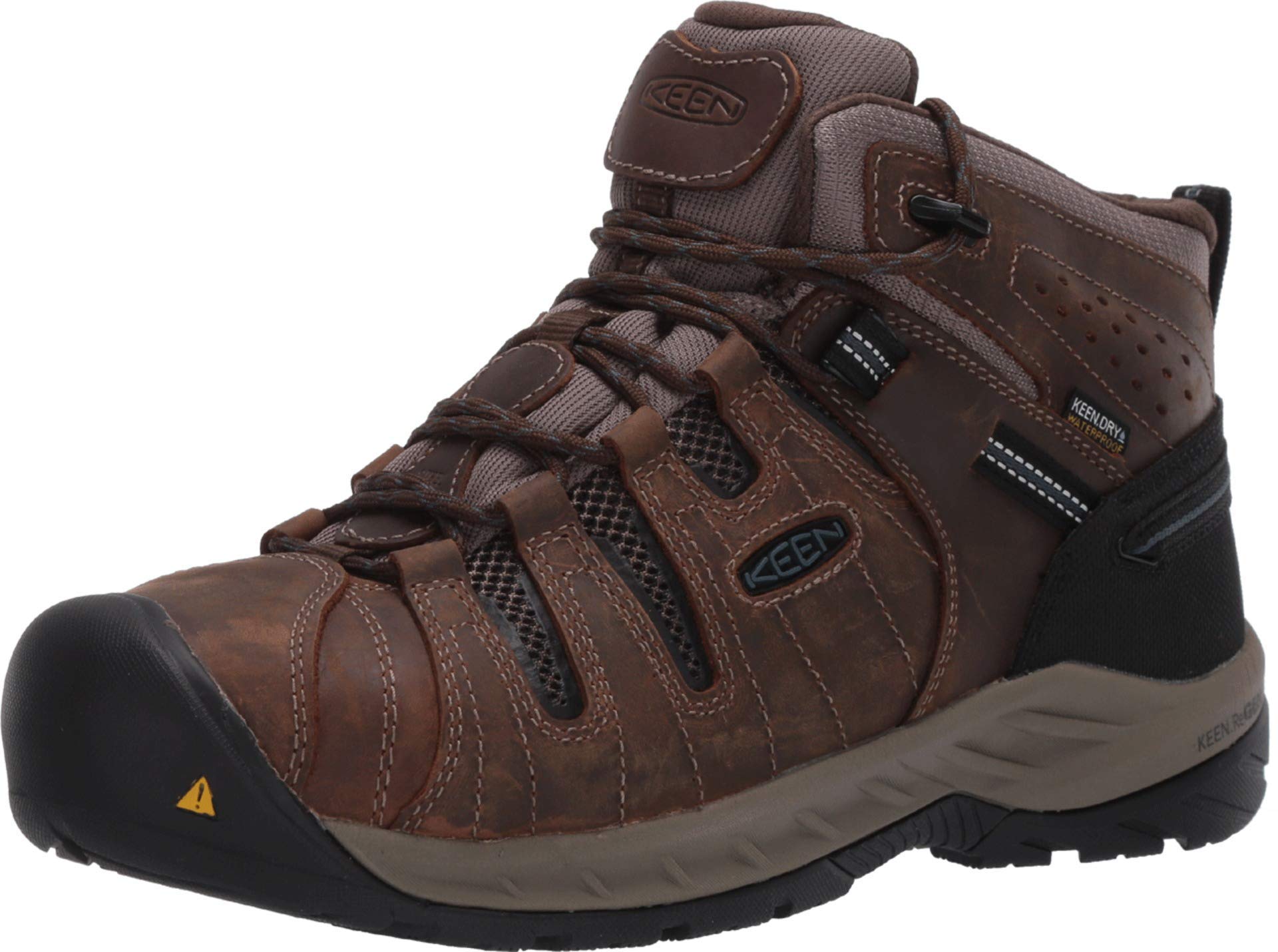
The KEEN Utility Flint 2 delivers the exact balance of comfort and protection that HVAC work demands. Its steel toe is surprisingly light at around 17 ounces per boot, reducing fatigue during long shifts on concrete. The roomy toe box is a standout feature for technicians who need to wiggle toes after hours of standing, and it accommodates wide feet without pinching.
Waterproofing comes from an internal bootie that seals out moisture effectively, though it does trap some heat—a trade-off that works well for outdoor winter calls but may feel warm during summer attic work. The outsole grips well on wet concrete and provides decent traction on icy surfaces, a crucial feature for rooftop ladder work.
Multiple users report the boots hold up well over months of heavy use, with the flexible design feeling more like a hiking boot than a clunky work boot. The mid-height cut offers enough ankle support for uneven terrain around construction sites without restricting movement. If you need one boot that does it all, this is it.
Why it’s great
- Roomy toe box reduces foot fatigue on concrete
- Lightweight construction for a steel toe boot
- Excellent grip on wet and icy surfaces
Good to know
- Internal bootie can trap heat in warm conditions
- Ankle area may rub with thin socks
2. Ariat Men’s Rebar Lift 6″
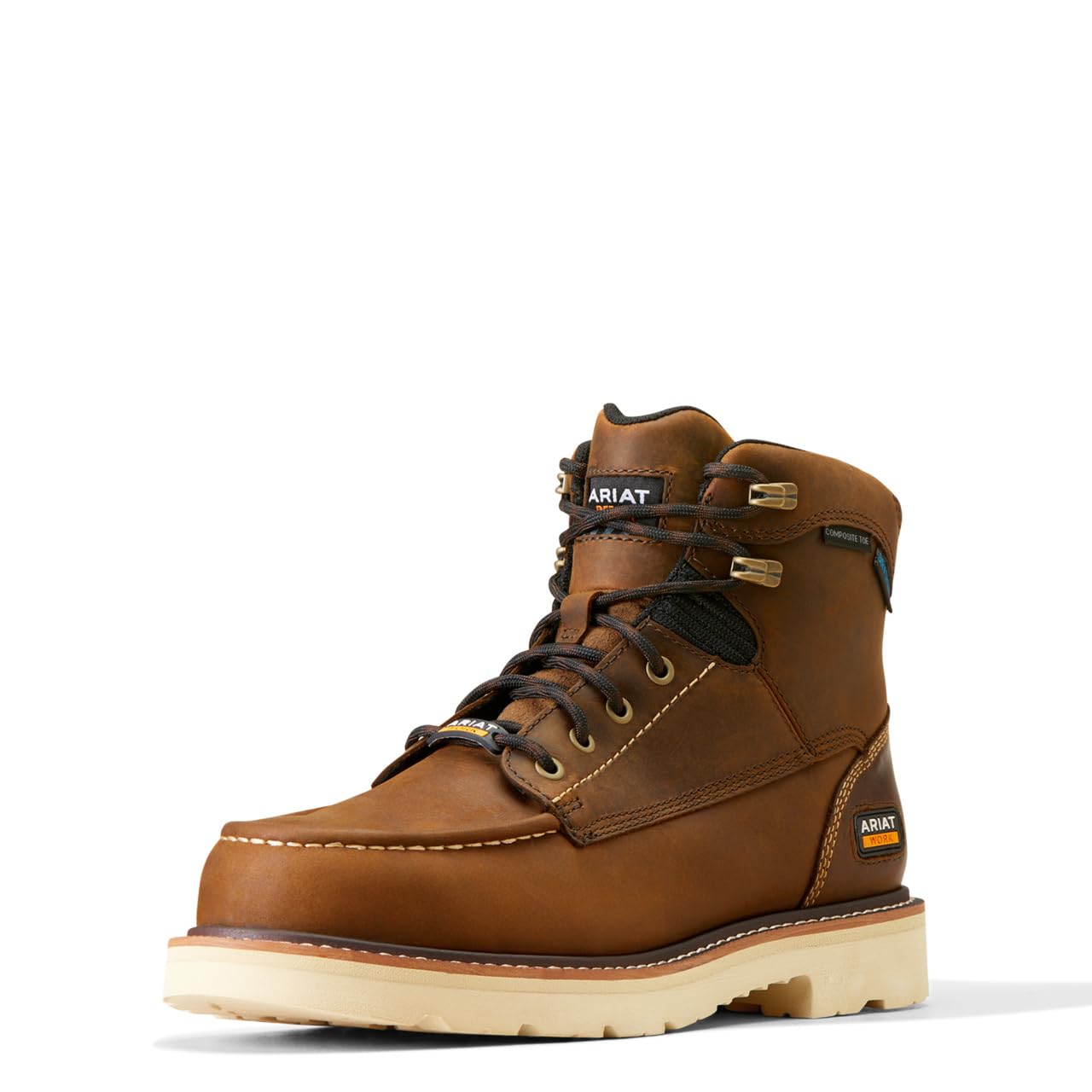
The Ariat Rebar Lift sets a new standard for immediate comfort in the premium category. Users consistently report zero break-in period—they’re comfortable from the first wear, which is a massive advantage for technicians who can’t afford a week of blisters while breaking in new boots. The composite toe provides the same impact protection as steel but weighs less and won’t conduct cold in winter.
Waterproofing is reliable enough to keep feet dry in blizzards and wet basements, while the triple-stitched leather construction promises long-term durability. The thick, oil-resistant outsole handles slick garage floors and wet concrete with confidence. The boot also looks presentable enough for service calls where appearance matters.
The snug fit provides excellent support from the sole through the ankle, which helps reduce fatigue when carrying equipment up and down ladders. The 6-inch height offers a good balance of ankle support and flexibility for kneeling to access panels and ducts. If you want a boot that feels broken in on day one, this is the pick.
Why it’s great
- Zero break-in period for immediate comfort
- Composite toe is lighter and non-conductive
- Triple stitching and thick leather for durability
Good to know
- Premium pricing places it at the top of the budget
- Snug fit may require half size up for thick socks
3. Timberland PRO Pit Boss

The Timberland PRO Pit Boss is a mid-range workhorse that gets the job done without flashy extras. Its Goodyear welt construction means the sole can be replaced when it wears down, extending the life of the boot significantly—a smart investment for technicians who burn through outsoles quickly on rough concrete. The steel toe is substantial and protective, though it adds noticeable weight.
This boot is not fully waterproof out of the box, but many users report that applying mink oil provides sufficient water resistance for light rain and wet grass. The hard rubber sole is tough and long-lasting, outlasting wedge-style soles in terms of tread life. The 6-inch profile offers a classic look that works equally well on the job site and after hours.
The fit runs slightly wide, which is a bonus for technicians with broader feet, but those with narrow feet may need to adjust lacing or use thicker socks. The toe box is roomier than traditional Timberland classics. For the price, you get a durable, repairable boot that holds up to daily abuse.
Why it’s great
- Goodyear welt allows sole replacement for extended life
- Classic style transitions from job site to casual wear
- Hard rubber sole provides excellent durability
Good to know
- Not fully waterproof without aftermarket treatment
- Heavier than many competitors due to steel toe and welt
4. Bekina Steplite EasyGrip S4
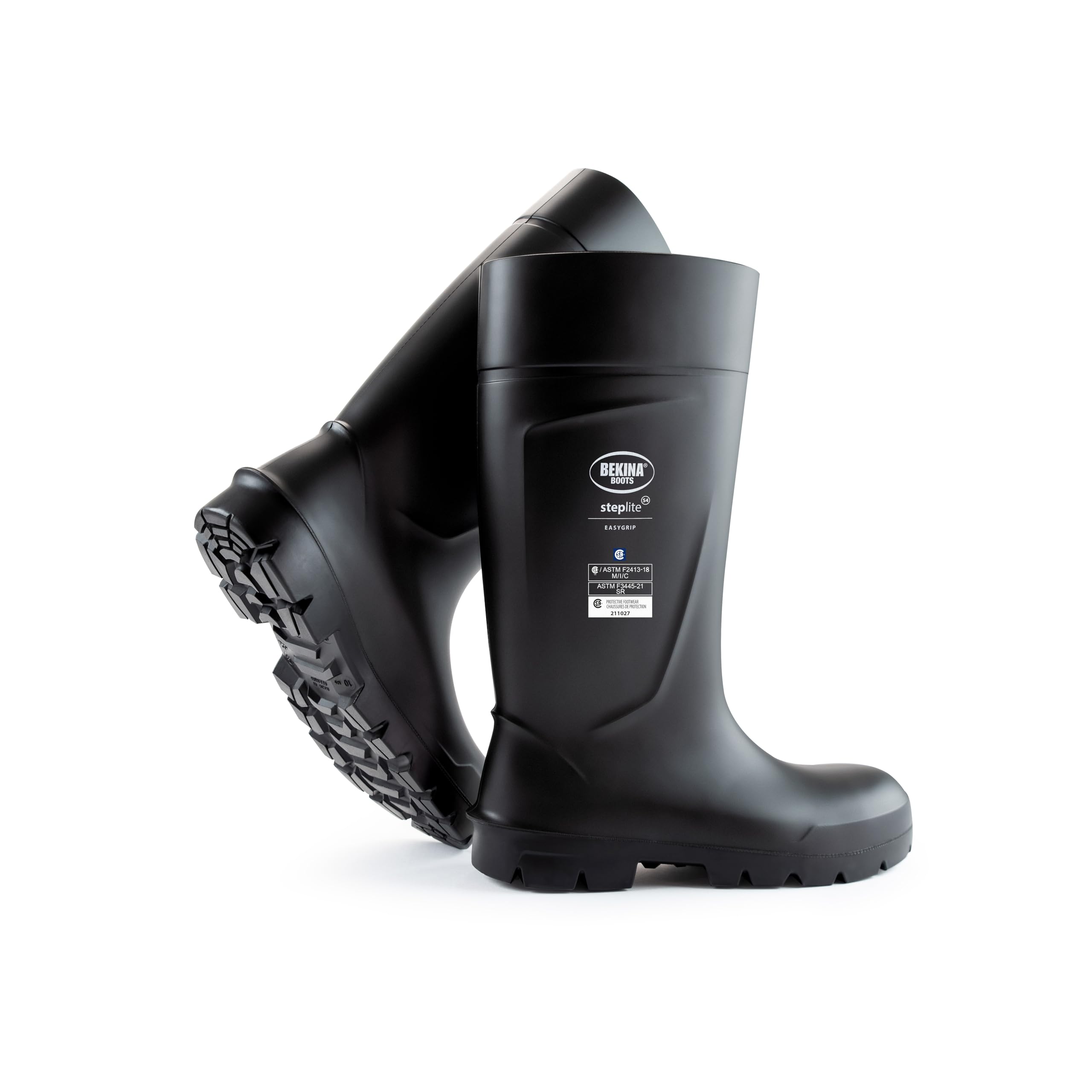
The Bekina Steplite EasyGrip is a lightweight rubber Wellington that excels in wet environments where leather boots fail. At roughly 2.2 pounds, these are dramatically lighter than traditional rubber boots, reducing fatigue during long shifts in water. The SRC-certified outsole provides excellent traction on wet, slick surfaces—a critical safety feature when working on wet rooftops or flooded crawl spaces.
The steel toe meets safety standards, and users report that the steel toe protects effectively against stubs and impacts. The boot is chemical-resistant, which is a bonus for HVAC technicians who encounter refrigerant oils and cleaning agents. The material is soft and flexible, allowing easy movement for kneeling and crouching, yet durable enough for construction sites.
One trade-off is that the fit can be tight across the top of the foot for those with high insteps or thick calves. The boots are not heavily insulated, so they’re best for warm-weather wet work or paired with thick socks in colder months. If you need a boot that keeps you dry and stable in standing water, this is the right tool for the job.
Why it’s great
- Extremely lightweight for a rubber Wellington boot
- SRC certified slip resistance on wet surfaces
- Chemical resistant for HVAC work environments
Good to know
- Tight fit for high instep or thick calves
- Not insulated enough for cold winter use
5. Wolverine Men’s Overpass Composite Toe

The Wolverine Overpass is built for technicians who need a boot that survives years of abuse. Verified reports from users in wet, icy lumber mills and industrial settings confirm these boots hold up for three years or more with the soles only half worn. The 100% waterproof membrane performs reliably in wet conditions, and the slip-resistant outsole provides good traction on icy ladders.
The composite toe offers impact protection without the weight penalty of steel, and it doesn’t conduct cold—a real advantage during winter rooftop work. Users describe the comfort as sneaker-like from day one, with no break-in period needed. The plastic lace eyes and laces hold up even in demanding environments where metal eyelets might corrode.
One long-term concern is that the inner padding can wear out over time, causing foot pain after extended use. Sizing can also be inconsistent, with some users reporting the boots run half an inch long. Despite these issues, the overall build quality and longevity make this a strong contender for HVAC professionals who want to buy once and forget about it.
Why it’s great
- Proven 3+ year lifespan in industrial conditions
- 100% waterproof membrane for wet work
- Sneaker-like comfort from the first wear
Good to know
- Inner padding may wear out before the outer shell
- Sizing can be inconsistent between pairs
6. Cat Footwear Striver Steel Toe

The Cat Footwear Striver proves that a budget-friendly price doesn’t mean sacrificing durability. Users report that these boots survive heavy use, including kicking concrete and climbing ladders, with no visible wear after a month of abuse. The steel toe is protective but the boot flexes enough that you don’t feel the steel unless you actually kick something solid.
The break-in period is rough—most users recommend a week of wearing two pairs of wool socks and applying mink oil to soften the leather. After break-in, the boots become comfortable for all-day wear. The slip-resistant outsole provides solid grip on concrete and metal surfaces, which is essential for navigating wet rooftops.
The boots run slightly heavy, but the weight becomes unnoticeable over time as you get used to them. Sizing is consistent, and the wide options accommodate thicker work socks. For the price, you get a boot that competes with brands costing significantly more. The only catch is the patience required during break-in.
Why it’s great
- Exceptional durability for the price point
- Steel toe doesn’t restrict flex during movement
- Reliable slip resistance on various surfaces
Good to know
- Rough break-in period requiring extra socks
- Heavier than premium competitors
7. Carhartt Rugged Flex 6″ Steel Toe
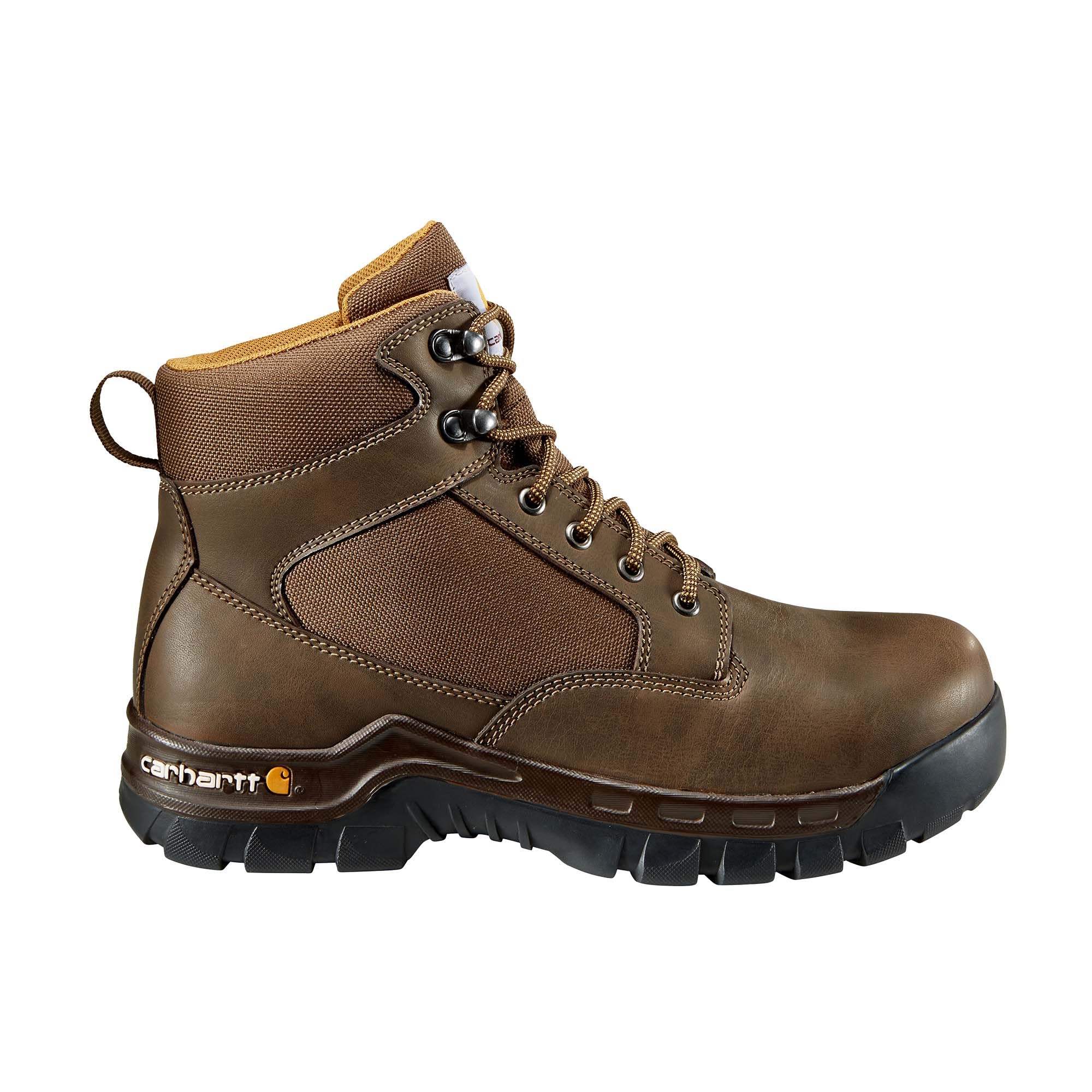
The Carhartt Rugged Flex is a mid-range boot that rewards patience with exceptional longevity for the cost. One verified review from a diabetic worker who stands on concrete all day reports these boots last a full year, compared to only 2-3 months from other brands. The steel toe fits well without crushing the foot, and the 10/10 ankle support is critical for preventing rolled ankles on uneven terrain.
The boot performs well in both winter and summer conditions—warm enough for cold days without overheating in warmer weather. The tread pattern provides reliable traction on concrete and steel surfaces. The flex technology allows a surprising range of motion for a steel toe work boot, making it easier to kneel and crouch during installations.
The one consistent complaint is the insole quality. Multiple users recommend replacing the stock insole with a premium aftermarket insole for about , which dramatically improves comfort. With that simple upgrade, this boot becomes a serious contender for the best value in the lineup. The wide toe option is a major plus for technicians with broader feet.
Why it’s great
- Proven to last much longer than budget alternatives
- Excellent ankle support for uneven job sites
- All-season versatility without extreme insulation
Good to know
- Stock insole is poor and needs replacement
- Requires break-in period like most leather boots
8. Hunthor Rubber Work Boots

The Hunthor Rubber Boot offers a budget-friendly entry point into waterproof insulated boots without compromising on essential safety features. It comes with a steel toe, 6mm neoprene insulation, and a puncture-proof shank—all for a price that undercuts premium brands significantly. Users working 12-hour shifts in standing water report completely dry feet and excellent warmth.
The rubber is thick and pliable, preventing the cracking that plagues cheaper wellies. The outsole provides good traction in wet conditions, and the boots are easy to slide on and off thanks to the top strap. For HVAC technicians dealing with flooded basements, wet crawl spaces, or outdoor winter work, these boots deliver reliable performance at a fraction of the cost of alternatives.
The main limitation is fit—users with thicker calves may find the boots too tight, and the steel toe combined with insulation can make the toe box feel snug. The boots are also not the most breathable, so they’re best reserved for wet or cold conditions rather than all-day wear in dry environments. For the price, the value proposition is undeniable.
Why it’s great
- Excellent value for a fully waterproof insulated boot
- Puncture-proof shank adds safety protection
- Thick rubber resists cracking in cold weather
Good to know
- Limited calf width may not fit everyone
- Low breathability for all-day dry wear
9. BOIWANMA 510 Steel Toe

The BOIWANMA 510 is the entry-level option that delivers surprising quality for its very low price point. Users consistently praise the fit and roominess, with one reviewer noting that his 6’5″ grandson swears by them. The boots come in sizes up to 17 in both medium and wide widths, making them one of the most inclusive options for technicians with larger or wider feet.
The steel toe provides adequate protection, and the leather construction looks more stylish than the price suggests. The boots are comfortable for all-day wear, especially after adding a thicker insole. For HVAC technicians on a tight budget or those who need an emergency backup pair, these boots fill the gap admirably.
The major trade-off is slip resistance. Multiple users report that the soles are not truly non-slip and leave black marks on light-colored floors. If your work involves walking on polished concrete, linoleum, or finished floors, these boots will disappoint. They’re best suited for rougher surfaces like gravel, dirt, and unfinished concrete where traction is less critical.
Why it’s great
- Exceptional value for the lowest price in the guide
- Wide sizing up to size 17 for larger feet
- Comfortable fit after simple insole upgrade
Good to know
- Not slip-resistant on smooth or wet floors
- Leaves black marks on lighter surfaces
FAQ
What is the difference between steel toe and composite toe for HVAC work?
How important is waterproofing for HVAC boots?
Should I buy insulated or non-insulated boots for HVAC?
Final Thoughts: The Verdict
For most users, the best boots for hvac winner is the KEEN Utility Flint 2 because it delivers the best all-around balance of lightweight feel, effective waterproofing, and exceptional comfort for long days on concrete. If you want a boot with zero break-in and premium materials, grab the Ariat Rebar Lift. And for wet environments where leather boots fail, nothing beats the Bekina Steplite EasyGrip Wellington.