
Our readers keep the lights on and my morning glass full of iced black tea. As an Amazon Associate, I earn from qualifying purchases.
Specs are compiled from manufacturer listings and verified buyer reviews and can change over time — please confirm the key details on the product page before buying.
Buying rice in bulk is one of those decisions that follows you around for months, because a fifteen- or twenty-five-pound bag sits in your pantry long after the glow of a good deal wears off. Get it right and you stop re-buying for months. Get it wrong and you are stuck with a sack of grains that clump, smell flat, or never cook the way you hoped. This comparison sorts nine widely-bought rice bags by what actually matters once the bag is open: grain type, freshness, and how reliably it behaves in a rice cooker or on the stove.
I’m Min — the founder and writer behind Gadgets Feed. This guide is built by comparing the manufacturers’ published specifications and the patterns across verified customer reviews, so you get each pick’s real strengths and trade-offs instead of marketing spin.
Long-grain, medium-grain, jasmine, and basmati all behave differently in the pot, and the bag that suits your kitchen depends on what you cook most weeks. Here is a clear, plain-English look at the standout bags of rice so you can pick the right sack the first time.
Our Picks at a Glance

How To Choose The Best Bags Of Rice
The single biggest mistake bulk buyers make is treating all rice as interchangeable. It is not — the grain variety decides whether your rice turns out sticky enough for chopsticks, fluffy enough for a curry, or separate enough for fried rice, and no amount of cooking skill fixes the wrong bag. Before you commit pantry space to a large sack, run through the four questions below.
Start With How You Actually Eat Rice
If sushi, poke bowls, or anything you eat with chopsticks lands on your table most weeks, you want a medium-grain rice that clumps just enough to hold together. Jasmine rice has a soft, sticky character that suits Thai and Vietnamese cooking. Basmati, by contrast, is aged to keep grains long and separate, which is why it shines in biryani, pilaf, and Indian or Persian dishes. Match the grain to your most-cooked meals first, then worry about everything else.
Match Bag Size To How Fast You Cook
A twenty-five-pound bag sounds economical until it sits half-used for a year. Cook for a household of four or more and a large sack makes sense; cook for two and a smaller bag keeps the grains fresher because you finish it sooner. The trade-off is real: bigger bags mean fewer reorders, but they demand cool, dry, airtight storage to stay at their best.
Weigh Purity Claims Against The Grain
Labels matter, but only for the things you genuinely care about. Non-GMO verification, gluten-free, kosher, and vegan are the claims worth checking on a bag, because a single bag of plain white rice should naturally carry most of them. What labels cannot tell you is freshness, so that remains the one thing you judge by the review pages and by handling the bag when it arrives.
Quick Comparison
| Model | Best For | Grain Type | Bag Size | Total Weight | Amazon |
|---|---|---|---|---|---|
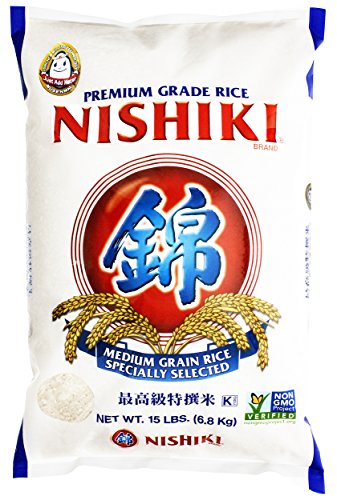
| Nishiki Premium Rice, Medium Grain, 15 Pound★ Best Overall | Sushi and chopstick-friendly meals | Medium grain | 15 lb | 15 lb | Amazon |
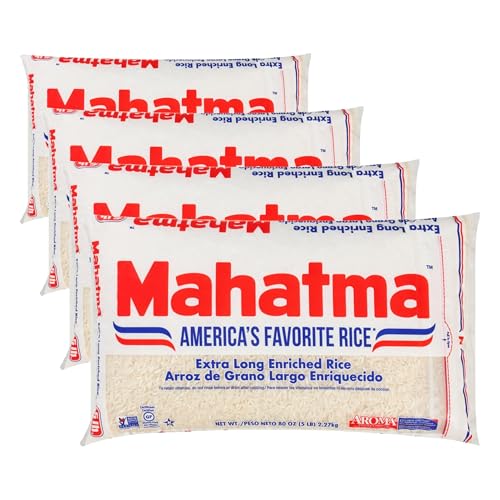
| Mahatma Extra Long Grain Rice, 5 lb (Pack of 4)Best Bulk Value | Everyday family meals and stir-fry | Extra long grain | 5 lb each | 20 lb | Amazon |
| Carolina Enriched Extra Long Grain Rice, 10 LbRegional Favorite | Purists loyal to one long-grain brand | Extra long grain | 10 lb | 10 lb | Amazon |
| Royal Basmati Rice 15 lb Bag | Biryani, pilaf, and Indian dishes | Basmati | 15 lb | 15 lb | Amazon |
| Iberia Jasmine Long Grain Fragrant Rice, 18 Pound | Fragrant jasmine at a bulk size | Jasmine | 18 lb | 18 lb | Amazon |
| India Gate White Basmati XL Rice, 10 Pound | Persian rice and long-grain cooking | Basmati | 10 lb | 10 lb | Amazon |
| Authentic Royal Basmati White Rice, 15 lbs (Pack of 2) | Stocking the pantry with premium basmati | Basmati | 15 lb each | 30 lb | Amazon |
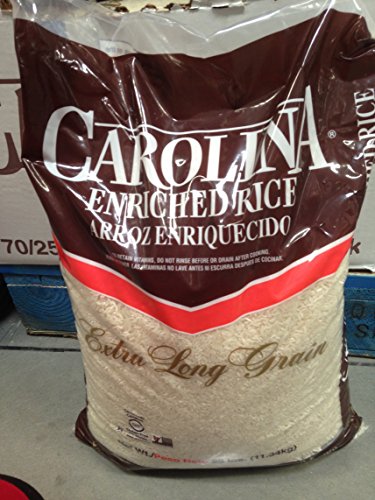
| Carolina Long Grain Rice 25 LB | Large households and long-term storage | Long grain | 25 lb | 25 lb | Amazon |
| Member’s Mark Thai Jasmine Rice (25 Lb.) | Fried rice and big-batch cooking | Jasmine | 25 lb | 25 lb | Amazon |
In‑Depth Reviews
1. Nishiki Premium Rice, Medium Grain, 15 Pound (Pack of 1)
Our pick — over 4.5★ from 44,000+ verified ratings; the strongest balance of quality and price.
The sticky-textured medium grain that sushi nights and chopstick dinners are built around.
This is the bag to reach for if your rice regularly meets chopsticks, poke bowls, or a sushi mat. Nishiki’s defining trait is a medium grain (a shorter, rounder kernel than long-grain rice) that cooks up soft and sticky — sticky meaning the grains cling together instead of sliding apart, which is exactly what lets you shape a hand roll or lift a bite cleanly. The 15-pound bag measures 240 ounces, and it arrives with the same character you would find at an Asian grocery, just at a typically friendlier number than a walk-in store.
What wins people over is the consistency: this has become a pantry default for households that cook rice three to five times a week, and owners describe it holding its soft bite and subtle sweetness whether it goes into a rice cooker or a stovetop pot. The flavoring note that keeps coming up is a clean, natural-tasting grain that carries a little sweetness without perfume, and it stays fresh longer than most sushi rice in daily use. As owners sum it up on the review pages: “Very good quality rice, tastes great just like in Japan.”
The recurring gripe is worth knowing before you commit to a big sack: some bags arrive with visible insects, and the occasional unit shows up with moisture. That is not unique to one brand — dry rice can carry grain pests from any supplier — but it is the most-discussed downside here, so store the bag cool and dry in an airtight container and you sidestep most of the risk. The upside is that this is the highest-rated, most-reviewed bag on the list, and at 4.7 stars across 44,000+ ratings it has earned that spot through repeat buyers rather than a first-purchase honeymoon.
What Sells It
- Medium grain with the sticky bite that sushi and chopstick dishes need
- 15-pound bag (240 ounces) suits a household cooking rice several times a week
- Holds its texture and subtle sweetness in both a rice cooker and a stovetop pot
- The most-reviewed bag in this comparison, with the staying power of a repeat purchase
Where It Falls Short
- Some bags arrive with visible insects or moisture, so store airtight
- Not the pick if you want long, separate grains for biryani or pilaf
Buy it if: your kitchen runs on sushi, sticky rice, or any dish where grains should cling rather than scatter.
Think twice if: you cook mostly long-grain recipes and want separate, individual kernels on the plate.
2. Mahatma Extra Long Grain Rice 5 Pound Rice-Bag (Pack of 4)
Four separate five-pound bags that keep your pantry stocked without ever committing to one giant sack.
If you have ever watched a twenty-five-pound bag go stale in the back of a cupboard, this is the format built for you. Mahatma ships four 5-pound bags rather than one lump, so you open them one at a time and the rest stay sealed. The extra-long grain is a longer, thinner kernel that cooks up light and fluffy with grains that stay separate instead of clumping — the opposite behavior from the medium-grain Nishiki above, and the reason this is the better fit for fried rice, pilaf, and casserole-style dishes.
The numbers here are worth a beat of your time. The full four-bag set lands at 20 pounds and 320 ounces — versus the single 15-pound, 240-ounce Nishiki bag — so you are getting noticeably more rice in a format that self-portions. It is also worth knowing how Mahatma wants you to cook it: one cup of rice to two cups of boiling water, simmered about 20 minutes on the stovetop, or five minutes on high in the microwave followed by fifteen minutes at half power and a five-minute rest.
The pattern across the review pages is a household staple that just works: fluffy grains that separate cleanly, a clean natural flavor that picks up whatever you season with, and a bag size that stores easily without crowding the shelf. “Top-tier quality, clean, bug-free,” is how one shopper frames it. The recurring note is that this is a dependable everyday rice rather than a showpiece — nobody is picking it for a special-occasion biryani. If you want rice that behaves consistently in a rice cooker or skillet most nights, this delivers.
The format edge: four smaller bags mean each one opens fresh, which matters more than most shoppers realize for a grain you buy in bulk.
Where to be wary: the extra-long grain is not designed for sticky rice dishes, so sushi night is a job for the Nishiki.
Ideal for: families who cook fried rice, soups, and pilaf often and want a fresher-open-every-time routine.
Look elsewhere if: you already love a single large bag and do not want to store four separate ones.
3. Carolina Enriched Extra Long Grain Rice, 10 Lb
The long-grain rice shoppers hunt down online because their local grocery stopped stocking it.
Some rices are a brand; this one is a regional loyalty. Carolina’s long-grain has a following strong enough that buyers order a ten-pound bag because the shelf version vanished from their supermarkets. The 10-pound sack measures 160 ounces, which the manufacturers describe as fat-free and naturally sodium free — two claims that matter most to anyone choosing rice for a low-sodium or low-fat kitchen, because plain white rice should deliver almost nothing added.
There is a genuine head-to-head here worth naming: this bag ships at 10 pounds versus the Mahatma pack’s 20 pounds and the Nishiki’s 15, so it is the smaller-batch option of the long-grain crowd. That is not a flaw — it is the point. Cook for one or two people and a ten-pound bag tends to be the smart middle ground, small enough to finish before it goes stale but large enough to skip reordering for a while. The formula is straightforward: this is the same enriched long-grain enthusiasts grew up with, at a size that suits a smaller household.
What keeps buyers coming back is the quality consistency — this is the kind of rice that tastes the same bag after bag, which is exactly what a loyalist wants. A reviewer who grew up on it put the trade-off plainly: “Only problem is I have to buy a ten lb bag for only two ppl.” That is the honest read. This is a narrow-focus pick — if you already know and love Carolina, the bag solves your problem; if you are brand-agnostic, the Mahatma or Nishiki above give you more grain per order.
The loyalist angle: for shoppers who grew up on Carolina and cannot find it locally, the ten-pound bag is the reliable way to keep it on the shelf.
What to weigh: ten pounds is a modest load for a big household, so multi-cookers may prefer the larger options on this list.
Reach for this if: Carolina is the name you trust and your household runs small enough to finish ten pounds before it ages.
Hold off if: you cook for a crowd and want a single sack to last a season.
4. Royal Basmati Rice – Authentic Long Grain White Basmati Rice – 15 lb Bag

Aged basmati that cooks up long and separate, ready for biryani and pilaf in fifteen minutes.
Basmati is a different animal from the jasmine and medium-grain rice above: it is a long-grain aromatic that ages for months to firm up its texture, which is why the grains stay distinct and never turn mushy. Royal leans hard on that aging, and its 15-pound bag (240 ounces) is designed for cooks who reach for basmati for curry, pilaf, and Mexican dishes as often as a side. The label covers the practical boxes too — vegan, gluten-free, kosher, halal, non-fat, low-sodium, and cholesterol-free — so there is no label gymnastics required for most diets.
The test to watch is preparation speed and texture. Royal advertises a fifteen-minute cook, and the customer pattern supports the fluffy, separate grains you are after — light, non-sticky, and ready to absorb whatever sauce lands on them. That combination of a long kernel, an aged firm bite, and a fast cook is why this lands as the everyday basmati for a lot of kitchens.
Two honest notes. First, the aroma gets split reactions: some shoppers love the perfumed quality, while a vocal minority report an off smell after cooking, so if you are sensitive to that characteristic, taste a small batch first. Second, the packaging drew complaints after a switch from reusable burlap sacks to a plastic bag — a real gripe for people who liked the reusable format. Neither issue undercuts the grain itself, which is why Royal remains the accessible basmati to start with.
Why Cooks Choose It
- Aged basmati cooks up long, light, and separate for biryani and pilaf
- Ready in about fifteen minutes on the stovetop, microwave, or electric cooker
- Label carries vegan, gluten-free, kosher, halal, non-fat, low-sodium, and cholesterol-free claims
Notes For Buyers
- Aroma reviews are split — some shoppers find it perfumed, some find it off
- Recent bags switched to plastic packaging, which some owners dislike versus reusable sacks
Made for: cooks who build biryani, pilaf, and long-grain sides into the weekly rotation.
Double-check first: if you are particularly sensitive to basmati’s distinctive aroma, try a smaller portion before committing.
5. Iberia Jasmine Long Grain Fragrant Rice, 18 Pound

A fragrance-forward jasmine that fills the kitchen while it steams and pairs with nearly anything.
Step into a jasmine household and you can usually smell the difference before you taste it, and Iberia leans into that trait on purpose. The 18-pound sack measures 288 ounces — the biggest jasmine bag on this list — and its calling card is a floral, aromatic scent the manufacturers describe as naturally sourced from growers in the U.S., Brazil, India, Thailand, and Vietnam. Set it up on the stovetop and the routine is textbook: bring cold water to a boil, cover, and cook on low heat for fifteen to twenty minutes.
Because jasmine is a softer, stickier grain than the long-grain Mahatma or the basmati Royal, this behaves a different way in the pot. It turns out fluffy and carries that forward aroma right to the plate, which is why owners describe it pairing beautifully with sautéed broccoli, bell peppers, and white onions, and standing up next to chicken, fish, or steak. It turns a simple dinner into a fragrant one without extra work.
One honest heads-up for jasmine loyalists: a few buyers who have eaten jasmine rice for decades felt this particular bag leaned more toward a regular medium-grain character — some described it as lacking the distinct scent of higher-end brands. Most of the crowd, however, eats it with zero complaints, cooks it in a rice cooker on the same water ratio as other brands, and comes back for repeat orders because the price is friendly. If your jasmine benchmark is very specific, sample a smaller portion first; if you simply want an aromatic everyday rice, this delivers.
Where it lands: an ultra-approachable, fragrance-forward jasmine that suits households running rice four or five times a week.
Honest limit: if you buy jasmine mostly for the signature perfume, some buyers find this bag milder than the top-shelf names.
Suits you if: you want an everyday jasmine that takes the guesswork out of quantities and rewards simple seasoned meals.
Different pick if: you are chasing an intense jasmine perfume above all else and want to compare against the medium-grain bags above.
6. India Gate – White Basmati XL Rice – Excel, 10 Pound

An extra-long basmati aged a minimum of one to two years for cooks chasing the classic Persian plate.
Aging is the whole reason India Gate positions this as a step up: their basmati rests for a minimum of one to two years, which firms the grain so it cooks long, separate, and less starchy than a fresh crop. The 10-pound bag measures 160 ounces and is built for the cook who knows why they are buying basmati rather than reaching for the cheapest white rice on the shelf. The manufacturer calls out fine grain texture and a strong aroma as the character this Excel-quality rice is chasing.
The most common use-case in the reviews is Persian rice and long-grain cooking — the kind of dish where each grain is supposed to stand proud on the plate rather than clump. Buyers describe the cooked grains as surprisingly soft and fluffy with minimal starchy rinse required, and a couple of buyers report they only bother to rinse it twice before cooking. Flavor comes up as lightly nutty with that distinct long-grain bite, which is why this rice has earned a following among cooks who have moved on from everyday white rice.
The honest note is value: several owners mention the price per pound runs higher than other basmati bags, and the aroma lands as mixed — some describe it as intoxicating, others find it more muted than expected. That is the trade for the aging and the specific Persian-rice profile. If you want the cheapest pound of basmati, the Royal bag above is the more forgiving entry point; if you want a basmati you can build a specialty dish around, this is the one that keeps earning repeat orders.
Why It Earns Its Spot
- Aged a minimum of one to two years for firm, separate, non-starchy grains
- 10-pound bag suits cooks who keep a specialty basmati on hand without going bulk
- Flavor reads lightly nutty with a long-grain bite that stands up to Persian rice and pilaf
What To Know
- Runs pricier per pound than everyday basmati bags
- Aroma splits reviewers — some find it heady, others find it muted
For the cook who: builds Persian rice, long-grain pilaf, or a rice-focused dinner and wants the aging to show on the plate.
More ordinary, please, if: you want basmati at a friendlier per-pound cost and do not need the extra aging.
7. Authentic Royal Basmati White Rice, 15 lbs (Pack of 2)

A two-bag basmati set for shoppers who want the premium aged grain in serious quantities.
Here is the largest basmati commitment on the list: two separate 15-pound bags, landing at 30 pounds and 480 ounces total — twice the grain of the single Royal 15-pounder above. The aged Himalayan basmati inside is the same style, cooked the same way, but you are buying in enough volume to fill a pantry shelf and then some. The formula is identical: aged for a non-sticky texture and sweet flavor, naturally aromatic, ready in about fifteen minutes on the stovetop, microwave, or electric cooker.
For cookers who burn through basmati weekly — biryani, Mexican rice, simple pilaf sides — this halves the reorder cycle compared with a single fifteen-pound bag. That said, thirty pounds of rice is a lot to store, so this format rewards anyone with a cool, dry, pest-free cupboard big enough to hold both bags without crowding something else out. If your storage is tight, the single-bag Royal or the smaller India Gate is the smarter move.
What the reviews point to is straightforward quality: grains that stay long and separate, a clean aroma, and a value case that holds up even with supply-chain wobbles affecting pantry-goods pricing. The label covers the same vegan, gluten-free, kosher, halal, non-fat, low-sodium, and cholesterol-free claims as the single Royal bag. The honest trade-off is that you are committing to the largest basmati quantity here — it is a stock-up purchase, not the right choice if you are still deciding whether aged basmati suits your cooking.
The stock-up case: two 15-pound bags of aged basmati are the shortest path to a pantry that stops running out midweek.
The commitment: thirty pounds is a real storage footprint, so this is best when you already know you love the Royal grain.
Worth it for: frequent basmati cooks who want the premium grain in quantity and have shelf space to spare.
Overkill if: you are still auditioning basmati styles or cook long-grain only occasionally.
8. Carolina long grain rice 25 LB
A single twenty-five-pound sack for families who measure rice in months, not weeks.
There is no smaller version of this decision: one bag, 25 pounds, 400 ounces, and enough grain to feed a family through several seasons of dinners. If your household eats rice five or six nights a week, this 25-pound sack ends mid-month grocery runs. Carolina’s long-grain here is the everyday workhorse grain — reliable, neutral, and comfortable in soups, casseroles, and side dishes — which is exactly why a big sack makes sense for a big kitchen.
What shows up in the customer pattern is consistency and easy cooking: this is a rice people reach for as an ambient staple, not a special-occasion treat, and the reviews describe a clean flavor with the freedom to adapt it to whatever the meal calls for. It’s the sort of grain people describe as close in character to jasmine rice — same softness, same comfort in a home kitchen — even though the two come from different families of grain.
Two honest notes. First, that giant bag demands real storage — the flattened dimensions will take genuine pantry space, so if your cupboard is tight the smaller Carolina 10-pound is the better fit. Second, a few customers note the delivered price per pound runs steeper than their local supermarket, so it is best to compare your in-store price side by side if you have a shop nearby. If you value convenience and consistency over the lowest per-pound price, this sack delivers.
The volume case: twenty-five pounds at 400 ounces wraps up the bulk-rice question for a big family in one order.
The honest catch: storage and per-pound cost are both worth checking before you commit a whole shelf to it.
For the household that: runs a full table six nights a week and wants the rice drawer solved for the season.
Choose differently if: your shelf space or your price comparison argues for a smaller sack.
9. Member’s Mark Thai Jasmine Rice (25 Lb.)

A warehouse-size sack of Thai jasmine for cooks who want fragrance in serious bulk.
Jasmine in a 25-pound sack is a statement about how you cook, and this one carries the grain you would otherwise haul home from a warehouse club — the label promises 100% Thai jasmine, which is the fragrant, sticky-leaning style rather than the separate grains of basmati. The bag measures 400 ounces and sits alongside the other jasmine options above at the largest size on the shelf. Cholesterol-free is the one nutrition claim the manufacturer puts forward; the rest is the grain itself.
Owners describe it as sticky and forward in character — a rice that clings and carries aroma the way a good jasmine should, which is why buyers describe it as the natural partner for pad Thai, stir-fry, and any dish that leans Asian. The kitchen note that keeps repeating is that it just cooks well: clean flavor, pleasant texture, no debris in the bag. If jasmine is your grain, this 25-pound sack ends mid-month reorders.
The honest trade is the size — twenty-five pounds lasts a long time for a household of one or two, and a few shoppers note it can taste slightly dated if it sits unsold too long. That is rare, and it is a storage question as much as a sourcing one: keep the bag cool, dry, and sealed, and it stays good. The bigger truth is that for jasmine lovers who cook big batches, this is the value play — enough grain that the price per pound stops mattering the way it does on smaller sacks.
Why Buyers Stick With It
- 100% Thai jasmine — the fragrant, sticky-leaning grain for Asian cooking
- 25-pound bag (400 ounces) means fewer reorders for anyone cooking multiple times a week
- Owners describe clean flavor, nice texture, and no debris in the bag
The Honest Trade
- Twenty-five pounds is a lot of grain — best for households that cook jasmine often
- A few buyers found the bag tasted slightly dated if it sat too long before use
Built for: jasmine devotees who cook big batches and want a sack that goes the distance.
Not for you if: your household is small or you prefer to rotate grains rather than commit to one.
Understanding the Specs
Grain Length
Grain length is the first thing to check before buying any bulk rice, because it decides how the rice behaves on the plate. Medium-grain rice is shorter and rounder, so it cooks up sticky and clings together — the trait you want for sushi, poke bowls, and chopstick dinners. Long-grain and extra-long-grain rice, by contrast, is longer and thinner, and it cooks up light, fluffy, and separate — the trait you want for biryani, pilaf, and fried rice. Neither is better; they simply suit different dishes, so match the grain to the meals you actually cook most weeks.
Bag Size And Total Weight
Bulk rice bags come in a range of sizes, and the right one depends on how fast your household cooks through it. A bag measured in five-pound units keeps the rest of your stash sealed while you use one at a time, which stays fresher longer. Fifteen- and eighteen-pound sacks suit average families who cook rice several times a week. Twenty-five-pound bags make sense for households of four or more, or for anyone who wants to skip reordering for months — just make sure you have cool, dry, airtight storage space to keep the grains at their best.
FAQ
How long does a large bag of rice stay fresh once opened?
What should I look for on a rice bag label to make sure it is good quality?
How do I know whether a bag of rice is a jasmine or basmati variety?
Will a 25 pound bag of rice fit in a normal kitchen pantry?
Is long grain rice or medium grain rice better for everyday meals?
How do I store rice to keep pantry insects out?
Do I need to rinse basmati rice before cooking it?
What is the cooking ratio for a jasmine rice bag?
Is a gluten free or non-GMO claim important on a bag of rice?
Should I buy rice in smaller bags or one big sack?
Final Thoughts: The Verdict
The overall winner for most kitchens is the Nishiki Premium Rice, Medium Grain, 15 Pound, because its sticky medium grain suits the dishes people cook most — sushi, poke, and any meal where a chopstick-friendlybite matters. For long-grain lovers who want extra value, the Mahatma Extra Long Grain Rice 5 Pound Pack of 4 gives you four fresh bags at a comfortable 20-pound total. And if you are stocking premium basmati in serious quantity, the Authentic Royal Basmati White Rice, 15 lbs (Pack of 2) delivers two aged 15-pound bags in one order. Whichever you pick, store it cool and dry in an airtight container.
How We Picked
We do not accept paid placement. Every pick is matched to a real buyer and a real use-case; we do not hands-on test units.
Sources & Methodology
Specifications: manufacturer listings and product documentation. Review insights: verified customer reviews, as of September 2026. Pricing: not shown on this page (it changes often); check the current price via the retailer link.
As an Amazon Associate, Gadgets Feed earns from qualifying purchases. This does not affect which products we feature.