
Our readers keep the lights on and my morning glass full of iced black tea. As an Amazon Associate, I earn from qualifying purchases.
Specs are compiled from manufacturer listings and verified buyer reviews and can change over time — please confirm the key details on the product page before buying.
You want the strip along your walkway, driveway or lawn edge to look finished all year — not a bare dirt line you re-plant every spring. That is the whole job of a border plant: it holds the line, crowds out weeds, and comes back on its own. The trick is picking plants that actually match your light, your zone and your patience level, because a shade lover planted in full sun is the single most common way these strips fail.
I’m Min — the founder and writer behind Gadgets Feed. This guide is built by comparing the manufacturers’ published specifications and the patterns across verified customer reviews, so you get each pick’s real strengths and trade-offs instead of marketing spin.
Below you get nine options sorted by what they do best, with honest notes on where each one will and will not work. Read to the end and you will know exactly which one belongs along your edge with the best border plants for your light and zone.
Our Picks at a Glance

How To Choose The Best Border Plants
A border plant is not really one product — it is a plant chosen for a narrow strip of ground where it has to look good, stay low, and not wander into the lawn. That means four things matter more than looks: your zone, your light, the spread, and how the plant ships.
Start With Your USDA Zone, Not The Photo
The USDA zone is a number that tells you the coldest winter a plant can survive where you garden. A plant listed as hardy in zones 5-10 will shrug off a hard freeze, while a zone 7 plant in a zone 5 garden will not come back the following spring. Check your zone before you fall for a flower colour.
Match Light To The Plant’s Own Claim
Shade-tolerant plants sulk in full afternoon sun, and sun lovers go thin and flowerless in deep shade. Every listing here names its light preference, so treat that as a hard filter rather than a suggestion. A border along a north-facing wall is a different shopping list from one along a hot driveway.
Look Hard At Spread And Height
Height and spread decide whether a plant stays inside its strip or creeps over it. A groundcover that reaches about 18 inches across will knit a border together fast, but the same habit can crowd a narrow walkway. Low, clumping plants hold an edge better than aggressive runners.
Understand How It Ships
Bare roots arrive as dormant crowns with little or no top growth, while potted plants come rooted and ready to drop in. Bare roots are cheaper per plant and fine in the ground, but they demand more patience and watering in the first weeks. Potted stock fills in faster but costs more per clump.
Quick Comparison
| Model | Best For | Light | Hardy Zones | Height | Amazon |
|---|---|---|---|---|---|
| Liriope ‘Variegated’ Grass (18 Pack)★ Best Overall | All-round border edging | Partial to full shade | 5-10 | 15 inches | Amazon |
| Hosta Bare Roots (6 Pack Mixed)Budget Champion | Shady borders on a budget | Shade | 3-9 | 36 inches | Amazon |
| Perennial Farm Liriope ‘Variegata’Compact Pick | One rooted pot, instant placement | Part to full shade | 4-10 | 12 inches | Amazon |
| Creeping Jenny (4 Pack) | Fast weed-smothering mat | Sun or partial shade | Zone specific | 4 inches | Amazon |
| Perfect Plants Bridal Wreath Spirea | Spring flower show | Adaptable | — | — | Amazon |
| Katie’s Dwarf Mexican Petunia (3 Plants) | Sunny southern walkways | Full sun | 7 | — | Amazon |
| Dwarf Mondo Grass (18 Count, 3 in Pots) | Between pavers and stepping stones | Partial shade to morning sun | 6-10 | 2-4 inches | Amazon |
| Blue Daze (2 Trade Gallon Plants) | Hot, dry, sun-baked borders | Full sun | — | — | Amazon |
| Pachysandra terminalis ‘Silver Edge’ (100 Bare Roots) | Large shady banks | Full to partial shade | 4 | — | Amazon |
In‑Depth Reviews
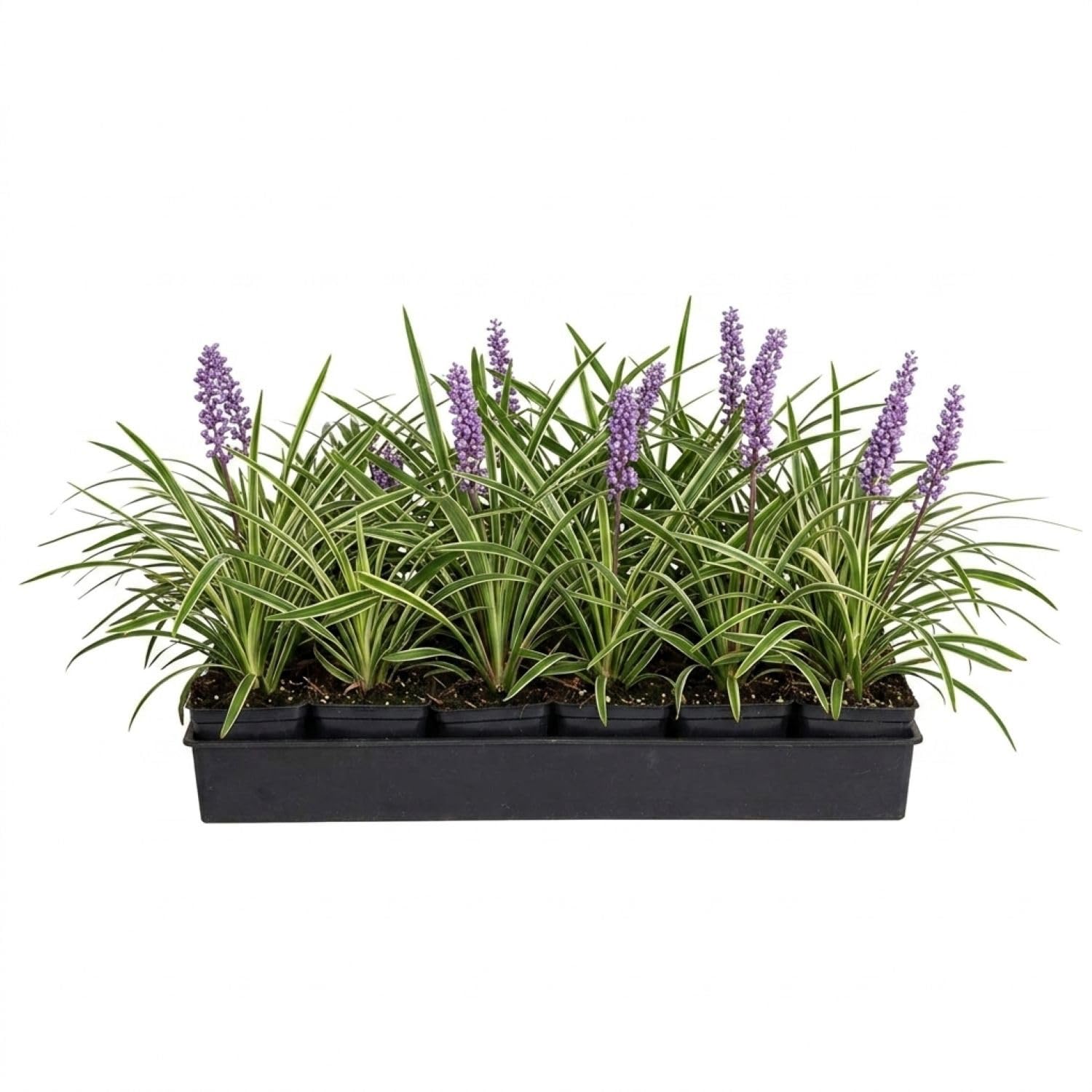
1. 18 Pack – Liriope ‘Variegated’ Grass
Our pick — 4.5+★ from 550+ verified ratings; the strongest balance of quality and price.
Eighteen striped clumps in one box — enough to line a whole walkway in an afternoon.
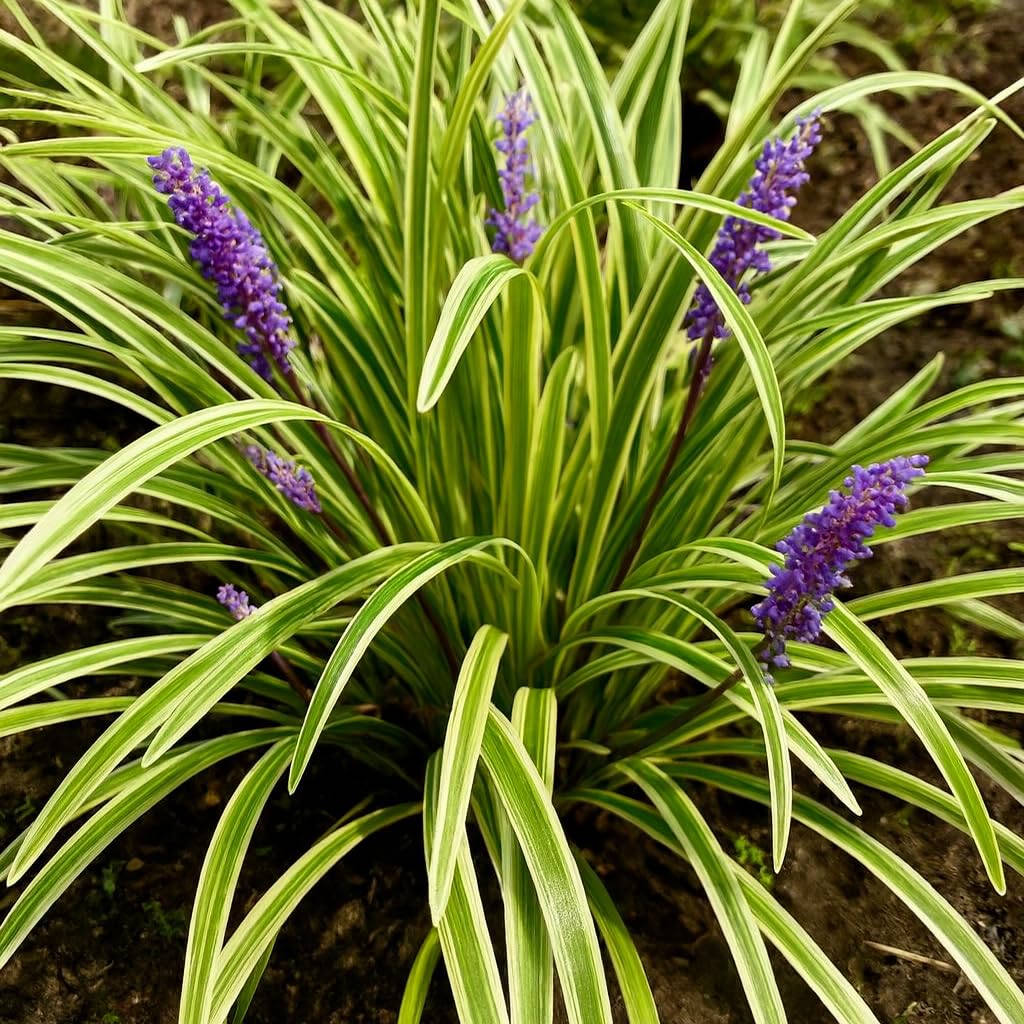
Variegated Liriope, also called Variegated Lilyturf, is an evergreen perennial — a plant that keeps its leaves through winter instead of dying back. Each clump is made of green and white striped blades that hold their colour when everything else in the border has gone brown. It fills the strip with texture rather than flowers, which is exactly what an edge needs.
The count is the headline here: 18 plants against the single rooted pot from Perennial Farm, which is a 18-to-1 difference in what lands on your doorstep. That gap matters because you can space these along a full driveway instead of buying one pot and waiting two seasons for it to multiply. Mature height lands around 15 inches, so it sits below window height and above lawn level.
These liriope clumps arrive with strong root systems, settle in fast, and keep pushing new growth. The striped foliage holds its colour through cold snaps, and once established the clumps shrug off dry spells. The trade-off is honest: it is a foliage plant first, and the small purple flower spikes in late summer are a bonus, not the show. Give it partial to full shade and well-drained soil, and skip the heavy watering that can rot the roots.
Where This Liriope Wins
- 18 plants per order — a full border run from one purchase
- Evergreen striped foliage keeps the edge looking alive in winter
- Deer resistant, drought tolerant and low maintenance once rooted
- Hardy down to -15°F across USDA zones 5-10
What To Expect Going In
- Taller than a close-clipped edge at roughly 15 inches
- Purple summer blooms are modest, not a flowering display
- Needs steady water the first growing season to establish
Buy this if: you want a finished, year-round edge and would rather plant once than fill gaps later.
Think twice if: you want a flowering border or a very tight, low line under 12 inches.
2. Hosta Bare Roots/Bulbs for Planting – 6 Pack Mixed Heart-Shaped Hostas
Dormant roots now, broad heart-shaped leaves later — the cheapest way into a shady border.
Hostas are the classic shade-garden filler because those wide heart-shaped leaves read as lush where grass gives up. What you order is bare roots — dormant crowns with little or no top growth — not leafy plants in pots. They look unpromising in the bag, and that is completely normal.
Six roots land for less than most single potted shrubs here, which is the real argument for this pack. The listed height reaches 36 inches, so think of these as the mid-to-back layer behind a low edging plant rather than the edge itself. They are hardy in zones 3-9, which covers cold winters most other picks here would not survive.
Plant the crown right at soil level, water well, and the roots take it from there. Once the ground warms you get fresh shoots and steady growth, with mildly fragrant white or purple flowers on tall stems from summer through fall. The genuine caveat is dormancy and timing: roots shipped in cold weather sit in the bag until your ground can be worked. Keep them cool and plant as soon as it can be, and give them regular water in that first season.
Where the value sits: six roots, cold-hardy down to zone 3, and foliage that fills a shady bed far wider than the roots suggest.
The honest limit: you are buying patience, not instant cover — bare roots sometimes fail to break dormancy, and the ground has to be workable before they go in.
Reach for this if: your border sits under trees, your winters bite, and you are happy to wait a season for full size.
Look elsewhere if: you need plants in the ground this week or you want a tight, low edge rather than a broad leaf clump.
3. Perennial Farm Liriope M. ‘Variegata’ (Variegated Lilyturf) 4 Inch Pot
One rooted pot, ready to drop straight into the ground — no dormancy gamble.
This is the same variegated lilyturf idea as the 18-pack above, but sold as a single plant already rooted in a 4-inch pot. You skip the waiting phase entirely: the plant arrives with foliage on it and goes straight into the soil. That convenience is the whole point of buying one pot instead of a tray.
Height tops out around 12 inches, so it holds a tighter line than the 15-inch clumps in the multi-pack. The green-and-cream striped leaves stand out hard against dark mulch, which is why it reads as a deliberate design choice rather than filler. Lilac-purple flower spikes rise above the foliage in late summer.
Shade tolerance is the selling point — it handles part shade to full shade, which covers woodland edges and north-facing beds. It is also tough through heat, humidity and poor soils with minimal care. Two honest notes: order for winter and the plant may arrive dormant and trimmed, which looks rough but recovers. And if you live in AK, AZ, CA, CO, ID, MT, NV, OR, UT, WA or HI, this seller cannot ship to you at all.
Why someone picks single pots: filling two or three gaps in an existing border without buying 18 plants you do not need.
Check before you order: the restricted-state list is real and hard — several western and island states are blocked outright.
Best fit: patching a shade border where you need one or two rooted plants fast and want zero dormancy risk.
Skip the single pot if: you are planting a long run — the 18-pack covers far more ground for the effort.
4. Creeping Jenny (Lysimachia nummularia) 4 Pack
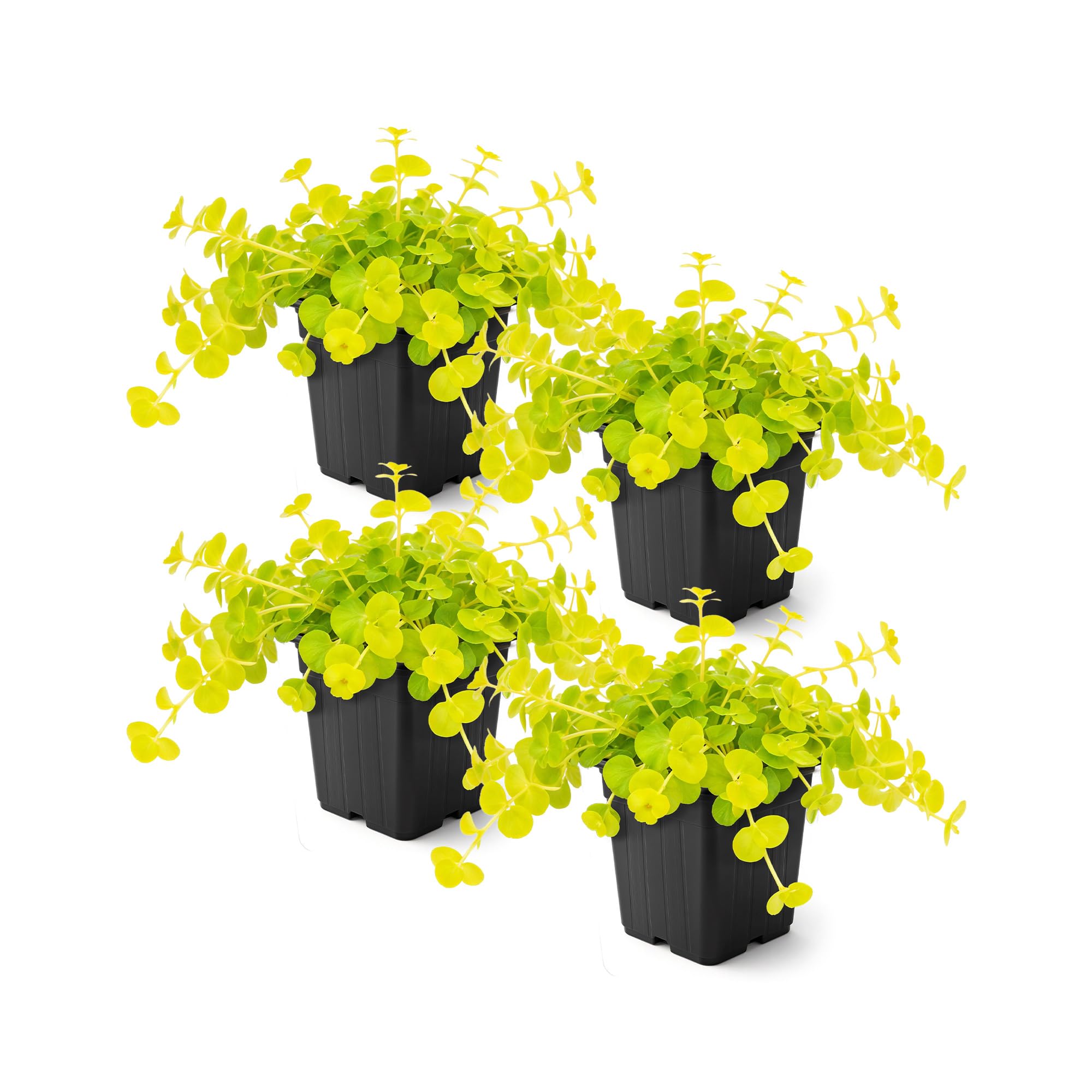
Chartreuse-green stems that knit a border shut and choke out weeds as they go.
Creeping Jenny is a trailing perennial groundcover with bright, yellow-green foliage — the colour that reads almost lime against darker plants. It is the pick for anyone whose actual problem is bare soil and weeds along an edge rather than a need for flowers.
The spread is what earns it a slot: at maturity it reaches about 4 inches tall with a spread of about 18 inches. Four plants at that spread cover real ground, and the dense mat is built for erosion control and weed suppression. The contrast with the taller picks is stark — the hostas above reach 36 inches, while this one stays ankle height and runs sideways.
It grows in sun or partial shade and tolerates a variety of soils, which makes it forgiving in spots where you are not sure of the light. The coin-shaped leaves are where the old “moneywort” nickname comes from. Be realistic about two things: growth is uneven from plant to plant, and size on arrival varies — some clumps are generous, others smaller than you pictured. Give it regular water and room to run.
What it does well: fills bare strips fast and keeps weeds down with a dense, low mat.
What to plan for: that same running habit means it will not stay politely inside a narrow line — edge it or give it space.
Choose it for: a sunny or half-shaded slope, bank or wide strip where bare dirt and weeds are the enemy.
Not the right call if: you need a crisp, contained edge against a lawn — this one spreads.
5. Perfect Plants Bridal Wreath Spirea Shrub, 1 Gallon
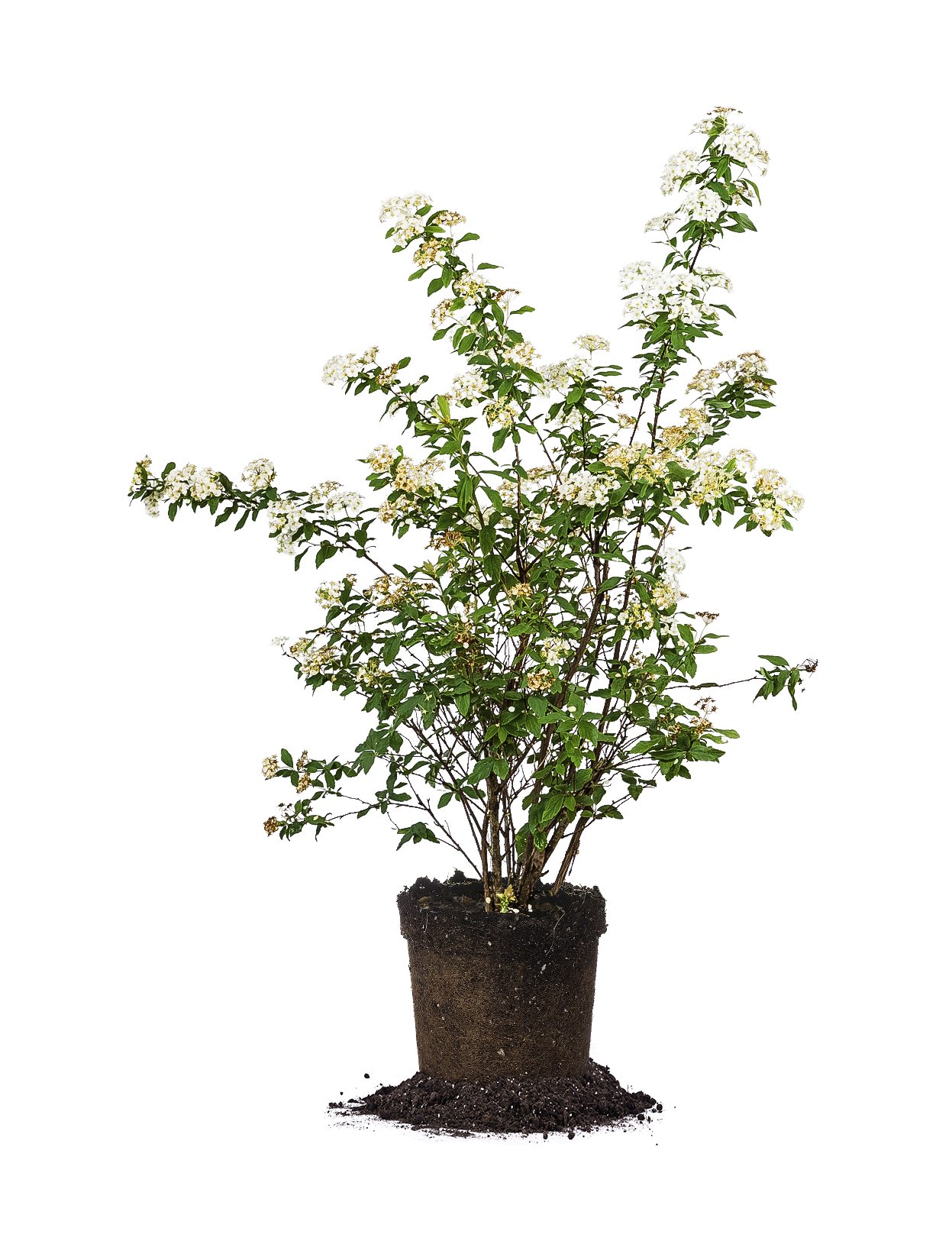
The one pick that gives you spring flowers, fall colour and a shrub to anchor the corner.
Everything else on this list is a low plant doing a floor-level job. Bridal Wreath Spirea is different — it is a flowering shrub, and it earns a border slot by being the vertical accent at the end of a run. In spring it throws masses of double white flowers along arching branches, which is the show you are buying.
It ships as a live plant in a 1-gallon pot, so there is no bare-root guesswork. The spirea ships as a healthy 1-gallon plant that grows vigorously once it is in the ground. The spirea arrives larger than many buyers expect and settles in without fuss.
The rest of the year it keeps working: green summer foliage turns red and orange before the leaves drop, so the corner stays interesting. The spirea resists powdery mildew, root rot and fire blight, deters deer, and draws butterflies and bees. Light pruning right after bloom keeps it dense. The caveat is seasonal honesty — the flower display is a spring event, and hardiness varies with site and timing, so a sheltered spot gives it the best odds.
The case for the spirea: three seasons of interest from one shrub — white spring bloom, green summer, red-orange autumn.
The catch: it is a shrub, not a groundcover, and it needs an annual haircut after flowering to stay neat.
It suits: a border corner or a mixed bed where you want a real flowering feature rather than a low line.
It does not suit: tight walkway edging — the arching habit belongs at the back or the end of a run.
6. Katie’s Dwarf Mexican Petunia Purple, 3 Live Plants
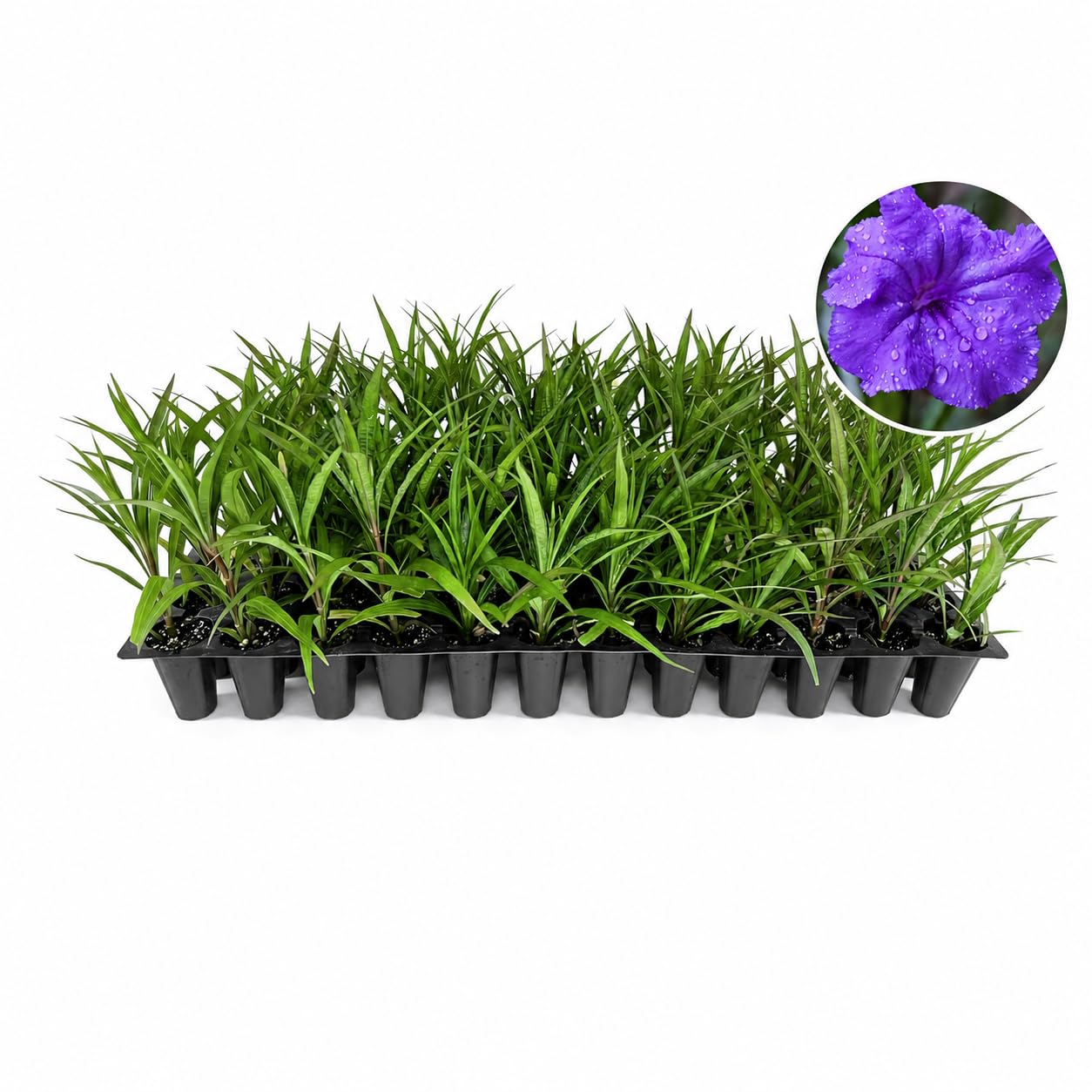
A dwarf ruellia that blooms nonstop in pink and laughs at hot southern sun.
Katie’s Dwarf Mexican Petunia — Ruellia brittoniana in dwarf form — is a compact flowering perennial built for sunny borders, patios and narrow planting strips. It stays low and dense rather than reaching, which is exactly what an edge wants. Three live plants arrive ready for the ground.
The bloom habit is the reason to pick it: pink trumpet flowers from spring through the warm season, with a compact clumping form that softens hard edges along walkways and paving. It also works massed or in containers, so a short run of border can take all three plants easily. Full sun is listed, and this is a plant that genuinely wants it.
Growers in hot climates get the best of it — it handles full sun with little maintenance and no elaborate soil preparation, and it thrives in southern gardens. Expect to water it in and keep it watered while it settles. The one thing to weigh up is delivery luck: rooted live plants sometimes arrive in rough shape, and not every shipment revives. Order when you can plant promptly and give it the sunniest spot you have.
Best in the south: full sun, heat and poor soil preparation are all things this dwarf ruellia takes in stride.
Worth knowing: hardiness is listed for zone 7, so colder gardens should treat it as a warm-climate pick.
Pick it if: you garden in a warm zone and want steady pink colour along a sunny walkway or patio edge.
Give it a miss if: your winters run cold or your border sits in shade most of the day.
7. Dwarf Mondo Grass Live Plants, 18 Count of 3 Inch Pots
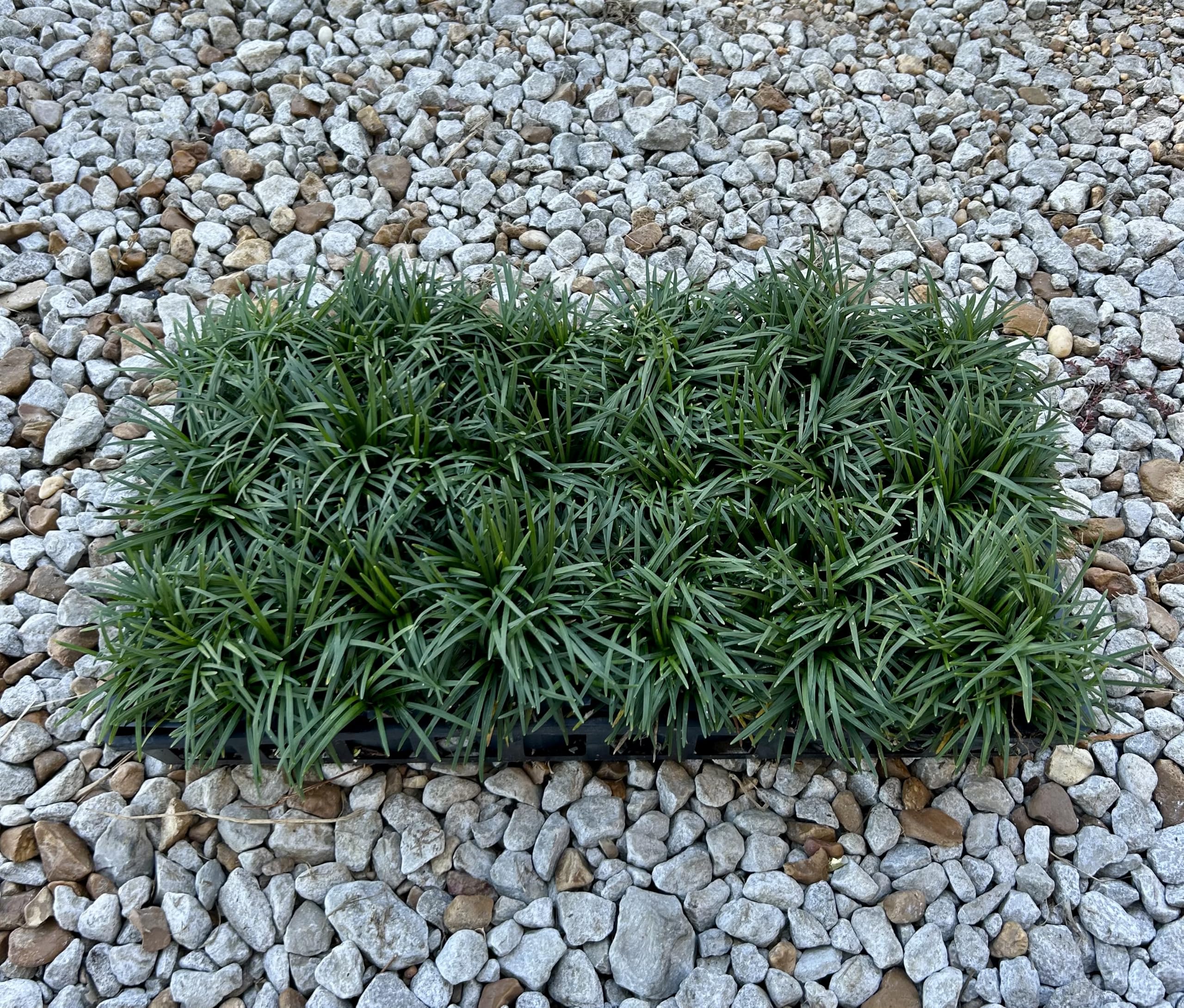
Eighteen potted tufts of dark green that slip into the gaps between pavers.
If your border is really a set of joints between stepping stones, this is the plant. Dwarf Mondo Grass forms dense clumps of dark green, grass-like leaves just 2-4 inches tall, and it stays that height with no mowing. Eighteen pots of it arrive container-grown in one tray.
That potted format is why this sits in the premium tier: you are paying for established, ready-to-plant tufts rather than dormant roots. Space them 4-6 inches apart in partial shade to morning sun, and the clumps close the gaps within a season. Put them where you want the green line to read deliberately — along walkways, around tree bases, or anywhere lawn refuses to grow.
The mondo grass pots arrive with lush dark foliage and healthy root systems, moist in the tray and ready to plant. The colour holds rich green all year, and it is deer resistant, drought tolerant once settled, and comfortable in Southern heat and humidity. Hardy in USDA zones 6-10. Water regularly for the first season, then mostly during dry spells; the one thing it will not forgive is heavy soil that stays wet.
Why It Earns The Price
- 18 container-grown pots arrive ready to plant — no dormant wait
- Stays at 2-4 inches, so it slips between pavers and stones
- Evergreen dark green colour with no mowing required
- Deer resistant and steady through Southern heat and humidity
Before You Commit
- Pricier per plant than dormant bare-root or tray options
- Wants partial shade, not blazing all-day sun
- Needs well-drained soil — it will not sit in wet ground
Made for: paver joints, pathway edges and shady tree surrounds where a neat evergreen line matters more than flowers.
Less suited to: wide open sunny strips — the cost per plant is high when you need a large area covered.
8. Blue Daze, 2 Large Trade Gallon Size Plants
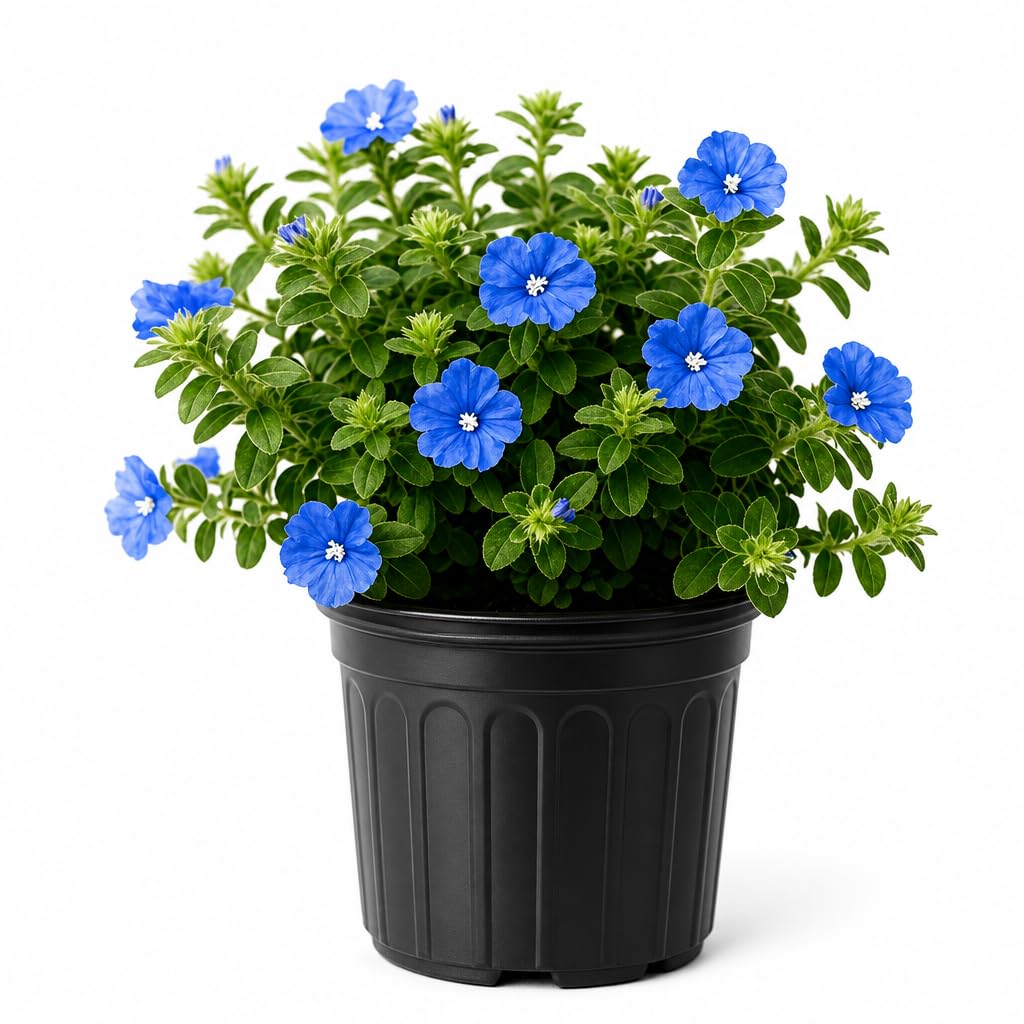
Sky-blue flowers on a spreading plant built for hot, dry, full-sun borders.
Blue Daze — Evolvulus glomerata — is a low, spreading perennial with vivid sky-blue flowers. Two large trade-gallon plants ship as established stock, so you are starting from something substantial rather than a plug. It is the pick for anyone whose border bakes in full sun and dries out fast.
The flowers are the draw and the colour is the standout — a blue that is genuinely hard to find in low border plants. It blooms continuously from spring through fall and pulls in pollinators while it does. Full sun is its listed condition, and it earns the drought-tolerant and low-maintenance labels once it is rooted in.
Now the honest part. Growth is uneven across shipments — some plants bloom prolifically and others stall, and size on arrival runs smaller than some buyers picture. Plant them promptly and water them in properly, because a slow start in the first weeks is not easy to reverse. What they do not need is babying afterwards: minimal watering is the whole reason this plant suits a busy gardener.
Where it shines: that sky-blue flower colour against a hot, sunny, dry border where most plants go thin.
The fair warning: growth varies noticeably from plant to plant, so do not count on two identical specimens.
Suits you if: your border gets relentless sun, dries out, and you want real blue flowers with almost no watering.
Pass if: you need guaranteed full coverage fast or your border is shaded.
9. Pachysandra terminalis ‘Silver Edge’ – 100 Bare Root Plants

One hundred bare roots for the big shady bank where nothing else will grow.
Pachysandra is the answer to a problem the other picks cannot solve: deep shade in bulk. This listing is 100 bare root plants, which is a quantity nothing else here comes close to. If you have a long shaded run along a fence or under mature trees, that count is the whole reason to look here.
Bare roots arrive as dormant stock with no foliage, so set expectations accordingly — you are planting for the season ahead, not for instant cover. The payoff is a spreading evergreen groundcover that holds a shady border with almost no upkeep. Full shade to partial shade and moderate watering are its conditions, and it is listed for zone 4.
The pachysandra root stock arrives healthy, with generous root systems for the size of each crown. A shipment can run over the stated count, which is a pleasant surprise rather than the norm to bank on. The genuine caveat is volume work: a hundred dormant roots need a real planting session and steady moisture while they wake up. The seller guarantees stock is true to name and free of pest and disease at the time it ships, and nothing beyond that.
The numbers argument: 100 roots versus the handfuls elsewhere — the only realistic way to cover a large shaded bank in one go.
The commitment: dormant bare roots deliver zero instant effect, and the guarantee covers shipping condition only, not how they fare in your soil.
Right for: large shaded areas under trees or along fences where you want a spreading evergreen mat and can put in the planting hours.
Wrong for: a small, high-visibility edge you want looking finished this month.
Understanding the Specs
USDA Hardiness Zones
A USDA zone is a number that maps the coldest winter temperature an area sees, and a plant’s zone range tells you where it can survive that winter outdoors. A listing for zones 5-10 means the plant handles cold down to the zone 5 benchmark; a zone 7 plant in a zone 5 garden is unlikely to return the next spring. Always read the range, not just the top number.
Light Requirement
“Part shade” means some sun but shelter from the harshest afternoon light, while “full shade” means filtered or no direct sun. Putting a shade lover in full sun scorches the leaves, and a sun lover in deep shade grows thin and refuses to flower. The light line on a listing is the fastest way to rule a plant in or out.
Spread and Height
Height tells you where the plant sits in the border; spread tells you how far it will creep. Low plants under about 6 inches hold a tight edge, mid-height clumps around 12-18 inches give bulk, and anything spreading to about 18 inches wide will knit a strip together — or crowd it. Match the number to the width of your strip.
Bare Root vs Potted
Bare roots are dormant crowns shipped without soil or top growth — cheaper per plant and fine in the ground, but slower to show. Potted and tray-grown plants arrive rooted and leafy, ready to plant immediately, at a higher cost per clump. For a large area, bare roots win on cost; for a gap you want closed this month, buy potted.
FAQ
Will border plants survive winter in my zone?
What is the difference between bare roots and potted border plants?
How far apart should I space groundcover plants along a border?
Can I plant a shade-loving border plant in full sun?
How long does it take bare root hostas to come up?
Is creeping jenny too aggressive for a narrow border?
Which border plants work between stepping stones and pavers?
Are these border plants deer resistant?
Will a border plant crowd out the plants next to it?
Why do live plants sometimes arrive looking dead?
Final Thoughts: The Verdict
The safest way to finish a border is the 18 Pack Liriope ‘Variegated’ Grass, because 18 evergreen clumps cover a real run in one order and hold their colour through winter. If your strip sits in deep shade with a cold winter, the Hosta Bare Roots 6 Pack gets you broad foliage for the least outlay and is hardy down to zone 3. And where the border is really a set of paver joints, the Dwarf Mondo Grass 18 Count drops in ready-grown and stays at 2-4 inches.
The liriope multi-pack takes the top spot on its strong owner record and 4.5+ star standing, even though the bare-root hosta pack is the cheaper route in. Buy for your light and your zone first, and the rest sorts itself out.
How We Picked
We do not accept paid placement. Every pick is matched to a real buyer and a real use-case; we do not hands-on test units.
Sources & Methodology
Specifications: manufacturer listings and product documentation. Review insights: verified customer reviews. Pricing: not shown on this page (it changes often); check the current price via the retailer link.
As an Amazon Associate, Gadgets Feed earns from qualifying purchases. This does not affect which products we feature.