
Our readers keep the lights on and my morning glass full of iced black tea. As an Amazon Associate, I earn from qualifying purchases.
Specs are compiled from manufacturer listings and verified buyer reviews and can change over time — please confirm the key details on the product page before buying.
Want the short answer? The Emile Henry square dish is the one to buy, and the Pyrex oblong is the one to grab if you want a simple, inexpensive workhorse. A 2-quart baking dish holds a dinner for two with leftovers. Your real decision depends on three things: if you want a lid, if you want glass or ceramic, and how deep the walls sit. A 2-quart square and a 2-quart oblong hold the same volume but cook very differently.
I’m Min — the founder and writer behind Gadgets Feed. This guide is built by comparing the manufacturers’ published specifications and the patterns across verified customer reviews, so you get each pick’s real strengths and trade-offs instead of marketing spin.
Glass, stoneware, and Burgundy clay (a dense French clay that heats evenly) each change how your food browns and how the dish feels in your hands. Below, the practical differences are spelled out in plain words. Match the shape to what you cook most and the dish earns its cabinet space. This is the honest read on the 11 2 Qt Baking Dish11 2 qt baking dish.
Our Picks at a Glance

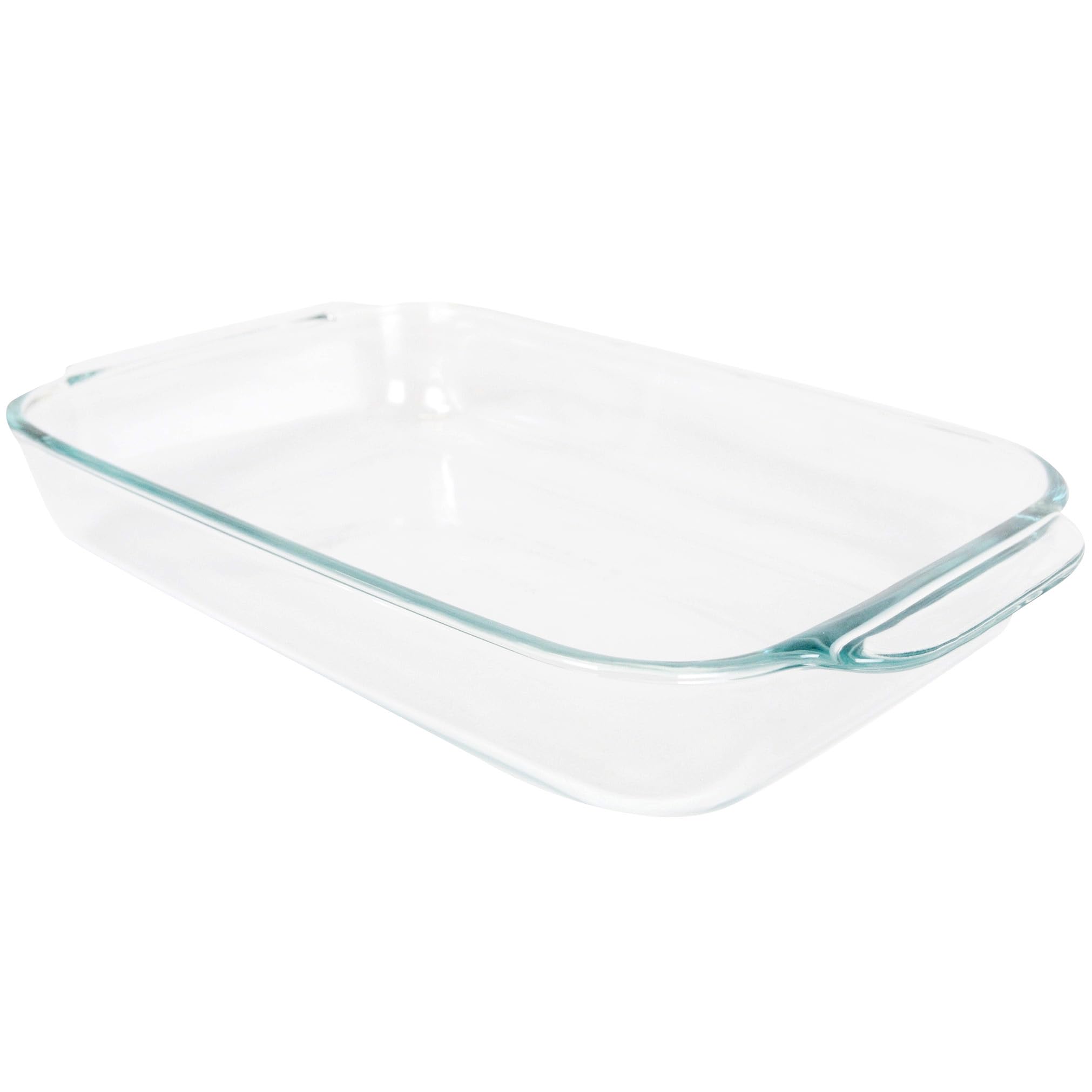
How To Choose The Best 11 2 Qt Baking Dish
A 2-quart dish is a the just-right size — big enough for a casserole that feeds two hungry adults with a portion left over, small enough to fit a standard home oven shelf without crowding it. The trap is assuming every 2-quart dish is shaped the same. A square pan with tall walls holds the same volume as a long shallow oblong, but they cook completely different dinners.
Square and round versus oblong
A square or round dish piles food deep, so layered dishes like lasagna and brownies come out thick and tall. An oblong dish spreads the same 2 quarts wide and shallow, which is better for a whole roast, scalloped potatoes, or anything you want to brown across a broad surface. Think about what you actually cook most before you pick a shape.
Glass, stoneware, or clay
Glass lets you watch the browning through the side and never holds onto food smells. Stoneware and clay heat slowly and hold that heat, so the dish keeps food warm on the table after it leaves the oven. Ceramic pieces also tend to look good enough to carry straight to the table, which matters if you serve from the dish.
The lid question
A fitted lid replaces foil, traps steam, and stacks neatly in the fridge. The catch is that a lid is one more piece to wash and store, and a lid that does not seat well causes more grief than no lid at all. If you mostly bake uncovered, skip the lid and put the money into a better dish body.
Handles and weight
A full 2-quart casserole is heavy, and a hot one is heavier and slippery. Side handles with a real grip let you pull a loaded dish out of the oven with confidence. Weight matters too — a lighter glass dish is easier to manage one-handed than a thick stoneware one, which is worth thinking about if your counter is a walk from the oven.
Quick Comparison
| Model | Best For | Capacity | Material | Shape | Amazon |
|---|---|---|---|---|---|
| Emile Henry Modern Classics 9″ x 9″★ Best Overall | Even, hold-the-heat baking | 2 quarts | Ceramic (Burgundy clay) | Square | Amazon |
| Pyrex 2-Quart Oblong Baking/Serving DishBudget Champion | Simple everyday value | 2 quarts | Glass | Rectangular | Amazon |
| LOVECASA 8×8 Square Pan | Deep casseroles and brownies | 2025 ml | Stoneware | Square | Amazon |
| NUTRIUPS 2 QT Rectangular with Lid | Lidded rectangular baking | 2 quarts | Glass | Rectangular | Amazon |
| NUTRIUPS 1.9QT Oval with Lid | Long cuts of meat | 1.9 quarts | Borosilicate glass | Oval | Amazon |
| Libbey Baker’s Premium with Cover | Stackable storage and serving | 1.9 liters | Glass | Oval | Amazon |
| KOOV Ceramic 9-Inch Round with Lid | Table-worthy presentation | 2 quarts | Ceramic | Round | Amazon |
In‑Depth Reviews
1. Emile Henry Made In France Modern Classics Square Baking Dish 9″ X 9″
Our pick — 4.5+★ from 600+ verified ratings; the strongest balance of quality and price.
The clay square that keeps dinner hot long after the oven door shuts.
What you get here is a 2-quart square dish made from high-fired Burgundy clay, a natural ceramic that heats slowly and spreads that heat evenly through the whole pan. That even diffusion is why the browning comes out level rather than patchy at the corners. The dish is oven safe up to 520F, which means it can go under the broiler too, and it moves straight from the freezer to a hot oven without cracking.
Where it pulls ahead of the cheaper glass picks is retention. The clay keeps food hot on the table longer, so a second helping is still warm when you come back for it. Cleaning is where this dish wins people over most — the hard, glossy glaze shrugs off baked-on sauce, and it goes in the dishwasher when you cannot be bothered.
It fits a dinner for two with a portion left over, thanks to a square 10.6″D x 9.1″W x 2.6″H footprint. The Emile Henry gives you 10.6 inches of depth against the 8 inches of the LOVECASA square. That makes it the longer of the two square pans on this list, so a whole layered bake fits without crowding. One honest note: value is where opinions split. This is the priciest ceramic square here. You pay for the clay and a 10 year guarantee against manufacturing defects, not for extras in the box.
Why the clay earns its keep
- Keeps food warm on the table long after it leaves the oven
- Oven safe to 520F, so it handles broiler finishing
- Moves from freezer to hot oven to table without a temperature shock crack
- Scratch-resistant glaze that does not craze over time
What to weigh before buying
- The 3-pound body is heavier to lift out of a hot oven than glass
- The most expensive ceramic square in this lineup
- Square walls mean no wide shallow surface for a whole roast
Right for: anyone who serves from the dish and wants the last scoop still warm.
Think twice: if you want one pan that also roasts a whole chicken — the square shape works against you there.
2. Pyrex Bakeware 2-Quart Oblong Baking/Serving Dish, Clear
The clear, cheap, no-drama oblong that does scalloped potatoes and never complains.
Start with the size, because that is the whole point of this one. The Pyrex runs 13″D x 7.75″W x 2″H — a wide, shallow rectangular footprint that browns across a broad top surface and lifts out of the oven with an easy one-hand grip. It is the classic shape for casseroles, and it is the one pan here that slides into a medium-sized microwave without a fight. What wins people over is simply that the dimensions fit real kitchens.
It is tempered glass, so you can watch the browning through the side wall without opening the door and letting the heat out, and it never picks up the smell of last week’s curry. The trade-off against the Emile Henry is retention: this dish weighs 2.3 pounds, comfortably lighter to carry, but glass does not hold heat the way clay does, so food cools faster once plated. It is also the most budget-friendly 2-quart pick on this list, and the result holds up — a standard scalloped potato bake comes out even and properly set.
Note the one gap in the box: there is no lid, and nothing to cover it with beyond foil. If you want to refrigerate leftovers without wrapping, factor in a separate cover. For the price, though, this is the dish most households should own first — it takes up little cabinet room and you will not wince if it gets knocked about. The Pyrex also wins the footprint contest against the LOVECASA square, stretching to 13 inches of length versus that pan’s 8 inches.
Value read: you are getting generic, tested tempered glass with no extras — and that is exactly why it costs the least here. The size and the material are the entire value proposition, and both are solid.
One catch: no lid, no cover, and glass cools faster than clay. If warm-second-helpings matter to you, look upward on this list.
Grab this if: you want one dependable glass oblong for weeknight casseroles at the lowest spend.
Look elsewhere if: you bake layered dishes tall and need a deep-walled pan.
3. LOVECASA 8×8 inch Baking Pan, 2 Quart Square Cake Pan

Three-inch walls that stack a lasagna tall instead of spreading it thin.
Depth is the reason to pick this pan. The LOVECASA stands 3 inches high in a tight 8″D x 8″W footprint, so the same two quarts pile up in a deep column rather than spreading out. That is what you want for a thick brownie slab, a tall gratin, or an enchilada bake where the layers need to sit on each other. It holds 2025 ml, which is right in the about-2-quart zone. The depth is also what makes it feel more generous than the shallow oblongs on this list.
You can carry it straight from oven to table, because the stoneware body is oven safe to a range of 450°F to 500°F. It also handles the microwave, freezer, and dishwasher. Double side handles with a striped grip let you lift a full, hot pan with two hands without fumbling it. Stoneware also absorbs and holds heat, so food stays warm while everyone gets seated.
Against the Emile Henry square, this one is the shorter footprint — 8 inches of depth versus that dish’s 10.6 inches — but it makes up for it in height. The honest caveat: weight is a mixed bag. Stoneware is denser than glass, so the empty pan already feels substantial, and a full one is a two-hand lift. It is also a square, so it is not the pan for a long roast or a whole fish.
What stands out: that 3-inch depth turns a standard 2-quart recipe into a thick, presentable bake, and the color finish is genuinely table-ready.
Worth knowing: stoneware is heavier than glass, so if lifting a loaded hot pan is hard on your wrists, a lighter glass oblong is easier to handle.
The match for you: bakers who want deep layers, thick brownies, and a pan that doubles as a serving dish.
Not your pan if: you need a wide shallow surface to brown a whole roast across the top.
4. NUTRIUPS 2 QT Rectangular Glass Casserole Dish With Lid

A lid that flips over into a second shallow dish — two pans for the cupboard space of one.
The lid is the whole story on this NUTRIUPS. It seats on top to keep steam and flavor in while you watch the food through the glass, then flips upside down to act as a shallow dish of its own. That trick means one piece of cookware covers a lid-on covered bake and a lid-off shallow serve. The pan itself is rectangular and holds 2 quarts, sized for a casserole or a dinner for two or three.
It is tempered glass rated to handle temperatures from 482° F down to -4° F, so the freezer-to-oven move does not risk a thermal-shock crack. The smooth, nonporous surface wipes clean easily, and it is dishwasher safe when you would rather not hand-wash. A flat lid with no knob means the whole thing stacks in the fridge or cabinet, which is the kind of practical detail you notice every single day.
Here is the flattering comparison for anyone measuring their cabinet shelf: the NUTRIUPS runs 11.81 x 7.76 x 3.94 inches, so it is the longer and deeper of the two glass lidded rectangles here. The catch is built into the glass — it is not for direct fire or an induction cooker, only the oven, microwave, and freezer. And while the lid is the star, a glass lid still needs careful handling so the edge does not chip.
The practical win: the reversible lid replaces foil and gives you a second shallow serving dish without buying anything else.
The honest limit: oven, microwave, freezer, and dishwasher only — no direct flame, no induction.
Made for: small kitchens and leftovers people who want a covered bake and stackable storage in one piece.
skip it if: you want a knobbed lid for easy lifting or a pan for direct stovetop heat.
5. NUTRIUPS 1.9QT Oval Glass Casserole Dish with Lid

Oval walls built for a long cut of meat, wrapped in a lid you can watch through.
Borosilicate glass is the differentiator here, and it is worth understanding in plain terms. It is a glass type that resists temperature swings and takes a hotter range — this dish is rated between 572° F and -4° F — and it is described as stronger than regular tempered glass. That range is the widest of any pick on this list, so it is the one least likely to complain when you move it from fridge to a hot oven. It holds 1.9 quarts, just under the 2-quart mark but the same dinner-for-two job in practice.
The oval shape is the reason to choose it over a rectangle. An oval holds a longer cut of meat — a whole chicken or a pork loin — that a square pan forces you to fold or trim. A glass lid with a knob on top seals in heat and moisture, and you can peek through it without lifting, so the food stays moist. The vertical stripe design gives it a bit more table presence than plain clear glass.
Against the rectangular NUTRIUPS, this one is the tighter footprint at 10.63 x 7.4 x 4.45 inches, so it fits a compact oven without hogging shelf space. It handles the microwave, oven, freezer, and dishwasher, though not direct fire or induction. Fit is the one place opinions divide — the oval shape suits some ovens better than others, so measure your shelf before you order if tight clearance is a concern.
Where it shines: freezer-to-oven cooking feels safer with that 572° F to -4° F range, and the knobbed lid lifts easily.
Check first: fit is the mixed note — confirm your oven shelf and any roasting clearance before you commit.
Pick this one for: whole chickens, loins, and any long roast that a round or square pan cannot hold.
Pass if: you need a square pan for layered brownies or a deep lasagna stack.
6. Libbey Baker’s Premium Glass Casserole Dish with Cover, 2-quart

The stackable glass set that makes a full fridge look organized instead of chaotic.
Stackability is the feature Libbey built this around, and it earns its place. The flat cover means multiple dishes sit on top of one another in the fridge or cabinet, so a shelf that holds one becomes a shelf that holds a stack. That is a real difference for anyone who preps ahead or stores leftovers in volume. The dish holds a 2-quart capacity — listed as 1.9 liters — and runs 7.4″D x 11.4″W x 3.6″H in an oval shape.
The glass is lead-free and handles the oven, microwave, refrigerator, and freezer, so you can bake, chill, and reheat in the same vessel. Clear walls let you watch the browning and see straight into the fridge to know what is inside without opening anything. It is an oval, which suits a medium roast or a pan of scalloped potatoes for one or two people. The 1.9-pound weight makes it one of the lighter pans here, easy to pull out with a single hand.
Set against the Emile Henry at 3 pounds, this Libbey is the lighter carry by a clear margin, which matters when a full dish is hot. It is also dishwasher safe, and the smooth glass wipes clean without scrubbing. The trade-off is that glass gives up heat faster than clay and stoneware do, so serve quickly if you want the last portion warm. Shape is an oval, so it is not the fit for thick layered brownies.
Best reason to buy: a lid that stacks turns leftover storage from a foil-wrapped mess into a neat glass tower.
Second thought: oval glass cools fast on the table, and the shape rules out square-cut bar cookies.
Ideal for: meal-preppers and leftover-hoarders who want a lidded oven dish that stacks flat.
Not ideal for: bakers whose main job is thick brownie squares needing square corners.
7. KOOV Ceramic Casserole Dish with Lid – 2 Quart, 9 Inch Round Baking Dish

A reactive glaze round that shows up to dinner looking like a centerpiece.
The reactive glaze is the draw here — it gives the round dish a shifting, multitone blue finish that is designed to look good enough to leave on the table as a serving piece. It holds 2 quarts in a 9″D x 9″W x 3.5″H round shape, which piles lasagna, spaghetti, or chicken deep and tall rather than flat. The stoneware body is oven safe to 500°F and also handles the microwave, refrigerator, and dishwasher.
The smooth glaze resists sticking, so cleanup is a quick rinse or a dishwasher cycle. The hard, scratch-resistant glaze is meant to hold its color through everyday use, and the round shape is easy to serve from with a big spoon. It works well for roasting vegetables and reheating leftovers, and it is the kind of dish people reach for when they are hosting and want the pan to look presentable.
Now the honest part, and it matters. This is the lowest-rated pick on the list, and the two recurring themes are a lid that does not seat properly and units that cracked during cooking. That is the trade-off for the standout glaze — the lid fit and the durability are the places to watch. Treat the lid gently, check that it seats flat before you rely on it, and you get the looks without the headache.
What makes it special: the reactive glaze finish is genuinely table-worthy, and the round 9-inch shape piles food tall.
The real catch: lid fit and durability are the honest weak points — this is a dish to handle with care, not a rough-and-tumble workhorse.
Choose it for: presentation nights when you want the pan on the table, not hidden in the kitchen.
Choose something else if: you want a dishwasher-every-day pan that shrugs off hard knocks — a glass or plain ceramic pick is safer.
Understanding the Specs
Capacity in quarts
A quart is a volume measure, and 2 quarts is the standard “dinner for two plus leftovers” size. The catch is that two 2-quart dishes can be shaped very differently — a tall square and a wide oblong hold the same amount but cook differently. A deep pan stacks layers, while a shallow one browns across a broad top. Check the shape alongside the capacity, not just the number.
Oven-safe temperature
This number is the top heat the dish can take without cracking, and it decides whether you can use the broiler. A rating like 520F, 500°F, or a range of 450°F to 500°F tells you that ceiling. A range like 572° F to -4° F also gives you the cold end. That matters if you move a dish straight from the freezer to a hot oven: the wider the range, the less risk of a thermal-shock crack (a crack from a sudden temperature jump).
Material: glass versus clay and stoneware
Glass is see-through, never holds smells, and is light to carry, but it lets heat go once the dish is on the table. Stoneware and Burgundy clay are denser, hold heat longer, and look good enough to serve from, though they are heavier. Neither is better, they just suit different dinners — glass for watching the bake, clay for keeping it warm.
Lid type and fit
A fitted lid replaces foil, traps steam, and stacks in the fridge. A knobbed glass lid lifts easily, and a flat lid stacks flat. The one thing to verify is that the lid seats properly — a lid that does not fit well is worse than no lid, because it fails to seal and adds a piece to wash.
FAQ
Will a 2-quart baking dish fit a standard home oven?
Is a square or an oblong 2-quart dish better for lasagna?
Can I take a glass casserole dish from the freezer straight to a hot oven?
Is stoneware heavier than glass for the same 2-quart size?
Do I need a lid on a baking dish?
Which baking dish material keeps food warm the longest at the table?
How do I clean baked-on food off a ceramic baking dish?
Can these casserole dishes go under the broiler?
Is a 1.9-quart dish big enough when a recipe calls for 2 quarts?
What is the difference between tempered and borosilicate glass in a casserole dish?
Final Thoughts: The Verdict
The 11 2 qt baking dish that gets my nod is the Emile Henry square. Burgundy clay spreads heat evenly, it keeps food warm at the table, and the scratch-resistant glaze washes up in the dishwasher. Want a wide shallow pan for scalloped potatoes at the lowest spend here? The Pyrex oblong is the everyday workhorse. If a whole chicken or a pork loin is your regular dinner, reach for the NUTRIUPS oval. Its borosilicate glass (glass that shrugs off temperature swings) spans 572° F to -4° F, and its shape holds the long cut a square pan cannot. The Emile Henry is the crowd favorite at 4.5+ stars across 600+ ratings.
How We Picked
We do not accept paid placement. Every pick is matched to a real buyer and a real use-case; we do not hands-on test units.
Sources & Methodology
Specifications: manufacturer listings and product documentation. Review insights: verified customer reviews, as of November 2026. Pricing: not shown on this page (it changes often); check the current price via the retailer link.
As an Amazon Associate, Gadgets Feed earns from qualifying purchases. This does not affect which products we feature.