
Finding a phone under a strict budget that genuinely delivers on camera quality often feels like a compromise between sensor resolution and real-world image processing. The battle isn’t just about hardware specs; it’s about decoding which features—like Optical Image Stabilization (OIS) versus a higher megapixel count—actually matter when you’re shooting in low light or fast-moving scenarios. Understanding this landscape is critical because a high-megapixel sensor paired with weak software produces flat, noisy images, while a balanced setup with OIS and a capable chipset captures consistently sharp and vibrant shots.
I’m Min — the co-founder and writer behind Gadgets Feed. I’ve spent countless hours poring through technical datasheets, comparing sensor sizes, aperture ratings, and real-world sample galleries to separate marketing hype from actual photographic performance, specifically for phones that live within this strict budget bracket.
This guide pinpoints the most capable optics available today, evaluating everything from pixel-binning technology to dedicated night modes, so you can confidently select a camera phone under 30000 that punches far above its weight class in capturing life’s moments.
How To Choose The Best Camera Phone Under 30000
When your primary focus is photographic performance within a strict budget, three specific technical pillars separate a genuine camera phone from a general-purpose handset. Ignoring any one of them often leads to disappointing results in the scenarios you care about most.
Prioritize OIS Over Extra Megapixels
Optical Image Stabilization mechanically compensates for hand shake during longer exposures. A 50MP main camera with OIS will consistently produce sharper low-light and telephoto shots than a 108MP or 200MP sensor that relies purely on electronic stabilization. Look for phones explicitly listing OIS on the primary lens; this single feature is the strongest predictor of usable low-light performance in this price tier.
Examine Sensor Size and Pixel Binning
A larger physical sensor (1/1.4” or bigger) gathers more light, and pixel-binning technology—combining multiple tiny pixels into one large pixel—further enhances light sensitivity. A 200MP sensor using 16-in-1 binning creates 2.24μm super-pixels, which capture far more detail in darkness than a 108MP sensor using 9-in-1 binning. This spec directly dictates dynamic range and noise levels in your evening street photography.
Check the Video Recording Ceiling
If you shoot video, the maximum resolution and frame rate matter. 4K at 30fps is standard, but phones that support 4K at 60fps or 1080p at 60/120fps with OIS enabled offer vastly smoother and more detailed footage. Also, verify whether the front-facing camera matches your selfie or vlogging needs—a 20MP or 32MP front sensor with its own night mode is a strong differentiator in this segment.
Quick Comparison
On smaller screens, swipe sideways to see the full table.
| Model | Category | Best For | Key Spec | Amazon |
|---|---|---|---|---|
| Xiaomi Redmi Note 14 Pro+ Plus 5G | Premium 5G | Night Photography & 4K Video | 200MP OIS main / 4K@60fps | Amazon |
| XIAOMI Redmi Note 15 Pro 4G LTE | Mid-Range 4G | Battery Life & Portrait Shots | 200MP OIS main / 6500mAh | Amazon |
| XIAOMI Poco X7 PRO 5G | Premium 5G Gaming | Action Shots & Gaming | 50MP OIS main / 512GB + 12GB | Amazon |
| Nothing Phone (2) | Flagship Alternative | Overall Flagship Experience | 50MP+50MP dual / Snapdragon 8+ Gen1 | Amazon |
| Xiaomi Redmi Note 14 4G LTE (256GB + 8GB) | Budget 4G | Value & Display | 108MP main / 120Hz AMOLED | Amazon |
| Xiaomi Redmi Note 14 4G LTE (Midnight Black) | Budget 4G | Budget All-Rounder | 108MP main / 5500mAh battery | Amazon |
| XIAOMI Redmi Note 14 4G LTE (Midnight Black, Alt) | Budget 4G | Entry-Level Camera | 108MP main / Helio G99-Ultra | Amazon |
In‑Depth Reviews
1. Xiaomi Redmi Note 14 Pro+ Plus 5G

The Redmi Note 14 Pro+ Plus sits at the apex of this list because it delivers a 200MP main sensor with OIS, a 1/1.4” sensor size, and the ability to shoot 4K at 60fps—a combination rarely seen in this budget segment. The Snapdragon 7s Gen 3 processor ensures smooth UI navigation and fast image processing, while the 6.67” CrystalRes AMOLED display at 2712 x 1220 resolution provides an excellent viewfinder for framing shots.
In practice, the OIS makes a tangible difference for handheld night photography, reducing blur noticeably compared to non-OIS rivals. The 16-in-1 pixel binning creates 2.24μm super-pixels that capture impressive detail in dim conditions, and the dedicated Night mode further boosts dynamic range. The 120W HyperCharge is another standout—juicing the 5110mAh battery from zero to full in roughly 20 minutes, which means you never miss a shot due to a dead phone.
The trade-off is the absence of a microSD slot, so choose the 256GB variant wisely. The Lavender Purple finish is attractive, but the phone lacks an official IP rating for water resistance. For photographers who prioritize low-light capability and video flexibility above all else, this is the undisputed champion of the group.
Why it’s great
- 200MP OIS main camera with 1/1.4” sensor produces exceptionally sharp low-light photos
- 4K video at 60fps with OIS enabled for smooth, detailed footage
- 120W HyperCharge refuels the 5110mAh battery in minutes
Good to know
- No microSD expansion slot limits storage to 256GB
- Gorilla Glass Victus 2 helps, but no official IP rating
- Network compatibility limited to T-Mobile/Mint/Tello in the US
2. XIAOMI Redmi Note 15 Pro 4G LTE
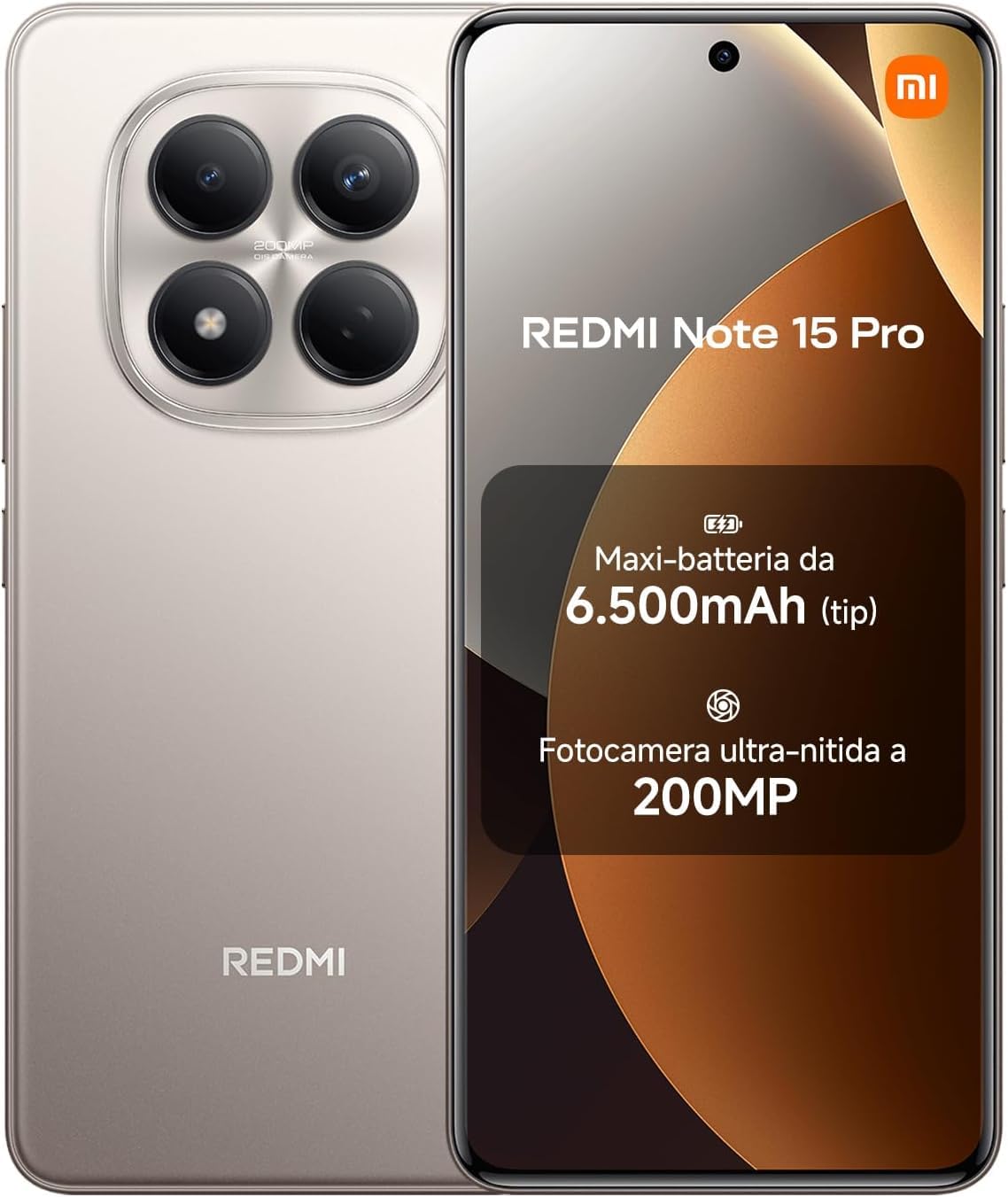
The Redmi Note 15 Pro takes the 200MP OIS main camera from its sibling and pairs it with a monstrous 6500mAh battery, creating a photography workhorse that lasts multiple days of casual use. The Helio G100-Ultra processor handles everyday shooting with zero lag, and the 6.67” AMOLED display with 1800 nits peak brightness makes outdoor composition effortless. The 8MP ultrawide and 2MP macro round out a versatile rear setup.
In reviews, users consistently report 3–4 days of battery life with light usage, and even heavy camera sessions drain the battery slowly. The OIS on the 200MP sensor delivers excellent handheld portraits with natural bokeh separation, and the 16-in-1 binning yields bright, noise-free images in challenging light. The 32MP front camera with f/2.2 aperture is a bonus for selfie enthusiasts.
Potential drawbacks include the lack of a dedicated macro lens (some users expected one) and the absence of a microSD slot—256GB must suffice. The charging speed is adequate but not class-leading, and the included charger may be region-specific. If battery endurance is your top priority but you refuse to compromise on camera quality, this is the standout choice.
Why it’s great
- 6500mAh battery delivers exceptional longevity, often lasting 3–4 days
- 200MP OIS main camera with 1/1.4” sensor for high-quality portraits
- 32MP front camera with AI beautify and night mode
Good to know
- No microSD expansion slot
- Charging speed is moderate; some users report slow charging with third-party adapters
- Network compatibility limited; primarily works on T-Mobile/Mint/Tello in the US
3. XIAOMI Poco X7 PRO 5G

The Poco X7 PRO 5G proves that a 50MP sensor can outshine higher-megapixel competitors when paired with proper OIS and a powerful ISP. The Dimensity 8400-Ultra chipset enables 4K video at 60fps and supports advanced computational photography features like Motion Capture 2.0 and Director Mode. The 6.67” CrystalRes AMOLED display with 3200 nits peak brightness is the brightest on this list, making it ideal for outdoor shooting.
The OIS on the 50MP main camera is remarkably effective for action shots—motion tracking focus locks onto moving subjects with precision, and the Lightning Burst mode captures decisive moments. The 512GB internal storage is a massive advantage for 4K videographers, eliminating any storage anxiety. The 6000mAh battery with 90W HyperCharge means you can shoot all day and recharge quickly.
The trade-off is the absence of a microSD slot (though 512GB is generous) and the reliance on Xiaomi’s HyperOS software, which some users find has a learning curve. The phone also lacks an official IP rating. For users who demand both camera performance and raw processing power for gaming, this is the most balanced option.
Why it’s great
- 50MP OIS main camera with excellent motion tracking and action capture
- 512GB base storage ample for 4K video and heavy game libraries
- 6000mAh battery with 90W fast charging for all-day use
Good to know
- No expandable storage; rely on the 512GB internal
- HyperOS has a learning curve from stock Android
- No official IP water resistance rating
4. Nothing Phone (2)

The Nothing Phone (2) is the outlier here, offering a polished flagship experience at a price that undercuts traditional flagships. It pairs a dual 50MP main and 50MP ultrawide camera setup with a Snapdragon 8+ Gen 1 processor, a 6.7” LTPO OLED display that adapts between 1–120Hz, and a clean, bloatware-free interface. The Glyph Interface adds a distinctive aesthetic with programmable LED light sequences for notifications.
In terms of camera performance, the dual 50MP sensors deliver consistent, natural colors with excellent dynamic range. The advanced HDR and Night Mode produce results that rival more expensive devices, though the lack of a dedicated telephoto lens is a limitation. The LTPO display is a highlight—it adjusts refresh rate to conserve power, and at 1600 nits peak brightness, it’s superb for outdoor composition. Users report battery life lasting up to two days with moderate use.
The primary drawback is US after-sales support—users report difficulty getting repairs if the back glass cracks, and Nothing’s support can be unresponsive. It also lacks a 3.5mm headphone jack, expandable storage, and official water resistance (beyond IP54). For those who value a clean Android experience and unique design, this is a compelling option.
Why it’s great
- Dual 50MP cameras with advanced HDR and Night Mode deliver excellent, natural photos
- Snapdragon 8+ Gen 1 provides flagship-level performance
- 6.7” LTPO OLED with adaptive 1–120Hz refresh rate is power-efficient and bright
Good to know
- US repair support is limited; DIY repairs are difficult due to part availability
- No expandable storage, no 3.5mm headphone jack, IP54 only
- Camera could be better than direct competitors; no dedicated telephoto lens
5. Xiaomi Redmi Note 14 4G LTE (256GB + 8GB, Lime Green)

The Redmi Note 14 brings a 108MP main camera and a flagship-grade 6.67” AMOLED display with 120Hz refresh rate to the entry-level price tier. The 108MP sensor captures detail-rich photos in good lighting, though the absence of OIS means low-light shots require a steady hand or a tripod. The 5500mAh battery offers excellent endurance, and the Helio G99-Ultra processor handles daily tasks and casual gaming smoothly.
The display is the star here—2400 x 1080 resolution with 1800 nits peak brightness, 100% DCI-P3 coverage, and Gorilla Glass 5 protection. This makes it a fantastic viewfinder for photography and a pleasure for media consumption. The 20MP front camera is adequate for selfies, and the IR blaster is a welcome bonus for controlling appliances.
The primary compromise is the camera system’s reliance on electronic stabilization rather than OIS, which limits low-light sharpness. The 2MP depth and 2MP macro cameras are filler rather than useful tools. For budget-conscious buyers who prioritize display quality and battery life over absolute camera performance, this is an excellent entry point.
Why it’s great
- 108MP main camera produces high-detail shots in good light
- 6.67” 120Hz AMOLED display with 1800 nits is exceptional for the price
- 5500mAh battery provides solid all-day endurance
Good to know
- No OIS on the main camera; low-light shots require a steady hand
- 2MP depth and macro cameras are of limited use
- US network compatibility limited to T-Mobile/Mint/Tello
6. Xiaomi Redmi Note 14 4G LTE (256GB + 8GB, Midnight Black)

This Midnight Black variant of the Redmi Note 14 offers essentially the same hardware as its Lime Green counterpart—108MP main camera, 6.67” 120Hz AMOLED display, Helio G99-Ultra processor, and 5500mAh battery—at a slight price premium. The key difference is that this variant includes earphones in the box, which is a nice add-on for buyers who want a complete setup out of the package.
User feedback highlights the phone’s excellent build quality, smooth performance for social media and video calls, and long battery life—41 hours of talk time and 150 hours of typical use. The display remains a standout feature, with bright, vivid colors and smooth 120Hz scrolling. The 108MP camera performs well in consistent lighting but struggles with moving subjects in dim conditions due to the lack of OIS.
Users have reported mobile data issues on T-Mobile in the US, where only calls and texts work without Wi-Fi. This is a significant limitation for anyone relying on T-Mobile’s network for data. If you’re on a compatible carrier outside the US or use primarily Wi-Fi, this remains a solid value proposition with the added bonus of included earphones.
Why it’s great
- 108MP camera with 120Hz AMOLED display for the price
- 5500mAh battery with 41-hour talk time
- Includes earphones in the box
Good to know
- Mobile data may not work on T-Mobile networks in the US
- No OIS on the main camera; low-light performance is limited
- Included charger is European type; converter may have issues
7. XIAOMI Redmi Note 14 4G LTE (256GB + 8GB, Midnight Black, Alt Listing)
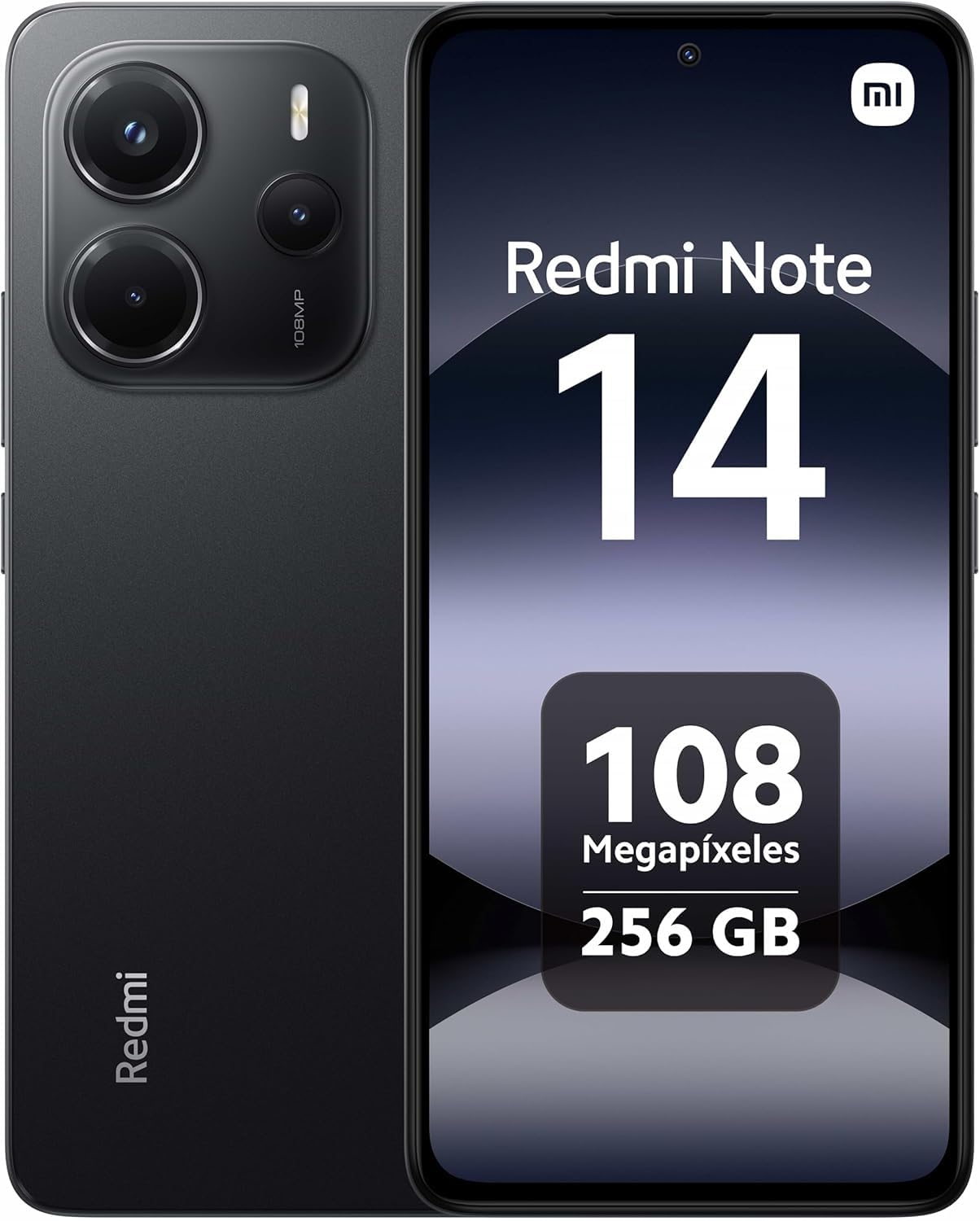
This third listing of the Redmi Note 14 4G LTE is essentially the same phone as the previous two entries, but it rounds out the budget options with a focus on the most cost-effective entry point into the 108MP camera ecosystem. The Helio G99-Ultra processor is capable, though some users noted app “not responding” errors that required a factory reset to resolve.
The phone’s camera performs admirably in daylight, producing sharp images with good dynamic range. The 120Hz AMOLED display is the best in class at this price point, and the 5500mAh battery ensures you won’t be tethered to a charger mid-shoot. The IR blaster and dual SIM support add practical utility for daily use.
The most common complaint is the data connectivity issue on T-Mobile networks, which affects full functionality. Additionally, the camera quality, while good, does not match the OIS-equipped peers in this roundup for low-light scenarios. For the absolute lowest cost of entry into this guide, it still delivers a usable photography experience with a stunning display, provided your carrier supports the bands.
Why it’s great
- 108MP main camera is capable in daylight
- 6.67” 120Hz AMOLED display with 1800 nits is exceptional at this price
- 5500mAh battery with dual SIM and IR blaster
Good to know
- No OIS; low-light and action shots require a steady hand
- Data may not work on T-Mobile networks in the US
- Some users reported app stability issues requiring factory reset
FAQ
Is a 200MP camera always better than a 50MP camera for low light?
What does OIS do for video recording on a budget phone?
Final Thoughts: The Verdict
For most users, the camera phone under 30000 winner is the Xiaomi Redmi Note 14 Pro+ Plus 5G because it combines OIS, a 200MP sensor, 4K at 60fps, and 120W charging into a cohesive package. If you want unbeatable battery life with that same OIS sensor, grab the XIAOMI Redmi Note 15 Pro 4G LTE. And for the purest flagship Android experience without bloatware, nothing beats the Nothing Phone (2) and its clean interface.