
The difference between sending your first 5.10 and slipping off a foothold often comes down to the rubber on your feet—not the size of your wallet. Budget climbing shoes have closed the gap dramatically in recent years, with affordable models now featuring sticky 4.2mm rubber compounds and lasts that fit real human feet without requiring a month of agonizing break-in.
I’m Min — the co-founder and writer behind Gadgets Feed. I’ve analyzed over 7,000 customer reviews, compared rubber durometers, last shapes, and outsole stiffness across entry-level and intermediate models so you can buy with confidence, not guesswork.
Whether you’re hitting the gym for the first time or projecting boulders without a project-sized budget, this guide to the best budget climbing shoes breaks down exactly which models deliver real grip, durability, and comfort for the price.
How To Choose The Best Budget Climbing Shoes
Shopping for budget climbing shoes is different from buying any other gear. The price ceiling forces trade-offs in rubber quality, last complexity, and durability that you need to understand before clicking “add to cart.” Here’s exactly what matters.
Rubber Compound and Thickness
Budget shoes typically use a thinner or lower-tack rubber to keep costs down. Look for models that advertise at least 4mm of outsole rubber—this gives a fair balance of grip and longevity. Shoes with softer compounds (Vibram XS Grip or equivalent) stick better on steep gym terrain but wear faster, while harder compounds (Vibram XS Edge) last longer for outdoor slab and edging.
Fit Profile: Flat vs. Moderate Downturn
Entry-level and budget shoes almost exclusively use a flat or very gentle downturn. This is good—it means you can wear them for multi-hour sessions without excruciating pain. A flat last also makes sizing more forgiving; you can often go just one to two sizes down from your street shoe rather than the aggressive three sizes required for high-performance models.
Closure System: Lace, Velcro, or Slip-On
Lace-ups offer micro-adjustability and a more precise fit across the entire foot, but take longer to put on and take off. Velcro straps are faster for gym sessions where you’re constantly removing shoes between climbs. Slip-on designs like the Mad Rock Rover are rare at this price but offer unmatched convenience—just know they tend to stretch more over time.
Upper Material: Leather vs. Synthetic
Leather stretches significantly over time, sometimes up to a full size. Synthetic uppers hold their shape better, meaning the shoe you buy today will feel roughly the same after 50 sessions. For budget shoes, synthetic is often the safer bet because it avoids the uncertainty of leather break-in—but leather can mold to your foot shape in a way synthetic cannot replicate.
Quick Comparison
On smaller screens, swipe sideways to see the full table.
| Model | Category | Best For | Key Spec | Amazon |
|---|---|---|---|---|
| Mad Rock Rover | Slip-On | Wide feet, gym climbing | 4.2mm rubber, flat last | Amazon |
| Scarpa Helix Lace | Lace-Up | All-day comfort, beginners | Vibram XS Edge, leather upper | Amazon |
| La Sportiva Tarantulace | Lace-Up | Versatile intermediate use | FriXion RF rubber, leather upper | Amazon |
| La Sportiva Tarantula (Women’s) | Velcro | Narrow feet, sport climbing | FriXion RF rubber, unlined leather | Amazon |
| EVOLV Defy | Velcro | Wide feet, indoor training | 4.2mm TraX rubber, synthetic upper | Amazon |
| XPETI Basin Approach | Lace-Up | Approach & casual use | Soft shank, roomy toe box | Amazon |
| Giro Tracker Fastlace | Fastlace | Mountain biking (not climbing) | Stiff sole, cycling-specific | Amazon |
In‑Depth Reviews
1. Mad Rock Rover Climbing Shoe

The Mad Rock Rover punches well above its price class by nailing the two things beginners need most: comfort out of the box and a shape that accommodates wide feet. Multiple reviewers note the Rover fits street shoe size with no agonizing pain—a rarity at this tier. The 4.2mm rubber sticks surprisingly well to gym volumes and moderate outdoor rock, though it won’t hold a candle to high-end Vibram XS Grip on slick plastic.
The slip-on design is a double-edged sword: you save precious seconds between burns at the bouldering wall, but the heel can feel loose for narrow-footed climbers. Two reviewers specifically call out the ridged heel pocket as excellent for heel hooking—an unexpected strength for a budget shoe. The asymmetric shape provides decent power transfer to the big toe without the aggressive downturn that makes all-day wear unbearable.
Durability is solid for the money, with extra-thick rubber at the toe that survives months of indoor abuse. The main trade-off is sensitivity: the flat last and moderate rubber dampen foot feel on tiny edges. For gym bouldering and sport climbing up to 5.11, this is the most well-rounded value play in the budget segment.
Why it’s great
- Excellent fit for wide feet with roomy toe box
- Heel ridge delivers surprisingly good heel hooks
- Durable toe rubber holds up to indoor abuse
Good to know
- Sizing consistency issues reported with some batches
- Not ideal for narrow-footed climbers
- Slip-on design stretches over time
2. La Sportiva Mens Tarantulace Rock Climbing Shoes

The Tarantulace is a legend in the budget climbing shoe world for good reason: the unlined leather upper stretches to mold precisely to your foot shape, and the FriXion RF rubber provides a confident grip on everything from gym holds to smeary slab. Reviewers consistently praise the lace-up system for staying tied all session without slipping—a small detail that makes a big difference when you’re dialing in tension.
Sizing is where this shoe demands attention. Experienced buyers recommend sizing down 1.5 to 2 full sizes from your street shoe to achieve that performance fit where toes curl slightly at the ends. The leather stretches roughly half a size after break-in, so starting tight is the correct move. One reviewer comparing to the Scarpa Helix noted the Tarantulace is made in China versus the Helix’s Romanian construction, but build quality reports remain strong across the board.
Edging performance is respectable for a flat-last beginner shoe—the stiff platform transmits force cleanly through the big toe without the painful torquing of aggressive models. Advanced climbers may outgrow this shoe within six months as their footwork improves, but for the first year of climbing, this is one of the most forgiving and confidence-inspiring options on the market.
Why it’s great
- Leather upper stretches for a custom fit over time
- Reliable lace-up system that stays tied
- Good edging support for a flat-last design
Good to know
- Requires aggressive sizing down (1.5-2 sizes)
- Break-in period needed for leather molding
- Made in China; build quality varies slightly
3. SCARPA Men’s Helix Lace Rock Climbing Shoes
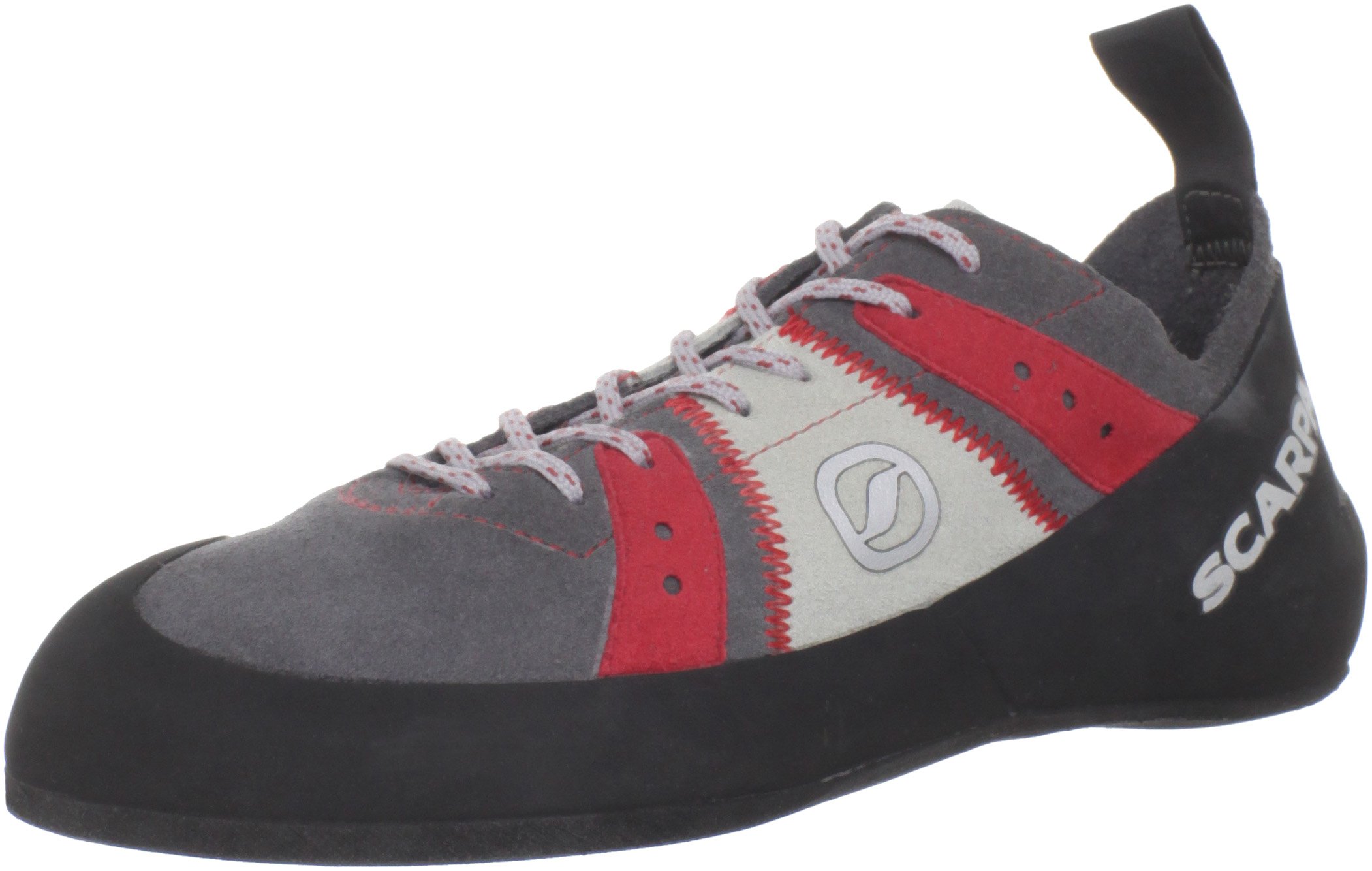
The Scarpa Helix is the shoe that keeps getting better. The latest iteration (grey model, made in Romania) offers noticeably more toe box room than the Tarantulace while maintaining excellent rubber quality with Vibram XS Edge. Multiple reviewers describe it as the most comfortable all-day climbing shoe in the budget category—ideal for gym sessions lasting two hours or longer where foot pain would normally cut you short.
The lace system runs all the way to the toes, allowing micro-adjustments that velcro shoes simply cannot match. This is particularly valuable for climbers with low-volume feet who struggle with heel slippage in other budget models. The suede leather upper takes about five sessions to fully break in, after which the shoe conforms to your foot without developing dead spots or pressure points.
Durability is the one notable trade-off. Several reviewers report the rubber wearing through in under three months with 2–4 sessions per week of gym climbing and ARC training. This is faster than the Tarantulace, likely due to the slightly softer compound. The Helix is best suited for beginners and intermediate climbers who value comfort and precision over long-term sole life—and who don’t mind resoling after a season of heavy use.
Why it’s great
- Generous toe box width for comfortable all-day wear
- Vibram XS Edge rubber grips well on edges and slab
- Full-length lace system for precise fit adjustments
Good to know
- Rubber wears faster than comparable budget models
- Slightly smaller than same-size Scarpa velcro models
- Break-in period of about 5 sessions
4. La Sportiva Womens Tarantula All-Around Rock Climbing Shoe
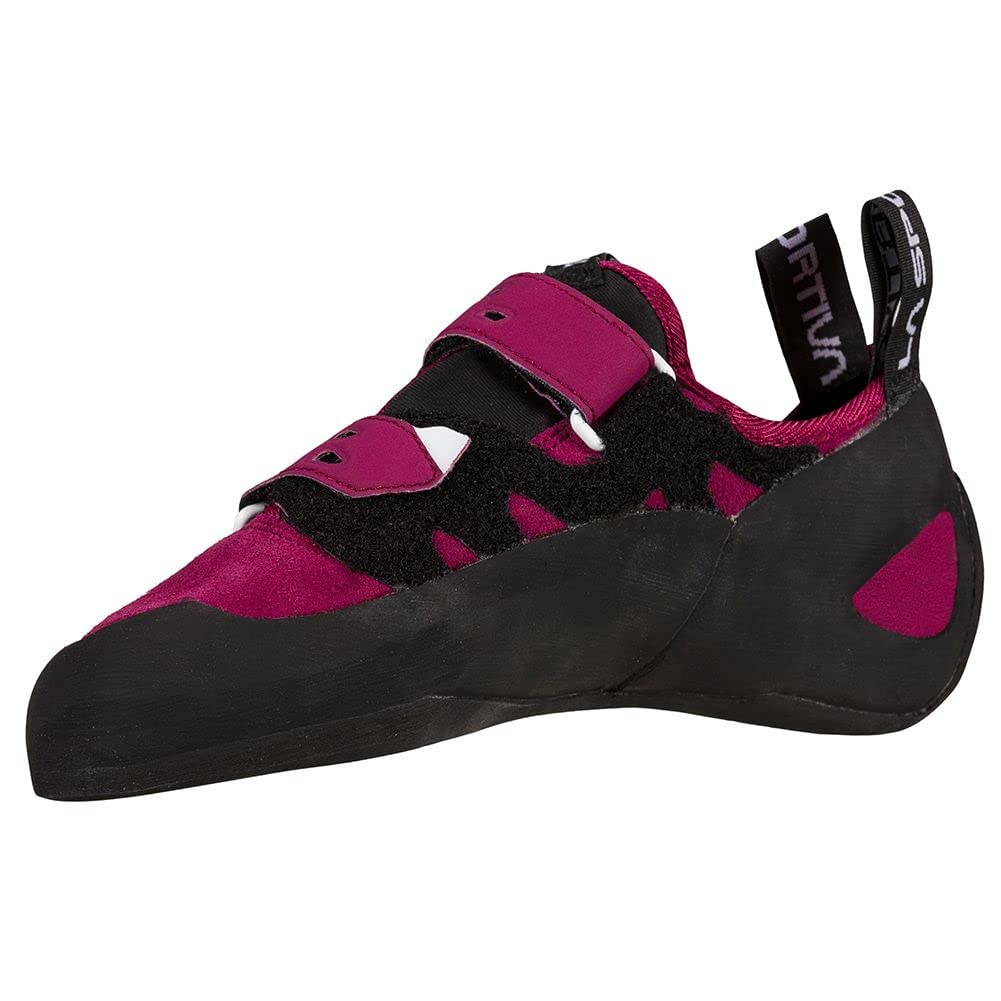
The women’s Tarantula takes everything that works in the unisex version and adds a last specifically shaped for narrower feet and a lower volume heel. The FriXion RF rubber compound is identical to the men’s Tarantulace, so you get the same reliable grip on gym plastic and outdoor granite. Women’s-specific fit means the heel pocket is tighter, reducing the dreaded dead space that can make heel hooks feel sloppy.
One reviewer sized down from 8.5 to 7.5 and reported zero break-in pain—the unlined leather stretches just enough to accommodate foot shape while maintaining a snug performance fit. The orange inner lining has been noted to peel off after about 30 wears, though this cosmetic issue does not affect climbing performance. The velcro closure makes on-off cycling fast, ideal for sport climbing sessions where you’re switching between belaying and climbing repeatedly.
Comfort is the standout feature here. Multiple reviewers report wearing these for hours at the gym without needing to take them off between routes. The flat last and moderate rubber thickness provide enough sensitivity for 5.9–5.10 climbs while still offering adequate support for footwork drills. For women climbers in their first year, this is the gold standard of budget-friendly, comfortable shoes.
Why it’s great
- Women’s-specific last for narrow feet and low volume
- No break-in required with proper sizing
- Comfortable for extended gym sessions
Good to know
- Inner lining may peel after heavy use
- Not recommended for wide-footed climbers
- Limited sensitivity for advanced footwork
5. EVOLV Defy Rock Climbing Shoe
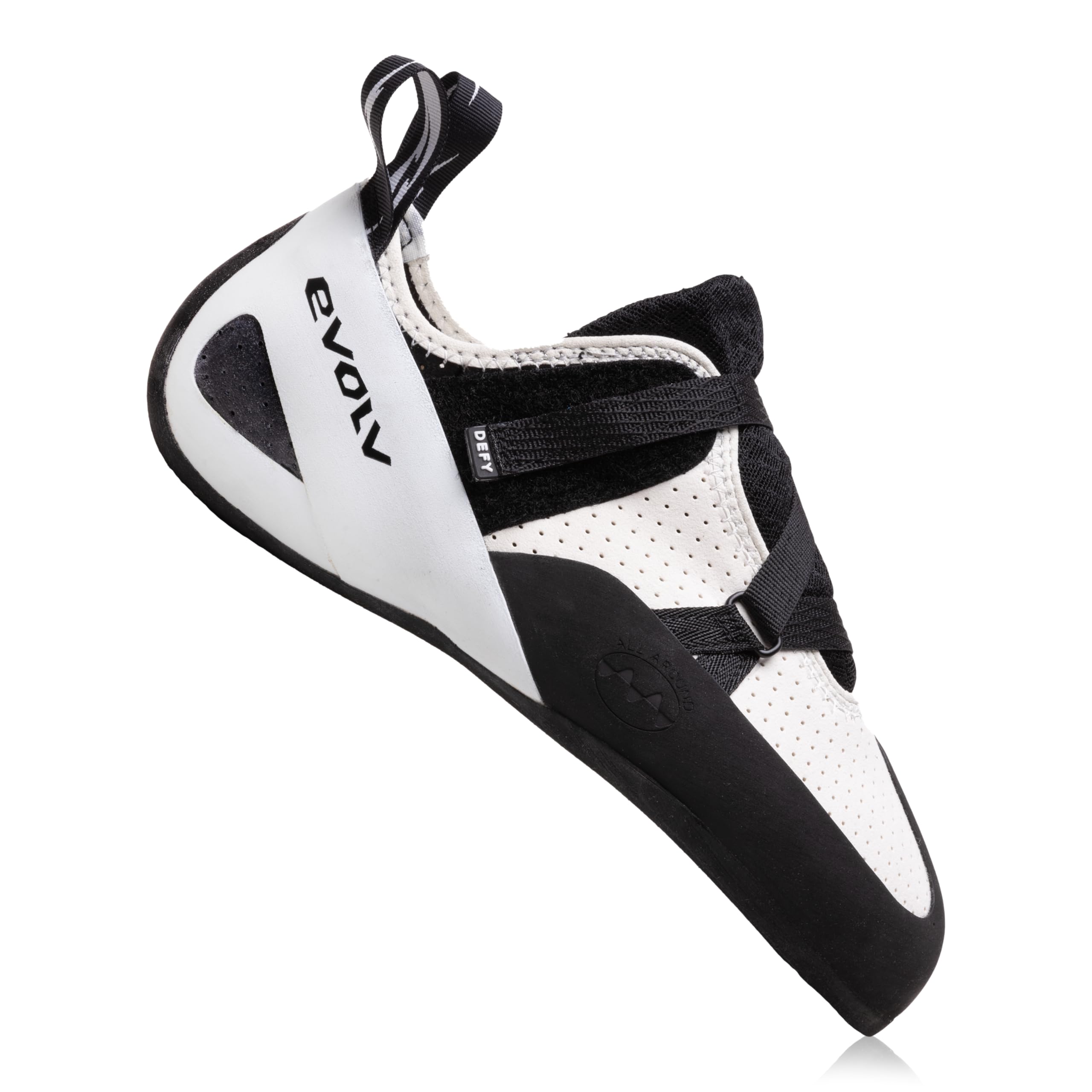
The EVOLV Defy is designed for one thing: getting absolute beginners on the wall without financial pain. The synthetic upper holds its shape perfectly—no worrying about leather stretching a full size—and the TraX rubber compound offers decent grip for gym bouldering and top-rope routes. Reviewers overwhelmingly agree that sizing is the critical factor here, with the Defy running significantly small. Most recommend going 1.5 to 2 sizes up from your street shoe for a proper fit.
Width accommodation is the Defy’s superpower. Multiple wide-footed reviewers report this is the only budget shoe that doesn’t crush their toes against the sidewall. The short, wide last is clearly designed for climbers with Egyptian or square foot shapes. Narrow-footed climbers should look elsewhere, as the extra volume will create heel slippage and dead space in the toe box.
The soft sole provides excellent sensitivity for feeling holds, but this comes at the cost of edging performance. The Defy is less stiff under the toe than the Tarantulace or Helix, meaning small footholds require more precise placement. Durability is solid for the price range, with several reviewers reporting the shoes lasting months of 3x-weekly gym use before needing replacement. For indoor-only climbers on a tight budget, this is a legitimate entry point.
Why it’s great
- Excellent fit for wide feet with roomy toe box
- Synthetic upper holds shape over time
- Budget-friendly entry point for beginners
Good to know
- Runs very small; size up 1.5–2 sizes
- Soft sole lacks stiffness for edging
- Not suitable for narrow feet
6. XPETI Men’s Basin Approach Shoes
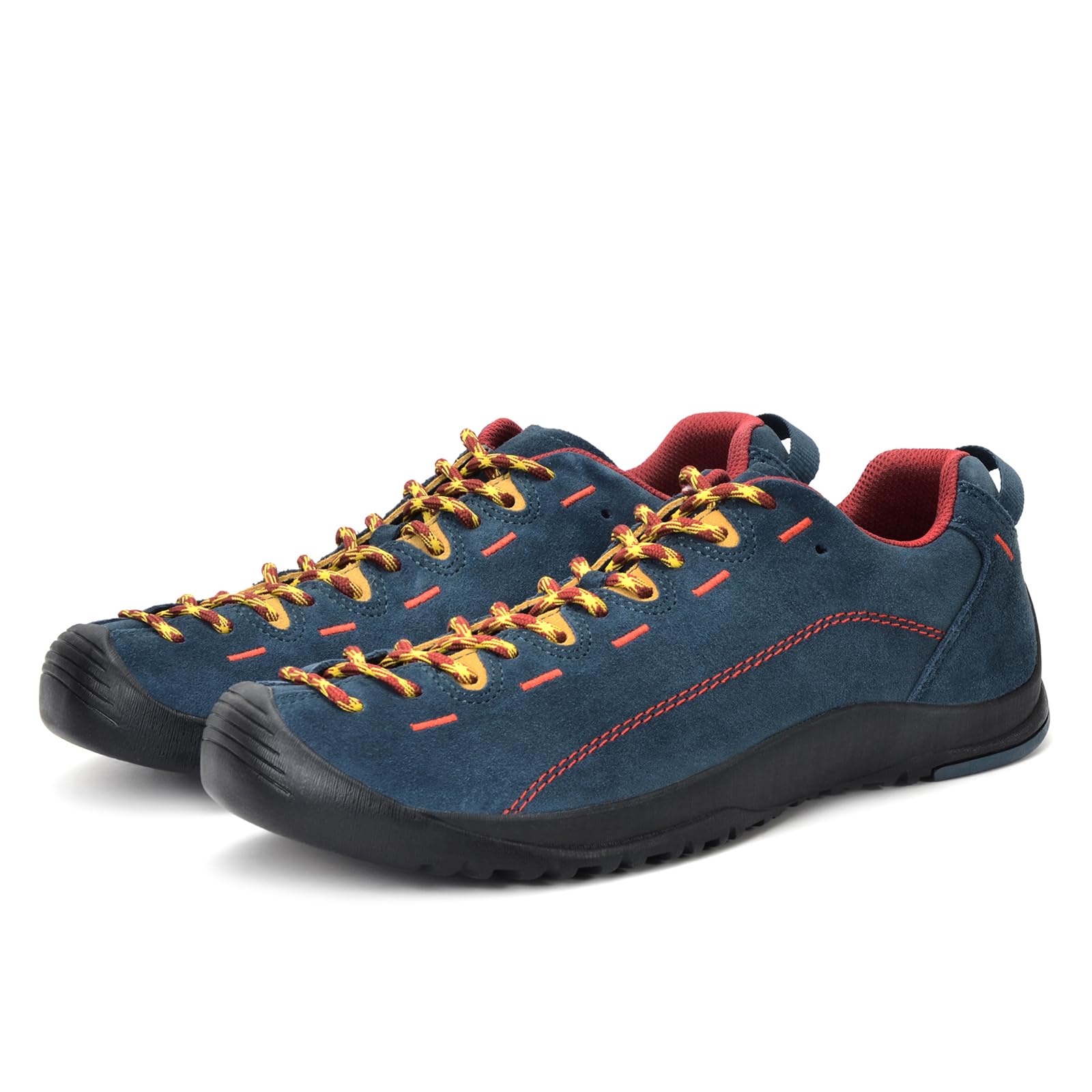
The XPETI Basin is a true approach shoe that blurs the line between hiking footwear and climbing-specific designs. The soft shank means this isn’t a technical edging tool—you’ll feel roots and pebbles through the sole—but the wet traction is genuinely excellent, outperforming many dedicated climbing shoes on slick granite slabs. The roomy toe box is a blessing for climbers with wide feet or those who wear shoes all day on the approach.
Reviewers praise the build quality and materials, noting the attractive design and soft, supple upper that requires no break-in. The shoe is best described as a comfortable moccasin with sticky rubber—ideal for casual crag days where you’re hiking in, climbing moderate routes, and hiking out without ever wanting to change shoes. One reviewer specifically calls it out as “not a true approach shoe” due to the flexible shank, but recommends it for daily wear and paved approaches.
The outsole flexibility is the deciding factor here. If you’re planning technical climbing or long hiking approaches with heavy packs, the Basin lacks the torsional rigidity to support your foot properly. Flat-footed reviewers also note the lack of arch support becomes noticeable after several miles. For the climber who wants one shoe for casual bouldering, gym sessions, and general outdoor wear, this is a unique and affordable option.
Why it’s great
- Outstanding wet traction on slick surfaces
- Roomy toe box for wide-foot comfort
- No break-in required, comfortable out of box
Good to know
- Too flexible for technical hiking or climbing
- Lacks arch support for flat-footed users
- Narrow toe box reported by some wide-foot reviewers
7. Giro Men’s Tracker Fastlace
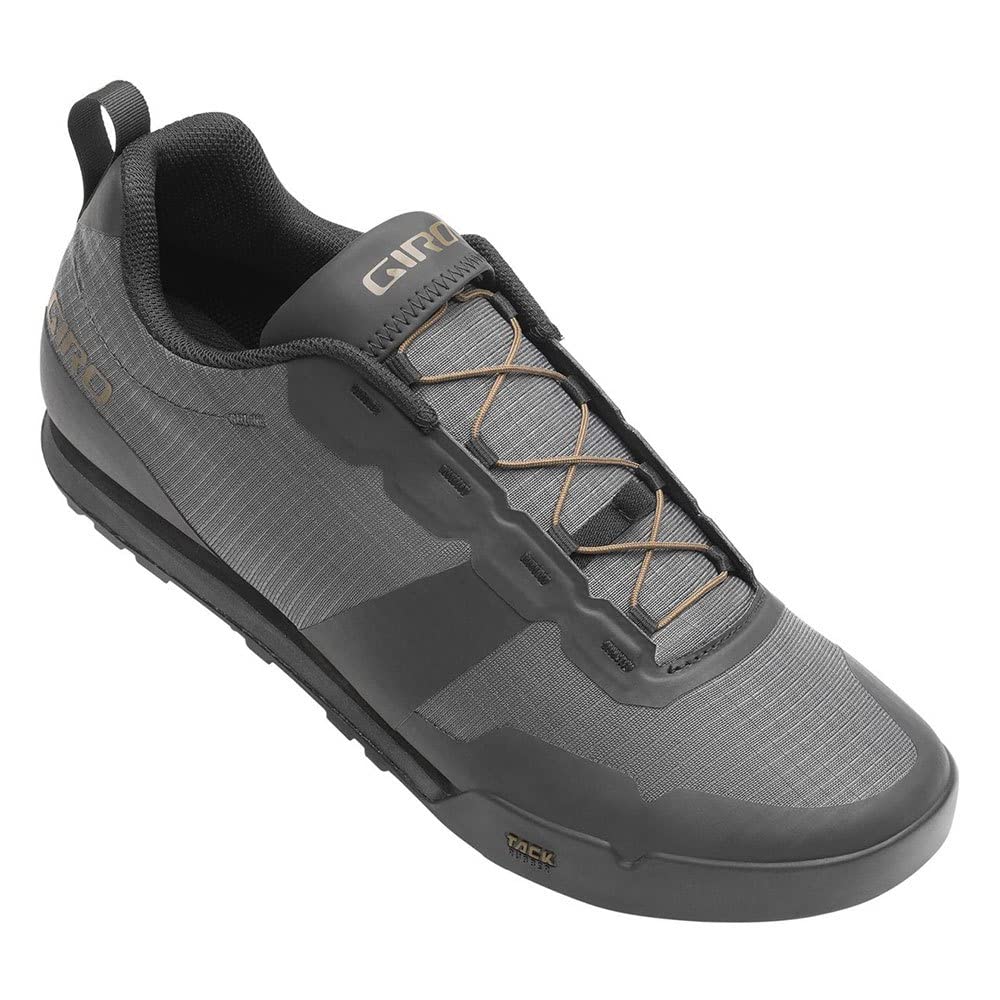
The Giro Tracker Fastlace is not a climbing shoe—it’s a mountain biking shoe with a stiff sole designed for efficient power transfer to flat pedals. This distinction is critical: the Tracker offers zero sensitivity for feeling climbing holds, and the outsole rubber is optimized for pedal pins, not rock friction. Several reviewers specifically note its stiff sole feels like a road shoe, which is great for cycling but terrible for smearing or edging.
Build quality is excellent, with reviewers praising the lightweight construction and comfortable fit for flat pedal riding. The fastlace system makes on-off transitions quick, and the rubber sole provides good grip on wet pedals. However, the complete lack of a climbing-specific last, downturn, or sticky rubber compound means this shoe has no place on a climbing wall or crag approach.
This product appears in the data set as a categorization error—it is not a budget climbing shoe and should not be considered for climbing use. If you’re looking for actual climbing footwear, refer to the Mad Rock Rover or La Sportiva Tarantulace above. For mountain bikers reading this guide, the Tracker is a solid budget shoe for flat pedal riding on hot, dry trails.
Why it’s great
- Lightweight and comfortable for cycling
- Stiff sole delivers efficient pedal power transfer
- Fastlace system for quick on-off
Good to know
- Not a climbing shoe—zero climbing-specific features
- Stiff sole unsuitable for climbing footwork
- Lace management is poorly designed
FAQ
Should I buy climbing shoes that are painfully tight?
How much smaller should budget climbing shoes be than street shoes?
Can I use approach shoes like the XPETI Basin for actual climbing?
Final Thoughts: The Verdict
For most users, the best budget climbing shoes winner is the Mad Rock Rover because it combines a wide-friendly fit, zero break-in period, and durable rubber at a price that leaves room for a gym membership. If you want the precision and adjustability of a lace-up system, grab the La Sportiva Tarantulace. And for all-day comfort on long gym sessions, nothing beats the Scarpa Helix Lace.