
For years, the promise of a QLED TV — those vibrant, saturated colors and high brightness levels — came with a price tag that put it out of reach for many. That era is over. Today’s market is flooded with models that deliver genuine Quantum Dot color and Mini-LED contrast at prices that feel like a steal, but sorting the true performers from the marketing-heavy duds requires knowing exactly which specs to trust and which to ignore.
I’m Min — the co-founder and writer behind Gadgets Feed. I’ve spent countless hours combing through technical datasheets, analyzing backlight configurations, and cross-referencing real-world user experiences to cut through the noise and pinpoint the sets that actually deliver premium QLED performance without demanding a premium wallet.
This guide is built around a simple mission: find the absolute best budget qled tv by focusing on the critical specs — Mini-LED zone count, native refresh rate, peak brightness, and HDR format support — that separate a true value champ from a compromise you’ll regret in a year.
How To Choose The Best Budget QLED TV
Finding a true budget QLED TV requires you to look past the marketing label. Many entry-level sets slap a “QLED” sticker on a standard LED panel, delivering only marginal color improvement. The real value lies in pairing Quantum Dot technology with a capable backlight system and a modern processor. Here are the three non-negotiable areas to evaluate.
The Backlight: Mini-LED vs. Standard LED
A QLED panel creates color, but its contrast and black-level performance are entirely dictated by the backlight. Standard edge-lit or basic full-array LED backlights result in washed-out black levels and visible blooming around bright objects. Mini-LED technology shrinks the individual LEDs, allowing for hundreds of independent dimming zones. This is the single biggest upgrade you can get in a budget QLED TV — deeper blacks, higher peak brightness, and vastly improved HDR punch. If a set lacks Mini-LED and local dimming, it is selling on the QLED name alone.
Refresh Rate and Gaming Features
Native refresh rate is the second most impactful spec. A 60Hz panel is fine for casual TV watching, but sports and gaming benefit enormously from a native 144Hz panel. Look for “native 144Hz” in the specs, not “Motion Rate 400” or similar interpolated marketing terms. True high refresh rates, combined with HDMI 2.1 features like Variable Refresh Rate (VRR) and Auto Low Latency Mode (ALLM), ensure smooth, tear-free motion for next-gen consoles and PC gaming. AMD FreeSync Premium certification is a strong bonus indicator of real gaming performance.
HDR Format Support and Peak Brightness
HDR is where a QLED TV should excel, but support for multiple HDR formats is crucial. Dolby Vision IQ and HDR10+ Adaptive are dynamic formats that adjust brightness and color scene-by-scene, creating a more cinematic experience. A budget QLED TV should be capable of at least 600 nits of peak brightness to make HDR content look noticeably better than standard SDR. Sets that only support HDR10 (the static format) and can’t exceed 400 nits may technically accept an HDR signal, but the picture will look dim and unimpressive — basically a wasted feature.
Quick Comparison
On smaller screens, swipe sideways to see the full table.
| Model | Category | Best For | Key Spec | Amazon |
|---|---|---|---|---|
| Sony Bravia 7 (55XR70) | Premium | Reference Picture Quality | XR Processor / XR Backlight Master Drive | Amazon |
| Toshiba 65Z670R | Premium | Large Screen Home Cinema | 65″ / REGZA Engine ZRi Gen3 | Amazon |
| Hisense U7SF (55U7SF) | Premium | Competitive Gaming | Native 165Hz / Game Booster 330 | Amazon |
| Samsung Neo QLED QN70F (55″) | Premium | AI Upscaling | NQ4 AI Gen2 Processor | Amazon |
| Toshiba 55Z670R | Mid-Range | Mini-LED Perfection | 55″ / REGZA Bass Woofer | Amazon |
| Hisense U6 Pro (55U6SF Pro) | Mid-Range | Best Value Mini-LED | Anti-Reflection / Hi-QLED MiniLED | Amazon |
| TCL T7 Series (65T7) | Mid-Range | 65″ QLED Value | 65″ / QLED / 144Hz Panel | Amazon |
| Amazon Ember 55″ Mini-LED | Mid-Range | Fire TV & Alexa Integration | 512 Dimming Zones / 1400 Nits | Amazon |
| TCL QM6K (55QM6K) | Mid-Range | Gaming & Sports | QD-Mini LED / 144Hz Native | Amazon |
| Samsung M70H (65″) | Mid-Range | Large Entry-Level Mini-LED | 65″ / Pure Spectrum Color | Amazon |
| Roku Plus Series (55″) | Budget | Entry-Level Mini-LED | Mini-LED / Roku OS | Amazon |
In‑Depth Reviews
1. Sony 55″ Bravia 7 Mini LED QLED (K-55XR70)

The Sony Bravia 7 sits at the top of this list because it is the only set here that combines a high-density Mini-LED array with a proprietary cognitive processor that analyzes focus points in real time. The XR Backlight Master Drive controls thousands of Mini LEDs individually, delivering blooming control that rivals OLED in many dark-room scenes. The XR Triluminos Pro QLED color gamut is Pantone-validated, producing over a billion shades that look natural rather than artificially saturated.
For PlayStation 5 owners, this TV is a no-brainer. The Auto HDR Tone Mapping and Auto Genre Picture Mode automatically optimize settings for games and streaming media without manual input. The Game Menu consolidates all gaming picture settings into one overlay, and the native 120Hz panel with VRR ensures smooth motion for fast-paced titles. Dolby Vision and IMAX Enhanced support round out the cinematic experience, making it the most versatile performer here.
At this price point, you are paying for the processing engine. The XR Clear Image upscaling is best-in-class for handling low-bitrate 480p and 720p content from cable or streaming, breathing new life into older broadcasts. While the viewing angle is narrower than IPS-based competitors and some users note minor blooming in extreme contrast scenes, the overall package of accuracy, processing power, and HDR authority is unmatched at this tier.
Why it’s great
- Best-in-class XR cognitive processor for real-time picture optimization.
- Superior Mini-LED control with virtually no blooming for a non-OLED panel.
- Exclusive PS5 integration (Auto HDR Tone Mapping, Auto Genre Picture Mode).
Good to know
- Premium price point positions it as an investment rather than a casual buy.
- Narrow viewing angle loses color saturation past 30 degrees off-center.
- No anti-reflective coating; bright rooms with direct lamps may show reflections.
2. Toshiba 65″ Z670R Series Mini-LED QLED (65Z670R)
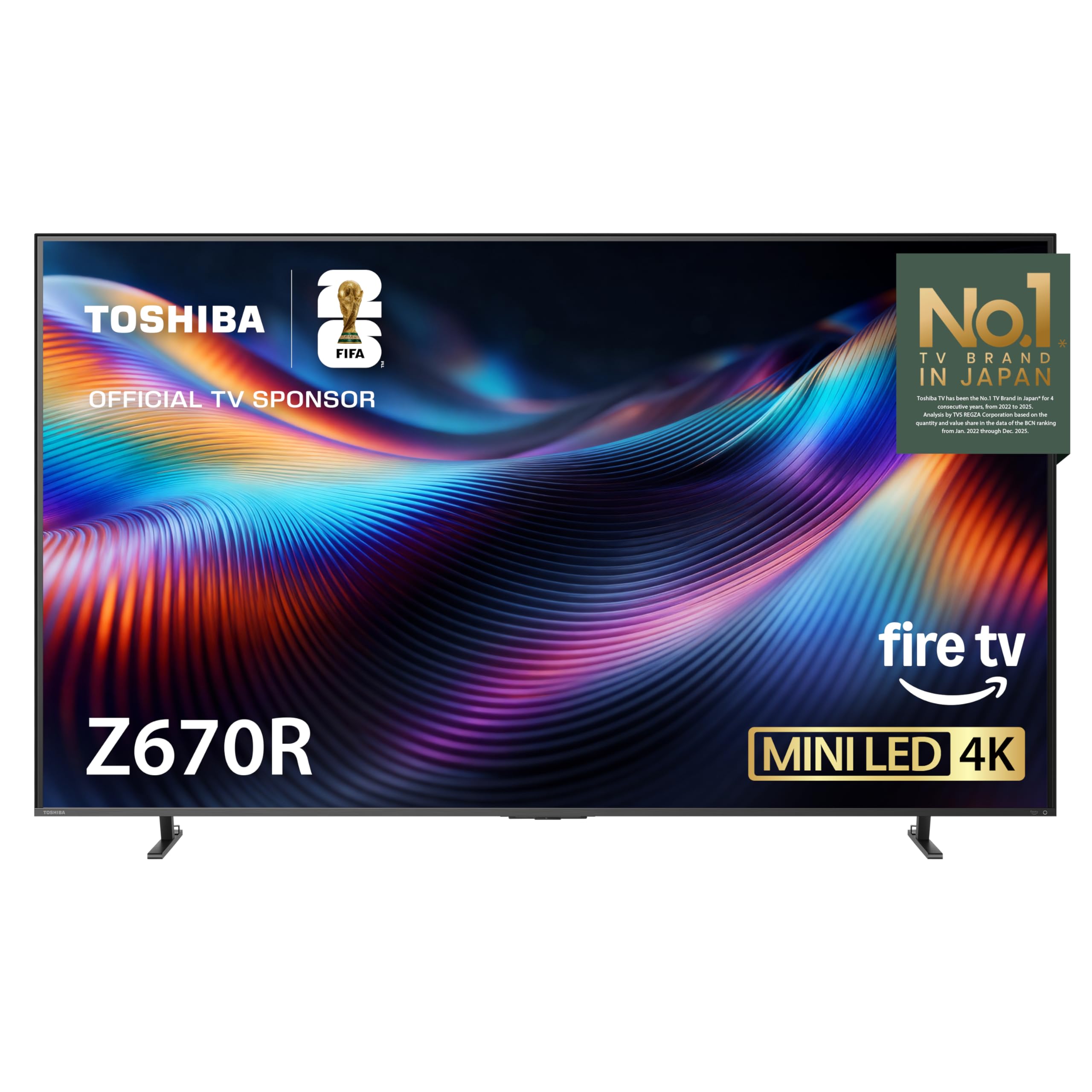
The 65″ Toshiba Z670R is the largest Mini-LED QLED set in this guide that still qualifies as a budget-friendly option, and it punches well above its weight class. The REGZA Engine ZRi Gen3, fine-tuned by Toshiba engineers in Japan, handles AI-driven scene-by-scene optimization of clarity, contrast, and audio processing. Combined with Full Array Local Dimming across its Mini-LED backlight, the Z670R delivers deep black levels and bright highlights that make HDR content pop.
Gamers will appreciate the native 144Hz panel paired with Game Mode Pro, which includes AMD FreeSync Premium, VRR, and ALLM. This combination eliminates screen tearing and minimizes input lag for both console and PC gaming. The REGZA Power Audio Pro with its dedicated Bass Woofer is a standout feature — it produces room-shaking low end without requiring an external soundbar, a rarity at this price point.
The Fire TV integration is seamless, with Alexa built-in for hands-free control. The AI Light Sensor Pro automatically adjusts brightness and color balance based on room lighting, reducing eye strain during long viewing sessions. While the 3000:1 contrast ratio is good for a Mini-LED set, it doesn’t match the Sony’s per-zone precision, and the 60Hz refresh rate on some streaming inputs can be a limitation for competitive gamers. For a large-screen home cinema experience on a budget, however, the Z670R is hard to beat.
Why it’s great
- Large 65″ Mini-LED panel with Full Array Local Dimming for deep blacks.
- REGZA Power Audio Pro with dedicated bass woofer eliminates need for a soundbar.
- Native 144Hz with FreeSync Premium and Game Mode Pro for fluid gaming.
Good to know
- Per-zone dimming control is less granular than premium competitors like Sony.
- Some users report that the Fire TV interface can occasionally feel sluggish.
- Peak brightness is adequate for HDR but not class-leading at this size.
3. Hisense 55″ U7SF Mini-LED ULED (55U7SF)
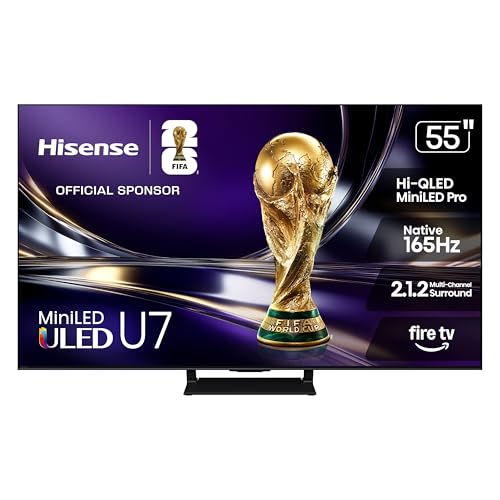
The Hisense U7SF is the first budget QLED TV to break the 144Hz barrier, offering a native 165Hz refresh rate that gives competitive PC gamers a tangible advantage. The Hi-QLED Mini-LED Pro backlight, with up to 3000 local dimming zones at peak configurations, delivers exceptional contrast and brightness that rivals much more expensive sets. The Hi-View AI Engine Pro processor constantly analyzes content to adjust color, contrast, and detail in real time.
Gaming-specific features are exhaustive. The Game Booster 330 pushes VRR up to 330Hz for ultra-smooth motion, while the Enhanced Game Bar provides real-time monitoring of FPS, VRR, and HDR settings without leaving the game. The 2.1.2 multi-channel surround sound system tuned by Devialet is a genuine surprise — it provides spatial audio that creates a convincing soundstage for games and movies alike. The anti-reflection layer keeps the picture crisp even in brightly lit rooms.
Where the U7SF compromises is in out-of-box color accuracy. Many users report that the picture needs manual calibration to look natural, as the default Dynamic Color Boost setting can oversaturate skin tones. The Fire TV interface is generally responsive, but some early units experienced software hiccups that required updates. For gamers who prioritize high refresh rates and low input lag above all else, the U7SF is the strongest value proposition in this guide.
Why it’s great
- Industry-first native 165Hz panel for ultra-smooth competitive gaming.
- Game Booster 330 with VRR up to 330Hz and real-time Game Bar overlay.
- Devialet-tuned 2.1.2 multi-channel audio with spatial surround sound.
Good to know
- Out-of-box color accuracy requires manual calibration for natural results.
- Some early units have reported software stability issues that need updates.
- Peak brightness is high but not consistently sustained across all content types.
4. Samsung 55″ Neo QLED QN70F (55QN70F)

Samsung’s QN70F is powered by the NQ4 AI Gen2 processor, which uses 20 neural networks to upscale content to near-4K resolution in real time. This makes it the best budget QLED TV for users who watch a lot of HD cable, older streaming content, or YouTube videos. The Quantum Matrix Technology with Mini-LED precision ensures that highlights are bright and blacks are deep, even in challenging mixed-lighting scenes.
The Motion Xcelerator 144Hz delivers smooth visuals for sports and gaming, and the Samsung Gaming Hub consolidates cloud gaming services like Xbox Game Pass and GeForce Now into one interface. The Pure Spectrum Color technology covers a wide color gamut, producing vibrant reds, blues, and greens that are true to life. The slim design and easy wall-mounting make it a clean fit for any living room.
The QN70F’s Achilles’ heel is its refresh rate cap. While it supports a 144Hz display mode, it is a 60Hz native panel with frame interpolation technology to simulate higher refresh rates. This is fine for movies and casual sports viewing, but competitive gamers may notice motion blur in fast-paced titles. Additionally, the operating system can feel slower than the Google TV or Fire TV alternatives on other premium sets. If AI upscaling and Samsung’s ecosystem are your priorities, this is a compelling mid-range choice.
Why it’s great
- NQ4 AI Gen2 processor with 20 neural networks for exceptional upscaling.
- Quantum Matrix Mini-LED delivers strong contrast and bright highlights.
- Samsung Gaming Hub and Motion Xcelerator for smooth sports and gaming.
Good to know
- Native 60Hz panel uses interpolation for 144Hz; not true high refresh rate.
- Samsung Tizen OS is less intuitive and slower than Google TV or Fire TV.
- AI processing can introduce soap opera effect that requires manual disabling.
5. Toshiba 55″ Z670R Series Mini-LED QLED (55Z670R)
The 55-inch Toshiba Z670R shares the same DNA as its larger sibling but at a more accessible price point, making it one of the best pure value Mini-LED QLED TVs available. The REGZA Engine ZRi Gen3 and Full Array Local Dimming work together to produce excellent contrast and color accuracy right out of the box, requiring minimal calibration for most users. The QLED panel covers over a billion shades of color, and the Total HDR Solution Pro supports Dolby Vision IQ and HDR10+ Adaptive for dynamic HDR playback.
The native 144Hz panel with Game Mode Pro ensures fluid motion for sports and gaming, and the AMD FreeSync Premium certification guarantees tear-free gameplay. The REGZA Power Audio Pro with its Bass Woofer is a standout — it provides deep, resonant bass that fills a medium-sized room without distortion. The AI Light Sensor Pro continuously adjusts brightness and color to ambient lighting, making it a great choice for rooms with variable natural light.
The Fire TV integration is smooth, and Alexa built-in adds convenience for smart home control. The main trade-off is that the 55-inch version doesn’t have the same zone density as the higher-end Sony, so blooming is slightly more noticeable in high-contrast scenes. The design is minimalist and premium, with clean lines that disappear into the room. For buyers who want genuine Mini-LED QLED performance without stepping into the premium tier, the 55Z670R is the sweet spot.
Why it’s great
- REGZA Engine ZRi Gen3 with AI scene optimization delivers excellent out-of-box picture.
- Native 144Hz panel with FreeSync Premium for tear-free gaming performance.
- REGZA Power Audio Pro with Bass Woofer provides room-filling sound.
Good to know
- Lower zone count than premium competitors; blooming visible in extreme scenes.
- Fire TV interface can be slower than Google TV on some benchmarks.
- Peak brightness is good but not class-leading for high-nit HDR content.
6. Hisense 55″ U6 Pro Series Mini-LED ULED (55U6SF Pro)
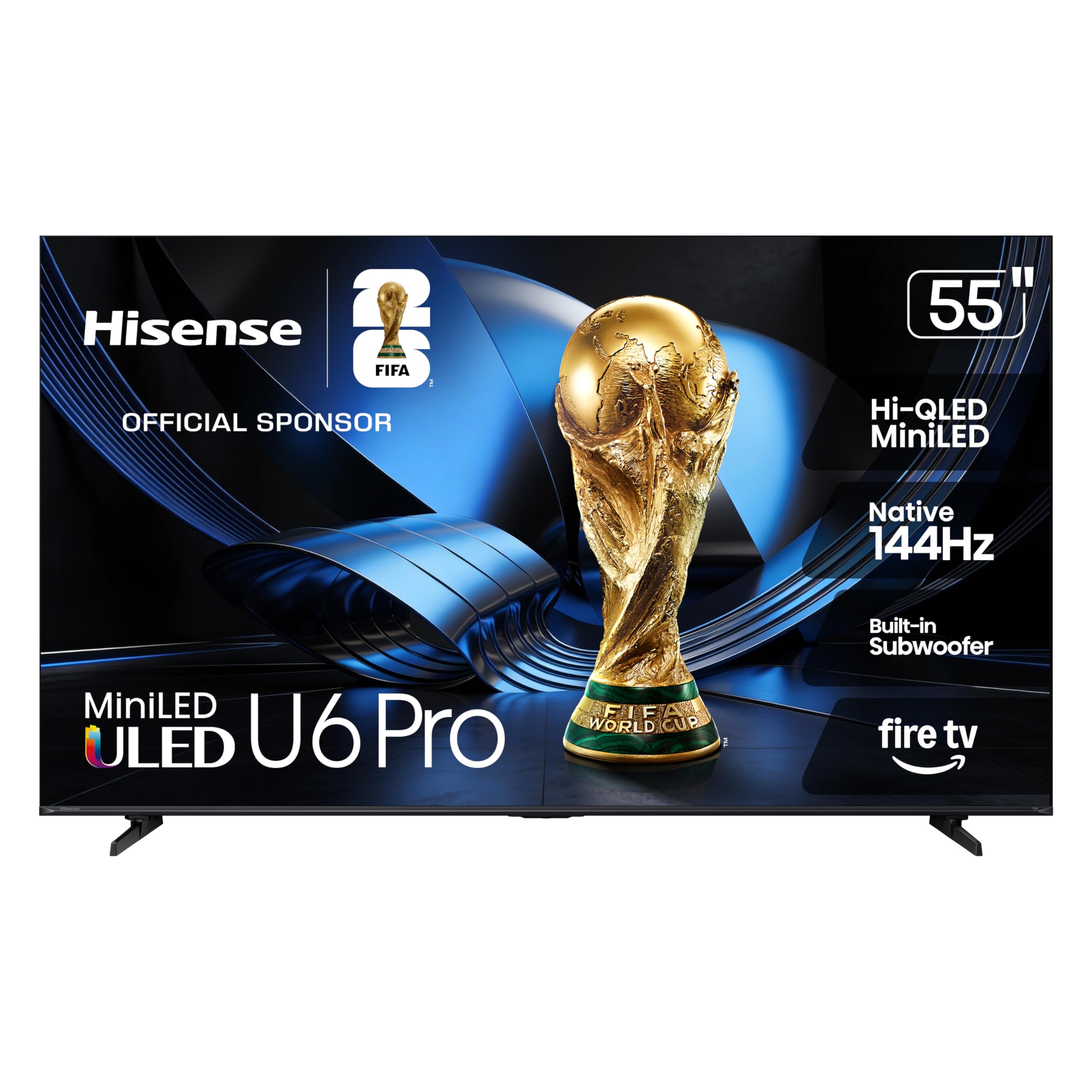
The Hisense U6 Pro is the budget champion of Mini-LED QLED technology, offering an impressive 95% DCI-P3 color gamut and peak brightness around 1100 nits at a price that undercuts most competitors. The Hi-QLED Mini-LED backlight delivers contrast ratios that approach OLED territory, with deep inky blacks and bright highlights that make HDR content genuinely exciting. The native 144Hz refresh rate ensures smooth motion for sports and gaming, and the Motion Rate 480 with MEMC frame insertion keeps fast-moving scenes crystal clear.
The anti-reflection and glare-free display is a killer feature for living rooms with lots of natural light. The matte coating effectively diffuses overhead lights and sunlight, allowing you to watch dark movies during the day without seeing your own reflection. The built-in subwoofer provides decent low-end punch, though it can’t match a dedicated soundbar. The IMAX Enhanced certification means that compatible content will display with the expanded aspect ratio and enhanced picture processing.
The main compromises are in the areas of upscaling and the operating system. The U6 Pro struggles with low-bitrate 480p to 720p content, creating visible artifacts and softness that higher-end processors handle better. The Fire TV interface is functional but can feel cluttered with Amazon recommendations, and the included remote feels cheap compared to the rest of the package. For a dedicated streaming and gaming setup that prioritizes picture quality above all else, the U6 Pro is the best value in this guide.
Why it’s great
- Near-OLED blacks with 600,000:1 contrast ratio from Mini-LED backlight.
- Best-in-class anti-reflection coating eliminates glare in bright rooms.
- IMAX Enhanced and Dolby Vision IQ support for cinematic HDR playback.
Good to know
- Poor upscaling of 480p-720p content; best for 1080p and 4K sources.
- Fire TV interface is cluttered with ads and promotions.
- Included remote feels cheap; built-in speakers are adequate but not exceptional.
7. TCL 65″ T7 Series QLED (65T7)
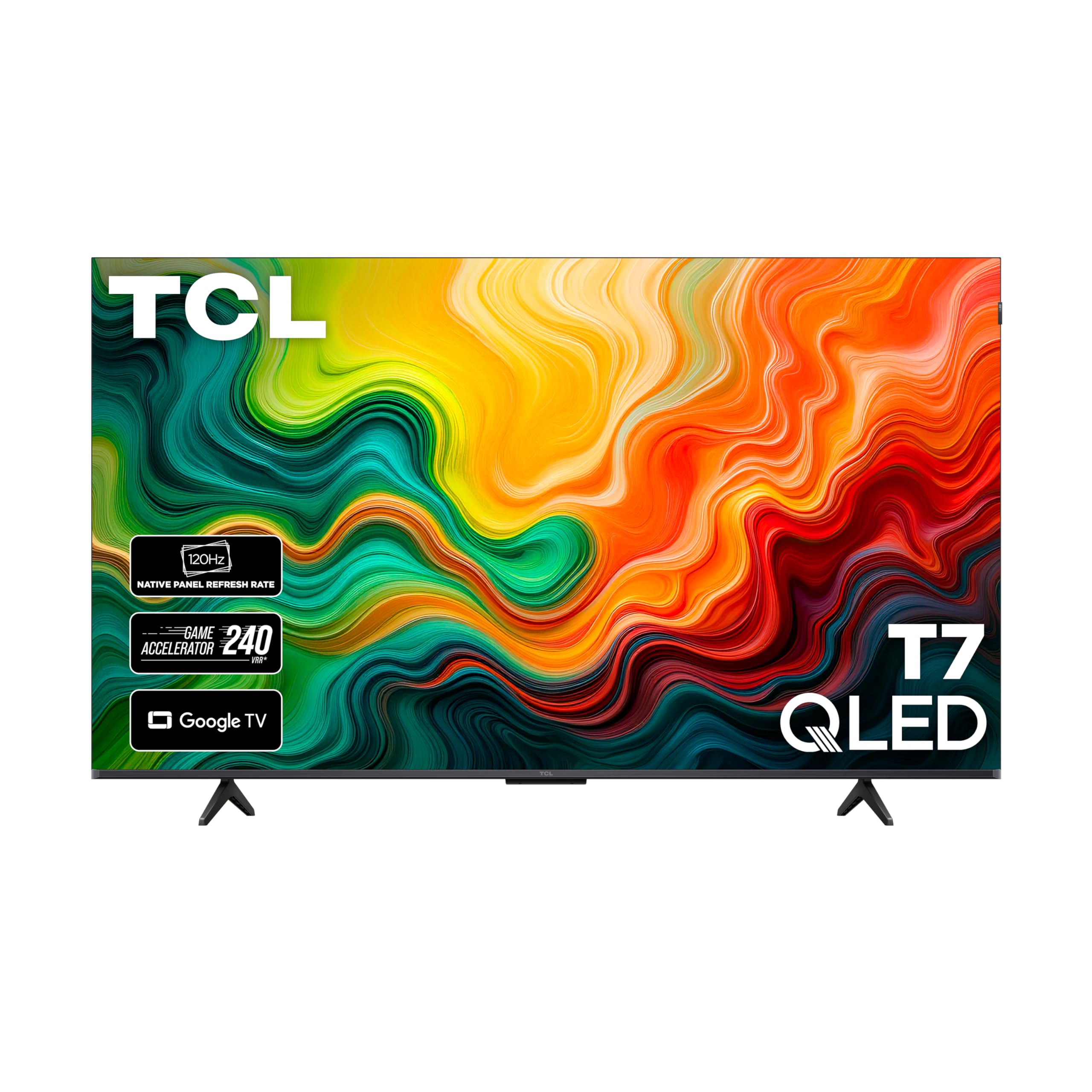
The TCL T7 Series at 65 inches is the easiest recommendation for anyone who wants a large QLED display without spending into the premium tier. The QLED (Quantum Dot) technology covers nearly the entire DCI-P3 color space, producing rich, vibrant colors that are a clear step above standard LED-backlit panels. The native 144Hz refresh rate with MEMC frame insertion ensures smooth motion for fast-paced sports and action movies, and Motion Rate 480 provides additional motion clarity.
The TCL AIPQ Pro processor handles intelligent optimization of color, contrast, and clarity, and the FullView 360 Metal Bezel-less Design gives the TV a premium aesthetic that looks more expensive than it is. The height-adjustable feet are a thoughtful addition, allowing you to raise the TV to fit a soundbar underneath. With four HDMI inputs including one eARC port, connectivity is ample for multiple consoles and streaming devices.
The built-in speakers are adequate for casual viewing but lack bass and clarity for an immersive experience — a soundbar is strongly recommended. The Google TV interface is responsive and intuitive, but some users find the need to complete a Google account setup before accessing basic inputs to be a hassle. For gamers, the 144Hz panel with VRR works well with PC and PlayStation 5, though the lack of FreeSync Premium certification is a minor miss. For a large-screen QLED experience on a budget, the T7 65-inch is a solid performer.
Why it’s great
- Large 65″ QLED panel with wide DCI-P3 color gamut for vibrant picture.
- Native 144Hz panel with MEMC for smooth motion in sports and games.
- FulView 360 bezel-less design and adjustable feet for versatile placement.
Good to know
- Built-in speakers are weak; an external soundbar is almost required.
- No AMD FreeSync Premium certification for variable refresh rate gaming.
- Google TV setup requires account creation before using TV inputs.
8. Amazon Ember 55″ Mini-LED Series
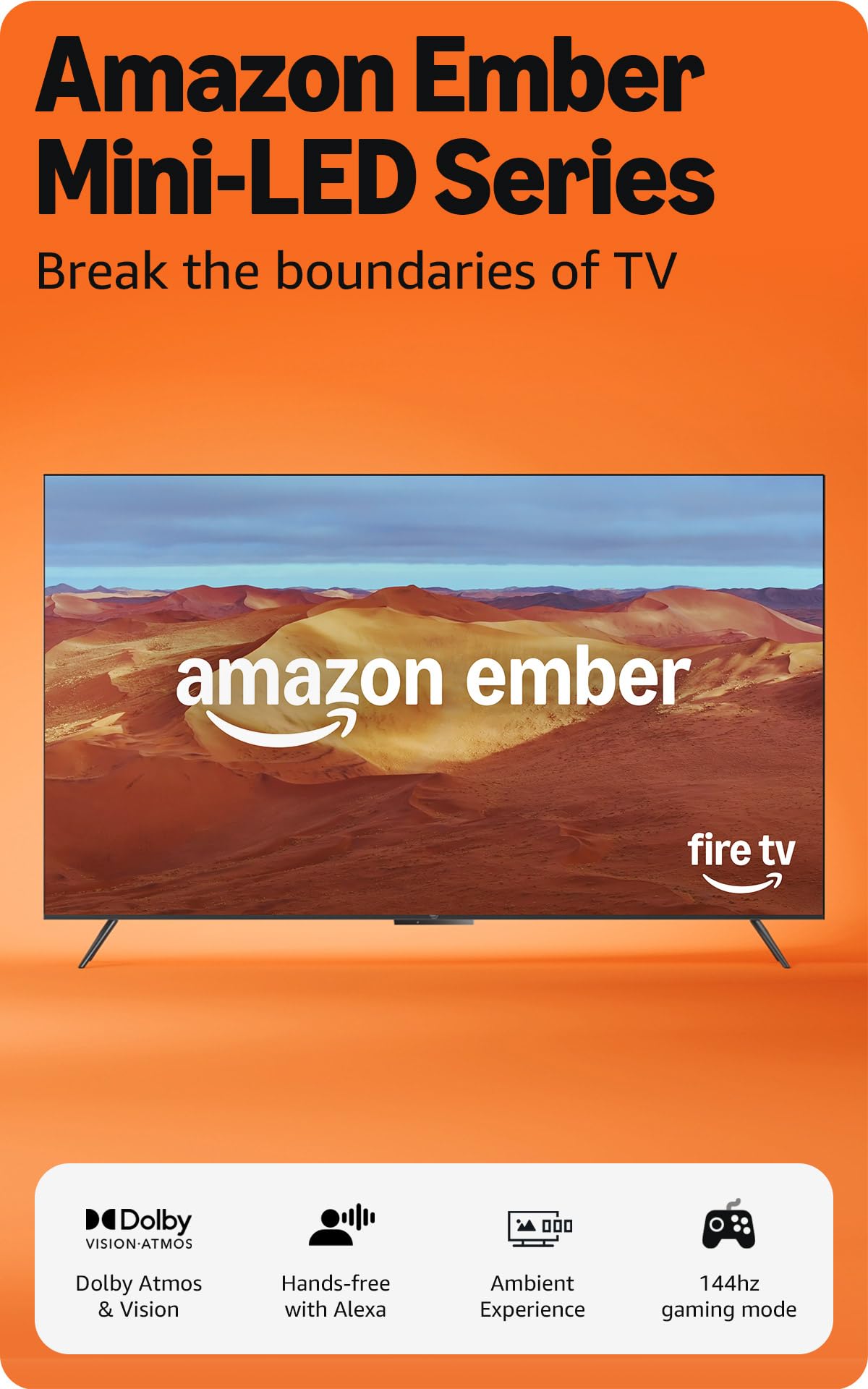
The Amazon Ember 55″ is the only TV in this guide with 512 independent dimming zones, a number that would be impressive on a mid-range OLED competitor. This dense zoning allows for exceptional contrast, with near-OLED black levels and bright highlights that reach up to 1400 nits peak brightness. The QLED panel produces over a billion lifelike colors, and Dolby Vision IQ with HDR10+ Adaptive ensures dynamic HDR playback that adapts to ambient room lighting.
The gaming performance is equally strong. The native 144Hz panel with AMD FreeSync Premium Pro certification delivers tear-free, low-lag gameplay that matches dedicated gaming monitors. The 2.1 Dolby Atmos audio system includes a built-in subwoofer that provides more than adequate sound for a bedroom or small living room. The Fire TV Intelligent Picture processor automatically fine-tunes content scene-by-scene, which works well for most streaming content.
The primary concern with the Ember is software stability. While the Fire TV interface is feature-rich, multiple long-term user reviews report issues with menu lag after months of use, occasional random reboots, and UI slowdown that can be frustrating. The “Instantly On” feature with Omnisense sensors is a neat convenience, but some users may find the automatic screen wakeup disconcerting. For users deeply invested in the Amazon ecosystem who want exceptional hardware specs, the Ember is a strong contender.
Why it’s great
- 512 dimming zones provide near-OLED contrast and deep black levels.
- 1400 nits peak brightness delivers outstanding HDR highlights.
- AMD FreeSync Premium Pro certification for top-tier gaming performance.
Good to know
- Software stability issues reported; menus can become slow after months of use.
- Fire TV interface is heavily ad-supported and can feel cluttered.
- Occasional random reboots reported by long-term users.
9. TCL 55″ QM6K Mini-LED QLED (55QM6K)

The TCL QM6K is the company’s latest QD-Mini LED offering, combining Quantum Dot color with a Mini-LED backlight for superior brightness and contrast. The Halo Control System with advanced local dimming eliminates haloing and enhances shadow detail, making dark scenes look deeper than any standard QLED panel can achieve. The native 144Hz refresh rate with Motion Rate 480 is TCL’s best motion-handling implementation, keeping fast-paced sports and games perfectly smooth.
Gamers will appreciate the four HDMI ports, including two that support 144Hz input — a rare feature at this price point. The panel supports VRR and ALLM for automatic low-lag switching, and the Onkyo audio system provides better-than-average built-in sound with clean mid-range and clear dialogue. The Google TV interface is fast and responsive, with quick app launches and intuitive navigation.
The QM6K’s biggest trade-off is that it’s not a multi-zone Mini-LED monster. The local dimming is implemented at the panel level rather than with hundreds of discrete zones, meaning that while bloom is reduced compared to standard backlights, it is not eliminated. The included stand has a wide footprint that requires a large TV stand, and the anti-glare coating is less effective than the Hisense U6 Pro’s solution. For the price, the QM6K delivers an impressive balance of gaming features and picture quality.
Why it’s great
- QD-Mini LED with Halo Control System for deep blacks and minimal bloom.
- Two HDMI 2.1 ports with true 144Hz input for PC and console gaming.
- Onkyo audio system delivers clean sound with clear dialogue.
Good to know
- Local dimming is panel-level rather than discrete zone-based; not as deep as U6 Pro.
- Wide stand footprint requires a large TV stand for stable placement.
- Anti-glare coating is less effective than rival Hisense models.
10. Samsung 65″ M70H Mini-LED (65M70H)
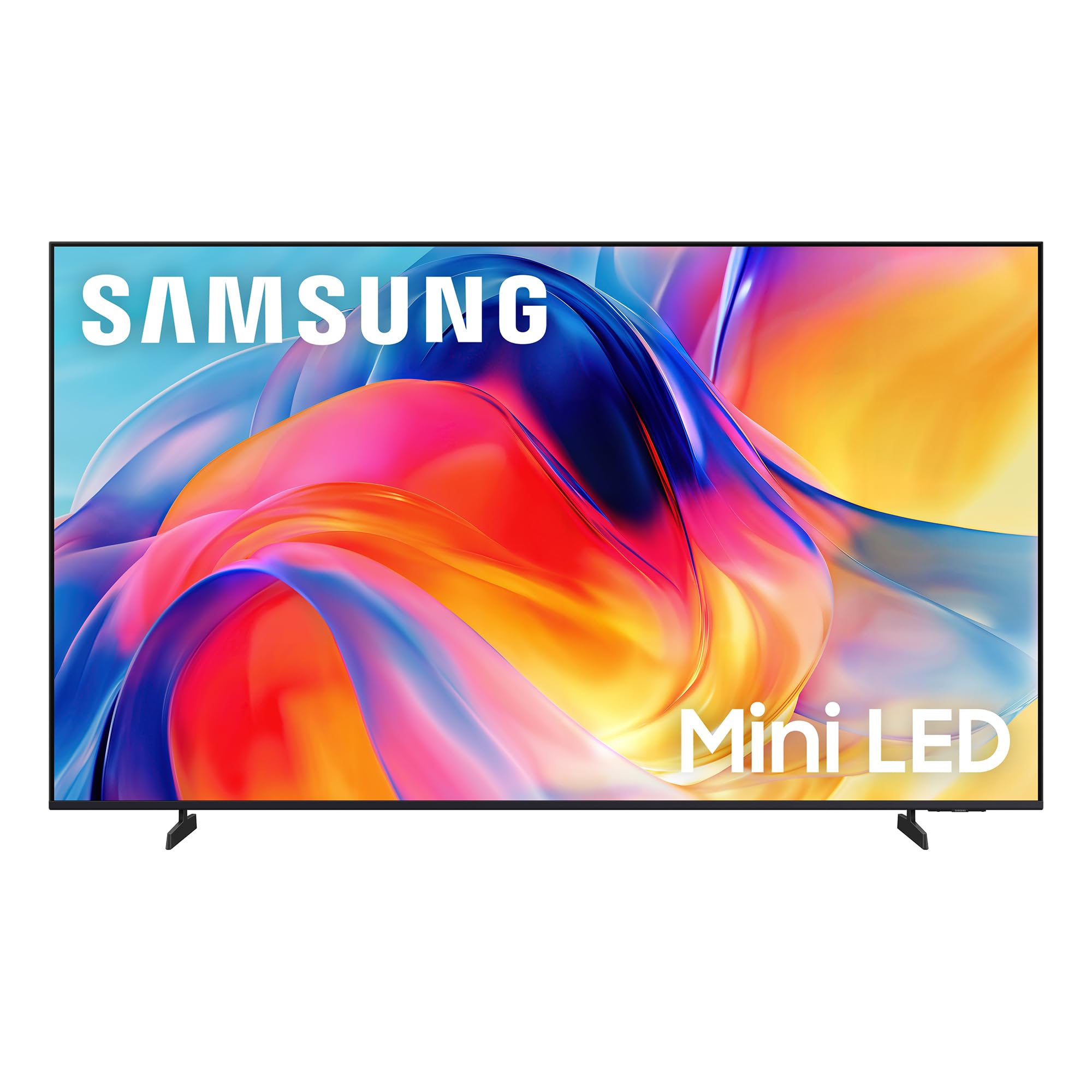
The Samsung M70H is the entry point into Samsung’s Mini-LED ecosystem at a 65-inch size, offering Pure Spectrum Color technology that delivers one billion true-to-life colors. The Mini-LED HDR feature provides brighter highlights and deeper blacks than standard HDR TVs, making it a solid choice for HDR streaming content. The Motion Xcelerator with DLG 120Hz uses frame interpolation to simulate smoother motion, which works well for sports and casual gaming.
The Samsung Vision AI Companion is a unique feature that uses the TV’s processor to automatically optimize picture settings based on content type and room lighting. The Soccer Mode is a clever addition for football fans, optimizing settings to deliver 40% clearer motion for fast action and 30% more vibrant greens for realistic turf. The Gaming Hub consolidates cloud gaming services for easy access.
The M70H’s main weakness is that the 120Hz motion is achieved through DLG (Dual Line Gate) technology rather than a true native 120Hz panel. This means that while motion appears smoother, the panel’s actual native refresh rate is 60Hz, which can introduce artifacts in fast-moving content. The Samsung Tizen operating system is functional but can feel sluggish compared to Google TV or Fire TV. For a large-screen Samsung Mini-LED at a budget-friendly price, the M70H is a competent performer.
Why it’s great
- Large 65″ Mini-LED panel with Pure Spectrum Color for vibrant picture.
- Samsung Vision AI and Soccer Mode optimize picture for sports.
- Gaming Hub and Samsung TV Plus provide extensive built-in content.
Good to know
- 120Hz is simulated via DLG, not true native refresh rate; artifacts possible.
- Samsung Tizen OS is slower and less intuitive than competitors.
- Some users report slow startup times and simplified remote design.
11. Roku 55″ Plus Series Mini-LED QLED
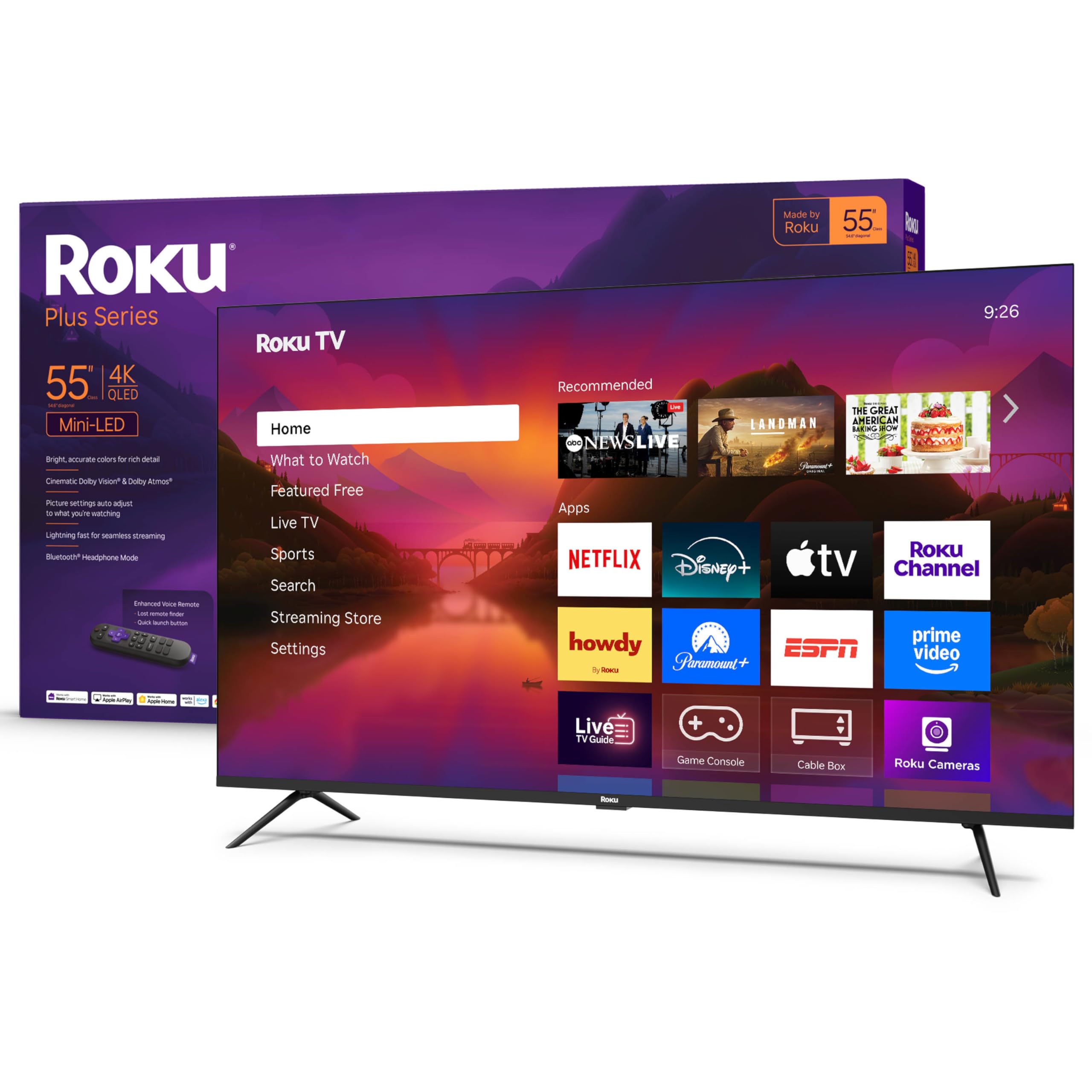
The Roku Plus Series is the most affordable way to get into Mini-LED QLED technology, and it delivers where it counts. The Mini-LED backlighting brings out rich detail and vibrant colors, and the Dolby Vision support ensures HDR content looks punchy and dynamic. The Roku OS is the star of the show — it is the fastest and most intuitive smart TV platform tested, with quick app launches, a clean home screen, and automatic software updates that keep the TV current.
The Enhanced Voice Remote includes a lost remote finder, personal shortcuts, and voice search across thousands of apps. The Roku Smart Picture Max uses AI to clean up incoming TV signals and optimize color and sharpness scene-by-scene. The built-in Dolby Atmos audio with a subwoofer is surprisingly competent for a budget TV, delivering clear dialogue and decent bass that can fill a small room without an external soundbar.
The main trade-offs are in the area of zone count and peak brightness. As an entry-level Mini-LED, the Plus Series doesn’t have the hundreds of dimming zones found on premium sets, so blooming is more visible in high-contrast scenes. The peak brightness is also lower than the Hisense or Amazon Ember sets, meaning HDR highlights are less impactful. For users who prioritize a simple, fast, ad-free operating system and are coming from an older 1080p or standard 4K TV, the Roku Plus Series is an exceptional upgrade at the lowest possible cost.
Why it’s great
- Best-in-class Roku OS is fast, intuitive, and nearly ad-free.
- Mini-LED backlight with Dolby Vision for impressive HDR picture quality.
- Enhanced voice remote with lost finder and personal shortcuts.
Good to know
- Low dimming zone count means blooming is visible in high-contrast scenes.
- Peak brightness is lower than competitors; HDR highlights lack punch.
- Built-in sound is good for a budget TV but not immersive for movies.
FAQ
Is Mini-LED necessary for a budget QLED TV to look good?
Which HDR format is more important — Dolby Vision or HDR10+?
Can a 60Hz budget QLED TV be good for watching sports?
How important is the TV processor in a budget QLED TV?
Is a soundbar necessary with a budget QLED TV?
Final Thoughts: The Verdict
For most users, the best budget qled tv winner is the Hisense 55″ U6 Pro because it delivers near-OLED black levels, excellent HDR brightness, and a native 144Hz panel at a price that undercuts virtually every competitor. If you want reference-level picture processing and the best upscaling for older content, the Sony Bravia 7 is the premium pick. And for competitive gamers who need a native 165Hz panel with the lowest input lag, nothing beats the Hisense U7SF.