
Plantar fasciitis turns every step into a negotiation — your heel or midfoot demanding an immediate cease-fire. The right athletic shoe doesn’t just cushion the impact; it stabilizes the fascia during the gait cycle and prevents the micro-tearing that inflames the connective tissue running from heel to toes.
I’m Min — the co-founder and writer behind Gadgets Feed. I’ve spent countless hours cross-referencing arch support geometry, heel drop measurements, and insole stack heights across dozens of models to isolate which athletic shoes actually offload tension from the plantar fascia rather than masking the pain with generic foam.
Every shoe here was evaluated for its ability to maintain the arch in a neutral position during dynamic movement — not just standing. This guide delivers the definitive verdict on the best athletic shoes for plantar fasciitis, ranked by measurable support architecture and real-world durability.
How To Choose The Best Athletic Shoes For Plantar Fasciitis
Choosing a shoe for this condition means prioritizing structure over softness. A mushy midsole feels good in the store but allows the arch to collapse mid-stride, aggravating the fascia with every step. You need a shoe with a firm heel counter, a supportive midfoot shank, and a drop — typically 8–12 mm — that reduces strain on the Achilles and plantar band.
Arch Support and Firmness
Look for a shoe that resists twisting when you grab the heel and toe and wring it. A shoe that twists easily has inadequate torsional rigidity — your foot will pronate inward and pull the fascia. The best shoes for this condition integrate a medial post or a firm, contoured insole that follows your arch without collapsing.
Heel Drop (Offset)
A heel drop of 8–12 mm is the therapeutic zone for plantar fasciitis. Higher drops shorten the calf and shift load onto the heel, while zero-drop shoes can overstretch the fascia in the push-off phase. Measure this as the difference between midsole height at the heel versus the forefoot — ignore marketing terms like “low profile” and check the actual millimeter spec.
Toe Box Volume and Width
Bunions, hammertoes, and neuromas often co-occur with plantar fasciitis. A narrow toe box compresses the forefoot and forces the foot into an unstable push-off. A roomier toe box — especially in the splay zone — allows the toes to engage naturally, which distributes ground force away from the arch.
Quick Comparison
On smaller screens, swipe sideways to see the full table.
| Model | Category | Best For | Key Spec | Amazon |
|---|---|---|---|---|
| Brooks Glycerin 23 | Neutral Running | Maximum plush support | Heel drop 10 mm | Amazon |
| Brooks Glycerin GTS 23 | Supportive Running | Guided motion for overpronation | Heel drop 10 mm | Amazon |
| Brooks Beast GTS 26 | Maximum Support | Extra-wide stability | Heel drop 12 mm | Amazon |
| ALTRA Solstice XT 3 | Cross Training | Natural foot positioning | Zero drop / 0 mm | Amazon |
| ASICS Gel-Cumulus 27 | Neutral Cushioning | Long-distance stride | Heel drop 8 mm | Amazon |
| New Balance 608 V5 | Cross Trainer | Budget-friendly durability | Heel drop 12 mm | Amazon |
| Skechers Go Walk Arch Fit 2.0 | Walking | All-day comfort on flat surfaces | Arch Fit insole 4 mm | Amazon |
In‑Depth Reviews
1. Brooks Women’s Glycerin 23 Neutral Running Shoe
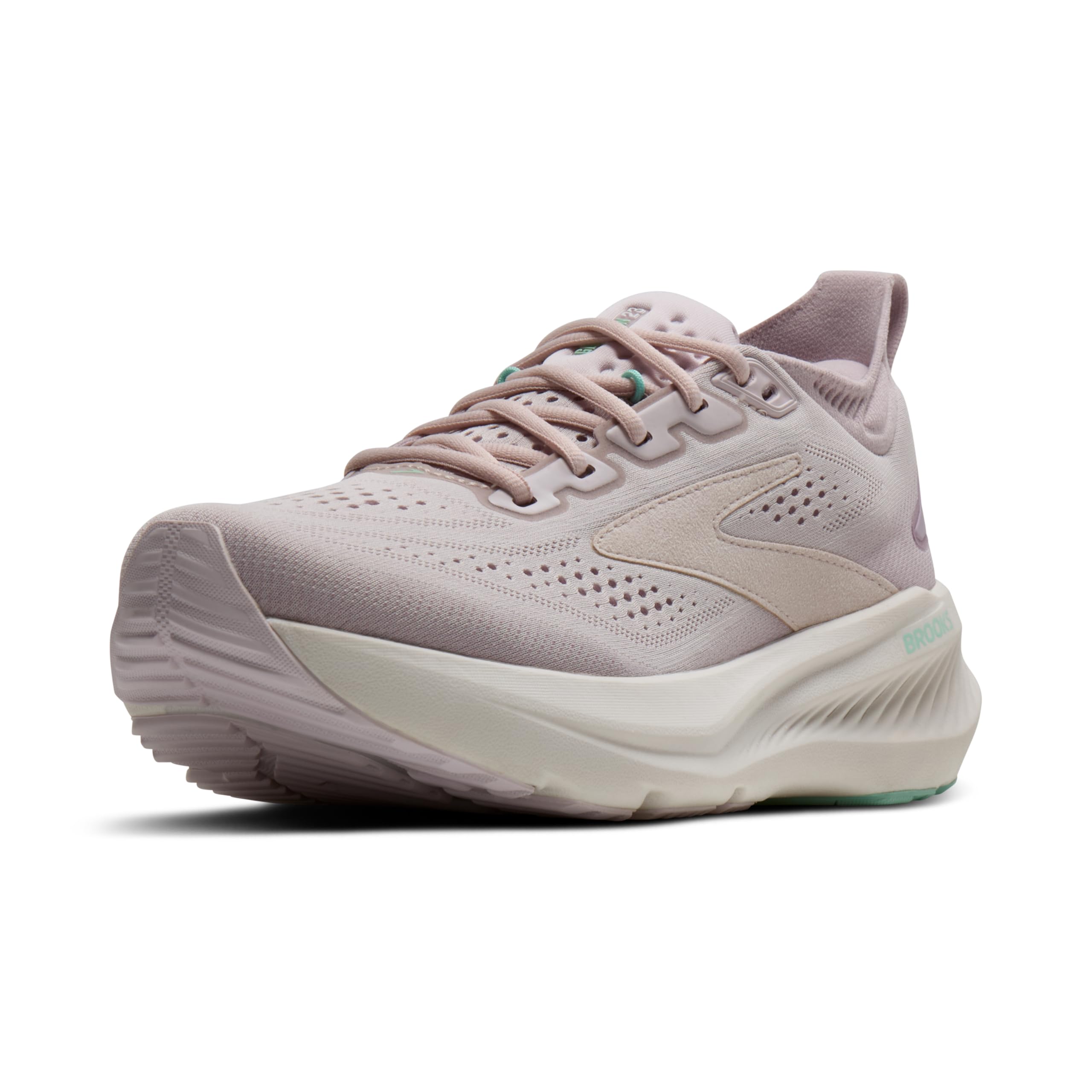
The Glycerin 23 delivers a 10 mm heel drop — the precise offset that reduces tensile load on the plantar fascia during the entire gait cycle. Podiatrists frequently recommend this model because the DNA LOFT v3 cushioning remains plush yet structurally supportive, preventing the arch from collapsing under mid-stance pressure.
Testers wearing this shoe for extended shifts report complete elimination of morning heel pain, with the dual-density midsole offering both comfort and medial stability. The wide toe box accommodates neuromas and bunions without pinching, while the Segmented Crash Pad works in stride with the foot’s natural movement rather than fighting it.
The angled heel geometry and secure lace system create a locked-in feel that prevents heel slippage — a common trigger for fascia irritation. For high arches and severe plantar fasciitis, this is the benchmark.
Why it’s great
- Podiatrist-recommended for arch support and pain reduction
- Roomy toe box prevents forefoot compression during stride
Good to know
- Neutral design — not suitable for severe overpronation
- Premium price point but proven durability
2. Brooks Women’s Glycerin GTS 23 Supportive Running Shoe
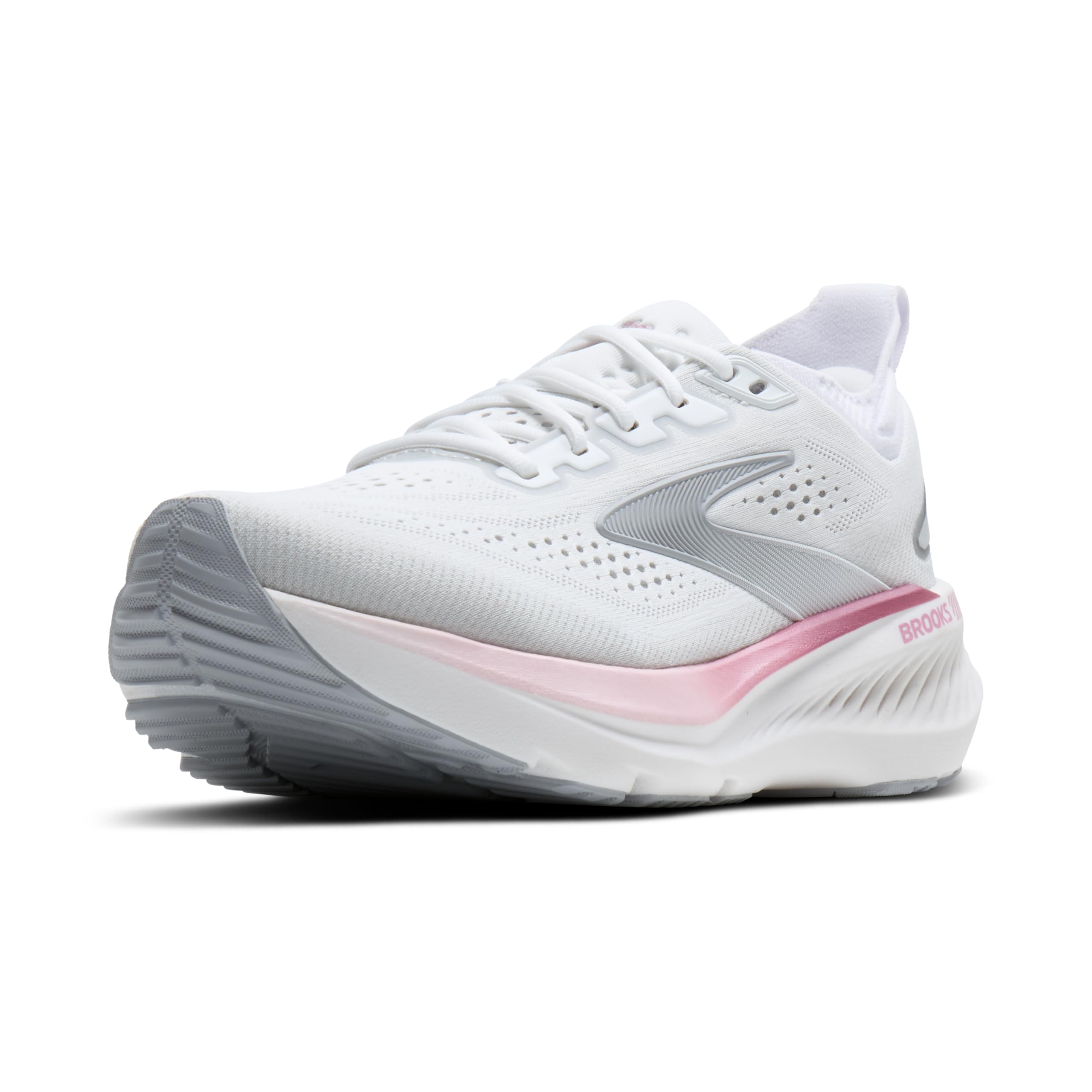
The Glycerin GTS 23 differs from the neutral version by integrating Brooks’ GuideRails support system — three-dimensional posts that gently correct overpronation without feeling stiff or intrusive. This matters for plantar fasciitis because excessive inward roll in the gait cycle directly torques the fascia insertion at the heel.
Customer feedback confirms significant pain relief during longer walks, with the cushioned yet supportive platform absorbing shock while maintaining arch stability. The shoe accommodates flat feet and medium arches equally well, offering a consistent feel from heel strike to toe-off without any harsh transition points.
The lace-up closure and padded tongue ensure a secure midfoot wrap, and the shoe performs admirably across both running and walking scenarios. For users who need motion guidance without sacrificing the plush Glycerin ride, this is the targeted solution.
Why it’s great
- GuideRails system prevents overpronation
- Bouncy cushioning works for walking and running
Good to know
- Limited wide-width color options available
- Not ideal for standing in place for hours
3. Brooks Men’s Beast GTS 26 Supportive Running & Walking Shoe
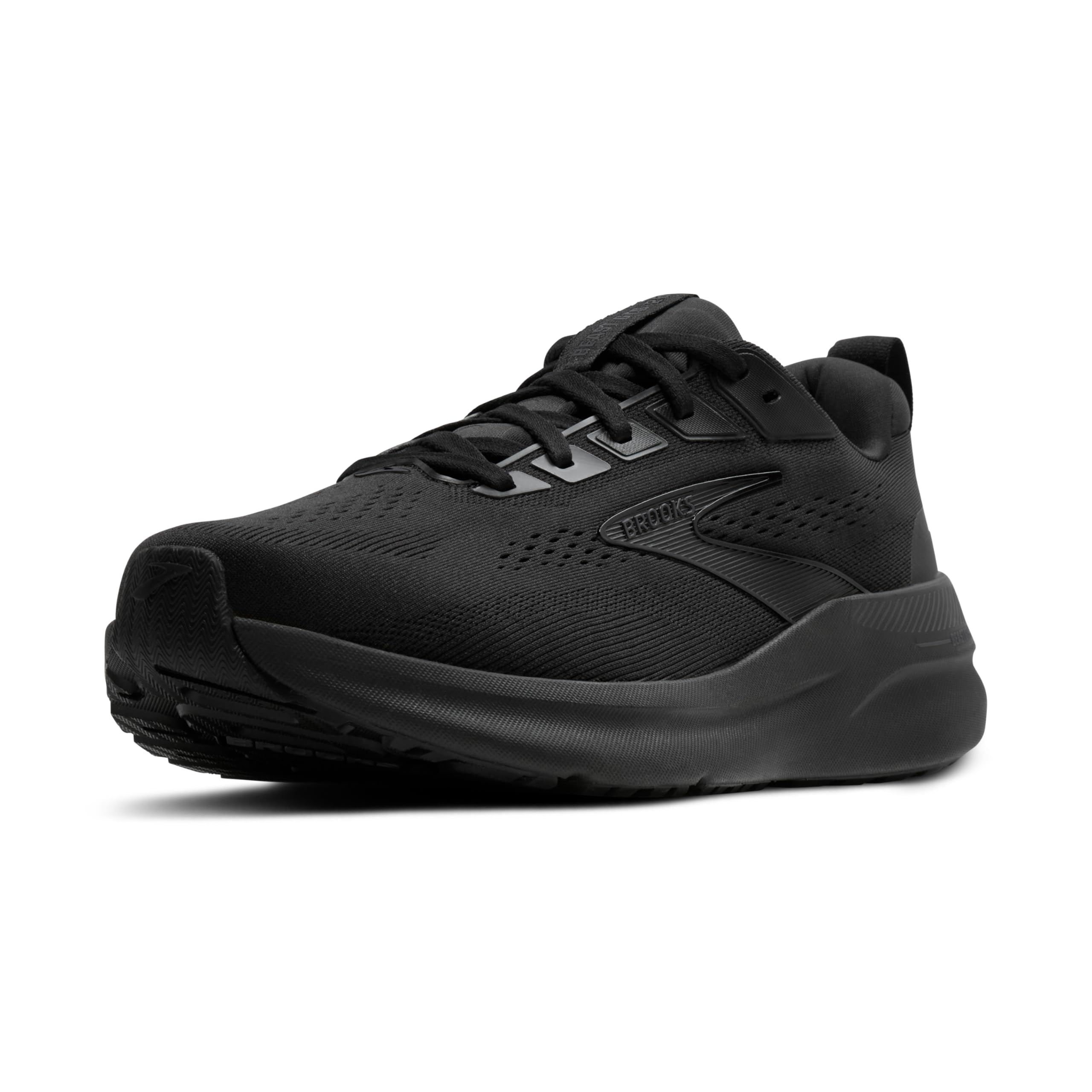
The Beast GTS 26 offers a 12 mm heel drop — the highest offset in this guide — which directly reduces dorsiflexion stress on the plantar fascia during walking. Combined with the GuideRails holistic support system, this shoe provides maximum motion control for users with severe overpronation and wide feet.
Reviewers with bunions and very wide feet confirm that the 4E width eliminates the crushing sensation common in narrower stability shoes, while the plush heel collar locks the foot in place without slipping. The shoe holds up well in rough terrain, maintaining its torsional rigidity even after months of daily use on uneven surfaces.
The primary limitation is the short factory laces — users of extra-wide sizes may need to swap in longer laces (57 inches recommended) for a proper heel-lock tie. Despite this, the Beast remains the go-to choice for heavy-duty plantar support combined with generous width sizing.
Why it’s great
- Excellent stability for severe overpronators
- Roomy 4E width accommodates bunions and wide feet
Good to know
- Stock laces too short for heel-lock tie in 4E sizes
- Heavy construction — not a speed shoe
4. ALTRA Men’s Solstice XT 3 Cross Training Shoe

The Solstice XT 3 is a zero-drop cross trainer with ALTRA’s signature FootShape toe box, allowing the toes to splay fully during dynamic movement. This barefoot-style geometry changes the load distribution through the arch, forcing the foot to engage its intrinsic musculature rather than relying on midsole offset to offload the fascia.
For plantar fasciitis sufferers who have already addressed the acute inflammation phase, zero-drop shoes can strengthen the foot’s natural shock absorption system over time. The low stack height provides direct ground feel in the gym, making it ideal for leg presses, elliptical, and box jumps where stability matters more than stride length.
However, this shoe offers little midsole arch support and minimal torsional rigidity. It is not designed for long-distance running or walking on concrete. Use it as a transitional tool for foot strength building, not as a primary pain-relief shoe for chronic severe cases.
Why it’s great
- Wide toe box gives natural splay freedom
- Zero drop strengthens foot intrinsic muscles
Good to know
- No built-in arch support — not for acute pain
- Not suitable for outdoor running or impact-heavy training
5. ASICS Women’s Gel-Cumulus 27 Running Shoes
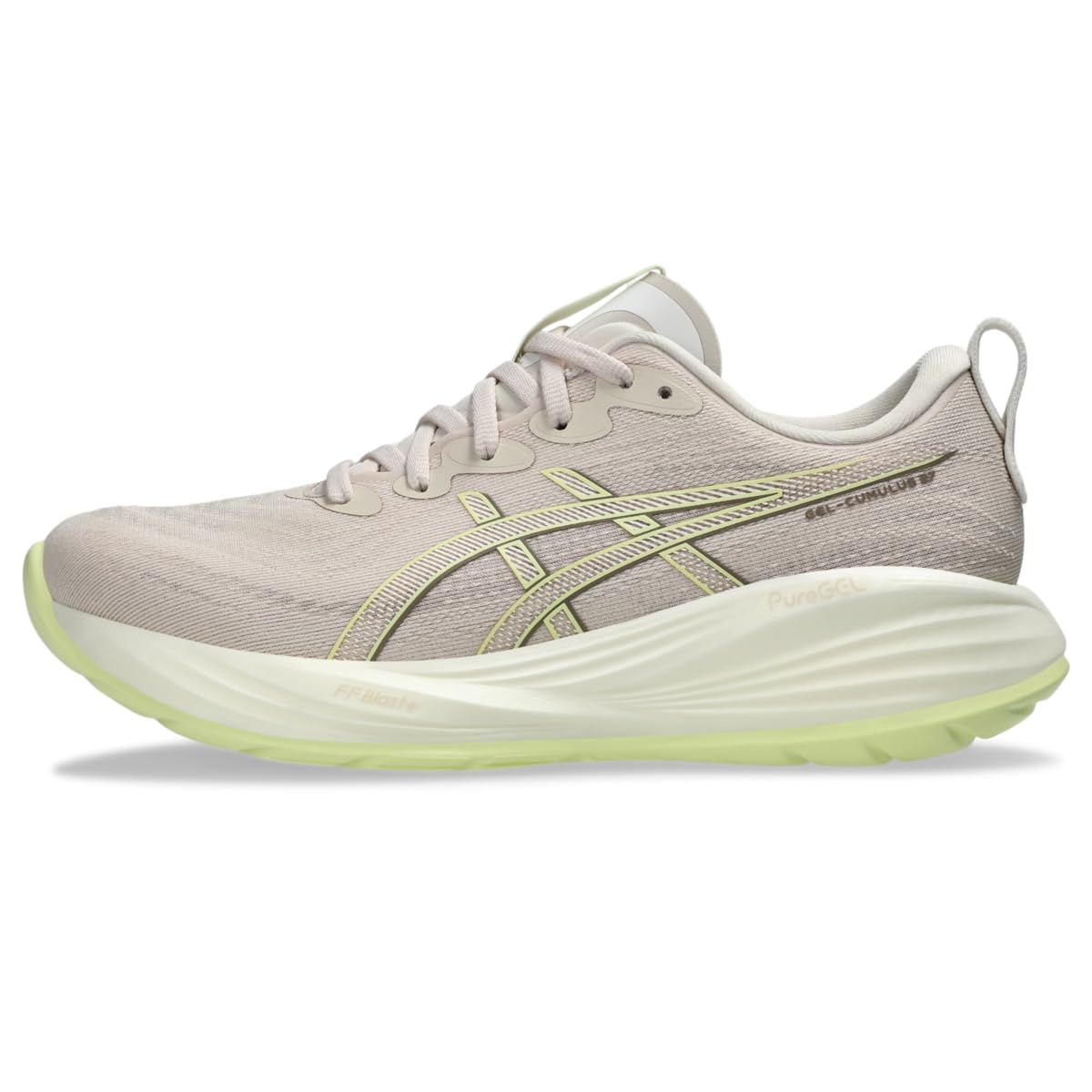
The Gel-Cumulus 27 uses an 8 mm heel drop — lower than the Brooks and New Balance options but still within the therapeutic range for plantar fasciitis. The rearfoot GEL technology absorbs shock at heel strike effectively, and the combination of FlyteFoam and FF BLAST Plus provides a responsive yet soft ride.
This shoe is doctor-recommended for foot alignment issues and Morton’s neuroma, with the cushioning system reducing load on the metatarsal heads. The fit is true to size for narrow to medium feet, with a secure heel cup that prevents slippage during longer runs.
The toe box runs slightly narrower than other neutral trainers, which may cause discomfort for runners with wide forefeet or neuroma proneness. For the price point and the proven reliability of the Cumulus line, this is a strong mid-range choice for runners with mild to moderate plantar discomfort.
Why it’s great
- Doctor-recommended for foot alignment and neuroma relief
- Responsive cushioning absorbs shock well
Good to know
- Toe box is snug for wide feet or long runs
- Heel drop lower than optimal for severe plantar cases
6. New Balance Men’s 608 V5 Casual Comfort Cross Trainer

The 608 V5 offers a 12 mm heel drop with genuine leather construction — a rarity in mid-range cross trainers. The high offset reduces Achilles tension and shifts pressure away from the plantar fascia, making it effective for long standing or walking shifts on concrete floors.
Customer feedback confirms durability well past one year under heavy daily use, with the shoe maintaining its shape and support through 20,000 daily steps. The rubber outsole provides solid traction even on wet surfaces, and the leather cleans up quickly for a presentable casual look.
The shoe runs true to size for normal to slightly wide feet, and features clean stitching that holds up under repetitive squatting and lateral movement. The primary trade-off is the heavier weight compared to modern knit trainers, but the stability and price point make it a legitimate contender for budget-conscious plantar fasciitis sufferers.
Why it’s great
- Genuine leather holds up under heavy daily use
- High 12 mm drop offloads fascia tension
Good to know
- Heavier than knit-style athletic shoes
- Sole tread can separate abruptly after extended use
7. Skechers Women’s Go Walk Arch Fit 2.0 Balin Sneaker

The Go Walk Arch Fit 2.0 uses Skechers’ proprietary Arch Fit insole, which features a removable footbed designed by podiatrists to reduce overpronation and support the arch. The 4 mm drop (calculated from the stack height difference) is lower than ideal for acute plantar fasciitis, but the soft Air Cooled Goga Mat cushioning provides immediate pressure relief under the heel.
The shoe works exceptionally well for flat-footed walkers who spend hours on their feet on hard surfaces. Testers report zero blisters after 12+ miles of daily walking, with the roomy toe box and slip-on construction providing convenience without sacrificing fit.
Some users note that the current version has a wider fit and slightly less intrinsic arch support than previous iterations, requiring an added orthotic for optimal fascia relief. The shoe is fully machine washable and dries quickly, making it practical for frequent use.
Why it’s great
- Machine washable and quick-drying
- Roomy toe box prevents blister formation
Good to know
- Arch support is softer and wider than previous editions
- Lower drop may not be sufficient for severe plantar cases
FAQ
What heel drop is best for plantar fasciitis?
Can I use zero-drop shoes for plantar fasciitis?
Should I buy wide-width shoes for plantar fasciitis?
Final Thoughts: The Verdict
For most users, the best athletic shoes for plantar fasciitis winner is the Brooks Women’s Glycerin 23 because its 10 mm drop combined with DNA LOFT v3 cushioning offloads the fascia without sacrificing responsiveness. If you need motion guidance for overpronation, grab the Brooks Glycerin GTS 23. And for extra-wide feet requiring maximum support, nothing beats the Brooks Beast GTS 26.