
Stocking a food pantry or assembling a donation box means choosing items that offer real nutrition, require no refrigeration, and can be turned into a complete meal with minimal effort. Not every can on the shelf delivers the protein, fiber, and shelf stability that food banks count on.
I’m Min — the co-founder and writer behind Gadgets Feed. After analyzing the nutritional profiles, sodium content, and bulk packaging of dozens of shelf-stable options, I’ve identified the cans that do the most good per square inch of shelf space.
This guide focuses on protein-rich beans, hearty soups, and low-sodium vegetables that pantries actually request — the precise canned goods to donate if you want your contribution to make a real impact.
How To Choose The Best Canned Goods To Donate
Food banks and shelters operate on a simple calculus: every cubic inch of shelf space must feed someone. The best canned goods for donation combine high nutritional density, long shelf life, and versatile meal potential — not just cheap filler.
Prioritize Protein and Fiber
Beans and legumes deliver 7-8 grams of protein per serving alongside 5-6 grams of dietary fiber. That dual punch keeps people full longer than starchy vegetables or sugary fruit cups. Check the nutrition panel for at least 6g of protein per half-cup serving.
Watch Sodium and Sugar Levels
Many canned goods are swimming in added salt or syrup. Low-sodium or no-sugar-added versions let recipients control their intake — especially important for those managing hypertension or diabetes. Look for phrases like “50% Reduced Sodium” or “No Sugar Added” on the label.
Choose Multi-Packs for Efficiency
A single can rarely makes a meal. Multi-packs of 8 or 12 ensure a donation provides enough servings to feed a family or stock a pantry shelf. They also reduce packaging waste per unit, making transport and storage more efficient for donation centers.
Quick Comparison
On smaller screens, swipe sideways to see the full table.
| Model | Category | Best For | Key Spec | Amazon |
|---|---|---|---|---|
| BUSH’S BEST Original Baked Beans | Premium | All-around meal builder | 8g protein per serving | Amazon |
| Campbell’s Chunky Savory Vegetable Soup | Premium | Ready-to-eat meals | 18.8 oz cans, case of 12 | Amazon |
| BUSH’S BEST Large Butter Beans | Mid-Range | High-fiber protein source | 7g protein per serving | Amazon |
| Goya Organic Red Kidney Beans | Mid-Range | Low-sodium, organic option | Low sodium, USDA Organic | Amazon |
| Del Monte Diced Tomatoes w/ Peppers & Onions | Mid-Range | Soup/stew base | 12-pack, 14.5 oz cans | Amazon |
| DEL MONTE Reduced Sodium Cut Green Beans | Budget | Low-sodium vegetable side | 50% reduced sodium | Amazon |
| Goya Pink Beans | Budget | Budget-friendly protein | 15.5 oz can, pack of 8 | Amazon |
In‑Depth Reviews
1. BUSH’S BEST Original Baked Beans

No other canned good on this list balances protein, fiber, and flavor quite like BUSH’S BEST Original Baked Beans. Each half-cup serving delivers 8 grams of plant-based protein and 5 grams of fiber — numbers that rival a protein shake without any animal products. The 12-pack of 16-ounce cans means one donation yields 192 ounces of nutrition-ready food.
The wide, short can shape stacks efficiently on pantry shelves, an underrated advantage for donation centers fighting for square footage. Customer reviews consistently note that these beans travel well with minimal denting, and the easy-open lid eliminates the need for a can opener — a small detail that matters enormously for recipients without kitchen access.
One reviewer specifically mentions donating a case every month for the homeless and needy, calling the 16-ounce can “the perfect size for one, high in protein, tasty, and in an easy open can.” That real-world donation validation speaks louder than any spec sheet.
Why it’s great
- 8g protein and 5g fiber per serving
- Wide can shape stacks efficiently for storage
- Easy-open lid, no can opener needed
Good to know
- Contains bacon, not suitable for strict vegetarian recipients
- Higher sugar content than plain beans due to brown sugar seasoning
2. Campbell’s Chunky Savory Vegetable Soup

Campbell’s Chunky Savory Vegetable Soup fills a donation niche that beans cannot: it is a complete, ready-to-eat meal. With potatoes, carrots, corn, green beans, and peas in a tomato broth, this soup requires only a microwave-safe bowl and a minute of heating. For recipients without cooking facilities, that convenience is essential.
The 18.8-ounce cans are larger than typical soup cans, offering a more substantial serving. The case of 12 provides over 225 ounces of soup — enough for multiple meals for several individuals. The vegan and vegetarian labeling ensures it fits dietary restrictions common at food pantries.
Reviewers consistently call it “hearty” and “filling.” One notes it is “super hearty” and adds beef bouillon to kick up the flavor. The only drawback is the sodium content, which runs higher than homemade — but as a shelf-stable, protein-free meal, it remains a strong donation choice.
Why it’s great
- Ready-to-eat, no cooking required beyond microwaving
- Vegan and vegetarian friendly
- Large 18.8 oz cans, case of 12
Good to know
- Higher sodium content than beans or vegetables
- No significant protein source — better as a meal complement
3. BUSH’S BEST Large Butter Beans
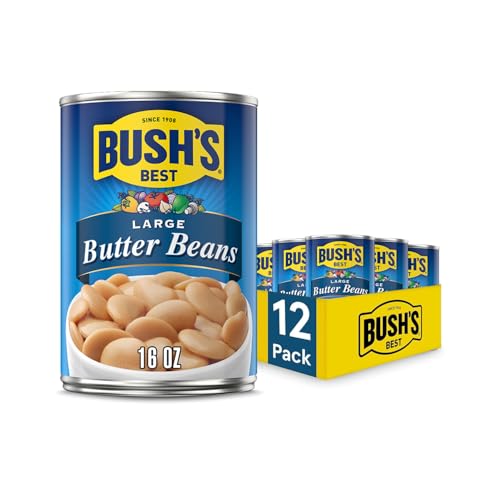
Butter beans — also called lima beans — offer a creamy texture and buttery flavor that sets them apart from firmer bean varieties. BUSH’S BEST Large Butter Beans deliver 7 grams of protein and 6 grams of fiber per half-cup serving, with a low sodium profile that makes them suitable for recipients managing salt intake.
The 12-pack of 16-ounce cans matches the same efficient packaging as the Original Baked Beans, stacking well and surviving shipping with minimal denting. Customers specifically praise the bean quality: “big, firm, yellow, few broken beans” and “not overcooked and mushy” appear in multiple reviews.
These beans are versatile across cuisines — pasta salads, soups, succotash, or simply heated as a side. The gluten-free, dairy-free, and casein-free certifications cover the most common dietary restrictions. At the case level, the cost per ounce is among the lowest in this guide.
Why it’s great
- High fiber content at 6g per serving
- Low sodium, gluten-free, dairy-free
- Excellent can integrity during shipping
Good to know
- Milder flavor may not appeal to all palates
- Requires seasoning or pairing for a complete meal
4. Goya Organic Red Kidney Beans
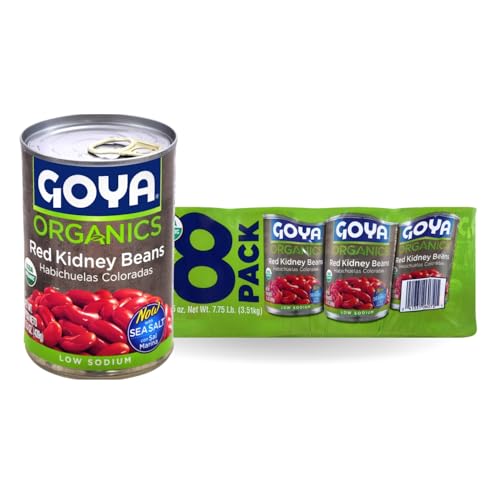
Organic certification matters for a subset of donation recipients, and Goya Organic Red Kidney Beans deliver that without sacrificing nutrition. Each 15.5-ounce can is USDA Certified Organic, gluten-free, low sodium, and packed with 8 grams of protein per serving. The low-sodium claim is verified by the inclusion of sea salt rather than a full sodium load.
The 8-pack configuration provides 124 ounces total — enough for a substantial chili batch or multiple salad servings. Customer reviews confirm the beans arrive with consistent texture: “perfectly cooked, not mushy, not hard” and “firmer beans” ideal for the DASH diet. One reviewer notes the pack of 8 avoids the denting issues sometimes seen with 24-can cases.
Kidney beans are the foundation of chili, bean salads, and rice bowls — versatile enough to fit any pantry. The organic label adds a layer of quality that donation recipients appreciate, even if they rarely express it in reviews.
Why it’s great
- USDA Certified Organic with low sodium
- 8g protein per serving, excellent for chili
- Consistent bean texture, not mushy
Good to know
- 8-pack rather than 12-pack — fewer total servings per donation
- Higher per-can cost than non-organic alternatives
5. Del Monte Diced Tomatoes with Green Peppers and Onions
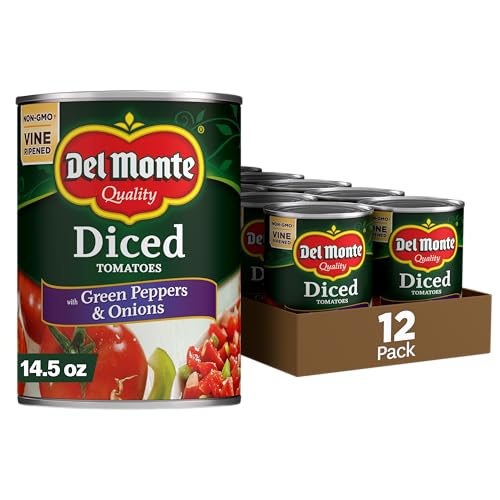
Canned tomatoes may not have the protein of beans, but they serve an equally vital role: they transform plain rice, beans, or pasta into a flavorful meal. Del Monte Diced Tomatoes with Green Peppers and Onions include the seasoning in the can, so recipients don’t need a separate spice cabinet to build a chili, soup, or sauce.
The 12-pack of 14.5-ounce cans is a staple for any food pantry. The non-GMO, non-GPO certification and absence of artificial preservatives align with the demand for clean-label ingredients. Reviewers use them for chili, gumbo, meatloaf, soups, and spaghetti sauce — proof of extraordinary versatility.
One reviewer notes that these tomatoes eliminate the “convenience gap” of fresh produce that spoils quickly. For donation, that shelf stability is the whole point. The vinegar and sea salt seasoning means the flavor is savory without being spicy, appealing to a broad audience.
Why it’s great
- Pre-seasoned with peppers and onions for instant meal building
- Non-GMO, no artificial preservatives
- Extremely versatile across cuisines
Good to know
- No significant protein or fiber — a meal base, not a meal
- Higher sodium than plain diced tomatoes
6. DEL MONTE Reduced Sodium Cut Green Beans
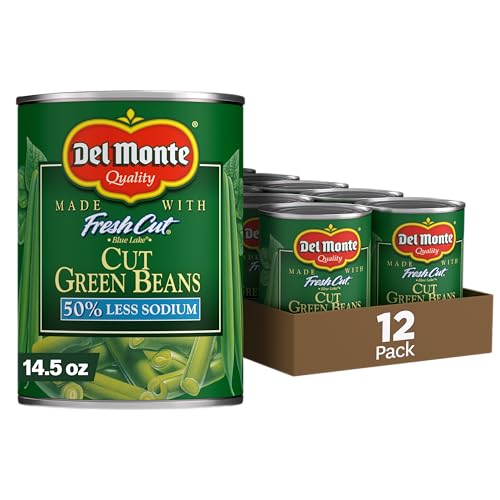
Green beans are a vegetable that many donation shoppers overlook, but DEL MONTE Reduced Sodium Cut Green Beans fill a specific niche. The 50% reduced sodium formula makes them suitable for recipients on low-salt diets, and the 12-pack configuration ensures enough cans for a family to use across multiple meals.
The BLUE LAKE variety is harvested at peak freshness and packed without artificial preservatives. Customer reviews reveal an unexpected use: pet owners buy them as a low-salt additive for dog food. One reviewer with two Great Danes calls them “ideal size” and praises the easy-open can. For donation, that dual usability (human and pet) increases the odds the can gets used rather than wasted.
These beans are not a protein source, so they work best as a complement to beans or soup donations. But as a vegetable side with minimal processing, they are a solid addition to any pantry box.
Why it’s great
- 50% reduced sodium for health-conscious recipients
- No artificial preservatives, Non-GMO
- Easy-open lid, 12-pack value
Good to know
- No protein or significant fiber
- Less versatile than beans or tomatoes for meal building
7. Goya Pink Beans
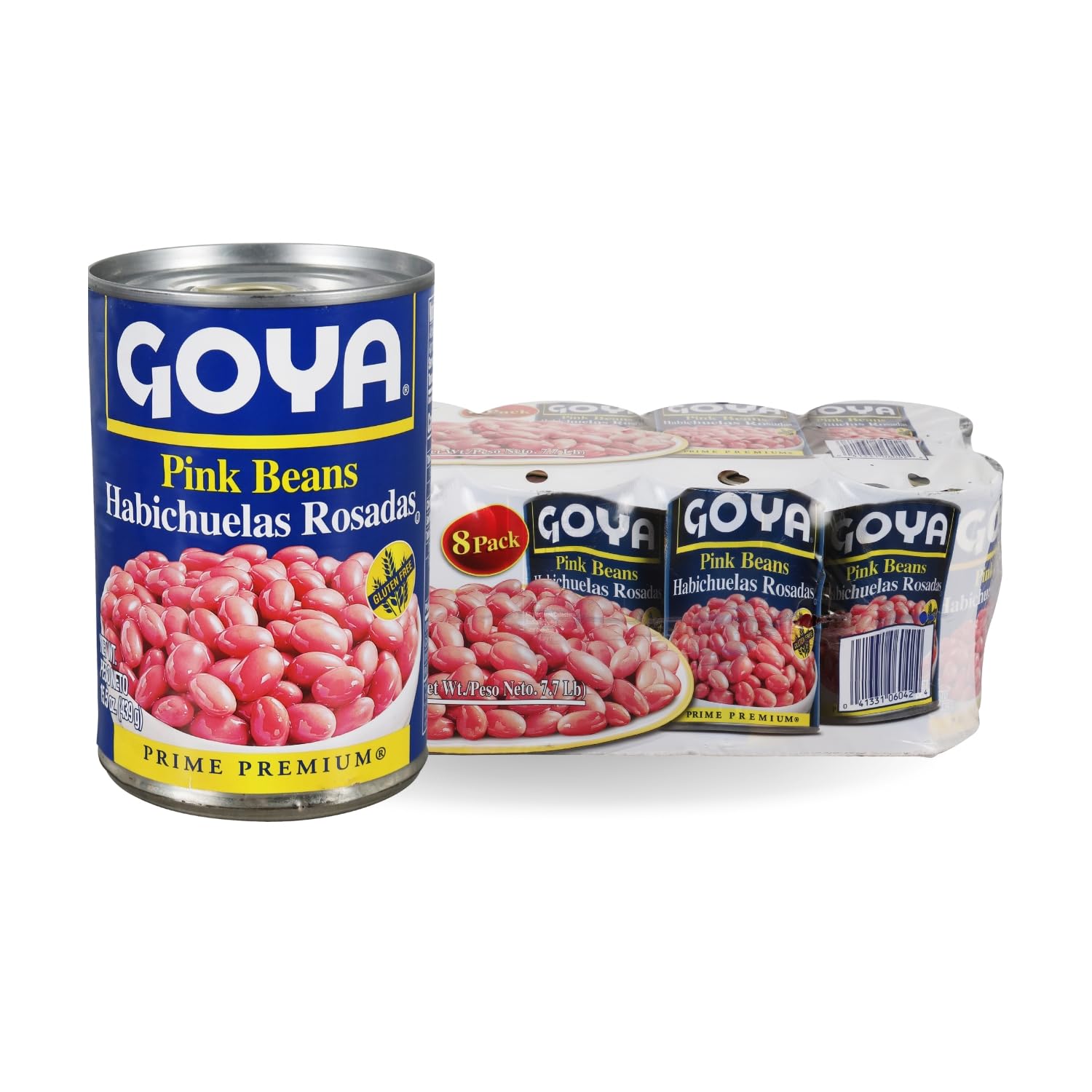
Pink beans are a Caribbean staple that brings cultural diversity to a donation box. Goya Pink Beans have a smooth texture similar to black beans and a mildly sweet flavor that sets them apart from standard pinto or kidney beans. The 8-pack of 15.5-ounce cans provides a solid protein and fiber foundation.
These beans are vegan, gluten-free, fat-free, and kosher — covering the most common dietary restrictions. Customer reviews praise their texture (“quality beans, not tasteless mush”) and versatility in salads, casseroles, and classic rice dishes. One reviewer from Puerto Rico confirms they are “hard to find outside PR” and essential for criollo cooking.
The lower price point makes them the most accessible option for larger donation runs. While the 8-pack yields fewer total ounces than the 12-pack options above, the per-can cost is the lowest in this lineup — meaning you can donate more cans for the same budget.
Why it’s great
- Distinctive flavor profile for cultural cooking variety
- Vegan, gluten-free, fat-free, kosher certified
- Best entry-level price for bulk donations
Good to know
- 8-pack format — fewer total servings than 12-pack options
- Less protein per serving than BUSH’S baked beans
FAQ
What types of canned beans do food banks prefer most?
Is it better to donate 8-packs or 12-packs of cans?
Should I avoid donating canned goods with added sugar?
Final Thoughts: The Verdict
For most users, the canned goods to donate winner is the BUSH’S BEST Original Baked Beans because it combines 8g of protein per serving with a wide, stackable can and an easy-open lid — three factors that food banks value above all else. If you want a ready-to-eat meal that requires no cooking, grab the Campbell’s Chunky Savory Vegetable Soup. And for the best value per ounce in a low-sodium, gluten-free bean, nothing beats the BUSH’S BEST Large Butter Beans.