
The difference between a thriving orchard and a row of dry twigs often comes down to dormant root condition, proper storage before planting, and selecting a variety matched to your hardiness zone.
I’m Min — the co-founder and writer behind Gadgets Feed. I’ve spent hundreds of hours researching tree rootstock quality, analyzing germination success rates from customer data across multiple growing zones, and comparing the actual shipping and handling practices of major bare root nurseries.
Whether you’re starting a home orchard or adding shade with a harvest, finding the right bare root pecan trees means understanding root mass, age of the seedling, and how many trees you need for proper pollination.
How To Choose The Best Bare Root Pecan Trees
Not all bare root trees ship equal. The key factors separating a successful planting from a dead stick involve root hydration, seedling age, and how many trees you commit to. Here’s what to check before you click buy.
Seedling Age and Root Mass
A 1-year-old bare root pecan tree is typically 6–18 inches tall with a thin, fibrous root system. A 2-year-old tree has a thicker taproot and more lateral roots, which translates to better drought tolerance and faster establishment. The price difference is usually small, but survival odds shift noticeably in favor of the older stock.
Pollination Requirements
Pecan trees are wind-pollinated and require at least two trees for reliable nut production. Some sellers offer single trees, but for actual harvests you need a minimum of two — ideally from different genetic lines. A three-tree or five-tree pack solves this immediately and gives you a safety buffer against losses during the first winter.
Shipping and Root Protection
Bare roots must stay moist and dormant during transit. Look for sellers who wrap roots in damp media (sphagnum, wet paper, or hydrogel), ship in the dormant season (November to May in most zones), and include clear planting instructions. Dry roots or green shoots at arrival usually signal poor handling that reduces long-term viability.
Quick Comparison
On smaller screens, swipe sideways to see the full table.
| Model | Category | Best For | Key Spec | Amazon |
|---|---|---|---|---|
| Northern Pecan Trees – 3 Pack | Premium Multi-Pack | Home orchard & shade | 3 trees per order | Amazon |
| 5 Pecan Trees – 6-12″ Pack | Bulk Value | Large planting projects | 5 trees per order | Amazon |
| Black Mulberry 2-3 ft | Single Specimen | Fast-growing edible shade | 2-3 ft height | Amazon |
| Heritage Everbearing Raspberries – 3 Pack | Berry Canes | Quick fruit production | 2-year-old canes | Amazon |
| Nova Red Raspberries – 2 Pack | Berry Canes | Zone 3 hardy fruit | 2 large canes | Amazon |
| Blue Ray Blueberry – 2 Pack | Premium Berry Bush | Sweet table blueberries | 3-year-old plants | Amazon |
| Shine Muscat Grape Plant | Specialty Vine | Japanese muscat grapes | 2-year grafted vine | Amazon |
In‑Depth Reviews
1. Northern Pecan Trees – 3 Pack
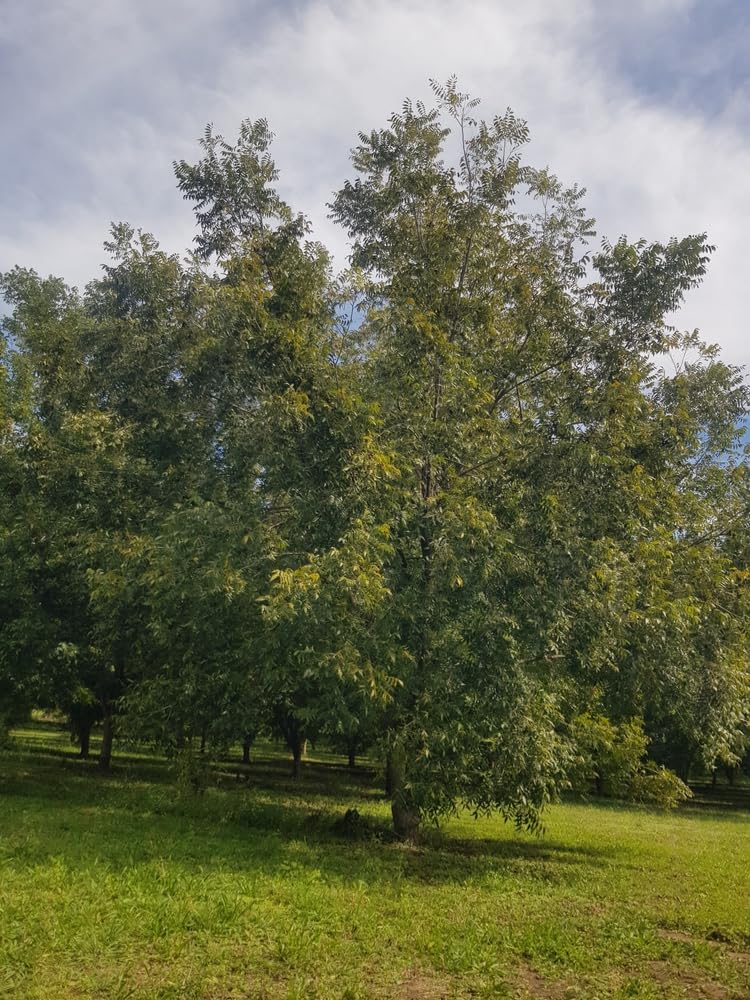
This three-tree pack from CZ Grain gives you enough rootstock for reliable cross-pollination right out of the box. The trees ship as dormant bare root starters typically measuring 1 to 2 feet tall, which is the ideal size for transplanting success — not so small they dry out, not so tall they suffer transplant shock. Multiple buyers reported strong early growth after following the soaking instructions, with trees pushing new leaves within a few weeks of spring planting.
The moderate watering requirement and partial sun tolerance make these versatile for most yard conditions. Being listed as shagbark type means the trees are hardy northern varieties suited to cooler climates where standard pecan often struggles. The three-tree pack also gives you a spare in case one fails to leaf out, which is a practical safety net for first-time pecan growers.
Some customers found the trees shorter than the advertised 3-4 feet, landing closer to 1-2 feet. That is typical for bare root stock that has been pruned before shipping to reduce moisture loss. As long as the roots remain moist and the buds are intact, the height difference does not affect long-term growth potential — the tree will catch up in its first season.
Why it’s great
- Three trees ensure proper pollination for nut production
- Shagbark type bred for northern hardiness zones
- Moderate watering needs reduce maintenance burden
Good to know
- Starter size may be shorter than described (1-2 ft vs claimed larger height)
- Mixed reviews on survival — some units arrived dead
2. 5 Pecan Trees – 6-12″ Pack
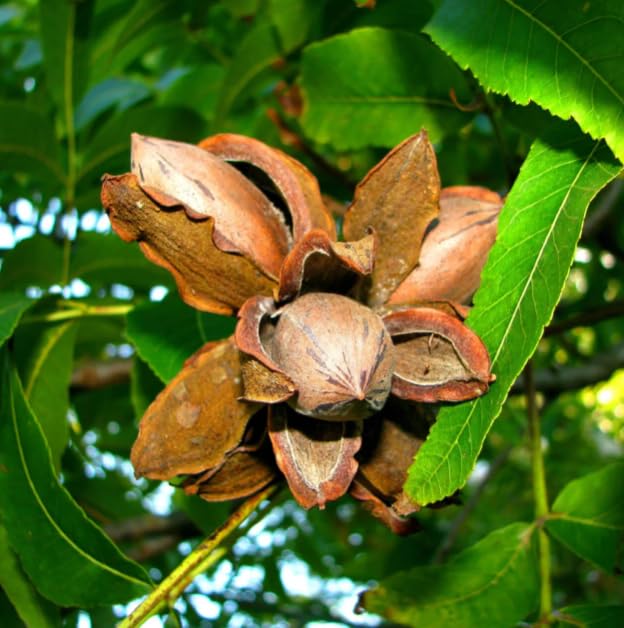
This five-tree bundle of Carya illinoinensis seedlings is the most economical way to establish a small pecan grove. Each tree ships at 6–12 inches tall, which is the typical size for first-year bare root stock. The pack of five ensures you have enough trees for genetic diversity in pollination — at least two are needed for nut set, and the extras give you room to cull weaker specimens after the first growing season.
The trees are described as low-maintenance and adaptable to various soil types, making them a decent choice for novice orchardists who want to experiment without investing in premium grafted stock. Partial sun exposure is tolerated, though full sun will produce stronger growth and earlier nut production. Being GMO-free and from a generic nursery keeps costs low, which matters when you are planting at scale.
Customer feedback is split. Some buyers received trees that never leafed out, pointing to inadequate root moisture during shipping. Others reported healthy arrivals that grew steadily. This inconsistency is common with budget-priced bare root bundles. For the price per tree, this is a low-risk way to start — just inspect roots immediately upon arrival and soak before planting.
Why it’s great
- Five trees provide ample pollination and replacement buffer
- Low maintenance once established in suitable soil
- GMO-free seedlings at a cost-effective per-tree price
Good to know
- Higher failure rate reported compared to premium stock
- Small 6-12 inch size requires more years before first harvest
3. Black Mulberry – 2-3 ft

For buyers who want a fast-growing edible tree that produces fruit in less time than a pecan, this 2–3 foot Black Mulberry seedling is a strong alternative. The tree is 2–3 years old at shipment, which gives it a head start over 1-year-old pecan seedlings. It is self-pollinating, meaning a single tree will bear fruit — deep black, sweet berries that ripen over an extended month-long period in early summer.
The packaging approach from this seller is notably thorough: roots are sent in wet media during dormancy and in soil-filled containers during summer. This is how bare root shipping should be done to preserve root viability. The tree tolerates full sun to partial shade and grows in zones 5–9, adapting to various soil moisture levels. Mature height reaches 50–70 feet with a 40-foot spread, so site selection matters.
Some customers received what they described as a small twig with yellowing leaves. This reflects the reality that bare root trees in transit can experience stress. However, multiple verified buyers reported that the carefully wrapped roots and included care instructions led to strong leafing within weeks. If your priority is fast shade and berries rather than long-maturing pecans, this is the better fit.
Why it’s great
- 2-3 year old seedling with established root system
- Self-pollinating — single tree produces fruit
- Excellent packaging with wet media for root protection
Good to know
- Fruit size can vary since these are seedlings, not grafted
- Some arrived looking dry with minimal foliage
4. Heritage Everbearing Red Raspberry – 3 Pack

If you want fruit sooner than a pecan tree can deliver, these 2-year-old Heritage everbearing raspberry canes are a proven shortcut. Three large canes ship dormant and ready for spring planting. Heritage is a classic fall-bearing variety that produces from late summer through frost, and the two-year-old root system means you may get a modest harvest in the first year rather than waiting five seasons.
Buyers consistently praised the packaging speed and cane condition. In several cases, canes showed new growth within two days of planting, and one grower successfully propagated seven starts from the original three by cutting stalks. The seller also included a free bonus raspberry plant in some orders, which adds further value for the price.
A small number of customers in shorter growing seasons like Montana reported slower initial growth on 2 of 3 canes. That is normal for bare root stock in cooler soil — patience through the first month is key. For anyone seeking a faster payoff alongside their pecan trees, these raspberries fill the gap nicely.
Why it’s great
- 2-year-old canes produce fruit faster than first-year stock
- Everbearing variety extends harvest into fall
- Excellent packaging with fast shipping and bonus plants
Good to know
- Some canes may leaf later in colder zones
- Three canes may not all survive — have a backup plan
5. Nova Red Raspberry – 2 Pack

Nova Red Raspberry is bred specifically for extreme cold tolerance, thriving down to USDA zone 3. These 2-year-old large bare root canes have demonstrated survival at -25°F in Illinois after overwintering in cloth bags, as reported by a verified grower. The variety produces deep purple berries that are noticeably sweeter than standard red raspberries, making them a favorite for jams and fresh eating.
The canes require full sun and moderate watering. Multiple customers reported vigorous growth in raised beds, with plants reaching 2.5 feet in their first season and attracting pollinators. The seller advises soaking roots before planting, and those who followed instructions saw budding within two weeks even without strict adherence to the full care protocol.
There is a risk of mislabeling — one buyer received what appeared to be a blueberry bush instead of a raspberry. Another received one dried cane. These issues are not uncommon with budget bare root sellers. If you need a variety that pushes through harsh winters, the Nova genetics are proven, but inspect each cane on arrival and report defects immediately.
Why it’s great
- Exceptionally cold hardy to zone 3
- Deep purple, super-sweet berries reported by growers
- 2-year-old canes establish quickly in raised beds
Good to know
- Risk of receiving incorrect variety or dried canes
- Only 2 canes — less room for error compared to 3-packs
6. Blue Ray Blueberry – 2 Pack
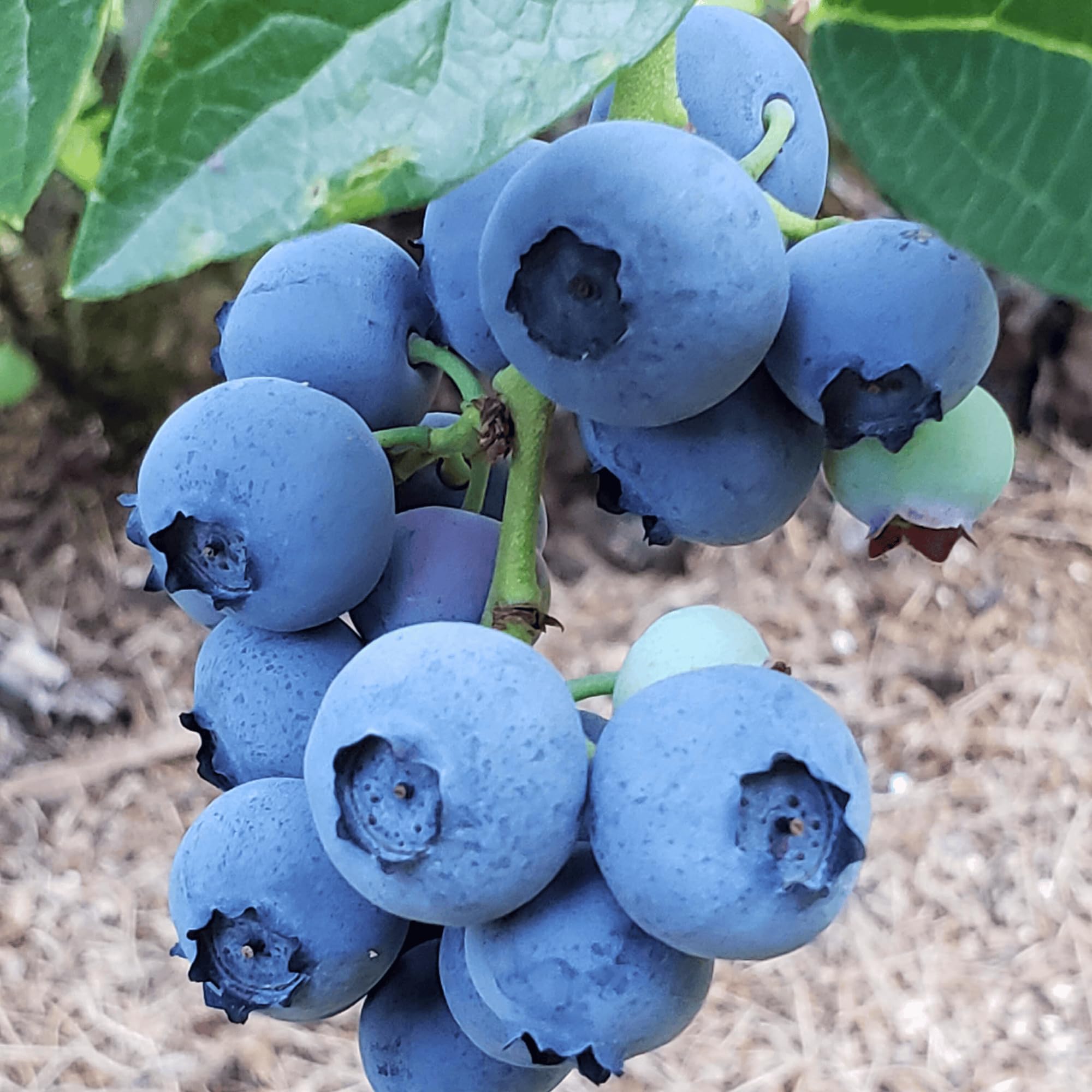
Hand Picked Nursery’s Blue Ray blueberry plants are a premium option for growers who want mature, ready-to-produce bushes. These are 3-year-old plants, which is significantly older than typical bare root stock. The extra year in the nursery means a larger root system, stronger canes, and the ability to produce higher yields in the first growing season. The Blue Ray variety is known for large, richly sweet berries with firm texture.
Buyers consistently received plants with blooms and tiny green leaves already present at arrival, indicating careful handling and proper pre-shipment care. The plants are suited to zones 4–7 and require full sun with loam soil for best performance. Ornamental appeal is a bonus — fall foliage color extends the garden value beyond the harvest window. This two-pack cannot ship to Oregon due to agricultural restrictions.
A small number of plants arrived looking weak or failed to thrive. For the premium price, one expects near-perfect survival rates, and most customers reported exactly that. If you are pairing a pecan orchard with a berry patch that yields immediately, these 3-year blueberry plants are the most reliable shortcut to a harvest.
Why it’s great
- 3-year-old plants with established root systems for early harvest
- Large, sweet Blue Ray berries with firm texture
- Arrived with blooms and leaves per customer reports
Good to know
- Cannot ship to Oregon
- Premium price point per plant
7. Shine Muscat Grape Plant

The Shine Muscat grape, known in Japan as 阳光玫瑰 (Sunshine Rose), is a grafted 2-year-old vine that produces large, aromatic green grapes with a distinct muscat flavor. The vine ships from New Jersey and is suited to full sun or partial shade with moderate watering. Grafted stock is superior to seedlings because it preserves the exact fruit characteristics of the parent plant — size, sweetness, and that signature floral aroma.
Customer reports are mixed but informative. Several buyers received healthy starts with leaves intact that showed vigorous new growth within a week of planting. Others received vines that appeared dead with dried buds and black roots, dying within days. This inconsistency points to a seller whose packaging works well for some shipments but fails for others during transit. Inspect the graft union and root color immediately upon delivery.
For the premium price, this grape vine is a specialty item best suited to experienced gardeners who can nurse a borderline arrival back to health. If it survives, the payoff is a unique table grape that is rare in home gardens. For most pecan-focused buyers, this makes more sense as a secondary experiment rather than a primary planting choice.
Why it’s great
- Grafted 2-year vine with authentic Shine Muscat genetics
- Distinctive aromatic green grapes not common in US nurseries
- Organic material features
Good to know
- Inconsistent packaging quality — some arrive dead
- High price for a single vine with risk of failure
FAQ
How long does a bare root pecan tree take to produce nuts?
Can I plant bare root pecan trees in the summer?
How do I tell if a bare root pecan tree is alive before planting?
Final Thoughts: The Verdict
For most users, the bare root pecan trees winner is the Northern Pecan Trees 3 Pack because it gives you the right number of trees for pollination, a hardy northern variety suited to cold climates, and a reasonable price per tree that keeps the investment manageable. If you want to plant at scale with a generous replacement buffer, grab the 5 Pecan Trees 6-12″ Pack. And for fast edible shade while you wait for pecans to mature, nothing beats the Black Mulberry 2-3 ft.