
South Carolina’s coastal humidity and blazing inland summers demand a grass that thrives on heat, shrugs off drought, and recovers fast from foot traffic. Bermuda grass is the natural answer — but choosing the wrong seed can leave you with bare patches, weak germination, or a lawn that fades before the first frost. The difference between a lush, dense turf and a frustrating reseeding project often comes down to strain selection, blend quality, and regional adaptation.
I’m Min — the co-founder and writer behind Gadgets Feed. I’ve spent hundreds of hours cross-referencing germination trials, customer reports of seedling failure, and the specific soil temperature requirements that separate a successful South Carolina lawn from a waste of bagged seed.
This guide breaks down the seven most important options on the market with hard specs and real user outcomes so you can confidently choose the best bermuda grass seed for south carolina for your yard’s specific sun exposure and watering schedule.
How To Choose The Best Bermuda Grass Seed For South Carolina
South Carolina spans USDA zones 7b in the Upstate to 8b along the coast, which means your bermuda seed must handle both high heat and occasional late-winter chills. A one-size-fits-all bag from the big-box store often skips the cold-tolerant genetics that prevent winterkill.
Cold Tolerance and Dormancy Recovery
Standard common bermuda goes dormant early and can die back if a hard freeze hits before deep root establishment. Improved varieties like Pennington’s cold-tolerant line and Outsidepride’s Maya (Blackjack II) hold green longer into fall and green up faster in spring. Ask for varieties bred with cold tolerance in the parent genetics.
Germination Rate and Seed Purity
Cheaper seed often contains weed seeds, inert filler, or hulls that never germinate. Look for germination percentages above 85% on the label and seeds that are hulled or coated for moisture retention — critical for South Carolina’s sandy soils that drain fast and dry out surface seed.
Blend vs. Single Variety
Hybrid blends like Oasis combine three top-performing bermudas to hedge against disease, shade variability, and traffic wear. Single-variety seed like Maya (Blackjack II) delivers uniform texture ideal for golf-course-level aesthetics but demands more precise watering. For a family lawn with variable sun, a blend provides safer coverage.
Quick Comparison
On smaller screens, swipe sideways to see the full table.
| Model | Category | Best For | Key Spec | Amazon |
|---|---|---|---|---|
| Outsidepride Oasis 5 lb | Blend | Mid-sized lawns needing traffic resistance | 5 lb bag / 3-variety hybrid blend | Amazon |
| Pennington 15 lb | Single | Large-area coverage at value | 15 lb bag / cold-tolerant genetics | Amazon |
| Barenbrug Bermudagrass 5 lb | Single | Sunny humid areas with sandy soil | 5 lb bag / sandy-soil adapted | Amazon |
| Outsidepride Maya 10 lb | Single | Fine-textured premium turf | 10 lb bag / coated for moisture retention | Amazon |
| Outsidepride Oasis 10 lb | Blend | Large sunny areas requiring fast coverage | 10 lb bag / drought-tolerant hybrid | Amazon |
| Pennington 5 lb | Single | Small patch repair or test seeding | 5 lb bag / low-growing blend | Amazon |
| Barenbrug Winter Wonderlawn 25 lb | Mix | Winter overseeding of dormant bermuda | 25 lb bag / germinates in 2-4 days | Amazon |
In‑Depth Reviews
1. Outsidepride Oasis Bermuda Grass Seed 5 lb

The Oasis blend combines three top-performing hybrid bermuda varieties engineered for high-traffic tolerance and heat resistance — exactly what South Carolina’s summer sun demands. At a recommended seeding rate of 2-3 lb per 1,000 sq ft, this 5 lb bag covers roughly 1,600 to 2,500 sq ft, making it ideal for mid-sized front or back yards. Users consistently report sprouting in 7-10 days when soil temperatures exceed 65°F and daily moisture is maintained.
The aggressive growth habit helps crowd out common southern weeds like crabgrass and kylinga without heavy herbicide use. The blend’s hybrid genetics also improve drought survival in sandy loam soils that drain quickly along the coastal plain. Several verified buyers noted the grass filled in bare spots in hot, full-sun areas faster than single-variety seed they had tried in previous seasons.
A minority of users reported low germination in certain batches, which may indicate sensitivity to surface drying or improper seed-to-soil contact. Raking the seed in to a depth no deeper than 1/4 inch and using a light top-dressing of peat moss or sand can dramatically improve stand uniformity. For homeowners wanting a resilient lawn without mixing multiple bags, this blend offers the most reliable balance of coverage and toughness.
Why it’s great
- Three-variety hybrid blend provides genetic diversity against disease and foot traffic
- Drought-tolerant genetics reduce watering frequency during peak summer
- Fast growth habit naturally suppresses weed emergence
Good to know
- Must keep topsoil moist for 1-2 weeks; missed watering can crater germination
- Some bags show inconsistent germination across different batches
2. Pennington Bermudagrass 15 lb

The 15 lb Pennington bag delivers the most square-foot coverage per dollar in this guide — enough for roughly 5,000 to 7,500 sq ft at the standard seeding rate. Its improved cold-tolerant genetics are especially relevant for South Carolina’s Upstate (zone 7b), where overnight temps can dip below 20°F during winter dormancy. Users in the mid-Atlantic and upper South report green-up appearing 7-10 days earlier in spring compared to standard common bermuda.
The seed particles are tiny and powder-like, which means a broadcast spreader at the lowest setting is essential to avoid seeding too thick. Multiple passes in perpendicular directions produce the most even coverage. The variety also produces fewer grass clippings due to its lower growth profile, reducing mowing frequency for homeowners who prefer a tidy look without weekly bagging.
Several reviewers noted that germination took longer than expected — up to 14-18 days in cooler spring soils. Pairing this seed with a starter fertilizer high in phosphorus (10-20-10) can accelerate root development. The deep root system provides exceptional wear resistance, making it a solid choice for yards with kids or pets.
Why it’s great
- Cold-tolerant genetics improve survival in Upstate South Carolina winters
- Low-growing habit means fewer clippings and less frequent mowing
- Extremely drought-tolerant once established with deep root system
Good to know
- Powder-like seeds require careful spreader calibration to avoid over-seeding
- Slower germination than hybrid blends; needs patient watering routine
3. Barenbrug Bermudagrass 5 lb
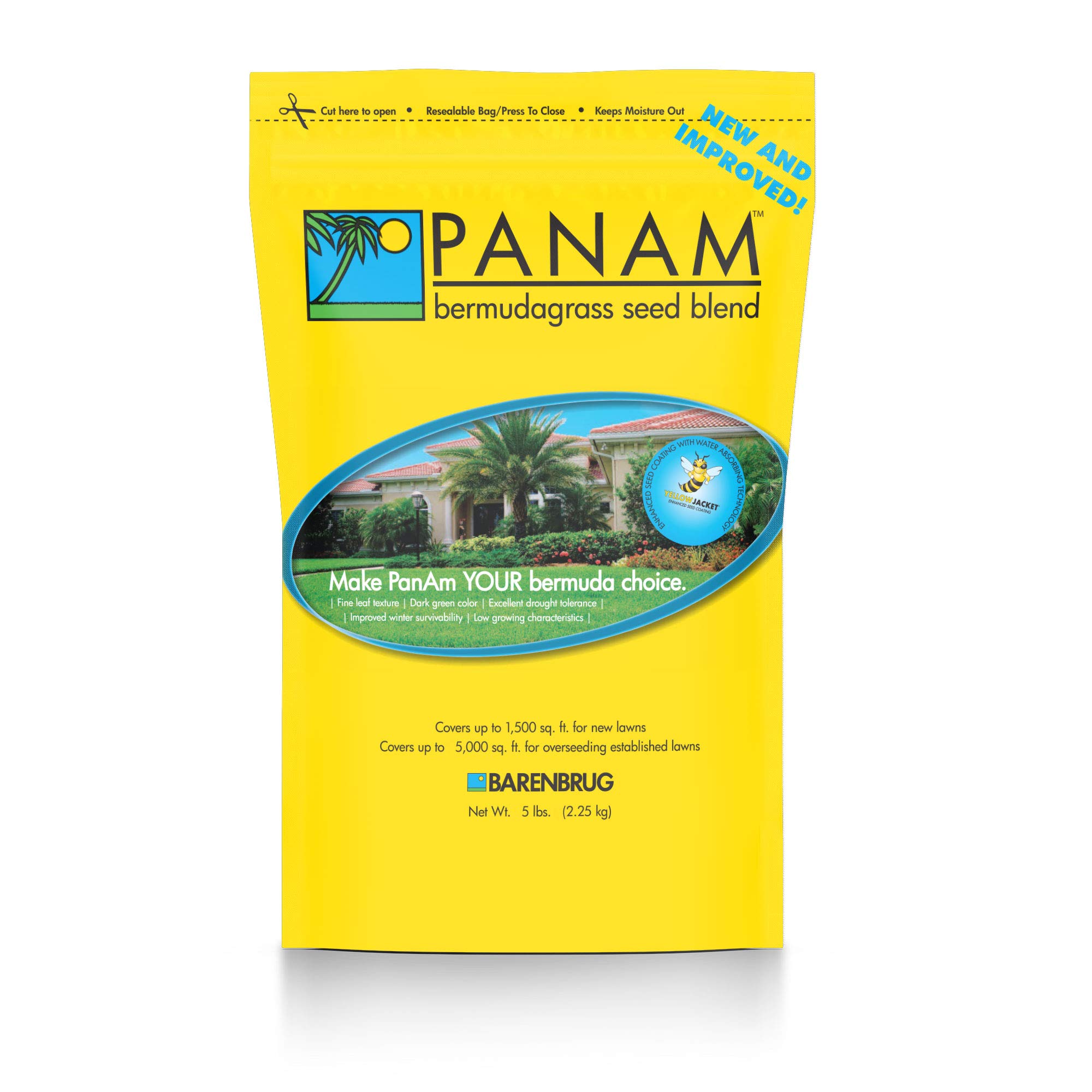
Barenbrug’s Bermudagrass is specifically adapted for sunny areas and humid climates, which mirrors the Lowcountry’s combination of high moisture and full exposure. The 5 lb bag covers roughly 1,600 to 2,500 sq ft and contains varieties bred for sandy soil conditions — a major advantage in coastal zones like Charleston and Hilton Head where native soil drains rapidly and lacks organic matter.
Verified buyers who soaked seeds in waterlogged soil for the first week, then reduced moisture, saw sprouting in just 6-7 days. The variety is designed for full sun and will thin significantly in any area receiving less than 6 hours of direct light. Mowing at 1.5 to 2 inches encourages lateral spread that fills in bare spots faster than taller cuts.
About 25% of reviewers reported slow start or zero germination, often tied to heavy rain washing seeds into low spots or inconsistent watering. Tilling the soil before seeding and using a seed-starter fertilizer can mitigate this. For homeowners with sandy, fast-draining soil who can commit to twice-daily light watering for the first two weeks, this variety rewards with a dense, dark green carpet.
Why it’s great
- Bred specifically for sandy, fast-draining soils common in coastal South Carolina
- Germination as fast as 6 days when seed-to-soil contact is optimal
- Dark green color and fine texture blend well with existing turf
Good to know
- Struggles in partial shade; needs full sun for thick stand
- Inconsistent batch quality reported by a portion of buyers
4. Outsidepride Maya (Blackjack II) 10 lb

Maya, formerly known as Blackjack II, is a fine-textured bermuda that creates a carpet-like turf with aesthetic uniformity typically associated with golf course fairways. The coated seed is designed for optimal moisture retention — a crucial feature for South Carolina’s sandy loam where uncoated seed can dry out within hours. This 10 lb bag covers approximately 3,300 to 5,000 sq ft at the recommended 2-3 lb per 1,000 sq ft rate.
The exceptional seedling vigor noted in the product’s technical specs is backed by user reports of sprouting at day 7 when soil temperature remained consistently above 68°F. The fine blades require mowing at 0.5 to 2 inches for best appearance — lower than typical lawn bermuda — which may require a reel mower for homeowners seeking the tightest cut. The variety shows improved cold tolerance over older Blackjack strains, making it viable for South Carolina’s transition zone climate.
Some customers encountered poor customer service response when germination failed, and a subset of bags did not germinate at all — likely storage or batch issues. Proper soil preparation including tilling to 6 inches, pH testing, and pre-wetting the soil before seeding dramatically improved outcomes in reported successes. For the homeowner willing to invest in meticulous site prep, Maya produces the most visually refined lawn on this list.
Why it’s great
- Fine-textured dark green turf ideal for high-visibility front lawns
- Coated seed retains moisture better in fast-draining soil
- Improved cold tolerance over standard Blackjack bermuda
Good to know
- Requires reel mower for optimal sub-1 inch cut height
- Bag variability means buying from a high-turnover seller is recommended
5. Outsidepride Oasis Bermuda Grass Seed 10 lb
The 10 lb Oasis bag is the same proven hybrid blend as the 5 lb version but scaled for larger properties — covering up to 5,000 sq ft at the standard rate. The three-variety mix includes improved heat-resistant and drought-tolerant genetics that thrive in South Carolina’s full-sun exposure from the Piedmont to the coast. Users in Texas and Florida report the blend handles intense summer temperatures without going dormant, which translates directly to the 95°F-plus days common in Columbia and Greenville.
The aggressive growth habit provides natural weed suppression, reducing the need for pre-emergent herbicides that can interfere with seedling establishment. Several verified buyers noted the grass filled in completely within 3-4 weeks of consistent watering, even in yards with variable sun patterns. The blend’s genetic diversity makes it more forgiving of imperfect soil preparation than single-variety seed.
As with the 5 lb version, some customers experienced poor germination in specific batches, and the seed requires keeping the top inch of soil constantly moist for the first 10-14 days. Mixing the seed with sand at a 1:3 ratio before broadcasting helps improve distribution visibility and prevents clumping. For homeowners seeding an acre or more, this 10 lb bag is the most efficient way to get the Oasis blend’s proven resilience across a wide area.
Why it’s great
- Large bag covers up to 5,000 sq ft, reducing per-project cost
- Genetic diversity from three hybrid varieties improves disease resistance
- Natural weed suppression reduces early herbicide need
Good to know
- Moisture management is critical; missed watering can cause patchy stand
- Batch inconsistency means germination results vary year to year
6. Pennington Bermudagrass 5 lb

The 5 lb Pennington bag is the most accessible entry point for homeowners who want to test bermuda before committing to a larger investment. It contains the same cold-tolerant, low-growing genetics as the 15 lb version but at a smaller scale — ideal for patching bare spots, test-seeding a 500 sq ft section, or overseeding an existing lawn that needs thickening. The deep root system provides natural drought tolerance once established.
Users who applied the seed at a heavy rate (3 lb per 500 sq ft instead of the recommended 5 lb per 5,000 sq ft) reported excellent color and high germination percentage by mid-summer. The seed’s fine, powder-like texture means it can be difficult to spread evenly without a quality rotary spreader. Hand-broadcasting often leads to clumps and bare streaks that require secondary passes.
Some batches showed poor germination in controlled indoor tray tests, suggesting that quality control varies by lot. Storing the bag in a cool, dry place and checking the expiration date on the label can help avoid dead seed. For small-scale repair work or budget-conscious first-time seeding, this bag keeps the initial outlay low while still delivering Pennington’s reputable cold-tolerant genetics.
Why it’s great
- Low price point makes it ideal for small patch repair or trial seeding
- Cold-tolerant genetics provide better winter survival than generic common bermuda
- Low-growing habit reduces mowing frequency
Good to know
- Powder-like seed requires careful spreader calibration
- Batch quality can be inconsistent; check expiration date before purchase
7. Barenbrug Winter Wonderlawn 25 lb
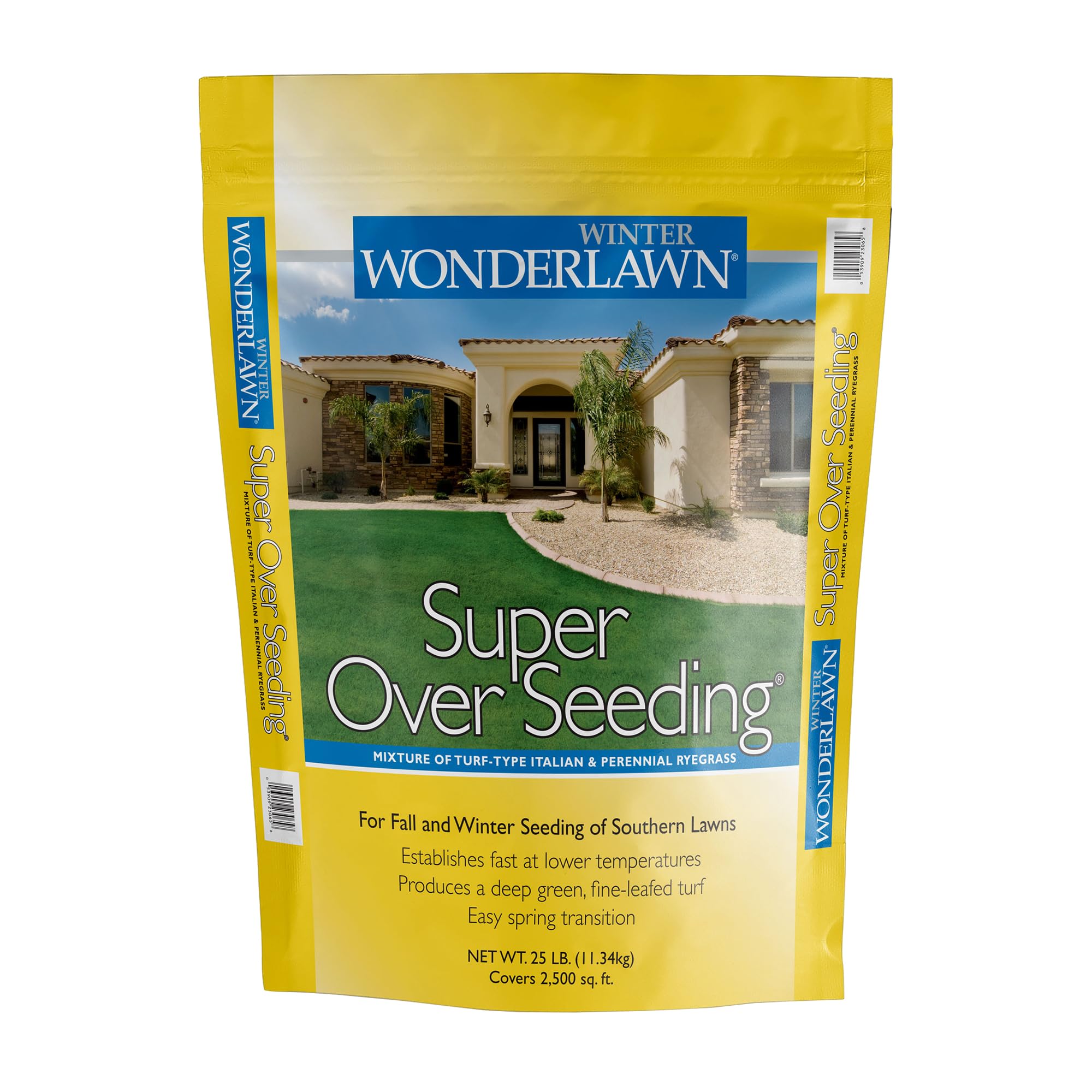
Winter Wonderlawn is not a bermuda seed but a specialized blend of perennial and Italian ryegrasses designed specifically for winter overseeding of dormant bermuda lawns — a common practice in South Carolina to maintain green color from November through March. The 25 lb bag covers approximately 5,000 to 8,000 sq ft for overseeding, and its biggest selling point is germination in 2-4 days, providing near-instant green coverage over the browning bermuda canopy.
The fine-leafed turf blends seamlessly with existing bermuda stolons and naturally transitions out in spring as soil temperatures rise above 70°F, eliminating the need for chemical transition aids. Users in the Carolinas and Georgia report that the ryegrass mix survives under 8 inches of snow and ice with no die-back, making it reliable for the occasional hard winter storm along the I-85 corridor. Dog urine tolerance is comparable to standard turf-type ryegrasses.
This product is not a substitute for bermuda seed — it will not persist through summer heat. A small number of users reported zero growth, likely due to planting when soil temperatures were already below 40°F or poor seed-to-soil contact in compacted dormant turf. Core aeration before overseeding dramatically improves germination success. For homeowners who want green grass every single month of the year in South Carolina, this is the complementary product that keeps a bermuda lawn looking lush through winter.
Why it’s great
- Germinates in 2-4 days for instant winter green coverage
- Natural spring transition without chemicals or extra maintenance
- Survives snow, ice, and cold rain without damage
Good to know
- Not a bermuda seed; will die off when summer heat returns
- Requires core aeration of dormant turf for best seed-to-soil contact
FAQ
When should I plant bermuda grass seed in South Carolina?
Can I mix bermuda seed with sand when broadcasting?
Final Thoughts: The Verdict
For most users, the best bermuda grass seed for south carolina winner is the Outsidepride Oasis 5 lb because its three-variety hybrid blend provides the most reliable germination, traffic tolerance, and drought resistance across the state’s varied soil types. If you want the most square footage per dollar for a large property, grab the Pennington 15 lb. And for homeowners who demand golf-course-level fine texture, nothing beats the Outsidepride Maya 10 lb.