
A midfoot sprain is a specific injury that destabilizes the arch and the Lisfranc joint complex, turning every step into a potential re-injury event. Without targeted lateral stabilization and arch support, the midfoot subtly collapses during push-off, which prolongs healing and risks chronic instability.
I’m Min — the co-founder and writer behind Gadgets Feed. I’ve analyzed hundreds of product datasheets, customer feedback threads, and clinical support guidelines to isolate which brace designs actually control midfoot torsion without restricting the normal gait cycle.
Whether you’re recovering from a minor Lisfranc strain or managing chronic midfoot weakness, the right brace acts as an external ligament. This guide breaks down the specific stabilizers, strap geometries, and fit profiles that define the best brace for midfoot sprain on the market right now.
How To Choose The Best Brace For Midfoot Sprain
Choosing the wrong brace for a midfoot sprain can delay recovery by allowing subtle torsional movement across the Lisfranc joint. You need a brace that locks the midfoot without immobilizing the ankle or cutting circulation.
Stabilizer Type and Coverage
Look for rigid or semi-rigid side stabilizers that run along the medial and lateral midfoot. These plastic or composite inserts prevent the forefoot from twisting relative to the hindfoot. Many ankle braces focus solely on the talus and calcaneus, leaving the midfoot unsupported.
Strap Geometry and Compression Pattern
A figure-8 strap that wraps from the instep under the arch and back over the dorsum provides targeted midfoot compression. This design mimics the natural ligamentous sling of the Lisfranc complex. Avoid braces with only single vertical straps.
Profile and Footwear Compatibility
Midfoot braces are inherently bulkier than basic ankle sleeves. You need a design that fits inside a stable, neutral shoe without cramping the toes or creating pressure points on the navicular. An ultra-thin brace may lack the rigidity needed for a midfoot injury.
Quick Comparison
On smaller screens, swipe sideways to see the full table.
| Model | Category | Best For | Key Spec | Amazon |
|---|---|---|---|---|
| Med Spec ASO Ankle Stabilizer | Premium | Clinical-grade Lisfranc recovery | Figure-8 strap + lace-up chassis | Amazon |
| Fitomo 1.5mm Ultra Thin | Premium | Shoe-friendly daily stability | 1.5mm thickness + figure-8 strap | Amazon |
| FOWRAES 2 Pack with Stabilizers | Mid-Range | Two-pack value for alternating wear | Reinforced side stabilizers | Amazon |
| ZOELION Auto-adaptive Side Pads | Mid-Range | Self-adapting midfoot compression | Anatomical inner wrap + figure-8 strap | Amazon |
| Velpeau Stirrup Ankle Brace | Mid-Range | Grade 1-2 ligament sprains | Bi-injection semi-rigid splints | Amazon |
| WHCOOL 7-Zone Compression Sleeve | Budget-Friendly | Mild sprain with arch focus | 7-zone knit + elastic flex strap | Amazon |
| DRwelland Ankle Brace with Stabilizers | Budget-Friendly | Entry-level stability on a budget | Neoprene + adjustable arch strap | Amazon |
In‑Depth Reviews
1. Med Spec ASO Ankle Stabilizer
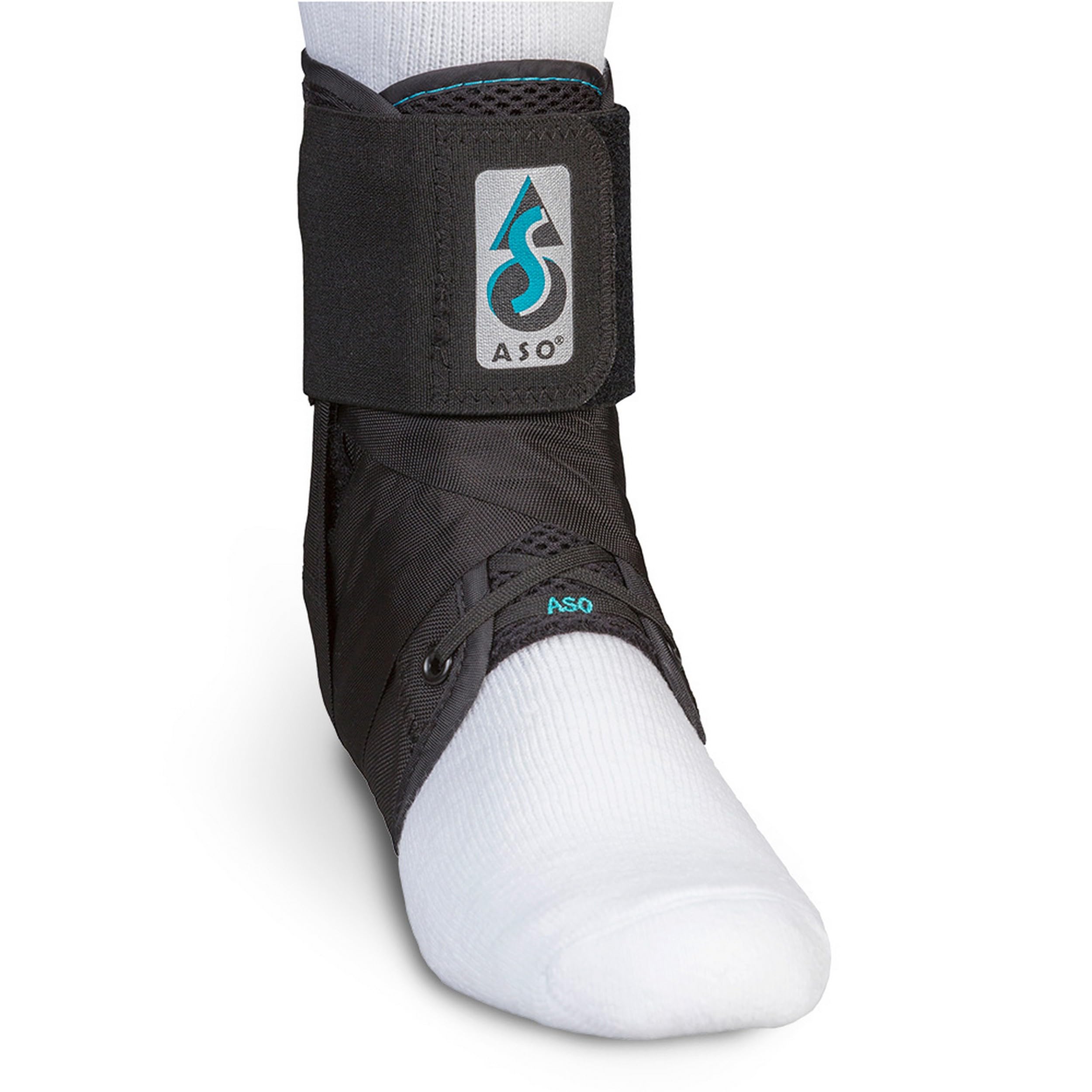
The Med Spec ASO is the industry standard for a reason: its lace-up chassis combined with figure-8 stabilizing straps creates a rigid envelope that controls forefoot rotation relative to the midfoot. This is the exact mechanical lock a Lisfranc injury needs during the healing window. The CoolFlex padding and nylon body resist stretch over months of daily wear.
Bilateral design works for either foot, and the adjustable compression through the laces lets you dial in midfoot tension independently of ankle snugness. Physical therapists and athletic trainers consistently recommend this model for Grade 1-2 midfoot sprains because it limits inversion and eversion at the tarsometatarsal joint.
Fit is critical — the sizing guide is reliable, but expect a break-in period of a few wears. Wear with a thin sock to prevent lace irritation on the dorsum. The brace fits comfortably inside most running and court shoes without excessive bulk at the heel counter.
Why it’s great
- Clinical-grade figure-8 strap locks the midfoot against torsional sprains
- Lace-up system allows fine-tuned compression across the arch
- Durable construction holds shape after repeated washing
Good to know
- Requires assistance to lace properly on the first few attempts
- May feel warmer than mesh-only sleeves during extended wear
2. Fitomo 1.5mm Ultra Thin Ankle Brace
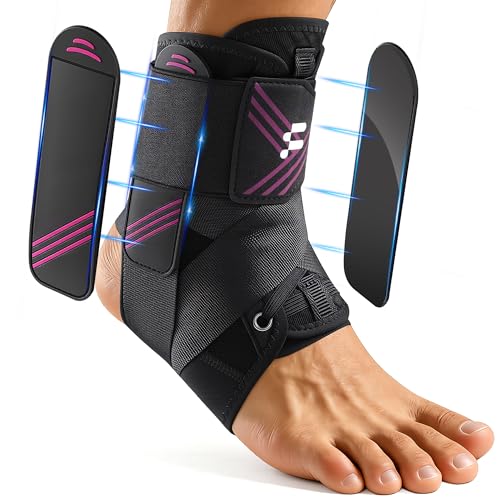
The Fitomo is engineered for users who need midfoot stability but cannot tolerate bulky braces inside narrow work shoes or dress sneakers. At just 1.5mm thick, the microfiber fabric with visible ventilation grid offers surprisingly good heat dissipation. The figure-8 stabilizing strap wraps the midfoot and arch without the added foam padding of traditional braces.
The 3-layer system uses an inner silicone grip to prevent slippage, the figure-8 strap for active torsional resistance, and a flexible support panel that contours to the navicular. FSA/HSA eligibility makes it an accessible option for those using pre-tax health funds. It works well for mild to moderate midfoot sprains where rigid splints are overkill.
You will need to measure your ankle circumference carefully — sizing is precise. The brace fits inside virtually any footwear, including ballet flats and slim-profile hiking shoes. Some users report the Velcro loses grip after heavy sweating, so consider this for low-intensity daily wear rather than high-impact multidirectional sports.
Why it’s great
- Ultra-thin 1.5mm profile fits under socks and tight shoes
- Figure-8 strap provides active midfoot stability
- FSA/HSA approved for healthcare spending accounts
Good to know
- Not rigid enough for Grade 2+ Lisfranc sprains
- Velcro may loosen after repeated sweat exposure
3. FOWRAES 2 Pack Ankle Brace With Side Stabilizers

The FOWRAES 2-pack delivers two braces at a price point that undercuts single-unit competitors, making it ideal for alternating between daily use and washing. Each brace features neoprene construction with reinforced stabilizers on both the medial and lateral sides — exactly the bilateral support a midfoot sprain demands to prevent rolling at the tarsometatarsal junction.
The adjustable elastic strap wraps the midfoot and can be cinched independently of the main body, letting you target compression directly over the arch. Feedback from users recovering from stroke-related gait issues confirms this brace reduces ankle collapse during the stance phase. It works with roomy athletic shoes and casual footwear.
Note that the sizing is specific to foot length and circumference — measure before ordering. The straps have numbered steps to help with correct placement, but the learning curve means the first few wears require patience. A small number of users report the plastic side stays digging into the peroneal area on wider feet.
Why it’s great
- Two braces included for rotation and backup
- Reinforced stabilizers on both sides limit midfoot rotation
- Adjustable arch strap for targeted compression
Good to know
- Multiple straps take time to position correctly
- Side stays may press uncomfortably on wide feet
4. ZOELION Ankle Brace with Auto-adaptive Side Pads
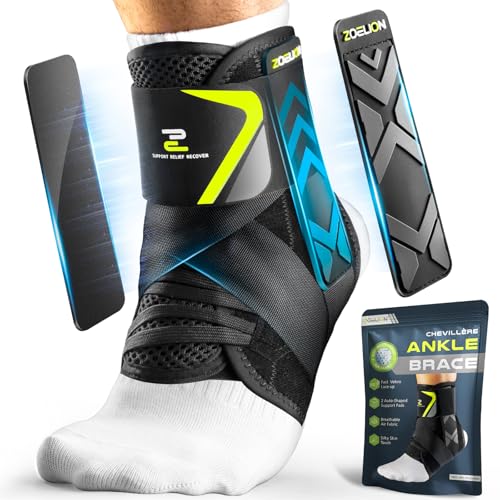
The ZOELION stands out for its Nu-Form auto-adaptive side pads, which contour to the medial and lateral midfoot without digging into the bony prominences. This is critical for midfoot sprain patients who need rigid anti-roll protection but cannot tolerate fixed splints pressing against the navicular or cuboid. The Triple-lock system — inner ankle wrap, figure-8 straps, and wide top closure — works together to immobilize the midfoot while leaving the ankle mortise free for plantarflexion and dorsiflexion.
The hook-and-loop quick lace system replaces traditional shoelaces, allowing you to slip the brace on and off in seconds. This is a practical advantage for users who need to remove the brace for ice baths or PT exercises multiple times daily. Over 600 micro-vents in the fabric keep the foot from overheating during extended wear.
Sizing is based on ankle circumference, and users with wide feet or ongoing swelling should size up. The brace is slim enough to fit inside most basketball and hiking shoes. A small proportion of users mention the Velcro on the top strap wears faster than the rest of the brace.
Why it’s great
- Auto-adaptive pads mold to midfoot anatomy without pressure points
- Triple-lock system isolates midfoot from ankle motion
- Quick lace design saves time during daily removal
Good to know
- Top Velcro strap may lose adhesion after months of use
- Not designed for severe Grade 3 ligament tears
5. Velpeau Ankle Stabilizer Brace
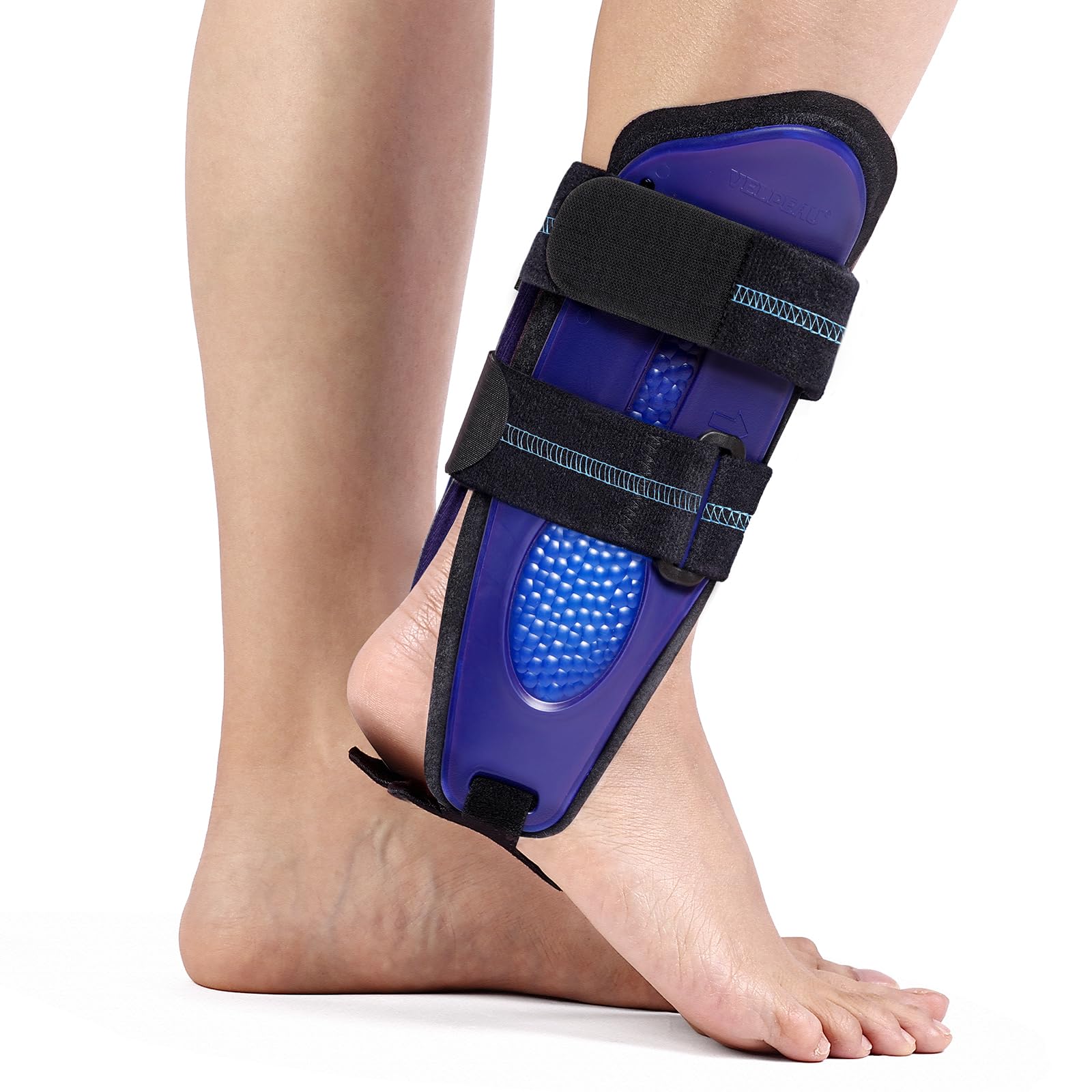
The Velpeau uses Bi-Injection technology to create semi-rigid plastic splints with a soft gel border, balancing rigid midfoot lockdown with comfort at the bony contact points. The splints sit on both the medial and lateral malleolus, with holes for the malleoli to avoid direct pressure. This design is specifically indicated for Grade I and II fibular ligament injuries, which often accompany midfoot sprains.
The reversible design converts for left or right foot, and the foam pad version uses high-density sponge that isolates the skin from the splint. A removable heel strap and additional hook-and-loop fasteners allow you to fine-tune the compression across the arch. Users recovering from chronic ankle instability report that this brace prevents inversion rolls at the midfoot without restricting normal heel rise during walking.
The bulk is significant — expect a tighter fit inside standard shoes. Users with thick ankles or high-volume feet may find the top strap permanently fixed, limiting calf accommodation. The splint edges will scratch shoes over time, so reserve this brace for recovery phases where performance footwear is less critical.
Why it’s great
- Semi-rigid splints provide reliable midfoot anti-roll protection
- Bi-Injection edges are soft on bony anatomy
- Reversible for left or right foot
Good to know
- Bulky design may not fit in slim athletic shoes
- Top strap is non-adjustable for larger calves
6. WHCOOL 7-Zone Dynamic Compression Sleeve
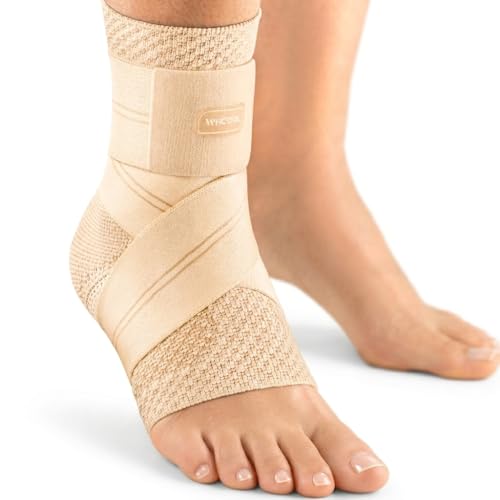
The WHCOOL sleeve uses flat-knit German PA66 nylon to deliver 7 adaptive compression zones across the arch, heel, Achilles, plantar fascia, instep, forefoot, and seamless edges. For a midfoot sprain, the targeted arch and instep compression helps stabilize the Lisfranc joint without the bulk of a lace-up brace. The 3-point lock dynamic flex strap adds an extra layer of wraparound support that prevents rotational shearing during gait.
This brace is best suited for mild midfoot sprains where the primary goal is edema control and proprioceptive feedback rather than rigid immobilization. The moisture-wicking knit keeps the foot cool during active recovery phases. Users with dancer-specific injuries and those transitioning from an air cast find this sleeve provides enough confidence to return to low-impact activity.
The sleeve is difficult to remove if you have wide feet or significant swelling — plan for someone to assist you during application. Compression is uniform but not adjustable, so if your arch height changes during the day, the sleeve cannot compensate. It works best under ballet flats, sneakers, or loose-fitting casual shoes.
Why it’s great
- 7-zone compression targets arch and instep specifically
- German PA66 knit is breathable and moisture-wicking
- Flex strap adds midfoot rotational control
Good to know
- Difficult to remove on swollen or wide feet
- Compression level is not adjustable
7. DRwelland Ankle Brace with Side Stabilizers
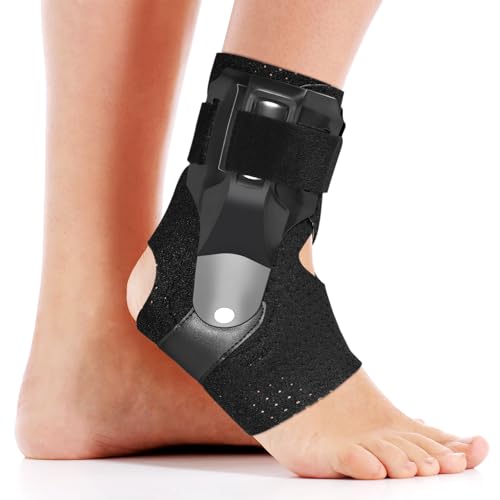
The DRwelland brace offers an entry-level option with neoprene construction and adjustable arch and ankle straps. The neoprene provides gentle compression and heat retention, which can aid blood flow to the injured midfoot ligaments during the sub-acute phase. The adjustable strap allows you to increase tension directly over the arch, giving some control over midfoot splaying.
Designed by orthopedic surgeons, the brace has side stabilizers that limit lateral movement. While these stabilizers are not as rigid as those in the Velpeau or Med Spec, they provide enough resistance to prevent accidental rolling during daily walking. Users with nerve injuries and mild sprains report the brace fits in Hoka-style shoes without discomfort.
The Velcro on the side strap may wear out faster than the main body, especially with daily adjust-and-release cycles. The neoprene retains heat, making it less suitable for hot-weather outdoor activities. Sizing must be checked against the chart — the difference between Medium and Large is only 1 cm, so measure twice.
Why it’s great
- Neoprene material provides gentle heat therapy for ligament recovery
- Adjustable arch strap lets you target midfoot compression
- Affordable enough to buy as a backup or trial brace
Good to know
- Side stabilizers are less rigid than premium alternatives
- Neoprene traps heat during extended wear
FAQ
Can I wear a midfoot brace inside my regular shoes?
How tight should the figure-8 strap be for a midfoot sprain?
Should I choose a brace with rigid side stabilizers for a Lisfranc injury?
Final Thoughts: The Verdict
For most users, the best brace for midfoot sprain winner is the Med Spec ASO Ankle Stabilizer because its lace-up chassis and figure-8 straps provide the most reliable midfoot lock without sacrificing comfort in athletic shoes. If you need an ultra-slim profile for daily wear under loafers or work boots, grab the Fitomo 1.5mm Ultra Thin. And for those managing a mild sprain with a focus on arch compression and heat retention, nothing beats the WHCOOL 7-Zone sleeve.