
The difference between a line drive and a routine grounder at this age often comes down to one thing: a bat that’s too long or too heavy. Eleven-year-old players are in a critical transition zone where swing mechanics are still developing, and the wrong bat can reinforce bad habits. That slim 2.25-inch or standard 2.625-inch barrel profile, combined with a drop weight between -10 and -5, determines whether your kid can actually get the barrel to the ball consistently against live pitching.
I’m Min — the co-founder and writer behind Gadgets Feed. I’ve spent hundreds of hours analyzing youth bat specifications and cross-referencing real buyer experiences to find the models that genuinely fit a developing player’s swing path.
Choosing among the many baseball bats for 11 year olds means looking past marketing hype and focusing on barrel diameter, drop weight, and alloy quality that match a kid’s actual strength and coordination.
How To Choose The Best Baseball Bats For 11 Year Olds
At age 11, players are typically moving from machine pitch to kid pitch and facing faster velocities. The bat must help them get the barrel on the ball without being so heavy that it slows their bat speed or so light that they lose power transfer. You need to evaluate three core aspects: certification type, drop weight, and barrel construction.
USA vs. USSSA Certification: Which League Is Your Kid Playing?
This is the single most common mistake parents make. USA bats (marked with a USA Baseball stamp) are required by Little League and most rec leagues. They have stricter performance standards, which means less trampoline effect but consistent, fair play. USSSA bats (marked with a 1.15 BPF sticker) are allowed in travel ball and many tournament circuits and generally offer more “pop” off the barrel. Buying the wrong certification could mean your child cannot use the bat on game day. Check with your league commissioner before purchasing.
Drop Weight: Matching the Bat to Your Child’s Strength
The drop weight is the difference between the bat’s length in inches and its weight in ounces. A -10 drop means a 29-inch bat weighs 19 ounces, while a -5 drop means a 29-inch bat weighs 24 ounces. For most 11-year-olds, a -10 or -8 drop provides the best balance of swing speed and mass. A -5 bat is significantly heavier and should only be considered for physically strong, taller players who can already generate bat speed. A bat that’s too heavy will cause the front shoulder to fly open and the barrel to drag through the zone.
Barrel Diameter: 2.25″ vs. 2.625″ and Why It Matters
Youth bats typically come in two barrel profiles. The 2.25-inch barrel (sometimes called a “youth” or “162” profile) is slimmer, lighter through the zone, and easier for smaller hitters to control. The 2.625-inch barrel offers a larger sweet spot and more surface area for contact, but it also has more mass at the end, making the swing feel heavier. For an 11-year-old who consistently makes contact, the 2.625-inch barrel is usually the better choice. For a player still learning timing and mechanics, the 2.25-inch barrel promotes better control and hand speed.
Quick Comparison
On smaller screens, swipe sideways to see the full table.
| Model | Category | Best For | Key Spec | Amazon |
|---|---|---|---|---|
| Victus Vibe Pencil | Premium | Best Overall Power & Control | -10 Drop, 2.625″ Barrel | Amazon |
| MARUCCI CATX Composite | Premium | Most Responsive Composite Barrel | -10 Drop, 2.75″ Barrel (USSSA) | Amazon |
| Louisville Slugger Savannah Bananas | Premium | Best Value Premium Alloy | -10 Drop, Series 7 Alloy Barrel | Amazon |
| Easton Speed | Mid-Range | Fastest Swing Speed Youth Bat | -10 Drop, 2.625″ Barrel | Amazon |
| Rawlings 5150 | Mid-Range | Most Durable Alloy Construction | -11/-10 Drop, 2.625″ Barrel | Amazon |
| Rawlings Player Preferred Wood | Budget | Best Budget Wood Bat for Practice | -7.5 Drop, 2.25″ Barrel | Amazon |
| DeMarini 2025 Uprising | Budget | Best Entry-Level Fastpitch Bat | -12 Drop, 2.25″ Barrel | Amazon |
In‑Depth Reviews
1. Victus Vibe Pencil
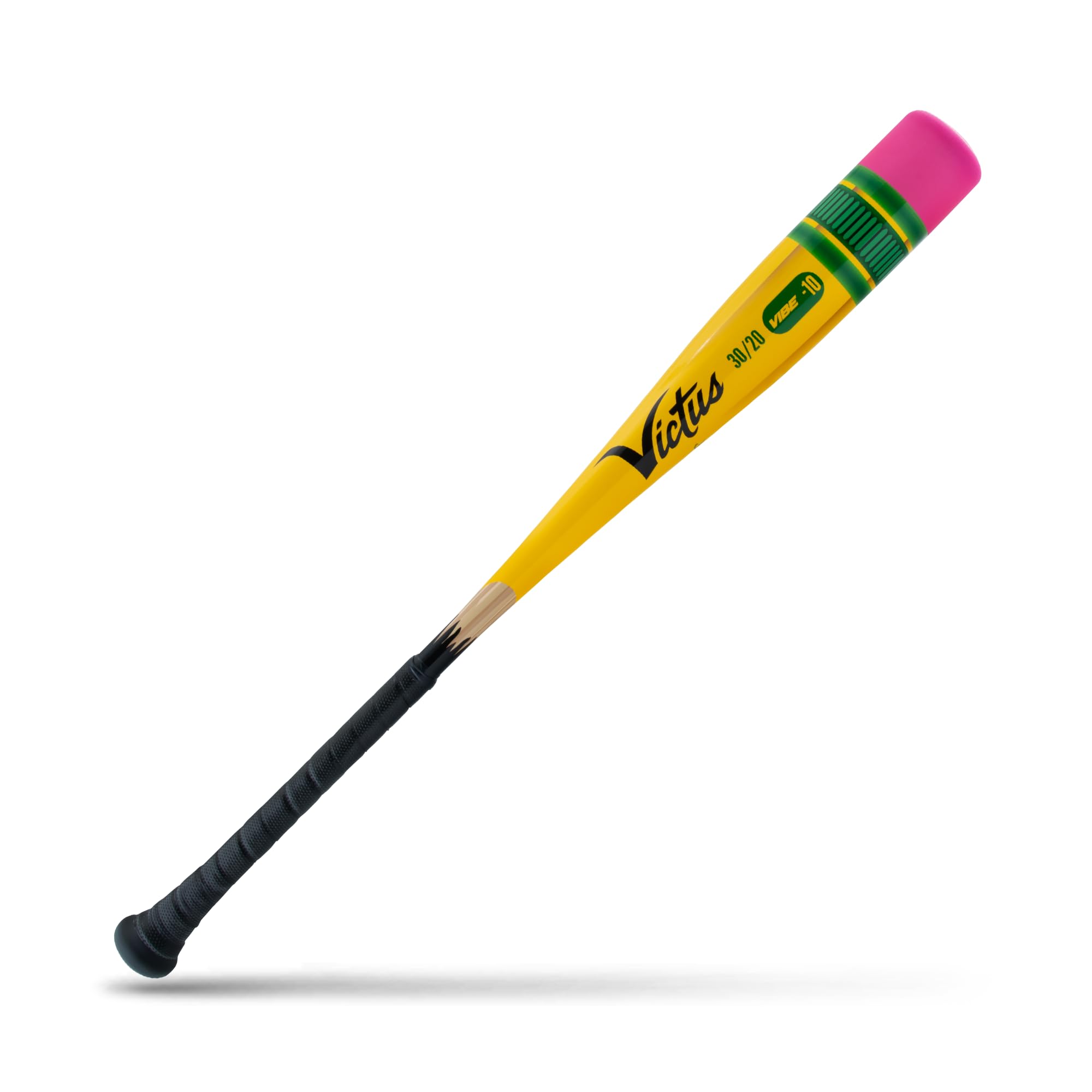
The Victus Vibe Pencil takes the top spot because it nails the ideal spec combination for an 11-year-old: a -10 drop, 2.625-inch barrel, and mid-balanced swing weight that doesn’t punish developing mechanics. The VXP alloy construction provides a clean, one-piece aluminum feel that delivers consistent feedback on every swing, helping young hitters learn to find the sweet spot. Multiple customer reviews specifically highlight the “huge sweet spot” and “unreal pop” compared to other bats in this category, which is exactly what you want for a player at this age.
The vibration-reducing knob is a practical feature that matters more than most parents realize. When an 11-year-old mis-hits a fastball off the end of the bat, that sting can discourage them from attacking the inside pitch. Victus has engineered this knob to dampen that shock without making the bat feel dead. The Pencil design aesthetic draws compliments from teammates, but it’s the performance that keeps kids coming back to it in the dugout.
Weight consistency across sizes is solid, which is not always true with budget bats. The 28-inch model comes in at 18 ounces, the 29-inch at 19 ounces, and the 30-inch at 20 ounces, giving you predictable feel as your child grows. One reviewer noted minor tape peeling on the top grip after heavy use, but this is a cosmetic issue that doesn’t affect swing performance.
Why it’s great
- Exceptional barrel response for a one-piece alloy bat at this price tier
- Vibration-reducing knob genuinely helps with end-cap mishits
- Available in all standard youth sizes from 26 to 31 inches
Good to know
- Grip tape at the top edge may start peeling after extended cage use
- USA certification limits its use to Little League and rec leagues only
2. MARUCCI CATX Composite

The MARUCCI CATX Composite is the most technologically advanced bat on this list, featuring an S-40 composite handle and a multi-directional composite barrel that delivers an ultra-responsive feel. The 2.75-inch barrel is the largest diameter here, creating the biggest sweet spot for an 11-year-old who is already making solid contact. This is a USSSA-certified bat, so it’s built for travel ball and tournament play where the 1.15 BPF standard allows for more flex and pop off the barrel.
The fine-tuned barrel profile creates a balanced swing weight that helps athletes generate faster bat speed despite the larger barrel. One reviewer who paid for this same bat in a previous season noted that the current price represents a massive bargain for the performance level. The outer locking system creates the stiffest connection in the MARUCCI lineup, which translates to less energy loss on off-center hits. This matters for 11-year-olds who are still developing consistent barrel accuracy.
It is crucial to follow the break-in instructions provided. The composite barrel requires approximately 50-100 swings to fully “open up” before reaching peak performance. Avoid using it in batting cages with dimpled balls, as these can damage the composite layers. This bat is best reserved for pre-game warmups and game use. If your child plays in a USA-only league, this bat will not be legal.
Why it’s great
- Composite barrel delivers the highest pop and widest sweet spot available
- Stiff S-40 handle reduces vibration and transfers maximum energy
- Available in -5, -8, and -10 drops to match different strength levels
Good to know
- Requires a proper break-in period before reaching full performance
- USSSA only — does not meet USA Baseball Little League certification
3. Louisville Slugger 2025 Savannah Bananas

The Louisville Slugger Savannah Bananas bat bridges the gap between premium performance and an accessible price point by using a Series 7 Premium Alloy barrel instead of a composite build. This USA-certified bat delivers impressive pop for a one-piece alloy design, with multiple reviewers noting that their children hit home runs and in-park shots after switching to this bat. The HUB 1-Shot end cap is engineered for maximum durability, which is a smart design choice for young players who tend to drop or bang their bats between innings.
The light-swinging profile makes it particularly effective for 11-year-olds who are still developing their swing speed. At a -10 drop, a 29-inch model weighs just 19 ounces, which allows the player to keep their hands inside the ball and drive pitches to the opposite field. The synthetic leather grip provides good cushion without adding bulk, and it holds up well to sweat and dirt across a full season. The Savannah Bananas branded design is a conversation starter, and several reviewers mentioned that kids love the bright yellow look on the field.
A few reviewers noted that the bat can sting hands on mis-hits, which is typical for one-piece alloy bats without a composite handle. Using batting gloves is recommended. The bat is also slightly heavier in feel than the advertised weight for some users, so it is best suited for players who have some existing strength rather than beginners just learning to swing.
Why it’s great
- Series 7 alloy barrel delivers excellent pop for the price segment
- Durable HUB end cap withstands rough treatment from young players
- Unique Savannah Bananas design that kids love wearing on the field
Good to know
- Can transfer sting to hands on off-center contact; batting gloves recommended
- Some users find the actual swing weight slightly heavier than expected
4. Easton Speed

The Easton Speed lives up to its name by using Easton’s lightest composite material to generate elite swing speeds. The Speed Cap provides increased barrel flexibility, creating a more responsive feel on contact that helps the ball jump off the bat. The Carbon Zero Handle, made of 90% carbon fiber with a zero-degree layup, is the standout technical feature here — it eliminates almost all vibration while keeping the handle extra stiff for maximum energy transfer. This is a rare feature in a mid-range youth bat.
The 2.625-inch barrel diameter offers a large sweet spot without the weight penalty of a 2.75-inch barrel, making it ideal for 11-year-olds who need swing speed more than they need barrel mass. Multiple reviewers with 10-year-old players confirmed that the weight feels perfect and that the bat has been durable through weeks of practice without any dents or rattles. One 9U All-Star parent reported buying this bat three times as their child moved up in size, which speaks to the bat’s reliability and consistent performance across seasons.
The dual certification (USA and USSSA) is a significant advantage for families. If your child plays in both a rec league and a travel team, this one bat covers both sets of rules. The standard grip is functional but could be slightly thicker for players with larger hands. Some users reported that the grip wears down faster than premium brands, but it is easily replaceable with a tape-over grip.
Why it’s great
- Carbon Zero Handle eliminates nearly all vibration from mis-hits
- Dual USA/USSSA certification covers most league scenarios
- Light composite construction maximizes swing speed for developing hitters
Good to know
- Standard grip may wear faster than premium models; plan to replace it
- Not as much raw pop as premium composite bats like the MARUCCI CATX
5. Rawlings 5150

The Rawlings 5150 is built around aerospace-grade alloy, which gives it exceptional durability that survives multiple seasons of hard use. One reviewer specifically noted that the bat “made it through a few seasons as well as playing with it all summer” and then bought the same bat again in a larger size. The large 2.625-inch barrel design helps young players make contact more consistently, while the ultra-lightweight construction keeps swing speeds high. This bat is available in -10 and -11 drops, giving flexibility for smaller or larger 11-year-olds.
The one-piece aluminum construction delivers a crisp, responsive feel on contact that helps players develop a sense of where the barrel is through the swing. The extended sweet spot is a real engineering advantage — several reviews mentioned that their children started hitting more line drives after switching to this bat. The black and electric blue color scheme is clean and professional, and it doesn’t show dirt as obviously as lighter-colored bats. For the price, the 5150 offers the best durability-to-performance ratio in this category.
One thing to note: the -10 drop version is slightly heavier in feel than some competing brands, which may affect smaller players. The reviewer who bought it for a 14-year-old noted that it felt heavy for a drop 10, so consider sizing down or choosing the -11 drop if your 11-year-old is on the smaller side. The composite handle provides decent vibration dampening but not as much as the Easton Speed’s carbon handle.
Why it’s great
- Aerospace-grade alloy construction is the most durable option on this list
- Extended sweet spot design helps kids get more hits consistently
- Available in both -10 and -11 drops for different strength levels
Good to know
- -10 drop version swings heavier than some competitors at the same spec
- Vibration dampening is adequate but not as effective as carbon-fiber handles
6. Rawlings Player Preferred Wood
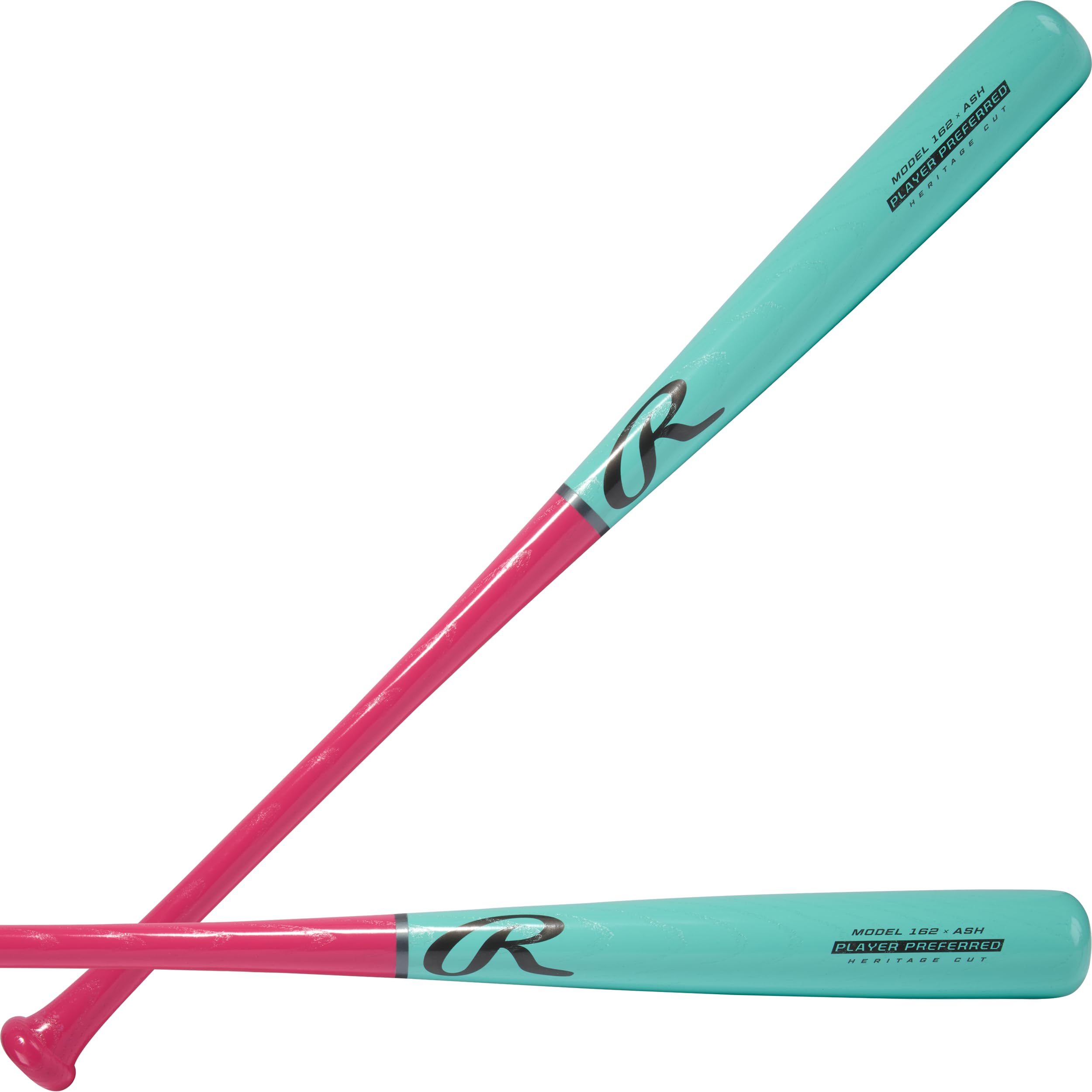
The Rawlings Player Preferred Wood bat is an ash wood practice bat with a slim 2.25-inch barrel and a -7.5 drop weight. This is not a game-day primary bat for most 11-year-olds — it is a training tool designed to build bat control, hand-eye coordination, and correct swing mechanics. Wood bats have a smaller sweet spot than alloy bats, which forces young hitters to center the ball properly. When they step back to an alloy bat, their barrel accuracy improves noticeably. The cupped end reduces weight, keeping the swing more balanced than a typical wood bat.
The 162 youth profile features a .88-inch handle that fits smaller hands comfortably. Ash wood offers a softer feel with more flex than maple, which is better for younger hitters still learning to handle velocity. However, ash is less durable than maple, and wood bats will break — it is a characteristic of the material, not a defect. Multiple reviewers reported breakage after 4-5 hits against 50-mph pitching, especially when the pitch rides up the handle. Expect this to happen and consider it a feature of the training process, not a product failure.
There is notable weight inconsistency across individual units. Some 29-inch models weighed as low as 548 grams while others hit 720 grams — a difference that is significant for a wood bat. If weight consistency matters to your player, you may need to return and exchange for a unit that feels right. This bat is best used in tee work, soft toss, and batting cage sessions where wood bat training is the goal, not as a primary game bat.
Why it’s great
- Forces correct swing mechanics with a smaller wood bat sweet spot
- Affordable price makes it an easy buy for practice rotation
- Slim 2.25-inch barrel and .88-inch handle fit developing players well
Good to know
- Wood bats break on mis-hits — this is normal, not a defect
- Weight inconsistency between individual units is common
7. DeMarini 2025 Uprising

The DeMarini 2025 Uprising is a fastpitch softball bat designed for female athletes around 11 years old. With a -12 drop (a 28-inch bat weighs 16 ounces), it is the lightest-swinging bat on this list, making it ideal for younger or smaller players who need every advantage in bat speed. The DX1 Alloy Barrel delivers solid performance at the entry level, and the one-piece construction provides maximum stiffness for a responsive feel. The Big D End Cap helps absorb vibration, which is a meaningful feature for players who are still developing hand strength.
Multiple reviews from parents of 9-year-old and 10-year-old girls consistently praise the bat for its durability and the improvement in their daughters’ hitting. One parent noted their daughter progressed from hitting singles to hitting to the outfield after switching to this bat. The pink and blue color scheme is vibrant and popular with young athletes. The 2.25-inch barrel diameter is appropriate for the fastpitch game and keeps the swing light through the zone. At this price tier, the Uprising offers strong value for players who are just starting competitive fastpitch.
This bat is certified for USA Softball, so it is legal for most recreational and school leagues. The one-piece alloy construction means there is no break-in period required — it performs at its peak from the first swing. However, the smaller barrel size (2.25 inches) provides less margin for error on off-center hits compared to a 2.625-inch barrel. For a player who is still developing consistency, this is actually a benefit for training, but it may be frustrating during games.
Why it’s great
- Ultra-light -12 drop weight maximizes swing speed for smaller players
- DX1 alloy barrel is durable and performs at peak from day one
- Big D End Cap effectively reduces vibration on off-center contact
Good to know
- Slim 2.25-inch barrel offers a smaller sweet spot than larger options
- Designed specifically for fastpitch softball — not for baseball play
FAQ
What length baseball bat should an 11-year-old use?
Should an 11-year-old use a wood bat or an alloy bat?
What is the difference between USA and USSSA bats?
Final Thoughts: The Verdict
For most users, the baseball bats for 11 year olds winner is the Victus Vibe Pencil because it combines a true -10 drop weight, a forgiving 2.625-inch barrel, and vibration-reducing technology at a price point that doesn’t require compromise. If you need maximum pop for a USSSA travel ball player, grab the MARUCCI CATX Composite. And for a durable, multi-season USA bat that grows with your child, nothing beats the Rawlings 5150.