
A base layer that fails to wick moisture or regulate temperature won’t just leave you cold—it turns a winter hike into a dangerous liability. The wrong fabric traps sweat against your skin, accelerating heat loss the moment you stop moving.
I’m Min — the co-founder and writer behind Gadgets Feed. I’ve spent hundreds of hours analyzing merino grades, knit densities, and seam construction across dozens of base layers to separate genuine performance from marketing fluff.
The right thermal foundation changes everything. This guide examines the market’s strongest contenders to help you identify the most effective base layers for your specific cold-weather demands.
How To Choose The Best Base Layers
Selecting a base layer isn’t about brand loyalty—it’s about matching fabric type and weight to your activity and climate. The right choice keeps you dry, warm, and odor-free across a full day of movement.
Fabric Weight: The gsm Metric
Grams per square meter (gsm) is the single most important number. Lightweight 150-175 gsm layers excel for high-output activities like running or skiing in mild cold. Midweight 200-250 gsm suits everyday winter wear and moderate hiking. Heavyweight 300-400 gsm is reserved for static cold or extreme conditions, often worn as a standalone mid-layer.
Merino vs. Synthetic: The Real Trade-Off
Merino wool offers unmatched odor resistance, breathability, and temperature regulation when wet. Synthetics dry faster and cost less, but retain odors after one wear. For multi-day trips or sensitive skin, merino’s natural softness and anti-microbial properties are decisive advantages.
Fit and Seam Construction
A base layer must be snug but not restrictive—excess fabric traps cold air and defeats the purpose. Flatlock seams prevent chafing under pack straps and outer layers. Raglan sleeves improve range of motion for climbing, cycling, or skiing.
Weight and Packability
For backpacking and travel, lighter base layers compress smaller. Heavyweight options add warmth but also bulk. Consider whether your primary use is daily winter wear, a single expedition, or variable conditions requiring a full layering system.
Quick Comparison
On smaller screens, swipe sideways to see the full table.
| Model | Category | Best For | Key Spec | Amazon |
|---|---|---|---|---|
| Smartwool Men’s 250 Crew | Premium Merino | Extreme Cold & Hiking | 250 gsm interlock knit | Amazon |
| Smartwool Women’s Crew | Premium Merino | Durable Everyday Cold | Interlock knit 100% merino | Amazon |
| Smartwool Women’s 1/4 Zip | Premium Merino | Layering & Versatility | Pattern 1/4 zip design | Amazon |
| MERIWOOL Heavyweight 400g | Heavyweight Wool | Static Cold & Extreme Cold | 400 gsm heavyweight knit | Amazon |
| Icebreaker 175 Crew | Lightweight Merino | High-Output Activities | 175 gsm lightweight merino | Amazon |
| Merino Wool Base Layer Quarter Zip | Midweight Merino | Daily Winter & Cycling | 320 gsm midweight merino | Amazon |
| LAPASA Merino Wool Shirt | Budget Merino | Entry-Level Merino Value | Lightweight merino knit | Amazon |
In‑Depth Reviews
1. Smartwool Men’s Classic Thermal Merino Base Layer Crew
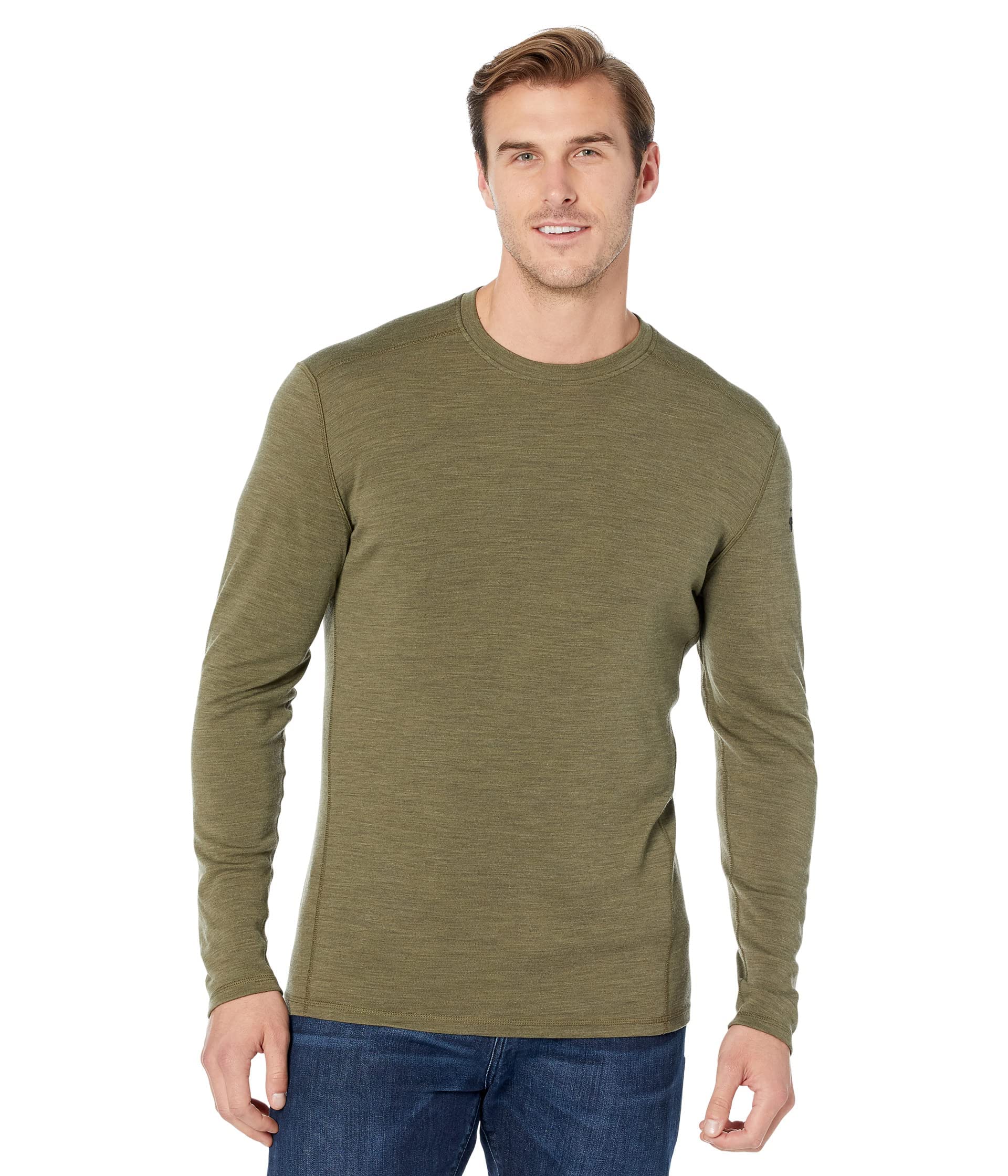
This 250 gsm interlock knit is the gold standard for men’s cold-weather base layers. The dense fabric traps body heat efficiently while remaining breathable enough for active use—hikers and winter campers consistently report staying warm in Montana summer nights and deep winter alike. The slim fit follows body contours without binding, and the long cut tucks securely into pants, blocking wind at the lower back.
Flatlock seam construction minimizes chafing under pack straps or outer shells, and the merino fabric resists odors remarkably well over multiple days of wear. Users note that the 250 gsm weight is noticeably thicker than lighter synthetic alternatives but provides superior warmth without the bulk of a heavyweight mid-layer. The crew neck design layers cleanly under jackets and vests without bunching.
The main drawback is the premium cost, but the longevity and performance justify the investment for serious outdoor enthusiasts.
Why it’s great
- 250 gsm provides ideal warmth-to-breathability ratio for most cold conditions
- Flatlock seams prevent chafing during extended wear
- Exceptional durability—many users report years of reliable service
Good to know
- Premium price point may not suit budget-conscious shoppers
- Must be laid flat to dry to avoid shrinkage
2. Smartwool Women’s Classic Thermal Merino Base Layer Crew
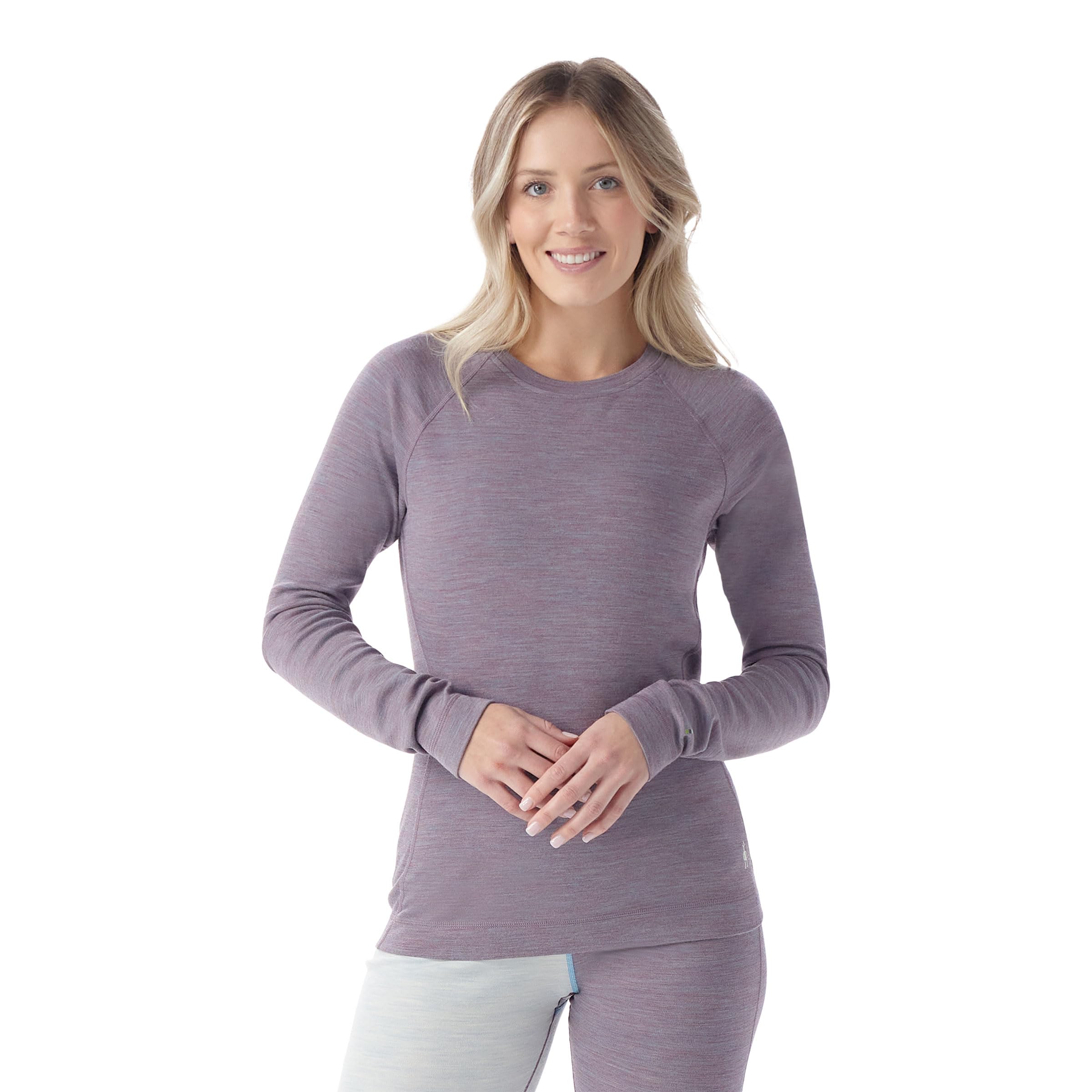
This women’s crew delivers the same 100% merino wool interlock construction as the men’s version but with a cut specifically engineered for a feminine silhouette. The raglan sleeves provide unrestricted arm movement for climbing, paddling, or skiing, and the flatlock seam placement minimizes chafing where pack straps sit. Reviewers at 5’3” note the hem hits at the hips, making it ideal for tucking without excess fabric.
The 150 gsm weight is thinner than the men’s 250 gsm offering, making this a lightweight base layer built for layering under mid and outer shells. Users report staying warm and comfortable through rain, sleet, and wind during multi-day hikes, with the odor resistance performing strongly through three consecutive days of wear. The interlock knit remains non-see-through even in lighter colors, a common concern with thin merino.
Durability is exceptional—one user reported over a decade of use without pilling, snagging, or shape loss, laundering it with care. The fabric’s stretch allows a slim fit without restriction, though some buyers with shorter torsos find the length perfect while taller users may want added length. The interior neck tag can feel slightly stiff against bare skin.
Why it’s great
- Raglan sleeves enable full range of motion for active pursuits
- Odor resistance holds up through multi-day trips
- Lightweight 150 gsm layers effortlessly under other garments
Good to know
- Thinner fabric may not be warm enough as a standalone layer in extreme cold
- Must be air-dried to maintain shape and prevent shrinkage
3. Smartwool Women’s Classic Thermal Merino Base Layer Pattern 1/4 Zip
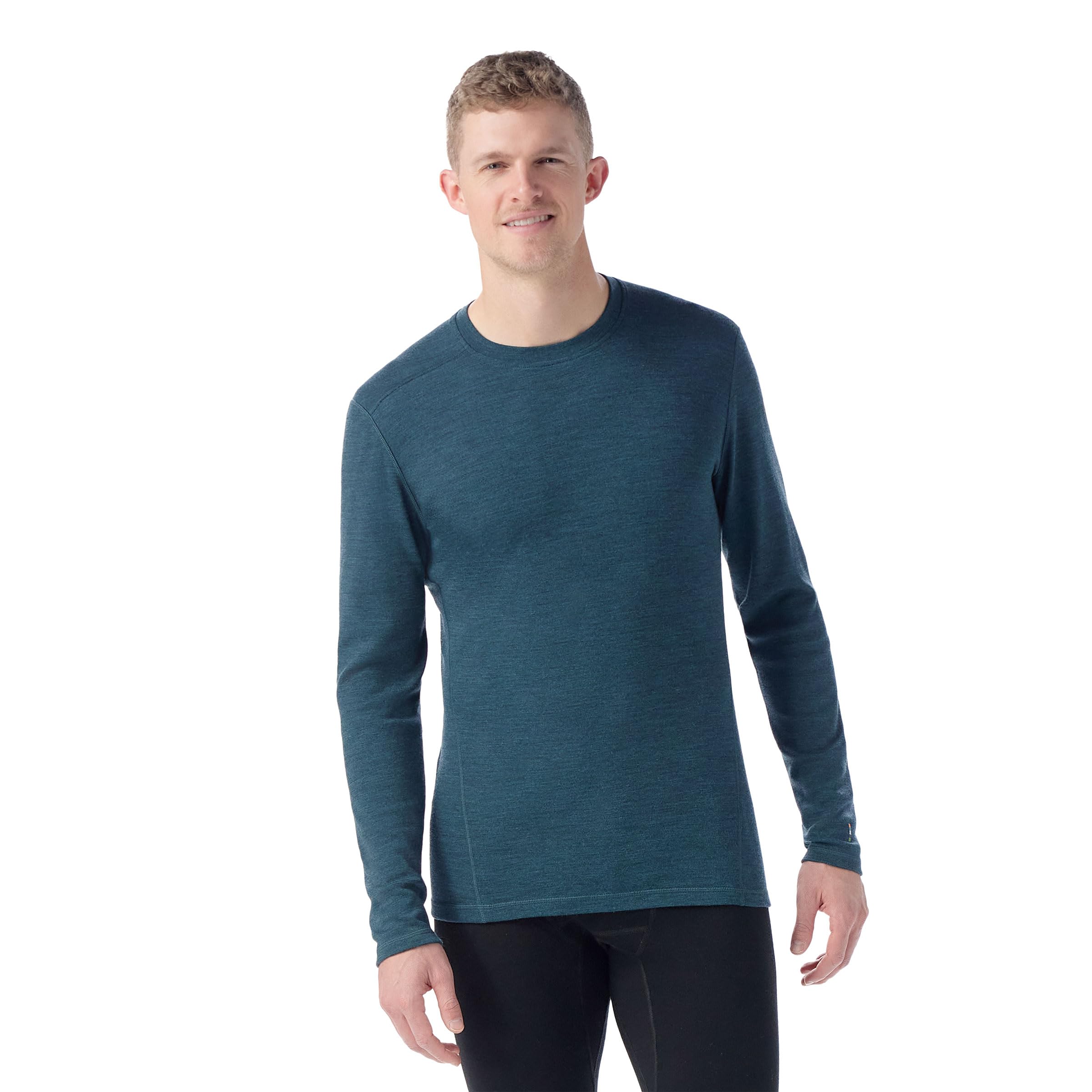
The 1/4 zip design adds ventilation control that the crew neck lacks, making this the most adaptable option for fluctuating temperatures. Zipping down releases heat during climbs or high-output sections, and zipping up seals warmth during descents or rest breaks. The pattern finish adds visual interest while maintaining the same proven merino interlock construction found in the crew version.
Users consistently describe this as the softest, thinnest merino base layer they’ve worn directly against skin—no itch even for sensitive complexions. The 170 gsm weight class sits between lightweight and midweight, providing enough insulation for standalone wear under a jacket while remaining thin enough for multi-layer systems. The slim fit contours the body without being restrictive, with medium fitting comfortably at 5’8” 170 lbs.
Build quality is typical Smartwool—durable flatlock seams and precise stitching that stands up to regular washing. The zip pull is smooth and low-profile, not digging into the chin when fully closed. The main limitation is the premium cost, and some buyers have reported receiving a different color than ordered, though the product itself remains excellent.
Why it’s great
- 1/4 zipper allows on-the-fly temperature regulation
- Exceptionally soft merino suitable for sensitive skin
- Versatile weight works as a layer or standalone top
Good to know
- Higher price than many non-zip base layers
- Color accuracy can occasionally be inconsistent
4. MERIWOOL Mens Base Layer 100% Merino Wool Heavyweight 400g Thermal Shirt

At 400 gsm, this is more akin to a thick wool sweater than a traditional base layer. The fabric density delivers extreme warmth suitable for stationary cold—ice fishing, sitting in a tree stand, or waiting at a bus stop in sub-zero temperatures. Users report wearing it under a light down jacket comfortably above freezing, but note it generates significant heat during activity, making it less ideal for high-output pursuits.
The fit runs small and trim, so sizing up is strongly recommended—a 5’10” 185-190 lb muscular individual found XXL necessary for a loose fit. The fabric is extremely soft and non-itchy, a pleasant surprise for heavyweight wool. The 400 gsm construction also provides excellent wind resistance compared to lighter knit base layers, reducing the need for a dedicated wind shirt in moderate conditions.
Several users caution that this functions more as a mid-layer than a true base layer unless static. The trim sizing and thickness require thoughtful integration into a layering system. Some reviewers noted an elastic tag on the back of the neck that can be bothersome, and the size tag may fall off during washing, leaving sticky residue. It offers tremendous warmth for the price.
Why it’s great
- 400 gsm weight provides maximum warmth for static cold conditions
- Soft, non-itchy merino despite heavyweight construction
- Excellent wind resistance compared to thinner knits
Good to know
- Runs small—order at least one size up for a comfortable fit
- Too warm for active use; best for stationary or low-output scenarios
- Neck tag elastic can be irritating against skin
5. Icebreaker Men’s 175 Everyday Long Sleeve Crew Shirt

The 175 gsm weight places this shirt firmly in the lightweight category, ideal for high-output activities where breathability and moisture management matter more than insulation. Icebreaker’s merino is exceptionally soft from the first wear, and the slim fit contours the body without restricting movement. Users report wearing it comfortably under mid-layers and even as a standalone top during mild winter days or indoor-outdoor transitions.
What sets this apart is the precision of the 175 gsm construction—it provides noticeable warmth without overheating, and the thin fabric dries remarkably quickly after washing or when damp from sweat. The fit is tailored but not tight, with raglan sleeves that improve range of motion for climbing, skiing, or overhead reaching. The olive color option has received particular praise for its versatility.
The main consideration is value—at its standard price, the 175 gsm weight feels expensive compared to the 200 gsm version or midweight alternatives that offer more warmth per dollar. Some users note slight scratchiness initially that softens after washing. The fabric is thin enough that durability concerns surface with rough use, though careful owners report excellent longevity. It works best as a dedicated high-output layer.
Why it’s great
- 175 gsm weight excels for active use in cold weather
- Dries rapidly when hung, reducing odor buildup
- Soft merino that becomes even more comfortable with wear
Good to know
- Higher cost per gram of warmth compared to heavier options
- Thin fabric may not stand up to rough daily wear as well as midweights
- Some initial scratchiness before breaking in
6. Merino Wool Base Layer Mens – Wool Half Zip Sweater Men – Merino Quarter Zip Sweater Lite, Midweight, Heavyweight and Socks

At 320 gsm, this midweight quarter-zip delivers impressive warmth at a price that undercuts most premium competitors by a significant margin. The 100% merino wool construction is soft and non-itchy, with a slim fit that layers effectively under jackets and vests. Users particularly praise the included merino socks, which add excellent value to an already compelling package.
The quarter-zip design allows temperature regulation during activity, and the fabric performs well when wet—a critical advantage of merino over synthetics. Cyclists and XC skiers report using it comfortably through variable conditions, and the deep black color looks elegant enough to wear under a suit jacket for transitional weather commutes. The fabric weight is substantial enough to provide standalone warmth but not so heavy as to restrict movement.
The primary durability concerns come from a small number of long-term reviews noting pinhole development in high-friction areas and fabric transparency on the arms after months of use. Care instructions are also ambiguous—packaging claims dryer safety while the tag warns against it. For the price, the warmth-to-weight ratio is exceptional, but buyers seeking multi-year durability may want to consider premium options.
Why it’s great
- 320 gsm provides substantial warmth at a competitive price
- Includes bonus merino socks for added value
- Quarter-zip enables versatile temperature control
Good to know
- Some long-term durability concerns with pinhole development
- Care instructions are conflicting regarding dryer safety
- Arms may become slightly sheer with extended wear
7. LAPASA Men 100% Merino Wool Shirt Base Layer Lightweight Midweight Thermal Top
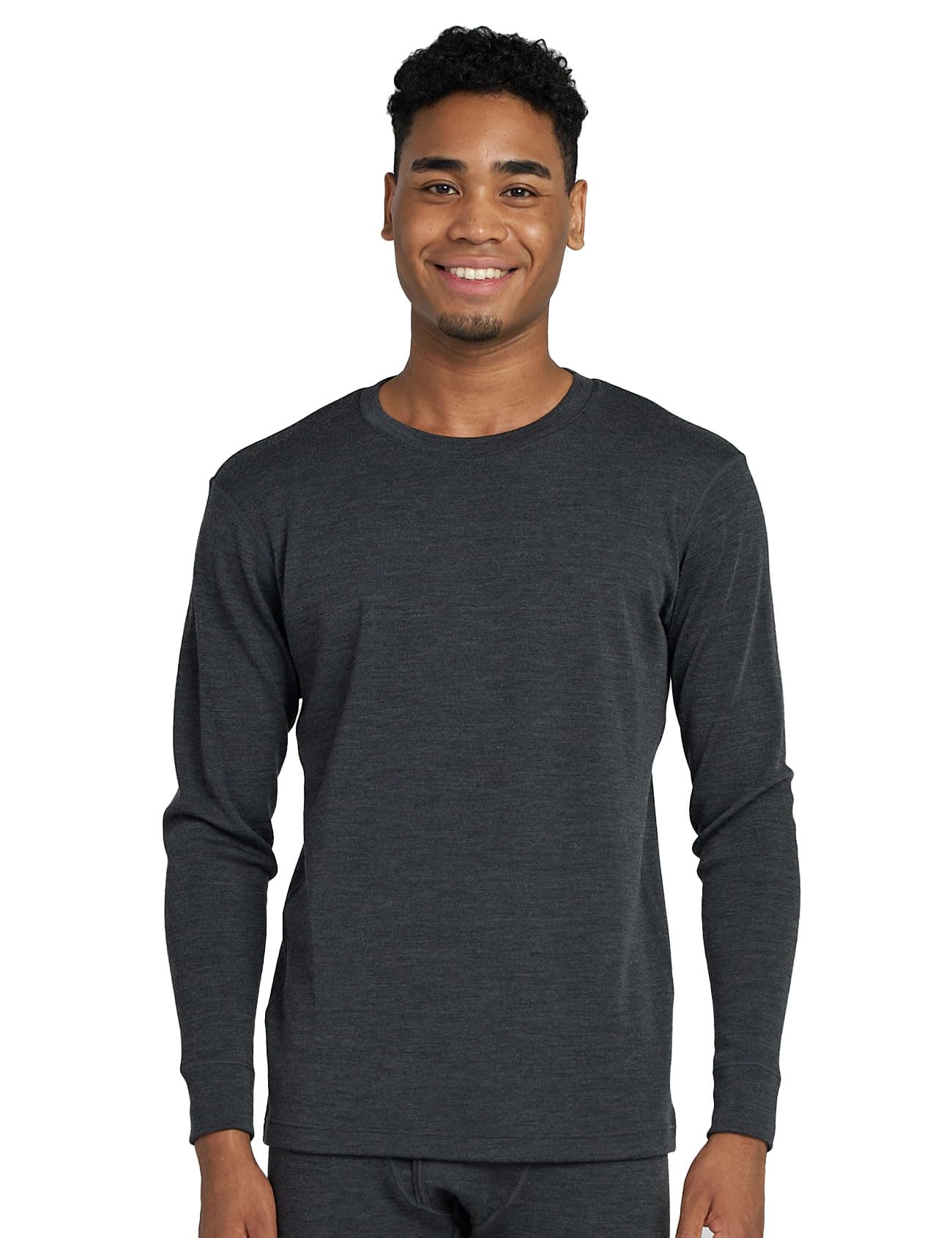
LAPASA offers an honest entry point into merino base layers without the steep price of established outdoor brands. The lightweight knit is soft, stretchy, and comfortable against the skin—several reviewers preferred it over pricier alternatives for cycling and daily wear. The 100% merino construction provides genuine temperature regulation and moisture wicking, outperforming similarly priced synthetics.
The fit leans slightly generous compared to brands like Smartwool or Icebreaker, which works well for those who prefer a relaxed base layer or plan to wear it over a thin undershirt. The collar sits low and doesn’t tighten around the neck, a common gripe with cheaper wool shirts. The fabric’s stretch makes it accommodating for various body types, and the lightweight weight allows year-round use in temperate climates.
The main limitations are less refined seam construction and a knit density that may pill faster than premium competitors. Some buyers note the fabric feels thinner and less substantial than midweight options, though warmth is still reliable for mild cold. For the price, this represents the most accessible way to test merino before committing to higher-cost options. It works well as a budget travel layer or daily commuter base.
Why it’s great
- Lowest price point for 100% merino wool base layer
- Stretchy, comfortable fabric with forgiving fit
- Effective moisture wicking and odor resistance
Good to know
- Fabric may pill faster than premium merino options
- Seam construction is less refined than brand leaders
- Lightweight weight limits use in extreme cold
FAQ
Is 100% merino wool base layer really better than synthetic blends for cold weather?
What gsm weight should I choose for hiking in 20°F weather?
How do I wash and dry merino wool base layers without shrinking them?
Final Thoughts: The Verdict
For most users, the base layers winner is the Smartwool Men’s 250 Crew because its 250 gsm merino balances warmth, breathability, and durability perfectly across a wide range of conditions. If you want a women’s-specific fit with raglan sleeves for active use, grab the Smartwool Women’s Crew. And for extreme static cold where maximum insulation is the priority, nothing beats the MERIWOOL 400g Heavyweight.