
A 16 GB SD card seems simple, but picking the wrong one means corrupted photos, stuttering video, or a card that fails when you need it most. The difference between a Class 4 card and a UHS-I Class 10 card is the difference between a reliable tool and a frustrating bottleneck. This guide cuts through the noise to find the storage that actually works for your camera, trail cam, or vintage hardware.
I’m Min — the co-founder and writer behind Gadgets Feed. I’ve spent dozens of hours analyzing transfer speeds, durability specs, and real-world user reports across hundreds of 16 GB SD cards to find the ones that deliver consistent, dependable storage for every use case.
Whether you need a workhorse for daily photography or a budget-friendly pack for multiple devices, this guide to the best 16 gb sd card options will help you make a smart, informed choice.
How To Choose The Best 16 GB SD Card
A 16 GB SD card is a compact investment, but the wrong choice can lead to lost data or poor performance. Focus on three key factors: speed class, form factor, and device compatibility.
Speed Class and Bus Interface
The speed class rating tells you the minimum sustained write speed. A Class 4 card (4 MB/s) is fine for basic JPEG photos, but a Class 10 (10 MB/s) is the minimum for Full HD 1080p video recording. UHS-I cards can reach read speeds of up to 80-100 MB/s, making them essential for burst photography and quick file transfers to your computer. For 4K video or professional workflows, look for a V30 or U3 rating, though most 16 GB cards are V10 or U1 rated, which is suitable for standard HD use.
Form Factor and Compatibility
Most modern cameras and many laptops use the full-size SDHC card. However, devices like smartphones, dash cams, and game consoles require a microSDHC card, which often comes with an adapter for full-size slots. Trail cameras and some older DSLRs also use full-size SD. For professional photographers with older Canon or Nikon bodies, CompactFlash (CF) cards are still the standard. Always check your device manual for the supported format — a microSDHC card will not work in a full-size SD slot without an adapter, and an SDHC card will not work in a device that only supports SD.
Durability and Reliability
16 GB cards are often used in rugged environments — trail cameras, dash cams, and outdoor photography. Look for cards that are waterproof, shockproof, temperature-proof, and X-ray proof. Cards with a limited warranty and high customer review volume offer more peace of mind, especially if you plan to write and rewrite data frequently. A 2-pack is a smart way to have a backup for immediate use without a trip to the store.
Quick Comparison
On smaller screens, swipe sideways to see the full table.
| Model | Category | Best For | Key Spec | Amazon |
|---|---|---|---|---|
| SanDisk Ultra 16GB Class 10 | SDHC | Point-and-shoot cameras & HD video | Read 80 MB/s, UHS-I, V10 | Amazon |
| Bliksem TF162 2-Pack | microSDHC | Dash cams & multiple devices | Read 60 MB/s, A1, Class 10 | Amazon |
| INLAND 16GB SDHC 2-Pack | SDHC | Trail cameras & Nikon DSLRs | Read 60 MB/s, Write 10 MB/s | Amazon |
| SanDisk 16GB Flash SDHC | SDHC | Basic DSLR & casual use | Class 4 speed rating | Amazon |
| HSANYIUR 16GB CF Card | CompactFlash | Professional Canon/Nikon DSLRs | Read 50 MB/s, UDMA | Amazon |
| Cloudisk CF 2-Pack | CompactFlash | Legacy DSLRs & industrial gear | Read 20 MB/s, 133X | Amazon |
| Transcend CF133 16GB | CompactFlash | Slow-paced photography & retro mods | Read 50 MB/s, Write 20 MB/s | Amazon |
In‑Depth Reviews
1. SanDisk Ultra 16GB Class 10 SDHC UHS-I (SDSDUNC-016G-GN6IN)

This SanDisk Ultra delivers the fastest read speeds in the 16 GB SDHC category at 80 MB/s, thanks to its UHS-I bus interface. The Class 10 and V10 video speed ratings ensure it can handle Full HD 1080p video recording without dropped frames, making it a perfect match for compact point-and-shoot cameras and entry-level DSLRs. It’s also waterproof, temperature-proof, X-ray proof, and shockproof — a robust choice for outdoor photography.
Users consistently report reliable performance with no corruption or lag in real-world use. The card is recognized instantly in cameras and transfers files quickly to a computer via a USB 3.0 card reader. The 10-year limited warranty adds substantial peace of mind for a card that may be rewritten hundreds of times over its life.
While 80 MB/s read speed is impressive, write speeds are typically lower, so it is not ideal for continuous high-bitrate 4K recording or rapid-fire burst modes on professional bodies. For standard HD video and everyday photo shoots, this card is the benchmark for speed and reliability at the 16 GB capacity point.
Why it’s great
- Fastest read speed (80 MB/s) in this group for quick file transfers
- Class 10 / V10 rating handles Full HD video without stuttering
- 10-year limited warranty and full environmental protection
Good to know
- Not fast enough for sustained 4K video or heavy burst RAW shooting
- Write speed is not specified; users report it is adequate for standard use
2. Bliksem TF162 2-Pack 16GB microSDHC with Adapter
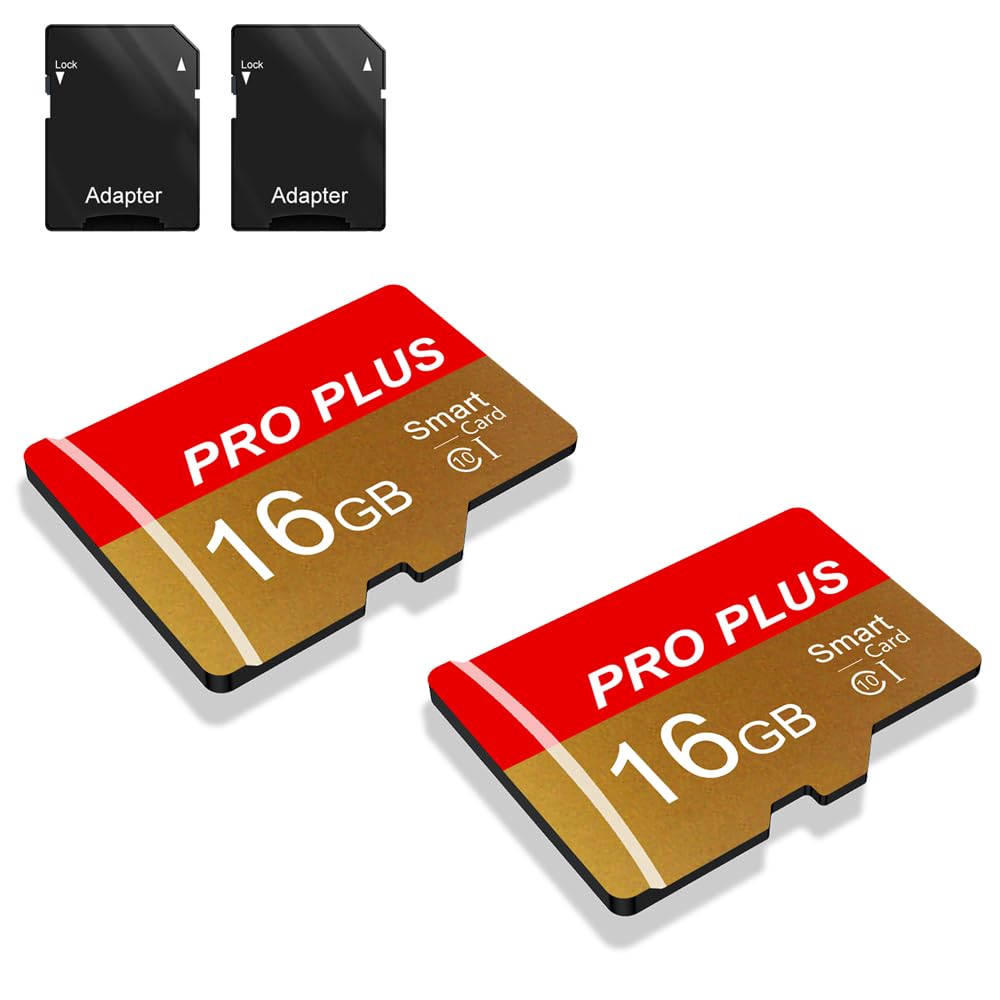
This 2-pack from Bliksem offers two 16 GB microSDHC cards (with full-size SD adapters) for a very accessible price point, making it an exceptional value for users managing multiple devices. Each card is rated UHS-I, Class 10, and A1, meaning it can handle app performance on smartphones or tablets while also delivering 60 MB/s read speeds for photo and video transfer. The included adapters let you use the microSD cards in standard SDHC slots on DSLRs, laptops, and game consoles.
Customers have used these cards successfully in GoPro cameras, Canon EOS bodies, and dash cams without data corruption. The A1 certification ensures random read/write performance is solid for running apps directly from the card on a smartphone or retro handheld. The cards come in a dual-pack, which is perfect for having a backup or using one for media and one for navigation data.
The advertised 80 MB/s read speed is optimistic; real-world performance is closer to 60 MB/s, which is still fast enough for all but the most demanding workflows. Write speeds are decent for Class 10 but not suitable for professional 4K video. The cards are drop-proof but lack the full environmental certifications of pricier brands.
Why it’s great
- Two cards in one purchase with full-size SD adapters included
- A1 rating ensures good random performance for apps on smartphones
- Reliable 60 MB/s read speed for a very low entry cost
Good to know
- Advertised 80 MB/s speed is not consistently delivered in real-world tests
- No official waterproof or shockproof certifications
3. INLAND 16GB Class 10 SDHC 2-Pack by Micro Center

INLAND’s 2-pack of full-size SDHC cards is a straightforward, no-nonsense solution for trail cameras, older DSLRs like the Nikon D40, and digital camcorders. Each card is Class 10 with a guaranteed write speed of 10 MB/s, which is the baseline requirement for Full HD video. The read speed is 60 MB/s, allowing for reasonably quick file transfers to a computer. The cards come in individual protective cases for storage.
Users report these cards work flawlessly in Canon cameras, Amazon brand camcorders, and trail cameras used for night wildlife monitoring. The 3-year limited warranty from Micro Center adds a layer of security that budget packs often lack. They are rugged enough for outdoor use, though they lack explicit waterproof or shockproof certifications.
The cards are full-size SDHC only and will not work in microSD slots without an adapter. They are not backwards compatible with older SD host devices, so check your device for the SDHC logo. The write speed is limited to 10 MB/s, which means they cannot handle 4K video or continuous RAW bursts.
Why it’s great
- Two full-size SDHC cards ideal for trail cameras and older DSLRs
- Guaranteed 10 MB/s write speed for stable HD video recording
- Comes with individual plastic cases for safe storage
Good to know
- Not compatible with microSD slots; full-size only
- No waterproof or temperature-proof ratings
4. SanDisk Flash 16 GB SDHC SDSDB-016G
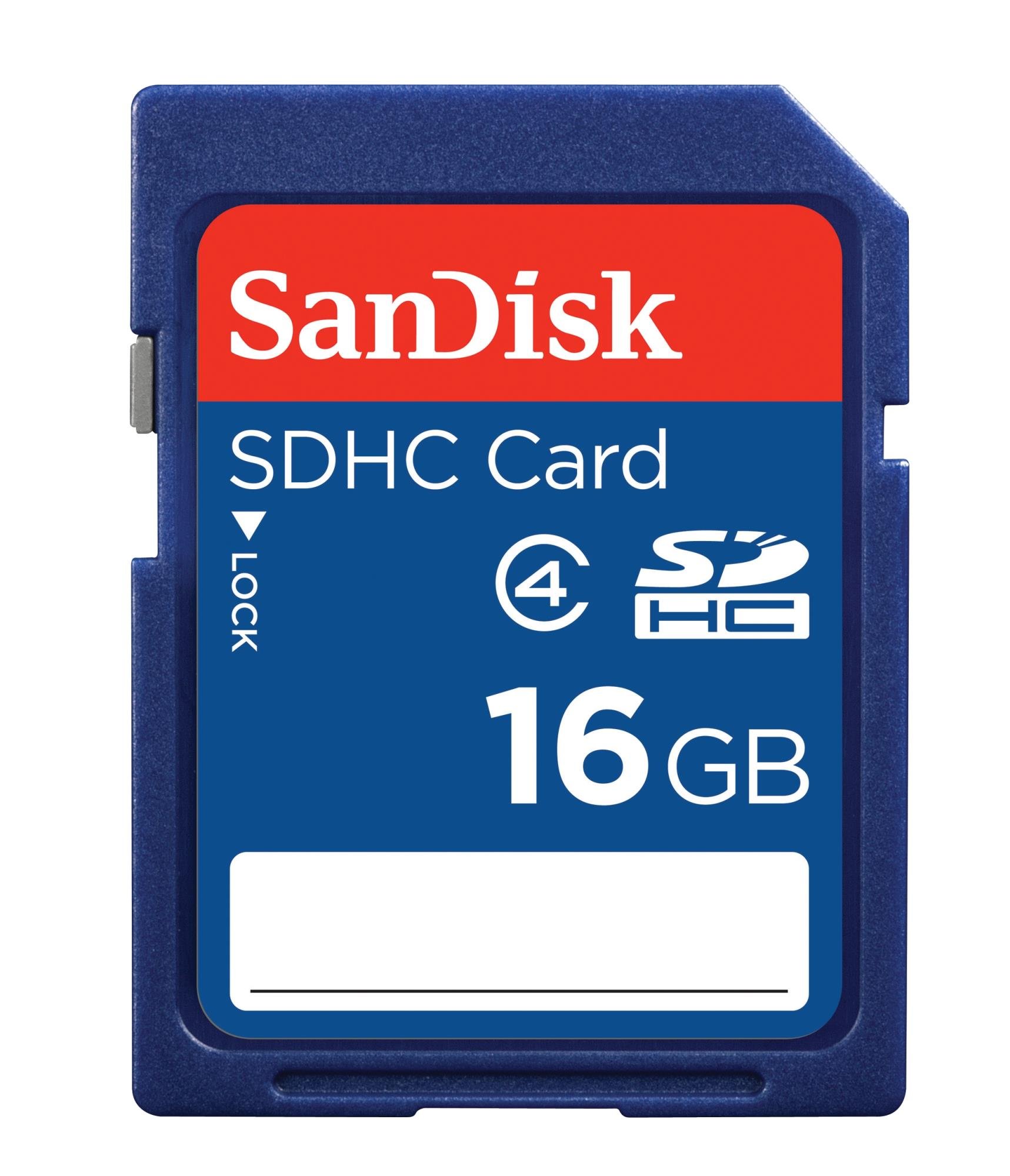
This is the entry-level SanDisk SDHC card, rated Class 4 with a minimum write speed of 4 MB/s. It is designed for basic point-and-shoot cameras and casual use where you are shooting JPEG photos or standard-definition video. The card is fully waterproof, shockproof, temperature-proof, and X-ray proof, making it nearly indestructible for its class. It also includes a writable label for easy organization.
Longtime users praise its reliability in DSLRs like the Nikon D3200 for daily photography. The card is simple to use and works immediately out of the package. The write-protect switch on the side prevents accidental data deletion, a useful feature for permanent file storage.
Class 4 speed means this card is not suitable for HD video recording. Customers report occasional file corruption errors that require reinsertion, though this is infrequent. The 15.64 GB actual formatted capacity is normal for a 16 GB card. This is a pick for the most basic storage needs, not for video or speed-sensitive tasks.
Why it’s great
- Fully waterproof, shockproof, and X-ray proof for hard use
- Write-protect switch prevents accidental file deletion
- Proven reliability for basic JPEG photography over many years
Good to know
- Class 4 speed is too slow for Full HD video recording
- Occasional corruption reports requiring card reinsertion
5. HSANYIUR 16GB UDMA CompactFlash Card
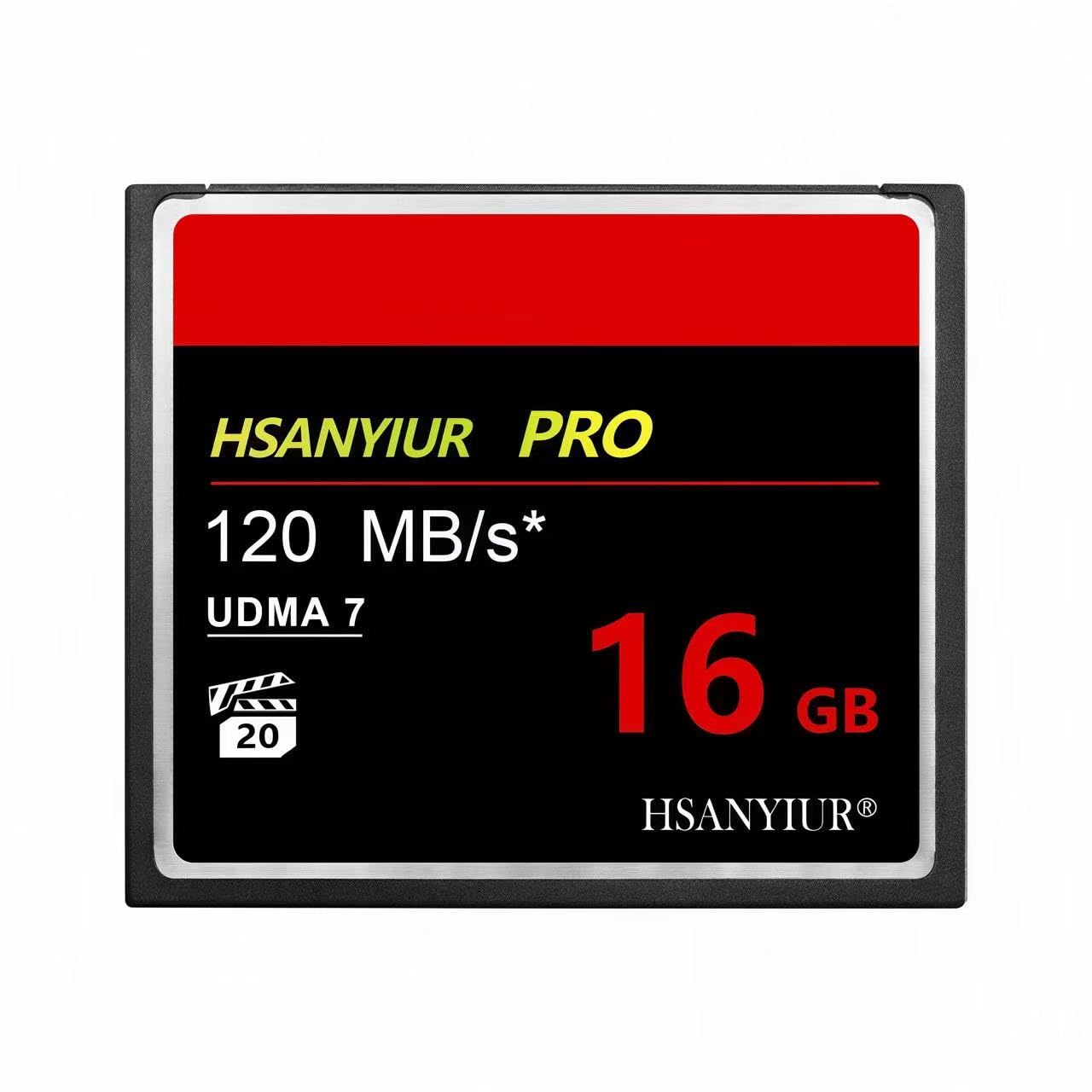
This CompactFlash card from HSANYIUR is built for professional photographers using high-end DSLRs like the Canon 5D Classic. It supports Ultra DMA transfer mode, delivering read speeds up to 50 MB/s with sustained write performance suitable for high-bitrate 4K video and burst shooting. The rugged design is waterproof, shockproof, and temperature-proof, making it a reliable partner for adventure photographers in harsh conditions.
Users confirm it works flawlessly in older Canon bodies, noting a snug fit initially that seats perfectly. The 16 GB capacity is enough for a full day of shooting weddings or events without needing to swap cards. It also supports seamless cross-platform compatibility between Canon and Nikon ecosystems.
The card is physically specific to CompactFlash slots and will not work with SD or microSD devices. The write speed, while solid, is not the fastest in the CF market; cards with UDMA 7 support offer higher transfer rates. It is a premium niche product for users who own older professional DSLRs that still rely on CF storage.
Why it’s great
- UDMA support for stable burst and 4K video performance
- Waterproof, shockproof, and temperature-proof for field use
- Works with both Canon and Nikon professional DSLRs
Good to know
- CompactFlash format only; not compatible with SD slots
- Slightly snug fit on first insertion in some camera models
6. Cloudisk 2-Pack Compact Flash 16GB 133X CF 2.0

This 2-pack from Cloudisk offers two 16 GB CompactFlash cards at a very competitive price, making it a go-to for owners of legacy DSLRs and industrial equipment that still use the CF format. The cards are rated 133X, equating to read speeds around 20 MB/s, and they include an RTV silicone coating for protection against shock and vibration. They have obtained FCC, CE, and ROHS certifications for quality assurance.
Users report these cards are a quality, affordable alternative to expensive SanDisk CF cards for older cameras. They perform superbly for standard resolution image formats like JPEG, and they have been used reliably for over six months without failure. The 2-pack is especially useful for field photographers who want a spare card without paying premium prices.
The write speed on these cards is slow by modern standards, making them unsuitable for 4K video or rapid-fire RAW burst shooting. Some users note the cards feel a bit sluggish when transferring large files. They are a solid choice for basic photography on older hardware but not for demanding video work.
Why it’s great
- Two cards for the price of one single CF card from major brands
- RTV silicone coating protects against internal shock and vibration
- Certified with FCC, CE, and ROHS for quality and safety
Good to know
- Slow write speed; not suitable for 4K video or burst RAW shooting
- Read speed capped at 20 MB/s, slower than newer UDMA cards
7. Transcend CF133 16GB CompactFlash Memory Card (TS16GCF133)
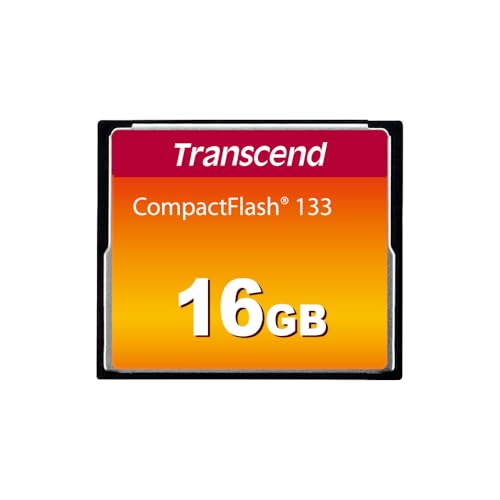
The Transcend CF133 is a well-regarded CompactFlash card using MLC NAND flash memory for reliable long-term data retention. With read speeds up to 50 MB/s and write speeds of 20 MB/s, it supports Ultra DMA transfer mode 4, making it a solid match for entry-level DSLRs like the Canon 5D Mark II. It is ideal for slow-paced photography — landscapes, architecture, and studio portraits — where buffer speed is less critical.
Enthusiasts have also repurposed this card for retro computing projects, including using a CF-to-IDE adapter in an NEC PC-9821 laptop as a hard drive replacement, and as a storage upgrade in a 5th generation iPod Video. The card is lightweight, temperature-proof, and X-ray proof, and it comes with exclusive recovery software for accidental data loss.
The write speed is adequate for 1080p video but not for 4K. Users note that after 10 RAW images, the camera buffer takes noticeably longer to clear compared to faster UDMA 7 cards. It is best suited for photographers who take their time and do not rely on high-speed burst modes. The actual formatted capacity is 14.9 GB, which is normal for a 16 GB card.
Why it’s great
- MLC NAND flash offers better endurance and data retention than TLC cards
- Works perfectly with Canon 5D Mark II for stable HD video capture
- Popular with retro computer and iPod modding communities
Good to know
- Slow buffer dump after continuous RAW bursts; not for action photography
- Only 14.9 GB actual usable capacity out of the box
FAQ
Can a 16 GB SDHC card work in a device that only supports SD?
How many photos or videos does a 16 GB SD card hold?
Is a Class 10 card necessary for a trail camera?
Final Thoughts: The Verdict
For most users, the best 16 gb sd card winner is the SanDisk Ultra 16GB Class 10 because it delivers the fastest read speeds and the most reliable performance for point-and-shoot cameras and HD video recording at this capacity. If you need two cards for multiple devices or a backup, grab the Bliksem TF162 2-Pack for its great value and included adapters. And for professional photographers using older DSLRs that require CompactFlash, nothing beats the ruggedness and UDMA support of the HSANYIUR 16GB CF Card.