
The first time you attempt a heavy squat in running shoes, your ankles fight your depth, your heels want to lift, and your lower back takes the brunt of the load. That unstable platform is the single biggest form saboteur in the gym. A proper pair of dedicated footwear changes everything by locking your feet flat and transferring every watt of force directly into the floor.
I’m Min — the co-founder and writer behind Gadgets Feed. I’ve spent countless hours analyzing heel heights, outsole rigidity, toe-box dimensions, and strap systems across the entire spectrum of lifting footwear to separate the genuinely stable from the merely branded.
This guide cuts through the marketing noise to deliver a clear, practical verdict on the best 100s powerlifting shoes that actually deliver on stability, durability, and squat-specific performance.
How To Choose The Best 100s Powerlifting Shoes
Selecting a proper pair of lifting shoes isn’t about brand loyalty — it’s about matching your foot shape, your training style, and your specific mobility needs to the right technical specs. Beginners often grab the flashiest pair without understanding how heel height and sole rigidity directly affect their squat mechanics.
Heel Height and Your Squat Depth
The raised heel (usually 0.6 to 0.75 inches) is the defining feature of a weightlifting shoe. That elevation compensates for tight ankles, letting you reach full depth without your heels peeling off the ground. Higher heels suit Olympic lifters who need upright torso positioning; lower heels serve powerlifters who want a flatter, more grounded feel for raw squats.
Heel Construction: Non-Compressible vs. Flexible
A true lifting heel is made from dense wood, hard plastic, or layered rubber that does not compress under hundreds of pounds. If your heel sinks when you stand, you lose energy transfer and stability. Flexible cross-trainer soles compromise this rigidity and are a common mistake for lifters who assume any “gym shoe” works.
Strap Systems and Midfoot Lockdown
One or two adjustable straps across the midfoot and instep secure your foot from sliding forward during heavy squats and jerks. A single wide strap is sufficient for most powerlifters; a dual strap system is preferred for Olympic weightlifting where dynamic foot movements demand maximum containment.
Toe Box Width and Fit Considerations
Narrow-toed shoes cause midfoot cramping and toe numbness under load, especially for lifters with wider feet. Brands like Reebok and Otomix offer wider toe boxes, whereas adidas models (particularly the Powerlift series) run narrow and often require sizing up. Always check reviews for width-specific feedback before purchasing.
Quick Comparison
On smaller screens, swipe sideways to see the full table.
| Model | Category | Best For | Key Spec | Amazon |
|---|---|---|---|---|
| Reebok Legacy Lifter | Premium | Heavy squats & Olympic lifts | 0.75″ Non-compressible heel | Amazon |
| adidas Adipower Weightlifting II | Premium | Competition squatting | Rigid plastic heel | Amazon |
| Inov-8 Fastlift 360 | Premium | Lifters with poor ankle mobility | Dual strap system | Amazon |
| adidas Powerlift 5 (Premium listing) | Premium | Everyday gym training | 0.6″ heel elevation | Amazon |
| Nike Free Metcon 5 | Mid-Range | HIIT & cross-training | Stable heel + flex toe | Amazon |
| adidas Powerlift 5 (Mid-Range listing) | Mid-Range | Budget-friendly starter shoe | 0.6″ heel, strap closure | Amazon |
| Under Armour TriBase Reign 6 | Mid-Range | CrossFit & flat foot lifters | Wide toe box | Amazon |
| Otomix Warrior | Mid-Range | Wide/flat feet & boxing | Wide, padded insole | Amazon |
| Nordic Lifting VENJA | Budget-Friendly | First-time lifting shoe buyers | Moderate heel, flexible forefoot | Amazon |
In‑Depth Reviews
1. Reebok Legacy Lifter
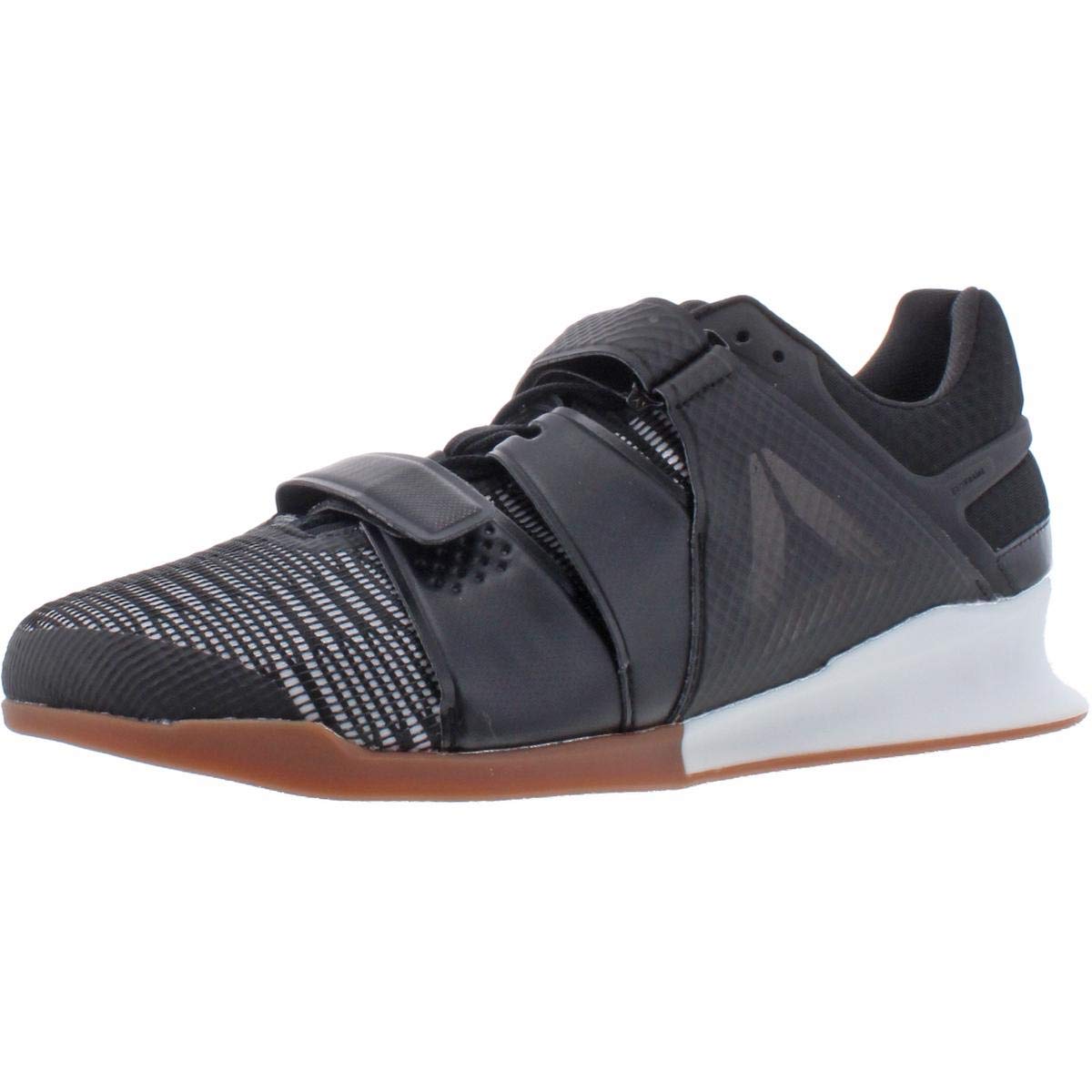
The Reebok Legacy Lifter sets a high bar with its 0.75-inch non-compressible heel that delivers exceptional stability for heavy squats, snatches, and clean and jerks. The premium leather upper wraps your foot in a snug, locked-in feel that reviewers say eliminates the ungrounded forefoot sensation common in cheaper shoes. Its dual adjustable straps provide the most secure midfoot lockdown in this class.
Users with wide feet (up to 4E) report that this model accommodates them comfortably after a short break-in period, making it a rare find among narrow-dominant lifting shoes. The sticky outsole grips the platform reliably during dynamic lifts, and the solid arch support helps maintain proper positioning throughout the movement.
The main trade-off is weight — at over 1.25 pounds per shoe, the Legacy Lifter feels noticeably heavy during anything other than dedicated powerlifting or Olympic lifting sessions. It’s not a shoe for CrossFit metcons or treadmill work. But for raw strength work, this is the benchmark.
Why it’s great
- Non-compressible 0.75″ heel provides a stable platform for max-effort squats
- Leather upper molds to your foot for a custom locked-in feel
- Dual adjustable straps eliminate any midfoot slipping
Good to know
- Relatively heavy — not ideal for cardio or dynamic CrossFit workouts
- All-black colorway is plain; no high-contrast options
2. adidas Men’s Adipower Weightlifting II

The Adipower Weightlifting II is adidas’ premium offering, built around a rigid plastic heel that refuses to compress even under the heaviest loads. The lightweight fabric upper breathes well and features a flexible toe section that makes this one of the more comfortable options for lifters who spend long hours in the gym. Reviewers with long femurs specifically praise the raised heel for enabling an upright torso position during squats.
This is a pure squat shoe — the hard, flat, unbending sole is not designed for deadlifts or any dynamic footwork. The single wide Velcro strap combined with traditional laces provides a secure fit, though users with wider feet consistently report needing to size up half to full sizes. The fit is best described as medium-to-narrow.
While the retail price places it in the premium tier, the build quality and durability justify the investment for lifters who prioritize squat-specific performance above all else. It’s not an all-day walking shoe, but for 90 minutes of heavy training, it’s hard to beat.
Why it’s great
- Non-compressible plastic heel maintains stability under maximum load
- Lightweight, breathable fabric upper prevents overheating
- Raised heel helps lifters with long femurs achieve deeper squats
Good to know
- Not suitable for deadlifting or cardio work due to the rigid sole
- Runs narrow — wide-foot lifters should size up half to full size
3. Inov-8 Fastlift 360
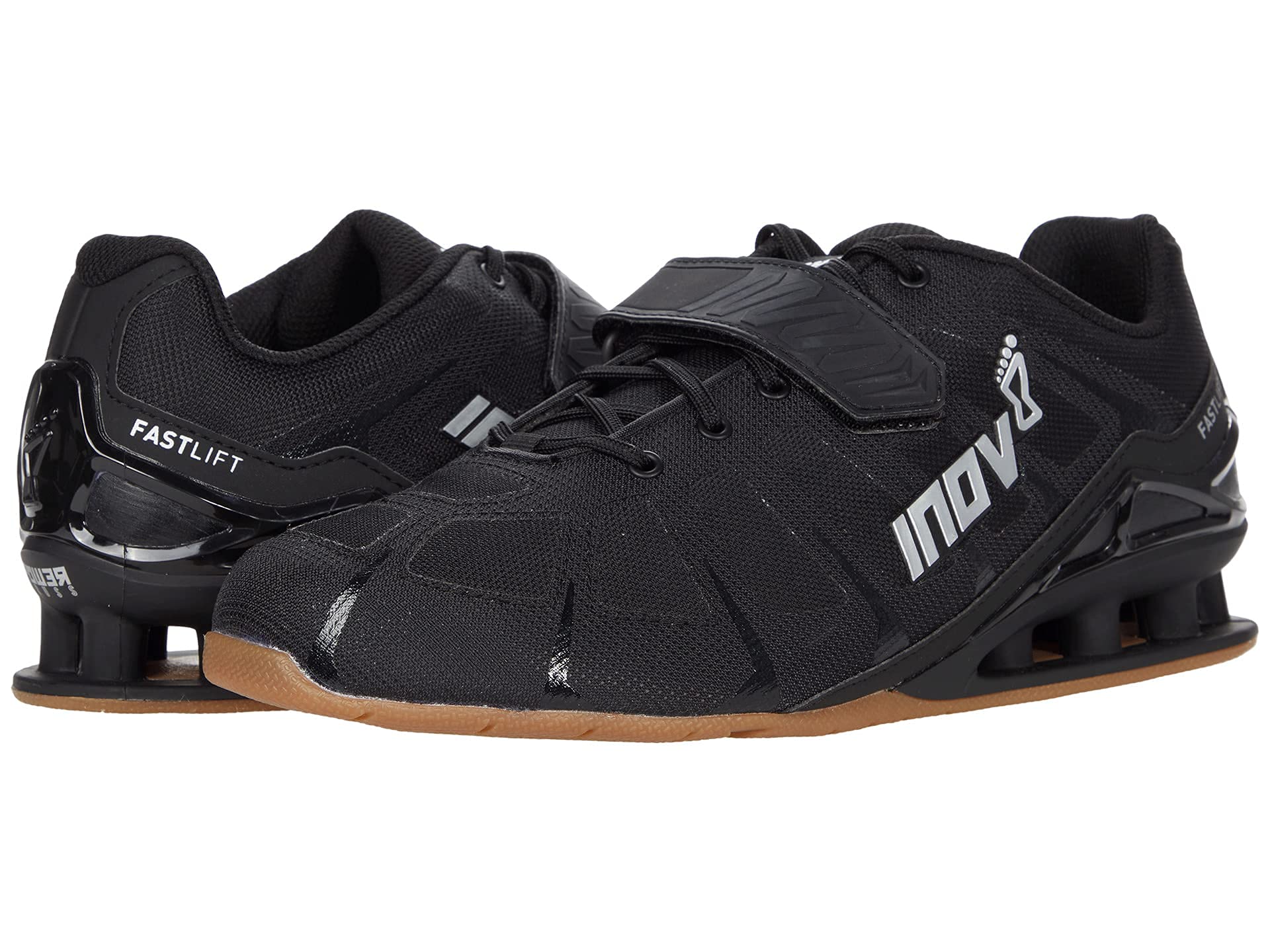
The Inov-8 Fastlift 360 is engineered for lifters whose ankle mobility limits their squat depth. The built-in heel eliminates the need for makeshift plate elevation under the heels, and the dual strap system — one across the midfoot, one across the instep — keeps your foot locked in during even the most dynamic Olympic lifts. Reviewers highlight that the shoe feels comfortable enough to walk around in between sets, a rare comfort in this segment.
Wide-foot lifters find this model accommodates them better than most competitors, though the general consensus is to size up half a size if your feet are on the wider side. The welded heel construction gives it a sturdy, premium feel without excessive weight, and the outsole provides excellent grip on both platform and rubber gym flooring.
The main limitation is its lack of lateral support for jumping exercises — CrossFit athletes report feeling unstable during box jumps or lateral movements. This shoe is optimized for vertical force transfer, not multidirectional agility. For pure weightlifting and powerlifting work, it delivers outstanding value at a price point significantly below the adidas and Nike flagships.
Why it’s great
- Dual strap system provides exceptional midfoot and instep lockdown
- Comfortable for walking between sets — not just standing at the bar
- Affordable option from a reputable specialist brand
Good to know
- Not designed for lateral or jumping movements
- Some users need to size up half a size for a comfortable width
4. Adidas Unisex-Adult Powerlift 5 (Premium)

The Powerlift 5 occupies a sweet spot in the adidas lineup — a lower 0.6-inch heel makes it friendlier for lifters who want a stable base without the extreme elevation of competition shoes. This model uses the same core construction principles as the Adipower but with slightly less aggressive heel angle, making it more versatile for general gym training that includes accessories and lighter dynamic work.
Reviewers consistently note that this shoe dramatically improves squat mechanics compared to running shoes, with several users reporting the elimination of knee and lower back pain after switching. The sole has good traction and the strap provides a secure fit, though walkability is limited — these are not comfortable for extended periods of standing or walking. The logo application is noted by some as being somewhat cheap-looking for the price.
Fit runs narrow, typical of adidas lifting footwear. Users with medium-to-narrow feet love the snug feel, but those with wider feet should look elsewhere or size up. Durability is strong, with the only reported wear being on the laces after extended use. The hard sole also means these are strictly for gym floors — no treadmill or outdoor use.
Why it’s great
- 0.6″ heel provides a balanced platform for squats and general training
- Strap closure system keeps the foot secure under heavy loads
- Durable construction with only laces showing wear over time
Good to know
- Narrow fit — not suitable for wide feet without sizing up
- Not designed for walking, running, or any non-lifting activity
5. Nike Free Metcon 5

The Nike Free Metcon 5 blends the stability needed for heavy lifting with the flexibility required for dynamic workouts. Unlike pure lifting shoes, the Metcon 5 features a stable heel platform for squats and deadlifts but retains a flexible forefoot that allows for natural movement during burpees, lunges, and kettlebell swings. It’s a true cross-trainer, not a dedicated powerlifting shoe, which makes it the best option here for those who do more than just lift.
Reviewers appreciate that the shoe handles runs up to three miles on pavement or trails without causing discomfort, while still providing enough stability for weights up to moderate-heavy loads. The rear lace hole helps lock the heel in place during squats, and the midfoot initially feels tight due to plastic lace brackets — but after a week of break-in, the fit becomes comfortable for most foot shapes.
The trade-off is that the flexible forefoot compromises the rock-solid platform of a dedicated lifting shoe. For max-effort squats or competition lifting, a stiffer sole like the Reebok Legacy or adidas Adipower is better. But for the lifter who mixes HIIT, light runs, and strength work, the Metcon 5 is the most versatile option in this list.
Why it’s great
- Stable heel platform for lifts, flexible forefoot for dynamic movements
- Comfortable for short runs up to 3 miles on various surfaces
- Break-in period results in a comfortable, adaptive fit
Good to know
- Not as stable as dedicated lifting shoes for max-effort squats
- Plastic lace brackets can feel tight on the midfoot initially
6. adidas Powerlift 5 (Mid-Range)
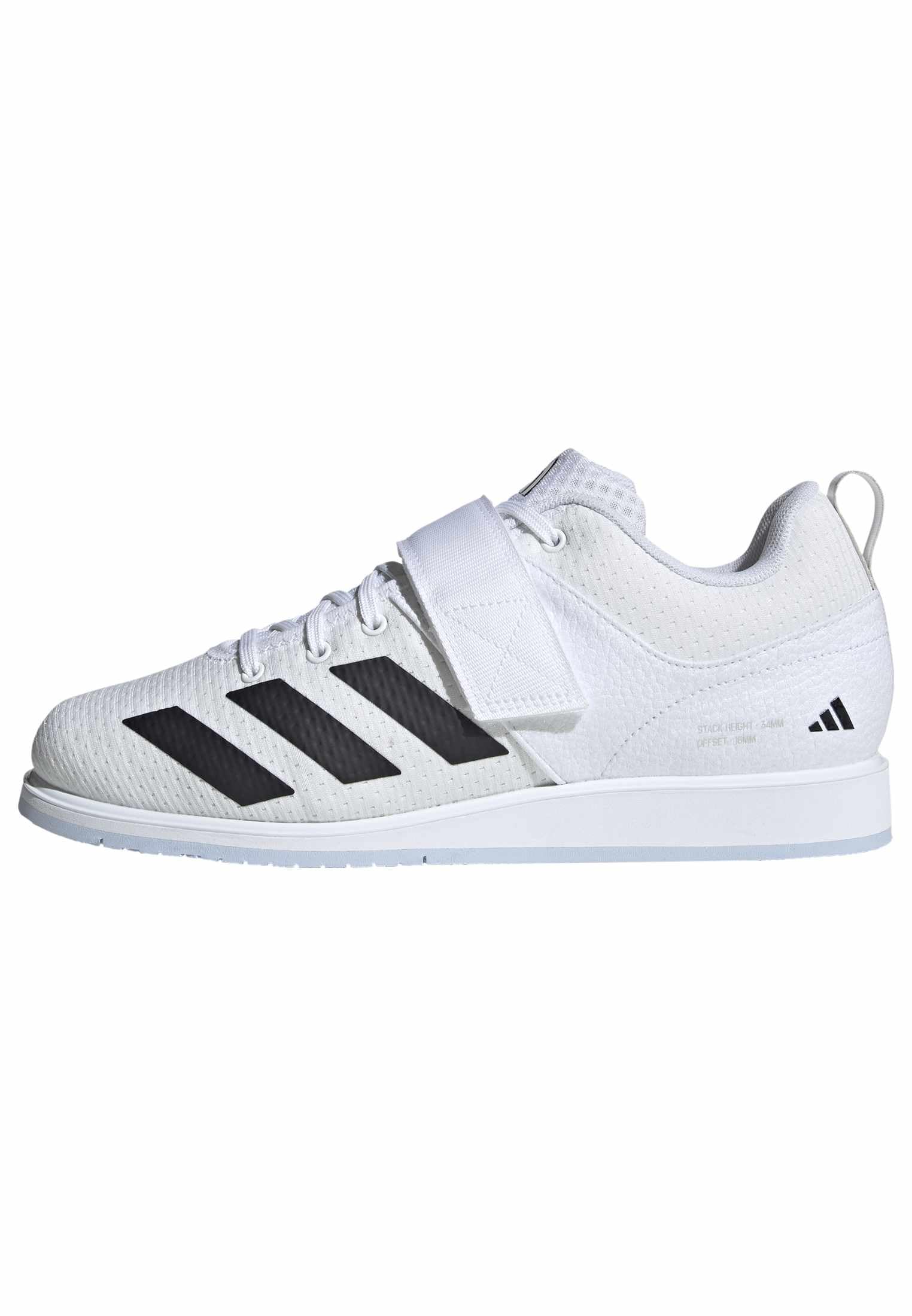
This mid-range listing of the adidas Powerlift 5 offers the same core 0.6-inch heel and strap closure system as its premium counterpart but at a more accessible price point. It serves as an excellent entry point for lifters who have been using running shoes or flat sneakers and want to experience the stability improvement of a dedicated lifting shoe without committing to a four-digit competition model.
User reviews are overwhelmingly positive, with many noting that the small heel dramatically improved their squat form and depth almost immediately. One reviewer reported knee pain disappearing within weeks of switching. The comfort level is good for the price, though the toe box runs narrow — a consistent theme across adidas lifting footwear. Ordering half a size up is a common recommendation from buyers who measured their feet.
The limiting factor is that the Powerlift 5’s lower heel height and slightly less rigid construction mean it’s not ideal for advanced Olympic weightlifting or maximal squats above 500 pounds. But for the intermediate lifter focused on general strength and hypertrophy, this represents one of the best value propositions in the category. It’s a true starting point that still delivers meaningful performance benefits.
Why it’s great
- Affordable entry point with genuine squat form benefits
- Small heel dramatically improves depth for most new users
- Comfortable enough for general gym wear
Good to know
- Narrow toe box; not recommended for wide feet without sizing up
- Lower rigidity limits performance for elite-level lifting
7. Under Armour TriBase Reign 6
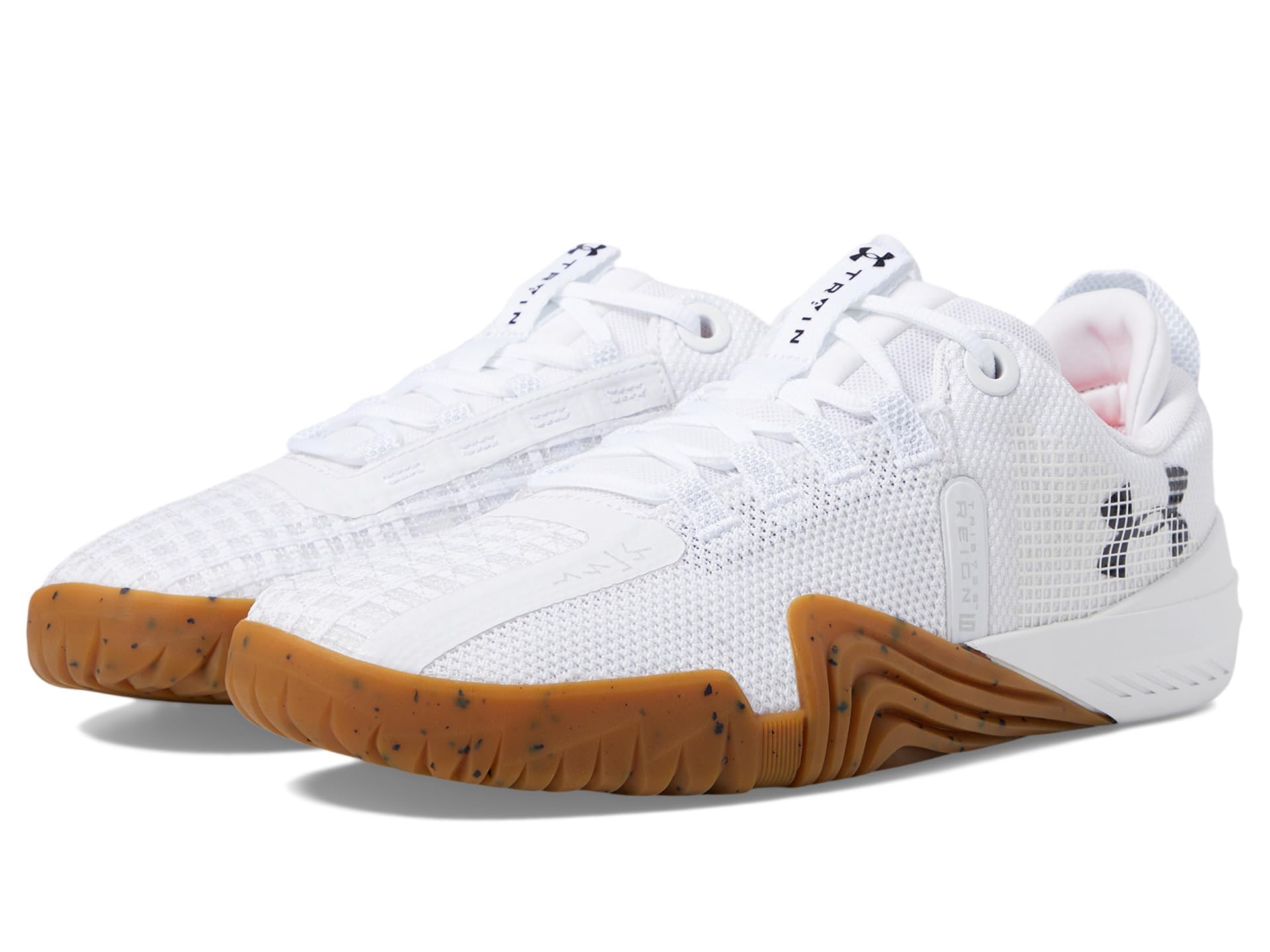
The TriBase Reign 6 is Under Armour’s answer to lifters who need a stable platform but can’t tolerate the narrow toe boxes of traditional weightlifting shoes. The wide toe box allows for natural toe splay, which improves balance and comfort during heavy standing lifts. Combined with low arch support, this shoe is ideal for lifters with flat feet who typically experience arch ache in more structured footwear.
Reviewers praise the shoe’s versatility for CrossFit-style workouts, noting it’s stable enough for squats and deadlifts yet flexible enough for sprints and jumping. After a break-in period of about five sessions, the upper loosens up and conforms to the foot. The shoe is slightly heavy compared to pure lifting shoes, but users say the stability trade-off is worth it for the price.
The main drawback is that the shoe is not as rigid as a dedicated powerlifting shoe — the sole has some give under maximal loads. It also runs true to size for most, though some users recommend going half a size down due to the minimalist design. For the lifter who trains in a CrossFit or hybrid style, the TriBase Reign 6 is a top-tier choice.
Why it’s great
- Wide toe box accommodates natural toe splay and flat feet
- Stable for lifts, flexible for cardio and dynamic movements
- Affordable hybrid option for CrossFit athletes
Good to know
- Not as rigid as pure lifting shoes for maximal loads
- Break-in period of approximately 5 sessions required
8. Otomix Warrior

The Otomix Warrior is a unique entry in this list — it’s built primarily for boxing and bodybuilding but performs exceptionally well for powerlifting, especially for lifters with wide feet. The extra-wide toe box and padded insole provide a level of comfort that other dedicated lifting shoes simply can’t match. Users with flat feet specifically praise the fit, with one 340-pound reviewer noting the perfect feel even in size 13.
The outsole offers stable floor grip that works well for squats, deadlifts, and overhead presses. The initial snugness breaks in after about two days of wear, after which the shoe conforms comfortably to the foot. It’s also one of the few shoes in this category that feels genuinely comfortable for walking around the gym — a major plus for lifters who don’t want to change shoes between exercises.
The main consideration is that the Warrior is not designed with the rigid heel of a powerlifting shoe. It has a more flexible forefoot and midsole, which means it doesn’t provide the same level of energy transfer as a 0.75-inch heel shoe. It’s better as a versatile training shoe for lifters who prioritize comfort and fit over competition-grade rigidity. The camo color options are a fun bonus.
Why it’s great
- Excellent fit for wide feet and high insteps
- Padded insole and breathable upper offer all-day comfort
- Versatile for multiple gym activities beyond just lifting
Good to know
- Not a rigid heel design — flexes more than dedicated squat shoes
- Can feel warm and cause foot sweat during extended wear
9. Nordic Lifting VENJA

The Nordic Lifting VENJA is the budget-tier hero of this list, offering a genuine lifting shoe experience at a fraction of the cost of premium competitors. It features a moderate heel elevation that provides enough angle to improve squat depth without the extreme rise of competition shoes. The forefoot is more flexible than expected, which makes the VENJA one of the most comfortable options for walking between sets and even light gym movement.
Reviewers transitioning from running shoes report a noticeable improvement in stability during squats, deadlifts, and overhead presses. The toe box is wide enough to accommodate most foot shapes without pressure points, and the shoe runs true to size. Multiple five-star reviews highlight that the VENJA feels like a near-perfect shoe for the price, with one reviewer preferring it to the adidas Powerlift series.
The trade-off at this price point is that the materials are not as durable as premium options. The outsole wears faster under heavy use, and the overall construction is lighter and less rigid. For advanced lifters handling serious loads above 500 pounds, the flex in the forefoot may compromise stability. But for beginners and intermediate lifters who want to try a dedicated lifting shoe without a major investment, the VENJA is an exceptional starting point.
Why it’s great
- Accessible price point with genuine stability benefits for squatting
- Wide toe box and comfortable fit for most foot shapes
- Noticeable improvement over running shoes for heavy lifts
Good to know
- Materials not as durable as premium Adidas or Reebok options
- Flexible forefoot may not suit elite lifters handling maximum loads
FAQ
Can I use powerlifting shoes for deadlifting?
How tight should the strap be on a weightlifting shoe?
How do I know if I need a high heel or low heel shoe?
Final Thoughts: The Verdict
For most users, the 100s powerlifting shoes winner is the Reebok Legacy Lifter because it combines a premium 0.75-inch non-compressible heel, a leather upper that molds to your foot, and dual strap security that outperforms everything in its class. If you want a versatile hybrid that handles both heavy lifts and dynamic CrossFit training, grab the Under Armour TriBase Reign 6. And for the budget-conscious lifter seeking their first dedicated squat shoe, nothing beats the value of the Nordic Lifting VENJA.