
The difference between a breakout resort day and a miserable slog up a skin track often comes down to what is strapped to your feet. Standard resort boots lock your ankle in a forward lean, turning every bootpack into a calf-burning disaster. Backcountry snowboard boots solve this with a walk mode that releases forward flex for climbing, then locks solid for the descent — without adding the weight or slop of a hybrid boot designed for neither task well.
I’m Min — the co-founder and writer behind Gadgets Feed. I’ve spent hundreds of hours analyzing technical specs, reading through user reports on liner pack-out, walk-mode durability, and outsole traction across dozens of models to separate what actually works for self-powered riding from what only looks good on a shelf.
This guide breaks down the stiffest, warmest, and most reliable options available right now for riders who spend as much time earning turns as they do riding them. Whether you prioritize a featherlight build for long approaches or a burly flex for steep couloirs, these are the best backcountry snowboard boots available today.
How To Choose The Best Backcountry Snowboard Boots
Backcountry-specific boots are not simply stiff resort boots with a different sticker. The geometry, liner construction, and sole design all shift toward the unique demands of skinning, bootpacking, and variable snow. Three factors separate a capable touring boot from an expensive mistake.
Walk Mode Range and Lock Reliability
The walk-mode mechanism must offer enough range of motion for a natural stride while skinning, yet return to a zero-slack locked state for the descent. A sloppy walk mode translates to heel lift and delayed edge engagement. Look for a mechanism that engages with a positive click — no play when locked. Some premium boots use a metal-on-metal latch; others rely on a reinforced plastic lever. Metal latches tend to hold up longer under repeated freeze-thaw cycles.
Liner Construction and Pack-Out Timeline
Heat-moldable liners are standard in this category, but the foam density varies widely. Low-density foam molds quickly but packs out in 20-30 days, leaving you with a loose fit that requires thicker socks or aftermarket insoles. Higher-density foams like Intuition take longer to break in but hold their shape for 100+ days. For backcountry use, where boot fit directly affects blisters on long approaches, prioritize a liner with at least medium-density foam and a lace-lock or BOA zone for the lower foot to lock the heel in place.
Outsole Traction for Variable Terrain
Vibram outsoles with deep lugs are the benchmark for backcountry boots. The rubber compound needs to grip on wet rock, icy snow, and frozen dirt without being so soft it wears down after a single season. Some boots use a Vibram EcoStep or Traction Lug compound that balances grip with durability. Avoid flat, skate-style soles — they slide on hardpack bootpacks and increase the risk of a fall while carrying a heavy pack. A recessed heel area for crampon compatibility is a plus if you plan to cross glaciers or firm snow.
Quick Comparison
On smaller screens, swipe sideways to see the full table.
| Model | Category | Best For | Key Spec | Amazon |
|---|---|---|---|---|
| Burton Ruler Boa | Premium | All-mountain freeride | Imprint 2 Liner w/ 3M Thinsulate | Amazon |
| K2 Maysis | Premium | Wide feet, all-mountain | Intuition Control Foam 3D Liner | Amazon |
| Burton Photon BOA | Mid-Range | Resort-to-backcountry crossover | Vibram Traction Lug outsole | Amazon |
| Burton Highshot Step On | Premium | Step On binding users | Sequence BOA Fit System | Amazon |
| Burton Ruler Step On | Premium | Step On progression | 1:1 Medium Flex PowerUp Tongue | Amazon |
| ThirtyTwo Lashed Double Boa | Mid-Range | Dual-zone fit control | Dual-zone BOA lacing | Amazon |
| Nidecker Altai | Mid-Range | All-day comfort | 3D Molded Lasted Toe Box | Amazon |
| Valdez APX + Summit Package | Budget | Complete beginner setup | Thermofit heat-moldable liner | Amazon |
| System Timeless APX Package | Budget | Entry-level value | Articulating cuff | Amazon |
| Nordica HF 110 | Premium | Comfort-focused skiers | 3D Cork Fit PrimaLoft Liner | Amazon |
In‑Depth Reviews
1. Burton Ruler Boa

The Burton Ruler Boa sits at the top of the mid-stiff flex category for a reason. Its Dual-Zone BOA system with Coiler technology separates lower-foot tension from upper-calf tension, letting you dial in heel hold independently from shin support. The Imprint 2 liner uses 3M Thinsulate insulation and a Lock-Up Cuff that wraps the heel tightly — a critical detail for backcountry riders who need zero lift during traverses. The B3 Gel cushioning underfoot absorbs shock from drops without adding bulk that would interfere with board feel.
Total Comfort Construction means these boots require virtually no break-in, which is unusual for a boot with a 1:1 medium-flex PowerUp tongue. The tongue itself creates a snug fit between the boot and your shin, reducing the need to overtighten the BOA dials. The sleeping bag reflective foil underfoot reflects heat back toward the sole, helping you stay warm during long skinning breaks. At this price point, the Ruler Boa competes directly with boutique touring boots that cost significantly more per flex point.
Some users report that the boot runs slightly small, particularly in the toe box, so sizing up a half size is a common recommendation. The snow-proof internal gusset seals the lower zone effectively, but a few longer-term owners note that the outsole edge seal can separate after heavy use. Regular inspection and occasional re-gluing extend the lifespan. For a do-everything boot that handles resort laps and short sidecountry missions equally well, the Ruler Boa is the most versatile pick on this list.
Why it’s great
- Dual-zone BOA offers precise micro-adjustment for heel hold and shin fit
- Imprint 2 liner molds well and stays warm with 3M Thinsulate
- B3 Gel cushioning absorbs hard landings without sacrificing board feel
Good to know
- Runs slightly small; most riders need a half size up
- Outsole edge seal can separate after extended use
2. K2 Maysis Mens Snowboard Boots
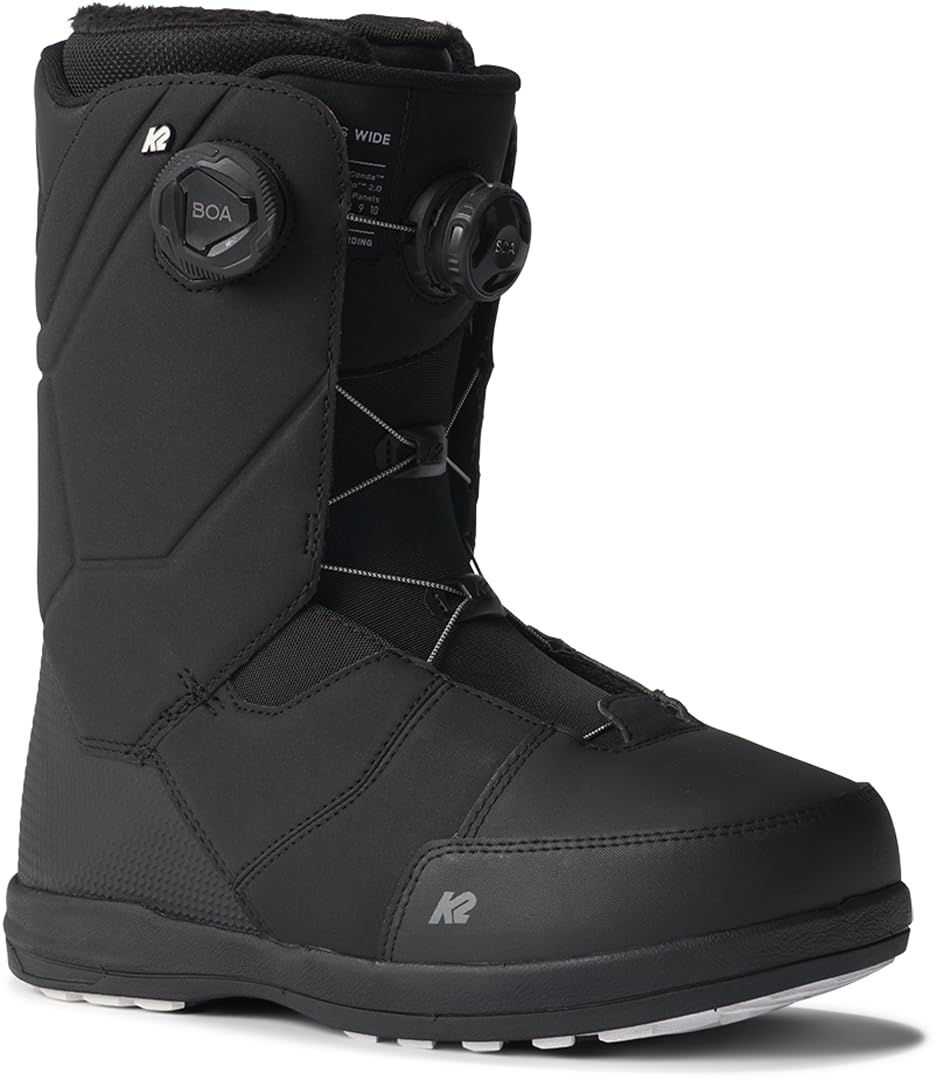
The K2 Maysis has built a reputation as the go-to boot for riders with wide feet who refuse to compromise on flex. The Intuition Control Foam 3D liner is the standout feature — it uses a denser foam formulation that molds to the foot with heat but resists pack-out far longer than standard liners. The H4 Coiler BOA system wraps the entire foot with a single dial that pulls from both sides, creating an even pressure distribution that avoids pressure points common with traditional lacing.
The “This Grips!” premium rubber outsole with Harshmellow technology provides serious traction on icy skin tracks and rock slabs. The rubber compound is softer than standard snowboard boot soles, which improves grip but does wear faster on pavement. The flex rating of 7/10 places it firmly in the all-mountain freeride category — stiff enough for aggressive carving and jumps, but not so stiff that you lose feel for variable backcountry snow.
Wide-foot riders report that the Maysis in wide sizing eliminates the side squish and toe jam that plagues them in narrow boots. However, even with the wide option, some users with very high-volume feet find the toe box still snug. The liner takes about 5-10 days to fully pack out, so initial tightness is normal. If you need a boot that combines wide-foot accommodation with a genuine all-mountain flex, the Maysis is the clear leader.
Why it’s great
- Intuition Control Foam liner holds shape for 100+ days
- Wide sizing truly accommodates E/EE feet without pressure points
- Harshmellow outsole provides excellent traction on mixed terrain
Good to know
- Soft outsole rubber wears faster on pavement approaches
- Liner requires break-in despite heat-moldable design
3. Burton Photon BOA
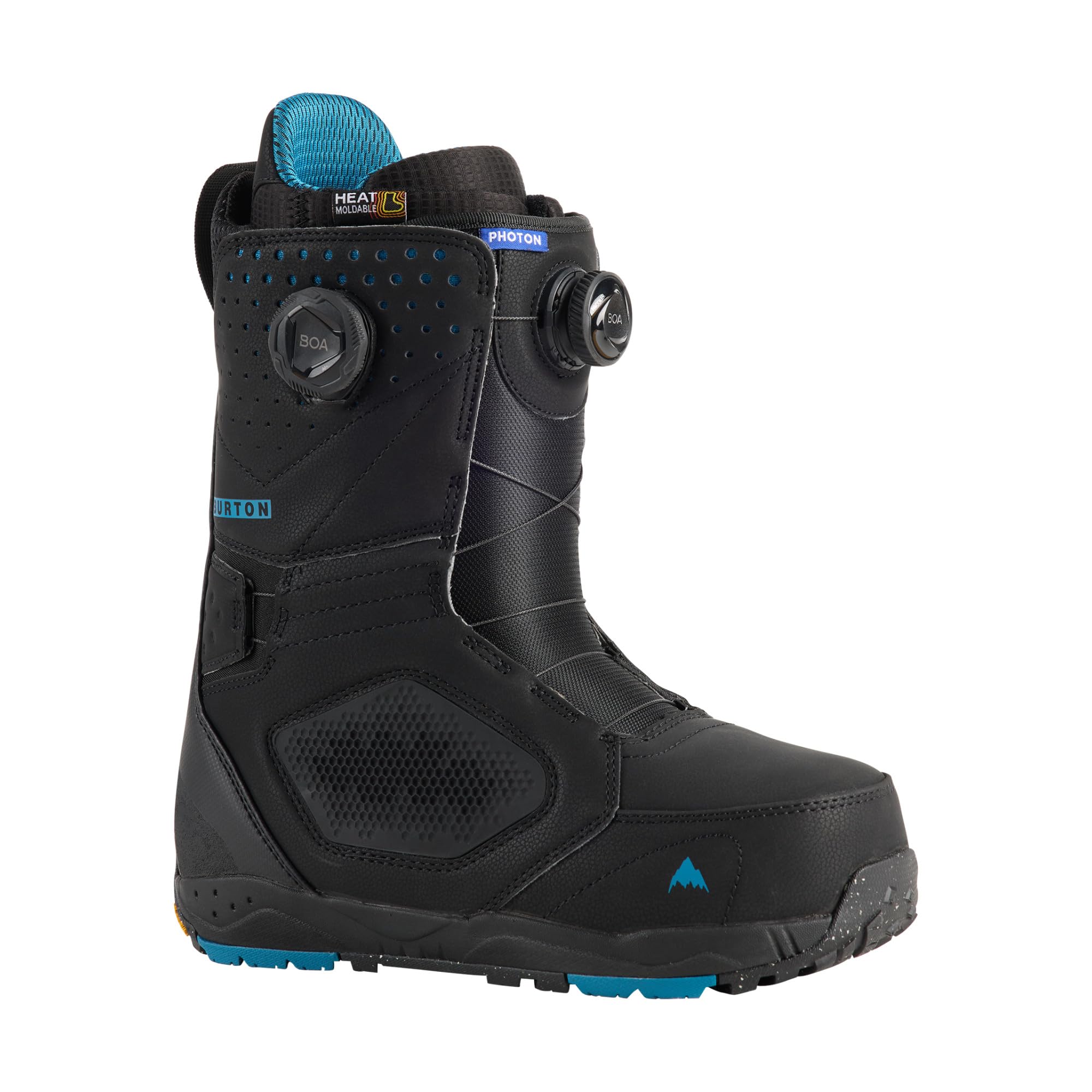
The Burton Photon BOA is the boot that blurs the line between resort performance and backcountry readiness. The Dual-Zone BOA system with Coiler and Lockdown technology separates lower-volume foot tension from upper-calf support, allowing you to lock the heel down without crushing the toes. The Imprint 3 heat-moldable liner includes a hook-and-loop closure and lace lock, plus power panels that create a snug, lightweight fit that tracks the calf shape closely.
The Vibram Traction Lug outsole with EcoStep rubber is the star here — it uses 30% recycled content but still delivers aggressive lug patterns that bite into hard snow and wet rock. The EST-optimized midsole lowers the center of gravity for improved board feel, which matters when you are trying to read subtle snow conditions on a skin track. The sleeping bag reflective foil underfoot adds warmth without adding weight, and the B3 Gel Cushioning handles cold-temperature damping better than standard EVA.
Burton’s Total Comfort Construction means these boots feel broken-in from the first day, which is rare for a boot with a 1:1 firm flex PowerUp tongue. However, the boot runs small — many riders need to go up a full size from their street shoe. The snow-proof internal gusset seals well, but the Focus Cuff sits slightly higher than some riders prefer. For those who want a stiff, responsive boot that can handle sidecountry laps without sacrificing resort performance, the Photon is a strong contender.
Why it’s great
- Vibram Traction Lug outsole gives superior grip on mixed terrain
- Imprint 3 liner molds quickly and holds shape well
- EST-optimized midsole improves board feel and edge control
Good to know
- Runs small; most riders need to size up one full size
- Focus Cuff sits higher, which some riders find restrictive
4. Burton Highshot Step On
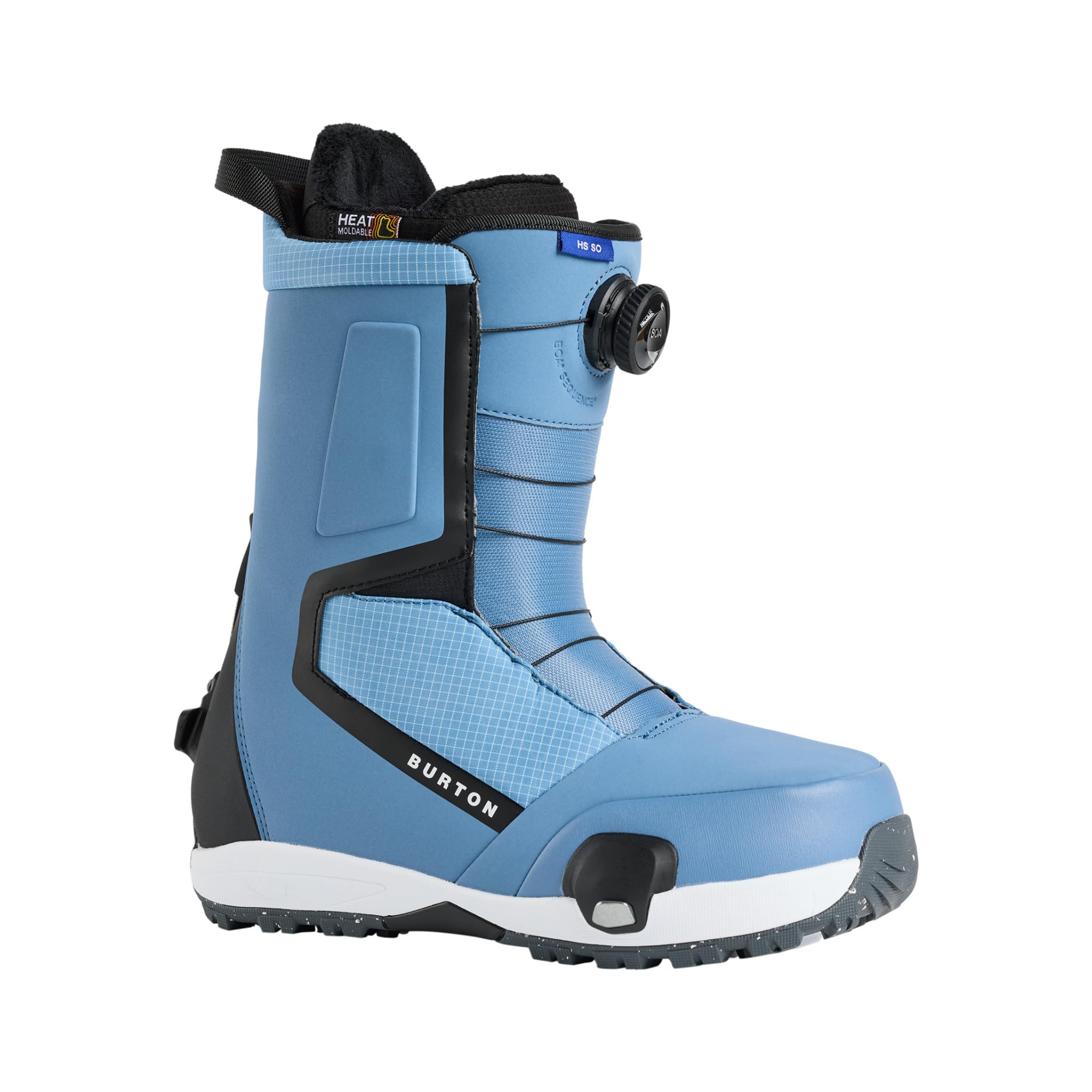
The Burton Highshot Step On is purpose-built for riders who want the convenience of Step On bindings without sacrificing boot performance. The Sequence BOA system uses a single dial to control shell closure and tension around the foot, offering micro-adjustability that traditional laces cannot match. The medium-stiff flex places it in the same performance category as the Ruler Step On but with a slightly more accessible flex that suits intermediate-to-advanced riders.
The Imprint 2 liner is heat-moldable and includes 3M Thinsulate insulation, providing warmth that holds up during long chairlift rides and short skinning breaks. The Burton recycled content rubber outsole features toe cleats in the forefoot that lock into the Step On binding’s cleat system. The connection is secure and eliminates the need to sit down to strap in — a major advantage when transitioning from skinning to riding in variable conditions.
Some users find the boots difficult to take off initially, which is common with Step On systems due to the tight heel hold. The liner runs true to size for most, but those between sizes should size up. A few reports note minor cloth fraying near the back of the boot after extended use, but this does not affect performance. For riders already invested in the Step On ecosystem or looking to switch, the Highshot delivers reliable performance at a price below the flagship Ruler Step On.
Why it’s great
- Step On compatibility saves time on transitions
- Sequence BOA offers fine-tuned tension control
- Heat-moldable liner with Thinsulate stays warm on cold days
Good to know
- Can be difficult to take off, especially when new
- Minor cloth fraying reported near heel area
5. Burton Ruler Step On

The Burton Ruler Step On builds on the legacy of the traditional Ruler with a complete redesign for the Step On binding system. The 1:1 medium flex PowerUp tongue creates a snug fit between boot and shin, while the Lock-Up Cuff provides maximum heel hold without restricting circulation. The Sequence BOA system manages two unique lace paths for independent control over the lower foot and upper cuff, giving you the ability to dial in exactly the right tension for skinning versus descending.
The Imprint 2 liner with 3M Thinsulate insulation keeps feet warm in sub-zero conditions, and the sleeping bag reflective foil underfoot amplifies that warmth during long breaks. The Step On outsole features toe cleats in the forefoot that snap into the binding with an audible click, confirming a secure connection. Total Comfort Construction ensures no break-in period, which is critical for riders who plan to use these boots immediately on a backcountry trip without resort days to soften them up.
One user reported minor cloth fallout near the back of the boot, but the vast majority of feedback highlights the convenience and security of the Step On system. Riders with larger feet find the sizing true to their street shoe, though half-sizing up is safer for those between sizes. The boot is not compatible with traditional bindings, so this is a system purchase. For riders who hate sitting in the snow to strap in, the Ruler Step On transforms the experience.
Why it’s great
- Step On system eliminates sitting down to strap in
- Imprint 2 liner with Thinsulate provides exceptional warmth
- Lock-Up Cuff locks heel down securely for steep riding
Good to know
- Only compatible with Step On bindings — full system commitment
- Minor quality control issues reported on heel cloth
6. ThirtyTwo Lashed Double Boa
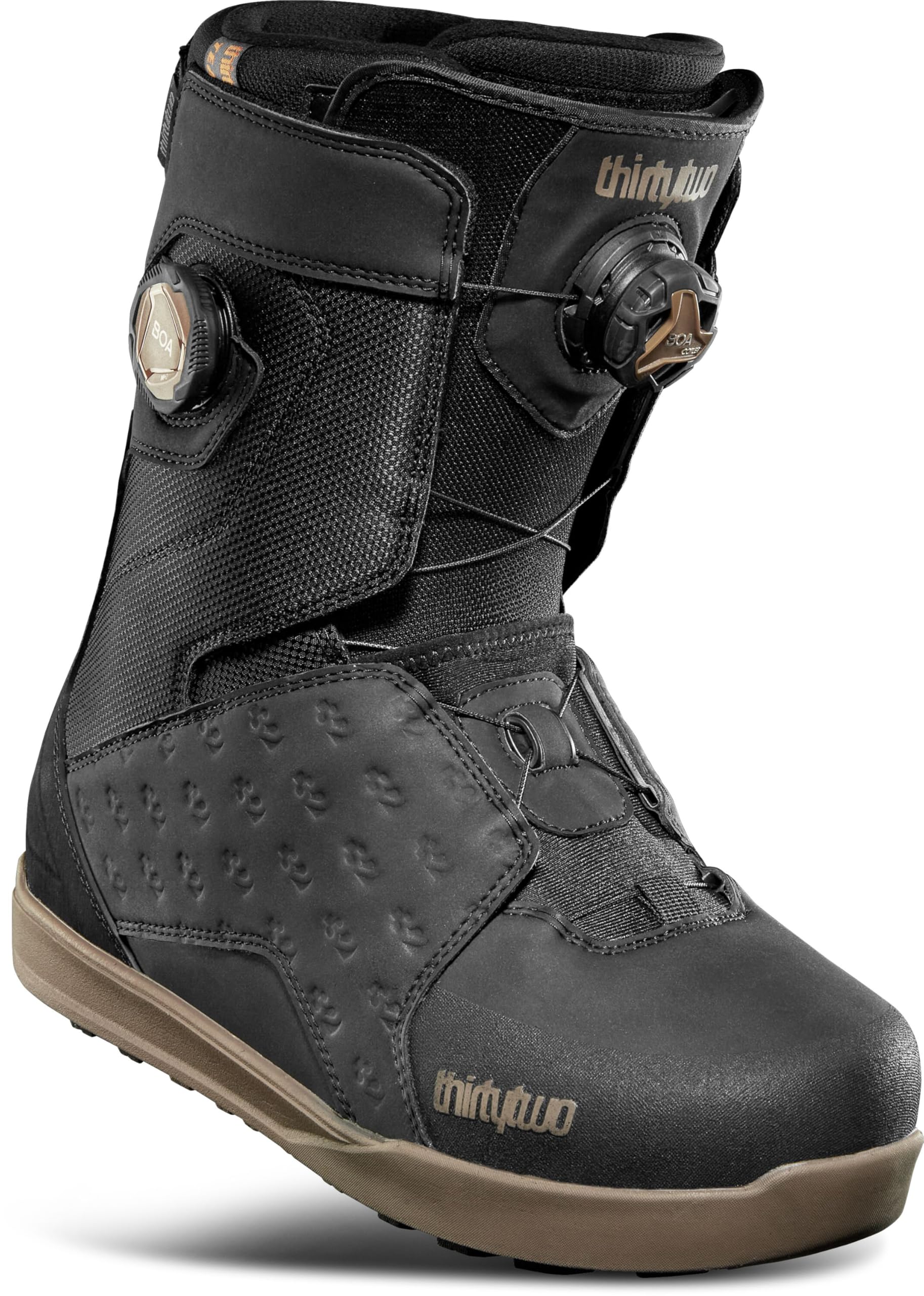
The ThirtyTwo Lashed Double Boa is built around a dual-zone lacing system that separates lower-foot tension from upper-calf support, allowing you to lock the heel down independently of shin pressure. The boot features a thicker inner liner with extra calf and shin padding, which increases warmth and provides a plush feel against the leg. The grippy outsole uses a rubber compound that offers solid traction on snow and ice, though it is not as aggressive as a dedicated Vibram lug sole.
The stiffness sits in the medium range, making the Lashed suitable for all-mountain riding and beginner-to-intermediate backcountry use. The double BOA system is genuinely convenient — you can release the upper zone during skinning for a more natural stride, then tighten both zones for the descent. The boot runs slightly snug, with many users advising to order a half to full size larger than their street shoe. The liner packs out over time, so initial tightness is expected.
Some riders with high-volume feet report that the left boot can be noticeably tighter than the right, which suggests some inconsistency in manufacturing. Heel slip is minimal for most users, though a few note slight lift after the liner breaks in. At this price point, the Lashed Double Boa delivers reliable dual-zone control without the premium cost of flagship models. For riders who want BOA convenience without stepping up to the -plus category, this is a solid choice.
Why it’s great
- Dual-zone BOA allows independent lower and upper tension
- Thicker liner provides extra warmth and padding
- Convenient release for skinning stride flexibility
Good to know
- Runs snug; most riders need to size up
- Inconsistent left-right fit reported by some users
7. Nidecker Altai
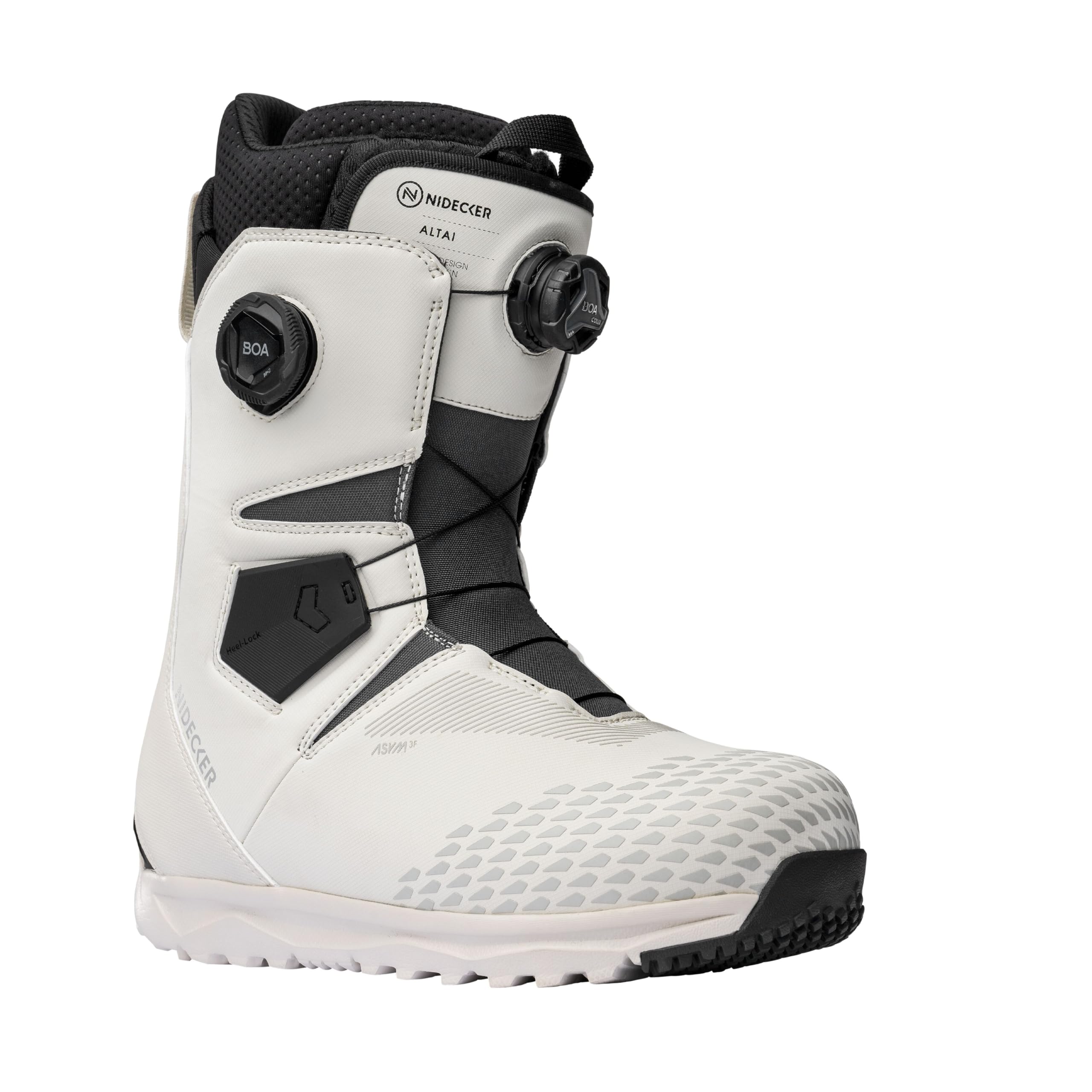
The Nidecker Altai enters the backcountry conversation with a design philosophy centered on all-day comfort without sacrificing performance. The 3D Molded Lasted Toe Box and Tongue create a anatomical fit that reduces pressure points, while the Articulating Flex Zone allows the boot to move naturally during skinning. The BOA closure system provides quick adjustment, and the dual-density EVA insole features a fleece-lined footbed with silicone grip to keep your foot in place.
The Silver Liner adds a reflective layer that helps regulate temperature, preventing overheating during strenuous climbs while retaining warmth during descents. The synthetic sole with Vibram traction tread offers reliable grip on mixed surfaces, though the rubber compound is not as aggressive as dedicated mountaineering soles. The boot weighs in at 8 pounds for the pair, which is competitive for this category and reduces fatigue on long approaches.
Users consistently report that the Altai fits true to size but benefits from heat molding to eliminate any initial snugness. The boot is stiff enough for all-mountain riding but flexes enough for park and freestyle use. Some riders note that the Velcro tongue patches add a stylish touch but can wear out over time. For a mid-range boot that prioritizes comfort and versatility, the Altai punches above its price point.
Why it’s great
- 3D Molded Lasted Toe Box reduces pressure points
- Articulating Flex Zone improves skinning stride
- Lightweight build reduces fatigue on long approaches
Good to know
- Velcro tongue patches may wear over time
- Outsole rubber less aggressive than dedicated touring boots
8. Valdez APX + Summit Binding Package

The Valdez package from Camp Seven bundles a snowboard, bindings, and boots into a single purchase, with the System APX boots serving as the footwear component. These boots feature Thermofit heat-moldable liners that conform to the foot shape for a customized fit, along with metal hooks for superior lace hold and durability. The boot uses a traditional lace-up closure, which some backcountry riders prefer for its reliability in extreme cold compared to BOA dials that can freeze or jam.
The APX boots include an articulating cuff that allows natural flex during walking and skinning, though the boot lacks a dedicated walk-mode lock found on higher-end touring boots. The synthetic outer material is durable and easy to clean, and the EVA sole provides adequate traction for resort and beginner backcountry use. The package is designed for intermediate riders, but the boots alone can serve as a budget-friendly entry point for those starting in backcountry snowboarding.
Users note that the boots run true to size but are not available in half sizes, so riders between sizes may need to size up. The bindings included in the package are basic and may need upgrading as skills progress, but the boots themselves are functional and comfortable. For riders who want a complete setup and are willing to upgrade components later, this package offers a cost-effective starting point.
Why it’s great
- Heat-moldable liner provides custom fit
- Traditional lace-up system reliable in cold conditions
- Complete package for budget-conscious beginners
Good to know
- No half sizes available
- Included bindings are basic and may need upgrading
9. System Timeless APX Package

The System Timeless package pairs the APX boots with a snowboard and Camp Seven Summit bindings, making it a complete entry-level setup. The APX boots feature Thermofit heat-moldable liners and an articulating cuff that facilitates walking and skinning. The synthetic fabric lining is waterproof and breathable, and the lace-up closure offers reliable performance in cold weather without the risk of frozen BOA dials.
The boots use an EVA sole that provides decent grip on snow but lacks the deep lugs of a dedicated backcountry boot. The mid-calf height offers good support for intermediate riders, and the heat-moldable liner allows for a personalized fit that reduces hot spots. The package includes a three-year manufacturer warranty, which adds peace of mind for new riders investing in their first setup.
User feedback indicates that the boots run slightly large, and the lack of half sizes can make dialing in the perfect fit challenging. The included bindings are functional but basic, with some users reporting that the highback adjustment can loosen over time. For riders on a tight budget who want a complete package to start their backcountry journey, the System Timeless setup provides a functional foundation that can be upgraded piece by piece.
Why it’s great
- Heat-moldable liner for personalized fit
- Three-year manufacturer warranty included
- Complete bundle for cost-effective entry
Good to know
- No half sizes; boots run slightly large
- Basic bindings may need early replacement
10. Nordica HF 110
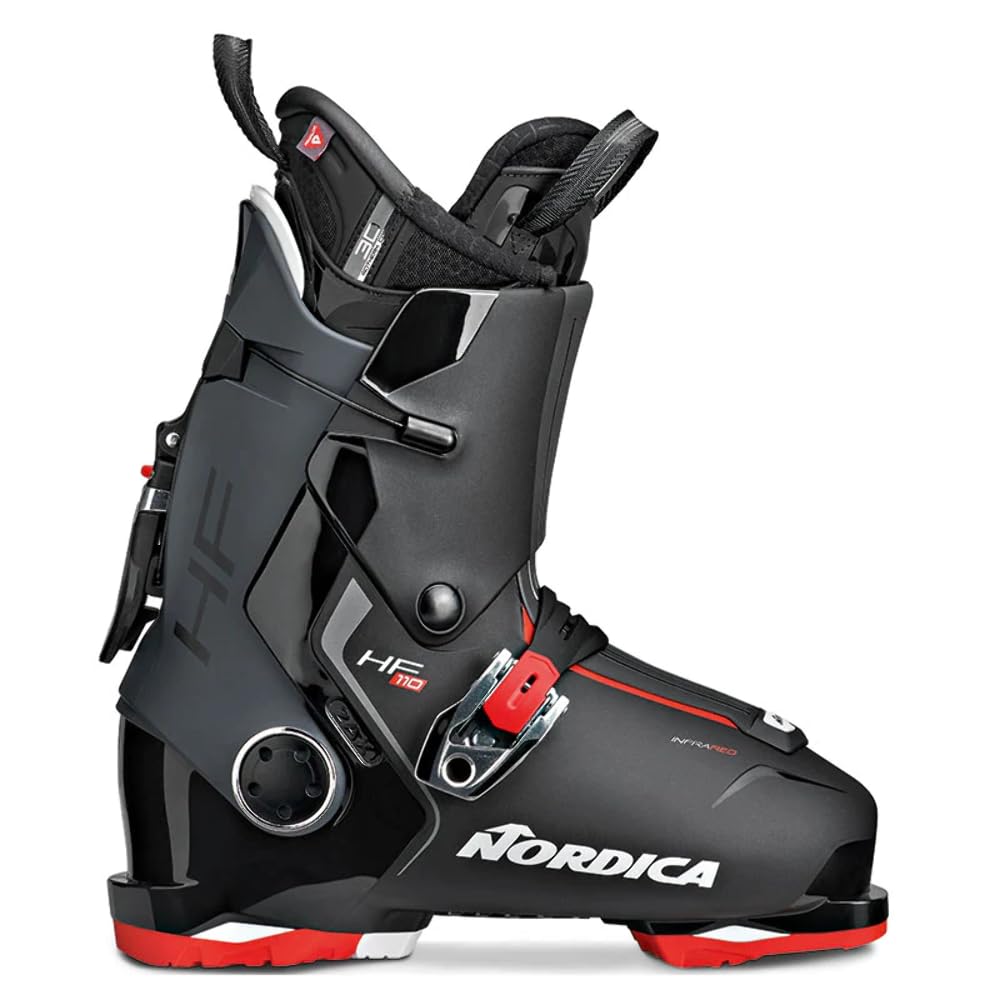
The Nordica HF 110 is a rear-entry ski boot, not a snowboard boot, but its design philosophy offers insight for backcountry riders who need a comfortable, easy-entry boot for long days. The 3D Cork Fit PrimaLoft liner uses cork material that molds to the foot over time, providing a custom fit that EVA foam cannot match. The GripWalk soles offer excellent traction on mixed terrain, making bootpacking and walking in variable conditions more stable than standard alpine soles.
The 102mm last is medium-wide, accommodating feet that feel pinched in narrower performance boots. The rear-entry design eliminates the need to wrestle with overlapping shell overlaps, making it significantly easier to put on and take off — a huge advantage when transitioning between skinning and riding. The HF 110 is designed for skiers who prioritize comfort over pure performance, but its construction principles — heat-moldable liner, walkable sole, easy entry — are directly applicable to backcountry snowboard boot design.
Users consistently praise the comfort of these boots, especially those with ankle injuries or difficulty using wrap-style boots. The boot does sacrifice some performance edge compared to top-entry designs, as the single strap over the foot struggles to lock the heel down as effectively as a multi-zone BOA system. For intermediate skiers or riders who value comfort above all else, the HF 110 is a benchmark design that snowboard boot manufacturers would do well to study.
Why it’s great
- 3D Cork Fit liner provides exceptional, long-lasting comfort
- GripWalk soles offer superior traction on mixed terrain
- Rear-entry design makes transitions quick and easy
Good to know
- Not a snowboard boot — incompatible with snowboard bindings
- Single strap design less effective at locking heel than multi-zone systems
FAQ
Can I use resort snowboard boots for backcountry touring?
How do I size backcountry snowboard boots compared to street shoes?
What is the advantage of a heat-moldable liner in a backcountry boot?
Final Thoughts: The Verdict
For most riders seeking the best backcountry snowboard boots, the Burton Ruler Boa is the winner because it balances a medium-stiff flex with a dual-zone BOA system and a heat-moldable liner at a price that avoids the premium tier. If you need wide-foot accommodation, the K2 Maysis delivers an Intuition liner that holds its shape for years. And for riders who prioritize Step On convenience, the Burton Ruler Step On transforms transitions from a chore into a seamless motion.