
Whether you are dodging glare on a scorching interstate or trying to keep your interior from baking into a cracked-leather mess, the right adhesive film is the difference between a comfortable cabin and a mobile greenhouse. The wrong roll leaves you fighting bubbles, peeling edges, and a tint that fades within months — especially when you are working with tricky rear-quarter glass or tight curves.
I’m Min — the co-founder and writer behind Gadgets Feed. I have spent hundreds of hours analyzing ceramic and carbon layer stacks, comparing infrared rejection rates across different VLT levels, and reading through thousands of verified owner reports to separate the films that actually hold their adhesive from those that fail within weeks.
This guide ranks the top 7 rolls on the market today by build thickness, UV-blocking data, and real-world installation difficulty, so you can pick the best automotive window tint that matches your skill level and budget.
How To Choose The Best Automotive Window Tint
Selecting the right window film for your vehicle involves more than picking a shade you like. The material composition, thickness, and VLT must match your local regulations, your daily driving environment, and your willingness to wield a heat gun and squeegee.
Understand VLT Percentages and Local Laws
VLT (Visible Light Transmission) measures how much light passes through the film. A 5% film — often called limo tint — blocks 95% of visible light, offering maximum privacy but making nighttime reversing hazardous on unlit streets. Most states mandate 35% VLT or higher for front side windows. Always check your state code before ordering your roll.
Ceramic vs Carbon vs Dyed Material
Ceramic films use nano-ceramic particles to reflect infrared heat without containing metallic elements that interfere with GPS and cellular signals. Carbon films block a respectable amount of heat using carbon-based particles but tend to absorb rather than reflect heat. Basic dyed polyester films offer the lowest heat rejection and fade within a year of direct sun exposure.
Film Thickness and Scratch Resistance
A 2-ply, 1.8 mil film strikes the right balance between durability and conformability around curved glass. Thicker films resist scratches during daily cleaning but require more patience during shrinking and trimming. Thinner films (below 1.5 mil) crease easily and tear when you stretch them over compound curves like a Honda Fit rear hatch.
Quick Comparison
On smaller screens, swipe sideways to see the full table.
| Model | Category | Best For | Key Spec | Amazon |
|---|---|---|---|---|
| RockRose Pro Carbon | Carbon 2PLY | Professional-grade adhesion | 2-ply, 24 in x 100 ft | Amazon |
| United Nano Carbon Film | Nano Carbon 42% | Balanced daytime privacy | 42% VLT, 2-ply | Amazon |
| Hex Autoparts 2Ply | Economy 2PLY | Large-scale coverage | 20 in x 100 ft, 1.8 mil | Amazon |
| PAMAGOO Ceramic | Nano Ceramic | Static-cling simplicity | 20 in x 20 ft, static cling | Amazon |
| ARANA Ceramic | Nano Ceramic | Signal-friendly privacy | 5% VLT, 20 in x 20 ft | Amazon |
| IAQWE Ceramic | Nano Ceramic | Legal-compliant front glass | 35% VLT, 20 in x 20 ft | Amazon |
| LuxeShade Premium Carbon | Premium Carbon | Maximum roll length | Carbon nano, 24 in x 100 ft | Amazon |
In‑Depth Reviews
1. RockRose Premium Carbon Window Tint
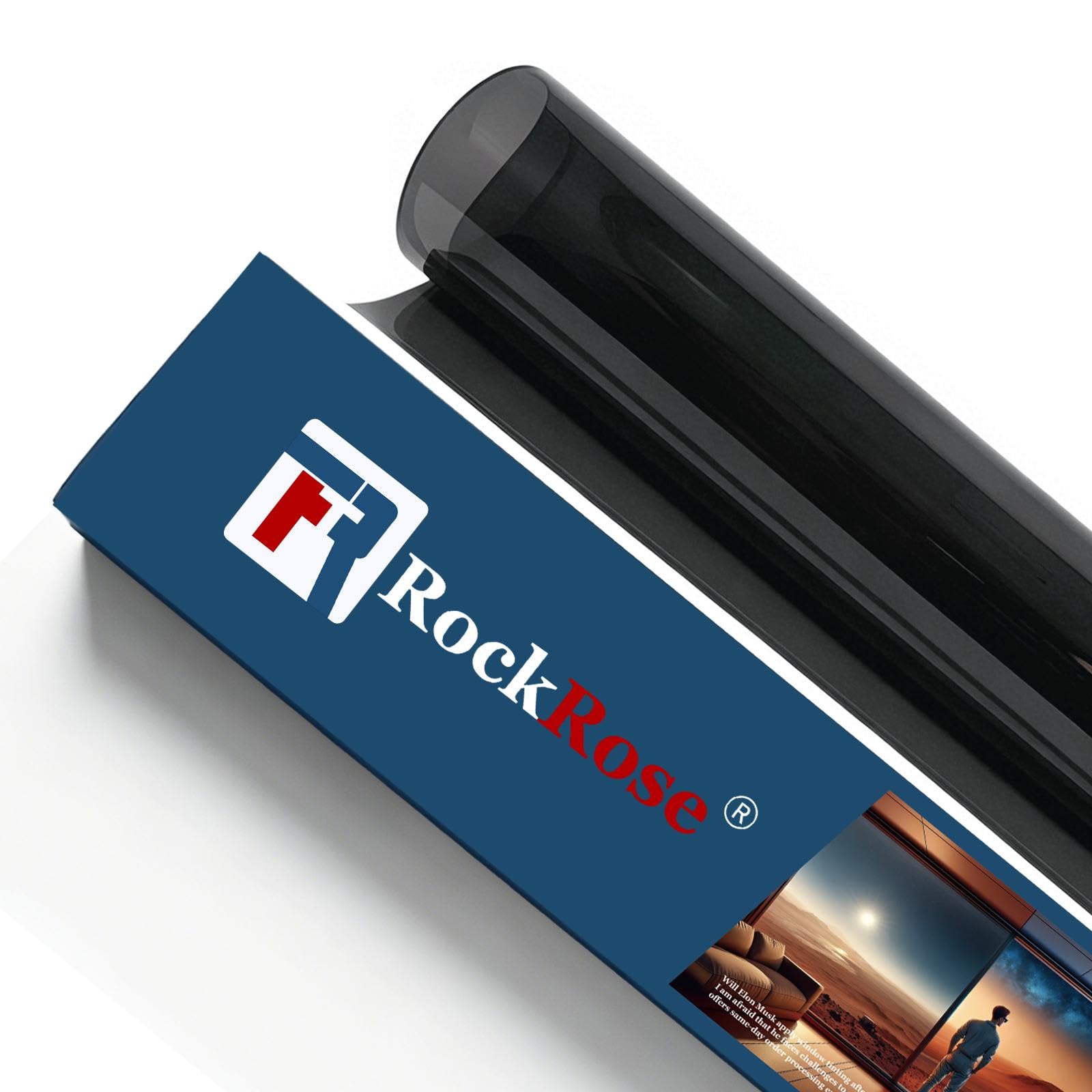
RockRose uses a true 2-ply carbon construction that delivers 55% infrared rejection and a matte blackout finish that experienced tinters consistently praise for its controlled shrinking behavior around rear defroster lines. The 200-square-foot coverage window (24 inches wide by 100 feet long) allows you to wrap a full-size SUV or a pickup crew cab with leftovers for a home screen door.
Multiple verified owners who have been tinting for over 20 years rank this as one of the easiest films to work with, noting that the adhesive activates predictably with wet application and does not lift after a heat gun pass. The 5% VLT shade produces the deepest privacy possible without the metallic shimmer that interferes with toll passes or garage remotes.
Though marketed as pro-grade, the film still requires careful trimming and a squeaky-clean glass surface to avoid trapped dust. It is noticeably thicker than budget rolls, which provides superior scratch resistance but demands a sharp blade for clean cuts along gasket edges.
Why it’s great
- 2-ply carbon layers resist scratches from frequent window wiping
- Smooth shrink behavior around compound curves like hatchback glass
- 99% UV block keeps dashboards from fading over multiple summers
Good to know
- Thick film requires a heat gun; a hair dryer alone may struggle on deep curves
- 1% and 5% shades are illegal for front windows in most states
2. United Window Tint Nano Carbon Film
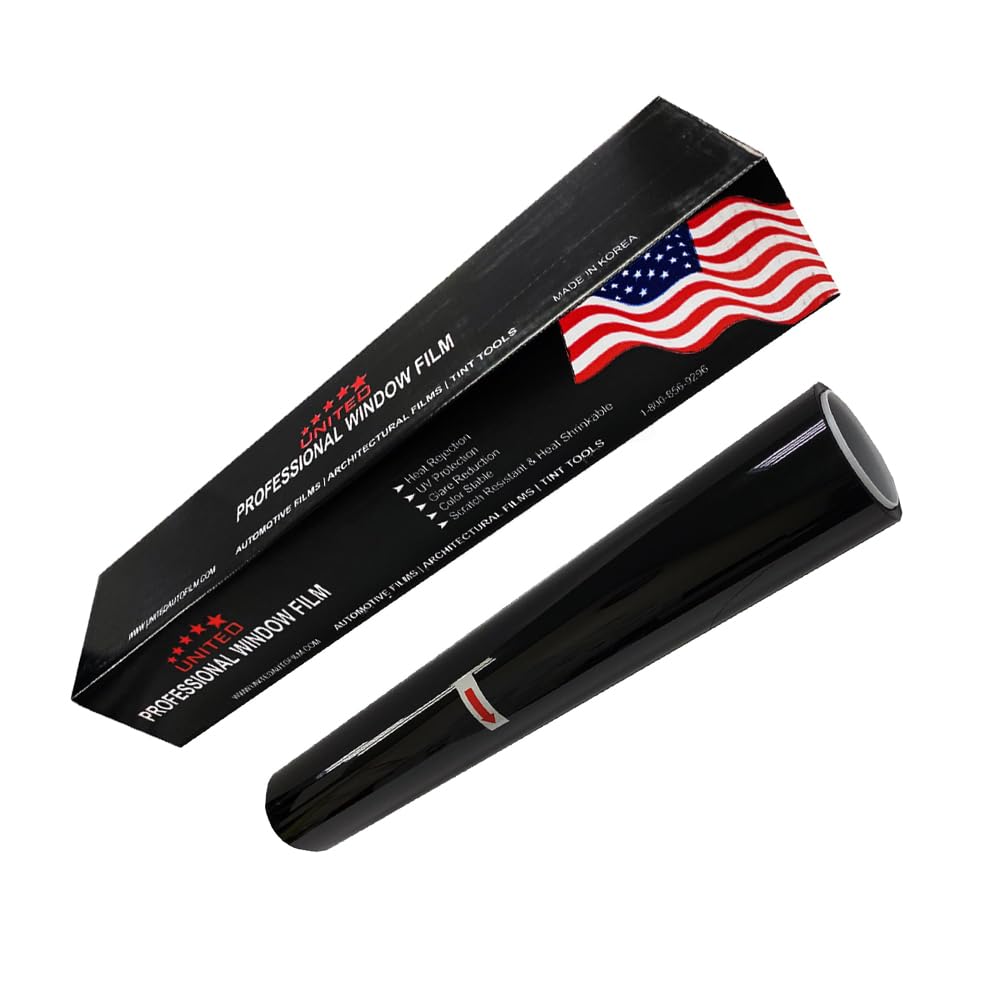
United Window Tint’s nano carbon roll hits a sweet spot with its 42% VLT — light enough to remain legal on front side windows in most jurisdictions while still cutting glare and blocking UV effectively. The 2-ply PET construction feels slightly thinner than the RockRose film, but reviewers report that it does not crease easily and actually bubbles out faster during squeegee passes.
What sets this roll apart is the wet/dry heat shrink ability. Owners have successfully applied it to home windows, truck flat glass, and even screen door inserts without the film lifting after a rain storm. The adhesive cures to a firm bond within 24 hours, and multiple users mention it stays put through automatic car washes — a common failure point for cheaper static-cling films.
One trade-off is the slightly narrower 20-inch width, which may force an extra seam on full-width rear windshields on larger SUVs. The film is also reported to have a mild mirror effect in direct sunlight, which some drivers find distracting from the inside on bright afternoons.
Why it’s great
- 42% VLT keeps you compliant in states with strict front-window limits
- Easy bubble removal during wet application reduces first-time mistakes
- Lifetime color stability prevents purple discoloration over time
Good to know
- 20-inch width may not cover full-width rear glass in one piece
- Thinner than premium 2-mil films, so careful with blade pressure
3. LuxeShade Premium Carbon Window Tint
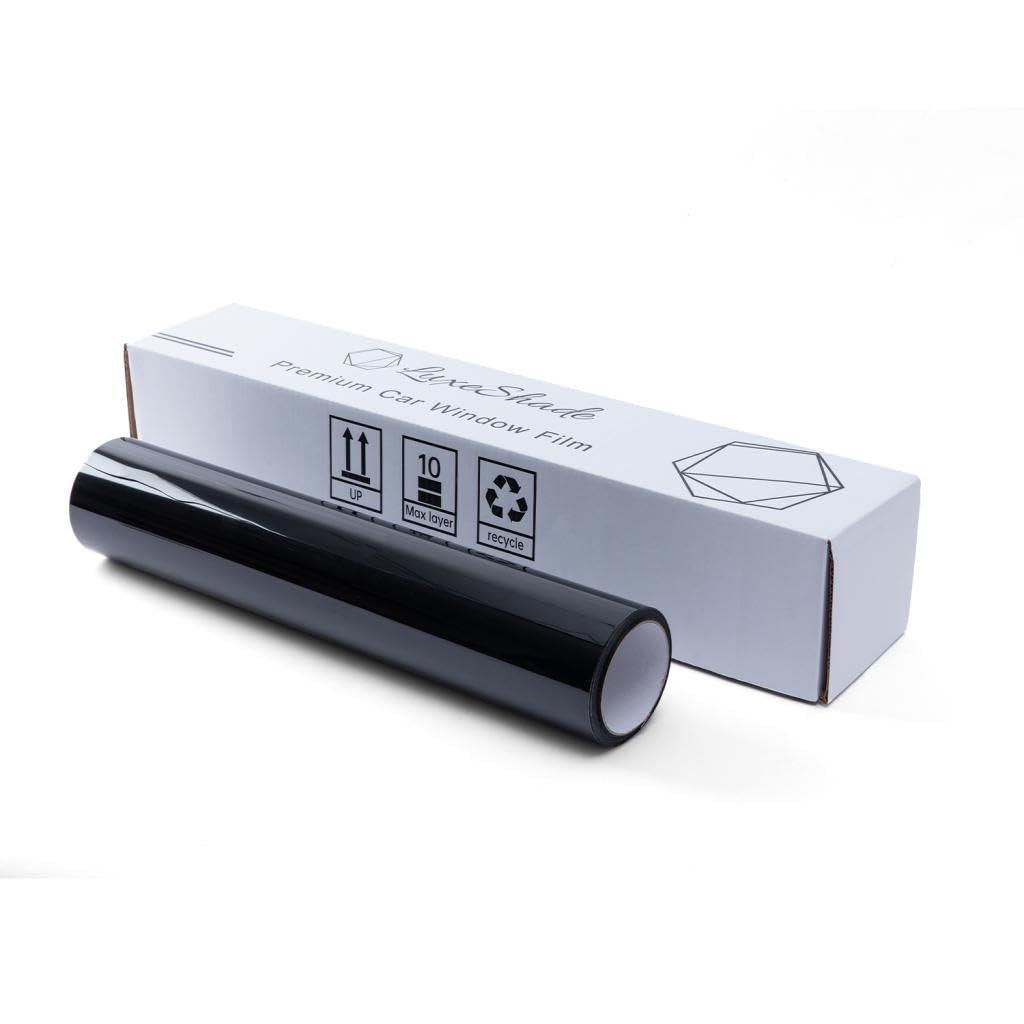
LuxeShade brings a 24-inch by 100-foot roll that uses carbon nano technology to block heat without introducing a metallic finish. The 2-mil, 2-ply structure gives it a solid hand feel that resists the kind of scuffs you get from rolling down a window after a fresh install. Verified buyers consistently describe the installation as straightforward enough for a DIY enthusiast to handle in an afternoon.
The 20% VLT variant provides a dark appearance that still keeps outward visibility usable during twilight hours. Multiple owners note that the film noticeably lowers cabin temperature during summer parking, which is a direct result of the carbon layer absorbing and dissipating infrared energy rather than just blocking visible light.
The main drawback is that the adhesive can feel tacky immediately upon peel, leaving less margin for repositioning compared to films with a slower-grab glue layer. A generous soapy water spray is essential to keep the film sliding during placement, and a hard card squeegee works better than a soft rubber one on this particular polyester top coat.
Why it’s great
- 2-mil thickness provides solid scratch defense during daily use
- Carbon layer does not interfere with GPS, satellite radio, or phone signals
- Generous 24-inch width fits most rear windows without a vertical seam
Good to know
- Adhesive grabs quickly, so precision alignment must happen fast
- Slightly more reflective on the exterior than true matte films
4. Hex Autoparts 2Ply Window Tint Roll
Hex Autoparts delivers a no-frills 2-ply roll that focuses on raw coverage length rather than fancy ceramic additives. The 20-inch by 100-foot format gives you enough material to tint a sedan, a crossover, and a boat windshield or two, making this a solid choice for fleet work or multi-vehicle households. The 1.8-mil thickness is right in the middle ground — thick enough to resist casual scratching but flexible enough to shrink around moderate curves.
Customer reports indicate that the first roll often goes down well, but quality control on the adhesive layer can be inconsistent: a minority of buyers have received rolls with wavy adhesive or pre-existing wrinkles that compromise the final finish. This is the main factor separating this film from the mid-tier options above it.
The 5% VLT shade delivers extreme privacy and near-blackout conditions, but you should pair it with lighter legal tinting on the front side windows to avoid attracting enforcement attention. Because this film lacks a ceramic layer, infrared rejection is lower than the premium options, so your interior will still warm up on direct-sun days, just at a slower rate than bare glass.
Why it’s great
- 100-foot length covers multiple vehicles or large residential windows
- 1.8-mil thickness provides a good balance of durability and workability
- Non-metallic construction keeps phone and navigation signals clear
Good to know
- Inconsistent adhesive quality on some rolls leads to edge lifting
- Lower heat rejection compared to ceramic or carbon nano films
5. PAMAGOO Ceramic Window Tint

PAMAGOO uses a static-cling installation method, which means there is no adhesive layer to worry about — the film bonds to the glass through static electricity alone. This makes it the most forgiving option for a first-time tinter because you can peel it off and reapply without leaving sticky residue. The nano ceramic coating blocks 95% of UV rays and 88% of infrared, which is competitive with entry-level adhesive films.
Owners report that the film has a slight bluish tint that gives the glass a cooler visual tone compared to traditional charcoal films. The 5-layer scratch-resistant coating holds up well against car washes and regular window operation. Multiple reviewers mention they achieved bubble-free results on flat side glass with just a squeegee and a spray bottle of water.
The trade-off with static-cling technology is long-term security: extreme temperature swings can cause the film to contract and peel away from the glass edges over time. And because there’s no adhesive, the film provides no shatter-resistance benefit — if the glass breaks, the film won’t hold shards together like an adhesive-based film will.
Why it’s great
- Static-cling application means zero adhesive mistakes or residue
- Nano ceramic layer blocks 95% of UV with no signal interference
- Scratch-resistant 5-layer coating holds up to daily window use
Good to know
- Edge adhesion can weaken in extreme heat or cold over several months
- No shatter-retention properties for safety glass protection
6. ARANA Ceramic Car Window Tint
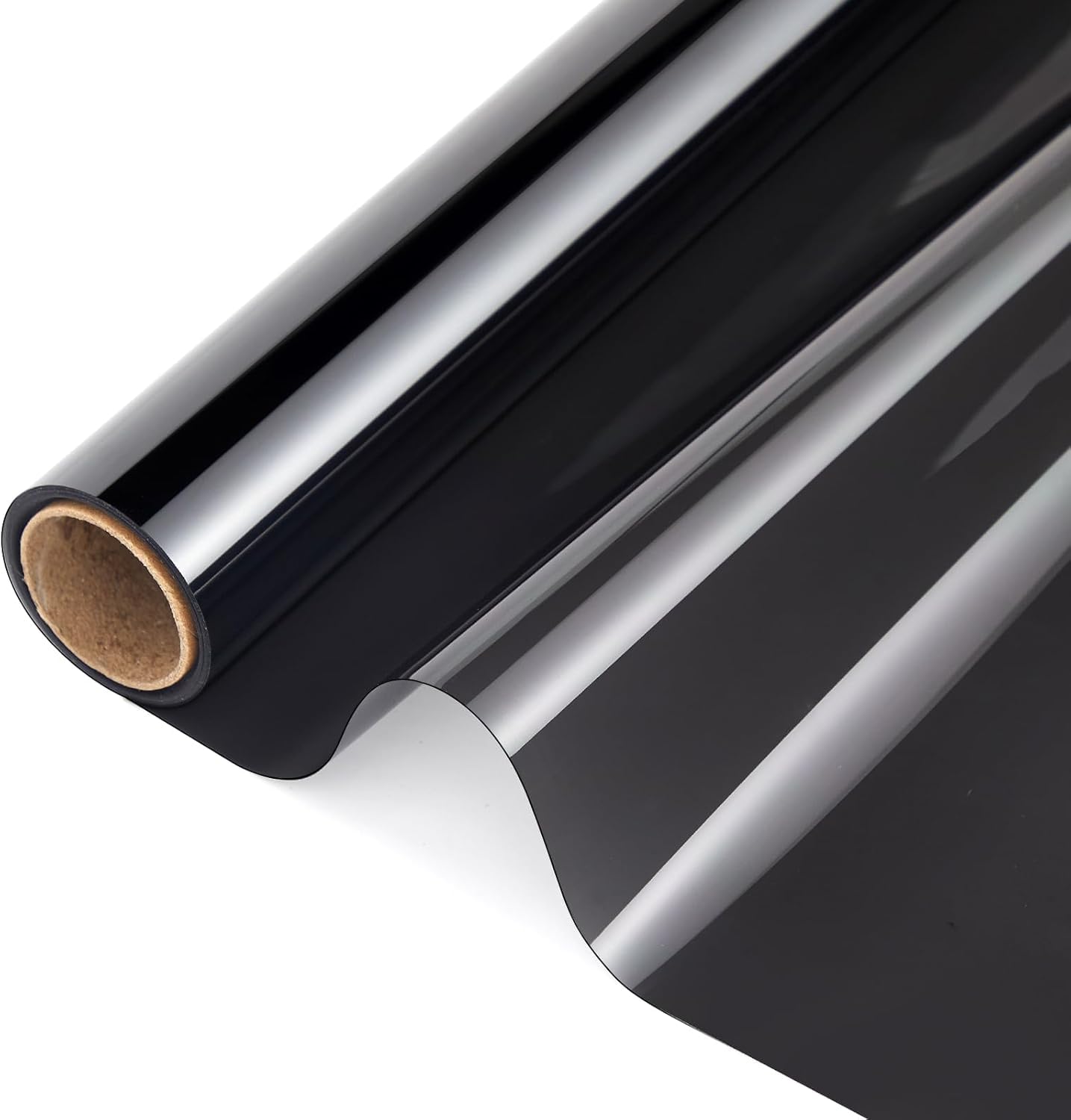
ARANA’s nano ceramic formula is engineered specifically to keep cellular, GPS, and satellite radio signals fully transparent — a common pain point with metallic-based films that can turn your car into a Faraday cage. The peel-and-stick adhesive layer is tacky enough to hold firm through car washes but still allows repositioning during the first few minutes of wet application.
The 5% VLT selection delivers limo-level darkness that owners say transforms the look of any sedan or SUV when paired with a lighter 20% or 35% shade on the front windows. Verified buyers consistently note that the heat reduction is noticeable immediately after installation, with the film cutting the sun’s intensity on their arms during long highway drives.
One caution: the film is thick enough to require a dedicated heat gun for rear window defroster lines and compound curves. Attempting to shrink the film with only a hair dryer can lead to creases that refuse to squeegee out. Also, the 20-foot roll length limits your coverage to a compact sedan — you will need two rolls for a full-size SUV or crew-cab pickup.
Why it’s great
- Ceramic composition keeps all in-car signals working at full strength
- 99% UV block protects leather seats and dashboard from fading
- Strong adhesive resists peeling even through automatic car washes
Good to know
- 20-foot roll is short; larger vehicles need multiple rolls
- Thick film requires a proper heat gun for complex curves
7. IAQWE Ceramic Window Tint
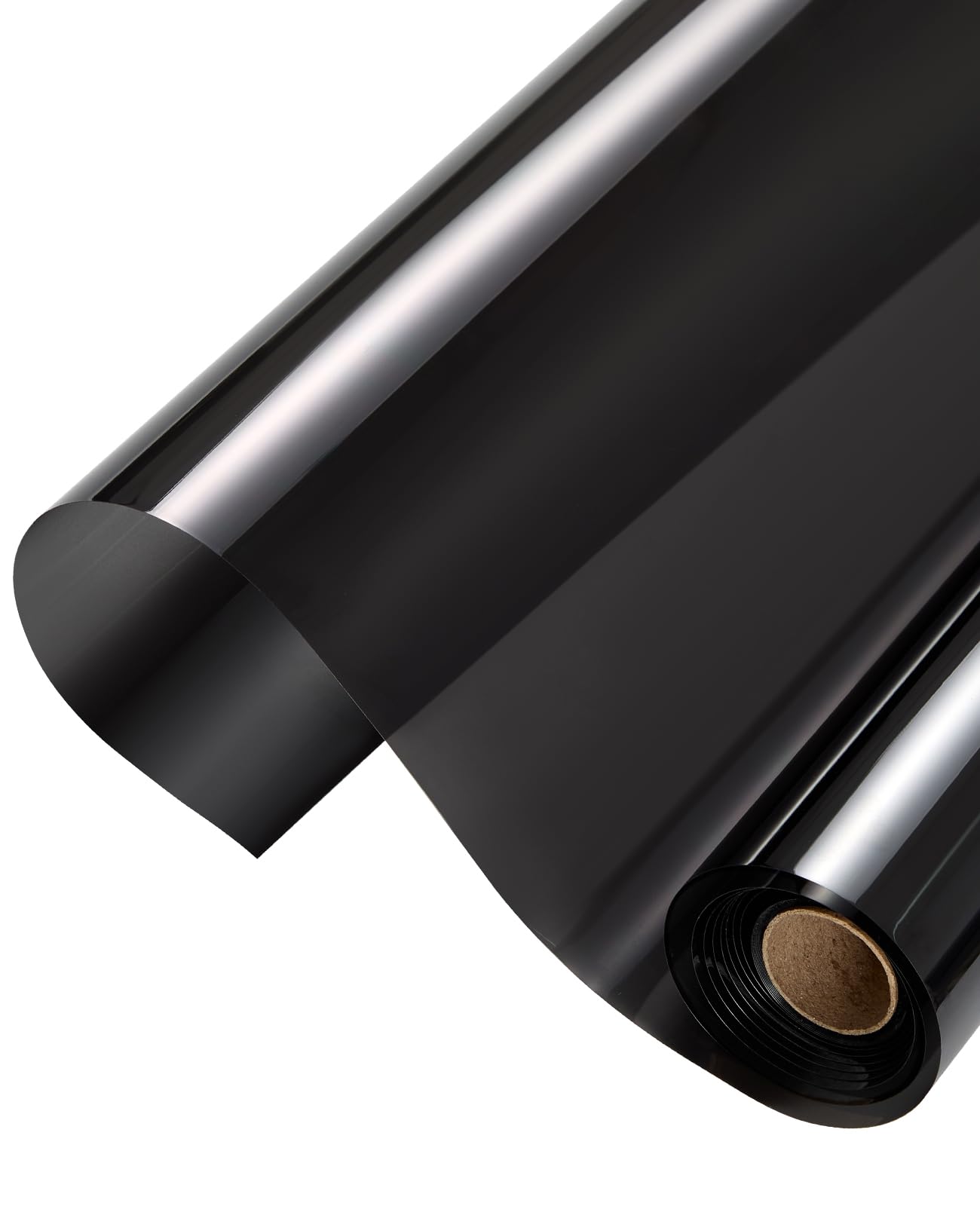
IAQWE targets the buyer who needs a legal tint for front side windows without sacrificing heat protection. The 35% VLT meets the front-window legal limit in most states while still cutting enough glare to make night driving less fatiguing. The nano ceramic construction blocks infrared heat effectively, and owners report that the film keeps their car noticeably cooler during the afternoon sun.
The film is on the thinner side compared to the premium 2-ply options, which makes it easier to cut and position around tight gaskets. Several DIY buyers mention that the adhesive is less aggressive than the ARANA film, giving you more time to slide the film into position before it locks down. The 20-inch by 20-foot roll covers a compact car or the side windows of a mid-size sedan with some material left over for practice cuts.
However, the thinner construction means the film scratches more easily during installation if you press too hard with a metal squeegee blade. Some users also note a slight light refraction at certain angles that gives the glass a mildly rainbow sheen immediately after install — this may fade as the adhesive cures over a week of sun exposure.
Why it’s great
- 35% VLT keeps front windows legal in nearly all US states
- Easy bubble-free adhesive gives beginners more sliding time during install
- 5-layer safety film provides shatter retention on impact
Good to know
- Thin film scratches easily; use a soft rubber squeegee only
- Initial rainbow-like refraction may appear before adhesive fully cures
FAQ
How do I prevent bubbles when installing window tint film?
Does 5% VLT tint really block cell phone reception?
How long should I wait before rolling down tinted windows?
Final Thoughts: The Verdict
For most users, the automotive window tint winner is the RockRose Premium Carbon because its 2-ply carbon structure provides the best combination of professional-grade workability, scratch resistance, and infrared rejection without blocking phone signals. If you need a legal front-window tint with easy install, grab the IAQWE 35% Ceramic. And for complete beginners who want a zero-commitment option, nothing beats the PAMAGOO static-cling film.