
A sluggish computer grinding through boot sequences and file transfers doesn’t require a complete replacement — often the single most effective upgrade is swapping out an old mechanical hard drive for a solid-state drive (SSD). The 250 GB capacity sweet spot offers ample room for your operating system, essential applications, and key files without the premium cost of larger drives, making it an ideal starting point for resurrecting aging laptops and desktops.
I’m Min — the co-founder and writer behind Gadgets Feed. After spending countless hours poring over datasheets, analyzing controller architectures and NAND flash types, and comparing real-world sequential read/write benchmarks across models, I’ve distilled what matters most when choosing a 250 GB internal SSD for your specific needs and budget.
Whether you are reviving a family laptop or upgrading a compact desktop, choosing the best 250 gb hard drive for your situation comes down to understanding the core differences between DRAM and DRAM-less designs, SATA interface limitations, and NAND quality tiers that directly impact everyday responsiveness.
How To Choose The Best 250 GB Hard Drive
Choosing a 250 GB internal SSD involves more than just picking the cheapest option. The controller type, NAND flash technology, and sequential read/write speeds directly affect how snappy your computer feels after the upgrade. Understanding these specs will help you avoid buying a drive that slows down significantly as it fills up.
DRAM vs. DRAM-less Controllers
A DRAM cache on the controller significantly accelerates random write performance and keeps sustained speeds consistent during heavy workloads. DRAM-less SSDs rely on host memory or SLC caching, which can lead to slower performance when transferring large files or after the cache fills up. If you plan on heavy multitasking or frequent large file transfers, prioritizing a drive with a dedicated DRAM buffer is worthwhile.
NAND Type: TLC vs. QLC
TLC NAND stores three bits per cell, offering a good balance between speed, endurance, and cost. QLC NAND stores four bits per cell, which lowers the price but also reduces write endurance and can slow down write speeds under sustained load. For an operating system drive, TLC NAND is generally recommended because it holds up better over years of daily writes and system updates.
Sequential Read and Write Speeds
For a SATA III interface, the practical ceiling is roughly 560 MB/s for sequential reads and 530 MB/s for sequential writes. Any drive advertising speeds near these numbers will deliver nearly identical boot and application loading performance. The differentiator lies in sustained write performance after the SLC cache is exhausted, which varies significantly between entry-level and premium models.
Quick Comparison
On smaller screens, swipe sideways to see the full table.
| Model | Category | Best For | Key Spec | Amazon |
|---|---|---|---|---|
| Samsung 870 EVO | Premium | Maximum reliability and sustained performance | 560/530 MB/s sequential R/W | Amazon |
| SanDisk SSD Plus | Premium | Shock-resistant durability and fast boots | 545/515 MB/s sequential R/W | Amazon |
| Kingston A400 | Mid-Range | Reliable budget option for non-intensive use | 500 MB/s sequential read | Amazon |
| Crucial BX500 | Mid-Range | Energy efficient upgrade for laptops | 540 MB/s sequential read | Amazon |
| PNY CS900 | Mid-Range | Compatibility with gaming consoles and NAS | 535 MB/s sequential read | Amazon |
| fanxiang S101 | Mid-Range | Exceptional value with TLC NAND longevity | 500 MB/s sequential read | Amazon |
| Vansuny 256GB | Budget | Affordable upgrade for older systems | 500/450 MB/s sequential R/W | Amazon |
In‑Depth Reviews
1. Samsung 870 EVO 250GB

The Samsung 870 EVO sits at the pinnacle of SATA SSD performance, leveraging the company’s in-house DRAM and 3D NAND to push the SATA III interface to its absolute limit. With sequential reads reaching 560 MB/s and writes hitting 530 MB/s, this drive delivers the fastest boot times and application loading you can get from a 2.5-inch drive. The inclusion of a DRAM cache ensures sustained write performance remains high even when transferring large files or under heavy multitasking loads.
Built with Samsung’s industry-defining reliability, the 870 EVO carries a 5-year limited warranty with a 600 TBW endurance rating, meaning you can write hundreds of gigabytes daily for years without degradation. It also includes Samsung Magician software for drive health monitoring, firmware updates, and performance optimization — a suite that adds real value for IT professionals and power users alike. The drive has been compatibility-tested across major chipsets, motherboards, NAS devices, and video recording systems.
User feedback consistently highlights flawless performance in demanding environments, from server RAID arrays to 8K video editing rigs. One reviewer noted it ran 15°C cooler than a traditional HDD while drawing 55-80% less power. The 870 EVO is the reference standard for anyone who prioritizes maximum reliability and sustained speed in their 250 GB boot drive, even if the price premium is higher than entry-level alternatives.
Why it’s great
- Best-in-class sequential speeds at the SATA limit
- Integrated DRAM cache for consistent write performance
- Comprehensive Samsung Magician software suite
- 5-year warranty with high 600 TBW endurance rating
Good to know
- Premium pricing compared to budget alternatives
- No advantage over lower-cost SSDs for basic boot tasks
2. SanDisk SSD Plus 250GB
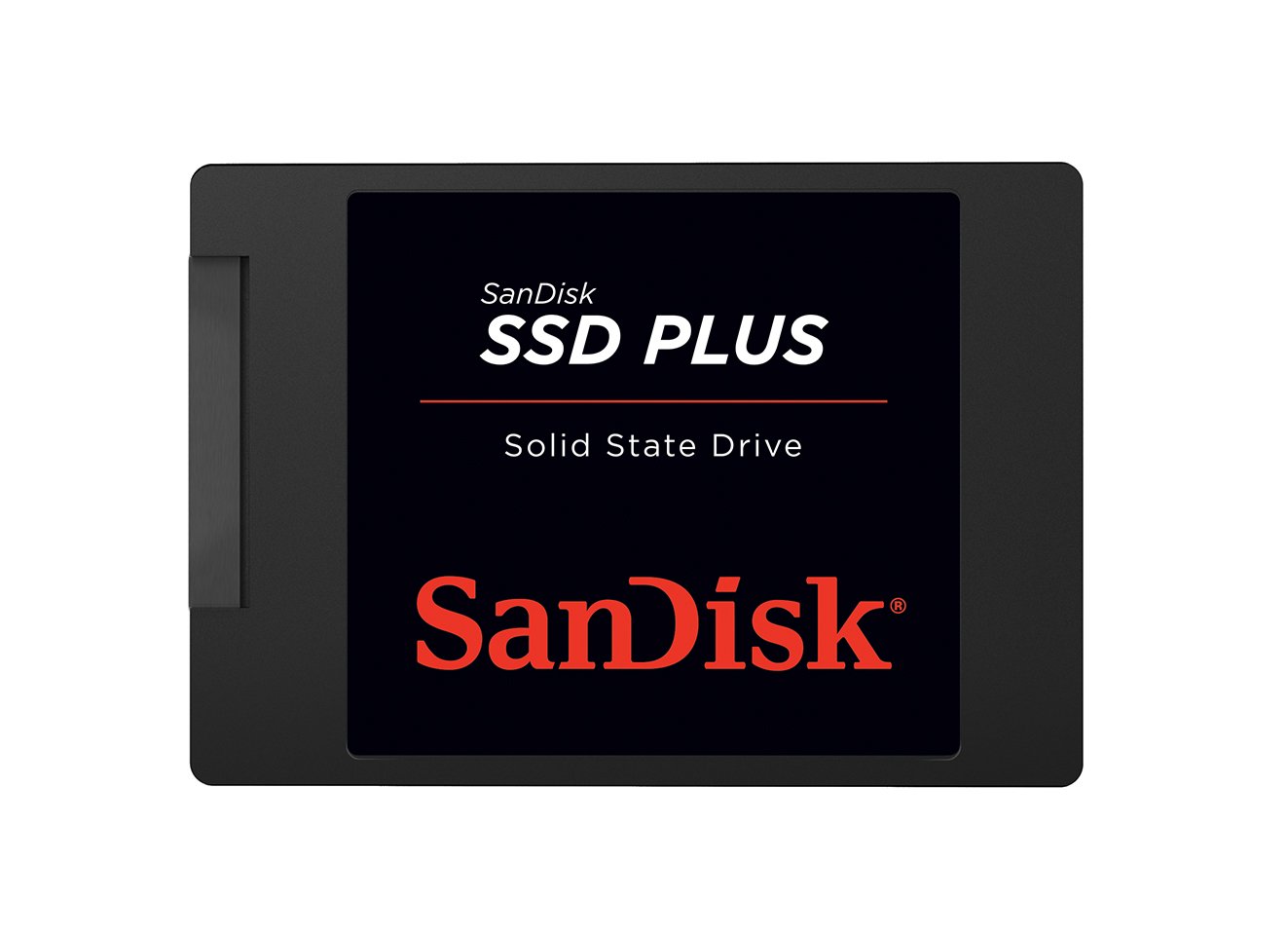
The SanDisk SSD Plus delivers near-flagship sequential speeds of 545 MB/s read and 515 MB/s write, positioning it comfortably in the upper tier of SATA III performance. This drive is engineered for easy upgrades with shock-resistant construction, making it a strong candidate for laptops that see frequent travel. The 2.5-inch 7mm form factor fits almost any notebook or desktop bay without adapter needs.
Performance data from user deployments shows consistent read speeds that match the SATA ceiling, with write speeds that are competitive for daily OS and application use. The drive uses SanDisk’s own 3D NAND memory, a key factor in its pricing and reliability profile. While it lacks a dedicated DRAM cache, the SLC caching algorithm performs admirably for typical workloads like booting Windows, launching applications, and transferring documents.
Real-world reports from modders and system builders confirm the SanDisk SSD Plus performs perfectly in devices ranging from modded retro consoles to security camera DVRs. One reviewer paired it with a modded PS2, citing silent operation and no compatibility issues. It is an excellent mid-premium option that balances high read speeds, physical durability, and a brand name with a strong track record.
Why it’s great
- Top-tier sequential read speed of 545 MB/s
- Shock-resistant design for portable reliability
- Wide compatibility with laptops and desktops
- Excellent value for near-premium performance
Good to know
- DRAM-less controller may slow under sustained writes
- No proprietary cloning software included
3. Kingston A400 240GB

The Kingston A400 has long been a community favorite for breathing new life into older systems, and its 240 GB variant continues that legacy. Sequential read speeds hover around 500 MB/s, with writes reaching up to 450 MB/s for single files, though mixed workload performance drops to 280-350 MB/s after the SLC cache fills. This is a DRAM-less design that prioritizes affordability above raw sustained throughput.
Construction quality is solid, featuring a stainless steel enclosure that provides better heat dissipation than plastic-shelled alternatives. The drive is compatible with both laptop and desktop SATA bays and supports Windows, Linux, and Mac OS without driver issues. Its 80 TBW endurance rating is modest, but perfectly adequate for a boot drive handling daily web browsing, document editing, and email.
User reviews frequently highlight how the A400 revived old laptops that were previously unusable. One reviewer successfully resurrected a 2013 HP laptop, transforming boot times from several minutes to under ten seconds. Another noted their unit still showed 95% health after years of service. For budget-conscious users seeking a reliable upgrade without spending on premium features, the Kingston A400 remains a smart and proven choice.
Why it’s great
- Proven reliability with many long-term positive reviews
- Ideal for reviving older laptops
- Stainless steel enclosure for better heat management
- Low power consumption and silent operation
Good to know
- DRAM-less design with lower sustained write speeds
- Modest 80 TBW endurance rating
4. Crucial BX500 240GB

The Crucial BX500 delivers 540 MB/s sequential read speeds using Micron 3D NAND, the same company behind Crucial’s parent manufacturing. This drive is specifically engineered for energy efficiency, claiming 45 times lower power consumption than typical hard drives, directly improving laptop battery life. The 2.5-inch 7mm form factor makes it a drop-in replacement for most notebooks without clearance issues.
Performance consistency is decent for a DRAM-less design, with Micron’s NAND and controller optimization providing reliable boot and application loading speeds. The drive comes in Crucial’s Frustration-Free Packaging and includes a 3-year warranty. Sequential write speeds are competitive within its price bracket, though sustained transfers beyond its SLC cache will see a performance drop, typical for drives in this class.
User experiences are overwhelmingly positive, with many reporting sub-15-second boot times on mid-range laptops. One user celebrated transforming their 2018 laptop from a sluggish performer to a snappy daily driver. Another noted the BX500 runs warm under heavy load but remains stable. It is an excellent mid-range option for users prioritizing energy savings and reliable performance from a reputable memory manufacturer.
Why it’s great
- High 540 MB/s sequential read speeds
- Exceptional energy efficiency for longer battery life
- Backed by Micron 3D NAND manufacturing expertise
- Silent operation with no moving parts
Good to know
- DRAM-less design affects sustained write performance
- Can run warm under heavy workloads
5. PNY CS900 250GB

The PNY CS900 offers sequential read speeds of up to 535 MB/s and writes of 500 MB/s, placing it near the top of the SATA III performance spectrum. It features a 3D NAND flash memory enclosure and is backwards compatible with SATA II 3Gb/s interfaces, making it a flexible upgrade for older systems that may not support the latest SATA standard. Its ultra-low power consumption and silent operation are typical of modern SSDs.
Beyond standard PC upgrades, the CS900 has found a niche in the console and smart home ecosystem. User reports confirm it works perfectly with the Eufy HomeBase 3 for home security camera storage, as it draws 5V at 1.0A within specification. The drive was also successfully used as a PS4 SSD replacement, delivering faster level loads and eliminating cutscene lag.
User feedback consistently praises the CS900 for its price-to-performance ratio and reliability, with one reviewer noting it performs on par with Samsung and WD SSDs in boot and application load scenarios. The hardware encryption feature adds a layer of data security for sensitive files. It is a compelling mid-range choice that offers premium-level read speeds and broad device compatibility.
Why it’s great
- Near-premium sequential read speeds (535 MB/s)
- Works with gaming consoles and smart home hubs
- Hardware encryption support for data security
- Backwards compatible with older SATA II systems
Good to know
- Budget model lacks high endurance ratings
- Thin 2.5-inch profile may need extra padding in some drive bays
6. fanxiang S101 250GB

The fanxiang S101 is a standout in the value segment because it uses 3D NAND TLC chips rather than the cheaper QLC found in many competitors at this price level. TLC NAND provides a significantly longer write lifespan, making this drive a more durable choice for an operating system that constantly writes temporary files and logs. Sequential read speeds reach 500 MB/s, delivering fast boot times and application launches.
Compatibility is broad, supporting desktops, laptops, and even Xbox Series S/X consoles through the SATA interface. The drive runs cool and quiet, a direct benefit of its power-efficient NAND design. Fanxiang backs the S101 with a 3-year quality assurance, offering peace of mind for a mid-range investment. It also reads at 530 Mb/s, which comfortably saturates the SATA III interface for most everyday tasks.
Real-world feedback highlights the massive speed boost users experience when upgrading from an old HDD. One reviewer reported transforming a coworker’s failing HDD-based PC into a responsive machine. Another noted zero issues over six months of heavy use including 1080p video playback. For buyers seeking TLC reliability without paying premium prices, the fanxiang S101 is an exceptional value proposition.
Why it’s great
- TLC NAND offers superior write endurance over QLC
- Competitive 500 MB/s sequential read speeds
- Compatible with Xbox Series S/X in addition to PCs
- 3-year quality assurance provides buyer confidence
Good to know
- Some units reported failure after a few months
- Enclosure is made of polycarbonate, not metal
7. Vansuny 256GB SATA III

The Vansuny 256GB SATA III SSD is an entry-level drive that still manages 500 MB/s sequential reads and 450 MB/s sequential writes, using advanced 3D NAND flash technology. It is built with a premium ABS casing that aids heat dissipation and is shockproof, ensuring stable performance in laptops that get moved around. The 2.5-inch form factor fits most desktops and PCs seamlessly.
This drive is designed for versatile use cases including gaming, graphic design, and video editing, though its DRAM-less architecture will limit sustained write performance during long editing sessions. It supports major operating systems including Windows, Linux, and Mac OS. The Vansuny also includes a data recovery service, a thoughtful addition rarely found at this entry point.
User reviews consistently praise the Vansuny as a great budget SSD that delivers the same core benefits as more expensive drives. One user reported running it for a year in a gaming PC without issues. Another noted it made an older computer feel much faster than a traditional spinning disk. It is the perfect entry-level choice for anyone on a tight budget who still wants a tangible speed improvement from their storage upgrade.
Why it’s great
- Very affordable entry price for SSD upgrade
- Competent 500/450 MB/s read/write speeds
- Shockproof ABS casing for physical protection
- Includes data recovery service option
Good to know
- DRAM-less design slows sustained writes
- Plastic enclosure, not metal
FAQ
What is the real-world difference between a 250 GB SSD and an HDD for boot speeds?
Can I use a 250 GB SATA SSD with a system that only supports SATA II?
Do I need to install any drivers for a 250 GB SATA SSD in my desktop or laptop?
Final Thoughts: The Verdict
For most users, the best 250 gb hard drive winner is the fanxiang S101 because it offers TLC NAND longevity at a competitive mid-range price, delivering excellent boot and application speeds without the risk of QLC wear-out. If you want absolute peak performance and a 5-year warranty for demanding workloads, grab the Samsung 870 EVO. And for the best pure value on a tight budget, the Vansuny 256GB still delivers a massive speed increase over any mechanical drive.