
Yellow jackets building a nest under your deck steps. Carpenter bees drilling into your porch fascia. Ground bees turning your lawn into a minefield. The wrong spray just aggravates them, and a swarm response is the last thing you need when you’re holding a can. What you actually need is a bee killer that matches the specific threat — one that delivers knockdown speed, safe standoff distance, and a delivery mechanism that reaches deep into the nest cavity without leaving you exposed.
I’m Min — the co-founder and writer behind Gadgets Feed. I’ve spent hundreds of hours combing through chemical formulations, user application data, and nozzle reach specs to isolate which bee killers actually perform under real infestation pressure, separating the aerosol novelties from the genuine colony-enders.
Six years of integrated pest management research inform this guide, so you know exactly which formula, active ingredient, and nozzle type delivers the knockout for your specific stinging insect problem when you choose the best bee killer.
How To Choose The Best Bee Killer
Not all bee killers are created equal. The right choice depends on whether you’re dealing with above-ground wasp nests, underground yellow jacket colonies, or solitary carpenter bees boring into wood. You need to match the application method — aerosol stream, expanding foam, or residual dust — to the specific nesting behavior of the insect.
Active Ingredient: The Real Knockdown Power
Prallethrin and cyfluthrin deliver near-instant neurotoxin paralysis on contact, ideal for when you’re staring down an active nest. Permethrin-based formulations offer a slower knockdown but provide longer residual protection, making them better for dust treatments inside wall voids or ground holes. Plant-based formulations like those using botanical extracts sacrifice speed for safety around pets and children, so calibrate your choice to the exposure risk of the application zone.
Delivery Method: Stream, Foam, or Dust
Aerosol streams that shoot 20 feet or more let you treat eaves and soffits from a safe distance, but they only hit what they touch. Foaming aerosols expand to fill the nest cavity, coating interior walls and reaching hidden queens — critical for underground yellow jackets or carpenter bee tunnels. Insecticidal dust, applied with a puffer, stays in place for weeks, allowing returning foragers to carry the poison back into the colony for full eradication.
Standoff Distance and Safety
Every foot of standoff distance reduces your sting risk exponentially. Look for cans labeled with a minimum 15-foot spray reach for elevated nests. Foam products typically shoot 10–12 feet, but the expansion compensates by filling the nest void. Never use a close-range spray on an active aerial nest — you’ll be within swarming distance before the first insect drops.
Quick Comparison
On smaller screens, swipe sideways to see the full table.
| Model | Category | Best For | Key Spec | Amazon |
|---|---|---|---|---|
| BASF PT Wasp-Freeze | Aerosol | Instant knockdown of aerial nests | Prallethrin 0.1%; 15 ft reach | Amazon |
| Atticus Tirade 1% Dust | Dust | Residual control of ground nests | 1% Cyfluthrin; 1.25 lb bottle | Amazon |
| Spectracide Foaming Aerosol | Foam | Expanding foam for cavities | Foam expands into nest voids | Amazon |
| GORDON’S Permethrin 10 | Concentrate | Large-area perimeter treatment | 10% Permethrin; 32 oz concentrate | Amazon |
| Spectracide Wasp & Hornet Killer | Aerosol | Long-range aerial nest treatment | Sprays up to 27 feet | Amazon |
| Bonide Spider & Ground Bee Killer | Dust | Ground bee and yellow jacket holes | 0.25% Permethrin; 2x 10 oz | Amazon |
| STEM Kills Wasps & Hornets | Botanical | Pet-safe outdoor treatment | Plant-based active; 10 oz | Amazon |
In‑Depth Reviews
1. BASF PT Wasp-Freeze Insecticide (2 Pack)

The BASF PT Wasp-Freeze is the gold standard for instant knockdown, and for good reason. Its 0.1% prallethrin formulation drops wasps in 5–10 seconds on contact — even mid-flight — and the aerosol stream reaches a full 15 feet with a flame projection over 18 inches that won’t flash back. The 14-ounce two-pack gives you two full treatments, each can capable of handling one large nest or two smaller ones.
What separates this from cheaper sprays is the pheromone suppression technology. When a wasp is killed normally, it releases an alarm pheromone that attracts nestmates, escalating the attack. PT Wasp-Freeze is formulated to prevent that release, meaning you can treat a nest without triggering a swarm response. The residual activity also ensures any returning foragers that missed the initial blast die within hours.
One note: the spray can stain asphalt and shingles, so avoid oversaturation on finished surfaces. Some users report the can empties faster than expected on large nests, so buying the two-pack is the smart move. For anyone facing an active aerial nest and needing a guaranteed kill without the stinging aftermath, this is the professional-grade answer.
Why it’s great
- Instant knockdown within seconds, even on flying wasps
- Pheromone suppression prevents swarm triggering during treatment
- 15-foot stream provides safe standoff distance for elevated nests
Good to know
- May stain asphalt shingles and painted surfaces if oversaturated
- Cans empty relatively fast; the two-pack is essential for coverage
2. Atticus Tirade 1% Cyfluthrin Dust
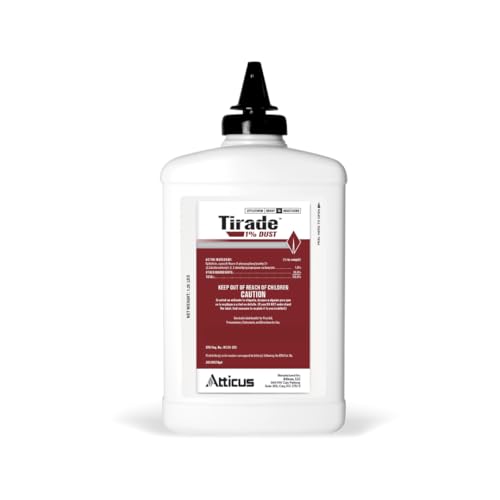
When aerosol sprays fail — and they will fail against ground-nesting yellow jackets or deep wall-void carpenter bees — the Atticus Tirade Dust is the weapon you switch to. This 1% cyfluthrin powder stays active for weeks in dry conditions, and when applied with a duster puffer into nest openings, it coats the interior surfaces that sprays can’t reach. The foragers track the dust back into the colony, and within 72 hours the entire nest is eliminated.
Users confirm this dust worked where “sprays didn’t work and traps didn’t work” against yellow jacket nests inside dead trees and underground colonies. The 1.25-pound bottle provides enough material to treat dozens of ground holes or wall cavities — far more economical per application than aerosol cans. It kills over 50 household insect species including ants, roaches, and spiders, making it a versatile perimeter defense tool.
The dust is low-odor and non-staining, so it won’t leave visible marks on siding or wood. However, you need a bulb duster or bellows to apply it effectively; simply shaking the bottle into a hole wastes most of the product. California, Alaska, Hawaii, Puerto Rico, and Vermont residents cannot purchase this formulation due to state registration restrictions.
Why it’s great
- Long residual: stays active for weeks, killing returning foragers
- Dust penetrates deep into cavities that liquid sprays can’t reach
- Kills 50+ insect species; versatile for perimeter and indoor use
Good to know
- Requires a duster or puffer for effective application
- Not available for sale in CA, AK, HI, PR, or VT
3. Spectracide Carpenter Bee & Ground-Nesting Yellowjacket Killer Foaming Aerosol (3 Pack)

The Spectracide Foaming Aerosol solves a critical problem that liquid sprays can’t touch: reaching the hidden queen. When you spray this foam into a carpenter bee hole or a ground nest opening, it expands and fills the entire cavity, coating every tunnel wall and occupant. The foam consistency means it stays in place rather than draining out, delivering a lethal dose even if you don’t see the nest’s full extent.
For ground-nesting yellow jackets, users report the foam penetrates to the colony where “other products that only treat the surface” fail. The included extension tube lets you direct the foam precisely into a half-inch drilling hole without overspray.
On the downside, the foam does not deliver instant knockdown on contact — carpenter bees were observed shaking off the initial application and returning. You need patience and possibly reapplication for stubborn colonies. The three-pack is priced fairly per can, making it economical for multiple nest sites around a property.
Why it’s great
- Expanding foam fills entire nest cavity for complete colony coverage
- Extension tube allows precise application into small carpenter bee holes
- Works on both ground-nesting yellow jackets and wood-boring bees
Good to know
- Not instant knockdown; bees may shake off initial foam and return
- May require 2–3 applications for fully established carpenter bee galleries
4. GORDON’S Permethrin 10 Livestock & Premise Spray

GORDON’S Permethrin 10 is not a point-and-spray bee killer — it’s a concentrated solution you dilute and apply with a pump sprayer for large-area barrier treatments. The 10% permethrin formulation, when mixed at the label rate, creates a residual barrier that kills bees, wasps, and yellow jackets that cross the treated zone for weeks. It’s the right choice if you have a recurring infestation across a large yard, barn, or property perimeter.
Users report exceptional results treating for ticks on hiking clothes and flies in livestock barns, noting the milky-white mixture leaves no strong chemical smell and is safe around chickens and horses when used as directed. For ground bees specifically, a perimeter spray around the foundation and lawn edges intercepts foraging workers before they establish new colonies. A single quart of concentrate makes up to 32 gallons of finished spray.
The trade-off is that this is not a one-can solution — you need a sprayer, you need to mix it, and you need to apply it systematically. It’s also slower-acting than aerosol knockdown products, relying on the insect contacting the dried residue rather than instant neurotoxin paralysis. But for cost-per-square-foot and long-term prevention, nothing in this guide touches it.
Why it’s great
- Extremely economical: 1 quart makes up to 32 gallons of finished spray
- Long residual barrier: kills for weeks after drying on surfaces
- Versatile for livestock, pets, and perimeter tick/bee control
Good to know
- Requires mixing and a pump sprayer; not a ready-to-use aerosol
- Slower knockdown than prallethrin-based contact sprays
5. Spectracide Wasp and Hornet Killer Aerosol, 20-Ounce, 3-Pack

The Spectracide Wasp and Hornet Killer delivers the longest spray reach in this guide at a full 27 feet — a critical safety margin when you’re treating a nest tucked under a second-story eave or in a tall tree. The 20-ounce cans in a three-pack give you plenty of volume for multiple large nests, and the contact kill is immediate: “instantly it killed them as I stood far away and sprayed,” one user reports of a porch infestation that had already stung family members.
The aerosol stream produces a wet, foamy residue that soaks through the nest material and eliminates the colony on contact. It’s formulated specifically for wasps, hornets, and yellow jackets — not a general-purpose insecticide. The three-pack pricing brings the per-can cost down to budget-friendly territory while maintaining professional-grade knockdown speed. Users consistently confirm it works “exactly like the label says” with no messing around.
However, this is strictly a contact killer — there is no significant residual activity. What you hit dies, but wasps that return after the spray dries survive. For single nests you can reach and soak completely, it’s perfect. For hidden or inaccessible nests, you’ll need a dust or foam product that stays active after application.
Why it’s great
- Industry-leading 27-foot spray reach for maximum standoff safety
- Immediate contact kill; drops wasps before they react
- Three-pack provides generous volume for multiple nest treatments
Good to know
- No residual activity; returning wasps after spray dries survive
- Not effective for ground-nesting colonies where nest is hidden
6. Bonide 363 Spider and Ground Bee Killer, 2 Pack of 10 oz

For ground bees specifically — those solitary bees that dig dime-sized holes in your lawn — Bonide 363 is the targeted solution. The 0.25% permethrin dust, delivered through a snorkel tube applicator, lets you puff the powder directly into ground holes without inhaling the product yourself. Users with severe ground bee infestations report that using “only part of the bottle” eliminated the colony within a single day, with no recurrence.
The two-pack of 10-ounce bottles provides ample coverage for multiple ground nests or larger yellow jacket colonies in ground cavities. The dust formulation is critical here because liquid sprays just run down the hole without coating the tunnel walls. The dust clings to bee bodies as they exit and enter, carrying the poison deep into the nest where it wipes out the entire colony within 24-48 hours.
One caveat: this is a dust, not a spray. Users expecting a wet aerosol blast may be surprised by the dry, puffy output. The snorkel applicator works well, but for deeper ground holes you may need to insert the tube fully and pump several times to get adequate coverage. Also, this product is labeled primarily for spiders and ground bees — for large yellow jacket colonies, the Atticus Tirade dust offers a higher cyfluthrin concentration.
Why it’s great
- Dry dust formulation is perfect for ground holes where liquids drain away
- Snorkel tube applicator keeps your face away from the application point
- Fast-acting: users report colony elimination within one day
Good to know
- Only 0.25% permethrin; less potent than high-concentration dusts for large colonies
- Dust output may be underwhelming if you expect a soaking spray
7. STEM Kills Wasps, Hornets and Yellow Jackets: Plant-Based Active Ingredient

The STEM plant-based spray is the only option in this guide that uses botanical extracts as its active ingredient, making it the clear choice for households with pets or children where aerosol drift is a concern. It kills wasps, hornets, and yellow jackets with a fresh botanical scent — no harsh chemical odor — and no added dyes or fragrances. Users report that it “definitely works” on paper wasp nests, with nests emptying and wasps dead within hours of treatment.
The spray reaches a respectable distance and the nozzle produces a focused stream that can hit elevated nests. The oily residue it leaves behind continues to kill insects that contact it after the initial spray, providing a mild residual effect. Users have also found it effective on stink bugs, leaf-footed bugs, and flies — making it a multi-pest tool for the organic-leaning homeowner. The 10-ounce can is compact, which is convenient for quick jobs but means it runs out faster than larger cans.
The botanical formulation is less potent than synthetic pyrethroid sprays. Users note that knockdown takes a few minutes rather than instant paralysis, and the oily residue can stain surfaces like composite decking or camera lenses if oversprayed. For light infestations where safety is the priority, this is a solid choice — but for aggressive, large nests, you’ll want the faster chemical knockdown of the BASF or Spectracide options.
Why it’s great
- Plant-based formula is safer around pets and children when used as directed
- No harsh chemical odor; fresh botanical scent during application
- Oily residue provides mild residual killing effect after initial spray
Good to know
- Slower knockdown than synthetic pyrethroid-based sprays
- Oily residue may stain composite decking, camera lenses, and painted surfaces
FAQ
Can I use a bee killer spray on a nest during the day?
Is dust or foam better for carpenter bees in my deck?
What is the safe standoff distance for treating an elevated wasp nest?
Do plant-based bee killers work as well as chemical ones?
How long does residual insecticidal dust stay effective in a ground nest?
Final Thoughts: The Verdict
For most users, the bee killer winner is the BASF PT Wasp-Freeze because its 0.1% prallethrin delivers instant knockdown with pheromone suppression, making it the safest and most effective choice for visible aerial nests. If you need long-term residual control for ground-nesting yellow jackets or carpenter bee tunnels, grab the Atticus Tirade 1% Cyfluthrin Dust. And for pet-safe outdoor treatment around the yard, nothing beats the STEM Plant-Based Spray.