
Macarons are notoriously finicky. That perfect smooth dome, the delicate foot, the slight chew — it all hinges on a single ingredient more than any other: the almond flour. The wrong grind, the wrong moisture content, or flour that hasn’t been blanched properly will sabotage your batch, turning your efforts into cracked, hollow shells.
I’m Min — the co-founder and writer behind Gadgets Feed. I’ve spent countless hours comparing particle sizes, protein contents, and moisture levels across dozens of almond flour brands, analyzing customer reports and technical specs to find which flours consistently deliver the structure macarons demand.
Whether you’re a home baker chasing that first perfect batch or a pastry enthusiast refining your technique, choosing the right flour is non-negotiable. This guide breaks down the best options to help you find the ideal almond flour for macarons that gives you reliable, beautiful results every time.
How To Choose The Best Almond Flour For Macarons
Not all almond flours are created equal. A bag that works wonderfully for pancakes or pie crusts can be a disaster for macarons. Here are the three things that matter most in this narrow category.
Grind Size and Sifting
The single most important spec for macarons is particle size. Extra-fine, consistently ground flour creates a smooth batter that pipes cleanly and forms a seamless top shell. Coarser grinds cause lumps, clog piping tips, and produce bumpy, cracked surfaces. Always look for “extra-finely ground” or “finely sifted” on the label. Plan to sift your flour again at home anyway — it is a non-negotiable step for removing any larger particles.
Blanched vs. Natural (With Skin)
Macarons demand blanched almond flour. Blanching removes the brown skin, resulting in a pale, neutral-colored flour that allows your food coloring to shine true. Natural almond flour, made with the skin on, produces speckled, darker shells and a slightly rougher texture that disrupts the signature smooth finish. Always pick blanched flour for classic French macarons.
Moisture and Fat Content
Almonds are naturally oily. Some flours have a higher fat content than others, which can make the macaronage phase unpredictable. High moisture content (often a sign of stale or improperly stored flour) can lead to hollow shells or batter that is too wet. Stick with fresh, sealed bags from reputable brands and store your flour in the refrigerator to keep the fat stable and the moisture low.
Quick Comparison
On smaller screens, swipe sideways to see the full table.
| Model | Category | Best For | Key Spec | Amazon |
|---|---|---|---|---|
| Anthony’s Blanched Almond Flour | Extra-Fine | Serious Macaron Baking | 5 lb bag, extra-finely ground | Amazon |
| Blue Diamond Almond Flour | Finely Sifted | Everyday Baking & Macarons | 1 lb, finely sifted blanched | Amazon |
| 365 by Whole Foods Market | Finely Ground | Bulk Paleo & Macaron Use | 32 oz, 100% California almonds | Amazon |
| Pure Original Ingredients | Extra Fine | Pure Ingredient Baking | 1 lb, blanched, no additives | Amazon |
| King Arthur Almond Flour | Premium Quality | Reliable Gluten-Free Baking | 16 oz, certified gluten-free | Amazon |
| Mandelin Natural Almond Flour | Rustic Texture | Rustic Cookies & Crusts | 3 lb, almond flour with skin | Amazon |
| Yupik Blanched Almond Flour | Value Size | Budget-Conscious Baking | 2.2 lb, coarser grind | Amazon |
In‑Depth Reviews
1. Anthony’s Blanched Almond Flour

Anthony’s Blanched Almond Flour sets the benchmark for macaron-specific baking. Its “extra-finely ground” description is genuine — the particle size is consistently minuscule, which means it sifts through a standard mesh strainer quickly and leaves almost no coarse residue behind. This uniformity is exactly what your batter needs to avoid air pockets and achieve that glass-smooth top shell.
The 5-pound bag is a serious investment for frequent bakers, but the per-ounce value is exceptional compared to smaller premium packs. The flour is steam-pasteurized and batch-tested for gluten, giving you a trustworthy baseline. The almonds are blanched, so the color is pure white, allowing your gel food colors to read true without any brown speckling from the skin.
One thing to note: the bag is large, so proper storage is essential. Transfer what you don’t use immediately into an airtight container and keep it in the refrigerator or freezer to prevent the natural oils from going rancid. If you bake macarons regularly, this is the flour that will deliver the most consistent, professional-grade results.
Why it’s great
- Truly extra-fine grind for smooth macaron shells
- Excellent bulk value at 5 pounds
- Blanched and light in color for perfect tinting
Good to know
- Large bag requires proper refrigeration storage
- Premium upfront cost compared to smaller bags
2. Blue Diamond Almond Flour
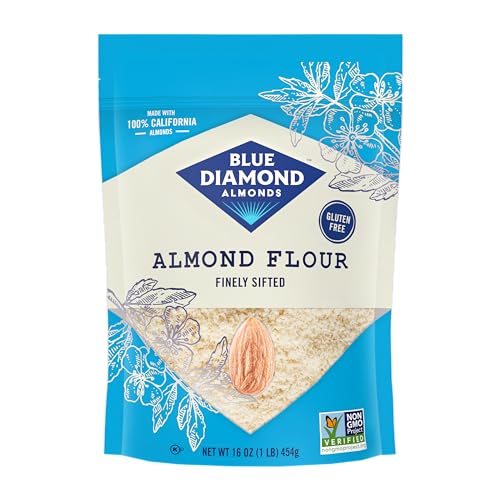
Blue Diamond is a household name, and their almond flour lives up to the reputation. It is labeled “finely sifted,” and the texture is noticeably consistent — very few large pieces make it past a first sift. This flour has earned a loyal following among low-carb bakers, and macaron enthusiasts benefit from the same reliable grind quality. The blanched almonds yield a neutral color and a mild, non-oily aroma.
The 1-pound bag is perfect for testing a new flour without committing to a bulk purchase. It works well in Italian and French method macarons, producing shells with a clean foot and good rise. The resealable bag design is actually functional, keeping the flour fresh between uses. Users consistently praise the lack of grittiness, which is the most common complaint with cheaper almond meals.
Some long-time buyers have noted price increases over time, but the product quality itself has remained steady. For the home baker who wants a no-fuss, reliable flour that won’t introduce variables into an already tricky recipe, Blue Diamond is a safe and effective choice. It is also widely available, making it easy to restock.
Why it’s great
- Consistently fine, sifted texture for smooth batter
- Resealable packaging for freshness
- Trusted brand with strong quality control
Good to know
- Price has increased, lowering traditional value
- Smaller bag size means more frequent repurchasing
3. 365 by Whole Foods Market Almond Flour
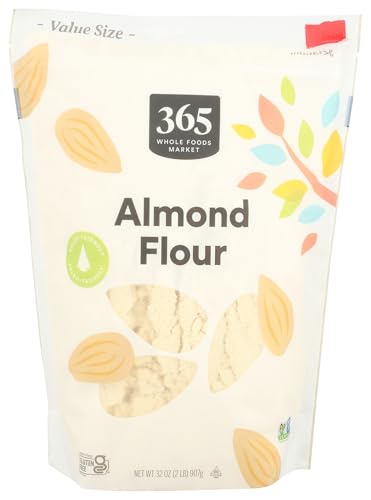
Whole Foods’ own brand offers a solid, no-frills almond flour that is nicely balanced for performance and price. The 32-ounce bag gives you a significant amount of flour without the bulk commitment of a 5-pounder. The texture is finely ground and blanched, producing a light, workable powder that integrates well into macaron batter without clumping.
Made entirely from California-grown almonds, this flour has a fresh, mild nutty flavor that complements rather than overpowers the almond extract or other flavorings in your shells. It works well for frangipane-based recipes and gluten-free pastries, and one reviewer even mentioned using it for the classic French galette des rois. That versatility says a lot about its grind consistency for a mid-range product.
The only potential downside for macarons specifically is that some bags may contain slightly more larger particles than the premium extra-fine brands. A thorough sift through a fine-mesh sieve is recommended. However, for the price per ounce, this is a strongly competitive option that punches above its weight class for macaron making.
Why it’s great
- Large 32 oz bag at an accessible price point
- Made from high-quality California almonds
- Versatile for French pastry and everyday baking
Good to know
- Occasional larger particles requiring extra sifting
- Grind is good but not as ultra-fine as premium brands
4. Pure Original Ingredients Almond Flour
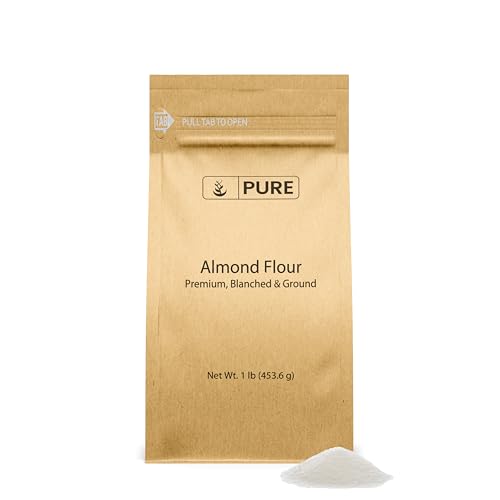
Pure Original Ingredients focuses on simplicity: blanched almonds, ground, with nothing else added. The “extra fine” claim is accurate, and the flour has a notably fluffy, light texture when you open the bag. This lightness translates directly into a macaron batter that is easy to macaronage without overworking. The 1-pound bag is compact but sealed well to maintain freshness.
Bakers who are sensitive to additives or who want total control over their ingredients will appreciate the transparency here. The flour produces a clean, pale batter that takes color beautifully. It performs well in Italian meringue macarons, where the batter needs to be stiff yet smooth. Users have reported excellent results in keto baking as well, which suggests the protein and fat profile is stable.
The main consideration is the package size — 1 pound goes quickly if you bake frequently. Also, the grind, while fine, is not quite as microscopically uniform as the Anthony’s offering. Sifting is still necessary to remove stray pieces. But for bakers who value purity and a straightforward ingredient list, this is a fantastic choice.
Why it’s great
- Pure, single-ingredient formula with no fillers
- Fluffy, light texture for easy macaronage
- Excellent for clean, vibrant color in shells
Good to know
- 1 lb bag is small for frequent bakers
- Not quite as ultra-fine as Anthony’s
5. King Arthur Almond Flour
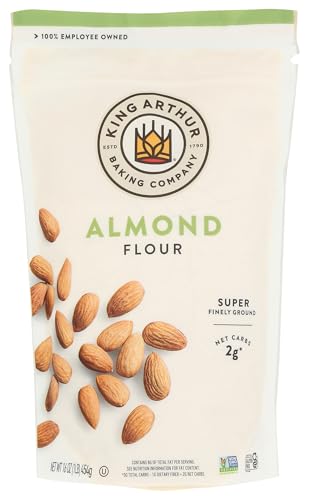
King Arthur is a gold standard in the baking world, and their almond flour lives up to that reputation. It is certified gluten-free by the GFCO, which adds a layer of assurance for those with celiac concerns. The flour itself is finely ground and blanched, producing a very consistent particle size that sifts easily. It is a reliable choice for macarons when you need a predictable, high-quality ingredient.
The texture of the flour is notably dry and powdery, which helps control moisture in the batter. Macaron shells made with King Arthur tend to have a consistent rise and a clean, defined foot. The neutral flavor profile means your fillings and flavorings will be the star. Bakers have used it for everything from French pastries to salmon patties, highlighting its versatility.
The main drawback is the relatively high price per pound compared to other options. It is also only available in a 16-ounce package, which limits value for bulk users. However, for the baker who prioritizes brand trust and gluten-free certification, King Arthur delivers exceptional consistency that reduces the risk of a failed batch.
Why it’s great
- Premium, consistent grind from a trusted baking brand
- Certified gluten-free for celiac safety
- Dry, powdery texture helps control batter moisture
Good to know
- Higher cost per ounce than many competitors
- Smaller package size limits bulk value
6. Mandelin Natural Almond Flour with Skin

Mandelin’s offering is a natural almond flour, meaning the skins are left on. This immediately disqualifies it for classic French macarons where a pure white, smooth shell is the goal — the brown specks from the skin will show through. However, for rustic macaron-style cookies or baked goods where texture and flavor are prioritized over perfect aesthetics, this flour has a lot to offer.
The flavor is genuinely excellent. The natural oils from the skin give it a deeper, nuttier taste compared to blanched flours. The texture is coarser, more like cornmeal, which can be desirable for certain pastry applications like crumble toppings or shortbreads. Users have used it successfully in gluten-free cookies and pie crusts, where the added texture is a feature, not a flaw.
The 3-pound bag is a great value for the price, and the fresh taste is consistently praised. If you are making a darker, chocolate-based macaron shell, the speckling from the skin might actually blend in. But for traditional pastel-colored macarons, stick with a blanched flour. This is a specialty item for bakers who want a bold almond flavor profile.
Why it’s great
- Rich, nutty flavor from almond skins
- Excellent value for a 3-pound bag
- Great for rustic pastries, cookies, and crusts
Good to know
- Coarse texture makes it unsuitable for classic smooth macarons
- Brown speckles will show in light-colored shells
7. Yupik Blanched Almond Flour

Yupik Blanched Almond Flour is the entry-level option for bakers on a budget. It is blanched, so the color is acceptable for macarons, but the grind is noticeably coarser than the premium options. Users consistently describe it as “courser” than brands like Blue Diamond or Anthony’s. This means you will need to sift it aggressively to remove the larger particles that can ruin a macaron shell.
The flavor and freshness are solid for the price. It works well in applications where the flour will be processed further, such as in food processor cakes or batters that are already blended. Some reviewers have mentioned using it to make almond butter because the coarser grind breaks down easily with oil. For macarons, it can work, but expect more waste during sifting and a higher chance of lumpy batter.
At a 2.2-pound bag, the value is hard to beat if you are willing to put in the extra preparation time. If you are new to macarons and want a cheap flour to practice with before committing to a premium brand, Yupik is a practical choice. Just be prepared to discard a noticeable amount of coarse bits during sifting and adjust your macaronage technique accordingly.
Why it’s great
- Lowest cost per ounce in the comparison
- Blanched, so color is suitable for macarons
- Good flavor and freshness for the price
Good to know
- Coarser grind requires heavy sifting with more waste
- Not ideal for beginners seeking foolproof results
FAQ
Can I use almond meal instead of almond flour for macarons?
How should I store almond flour for macaron baking?
Is it necessary to sift almond flour for macarons?
Final Thoughts: The Verdict
For most bakers, the almond flour for macarons winner is the Anthony’s Blanched Almond Flour because its extra-fine grind provides the consistency and reliability that macarons demand, all at an excellent bulk value. If you want a more accessible entry point for testing recipes, grab the Blue Diamond Almond Flour. And for budget-friendly practice batches where you can tolerate more sifting, nothing beats the Yupik Blanched Almond Flour.