
Our readers keep the lights on and my morning glass full of iced black tea. As an Amazon Associate, I earn from qualifying purchases.
The wired in-ear monitor market has fractured into a shootout between single-dynamic-driver purists and hybrid-driver maximalists, all vying for your ear canal at wallet-friendly prices. Choosing wrong means muddy bass, harsh treble, or an IEM that simply won’t stay seated during a commute or practice session. Getting it right unlocks a level of detail and stage presence that once required spending three times as much.
I’m Min — the co-founder and writer behind Gadgets Feed. My buying guides are built on hundreds of hours of cross-referencing frequency response graphs, driver configurations, shell ergonomics, and real-world user feedback to isolate what actually matters at every price tier in this category.
Whether you are a musician monitoring on stage, a gamer chasing footsteps in competitive shooters, or a commuter drowning out the world, finding the right best budget iems means decoding driver counts, tuning switches, and cable standards that most audio guides gloss over.
How To Choose The Best Budget IEMs
Every sub- IEM is a compromise between driver technology, build materials, and tuning ambition. Understanding three key decision points separates a satisfying purchase from a regretful one.
Driver Configuration: Single Dynamic vs. Hybrid
A single dynamic driver (1DD) can deliver cohesive, natural sound with excellent bass impact, but it struggles to separate complex instrumental layers. Hybrid designs — pairing a dynamic driver with balanced armatures (BA) — split the frequency load, allowing BAs to handle crisp highs and vocals while the DD manages lows. At budget prices, hybrids often introduce crossover artifacts or phase issues, so a well-tuned 1DD can outperform a poorly implemented 5-driver array.
Shell Ergonomics and Cable Standard
Comfort is non-negotiable for sessions exceeding 30 minutes. Resin or polycarbonate shells with over-ear cable routing reduce microphonics and keep the IEM seated. The two dominant detachable cable standards are MMCX and 2-Pin 0.78mm. MMCX connectors swivel 360 degrees, offering flexibility in fit and easy aftermarket cable upgrades, while 2-Pin provides a more rigid, durable lock preferred by stage performers.
Tuning Flexibility: Switches, Nozzles, and Tips
Some models include hardware tuning switches that adjust bass and treble shelves, letting you shift the signature without EQ. Others ship with interchangeable nozzles (brass vs. aluminum) that alter resonance and decay. Even without these, swapping between silicone and memory foam ear tips changes bass response and isolation depth dramatically — a simple trick that many buyers overlook.
Quick Comparison
On smaller screens, swipe sideways to see the full table.
| Model | Category | Best For | Key Spec | Amazon |
|---|---|---|---|---|
| Fosi Audio IM4 | Open-Back | Audiophile soundstage | 10mm Beryllium-coated DD | Amazon |
| Linsoul KZ ZS10 PRO 2 | Hybrid | Customizable tuning | 1DD+4BA w/ 4-level switch | Amazon |
| KZ ZS12 PRO 2 | Hybrid | Gaming and detail | 5BA+1DD w/ crossover | Amazon |
| Linsoul Kiwi Ears Cadenza II | Single DD | Neutral balanced listening | 10mm Titanium-coated PET driver | Amazon |
| Audiovance Vibes 202 | Single DD | Musician monitoring | 1-Tesla driver, 8-23k Hz | Amazon |
| BASN Triple Driver (Cloud Pink) | Hybrid | Stage performance | 2DD+1BA, 2.3g per bud | Amazon |
| BASN Triple Driver (Golden Obsidian) | Hybrid | Versatile daily use | MMCX, 12 pairs of eartips | Amazon |
In‑Depth Reviews
1. Fosi Audio IM4 Open-Back IEM Earphones
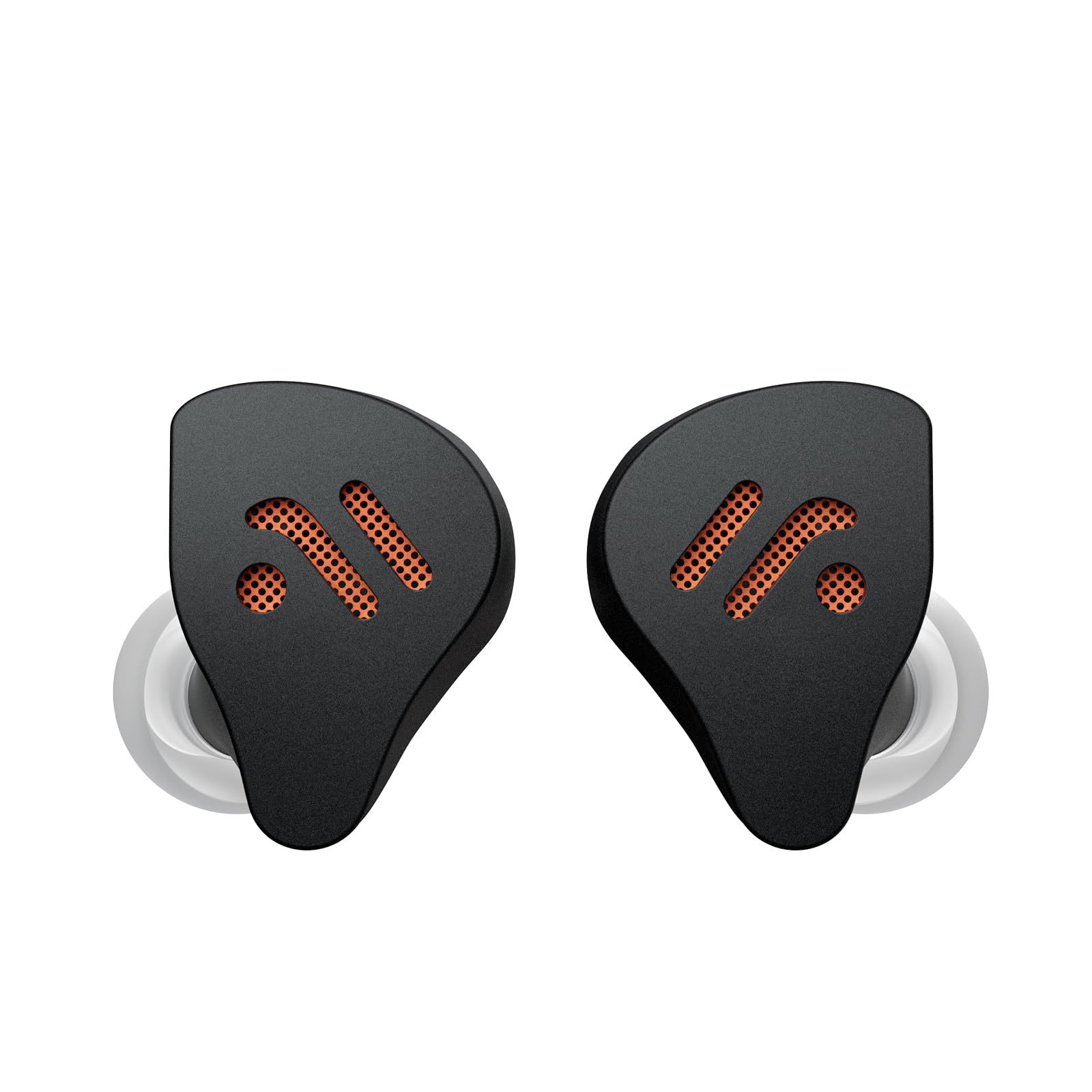
The IM4’s open-back architecture is a rarity at this price tier, delivering a soundstage width that makes closed-back competitors sound congested. The beryllium-coated 10mm dynamic driver produces fast transient response with a clean, non-fatiguing treble and mids that breathe naturally — instruments spread out across a wide horizontal plane rather than stacking inside your head.
Fosi Audio includes three ear tip sets (balanced, bass, deep-bass) and two nozzle materials (brass and aluminum alloy), allowing you to dial in between a warmer, more relaxed signature and a brighter, more analytical presentation. The full-aluminum CNC-machined shell weighs only 7g per bud, and the ergonomic contour based on a large ear-shape database ensures a secure fit even for smaller ear anatomies.
Because it is open-back, noise isolation is minimal — you will hear ambient sounds, and others will hear your music at moderate volumes. This design is ideal for quiet home listening, studio reference work, or gaming where spatial awareness matters more than isolation. The detachable 2-Pin 0.78mm cable opens easy upgrade paths for balanced terminations or shorter cords.
Why it’s great
- Exceptional soundstage width and separation for an open-back at this price
- Beryllium-coated driver delivers fast, clean transients across the whole range
- Interchangeable nozzles and three tip sets let you tune the signature without EQ
Good to know
- Open-back design provides almost no noise isolation
- Bass extension is clean but not deep for bassheads seeking subwoofer slam
2. Linsoul KZ ZS10 PRO 2 In Ear Monitor

The ZS10 Pro 2 builds on KZ’s most recognizable hybrid platform by swapping the old dual BA array for a pair of 31736 balanced armature drivers dedicated to high-frequencies, paired with a 10mm super-linear magnetic dynamic driver for the lows. The result is a more coherent crossover than earlier KZ hybrids: the treble extends smoothly without peakiness, and the bass stays tight and controlled rather than bleeding into the lower mids.
Its standout feature is the 4-level tuning switch on the faceplate, letting you toggle bass and presence shelves. Switching all four dip switches off delivers a neutral, almost reference signature; flipping specific combinations adds warmth or sparkle. The detachable silver-plated cable is adequate but not premium — many owners upgrade to a thicker aftermarket 2-Pin cable for improved handling and reduced microphonics.
The housing is larger than many single-DD IEMs, so those with smaller ears may find the nozzle sits slightly deeper than comfortable. With the right memory foam tips, the seal is excellent, isolating ambient noise effectively. For musicians who need to adjust their monitor mix on the fly without reaching for a phone app, the onboard tuning switch is a genuine advantage.
Why it’s great
- Four hardware tuning switches allow on-the-fly sound signature adjustment
- Coherent 1DD+4BA crossover minimizes phase issues common in budget hybrids
- Excellent value for a fully customizable monitoring tool
Good to know
- Bulky shell may press on smaller ear conchas during long wear
- Stock ear tips are stiff and produce a smell; plan to replace with foam or third-party silicone
3. KZ ZS12 PRO 2 In Ear Monitor Headphones
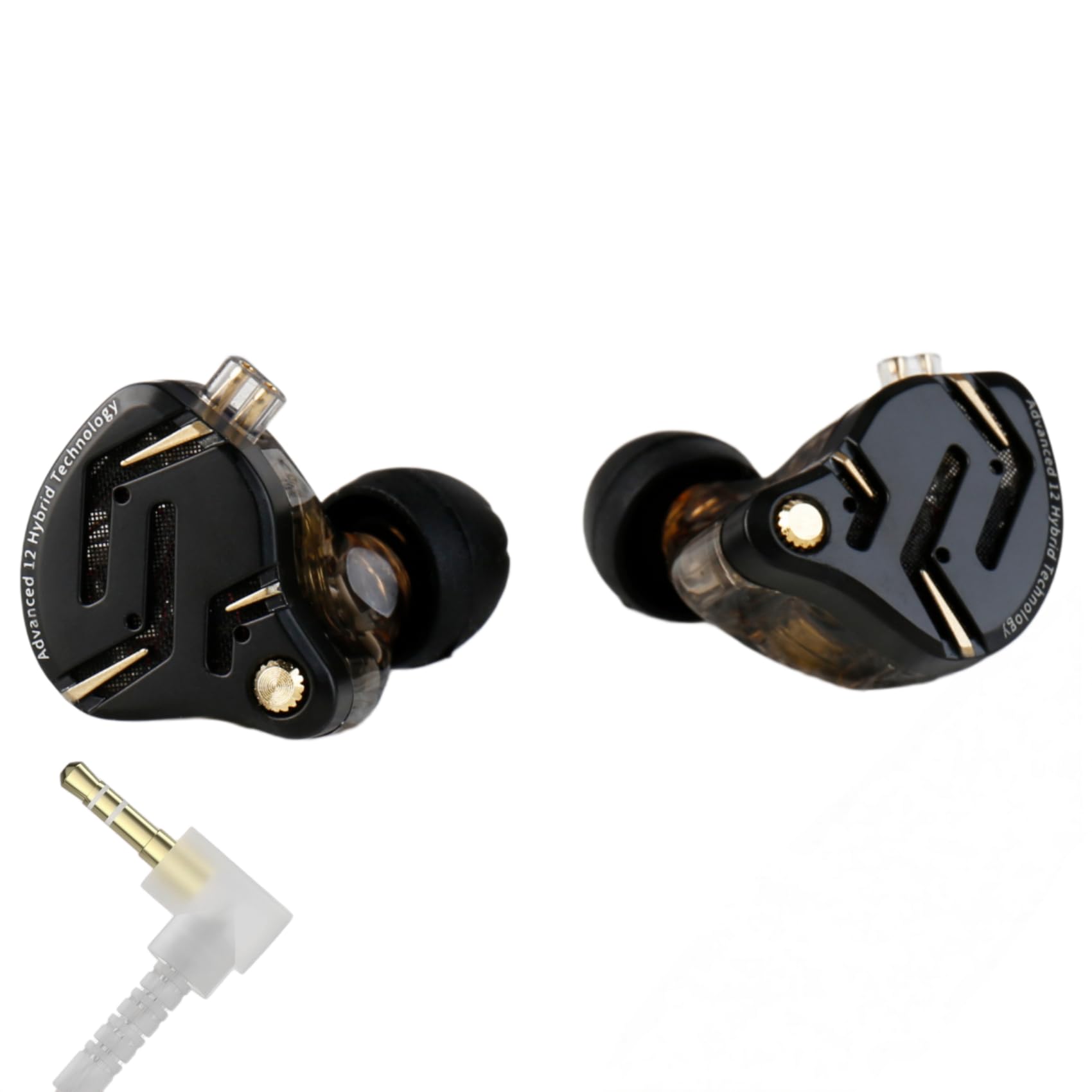
With a 6-driver-per-side configuration (five balanced armatures plus one 10mm dynamic driver), the ZS12 Pro 2 is the most technically ambitious IEM in this roundup. Four 31736 ultra-high-frequency BAs handle the treble registers, a 30019 BA covers the mid-high range, and the DD handles sub-bass and mid-bass. The built-in electronic crossover board ensures each driver operates in its optimal band, minimizing the muddiness that plagues multi-driver designs without proper filtering.
In practice, the separation is remarkable: complex orchestral tracks reveal individual instrument layers, and gaming soundscapes feel three-dimensional with pinpoint imaging for footsteps and gunfire. The bass is punchy and well-defined without overwhelming the mids — vocal clarity remains intact even during busy passages. The command of micro-detail rivals IEMs costing two to three times as much, according to multiple user comparisons.
The build uses a metal faceplate over a skin-friendly resin shell, and the over-ear cable routing keeps the fit stable during movement. The included cable is functional but tangles easily; an aftermarket braided upgrade is a common recommendation. The microphone version works adequately for calls, though the primary strength here is pure audio reproduction.
Why it’s great
- Six-driver hybrid array delivers exceptional layering and detail retrieval
- Electronic crossover keeps the frequency bands cleanly separated
- Competitive sound imaging makes it a top pick for gaming and critical listening
Good to know
- Stock cable is tangle-prone — budget for a replacement braided cable
- Maximally “bright” tuning may cause fatigue for treble-sensitive listeners without EQ
4. Linsoul Kiwi Ears Cadenza II
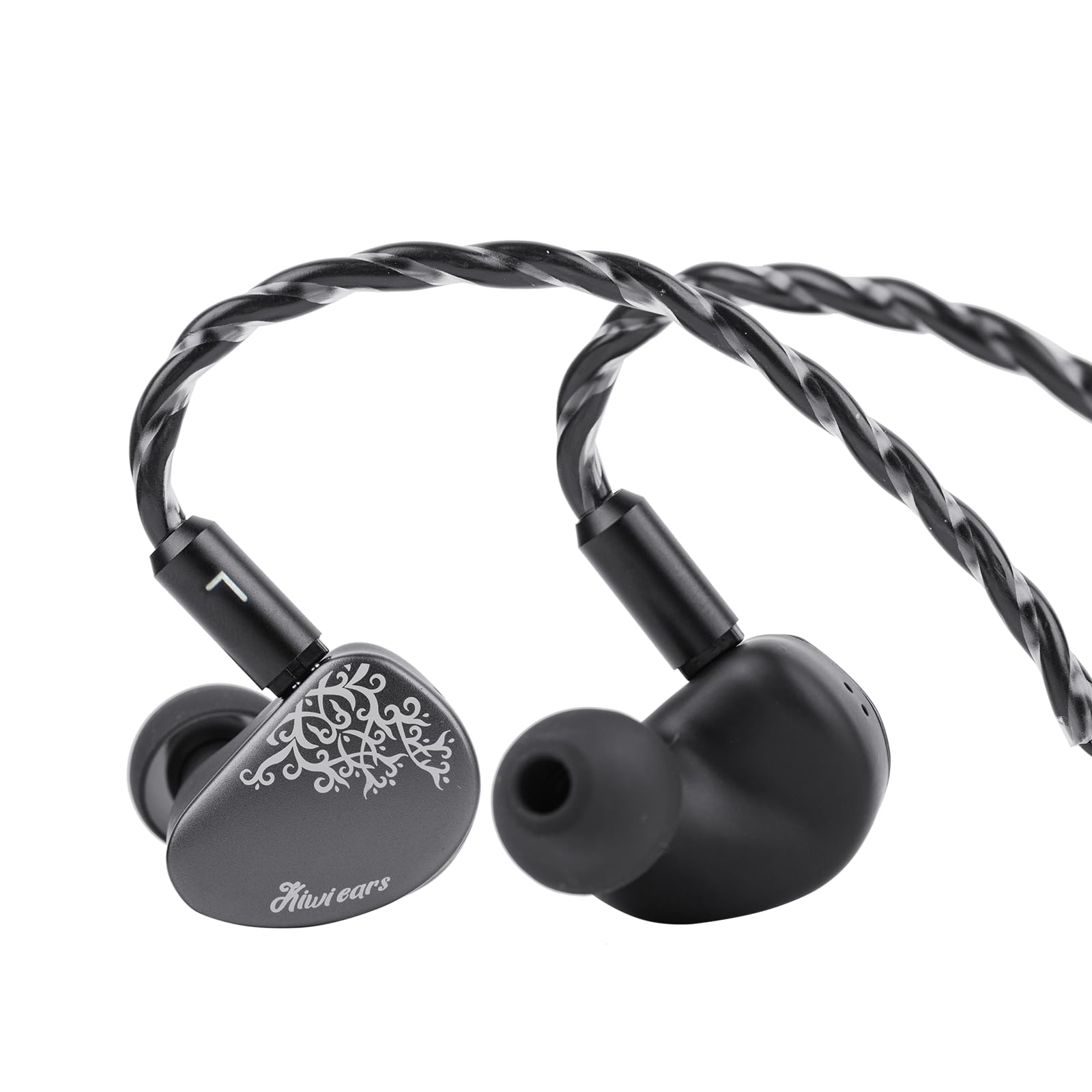
The Cadenza II is a reference-grade example of how far a single 10mm dynamic driver can go when paired with sophisticated acoustic engineering. Kiwi Ears’ KARS 2.0 system tunes the sub-bass to cut off sharply at 200Hz, producing tight, subwoofer-clean lows that never smear into the midrange. A gentle 300-400Hz bump adds vocal warmth and fullness without introducing muddiness.
The titanium-coated PET diaphragm combines the stiffness of metal with the natural damping of plastic, resulting in fast decay and excellent transient response. The treble peak is precisely placed at 3kHz, providing clarity and presence without sibilance, and the roll-off is smooth rather than abrupt. The soundstage is moderately wide but creates a convincing three-dimensional space, particularly strong for vocal-centric genres like acoustic, jazz, and indie.
The shell is a polycarbonate composite with a velvet-like texture that feels more premium than typical budget plastics. The CNC aluminum faceplate features a subtle laser-etched honeycomb pattern. The 2-Pin 0.78mm cable uses single-crystal oxygen-free copper for clean signal transmission. One minor frustration: the left and right earpieces lack clear markings, requiring careful trial during initial setup.
Why it’s great
- Neutral-bright tuning with exceptional sub-bass control and clean midrange
- High-quality build with CNC aluminum faceplate and premium cable
- Natural, non-fatiguing treble ideal for long listening sessions
Good to know
- No L/R embossing on shells makes initial assembly fiddly
- Requires careful ear tip selection to achieve optimal seal and bass response
5. Audiovance Vibes 202 Wired Earbuds
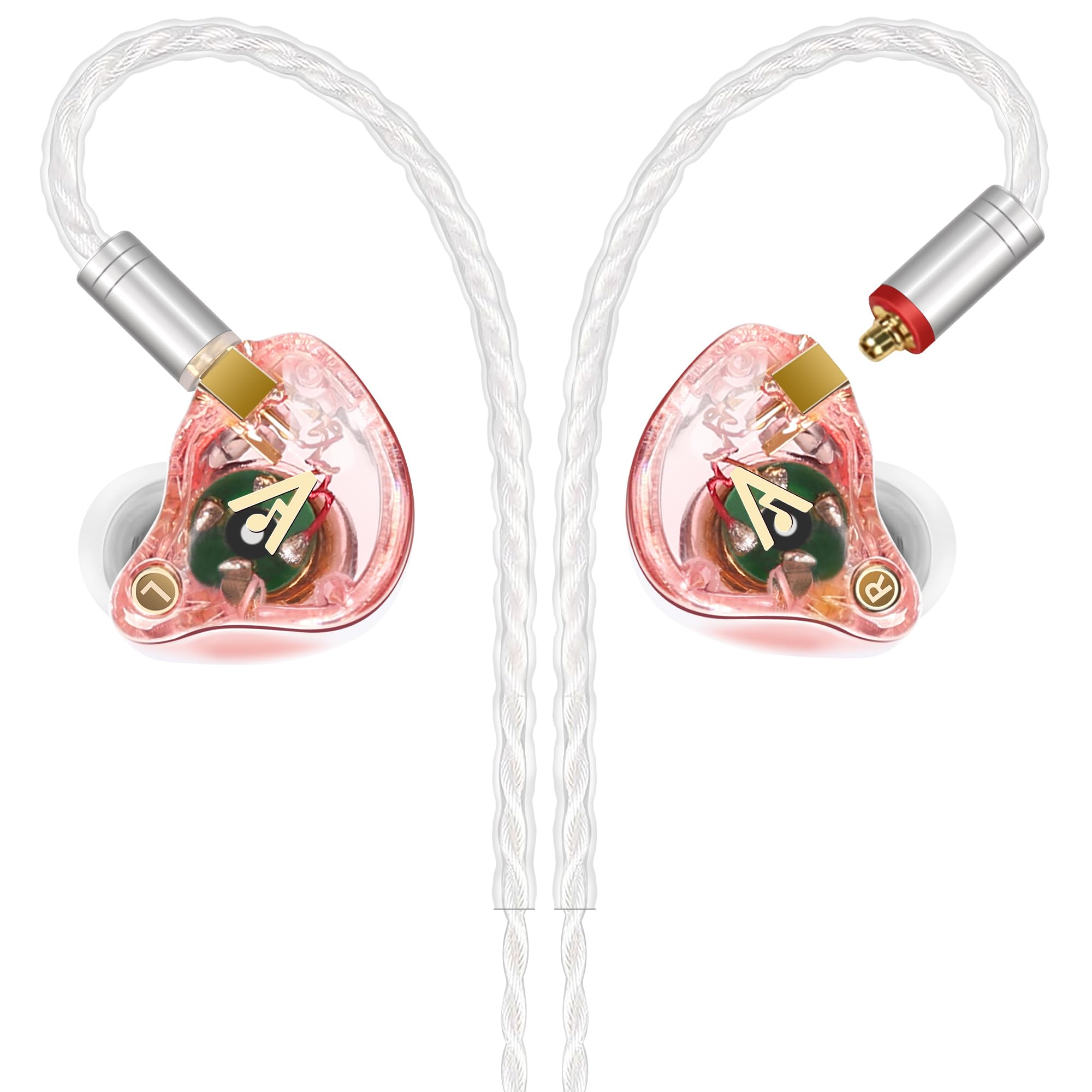
The Vibes 202 targets a specific audience: vocalists, drummers, and guitarists who need reliable stage monitoring with a pronounced bass presence. Its 1-Tesla dynamic driver delivers powerful low-end slam and an aggressive forward sound that cuts through live mix noise. The frequency range spans 8 to 23k Hz, capturing sub-bass rumble and airy treble extension beyond typical budget limits.
The semi-transparent resin shell is lightweight and available in ten vibrant colors. The pre-formed over-ear earhooks keep the cable routed securely behind the ear, and the included six pairs of silicone eartips (two colors, three sizes) help achieve a deep seal. The MMCX connectors are gold-plated for corrosion resistance, and the silver-plated Litz-braided cable is both durable and tangle-resistant. The carrying case with carabiner adds practical portability.
Reviews from motorcycle riders highlight an unexpected use case: the flat fit and tight seal effectively block wind and road noise under a helmet, while the forward bass counters engine drone. At higher volumes (above 80 percent), some listeners report ear fatigue from the aggressive tuning, so moderate listening is recommended. The bass boost is pronounced — about a 50Hz peak — making these less suitable for neutral reference monitoring but excellent for energetic live or travel use.
Why it’s great
- Strong bass slam with good isolation for live monitoring and travel
- Detachable MMCX cable and gold-plated connectors for long-term durability
- Wide color selection and compact carrying case with carabiner
Good to know
- Bass-heavy tuning reduces high-frequency detail and can cause fatigue at high volume
- Cable length (63 inches) is excessive for portable use without a clip
6. BASN Triple Driver IEM (Cloud Pink)
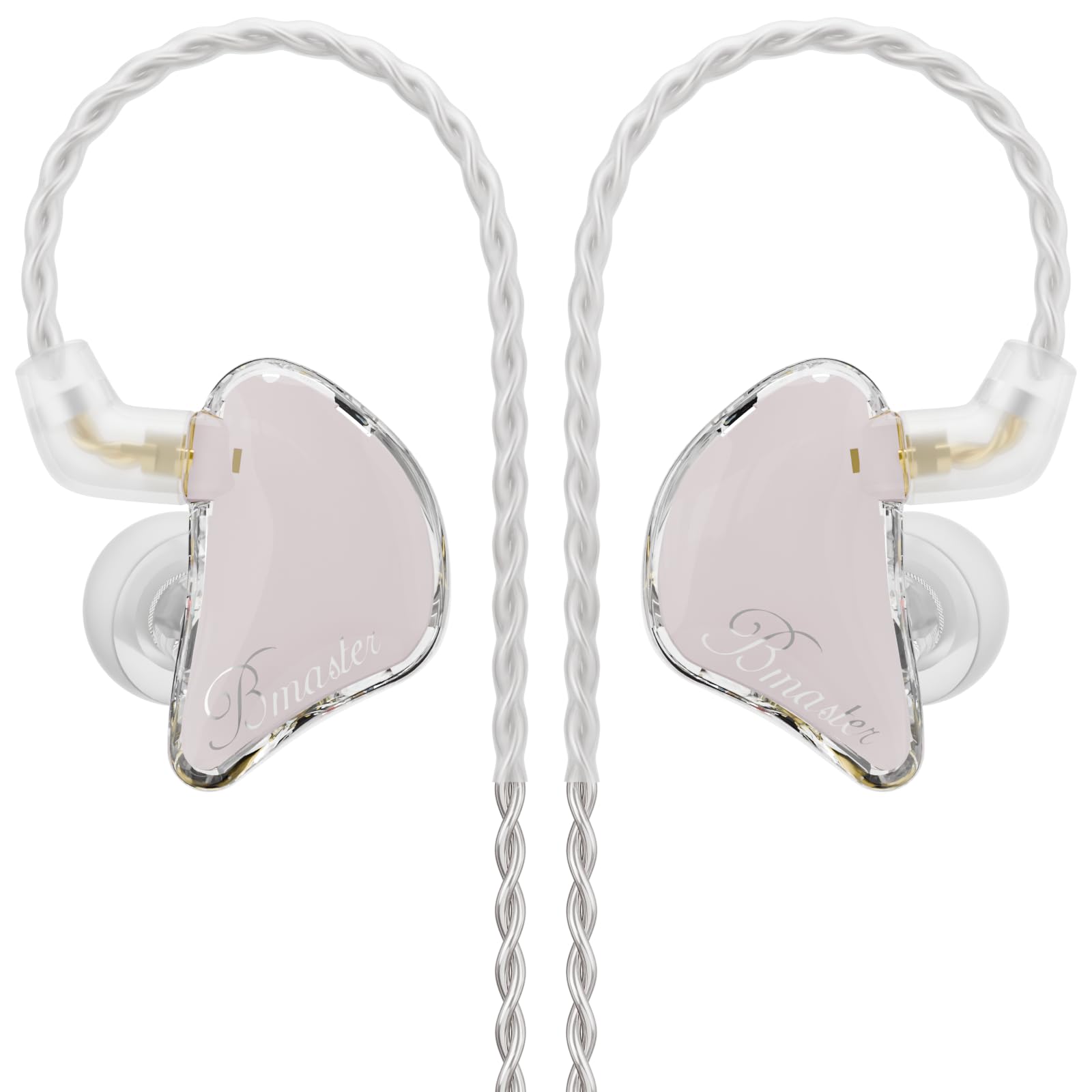
BASN’s Cloud Pink IEM is a purpose-built stage monitor for singers and acoustic instrumentalists who need clarity without clinical harshness. The dual-dynamic-driver-plus-single-balanced-armature configuration delivers a sound that leans slightly warm, with rich lower mids and a smooth high-frequency roll-off that avoids piercing sibilance during loud monitoring. Each shell weighs just 2.3 grams, among the lightest in this lineup, making them virtually unnoticeable during long rehearsals or gigs.
The kit is comprehensive: two MMCX cables — one with an inline microphone and volume control for daily calls, the other a silver-plated OFC cable for pure audio performance. Nine pairs of silicone tips and three pairs of memory foam tips provide extensive seal options. A 6.35mm to 3.5mm adapter is included for connecting to guitar amplifiers or mixing desks. The rigid hard case and cleaning brush extend the product’s service life.
While the sound quality is praised as comparable to the Shure SE215 at a lower investment, some users have reported channel imbalance or driver failure after extended use. The BASN customer support team appears responsive in replacing defective units, which is a positive sign for warranty concerns. The plastic housing feels less premium than the metal-faced competition, but the weight tradeoff is intentional for comfort on stage.
Why it’s great
- Ultralight 2.3g shell design prevents ear fatigue during long stage performances
- Includes both mic cable and silver-plated audio cable plus 12 pairs of ear tips
- Warm, non-fatiguing tuning suitable for vocalists and acoustic instruments
Good to know
- Some units experience driver failure or imbalance after several months of use
- Plastic housing lacks the robust feel of metal-faceplate competitors
7. BASN Triple Driver IEM (Golden Obsidian)

The Golden Obsidian variation shares the same 2DD+1BA hybrid driver architecture as the Cloud Pink but distinguishes itself with a marbled resin shell and a different accessory bundle — twelve pairs of ear tips versus the Cloud Pink’s twelve (same count but different allocation) and two MMCX cables of 1.5 meters each. The sound signature is similar: rich bass extension, punchy mids, and clear highs that don’t veer into harshness.
Where this model stands out is the sheer number of fit options. With nine pairs of silicone tips in varied diameters and three pairs of memory foam tips, finding a pressure-equalizing seal is nearly guaranteed. The adjustable memory earhooks contour to the outer ear, and the over-the-ear cable design keeps the IEM locked in place during movement. The cable with inline microphone and volume control is convenient for phone calls and quick volume adjustments without reaching for a source device.
Durability is the main caveat: some users report intermittent function or channel drop-out after several months of use, and the exchange process can take over a week. The sound quality relative to the investment is very strong, particularly for listeners who prioritize bass warmth and vocal presence over micro-detail retrieval. For a backup IEM or a starter monitor for a new band member, the Golden Obsidian offers solid performance at a reasonable entry point.
Why it’s great
- Twelve pairs of ear tips make finding the perfect seal easy for any ear shape
- Warm, bass-forward tuning with clear vocals suits pop, rock, and live use
- Dual cables (mic and pure audio) add versatility for daily and stage use
Good to know
- Long-term reliability is inconsistent — some units fail within a year
- Overpackaged retail box generates unnecessary waste
FAQ
What is the difference between MMCX and 2-Pin 0.78mm cables for IEMs?
Do budget IEMs benefit from a portable DAC or amplifier?
Can I use budget IEMs for gaming, and what specs should I look for?
What size ear tips should I use, and do memory foam tips improve bass?
How do I clean and maintain detachable IEM cables and nozzles?
Final Thoughts: The Verdict
For most users, the best budget iems winner is the Fosi Audio IM4 because its open-back soundstage, beryllium driver speed, and tunable nozzle system deliver audiophile-grade performance without the usual budget compromises. If you need a customizable hybrid switch for live monitoring or on-the-fly EQ, grab the Linsoul KZ ZS10 PRO 2. And for pure detail retrieval and gaming immersion, nothing beats the six-driver KZ ZS12 PRO 2.