
Alaska rain isn’t a drizzle—it’s a sideways onslaught that turns gravel into grease and mud into a sinkhole. The wrong boot leaves you with sodden socks, frozen toes, and a heel that blisters with every mile of tundra you cross. Finding a pair that seals out water, traps heat, and digs into slippery terrain without weighing you down is the difference between a productive day outdoors and a miserable one.
I’m Min — the co-founder and writer behind Gadgets Feed. I’ve spent hundreds of hours researching waterproofing technologies, insulation ratings, and outsole rubber compounds across dozens of models to separate the gear that actually works in Alaska’s extremes from the marketing that doesn’t.
This guide narrows the field to the nine pairs that can handle muskeg, snowmelt, and sub-arctic creek crossings, with details on build quality and warmth retention that define the best alaska rain boots.
How To Choose The Best Alaska Rain Boots
Alaskan conditions demand a boot that laughs at constant moisture and shrugs off mud while keeping your feet warm enough to stay outside for hours. Temperature swings from wet 40°F to frozen -30°F mean you must balance insulation levels against the boot’s overall weight and flexibility. Here are the three critical factors to nail before you buy.
Insulation Rating and Temperature Range
Look at the grams of Thinsulate or the manufacturer’s comfort rating rather than generic “warm” claims. A boot rated to -50°F with seven layers of protection will roast you during a 45°F rainstorm, while a 200g insulated boot leaves you shivering once standing water freezes. Match the insulation to the coldest temperature you realistically expect to stand still in.
Outsole Traction on Wet and Slick Terrain
The rubber compound and lug depth dictate whether you stay upright on wet logs, moss-covered rocks, and greasy clay. Look for outsoles specifically described as non-marking with aggressive self-cleaning lugs that shed mud rather than packing it into flat slabs. Vibram and proprietary DS1 designs with angled outer lugs offer better lateral stability on side hills.
Construction Materials and Waterproofing Seals
Premiums generally build with hand-laid natural rubber over neoprene uppers, creating a flexible yet puncture-resistant shell. Budget options use PVC or TPR that crack in extreme cold. Check that the boot has a sealed or vulcanized seam at the junction where the upper meets the sole—this is the first failure point on budget rain boots exposed to Alaska’s pace.
Quick Comparison
On smaller screens, swipe sideways to see the full table.
| Model | Category | Best For | Key Spec | Amazon |
|---|---|---|---|---|
| Baffin Eiger | Premium | Extreme cold comfort | Removable liner rated -100°C | Amazon |
| ROCKY Arctic BearClaw | Premium | Insulated hunting | 1400g Thinsulate insulation | Amazon |
| Aigle Parcours 2 | Premium | Rugged longevity | Natural rubber construction | Amazon |
| Dryshod Arctic Storm Hi | Mid-Range | Sub-zero barn chores | 7-layer system rated -50°F | Amazon |
| LaCrosse Alpha Agility 17″ | Mid-Range | Cold-weather hunting | 1200g Thinsulate insulation | Amazon |
| ROCKY Bearclaw Gore-Tex | Mid-Range | Versatile wet work | Gore-Tex waterproof lining | Amazon |
| MUCK Arctic Sport | Mid-Range | Creek and snow comfort | Neoprene upper with calf fit | Amazon |
| BOGS Bozeman Tall | Mid-Range | Everyday cold rain | Self-cleaning outsole lugs | Amazon |
| Foxelli Wading Boots | Budget | Lightweight warm-weather wading | Hiking-boot sole rubber compound | Amazon |
In‑Depth Reviews
1. Baffin Eiger Men’s Snow Boot
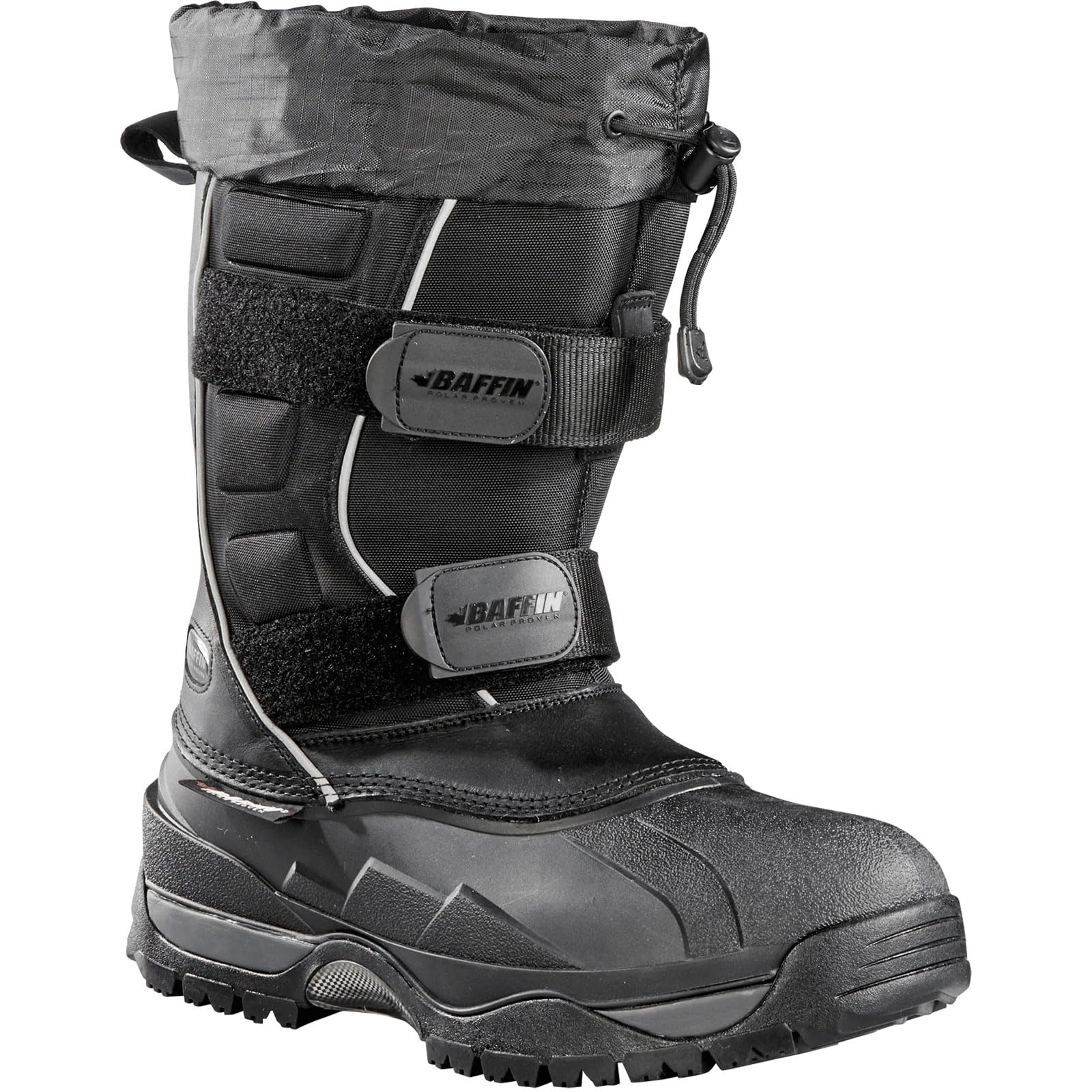
The Baffin Eiger sits at the top because it solves the fundamental Alaska problem: keeping feet warm when you stop moving in sub-alpine cold. Its removable liner system combines a thick foam base with a thermal foil layer that reflects heat back at your foot, rated to a staggering -100°C. The chunky outsole uses a deep tread pattern that bites into snow and wet tundra without packing, and the rubber lower resists cracking in temperatures that would turn PVC brittle.
Users report switching from Bogs and Muck boots after one season with the Eiger, noting that the boot’s ground clearance and snug heel pocket prevent the foot slosh that leads to blisters. The boot’s height stops well below the knee, making it easier to wear with rain pants over the shaft, and the Velcro closure on certain models allows quick tension adjustments without fighting frozen laces.
The trade-off is bulk—the Eiger is a tank, weighing noticeably more than mid-range neoprene boots. The toebox runs narrow, so users with wide feet or heavy wool socks need to size up at least one full step. One reviewer noted the front seam on the rubber upper arrives unsealed and requires a dab of sealant to prevent future moisture ingress.
Why it’s great
- Extreme cold rating with removable liner for versatility
- Excellent ground clearance and deep tread
- Snug heel pocket prevents movement blisters
Good to know
- Narrow fit requires sizing up for wide feet
- Heavier than neoprene competitors
- Front seam may need sealant treatment
2. ROCKY Men’s Arctic BearClaw GORE-TEX Insulated Hunting Boots
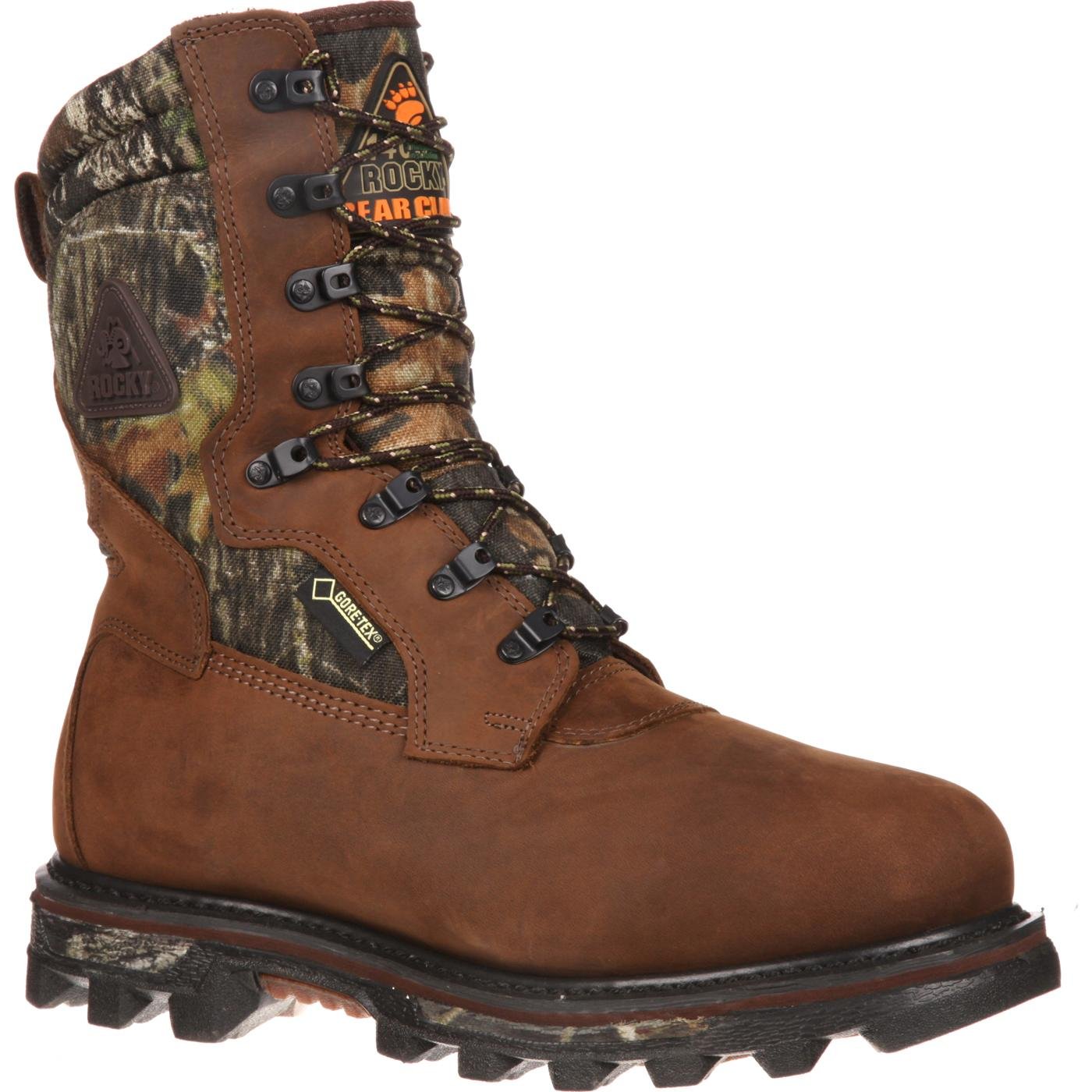
ROCKY’s Arctic BearClaw packs 1400 grams of Thinsulate insulation into a boot that also breathes through a GORE-TEX membrane, making it one of the few truly all-day waterproof and warm options for active hunters. The 17-inch shaft offers substantial leg protection against brush and standing water, while the aggressive outsole chews through mud and snow without turning into a slick slab. Multiple users confirm this boot keeps feet warm through frozen creek crossings and all-day sits in frigid blinds.
Despite the heavy insulation, the boot feels lighter than its spec suggests, and the natural rubber lower remains flexible in cold weather. The pull-on style with a medallion closure at the top keeps debris out. Reviewers who also own 600g and 2400g versions say the 1400g hits a practical sweet spot for Alaska winter where you alternate between hiking and sitting.
The Achilles heel is weight distribution—some users find the boot bulky for long walks on packed trails, and a small number report the insulation runs slightly less warm than expected for the gram count. Sizing runs true, but those between sizes should drop down rather than up for a secure heel lock.
Why it’s great
- 1400g Thinsulate for serious cold weather
- GORE-TEX guarantees waterproof breathability
- 17-inch shaft protects against brush and deep water
Good to know
- Can feel bulky for extended hiking
- Insulation may feel less warm than 1400g suggests
- Size down if between sizes for best fit
3. Aigle Parcours 2 Bronze Schwarz
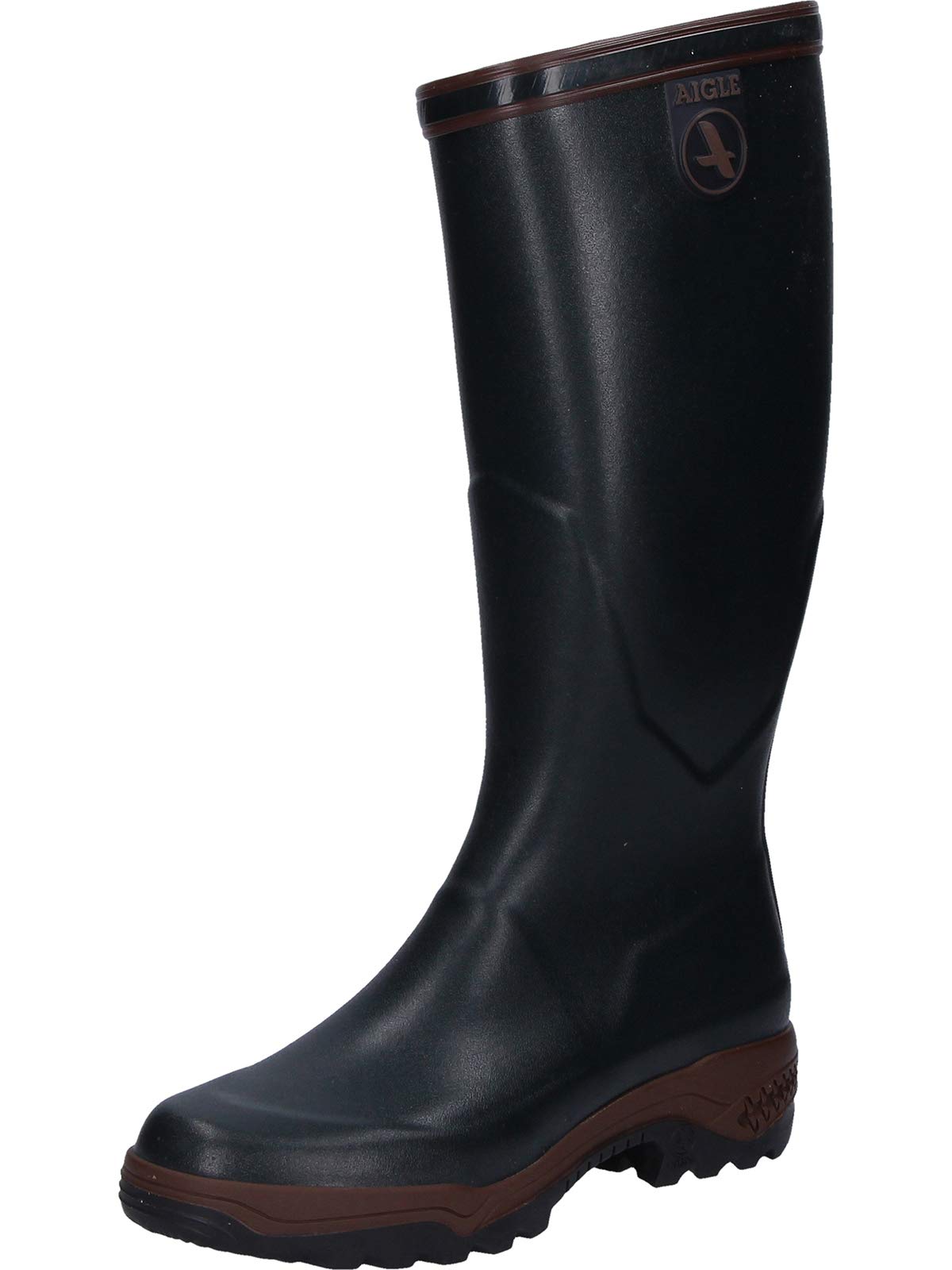
French bootmaker Aigle builds the Parcours 2 using hand-laid natural rubber that outperforms PVC and TPR in cold flexibility and puncture resistance. The outsole is a rigid but flexible design that provides excellent stability on uneven ground, and the calf shaft accommodates layered pants without binding. One verified reviewer reported a 20-year lifespan from their previous pair, which sets a durability benchmark few Alaska boots can approach.
The boot performs especially well in muskeg and marshland where constant moisture and abrasive grasses chew through softer neoprene uppers. The rubber deflects thorns and branch strikes, and the tread pattern sheds mud efficiently. A 5’8″ female reviewer who tested the men’s version through Pennsylvania winters—including two-foot snow—said the Aigle outlasted Hunter boots that developed holes in under three years.
The fit runs narrow and the upper shaft is stiff, leading to an initial break-in period where some users develop heel blisters. The lack of insulation means these are strictly rain-and-mud boots for above-freezing conditions; you’ll need heavy wool socks or a liner for anything near freezing. One user called them “warm wellies” but noted the discomfort during extended wear before break-in.
Why it’s great
- Natural rubber lasts for decades with care
- Excellent puncture resistance for brush and marsh
- Superior mud shedding from tread design
Good to know
- Narrow fit and stiff shaft cause blisters initially
- No insulation requires layering for cold temps
- Break-in period can be painful
4. Dryshod Arctic Storm Hi Extreme Cold Conditions Women’s Winter Boot
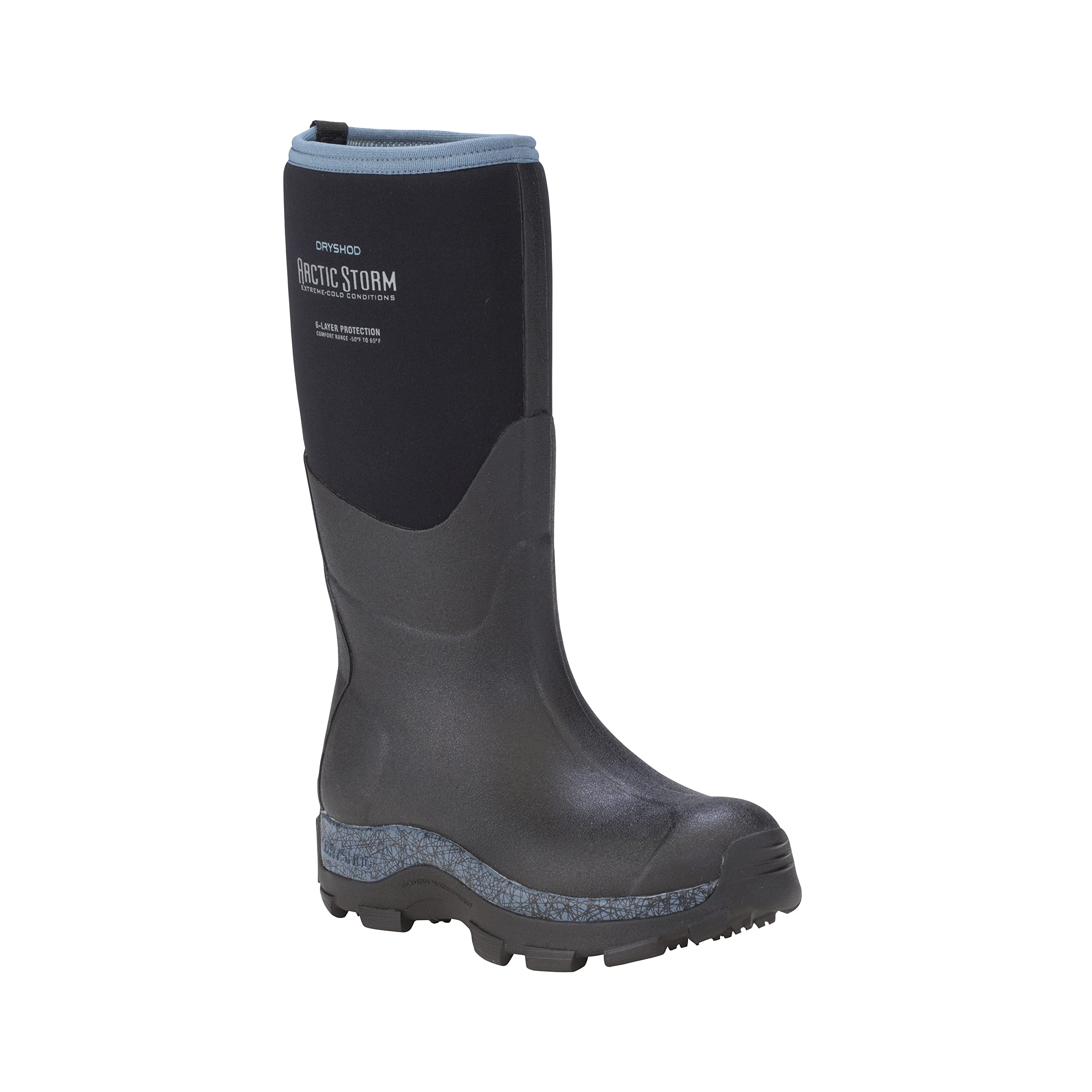
Dryshod engineered the Arctic Storm Hi with seven distinct layers of protection, including 5.5mm neoprene bootie, 2.5mm Densoprene XD foam, 2mm airmesh, and 2mm fleece, plus an EVA cold-blocking midsole. The result is a boot rated to -50°F that still allows enough articulation for barn chores and dog sledding. The Hydrokote water-repellent outer sheds rain and snow without soaking the fibers, preventing icy buildup on the exterior.
The DS1 premium outsole uses a two-piece construction: a natural rubber outer with inner lugs for multi-angle grip and outer lugs for lateral support. Users in Maine and Wisconsin confirm this boot keeps toes warm during sub-zero mornings in unheated barns, and the wide shaft accommodates thicker snow pants. The roll-down calf pipe allows ventilation when transitioning from the cold outdoors to a warmer truck cab.
The boot is notably heavier than neoprene-only designs, and a few users found the pull tab less durable than the rest of the construction. The women’s sizing runs true to street shoe size for most, but those planning to wear heavy wool liners should go up one full size. One reviewer noted the boot was slightly stiff out of the box but loosened after two wears.
Why it’s great
- Seven-layer system delivers true -50°F protection
- Hydrokote outer sheds moisture quickly
- Roll-down calf pipe allows temperature regulation
Good to know
- Heavy compared to uninsulated rain boots
- Pull tab reported as a durability weak point
- Requires size up for thick sock layering
5. LaCrosse Men’s Alpha Agility 17″ Insulated Hunting Boots

The LaCrosse Alpha Agility series uses hand-laid natural rubber over neoprene with 1200 grams of Thinsulate insulation, rated for temperatures from -60°F to 30°F. The 17-inch shaft offers more than adequate coverage for stream crossings and wet brush, and the Traction Agility outsole provides excellent speed and grip with a lightweight LXA midsole that rebounds with each step. Users confirm this boot fits wide feet comfortably and keeps toes warm in zero-degree conditions.
The combination of a moisture-wicking jersey knit liner and the thick insulation means the boot stays dry inside even after hours of active movement. The kick-off heel plate makes removal easy without sitting down, and the active fit keeps your foot planted during side-hill traverses. Multiple hunters reported this boot outlasted their Irish Setter, Rocky, and Muck pairs in terms of sole integrity and upper durability.
Sizing runs slightly large; several users recommend dropping one full size if you are between sizes. A small number of early buyers reported that the upper material developed holes within two days, though this appears to be an isolated quality-control issue rather than a pattern. The boot’s bulk makes it less suitable for spring rain when you don’t need maximum insulation.
Why it’s great
- Hand-laid natural rubber for flexibility and durability
- 1200g insulation covers extreme cold range
- Active Fit design prevents foot shift during movement
Good to know
- Sizing runs large; size down if between sizes
- Over-insulated for mild, above-freezing rain
- Isolated reports of early upper material failure
6. ROCKY Men’s Bearclaw Gore-Tex Waterproof 200g Insulated Outdoor Boot

ROCKY’s Bearclaw Gore-Tex boot splits the difference between a dedicated rain boot and a full winter boot, using a softer leather upper with a Gore-Tex membrane for waterproofing and a modest 200g of insulation for cool but not frigid conditions. The aggressive tread pattern provides excellent traction on wet grass, sloped hills, and muddy flats, making it a versatile option for the shoulder seasons when Alaska rain is relentless but temperatures hover above freezing.
The boot’s leather upper breathes better than all-rubber constructions, reducing sweat buildup during active hikes. The pull-on style with a medial zip makes getting in and out fast, and the removable EVA footbed provides cushion that holds up over miles. Users who work outside in wet conditions confirm the boot keeps feet dry through creek wading and hose-down cleaning, and the leather can be polished to look presentable for casual wear.
At 200g of insulation, this boot will not cut it for standing still at -20°F in a duck blind. The leather upper also demands more maintenance than rubber—mud and salt need to be cleaned off regularly to prevent premature wear. One user reported the upper developing a small hole near the toe after a year of heavy use, though the outsole and waterproof lining remained intact.
Why it’s great
- Gore-Tex membrane guarantees reliable waterproofing
- Leather upper breathes better than all-rubber boots
- Aggressive tread grips wet terrain effectively
Good to know
- 200g insulation insufficient for extreme cold
- Leather requires regular cleaning and conditioning
- Upper durability may be limited with heavy use
7. MUCK Men’s Arctic Sport Boot Outdoors Equipment

The MUCK Arctic Sport is a workhorse of the wet and cold, using a neoprene upper bonded to a rubber lower that provides flexibility at the calf and rigidity at the footbed. The boot is warm enough for snow plowing, manure mucking, and rainy chores in temperatures that dip below freezing, and the outsole clears heavy mud with each step. Users replacing 15-year-old MuckBoots confirm the new generation holds the same warmth and dryness standard.
The calf-height neoprene shaft folds down for easy entry and wide enough to fit over heavy pants, and the boot runs true to size with room for a medium-weight sock. One reviewer noted the boot kept feet warm and dry at -8°F in snow and ice, working in a horse corral, and the boot pairs well with YakTracs for ice traction. The 5’10” reviewer reported that the boot’s height reaches just below the knee for excellent splash protection.
The neoprene upper can overheat quickly in warmer rain above 50°F, making these a poor choice for summer drizzle. The exterior rubber can tear after repeated exposure to brambles and blackberry thorns, though this is a common failure point for any boot with a rubber outer. One user noted the upper material began tearing after years of brush use, but the boot remained functional.
Why it’s great
- Flexible neoprene upper folds down for easy on/off
- Warm and comfortable for sub-zero work conditions
- Outsole clears mud effectively
Good to know
- Overheats in above-freezing rain
- Rubber exterior can tear on brambles
- Not ideal for warm-weather rain use
8. BOGS Mens Bozeman Tall Snow Boot
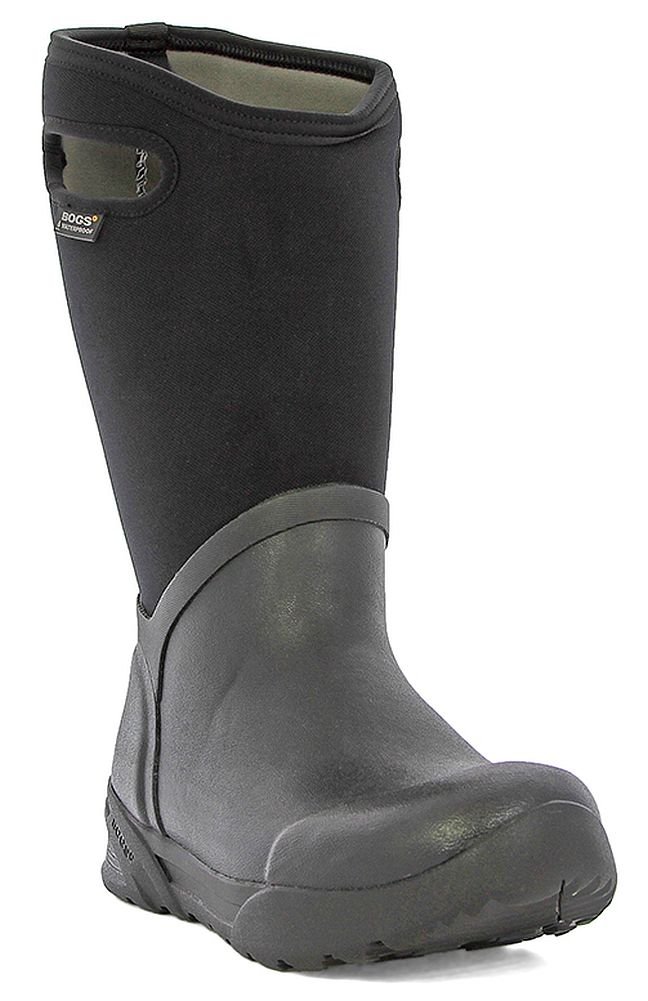
The BOGS Bozeman Tall Snow Boot wins points for its lightweight, pull-on design that makes getting in and out effortless, even with gloves on. The self-cleaning outsole lugs shed snow and mud without packing, maintaining traction on slick surfaces. The boot’s warmth rivals that of heavier Muck options, and users report that the easy-on nature makes it a favorite for children and anyone who needs to transition quickly between car and snow.
The 2.4-pound weight keeps the boot comfortable for all-day wear, and the upper material is flexible enough to not restrict ankle movement. The fit runs slightly narrow; users with wide feet or those who wear heavy socks should order one size up. One reviewer who dealt with a Chicago winter confirmed the boot is long enough to prevent snow entry even when walking through deep drifts.
The boot’s insulation, while warm, is not rated for the extreme sub-zero temperatures that Alaska can throw at it. It performs best in cold rain and snow down to the mid-teens Fahrenheit. The ankle area is slightly bulky, which can feel awkward when driving, and the outsole, while decent on snow, becomes slippery on wet ice without additional traction aids.
Why it’s great
- Lightweight and easy pull-on design
- Self-cleaning outsole sheds snow and mud
- Warm enough for cold rain and moderate snow
Good to know
- Not suitable for extreme sub-zero temperatures
- Narrow fit may require sizing up
- Outsole becomes slippery on ice
9. Foxelli Wading Boots – Lightweight Fly Fishing Boots for Men, Rubber Sole Wading Shoes

The Foxelli Wading Boot is the most affordable entry in this guide, but it earns its place with a hiking-boot-style sole that grips sharp rocks, gravel, and mud far better than standard rain boots. The rubber compound is rigid but flexible, and the removable insole allows customization for arch support or moisture management. Users report that a size 10 fits snugly at the forefoot when worn with waders, and the boot drains water quickly through the mesh upper when submerged.
One reviewer put these through five years of heavy use and reported they look nearly new with regular cleaning, praising the value relative to premium wading boot brands. The boot’s lightweight design reduces fatigue during long river wades, and the ankle support rivals that of hiking boots. Another user wore them for three straight days trout fishing without developing hot spots or blisters, which is rare for a budget boot with no break-in period.
The water resistance is limited to the sole and lower rubber overlay; once water rises above the sole junction, the mesh upper saturates and the boot becomes a water scoop. These are not rain boots for standing in puddles—they are specialized wading shoes for active stream crossings where drainage matters more than waterproofness. The tread also slips on wet moss; users in slick conditions recommend pairing them with traction cleats.
Why it’s great
- Excellent rock and gravel grip from hiking-boot sole
- Lightweight design reduces fatigue during long walks
- Removable insole for custom fit and drainage
Good to know
- Limited waterproofing; mesh upper soaks through above the sole
- Slippery on wet moss and algae-covered rocks
- Not suitable for standing in water or mud
FAQ
How much insulation do I need for Alaska rain above freezing?
What outsole design works best for wet Alaskan muskeg?
Should I buy a boot with a zip closure or pull-on style for Alaska?
How does neoprene compare to natural rubber for Alaska rain?
Final Thoughts: The Verdict
For most users, the best alaska rain boots winner is the Baffin Eiger because its removable liner and extreme cold rating cover the widest range of Alaska’s brutal weather, from wet spring tundra to sub-zero ice fishing. If you want a versatile option for cool rain and moderate snow without the bulk, grab the ROCKY Bearclaw Gore-Tex. And for pure durability in brush and marsh where punctures ruin lesser boots, nothing beats the Aigle Parcours 2.