
The race to 30 grams of protein in a portable bar has created a battlefield of dense chalk, rubbery textures, and sugar-alcohol gut bombs. Every bar promises satiety, but the real test is whether you can finish it without a glass of water in hand. Finding a bar that delivers the macro payload without sacrificing mouthfeel is the singular challenge of this category.
I’m Min — the co-founder and writer behind Gadgets Feed. I’ve spent hundreds of hours dissecting ingredient decks, cross-referencing third-party lab results, and mapping every gram of sugar alcohol across dozens of labels to build a definitive ranking of what actually works at the 30G threshold.
This guide breaks down the seven strongest contenders, from meal-replacement giants to Swedish dessert-masquerading bars, so you can stop guessing and start biting into a truly effective 30g protein bar that aligns with your goals.
How To Choose The Best 30G Protein Bar
Selecting the right bar at this protein ceiling is about filtering noise from real performance metrics. The headline protein number is only the beginning — the protein source, sugar alcohol profile, and total calorie density define whether the bar serves as a meal replacement or a very expensive snack.
Protein Source and Digestibility
Whey Protein Isolate (WPI) delivers the highest biological value with minimal lactose, making it the gold standard for rapid absorption. Blends that mix WPI with collagen or soy protein may lower the cost but dilute the leucine signal responsible for muscle protein synthesis. For a 30G bar, the first ingredient should be a milk-based isolate or concentrate — not a plant protein blend unless you have a verified intolerance.
Sugar Alcohol Tolerance Threshold
Maltitol, erythritol, and xylitol are the three most common bulking agents in this category. Maltitol has a glycemic index of 52 — nearly half that of table sugar — and is the primary culprit behind bloating and laxative effects. Erythritol is better tolerated but creates a cooling sensation on the tongue. Bars listing maltitol as the first or second ingredient will cause gastrointestinal distress in roughly one in three users. Check the order on the ingredient deck before you check the macro panel.
Texture and Hydration Profile
A 30G bar is inherently dense. Most manufacturers combat this by adding vegetable glycerin, soluble corn fiber, or palm oil to retain moisture. The absence of these humectants results in a bar that crumbles or turns rock-hard within weeks of manufacture. Look for bars that list glycerin or a soluble fiber (tapioca, chicory root, oat fiber) in the top five ingredients — these are the ones that remain chewable at room temperature without requiring a microwave.
Quick Comparison
On smaller screens, swipe sideways to see the full table.
| Model | Category | Best For | Key Spec | Amazon |
|---|---|---|---|---|
| Musashi High Protein Bar | Meal Replacement | Highest Protein Density | 45g Protein, 2g Sugar, WPI-based | Amazon |
| MET-Rx Big 100 Salted Caramel | Meal Replacement | Sustained Fullness | 30g Protein, 5g Fiber, 18 Vitamins | Amazon |
| Barebells Variety Pack | Treat Replacement | Candy Bar Flavor | 20g Protein, 1g Sugar, Soft Texture | Amazon |
| Quest Overload Chocolate Explosion | Low Carb | Minimal Net Carbs | 20g Protein, 3g Net Carbs, 1g Sugar | Amazon |
| MET-Rx Big 100 Chocolate Chip | Meal Replacement | Granola Texture | 28g Protein, 5g Fiber, Chewy Oats | Amazon |
| RXBAR Variety Pack | Clean Ingredient | Minimal Additives | 12g Protein, Egg White + Date Base | Amazon |
| Magic Spoon Treats | Keto Snack | Low Carb Rice Treat | 12-14g Protein, 1g Net Carb, 1g Sugar | Amazon |
In‑Depth Reviews
1. Musashi High Protein Bar

The Musashi bar is the outlier in this category — 45 grams of protein per serving blows past every competitor here while holding sugar to just 2 grams. The protein source is exclusively Whey Protein Isolate, which means it delivers a leucine-rich amino acid profile with minimal lactose. Each bar weighs 3.2 ounces, making it substantially larger and denser than typical 30G contenders.
Texture is where this bar divides opinion. The chew leans toward a toffee-like firmness that some reviewers describe as “dry” and “hard to eat without coffee,” while others praise it as the only high-density bar that doesn’t turn into a rubbery mess. The BCAAs are naturally occurring in a 2:1:1 ratio, which is the clinically researched standard for post-workout muscle protein synthesis. For anyone prioritizing absolute protein ceiling over dessert-like mouthfeel, this is the bar that delivers the biggest payload per square inch.
The trade-off is the sugar alcohol content — maltitol is the primary bulking agent, and users with sensitive digestive systems should expect significant bloating if consumed more than one bar per sitting. The flavor profile (Milk Chocolate Brownie) leans sweeter than most macro-focused bars, which masks the bitterness of the isolate. At roughly half the price per gram of protein compared to premium options, the Musashi offers the highest efficiency in the group.
Why it’s great
- Highest protein density among all bars tested — 45g per bar at only 2g sugar
- WPI-based with naturally occurring 2:1:1 BCAA ratio for optimal recovery
- Excellent protein-to-dollar ratio for the macro-conscious buyer
Good to know
- Dense, toffee-like texture can feel dry and requires a beverage alongside
- Maltitol content may cause gastrointestinal distress in sensitive individuals
- Some units arrive with inconsistencies in chewability depending on batch age
2. MET-Rx Big 100 Salted Caramel Brownie Crunch

The Salted Caramel Brownie Crunch variant is the flagship flavor in MET-Rx’s Big 100 lineup, delivering exactly 30 grams of protein per 3.52-ounce bar with a texture that balances crunch from oat pieces and chew from the caramel layer. The macro profile is built around a milk protein blend that includes whey concentrate and calcium caseinate, which provides a slower release of amino acids compared to pure WPI — advantageous for meal replacement scenarios where sustained satiety is the goal.
Reviewers consistently note the bar’s ability to function as a legitimate meal replacement rather than a glorified candy bar. The inclusion of 5 grams of fiber from oat flour and chicory root fiber pushes the net carb count into a manageable range for those who aren’t strict keto. The flavor avoids the oversweet trap that plagues many caramel-based protein bars — the salt element cuts through the sweetness effectively, creating a profile that’s closer to a bakery brownie than a supplement bar.
Quality control is the Achilles heel here. Customer reports indicate that bars near their expiration date arrive with caramel pooled at the bottom and a rock-hard core, suggesting temperature sensitivity during storage and shipping. The glycerol and maltitol content can also cause digestive upset in a subset of users, though less severe than the Musashi due to the larger fiber content offset. For the best experience, check the manufacturing date on arrival and store in a cool pantry.
Why it’s great
- 30g protein with balanced casein/whey blend for slow-release satiety lasting 4+ hours
- 5g fiber and 18 added vitamins make it a genuine meal replacement
- Salted caramel flavor profile avoids the artificial aftertaste common in the category
Good to know
- Texture and freshness heavily dependent on manufacturing date and storage temperature
- Maltitol content may cause bloating if consumed daily
- 25g of sugar per bar is high relative to other 30G options
3. Barebells Variety Pack
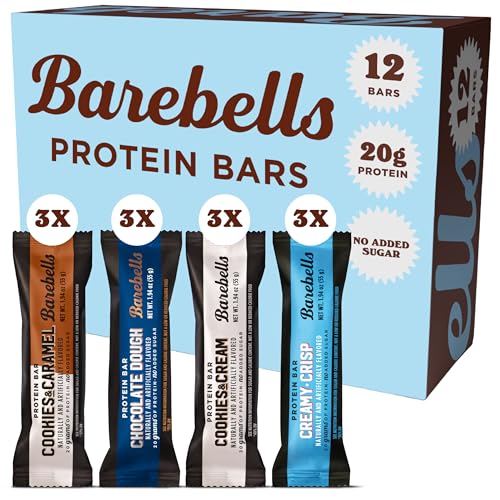
Barebells is the Swedish brand that cracked the code on protein bar texture — the bar mimics the mouthfeel of a nougat-based candy bar so closely that multiple reviewers describe it as “unreal for a protein bar.” The protein content sits at 20 grams per bar, lower than the 30G ceiling, but the ingredient engineering makes this the most edible option for anyone who prioritizes eating experience above raw macro numbers. The protein comes from a blend of milk protein concentrate and whey isolate, keeping the texture smooth and the aftertaste neutral.
The variety pack includes Cookies & Cream, Caramel, and Chocolate flavors, all of which are built around a base of maltitol and erythritol. The erythritol cooling effect is present but mild, and the absence of added sugar keeps the net carbs low. The bars are palm oil free and GMO free, which appeals to the clean-label crowd. The soft, pliable texture means the bar doesn’t need a microwave or refrigerator to maintain chewiness — it stays ready straight from the package.
The main limitation is the protein ceiling. At 20 grams, this bar is more of a high-protein snack or dessert replacement than a true meal replacement. The price per gram of protein is higher than the MET-Rx or Musashi options, making it less efficient for bulk protein intake. For the consumer who struggles with the gritty or chalky texture of traditional protein bars and is willing to pay for a superior eating experience, Barebells is the clear winner in mouthfeel.
Why it’s great
- Industry-leading texture that closely mimics a candy bar without chalkiness
- Free from added sugars and palm oil, making it a cleaner choice among treat-style bars
- Ready-to-eat softness at room temperature with no microwave needed
Good to know
- 20g protein per bar falls short of the 30G threshold — not a meal replacement
- Higher cost per gram of protein compared to bulk-oriented competitors
- Maltitol and erythritol blend still poses digestive risk at multiple bars per day
4. Quest Overload Chocolate Explosion

Quest’s Overload line is a direct response to the complaint that protein bars are too boring. The Chocolate Explosion flavor packs 20 grams of protein with only 3 grams of net carbs and 1 gram of sugar, making it one of the lowest-net-carb options in this roundup. The texture is distinct from standard Quest bars — it includes chocolate cookie chunks and milk chocolate chips suspended in a chewy base, creating a more layered eating experience than the uniform homogeneous bars.
The protein blend relies on a mix of whey isolate and milk protein isolate, which keeps the amino acid profile strong for muscle repair. The soluble corn fiber provides the bulk that allows the bar to remain low carb while still having a satisfying volume. Reviewers consistently describe the bar as tasting like a “improved Fiber One brownie” and note that the chocolate profile kills cravings without triggering a blood sugar spike. The 210-calorie count makes it a viable pre-workout or mid-afternoon snack for those on a strict carb budget.
The primary drawback is the chocolate coating — the sprinkles and outer layer tend to flake off during unwrapping, creating a minor mess. At 20 grams of protein, it’s again below the 30G target, so it works best as a satiating snack rather than a full meal replacement. The erythritol level is moderate, but some users report a mild cooling sensation on the back of the tongue. For the low-carb dieter who wants the highest protein-to-net-carb ratio in a truly indulgent flavor package, this is the bar to grab.
Why it’s great
- Remarkably low 3g net carbs and 1g sugar for a chocolate-laden bar
- Layered texture with real cookie chunks and chocolate chips enhances eating experience
- Whey isolate and milk protein isolate ensure high biological value protein
Good to know
- Chocolate sprinkles and coating flake off during unwrapping, making a mess
- 20g protein is below the 30G threshold targeted in this guide
- Erythritol cooling sensation may be off-putting to some palates
5. MET-Rx Big 100 Chocolate Chip
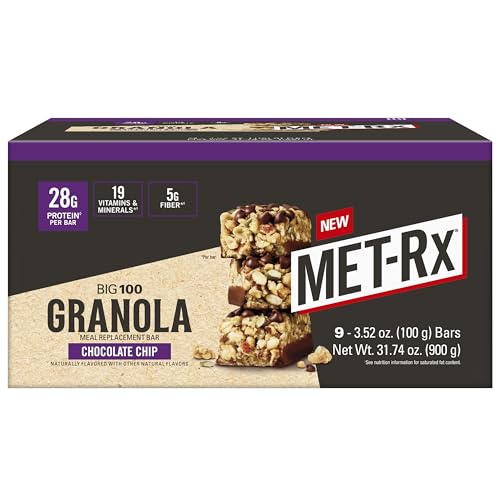
The Chocolate Chip variant of the MET-Rx Big 100 line delivers 28 grams of protein with a granola-forward texture that sets it apart from the denser, fudgier competitors. Oat flakes, flaxseeds, and sunflower seeds create a distinctly crunchy bite that holds up well in both gym bags and desk drawers without turning into a sticky brick. The protein blend uses milk protein concentrate and whey concentrate, providing a moderate release curve suitable for breakfast replacement or post-workout refueling.
The 5 grams of fiber per bar come from whole food sources rather than isolated fibers, which improves satiety and digestive regularity compared to bars that rely solely on chicory root or corn fiber. Reviewers specifically call out its ability to “hold me until lunch” when eaten as a morning meal, suggesting that the physical structure of the bar — not just the protein content — contributes to the fullness signal. The chocolate chips are real, not compound coating, which helps the flavor avoid the waxy aftertaste typical of budget protein bars.
The sugar content sits at 25 grams, which is high relative to the sugar-free alternatives. This is a bar designed for athletes and active individuals who need the carbohydrate energy, not for sedentary low-carb dieters. The texture has a noticeable chewiness from the oats that some reviewers find “sandy” compared to the smoother Barebells or MET-Rx Salted Caramel variant. For the buyer who wants a substantial, fiber-rich bar that doesn’t pretend to be dessert, this is the most honest option in the lineup.
Why it’s great
- 28g protein with a crunchy, oat-based texture that provides genuine meal-like satiety
- 5g fiber from whole food sources — flaxseeds, oats, and sunflower seeds
- Strong value proposition for the protein-per-barrier price
Good to know
- 25g of sugar per bar is relatively high for those monitoring sugar intake
- Granola texture can feel dry or sandy, especially without a beverage
- Not keto-friendly due to the oat and seed carbohydrate content
6. RXBAR Variety Pack
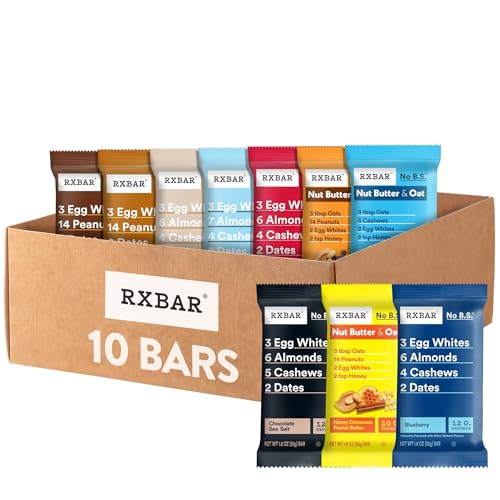
RXBAR occupies a unique position in this roundup — it’s the only bar that uses whole egg whites as its primary protein source rather than whey or milk isolates. This creates a nutritional profile that is fundamentally different: 12 grams of protein per bar, significantly lower than the 30G target, but with the cleanest ingredient deck in the group. The base is dates, almonds, and egg whites, with no added sugars, no gums, and no sugar alcohols. For the buyer who prioritizes ingredient transparency over macro density, RXBAR is the benchmark.
The texture is driven by the date matrix, which provides natural sweetness and a chewy, almost fig-like mouthfeel. The variety pack includes Peanut Butter Chocolate, Blueberry, and Chocolate Sea Salt, all of which use real fruit and nut inclusions rather than flavor isolates. Reviewers consistently note that the bars are “not too sweet” and that the simplicity of the ingredient list prevents any chemical aftertaste. The protein from egg whites is complete, with a high leucine content, though the bioavailability is slightly lower than whey isolate due to the heating process during manufacturing.
The obvious limitation is the 12-gram protein ceiling — this is a snack bar, not a meal replacement, and definitely not a 30G bar. For someone targeting 30 grams per serving, you’d need to eat 2.5 bars, which defeats the convenience factor. The lack of sugar alcohols means zero digestive risk for sensitive stomachs, but the natural sugar from dates (around 18 grams per bar) pushes this into a higher-carb category. RXBAR is the right choice for clean-label advocates who value minimal processing over maximum protein density.
Why it’s great
- Shortest, most recognizable ingredient list — dates, egg whites, almonds, nuts, fruit
- Zero sugar alcohols means no gastrointestinal distress for sensitive users
- Real fruit and nut inclusion creates a natural flavor profile without chemical taste
Good to know
- 12g protein per bar is far below the 30G target — requires multiple bars per serving
- Date-based natural sugar content is significant and impacts net carb count
- Texture is very chewy and may adhere to dental work or cause jaw fatigue
7. Magic Spoon Treats
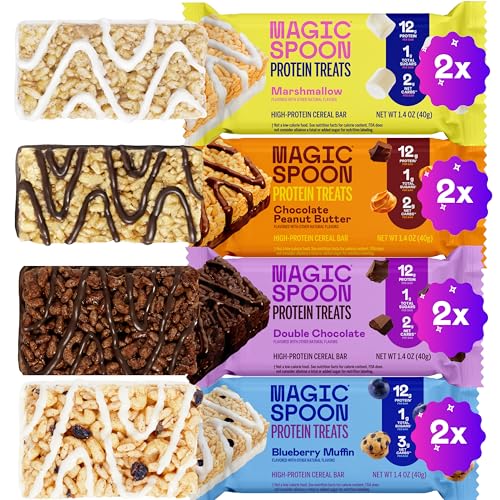
Magic Spoon Treats are a keto-friendly take on the classic marshmallow crispy rice bar, with 12-14 grams of protein per serving and just 1 gram of net carbs. The texture is the most distinctive in this roundup — it’s airy and crispy rather than dense and chewy, which makes it easy to eat quickly without needing water. The protein base is a blend of milk isolate and soy protein, which supports a complete amino acid profile while keeping the carb count in single digits.
The 8-count variety pack includes Marshmallow, Chocolate Peanut Butter, Blueberry Muffin, and Double Chocolate, providing enough rotation to prevent flavor fatigue. The marshmallow flavor is the standout, with reviewers noting it “perfectly mimics marshmallow treats” without the sugar crash. The keto-friendly macro profile — 1g net carb, 1g sugar backed by the brand’s high-profile media features makes this a compelling option for anyone following a strict low-carb or ketogenic diet who misses the texture of puffed cereal bars.
The protein density is the limiting factor here: at 12-14 grams per bar, you need to eat three bars to reach the 30G threshold, which negates the convenience of a single serving. Some flavors fall flat — the Blueberry Muffin is described as tasting like soap by multiple reviewers, and the price-per-bar is noticeably higher than traditional protein bars. The bars also arrive relatively fragile due to the puffed structure, so crushed boxes are a known shipping issue. For the keto dieter who wants a sweet treat without blowing net carbs, the Magic Spoon Treats are a unique option, but they don’t compete in the 30G weight class.
Why it’s great
- Airy, crispy texture is a welcome break from dense, chewy protein bars in the category
- 1g net carb and 1g sugar makes it genuinely keto-friendly
- Variety pack prevents flavor fatigue with four distinct profiles
Good to know
- 12-14g protein is well below the 30G target — not suitable as a single-bar meal replacement
- Blueberry Muffin flavor has a divisive artificial taste with soapy undertones
- Fragile puffed texture leads to crushed bars during shipping
FAQ
What makes a 30G protein bar different from a standard 20G bar?
Can I use a 30G protein bar as a complete meal replacement?
Why do some 30G bars cause bloating and gas?
How do I tell if a 30G bar is using quality protein or cheap filler?
Final Thoughts: The Verdict
For most users, the 30g protein bar winner is the MET-Rx Big 100 Salted Caramel Brownie Crunch because it delivers exactly 30 grams of protein with 5 grams of fiber and a satisfying meal-like texture that keeps you full for hours. If you want the absolute highest protein density in a single package, grab the Musashi High Protein Bar at 45 grams — just be prepared for the dense, toffee-like chew. And for the purest eating experience that tastes nothing like a protein bar, nothing beats the Barebells Variety Pack.