
Every step shouldn’t send a shock through your heel, arch, or forefoot. Yet for millions, the simple act of walking, standing, or light jogging triggers sharp plantar fasciitis pain, nagging arch strain, or aching metatarsals. The wrong athletic shoe amplifies that pain; the right one absorbs it, supports the foot’s natural mechanics, and lets you move without grimacing.
I’m Min — the co-founder and writer behind Gadgets Feed. I’ve spent hundreds of hours researching biomechanics, analyzing midsole compounds, outsole geometries, and insole support systems across dozens of models to separate the shoes that actually offload pressure from those that just look supportive.
This guide dissects the specific cushioning technologies, arch profiles, and stability features that matter most for sore feet. Whether you’re battling plantar fasciitis, heel spurs, or general overuse pain, the right pair of athletic shoes for foot pain can restore comfortable movement and keep you active.
How To Choose The Best Athletic Shoes For Foot Pain
Choosing shoes for painful feet isn’t about style — it’s about matching your specific foot mechanics to the right support and cushioning architecture. Three factors determine whether a shoe helps or hurts.
Arch Type and Stability Needs
Flat feet (overpronation) require a shoe with a medial post or a firm density foam on the inner side to prevent the arch from collapsing. High arches (underpronation) need neutral cushioning with plenty of flexibility to absorb shock. Neutral feet can wear either category but benefit from moderate arch support. Check your footprint in water — a full print means flat feet, a narrow print means high arches.
Cushioning Density and Stack Height
Soft, plush foam (like Hoka’s EVA or Brooks’ DNA Loft v2) feels great at first but can bottom out under heavier loads, reducing shock absorption. Firmer foams (like ASICS’ FlyteFoam or Mizuno’s Wave plate) provide more consistent support over longer distances. Stack height — the thickness of the midsole — above 30mm is generally recommended for heel pain sufferers, as it reduces impact on the heel strike.
Toe Box Volume and Insole Adaptability
A cramped toe box exacerbates metatarsalgia, bunions, and hammertoe pain. Look for a “wide” option or a naturally anatomical toe shape (Ryka, Brooks, and some Hoka models excel here). Removable insoles are critical if you need custom orthotics — check the insole depth and whether the shoe’s internal volume accommodates an aftermarket insert without pinching the top of your foot.
Quick Comparison
On smaller screens, swipe sideways to see the full table.
| Model | Category | Best For | Key Spec | Amazon |
|---|---|---|---|---|
| Hoka Bondi 9 | Premium | Max cushioning for heel & hammertoe pain | 33mm stack height, full-length EVA | Amazon |
| ASICS GT-1000 14 | Mid-Range | Overpronators needing guidance & cushion | LITETRUSS stability, 22mm heel | Amazon |
| Mizuno Wave Inspire 21 | Premium | Shin splints & reliable daily trainers | Mizuno Wave plate, 12mm drop | Amazon |
| G-DEFY MATeeM | Premium | Standing all day & nerve-related pain | VersoShock spring, 2 extra insoles | Amazon |
| Brooks Revel 8 | Mid-Range | Neutral runners wanting air-like cushioning | DNA Loft v2, 29mm heel | Amazon |
| Ryka Devotion X Max RS | Mid-Range | Women needing affordable, wide toe box | Removable insole, roomy toe box | Amazon |
| Skechers Arch Fit Arcade | Budget | Slip-on convenience with arch support | Podiatrist-certified arch insole | Amazon |
In‑Depth Reviews
1. Hoka Men’s Bondi 9

The Hoka Bondi 9 is the benchmark for maximum-cushion shoes that genuinely reduce pain at the heel and midfoot. Its 33mm stack height of full-length EVA foam provides a plush, trampoline-like feel that, according to verified users, eliminated hammertoe pain after just two 5-kilometer walks and nearly resolved plantar fasciitis after three months of consistent use combined with exercises.
The trade-off for that pillowy platform is a taller sole that requires a brief adjustment period — several users noted the higher stance felt slightly wobbly for the first mile. You’ll also need to pair these with mid-weight wool socks; cotton socks caused friction and discomfort near the 2.5-mile mark for some wearers with sensitive skin conditions.
When comparing premium pain-relief shoes, the Bondi 9 consistently outperforms the Brooks range in long-distance comfort, with one user reporting over 1 million steps across six months of daily wear. For anyone whose foot pain stems from heel strike impact or bony deformities like hammertoes, this is the most definitive solution in the test pool.
Why it’s great
- Ultra-plush EVA foam eliminates heel-strike pain
- Verified relief for plantar fasciitis and hammertoe
- Lightweight despite tall stack (under 11 oz)
Good to know
- Tall sole needs a few walks to feel stable
- Upper rubs with thin cotton socks after 2.5 miles
2. Mizuno Men’s Wave Inspire 21
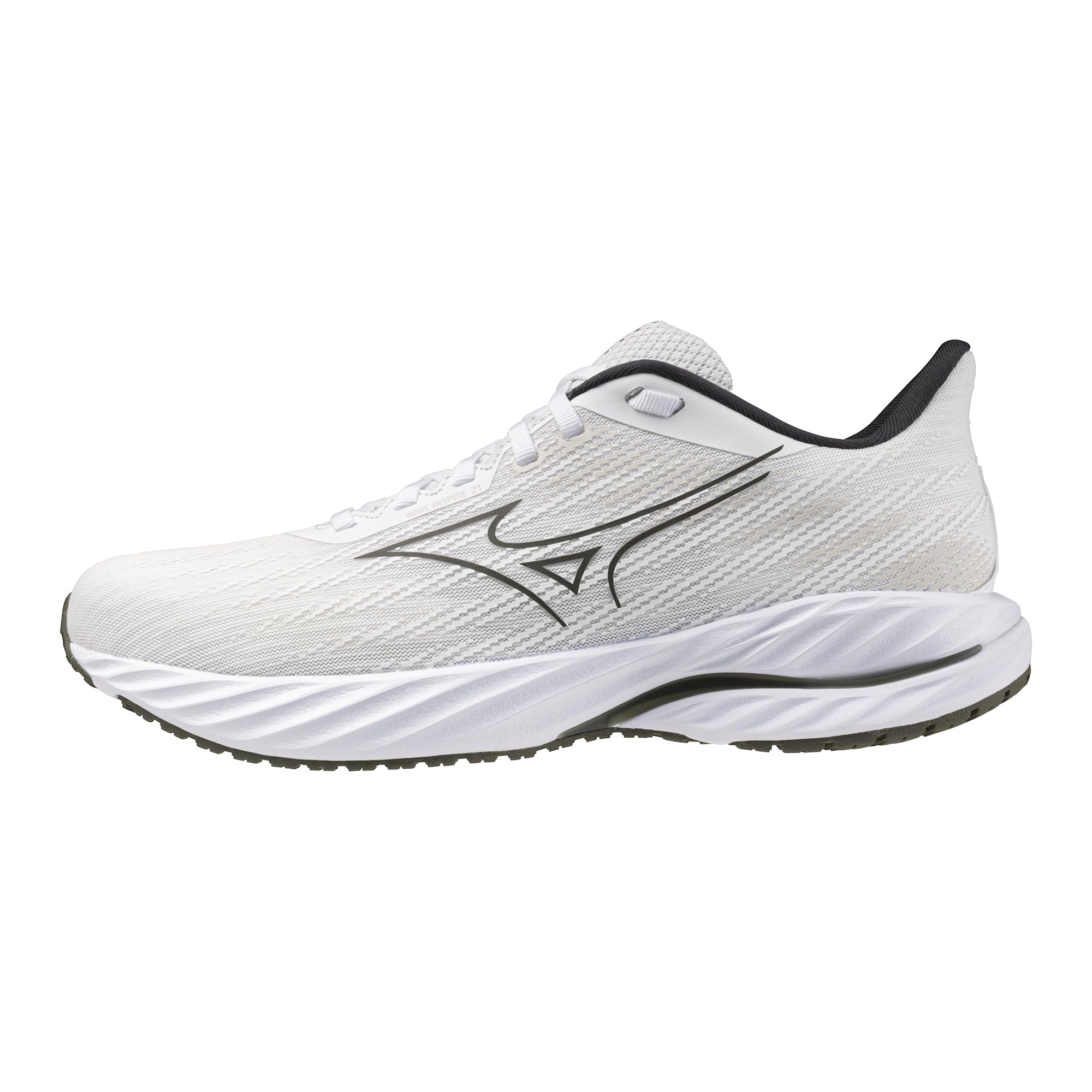
The Mizuno Wave Inspire 21 has earned a loyal following among runners who struggle with shin splints and overpronation — conditions that often coexist with foot pain. Its signature Wave plate, a corrugated thermoplastic layer embedded in the midsole, provides a unique blend of springy cushioning and rigid support that doesn’t collapse over time like EVA-only foams.
Long-term users report the Wave Inspire is the most consistent shoe in their rotation, lasting through multiple seasons of 15-20 mile weeks without losing its structural integrity. The 12mm heel-to-toe drop encourages a midfoot strike, which reduces pressure on the heel and forefoot — a key feature for anyone with heel spurs or metatarsalgia.
The upper uses high-quality mesh that conforms without pinching, and the fit runs true to standard widths. While the Wave plate isn’t as marshmallow-soft as Hoka’s foam, it delivers a snappier, more responsive ride that serious walkers and runners prefer for sustained daily wear. It’s the best option for those who need durable, predictable support rather than pure plushness.
Why it’s great
- Wave plate prevents midsole breakdown over high mileage
- Proven relief for shin splints and overpronation
- 12mm drop reduces heel strike impact
Good to know
- Less plush than maximum-cushion alternatives
- Limited wide-width availability
3. ASICS Men’s GT-1000 14
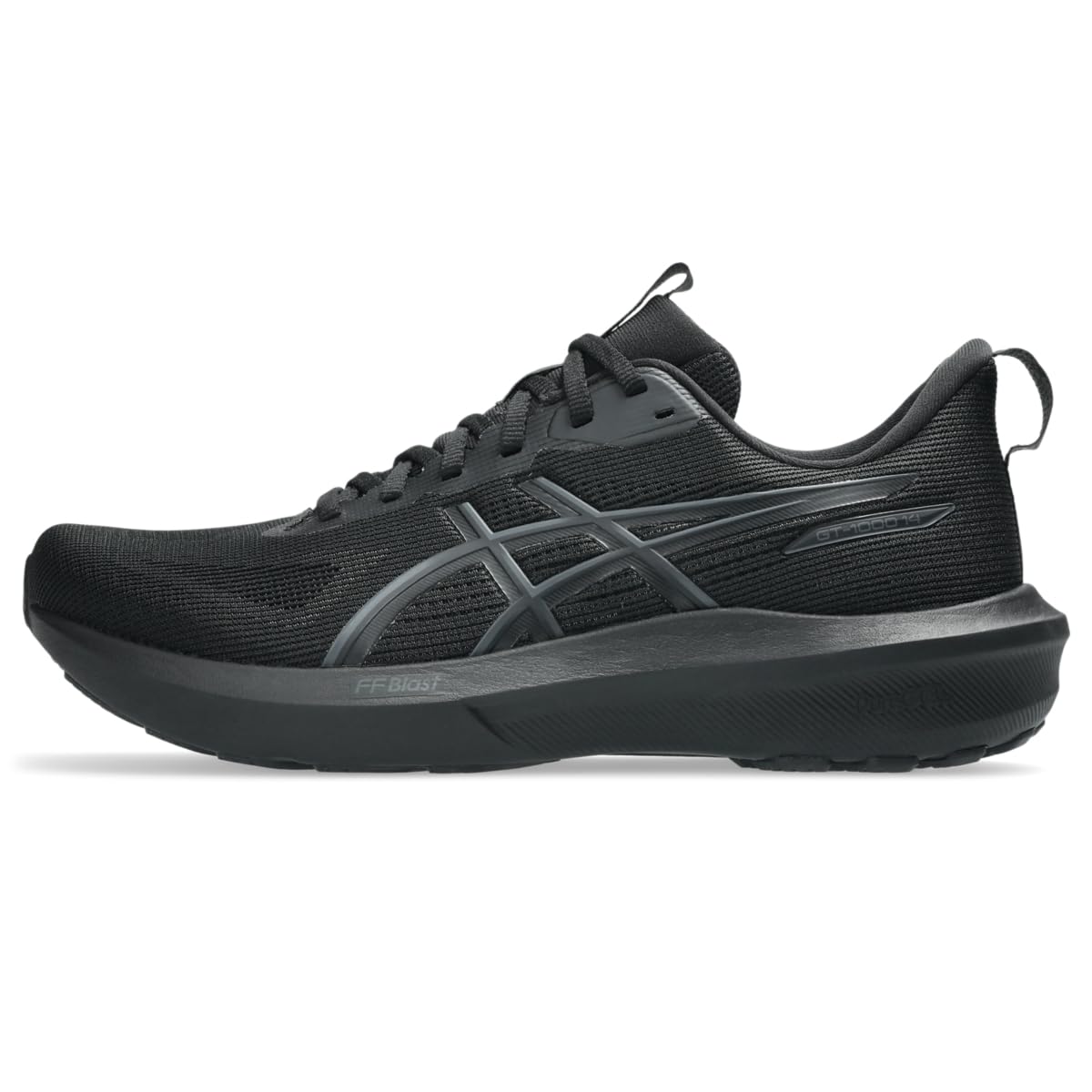
The ASICS GT-1000 14 delivers the same guidance platform as the premium GT-2000 series at a significant savings, making it a smart mid-range pick for overpronators with foot pain. Its LITETRUSS technology — a dense foam wedge on the medial side — gently guides the foot toward a neutral gait without the harsh posting feel of older stability shoes.
Users with neuropathy and general arch strain reported immediate relief, noting the shoe “significantly reduced my foot pain” and made work shifts far more comfortable. The 22mm heel stack provides adequate impact absorption for walking and light jogging, while the Xtra-wide option ensures toes aren’t compressed — a critical detail for those with bunions or Morton’s neuroma.
Switching from the GT-2000, one long-term ASICS wearer found the GT-1000 14 actually felt more cushioned underfoot while costing roughly 30% less. The outsole features durable AHAR rubber that holds up to daily pavement pounding. For barefoot-to-shoe converts seeking their first structured shoe, this is a forgiving, high-value entry point.
Why it’s great
- LITETRUSS provides smooth guidance without rigid posting
- Xtra-wide option available for sensitive toe boxes
- More cushioned than premium GT-2000 at lower cost
Good to know
- 22mm heel may feel firm for stand-all-day users
- Not designed for heavy trail use
4. G-DEFY MATeeM Women’s Cross Trainer
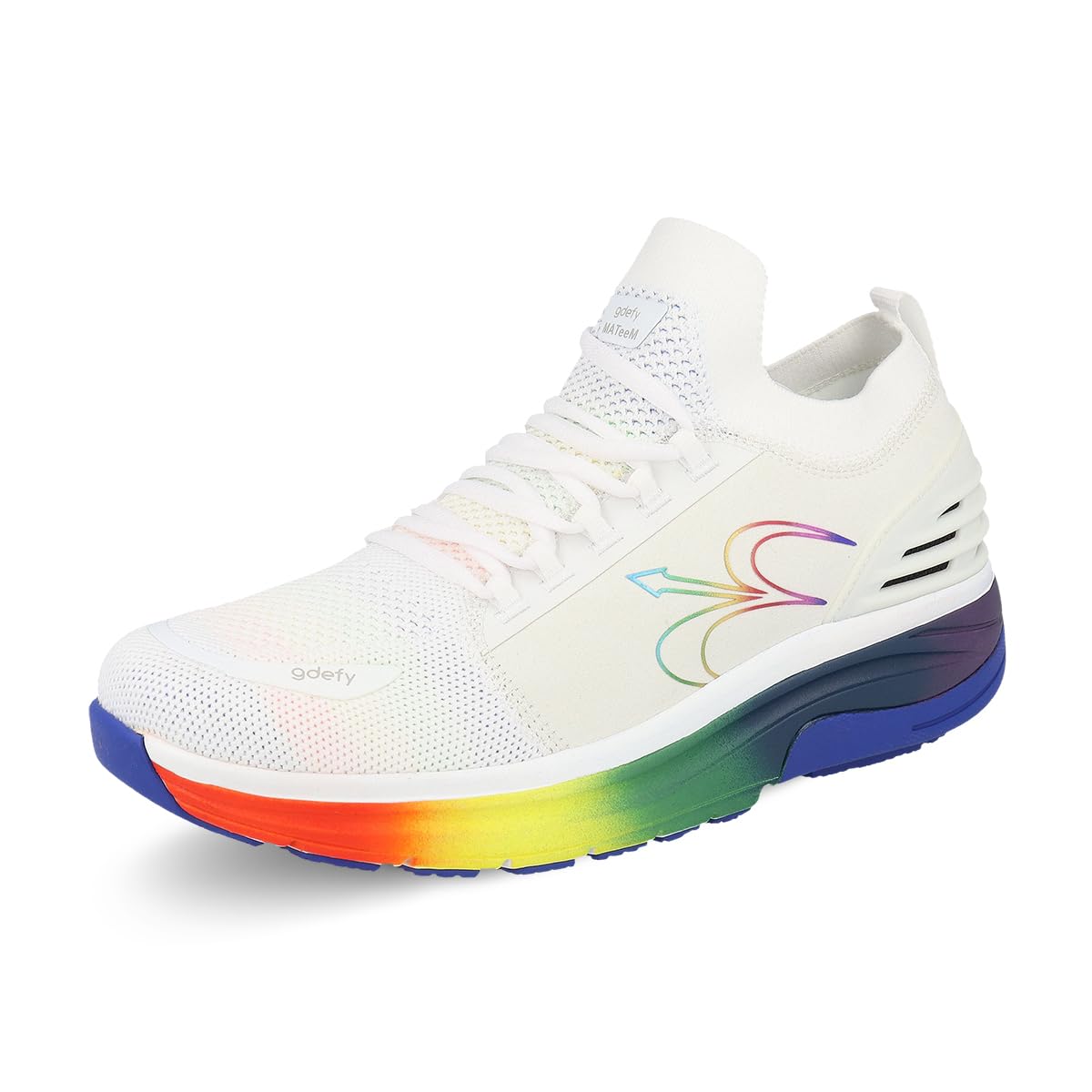
The G-DEFY MATeeM is engineered specifically for the stationary and standing worker — nurses, retail staff, factory workers who spend 8-10 hours on concrete floors. Its patented VersoShock technology uses a spring-like mechanism in the heel that absorbs impact and returns energy, creating a walking-on-pillows sensation that verified users say eliminated back and knee pain within two days.
The shoe comes with three interchangeable insole pairs (standard, firm, cushioned) so you can dial in the exact arch height and density your foot requires. This modular system is particularly valuable for neuropathy sufferers and those with post-surgical foot conditions who need to fine-tune pressure distribution. Several users reported that no swelling occurred even after 8-hour shifts, a significant claim for anyone with diabetes-related foot issues.
The main caveat is sizing: the MATeeM runs small and the toe box is noticeably narrower than the rest of the shoe. Multiple users recommend going up a half to full size, especially if you have wide feet or plan to add custom orthotics. The colorful, chunky sole design also draws visual attention — a stylistic trade-off for the pain relief it provides.
Why it’s great
- VersoShock spring significantly reduces joint pain on hard floors
- Three insoles allow custom arch and cushioning tuning
- No foot swelling reported during 8-hour shifts
Good to know
- Toe box is narrow — size up half to full
- Bulkier design than traditional athletic shoes
5. Brooks Men’s Revel 8
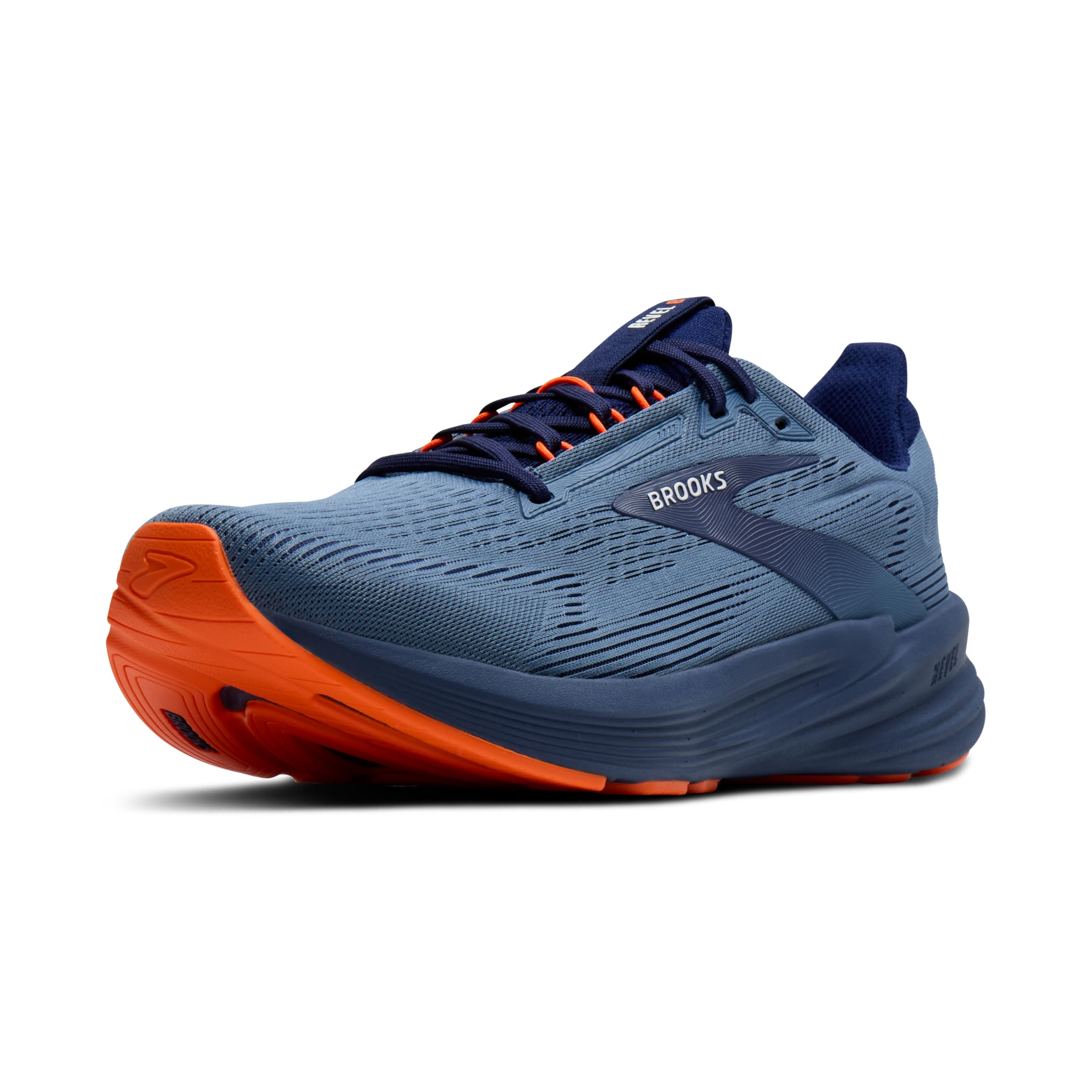
The Brooks Revel 8 is a neutral-cushioning shoe that hits a sweet spot for walkers and runners who need ample padding without the extreme stack height of Hoka models. Its DNA Loft v2 midsole — a blend of EVA and rubber — provides a “running on air” sensation that one soccer referee verified after logging 274 miles without the bloody toenails and aching feet he endured in trail runners.
The APMA Seal of Acceptance is a notable certification here, indicating the design has been reviewed by podiatrists for foot health. The updated engineered mesh upper breathes well and stretches slightly to accommodate foot swelling during longer wear, while the RoadTack rubber outsole offers reliable grip on pavement and light gravel.
Size consistency is the main complaint: most users recommend ordering a full size larger than your normal dress shoe size, as the Revel 8 runs shorter than other Brooks models like the Ghost or Adrenaline. The included shoelaces are also unusually short, making it difficult to tie a runner’s knot if you prefer a locked-in heel fit.
Why it’s great
- DNA Loft v2 delivers air-like cushioning for long distances
- APMA Seal — podiatrist-approved design
- Lightweight and breathable for warm-weather use
Good to know
- Runs short — order a full size up
- Included laces are too short for secure heel lock
6. Ryka Devotion X Max RS Walking Shoe
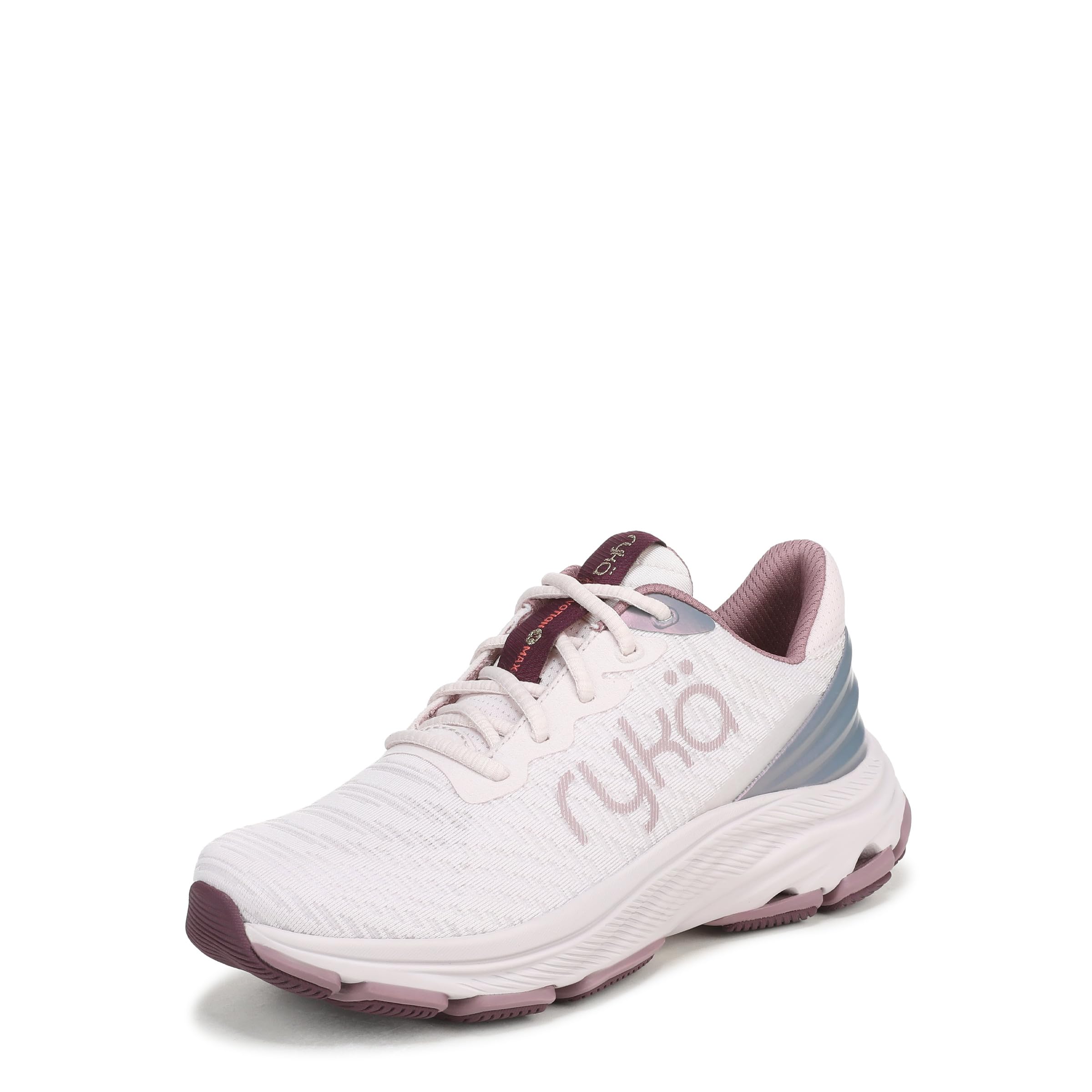
The Ryka Devotion X Max RS stands out as a women-specific shoe that prioritizes arch support and toe splay — two factors that directly combat foot pain. Designed by the only major athletic brand focused exclusively on women’s foot anatomy, it features a wider toe box and a more tapered heel than unisex models, accommodating the average woman’s narrower heel and broader forefoot.
Verified users report that the built-in arch support eliminated pain they didn’t even realize they had, with one reviewer calling it “the perfect walking shoe” and stating it offers more cushioning than the Hoka Bondi 9 at a substantially lower investment. The removable insole accommodates custom orthotics, and the machine-washable construction makes maintenance simple for daily wearers.
Some Nike and ON loyalists noted the wider toe box causes a slight puckering of the mesh when laced tightly, though this doesn’t affect performance or comfort. The non-slip outsole provides stable footing for older adults, and the lightweight pearlized heel wrap adds a touch of style. For women seeking a podiatrist-friendly shoe without the premium price tag, this is the standout pick.
Why it’s great
- Women-specific last with roomy toe box and narrow heel
- More cushioning than Hoka Bondi 9 according to user comparisons
- Removable insole for custom orthotics; machine washable
Good to know
- Wide toe box can look puckered when lacing tight
- Limited color options compared to mass-market brands
7. Skechers Women’s Arch Fit Arcade Hands Free Slip-ins Sneaker
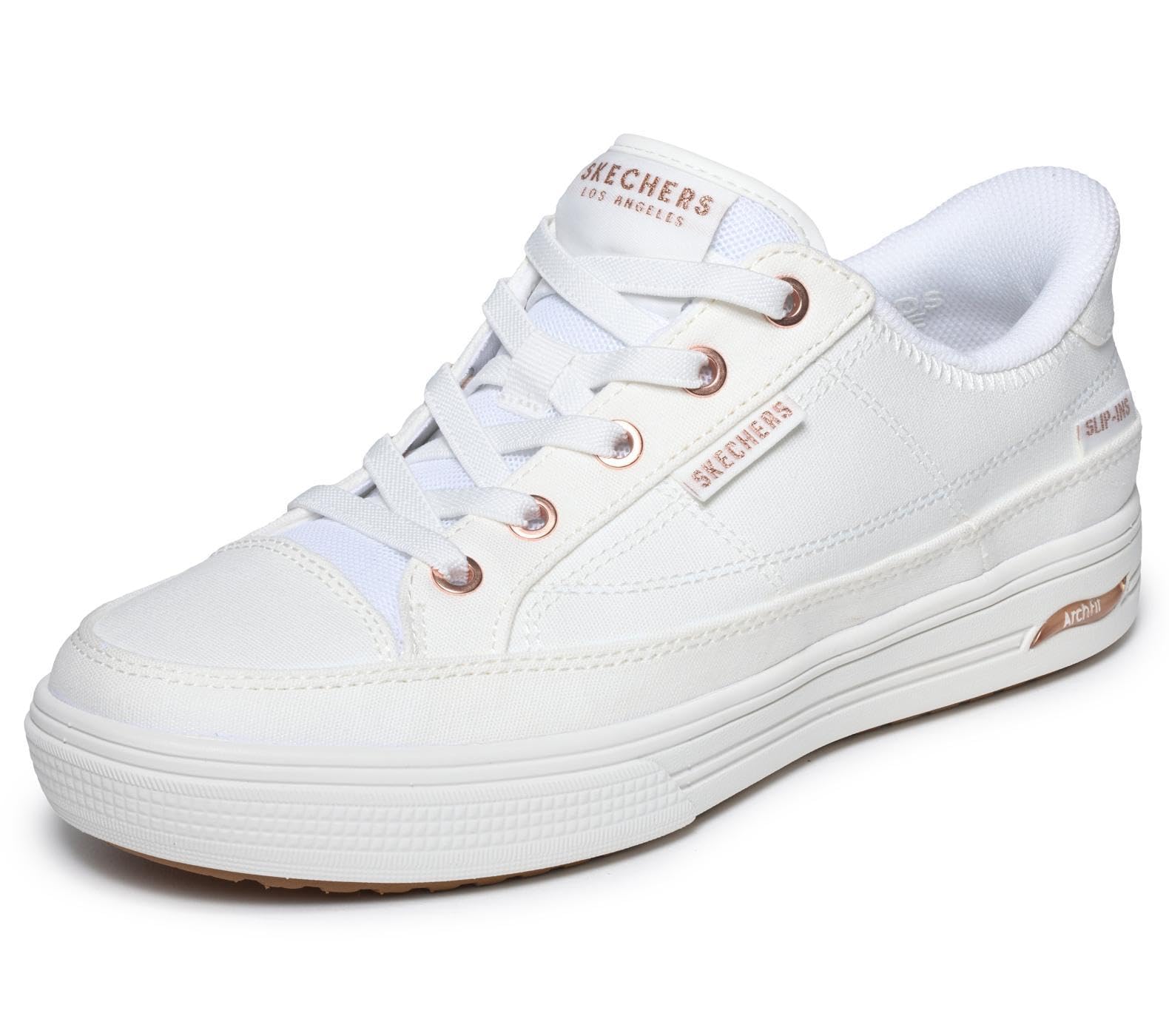
The Skechers Arch Fit Arcade brings certified arch support into a hands-free slip-on format that’s ideal for users who struggle with bending down to tie laces. Its podiatrist-designed insole provides structured support under the midfoot, and the lightweight, flexible construction makes it an effortless grab-and-go option for errands and daily walking.
A 68-year-old user reported wearing these for four consecutive days in Universal Studios Florida with zero foot pain — a testament to the arch insole’s effectiveness for mild to moderate support needs. The slip-in design also features a reinforced heel counter that doesn’t break down after months of use, a common complaint in budget slip-on shoes.
The narrow fit is the primary limitation: the shoe runs significantly narrow, meaning those with standard or wide feet may experience tightness across the forefoot. One user explicitly noted that “if you have a regular foot, they will be very tight.” For women with narrow feet (size 9N), however, these are a perfect fit. They’re best suited for light walking and casual use rather than high-mileage running or standing shifts.
Why it’s great
- Hands-free slip-on design is ideal for mobility-limited users
- Podiatrist-designed arch support passes real-world walking tests
- Back counter holds shape after months of daily wear
Good to know
- Runs very narrow — not suitable for standard/wide feet
- Best for casual walking, not high-impact use
FAQ
Should I buy a maximum cushion shoe for plantar fasciitis or a firm stability shoe?
Can I replace the insole with my custom orthotics in these shoes?
What is the difference between the ASICS GT-1000 and GT-2000 for foot pain relief?
Final Thoughts: The Verdict
For most users, the athletic shoes for foot pain winner is the Hoka Bondi 9 because its 33mm stack height and plush EVA foam provide the most consistent heel and arch pain relief across the widest range of foot conditions. If you need durable, responsive support for high-mileage walking or running, grab the Mizuno Wave Inspire 21. And for all-day standing on hard floors with neuropathy or back pain, nothing beats the G-DEFY MATeeM with its VersoShock system.