
Your afternoon slump doesn’t need a sugar bomb—it needs a calculated hit of caffeine and electrolytes without the syrupy crash. The modern energy drink aisle is split between functional hydration blends and pre-workout-grade stimulants, and picking wrong means either a spike-and-plummet cycle or a stomach ache from over-carbonation. This guide cuts through the marketing to identify the cans that deliver clean, sustained alertness with zero grams of sugar.
I’m Min — the co-founder and writer behind Gadgets Feed. I’ve spent hundreds of hours cross-referencing caffeine milligram counts, electrolyte profiles, and artificial sweetener aftertaste reports to separate the true everyday performers from the overhyped cans that disappear from gas station shelves after one sip.
For this guide, I focused exclusively on zero-sugar, low-calorie options with verified energy blends, measuring everything from B-vitamin content to carbonation level. The result is a tight, honest list of the best energy drink picks that actually respect your body’s chemistry and your taste buds.
How To Choose The Best Energy Drink
Selecting the right zero-sugar energy drink comes down to three variables: your caffeine tolerance, your sensitivity to artificial sweeteners, and whether you need hydration support or pure stimulation. A 160 mg can works differently than a 200 mg can, and carbonated vs. non-carbonated formulations affect how quickly your body absorbs the energy blend.
Caffeine Milligrams Per Serving
Most zero-sugar energy drinks fall between 100 mg and 200 mg of caffeine per can. The lower end (100–120 mg) works for casual afternoon pick-me-ups without disrupting sleep, while 200 mg borders on pre-workout territory and can cause jitters if you metabolize caffeine slowly. Check the serving size: some 16 oz cans pack the same caffeine as a 12 oz can but spread across more liquid, which changes absorption speed.
Sweetener Profile and Aftertaste
Because these drinks contain zero sugar, they rely on sucralose, acesulfame potassium, erythritol, or stevia to mimic sweetness. Sucralose-based formulas often leave a lingering metallic aftertaste, while erythritol-based blends taste cleaner but can cause digestive upset in larger quantities. Reading reviews for “chemical aftertaste” complaints is your best early warning system.
Electrolytes and Functional Additives
Not all energy drinks are created equal when it comes to hydration. Drinks that include sodium, potassium, and magnesium (like electrolyte-infused waters) double as recovery tools for athletes. Others focus purely on stimulants like taurine, guarana, and B-vitamins with zero hydration support. If you plan to drink one after a workout or on a hot day, the electrolyte profile matters more than the caffeine count.
Quick Comparison
On smaller screens, swipe sideways to see the full table.
| Model | Category | Best For | Key Spec | Amazon |
|---|---|---|---|---|
| Alani Nu Variety Pack | Zero Sugar | Clean sustained energy without jitters | 200mg caffeine, 15 calories, 12 oz can | Amazon |
| C4 x Popsicle Variety Pack | Pre-Workout | Pre-workout performance with CarnoSyn beta-alanine | 200mg caffeine, NSF certified, 16 oz can | Amazon |
| CELSIUS Sparkling Variety Pack | Fitness Fuel | Workout days and low-energy office afternoons | 200mg caffeine, 12 oz can, 10 calories | Amazon |
| Monster Zero Ultra | Zero Sugar | Light sparkling citrus flavor with full energy blend | 10 calories, 16 oz can, 140mg caffeine | Amazon |
| Monster Rehab Variety Pack | Non-Carbonated | Hydration recovery with tea flavor | 160mg caffeine, 25 calories, 15.5 oz can | Amazon |
| NOS Zero Sugar | Zero Sugar | Strong energy boost without the crash | 160mg caffeine, 0 calories, 16 oz can | Amazon |
| Propel Energy Boost | Hydration Water | Daily hydration with a mild 100 mg caffeine lift | 100mg caffeine, 0 calories, 16.9 oz bottle | Amazon |
In‑Depth Reviews
1. Alani Nu Variety Pack

At 200 mg of caffeine per 12-ounce can, Alani Nu hits the functional ceiling without tipping into overstimulation. The variety pack includes Cherry Twist, Pink Slush, and Orange Kiss — three flavors that reviewers consistently praise for lacking the bitter chemical aftertaste common in zero-sugar energy drinks. The formula relies on B5, B6, B12, and biotin rather than taurine or guarana to sustain energy output, which means a smoother curve from onset to comedown.
The carbonation is lighter than standard Monster or C4 cans, which makes it easier to drink quickly before a workout or during a long shift. Each can carries only 10 calories and zero grams of sugar, so it fits ketogenic or low-carb macro targets without adjustment. The lack of artificial colors also eliminates that neon-dye look that some drinkers find off-putting.
Where Alani Nu separates itself is the aftertaste profile — or rather, the absence of one. Multiple reviews note that this is the only zero-sugar energy drink they’ve tried that doesn’t leave a sucralose film on the tongue. For daily drinkers who rotate flavors to avoid palate fatigue, this three-flavor pack provides enough variety to last through a work week without repetition.
Why it’s great
- Clean 200 mg caffeine boost with no artificial aftertaste
- Vegan, gluten-free, and no artificial colors
- Light carbonation prevents bloating
Good to know
- Not recommended for children, caffeine-sensitive individuals, or pregnant women
- 12 oz can is smaller than the 16 oz cans some competitors offer
2. C4 Energy Drink x Popsicle Variety Pack
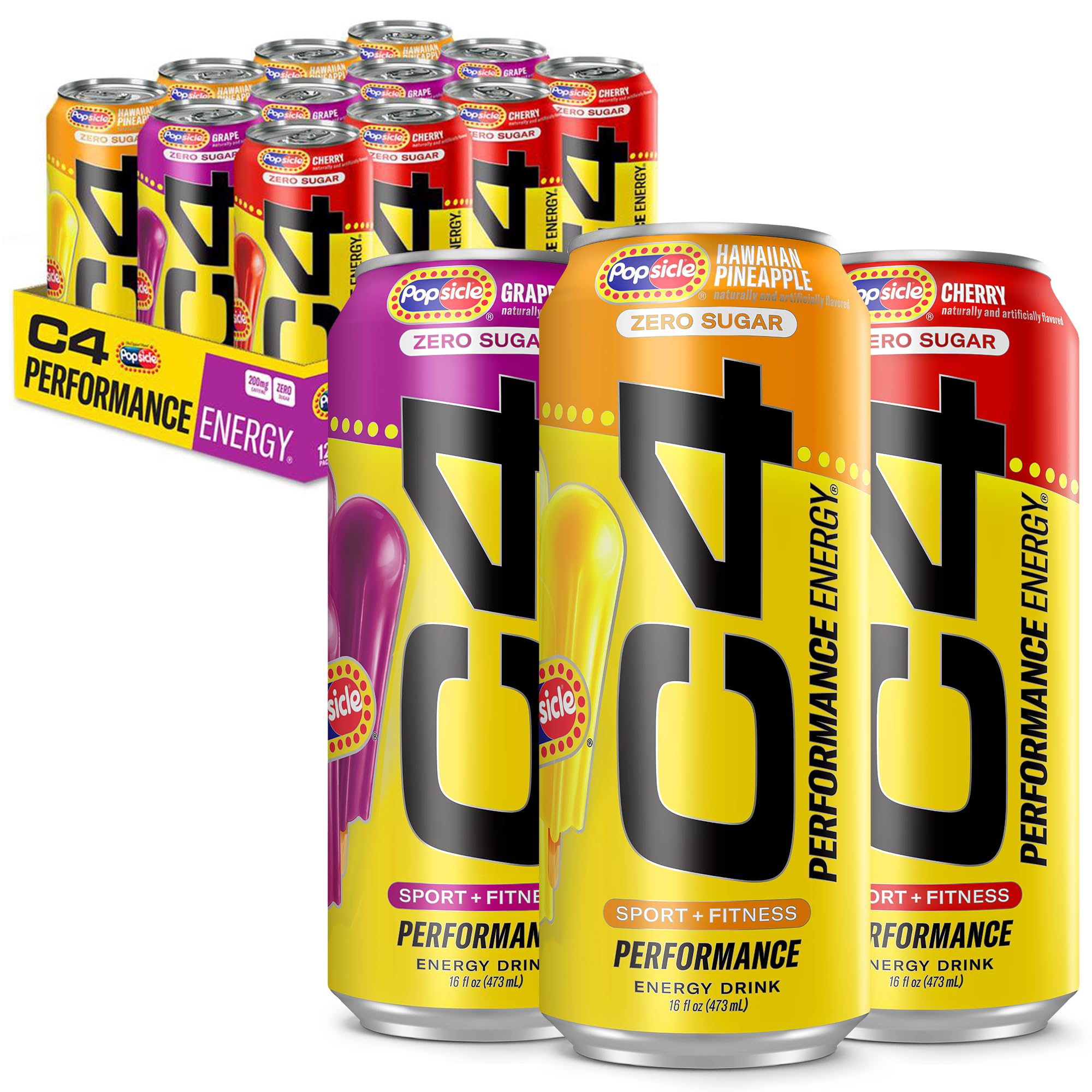
C4’s Popsicle collaboration delivers 200 mg of caffeine per 16-ounce can with a twist: the inclusion of CarnoSyn Beta-Alanine, a clinically studied compound that buffers lactic acid buildup during high-rep training. This makes it the only entry on this list with a genuine pre-workout mechanism built into the formula, distinct from the standard caffeine-plus-B-vitamin approach. The three flavors — Grape, Hawaiian Pineapple, and Cherry — mimic classic popsicle profiles without the sugar load.
The NSF certification for sport is a meaningful differentiator for athletes who submit to random drug testing. C4 also avoids artificial colors and dyes, so the liquid appearance is translucent rather than neon. Reviewers report feeling alert within 15–25 minutes of consumption, with no jittery crash later in the day, thanks to the sustained release profile of the beta-alanine and caffeine pairing.
One trade-off is the distinctive beta-alanine-induced tingling sensation — often described as “pins and needles” on the skin — that some first-time users find alarming. This effect is harmless and fades after continued use, but if you’re sensitive to tactile side effects, start with half a can. The 16-ounce format also means a higher liquid volume than Alani Nu’s 12 oz cans, which some drinkers prefer for slower sipping.
Why it’s great
- NSF Certified for Sport — safe for competitive athletes
- CarnoSyn Beta-Alanine fights muscular fatigue
- Zero sugar and no artificial colors
Good to know
- Beta-alanine can cause a harmless tingling sensation
- 16 oz can may be too large for a quick pre-workout chug
3. CELSIUS Sparkling Variety Pack
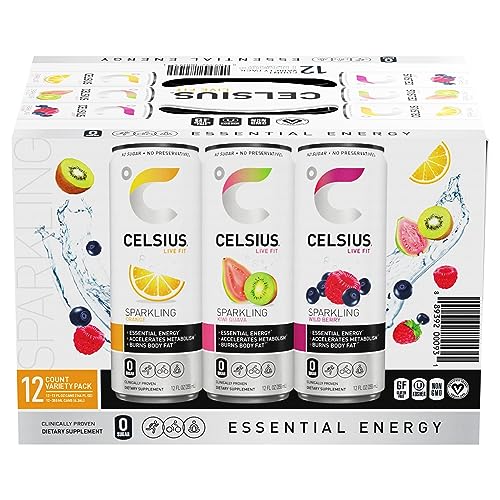
CELSIUS has built a loyal following among fitness-focused drinkers who want a 200 mg caffeine kick without the heavy carbonation of traditional energy drinks. The Sparkling Variety Pack includes Orange, Wild Berry, and Kiwi Guava — each can staying at 10 calories and zero sugar. The formula includes green tea extract, guarana seed extract, ginger root, and B-vitamins, creating a thermogenic blend that some users report increases their perceived energy during workouts.
Reviewers frequently note that CELSIUS feels different from standard energy drinks because the carbonation is finer and the sweetness is more subtle — it avoids the syrupy profile that dominates the Monster and Rockstar aisles. One 80-year-old reviewer reported that CELSIUS improved their mobility and quality of life, suggesting the formula’s effects extend beyond simple caffeine stimulation. The 12 oz can format is easy to drink in under five minutes.
The main criticism is flavor inconsistency: the Wild Berry variant draws complaints for tasting “plasticky,” while the Orange and Kiwi Guava flavors receive consistent praise. If you’re trying CELSIUS for the first time, this variety pack is the ideal entry point — you can identify which profile works for your palate before committing to a full case of a single flavor.
Why it’s great
- Thermogenic formula with green tea and guarana extracts
- Light, fine carbonation for easy drinking
- Ideal for workout days and slow office afternoons
Good to know
- Wild Berry flavor has mixed reviews (some call it plasticky)
- 12 oz can may not satisfy heavy sippers
4. Monster Zero Ultra

Monster Zero Ultra remains the benchmark for zero-sugar energy drinks precisely because it solved the sweetness problem early. Instead of loading the can with sucralose boldness, the Ultra line uses a lighter, citrus-forward flavor profile that reviewers describe as “tropical punch meets crisp citrus” with zero artificial aftertaste. Each 16 oz can delivers 10 calories and the full Monster Energy blend — taurine, ginseng, guarana, B-vitamins, and 140 mg of caffeine — packaged in a highly carbonated format that stays fizzy until the last sip.
The 15-pack format offers the best per-can value among the mid-range options on this list, making it the go-to choice for daily drinkers who burn through a case every two weeks. Reviewers consistently note the absence of jitters despite the full energy blend, and the refined sweetness level means it pairs well with bourbon or vodka for those who mix their energy drinks into cocktails without masking the alcohol flavor.
Where Zero Ultra loses ground to Alani Nu and C4 is its lower caffeine density: 140 mg per 16 oz can works out to roughly 8.75 mg per ounce, compared to Alani Nu’s 16.7 mg per ounce. For drinkers who need a higher stimulant punch per unit of liquid, the Ultra line feels dilute. But for those who prefer a longer sipping experience with less intensity, this remains the most polished zero-sugar option Monster has ever produced.
Why it’s great
- Lighter, citrus-forward taste with no chemical aftertaste
- Excellent 15-pack value for daily drinkers
- High carbonation stays fizzy through the entire can
Good to know
- 140 mg caffeine is lower than the 200 mg competitors offer
- Pricey per can if purchased individually at gas stations
5. Monster Rehab Variety Pack
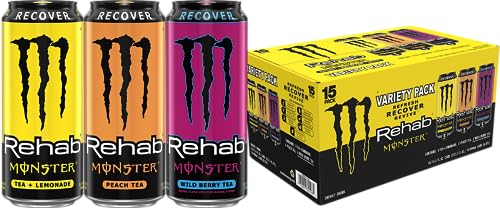
Monster Rehab occupies a rare niche: it delivers 160 mg of caffeine in a non-carbonated, tea-based format with only 25 calories per 15.5 oz can. The lack of carbonation changes the entire drinking experience — you can chug it without burping, and it doesn’t create the gas buildup that some sensitive stomachs associate with sparkling energy drinks. The variety pack includes Tea plus Lemonade, Peach Tea, and Wild Berry Tea, all infused with electrolytes and B-vitamins.
Reviewers praise the Rehab line for providing energy without the jittery edge — the tea-based caffeine seems to release more gradually than the synthetic caffeine blends in standard Monster cans. The electrolyte content (sodium, potassium, magnesium) makes this a legitimate post-workout recovery drink rather than just a stimulant delivery system. For hangover mornings or days when your body feels depleted, the Rehab format outperforms every other entry on this list.
The main downside is packaging reliability: approximately 20% of multipack purchasers report receiving one or more damaged or leaking cans. The non-carbonated format also means the drink feels closer to iced tea than an energy drink, which may disappoint drinkers who want the aggressive fizz and mouthfeel of a traditional Monster or Bang can. But for those who prioritize hydration and smooth energy over spectacle, Rehab is unmatched.
Why it’s great
- Non-carbonated — gentle on the stomach and easy to chug
- Tea-based energy blend with electrolytes for recovery
- Only 25 calories per can
Good to know
- Some multipacks arrive with damaged or leaking cans
- Non-carbonated format may not appeal to traditional energy drink fans
6. NOS Zero Sugar

NOS Zero Sugar enters the conversation as a sleeper pick for drinkers who value smooth taste over brand recognition. At 160 mg of caffeine per 16 oz can, it sits neatly between Monster’s 140 mg and C4’s 200 mg — enough to produce a noticeable lift without crossing into agitation territory. The formula includes taurine, inositol, guarana, and B6/B12, creating a comprehensive nootropic profile that supports mental focus as much as physical energy.
What makes NOS stand out is its mango-forward flavor profile — most drinkers don’t realize they’re drinking mango until someone points it out, but once noticed, the tropical undertone becomes the defining characteristic. The carbonation is notably less aggressive than Monster Zero Ultra or C4, which makes it easier on the palate during extended drinking sessions. Reviewers describe the taste as “not overly sweet” and praise the lack of a Zero Sugar energy drink chemical finish.
Value-wise, the 15-pack format at the mid-range price point makes NOS one of the more affordable zero-sugar options per can. The main hesitation is availability: NOS doesn’t have the same shelf presence as Monster or CELSIUS, so gas station and convenience-store pricing tends to be inflated. Buying the 15-pack on Amazon with Subscribe & Save solves that problem and brings the per-can cost well below retail single-can prices.
Why it’s great
- Smooth mango flavor with no chemical aftertaste
- 160 mg caffeine delivers strong energy without jitters
- Less carbonated than Monster — gentle on the stomach
Good to know
- Less shelf presence than Monster — harder to find at gas stations
- Some drinkers were surprised it tastes like mango
7. Propel Energy Boost Flavored Water
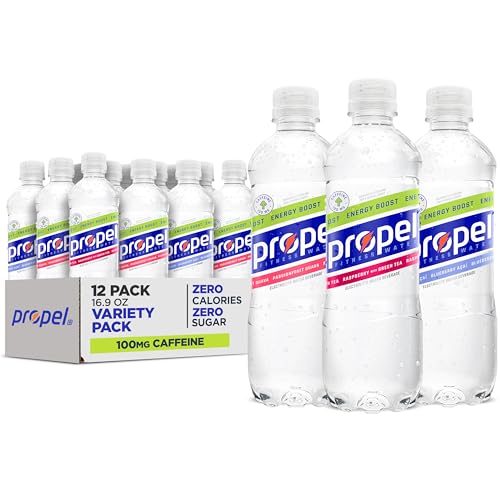
Propel Energy Boost occupies a unique quadrant: it’s a hydration-focused electrolyte water that happens to contain 100 mg of caffeine per 16.9 oz bottle, which puts it below the conventional energy drink threshold. Created by the makers of Gatorade, Propel includes the same electrolyte profile (sodium, potassium) that replaces what’s lost in sweat, plus B3, B5, B6 and antioxidants C and E. The result is a drink that rehydrates while delivering a mild cognitive lift — ideal for people who want to quit soda or sugary iced tea.
The flavor range (Blueberry Acai, Passion Fruit Guava, Raspberry Green Tea) is designed to mimic fruit-infused water rather than candy-like energy drinks. The zero-calorie, zero-sugar, non-carbonated format makes it the most everyday-friendly option on this list — you can drink it in place of still water without side-eyeing the sugar content. Reviewers report that Propel Energy Boost has helped them break soft drink and sweet tea habits entirely.
Where Propel falls short for traditional energy drink buyers is the caffeine dose: 100 mg is roughly equivalent to a strong cup of coffee, which means the onset is noticeable but not forceful. If you need a pre-workout jolt or an afternoon rescue from genuine fatigue, Propel will feel underpowered. But as a replacement for a habitual second soda or a flavored water that keeps you off sugar, it’s the smartest long-term choice in the lineup.
Why it’s great
- Electrolyte profile matches what’s lost in sweat
- Non-carbonated and zero calories — can replace plain water
- Helps break soda and sweet tea habits
Good to know
- 100 mg caffeine is mild compared to other entries
- Not suitable as a pre-workout stimulant
FAQ
How much caffeine is too much in a zero-sugar energy drink?
Do zero-sugar energy drinks still cause a crash?
Can I drink energy drinks while on a ketogenic diet?
Final Thoughts: The Verdict
For most users, the best energy drink winner is the Alani Nu Variety Pack because it delivers the highest caffeine density (200 mg in 12 oz) with zero chemical aftertaste and a smooth, light carbonation that works for both workouts and desk work. If you want true pre-workout performance with endurance support, grab the C4 x Popsicle Variety Pack for its NSF-certified CarnoSyn beta-alanine formula. And for hydration-focused days or hangover mornings where you need energy without stomach irritation, nothing beats the Monster Rehab Variety Pack.