
The single biggest mistake new hikers make is hitting the trail in stiff boots that require weeks of painful break-in. A proper hiking shoe should feel like an extension of your foot from the first step, not a punishment that leaves you with blisters before you reach the first overlook. The right beginner hiking shoe prioritizes immediate comfort, reliable traction on loose terrain, and enough support to keep your ankles happy on uneven ground.
I’m Min — the co-founder and writer behind Gadgets Feed. I analyze hundreds of consumer reviews and spec sheets to identify which entry-level hiking shoes actually deliver on their promises without the hype. This guide focuses on the specific details that matter most for someone starting out: out-of-box comfort, grip pattern effectiveness, and weight.
After sifting through countless user reports, I’ve narrowed the field to seven models that stand out for their blend of immediate comfort and trail-ready performance. This is the definitive guide to finding the best beginner hiking shoes for your next adventure.
How To Choose The Best Beginner Hiking Shoes
Choosing your first proper hiking shoe is a deeply personal decision that comes down to your foot shape, local terrain, and how your ankles handle rocky descents. You don’t need a closet full of boots to start, but you do need a shoe that matches your specific needs.
Prioritize Out-of-Box Comfort
Beginner hiking shoes should feel good the moment you lace them up. If a shoe requires a multi-day break-in period to stop rubbing your heel or pinching your toes, it is not a good candidate for a new hiker. Look for shoes with padded collars, flexible midsoles, and soft linings that move with your foot rather than fighting it.
Evaluate the Outsole and Traction Pattern
The outsole is your primary contact with the trail. Deeper, more aggressive lugs provide better grip on loose dirt and mud, while closer-spaced lugs work better on hard-packed trails and slick rock. Pay attention to the rubber compound — a softer compound grips better but wears faster, which is a fair trade-off for a beginner’s first season.
Consider the Toe Box Shape
A narrow toe box can turn a pleasant hike into a painful experience by the third mile, especially on downhill sections where your foot naturally slides forward. Many beginner-friendly models now offer wider toe boxes that allow your toes to splay naturally, reducing pressure points and improving balance on uneven terrain.
Quick Comparison
On smaller screens, swipe sideways to see the full table.
| Model | Category | Best For | Key Spec | Amazon |
|---|---|---|---|---|
| ALTRA Lone Peak 8 | Trail Runner | Wide feet / rocky terrain | FootShape toe box / 25mm stack height | Amazon |
| Merrell Speed Strike 2 | Hiking Shoe | Plantar fasciitis / moderate arch | Moderate arch support / 1.5 lb weight | Amazon |
| New Balance Dynasoft Tektrel V1 | Trail Runner | Daily walking / mixed terrain | Dynasoft midsole / suede upper | Amazon |
| Columbia Vertisol Trail | Hiking Shoe | Wide toe box / light hikes | Wide toe box / no break-in needed | Amazon |
| Columbia Transverse Hike Waterproof | Waterproof Boot | Wet conditions / ankle support | Omni-Tech waterproof / ankle height | Amazon |
| Under Armour Charged Bandit Trail 3 | Trail Runner | Lightweight / everyday walking | Charged Cushioning midsole / 10 oz weight | Amazon |
| Skechers Terraform Selvin | Hiking Shoe | Budget entry / casual trails | Orthopedic insole / 3 lb weight | Amazon |
In‑Depth Reviews
1. ALTRA Women’s Lone Peak 8 Trail Running Shoe
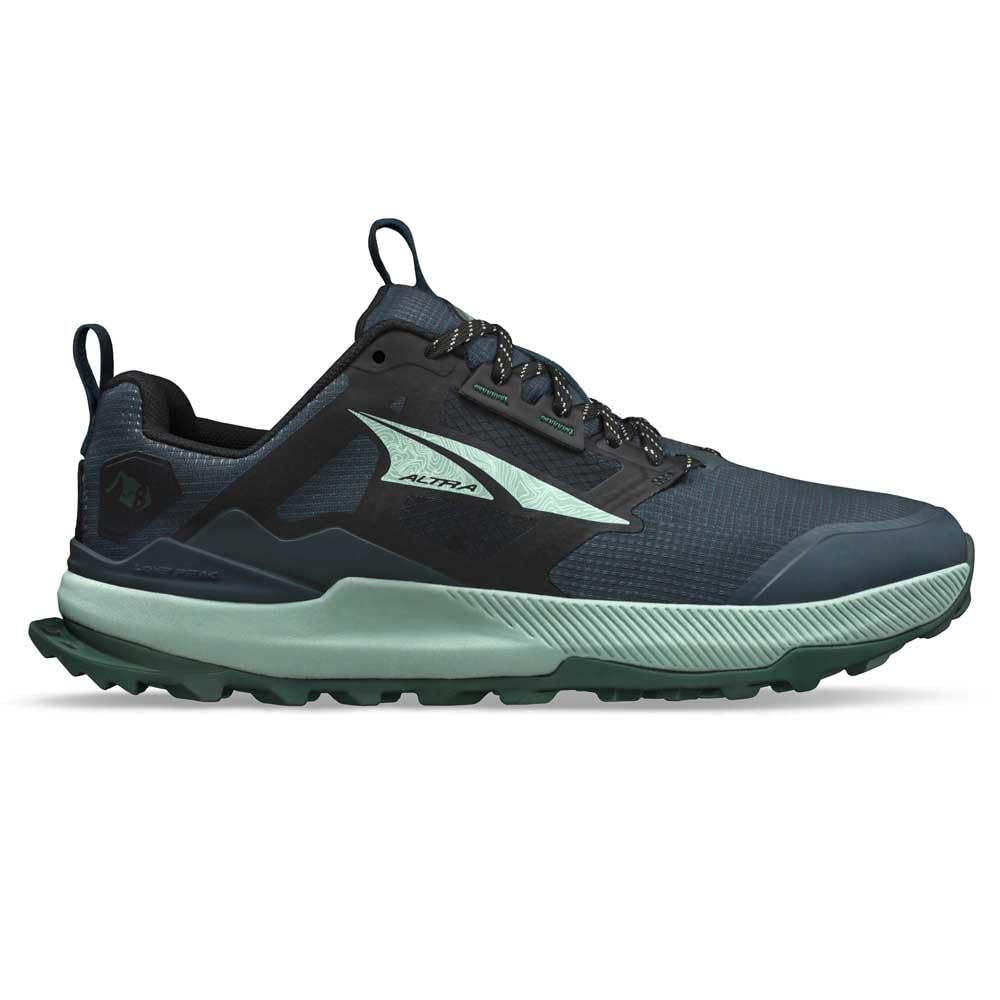
The ALTRA Lone Peak 8 is the gold standard for beginner hikers who need a generous toe box. The FootShape design allows your toes to fully splay, which eliminates the pinching and rubbing that causes blisters on steep descents. Multiple reviewers report zero foot complaints even after 5+ miles on rocky terrain, with one user calling it their sixth pair — a clear sign of long-term satisfaction.
The traction is exceptional on loose dirt and rock, thanks to the MaxTrac outsole with multi-directional lugs. The 25mm stack height provides enough cushion for all-day comfort without sacrificing ground feel. It includes a lace-to-toe design that offers a more secure fit around the midfoot, and the toe guard adds protection against stubs.
This shoe is technically a trail runner, but its stability and grip make it ideal for hiking. The only catch is that it is not waterproof, so wet grass or shallow puddles will soak through. For dry-weather hiking on technical terrain, nothing in this list matches its combination of room, comfort, and reliable traction.
Why it’s great
- Roomy FootShape toe box eliminates toe pinch on descents
- MaxTrac outsole grips loose rock and dirt aggressively
- Zero break-in required — comfortable from the first mile
Good to know
- Not waterproof — avoid wet trails and puddles
- Half size up recommended for a secure fit
- Premium price point compared to entry-level options
2. Merrell Women’s Speed Strike 2
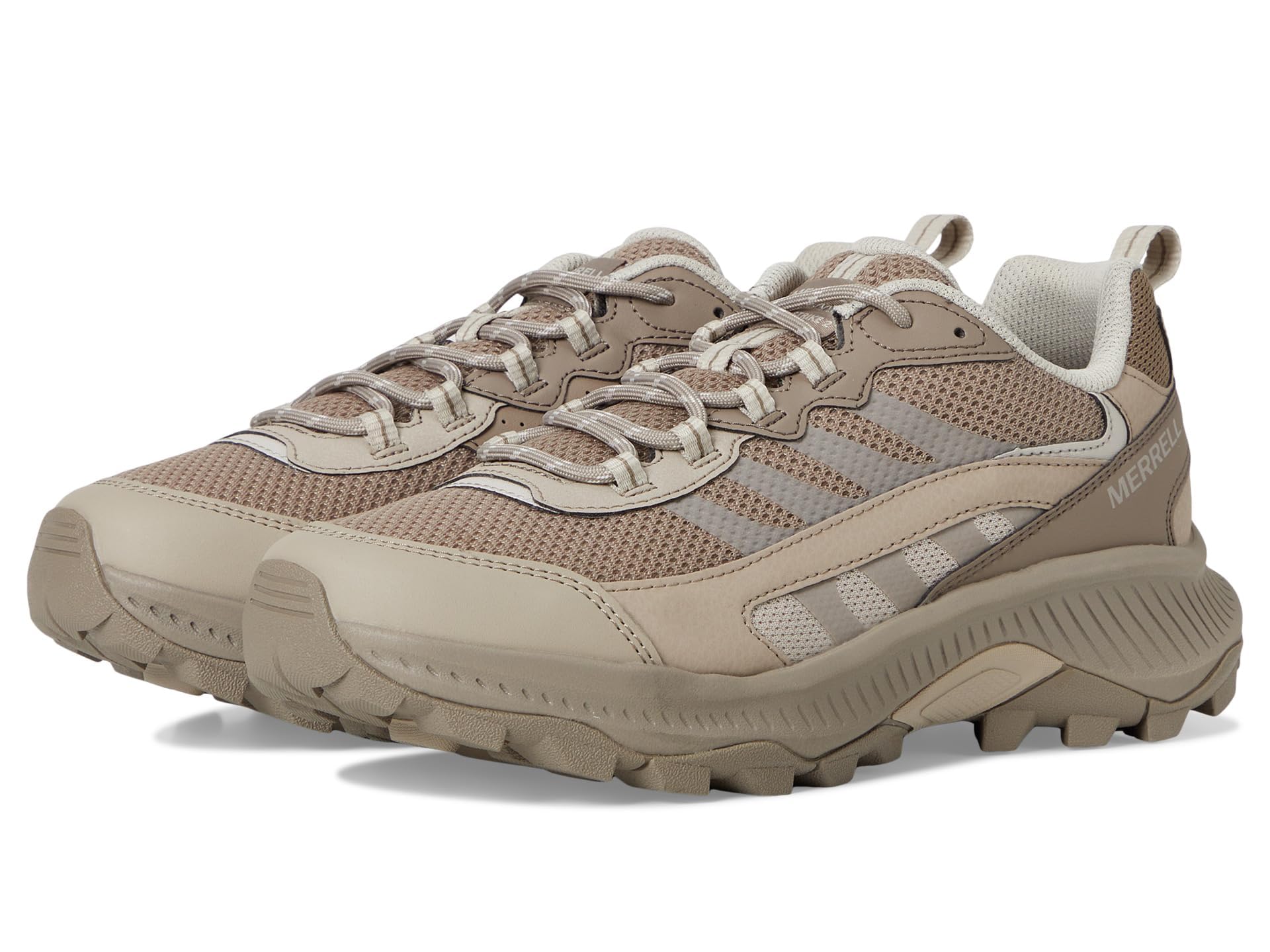
The Merrell Speed Strike 2 is engineered for hikers who need reliable arch and heel support without a heavy, clunky boot. Reviewers with flat feet specifically note that the moderate arch works well to prevent plantar fasciitis pain, and the heel cup locks your foot in place on uneven terrain. Out of the box, users report no break-in period — a major advantage for anyone who wants to hike immediately.
Traction stands out on loose shale and slippery rock, with the Vibram outsole delivering confidence-inspiring grip. The wide toe box accommodates feet that feel cramped in standard-width shoes, though one user noted their size 7 fits like a 7.5 compared to Brooks or New Balance sizing. At 1.5 pounds, this is a mid-weight shoe that balances protection and agility.
The insole is described as thin and cheap-feeling by several buyers — a common complaint that is easily fixed with a replacement insole from Superfeet or your podiatrist’s recommendation. The shoe is not waterproof, but users report it holds up well when soaked and dries reasonably fast. For those who prioritize arch support and out-of-box comfort, this is a strong contender.
Why it’s great
- Moderate arch support helps prevent plantar fasciitis pain
- Vibram outsole grips loose shale and wet rock effectively
- No break-in period required for immediate hiking
Good to know
- Stock insole is thin — consider upgrading
- Not waterproof — avoid deep puddles
- Sizing runs slightly large compared to Brooks/New Balance
3. New Balance Men’s Dynasoft Tektrel V1 Suede Trail Running Shoes
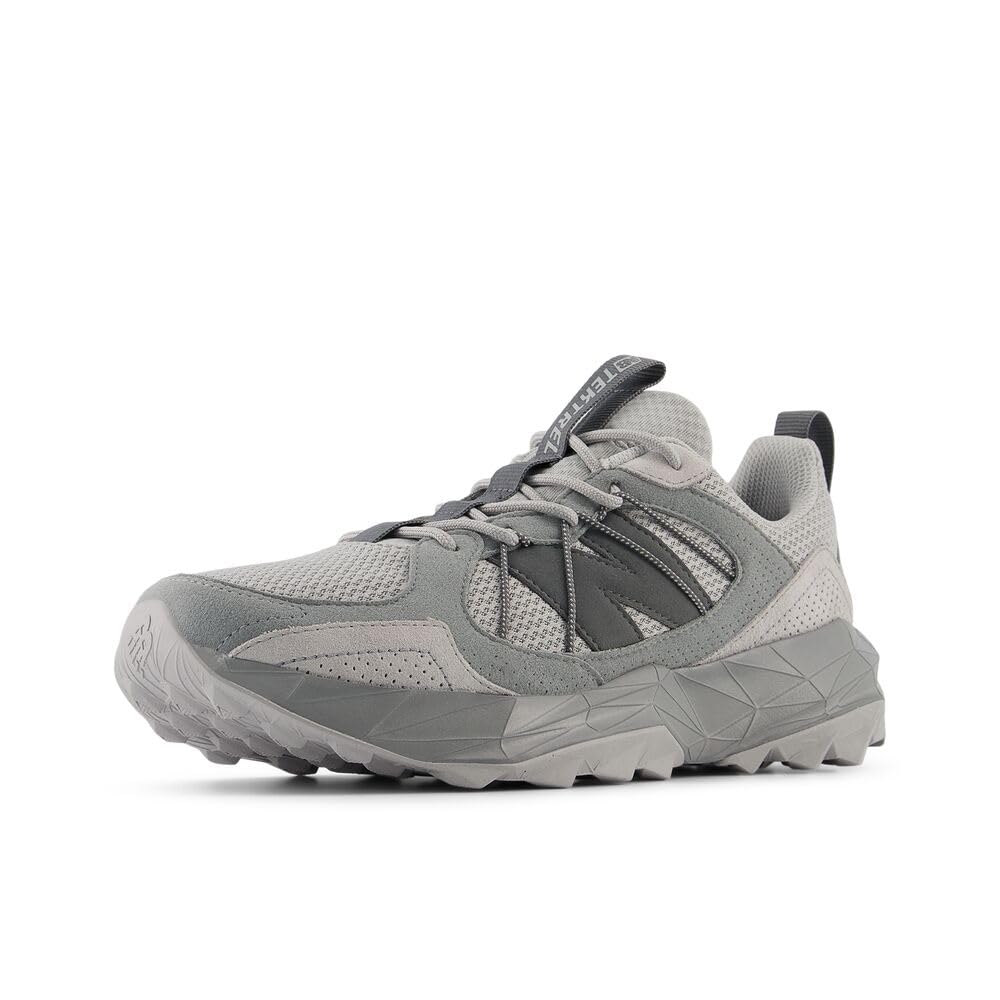
The New Balance Dynasoft Tektrel V1 proves that you don’t need to spend a premium to get a shoe that lasts. One reviewer reported wearing them for 8 months of heavy daily walking — 7 to 11 miles per day — and the shoe remained comfortable and durable. The Dynasoft midsole offers a plush, responsive feel that absorbs shock on pavement and hard-packed trails alike.
Traction is excellent on snow and ice, making this a versatile option for hikers who encounter mixed conditions. The suede upper adds a touch of style and durability that holds up to daily wear, and the fit runs true to size with good support straight out of the box. Reviewers consistently mention the lightweight feel, which reduces fatigue on longer outings.
The main caveat is sizing consistency: one reviewer noted that the shoe runs slightly small lengthwise, landing between a 10 and 10.5. Ordering a half size up is a safe bet if you’re between sizes. The return process was described as slow by one user, so be sure to measure your foot carefully before purchasing.
Why it’s great
- Dynasoft midsole provides plush cushioning for all-day wear
- Excellent traction on snow and ice for mixed conditions
- Proven durability — holds up to 7+ miles daily for months
Good to know
- Sizing runs slightly small — half size up recommended
- Return process can be slow if fit is wrong
- Suede upper requires spot cleaning to maintain appearance
4. Columbia Vertisol Trail
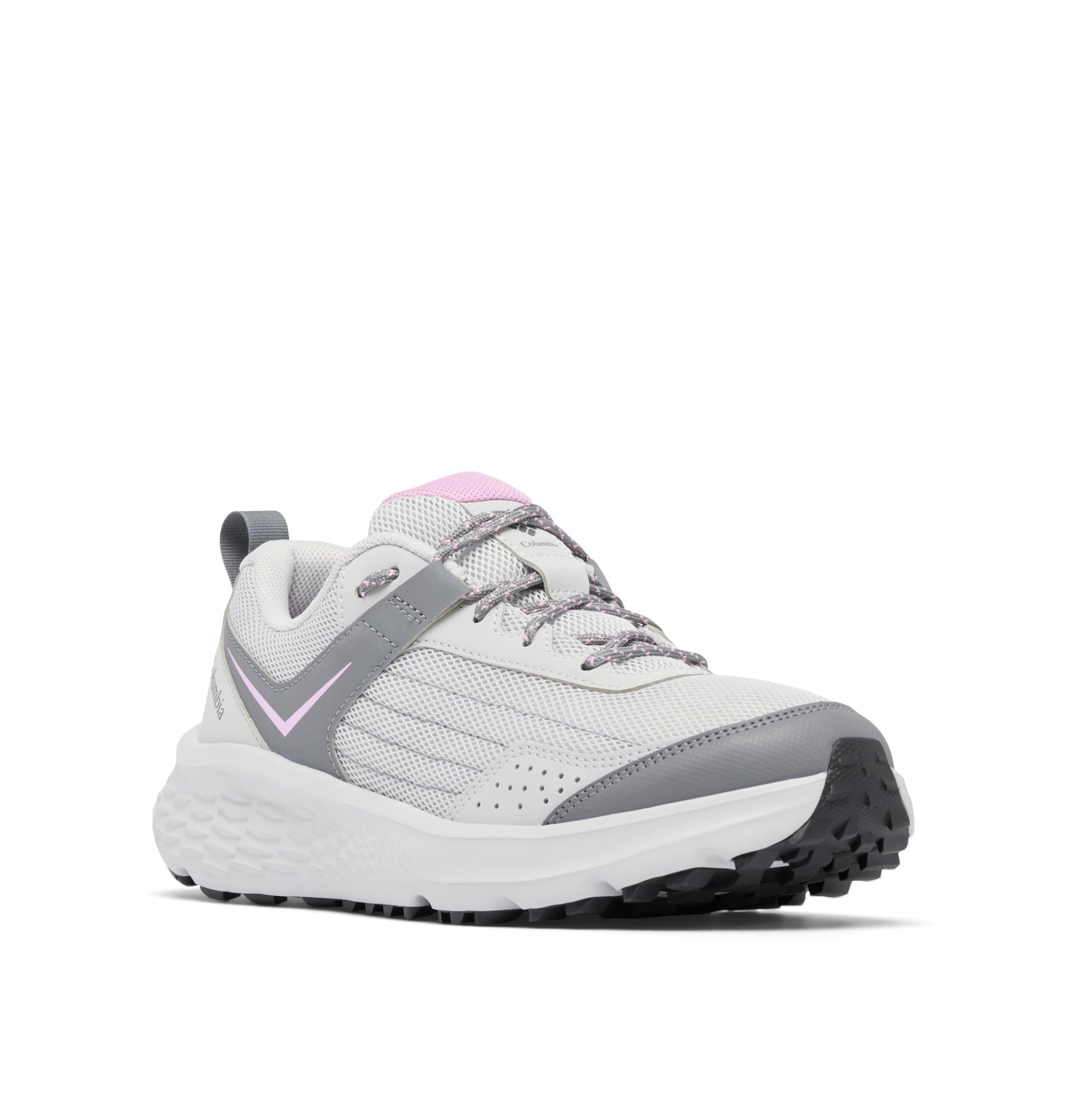
The Columbia Vertisol Trail is built for hikers who need a wide toe box without sacrificing arch support. One reviewer tried on 12 different pairs before finding this shoe, which perfectly fit her wide feet without any squeezing, pinching, or sliding. The no-break-in design means you can unbox them at the trailhead and immediately tackle a 7-mile hike — which one reviewer did, reporting zero blisters or soreness.
The outsole provides excellent grip for light to moderate trails, and the cushioning keeps your feet happy on all-day adventures. The shoe is lightweight enough for everyday wear but rugged enough for weekend hikes, making it an ideal transitional shoe for new hikers. Multiple reviewers praise the reasonable price point for the quality delivered.
The only potential downside is that the wide toe box might feel loose for narrow-footed hikers. If you have standard-width feet, you may want to try a half size down or stick with your regular size and wear thicker socks. For anyone with wide feet or a history of toe pain, this is the most comfortable option in this list.
Why it’s great
- Generous wide toe box eliminates squeezing and pinching
- No break-in time — hike 7 miles immediately
- Great arch support for all-day comfort on moderate trails
Good to know
- Wide toe box may feel loose for narrow feet
- Lacks aggressive lug pattern for technical terrain
- Not waterproof — avoid wet grass and puddles
5. Columbia Women’s Transverse Hike Waterproof Hiking Boots
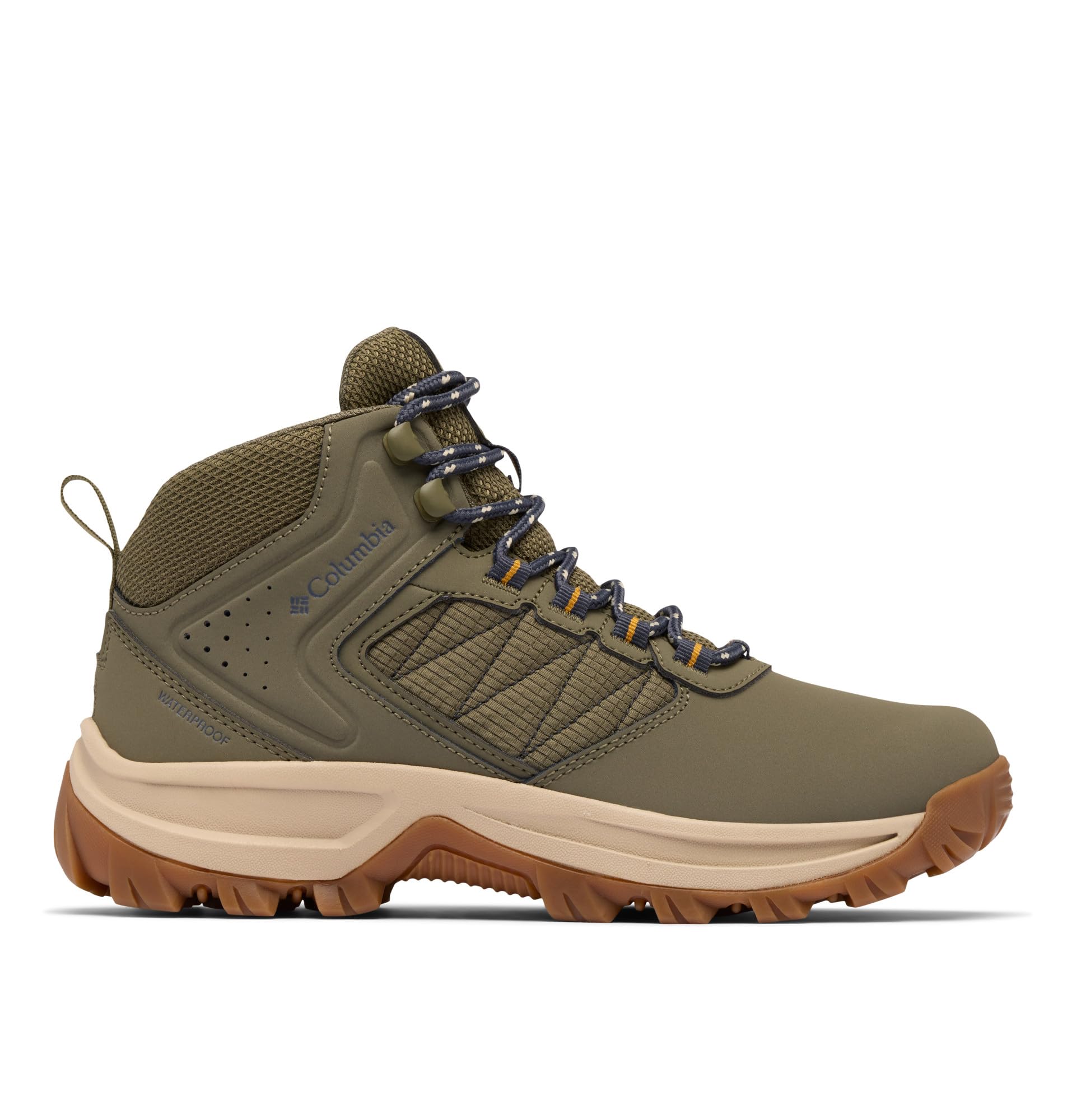
The Columbia Transverse Hike Waterproof Boot proves that waterproofing and zero break-in can coexist. Multiple reviewers confirm this boot is comfortable from the first wear, with one user traversing Ireland and Scotland through rain and cobblestone without any discomfort. The Omni-Tech waterproof membrane keeps feet dry in standing water and light rain, while the ankle-height collar provides additional stability for beginners navigating uneven terrain.
The boot features a narrow heel and accommodates high arches well, making it a good choice for hikers who struggle with heel slip in wider models. The outsole grips well on wet surfaces, and the boot is lightweight enough for all-day wear without feeling clunky. Reviewers particularly note the non-clunky gray color that looks stylish on the trail.
Some users report that arch support is minimal, but this did not negatively affect their experience on trips to Alaska and Europe. If you need significant arch support, you may want to add an aftermarket insole. The boot performed well in Alaska, keeping feet warm and dry in cold, wet conditions — a testament to its real-world waterproofing capability.
Why it’s great
- Omni-Tech waterproofing keeps feet dry in rain and puddles
- No break-in needed — comfortable immediately out of box
- Ankle-height collar provides stability for uneven terrain
Good to know
- Minimal arch support — add insole if needed
- Narrow heel may not suit wide-footed hikers
- Boot height adds weight compared to low-top shoes
6. Under Armour Men’s Charged Bandit Trail 3 Sneaker

The Under Armour Charged Bandit Trail 3 delivers surprising comfort for its weight — one reviewer called it the most comfortable hiking shoe they have ever worn. The Charged Cushioning midsole provides a responsive, energy-returning ride that keeps feet fresh on all-day walks. At around 10 ounces per shoe, this is one of the lightest options in the list, making it ideal for hikers who prioritize speed and agility over ankle protection.
Traction is excellent on packed trails and sidewalks, with users noting the grip feels secure. One reviewer found them comfortable enough to wear all day on concrete floors at work without foot pain. The shoe runs true to size, and multiple buyers note the build quality feels solid and well-constructed.
The main issue is the thin tongue, which bunches up during wear according to several reviewers. The sticky grip can also make it difficult to slide your foot between pedals if you cycle to the trailhead — requiring you to lift your foot rather than slide it. For dedicated hikers who stick to trails, these are minor quibbles on an otherwise excellent budget shoe.
Why it’s great
- Charged Cushioning midsole gives responsive, comfortable ride
- Extremely lightweight at roughly 10 ounces per shoe
- Versatile for trail and everyday walking on concrete
Good to know
- Thin tongue tends to bunch up during wear
- Sticky grip makes foot sliding difficult for cycling
- Lacks waterproofing for wet trail conditions
7. Skechers Men’s USA Terraform – Selvin Low Profile Lace Up
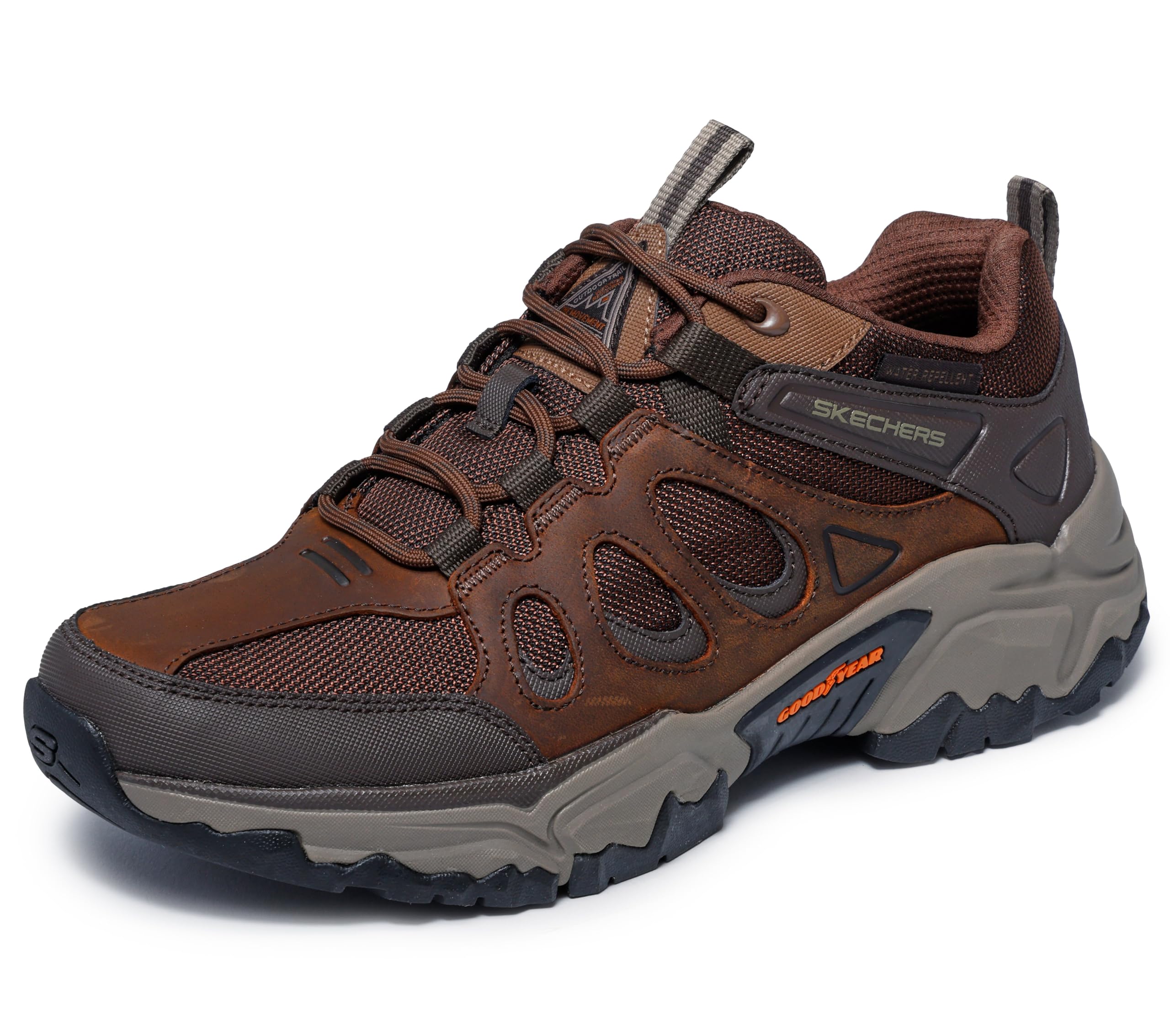
The Skechers Terraform Selvin offers a budget-friendly entry point for new hikers who want a rugged look without a premium price tag. The included orthopedic insoles provide noticeable heel support that makes a real difference for users with bone chips or heel pain. Reviewers report the shoe is comfortable to wear all day and offers amazing traction that feels grippy without the plastic-like slip of cheaper alternatives.
The build quality is impressive for the price point — one reviewer noted that other colorways cost significantly more, making this version a steal. The fit runs true to size, and the shoe comes with enough width options to accommodate wider feet. The outsole holds up well on local trails and maintains its grip over time.
The shoe’s main weakness is the laces, which require double knotting to stay tied. At 3 pounds for the pair, it is the heaviest option in this list, which may lead to fatigue on longer hikes. For casual trail walkers and beginners who stick to shorter, well-maintained paths, this is a solid, affordable choice.
Why it’s great
- Orthopedic insoles provide noticeable heel and bone chip relief
- Surprisingly durable construction for the budget-friendly tier
- Grippy outsole feels secure without plastic-like slip
Good to know
- Laces require double knotting to stay tied
- Heaviest shoe in the list at 3 pounds per pair
- Not suitable for technical or steep terrain
FAQ
Do I need high-top or low-top beginner hiking shoes?
How much stack height should a beginner look for?
What does zero break-in actually mean for a hiking shoe?
Is it worth buying waterproof beginner hiking shoes?
Can I use trail running shoes for beginner hiking?
Final Thoughts: The Verdict
For most users, the best beginner hiking shoes winner is the ALTRA Lone Peak 8 because its FootShape toe box and excellent traction eliminate the two biggest pain points for new hikers: toe pinching on descents and slipping on loose terrain. If you want a waterproof option without sacrificing out-of-box comfort, grab the Columbia Transverse Hike Waterproof. And for budget-conscious beginners who need reliable arch support for everyday wear and light trails, nothing beats the New Balance Dynasoft Tektrel V1.