
The rush to 5G has left a massive gap in the market: phones that prioritize raw battery life, reliable signal penetration, and mature network stability over the promise of theoretical speeds you might never actually see. For millions of users, 4G LTE remains the most practical daily driver—especially in areas where 5G coverage is spotty or drains the battery too fast. These devices offer a smarter balance of performance, price, and longevity.
I’m Min — the co-founder and writer behind Gadgets Feed. My guide is built on cross-referencing hundreds of real user reviews and diving deep into the silicon: from MediaTek Helio G-series efficiency to Snapdragon 8 Gen 2 flagship power, analyzing battery capacities, display quality, and camera sensor data to find the 4G phones that actually deliver a better user experience than their 5G counterparts.
This guide focuses on the most practical best 4g phones available today—models that offer massive battery capacity, vibrant displays, and mature software support without the premium price tag of flagship 5G devices.
How To Choose The Best 4G Phones
Choosing a 4G phone today requires a different mindset than buying a 5G flagship. The priority shifts from raw modem speed to practical endurance, carrier compatibility, and mature software. Here’s what to look for.
Battery Capacity and Charging Speed
Battery endurance is the single biggest advantage a 4G phone has over its 5G siblings. Without the power-hungry 5G modem, a 5000 mAh battery in a 4G phone can easily deliver two full days of moderate use. Look for capacities starting at 5000 mAh and fast charging above 45W. The Xiaomi Poco X7 PRO’s 6000 mAh battery with 90W charging is a prime example of how this category can outperform modern flagships.
Carrier Compatibility and LTE Bands
Most 4G phones listed here are GSM unlocked International Models. This means they work flawlessly on T-Mobile, Mint Mobile, Tello, and Metro PCS but will NOT function on Verizon, Sprint, or Boost (CDMA carriers). Always check the specific LTE band support—Band 12/17 for T-Mobile, Band 5/13 for Verizon compatibility (rare on imports). If you need AT&T or Verizon support, prioritize North American models like the Samsung Galaxy A37 or Google Pixel 10a.
Display Quality for Media
Since 4G phones are often used for streaming and browsing, display quality matters. Look for AMOLED or pOLED panels with at least 1080p resolution and a 120Hz refresh rate for smooth scrolling. Peak brightness above 1000 nits ensures outdoor visibility. The Motorola Moto Edge 60 Pro’s 4500-nit pOLED display and the Redmi Note 14 Pro’s 3000-nit AMOLED set new standards for this tier.
Quick Comparison
On smaller screens, swipe sideways to see the full table.
| Model | Category | Best For | Key Spec | Amazon |
|---|---|---|---|---|
| Nothing Phone (3) | Premium | Unique design & clean OS | 5150 mAh / Snapdragon 8s Gen 4 | Amazon |
| Google Pixel 10 | Premium | Best camera & AI software | 4970 mAh / Tensor G5 | Amazon |
| Google Pixel 10a | Mid-Range | 7 years of updates & camera | 4300 mAh / Tensor G5 | Amazon |
| Samsung Galaxy A37 | Mid-Range | Water resistance & durability | 5000 mAh / Exynos 1480 | Amazon |
| Xiaomi Poco X7 PRO | Mid-Range | Gaming & battery life | 6000 mAh / Dimensity 8400-Ultra | Amazon |
| Samsung S23 Ultra | Premium | S Pen & periscope zoom | 5000 mAh / Snapdragon 8 Gen 2 | Amazon |
| Motorola Moto Edge 60 Pro | Premium | Brightest display & MIL-STD | 6000 mAh / Dimensity 8350 | Amazon |
| Redmi Note 14 Pro | Mid-Range | 200MP camera & AMOLED | 5500 mAh / Dimensity 7300-Ultra | Amazon |
| Motorola Moto G15 | Budget | Entry-level reliability | 5200 mAh / Helio G81 Extreme | Amazon |
In‑Depth Reviews
1. Nothing Phone (3)

The Nothing Phone (3) redefines what a 4G-capable flagship should be by focusing on user experience over spec sheet hype. Its Snapdragon 8s Gen 4 silicon, paired with 24GB of LPDDR5X RAM and UFS 4.0 storage, delivers buttery-smooth performance for multitasking and gaming. The 6.67-inch 1.5K AMOLED flex screen hits a peak brightness of 4500 nits—nearly double that of the Galaxy S23 Ultra—making it the most readable display under direct sunlight in this roundup.
The Glyph Interface on the back transforms notifications into a living light system, offering a level of functional customization no other phone provides. The 5150 mAh battery comfortably pushes past a full day of heavy usage, and the 50MP quad camera system (including a periscope lens) captures detailed shots across all focal lengths. It supports wireless charging and has an IP68 rating, sealing out dust and water for everyday peace of mind.
Carrier compatibility is strong on T-Mobile and AT&T, though Verizon users will need to contact support for IMEI whitelisting. The clean Android 15 interface, devoid of bloatware, combined with excellent haptics and aptX audio codec support, makes this the most refined and enjoyable 4G phone to use daily. It earns the top spot for balancing performance, battery life, and a genuinely unique design language.
Why it’s great
- Exceptional 4500-nit AMOLED display with 120Hz adaptive refresh
- Clean, bloat-free Android 15 OS with deep customization via Glyph Interface
- Strong 5150 mAh battery life with wireless charging and IP68 durability
Good to know
- Verizon compatibility requires manual IMEI whitelisting
- Accessories like cases and screen protectors are harder to find than mainstream brands
2. Google Pixel 10
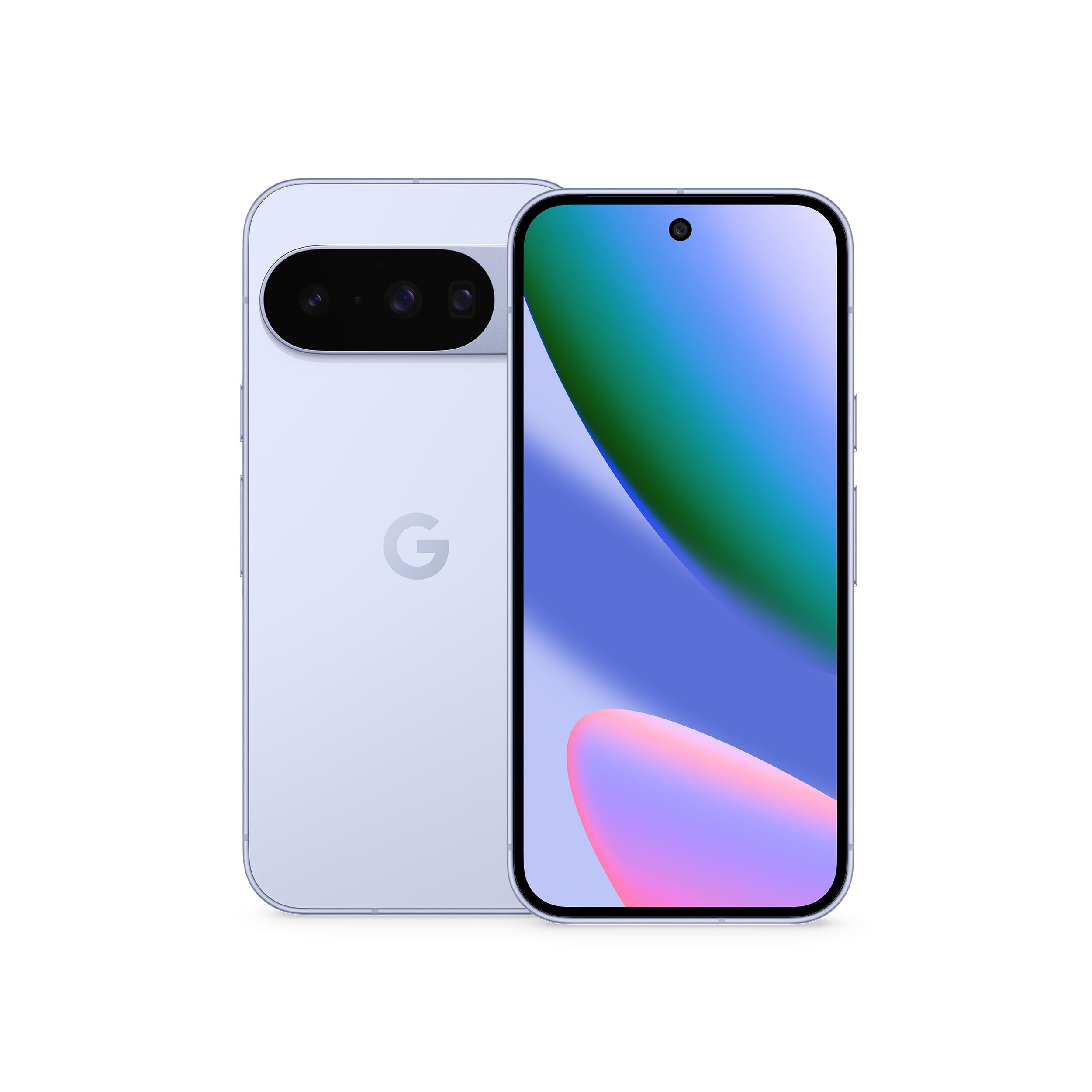
The Google Pixel 10 is the camera king in this lineup, thanks to its advanced triple rear setup featuring a new 5x telephoto lens and up to 20x Super Res Zoom. The Tensor G5 chip isn’t just about raw speed—it powers the best-in-class AI features like Camera Coach, which guides you to snap better photos, and Gemini Live for productivity. The 6.3-inch Actua display reaches 3000 nits peak brightness, making content pop with incredible contrast in any lighting condition.
Battery life is rated at over 24 hours, and the 4970 mAh capacity combined with efficient chipset management delivers consistent all-day performance. The phone is unlocked and works seamlessly with Google Fi, Verizon, T-Mobile, and AT&T, offering maximum carrier flexibility. The IP68 water and dust resistance and Gorilla Glass Victus 2 build quality provide premium durability.
It’s worth noting that this model is eSIM-only—there is no physical SIM slot, which may be a dealbreaker for international travelers who swap SIMs frequently. The lack of an included wall charger is also a minor inconvenience. However, for users who prioritize computational photography, clean software updates, and Google’s AI ecosystem, the Pixel 10 is the definitive premium choice in the 4G space.
Why it’s great
- Best-in-class computational camera with 5x optical telephoto and 20x Super Res Zoom
- Fast and fluid software experience with guaranteed long-term updates
- Works on all major US carriers including Verizon, AT&T, and T-Mobile
Good to know
- eSIM-only design—no physical SIM tray for easy swapping
- No wall charger or USB-C adapter included in the box
3. Google Pixel 10a
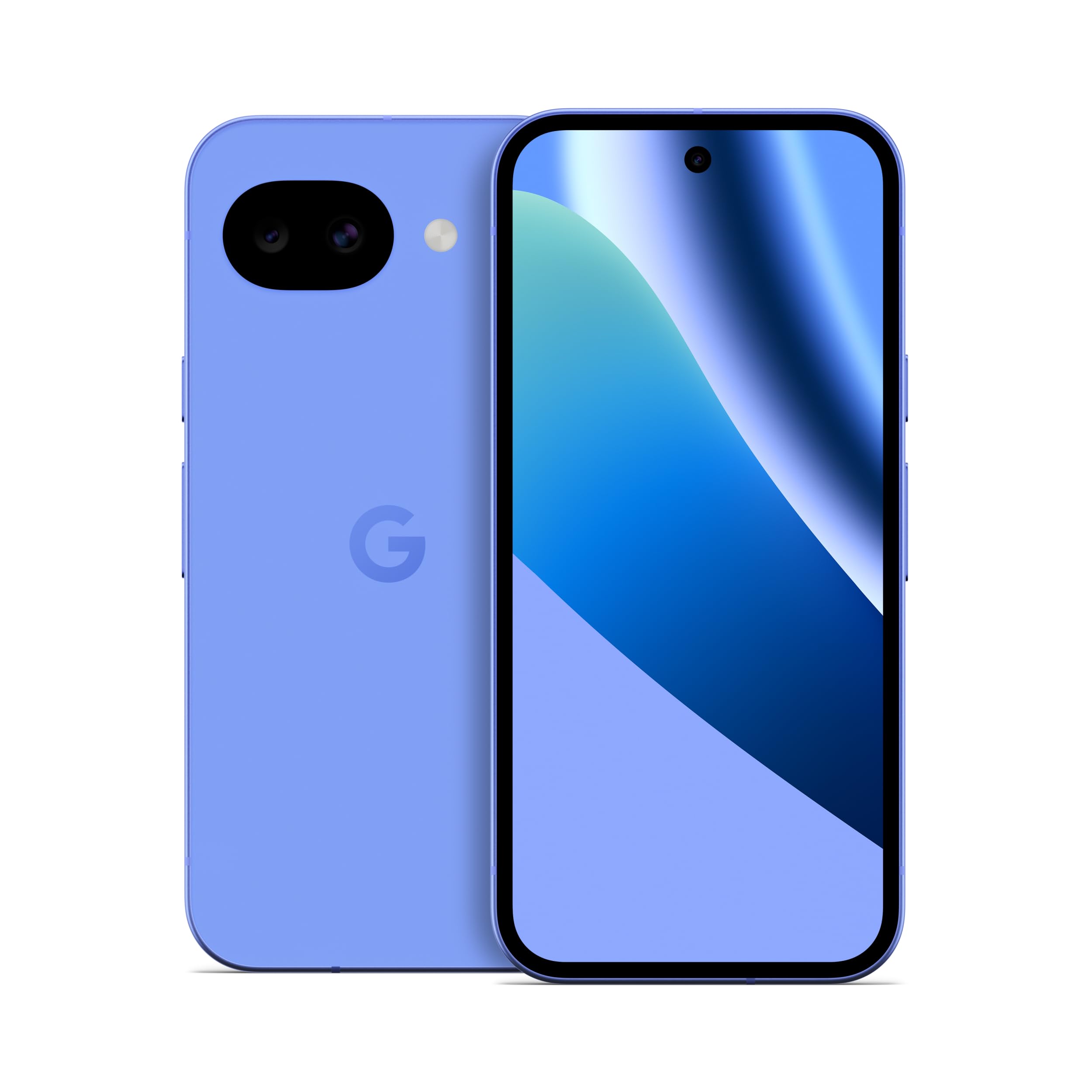
The Pixel 10a takes the core Pixel experience—brilliant camera software, clean Android, and long-term support—and packages it at a more accessible price point. The 6.3-inch Actua display with 3000-nit peak brightness is identical in quality to the flagship Pixel 10, ensuring excellent outdoor readability. The 4300 mAh battery, while smaller than some competitors, is optimized by the Tensor G5 chip to deliver over 30 hours of mixed usage, according to Google’s testing and confirmed by user reports.
The camera system, though without a dedicated telephoto lens, still produces outstanding photos thanks to Pixel’s computational photography. Features like Add Me and Auto Best Take make group portraits effortless. The IP68 water and dust resistance and Corning Gorilla Glass 7i ensure this phone can handle daily bumps and splashes. The standout feature is the 7-year commitment to Pixel Drops—software and security updates—which makes this the longest-supported device in this price tier.
Carrier compatibility is excellent across Google Fi, Verizon, T-Mobile, and AT&T. Some users note that the heavy AI integration and push notifications can feel intrusive initially, but these can be disabled. For budget-conscious buyers who want a great camera, a bright display, and years of software support, the Pixel 10a is the smartest choice in the mid-range category.
Why it’s great
- Unmatched 7 years of software and security updates for long-term value
- Bright 3000-nit Actua display ideal for outdoor use
- Excellent camera with AI-powered features like Add Me and Auto Best Take
Good to know
- Battery capacity at 4300 mAh is lower than some competitors
- Heavy AI feature push notifications may require manual disabling
4. Samsung Galaxy A37
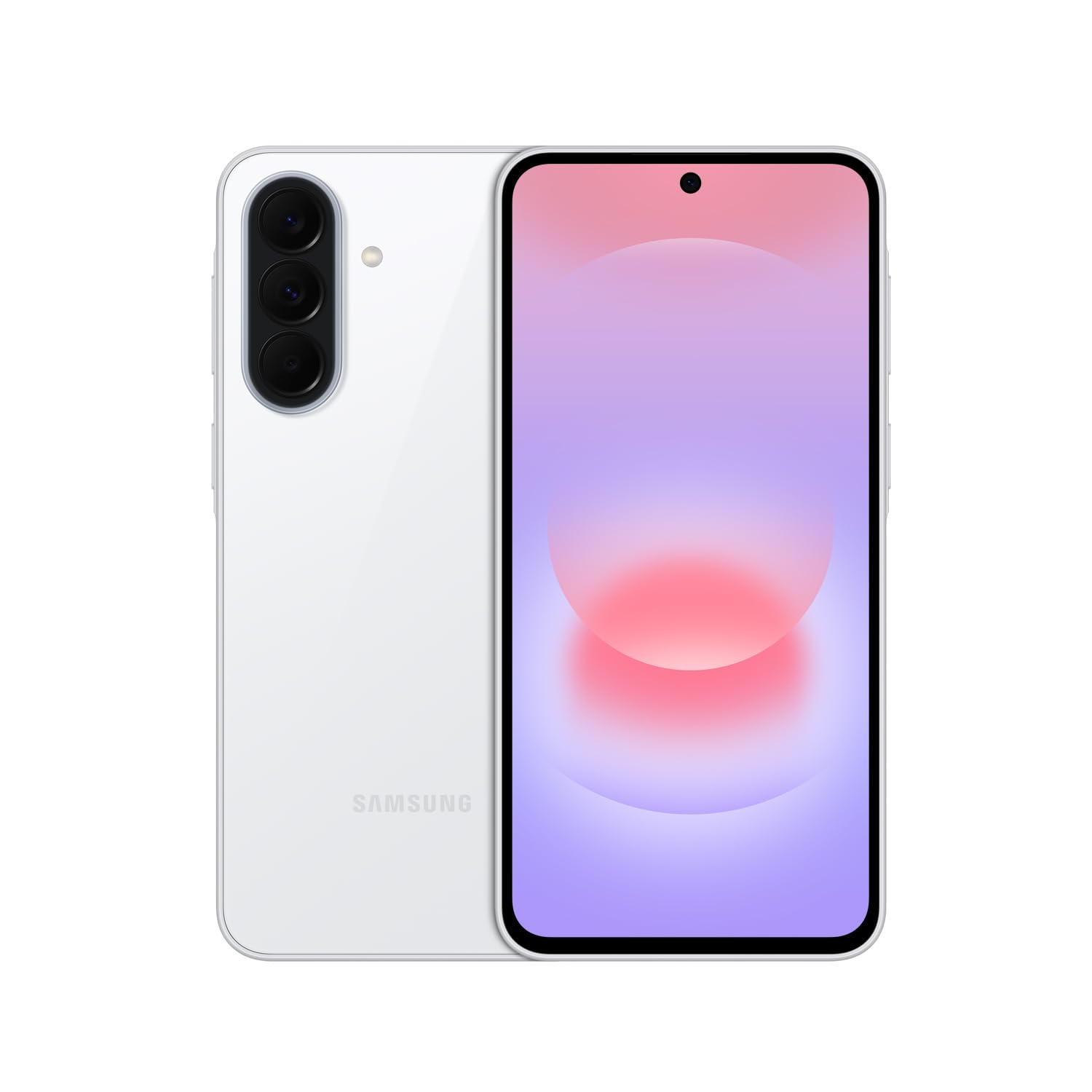
The Samsung Galaxy A37 is a North American-focused device that avoids the carrier compatibility headaches often associated with international models. It supports all major US carriers including Verizon, AT&T, and T-Mobile out of the box. The 6.7-inch Super AMOLED display is bright and vibrant, with excellent contrast for media consumption. The 5000 mAh battery with Super Fast Charging 2.0 easily delivers a full day of heavy use and can be topped up quickly.
The triple camera system, led by a 50MP HDR main sensor, produces consistently good photos in both daylight and low-light conditions. Nightography mode works automatically to brighten up dim scenes without requiring manual adjustments. The IP68 rating is a standout feature at this price—full water and dust resistance is typically reserved for much more expensive flagships. Samsung promises 6 years of OS upgrades and 6 years of security updates, making this a very future-proof purchase.
The Exynos 1480 processor is smooth for everyday tasks and moderate gaming, but it won’t match the raw power of the Snapdragon 8 Gen 2 found in the S23 Ultra. Some users report it feels a step behind the Pixel 10a in raw speed. However, for those who want a durable Samsung experience with a MicroSD slot (expandable storage), water resistance, and carrier compatibility, the Galaxy A37 is a strong contender.
Why it’s great
- Full IP68 water and dust resistance for rugged durability
- Works on all major US carriers: Verizon, AT&T, T-Mobile
- 6 years of OS and security updates for long-term value
Good to know
- Exynos 1480 chip is less powerful than Snapdragon competitors
- Not ideal for heavy gaming or demanding multitasking
5. Xiaomi Poco X7 PRO

The Poco X7 PRO is a battery beast. Its 6000 mAh cell is the largest in this roundup, and combined with the 90W HyperCharge charger (included in the box), you can go from near zero to a full charge in roughly 45 minutes. This phone is built for users who hate battery anxiety—whether you’re gaming, streaming, or navigating all day, it simply won’t quit. The Dimensity 8400-Ultra chip, built on a 4nm process, is incredibly power-efficient while still delivering flagship-level gaming performance.
The 6.67-inch CrystalRes AMOLED display is a visual treat, with a 120Hz refresh rate, 1.5K resolution, and an astonishing 3200 nits peak brightness. The 50MP main camera with OIS captures sharp, detailed photos, though the 8MP ultrawide is less impressive. The X-axis linear vibration motor provides satisfying haptic feedback, and the IP68 rating ensures water resistance. The clean software experience (HyperOS 2.0) is fast, though it takes some getting used to for former Samsung or Pixel users.
Carrier compatibility is limited to T-Mobile, Mint, and Tello in the US—it does not work on Verizon or AT&T. The dual SIM setup has no MicroSD slot, so the 512GB internal storage must suffice. For power users and gamers who want the absolute best battery life and fastest charging in the 4G space, the Poco X7 PRO is the undisputed champion.
Why it’s great
- Massive 6000 mAh battery with super-fast 90W charging
- Incredible 3200-nit 120Hz AMOLED display for gaming and video
- Powerful Dimensity 8400-Ultra chip for smooth gaming performance
Good to know
- Limited US carrier support—T-Mobile and its MVNOs only
- No MicroSD expansion slot for storage
6. Samsung Galaxy S23 Ultra (Renewed)

The renewed Samsung Galaxy S23 Ultra brings genuine flagship hardware to the 4G conversation without the new-phone price premium. The Snapdragon 8 Gen 2 for Galaxy is still a powerhouse, handling intensive gaming, video editing, and heavy multitasking with ease. The 6.8-inch Dynamic AMOLED 2X display with a 1-120Hz adaptive refresh rate and 1750 nits peak brightness remains one of the best screens ever made on a smartphone, period.
The camera system is legendary: a 200MP main sensor paired with a 10MP periscope telephoto that delivers 10x optical zoom and 100x Space Zoom. The 5000 mAh battery with 45W wired charging and 15W wireless charging provides solid endurance. The built-in S Pen is a productivity tool no other phone in this list offers, perfect for note-taking and precise photo editing. The IP68 rating and Gorilla Glass Victus 2 ensure durability.
As a renewed device, condition can vary significantly between units. Some buyers receive units locked to specific carriers (like AT&T) despite being advertised as “Unlocked.” The phone is heavy at 234 grams and bulky, which can be a nuisance in pockets. For users willing to navigate the renewed market, the S23 Ultra offers the most complete feature set—S Pen, periscope zoom, and a brilliant display—at a fraction of its original retail price.
Why it’s great
- Flagship 200MP camera with 10x optical periscope zoom lens
- Built-in S Pen for note-taking and creative work
- Top-tier Snapdragon 8 Gen 2 processor and 120Hz AMOLED display
Good to know
- Renewed units may have carrier lock or cosmetic imperfections
- Heavy and bulky at 234 grams; not pocket-friendly
7. Motorola Moto Edge 60 Pro

The Motorola Moto Edge 60 Pro boasts the brightest display in this entire roundup—a 6.7-inch pOLED panel that hits an insane 4500 nits peak brightness. That’s brighter than the Nothing Phone (3) and the Pixel 10, making it the absolute best choice for heavy outdoor use under direct sunlight. The Pantone Validated color reproduction and 120Hz refresh rate ensure content looks vibrant and fluid. The Dimensity 8350 processor, while not a flagship-tier chip, delivers smooth day-to-day performance and efficient power management.
The battery is a massive 6000 mAh, matching the Poco X7 PRO, and it supports rapid charging with the included 90W adapter. The camera system is versatile: a 50MP main sensor with f/1.4 aperture for great low-light performance, a 13MP ultrawide, and a 10MP 3x telephoto lens with OIS. The IP68 and IP69 ratings provide superior dust and water resistance, and the MIL-STD-810H certification means it can survive drops and extreme conditions better than most phones.
Carrier compatibility is limited to T-Mobile and its MVNOs (Mint, Tello) in the US. The Latin American version lacks support for Verizon and AT&T bands. The MyUX software is close to stock Android with some useful Moto gestures, but update support is less frequent than Samsung or Google. For outdoor workers or adventurers who need the brightest screen and a rugged build, the Moto Edge 60 Pro is a compelling choice.
Why it’s great
- World-class 4500-nit pOLED display for outdoor visibility
- Massive 6000 mAh battery with 90W fast charging
- Military-grade MIL-STD-810H and IP69 durability ratings
Good to know
- US carrier support limited to T-Mobile and its MVNOs
- Software update frequency is slower than Pixel or Samsung
8. Redmi Note 14 Pro
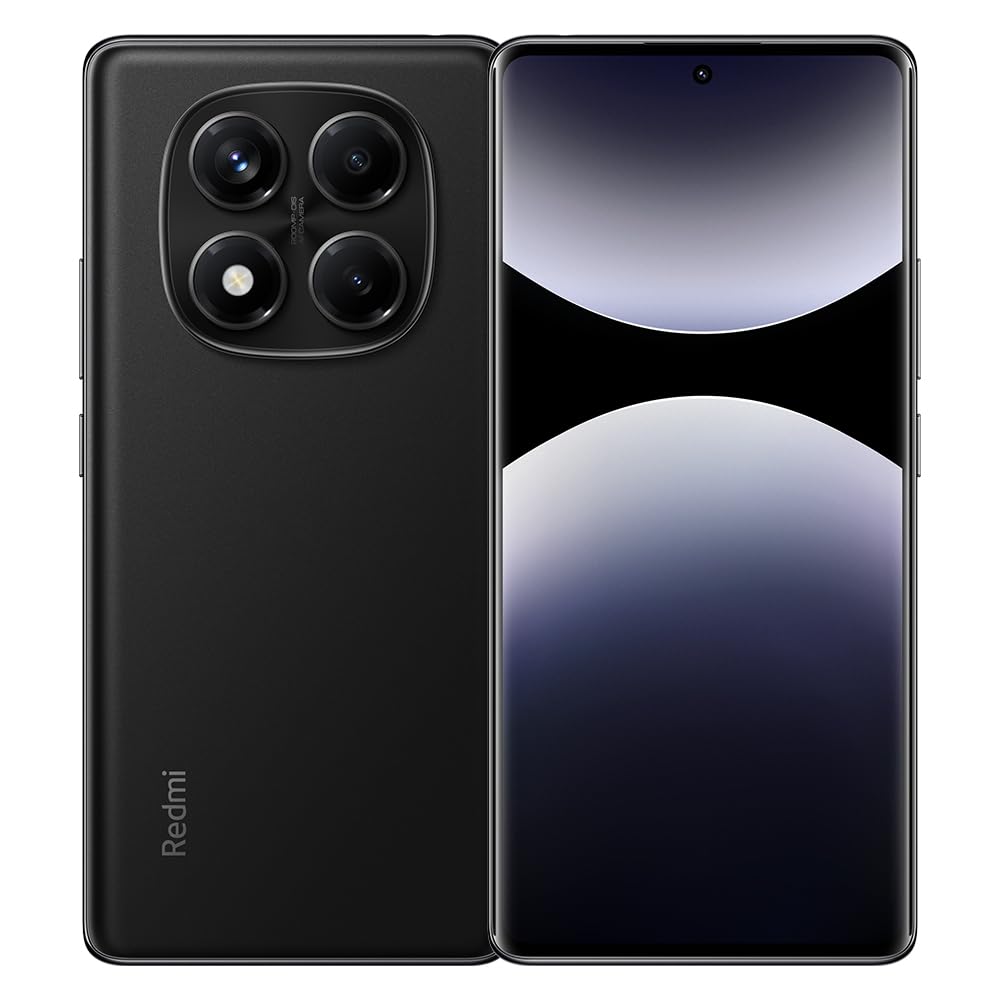
The Redmi Note 14 Pro brings a 200MP main camera with OIS and a large 1/1.4-inch sensor to the mid-range segment, a spec that typically belongs in flagships. This sensor, combined with 16-in-1 pixel binning for 2.24μm pixels, captures incredibly detailed and well-lit photos, especially in good lighting conditions. The 6.67-inch CrystalRes AMOLED display with 1.5K resolution, 120Hz refresh rate, and 3000 nits peak brightness is gorgeous for media consumption, supporting Dolby Vision and HDR10+.
The Dimensity 7300-Ultra chip provides solid all-day performance, though it’s not built for heavy gaming like the Poco X7 PRO. The 5500 mAh battery ensures you rarely need to charge before the end of a second day. The phone includes an IR blaster for controlling TVs and appliances, a feature many phones have abandoned. The in-screen fingerprint sensor and AI face unlock work reliably. The included 45W charger gets you to a full charge in about an hour.
US carrier compatibility is restricted to T-Mobile and its MVNOs. The lack of a MicroSD slot (dual SIM only) and the relatively slower processor compared to the Poco X7 PRO are the main drawbacks. For photography enthusiasts on a budget who want a high-resolution main camera and an excellent display, the Redmi Note 14 Pro delivers exceptional value.
Why it’s great
- High-resolution 200MP camera with OIS for detailed shots
- Stunning 3000-nit 120Hz AMOLED display with Dolby Vision
- Strong 5500 mAh battery with 45W fast charging
Good to know
- Limited to T-Mobile and MVNO carriers in the US
- No MicroSD expansion—storage is fixed at 256GB
9. Motorola Moto G15
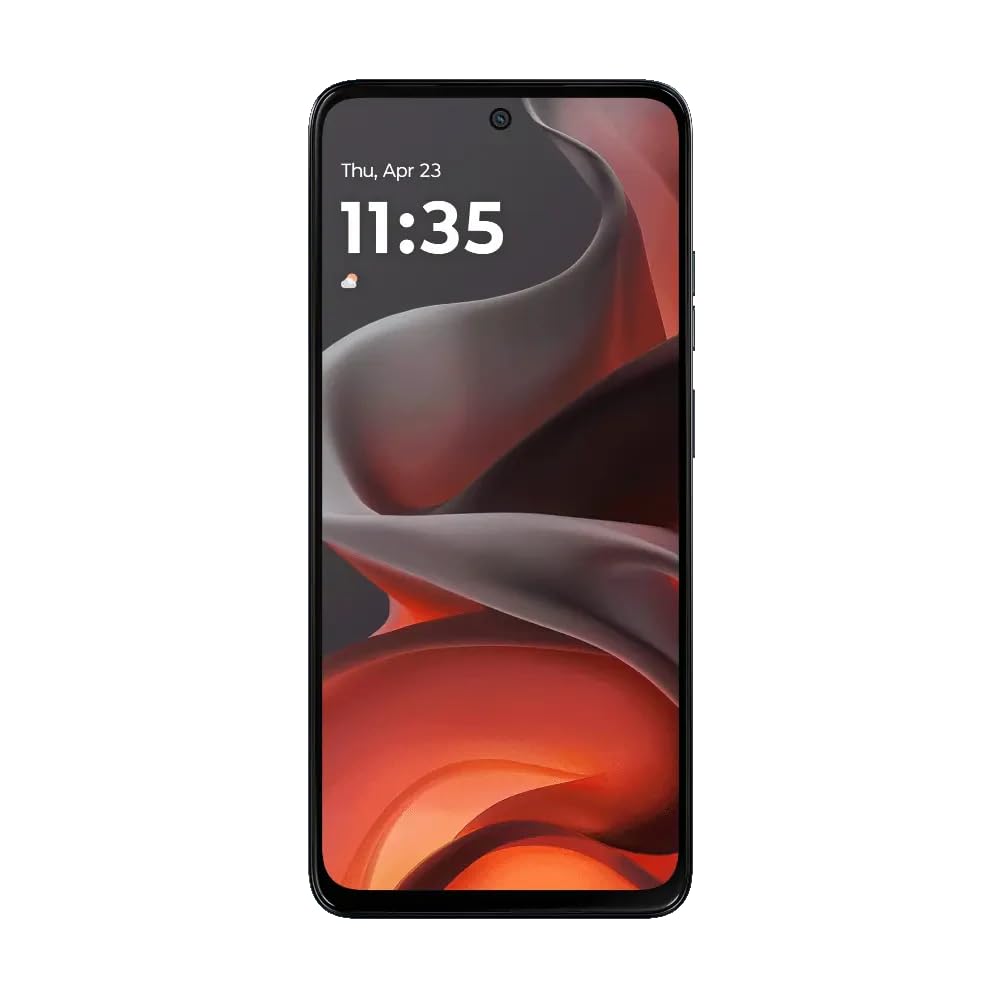
The Motorola Moto G15 is the most affordable entry in this guide, but it doesn’t cut corners where it matters most—battery and display. The 5200 mAh battery is enormous for its price bracket, easily delivering two days of light use. The 6.72-inch IPS LCD display with 1080p resolution and 392 PPI is sharp and easy on the eyes, especially for users sensitive to PWM flicker. Android 15 comes pre-installed, offering a clean, near-stock experience with minimal bloatware.
The MediaTek Helio G81 Extreme processor is adequate for basic tasks—calls, messaging, social media, and light browsing. It’s not built for gaming. The 50MP main camera with f/1.8 aperture takes decent daylight photos but struggles in low light. The inclusion of a 3.5mm headphone jack, FM radio, and a dedicated dual SIM tray (with a dedicated SD card slot) makes it a practical choice for users who value those legacy features.
Carrier compatibility is strictly GSM—T-Mobile, Mint, Tello only. It does not work on Verizon, AT&T, or Sprint. The touch responsiveness is reported as slightly sluggish out of the box, though this can be improved by adjusting developer animation settings. For the price-conscious buyer who needs a reliable, long-lasting phone for essential communication, the Moto G15 is the best value proposition available.
Why it’s great
- Excellent battery life with 5200 mAh capacity
- Sharp 1080p IPS LCD display good for PWM-sensitive users
- Includes 3.5mm headphone jack, FM radio, and dedicated SD slot
Good to know
- Performance is limited—not suitable for gaming or heavy multitasking
- GSM-only carrier support; no Verizon or AT&T compatibility
FAQ
Do 4G phones work on 5G networks?
What is the difference between GSM and CDMA for 4G phones?
Why is a 4G phone often better than a 5G phone for battery life?
Final Thoughts: The Verdict
For most users, the best 4g phones winner is the Nothing Phone (3) because it offers the most refined overall experience—a stunning 4500-nit display, excellent battery life, a clean UI, and a unique design that stands out. If you want the absolute best camera and software support, grab the Google Pixel 10. And for unmatched battery endurance and charging speed, nothing beats the Xiaomi Poco X7 PRO.