
A sweaty foot inside a non-breathable hiking shoe doesn’t just feel unpleasant—it creates friction, blisters, and hot spots that can ruin a ten-mile day before lunch. When the mesh can’t vent, moisture gets trapped, and your foot slides inside the liner with every step. A truly breathable shoe pulls moisture away from the skin and dries fast when you cross a stream or hit a patch of morning dew.
I’m Min — the co-founder and writer behind Gadgets Feed. My buying guides are built on hundreds of hours of cross-referencing technical spec sheets, real owner feedback, and material science to find the airiest, most durable trail footwear that actually holds up to rocky terrain.
You don’t need a waterproof boot for a summer ridge walk. The goal is a well-ventilated platform that still protects your foot from roots and rocks. This guide cuts through the marketing to deliver the definitive list of best breathable hiking shoes for anyone who wants cool, dry feet without giving up traction or support.
How To Choose The Best Breathable Hiking Shoes
Choosing a breathable hiking shoe isn’t just about finding a mesh panel and calling it done. The material construction, the weave density, and the way the shoe handles moisture all determine whether your feet stay dry and comfortable on a sweaty climb or a humid afternoon trail. Here’s what matters most when the goal is airflow without sacrificing trail readiness.
Mesh Density and Ventilation Zones
Not all mesh is created equal. A wide, open-weave mesh lets in the most air but offers less protection against trail debris, sand, and sharp rocks. A tighter ripstop mesh reduces airflow slightly but improves durability and keeps grit out. Look for shoes with targeted ventilation zones around the toe box and midfoot, where sweat accumulates most. The best breathable hiking shoes use a multi-layer approach: a high-airflow outer mesh with a thin, perforated inner lining that wicks moisture without blocking the breeze.
Midsole and Footbed Breathability
The rubber outsole doesn’t breathe, but the midsole cushioning compound and the footbed material can trap or release heat. EVA-based midsoles tend to be denser and less breathable than those infused with airier foams or designed with lateral cutouts that allow heat to escape from the sides. A removable, perforated footbed with a moisture-wicking top cloth is non-negotiable—it lets sweat drain away rather than pool under your arch. If the shoe’s footbed is solid and non-porous, your foot will cook inside even with the breeziest upper.
Quick-Dry Construction and Drainage
A truly breathable hiking shoe doesn’t just let air in—it lets water out. If you step into a puddle or creek crossing, a non-waterproof shoe with good drainage ports and fast-drying synthetic materials will be dry within an hour on a warm day. Leather-heavy uppers absorb moisture and take forever to dry, whereas synthetic mesh and TPU overlays shed water quickly. If you hike in wet conditions, prioritize shoes with minimal padding in the collar and tongue, because thick spongy foam soaks up water and stays wet for hours.
Quick Comparison
On smaller screens, swipe sideways to see the full table.
| Model | Category | Best For | Key Spec | Amazon |
|---|---|---|---|---|
| Merrell Speed Strike 2 | Premium Hybrid | Fast day hikes & trail running | 2.6mm lug depth / 340g weight | Amazon |
| KEEN Hightrail Vent Low | Premium Ventilated | Warm-weather all-terrain | Ventilation mesh / Wide toe box | Amazon |
| ALTRA Lone Peak 8 | Premium Natural Fit | Wide-foot trail & long-distance | 25mm stack / 0mm drop | Amazon |
| New Balance Dynasoft Tektrel V1 | Mid-Range All-Day | Daily walking & light trails | Dynasoft midsole / 289g weight | Amazon |
| adidas Terrex Eastrail 3 | Mid-Range Grip | Dry rocky trails & scrambles | Rubber outsole / No heel drop | Amazon |
| Columbia Strata Trail Low | Mid-Range Balanced | Wet grassy trails & packed dirt | Omni-Grip outsole / 310g weight | Amazon |
| Under Armour Charged Bandit Trail 3 | Budget Lightweight | Easy day hikes & pavement | Charged cushioning / Mesh upper | Amazon |
In‑Depth Reviews
1. Merrell Speed Strike 2
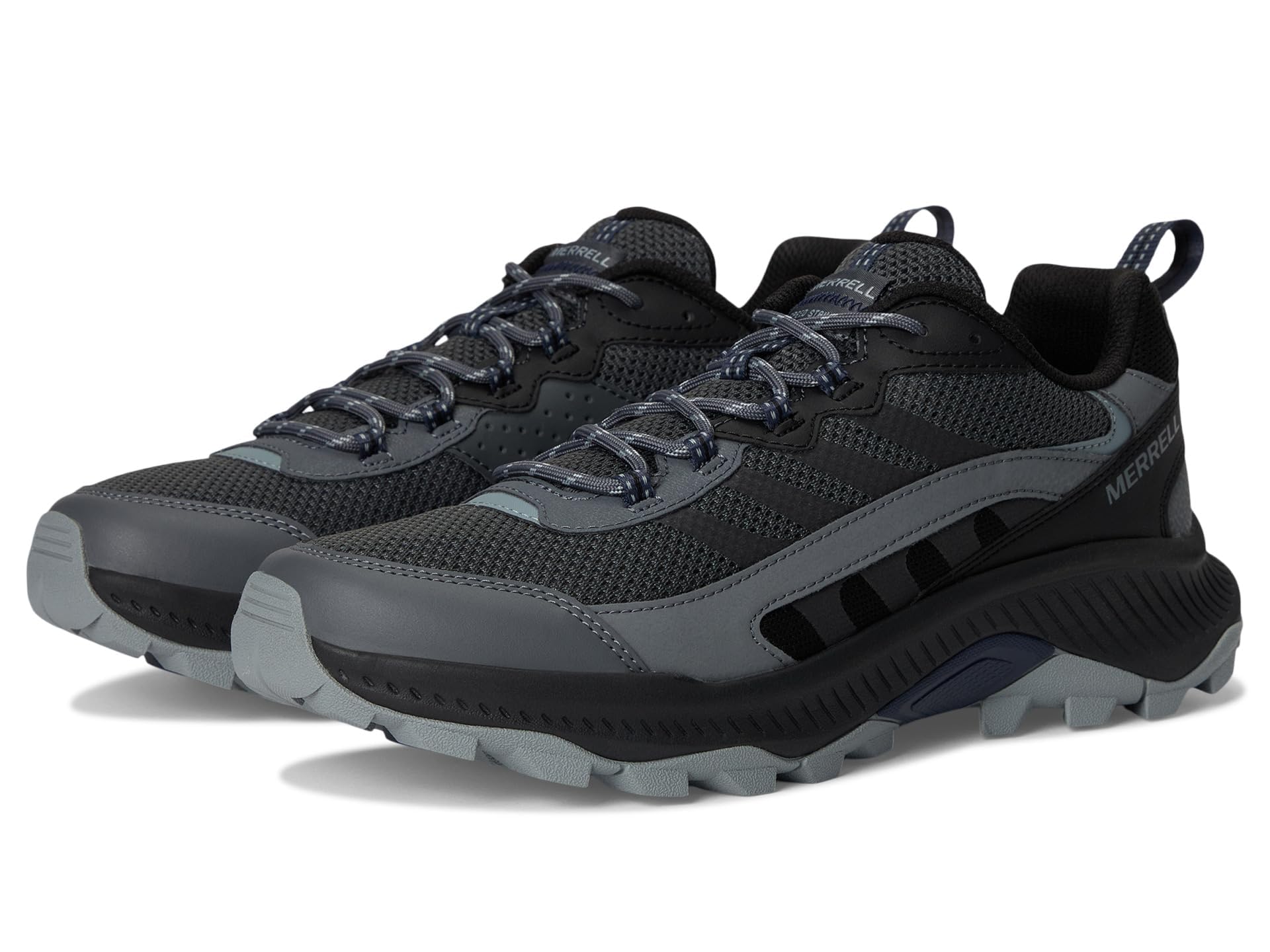
The Merrell Speed Strike 2 nails the perfect balance between a responsive trail runner and a supportive day hiker. At roughly 340 grams per shoe, it’s featherlight for a hiking shoe, and the full-length mesh upper moves air exceptionally well—you feel a noticeable breeze across the top of your foot even during a moderate hike. The 2.6mm lug depth gives you toothy enough traction on loose dirt and packed gravel without turning the sole into a mud-caking monster. Owners consistently mention it’s the most comfortable shoe they’ve worn straight out of the box, with no break-in period required.
What really separates this from other lightweight shoes is the integrated stability. The midsole isn’t just soft foam—it has a slight denser density under the arch that corrects overpronation, which is rare in a shoe this ventilated. The outsole grips metal surfaces like rock slabs and even wet wooden bridges, and the toe bumper offers enough protection to kick through small roots without feeling your toes. One reviewer noted it’s compatible with Superfeet green insoles if you need even more arch support.
The only real compromise is that the mesh is relatively open, which means fine sand and small pebbles can eventually find their way inside if you’re hiking on dry, dusty trails. It’s also not waterproof by design, but that’s the whole point—you buy this shoe for airflow, not for stream crossings. If you want a shoe that breathes like a trainer but grips like a proper hiker, this is the one to beat.
Why it’s great
- Extremely breathable woven mesh upper lets air circulate freely
- Lightweight build (340g) reduces fatigue on long ascents
- Excellent outsole grip on rock, dirt, and even metal surfaces
Good to know
- Open mesh can let fine trail debris in on dry, dusty terrain
- Not waterproof—designed purely for dry-weather ventilation
2. KEEN Men’s Hightrail Vent Low Height Breathable Hiking Shoes

The KEEN Hightrail Vent Low is engineered specifically for hot-weather hiking, and it shows in every material choice. The upper is built with a large-pore ventilation mesh that wraps around the entire toe box and midfoot, creating a chimney effect that pulls hot air out as you move. KEEN’s signature wide toe box is a massive advantage on steep descents—your toes can splay naturally without rubbing against the mesh, which also helps air circulate between your digits. Multiple users report wearing these on Alaskan all-terrain hikes and through sharp coral while snorkeling, and the shoes still held up like new after months of abuse.
The Hightrail Vent Low also features a surprisingly aggressive tread for a shoe this breathable, with multi-directional lugs that bite into slippery rock and loose gravel. The midsole is firm enough to provide stability on uneven ground but not so stiff that it feels clunky on the approach. One owner with bunions specifically praised the wide toebox for eliminating pain that other brands caused, and noted that previous KEEN shoes lasted roughly four years of heavy use before the sole eventually separated. That kind of longevity is exceptional for a breathable shoe, which typically wears faster than waterproof boots.
The bulk is the primary trade-off here. Even though it’s a low-top, the Hightrail Vent is chunkier than most ventilated shoes, which can feel heavy if you’re used to minimal trail runners. It’s also not a shoe you’d want for casual everyday wear—the sole is stiff and the fit is performance-oriented, not lounge-worthy. But if you need a durable, breathable shoe for real trail miles and your priority is foot health and airflow, this is a top-tier pick.
Why it’s great
- Large-pore ventilation mesh creates excellent hot-weather airflow
- Wide toe box allows natural toe splay and reduces blisters on descents
- Proven durability—owners report years of heavy trail use
Good to know
- Bulky build feels heavy compared to streamlined trail runners
- Stiff sole limits its versatility for casual or everyday wear
3. ALTRA Women’s Lone Peak 8 Trail Running Shoe
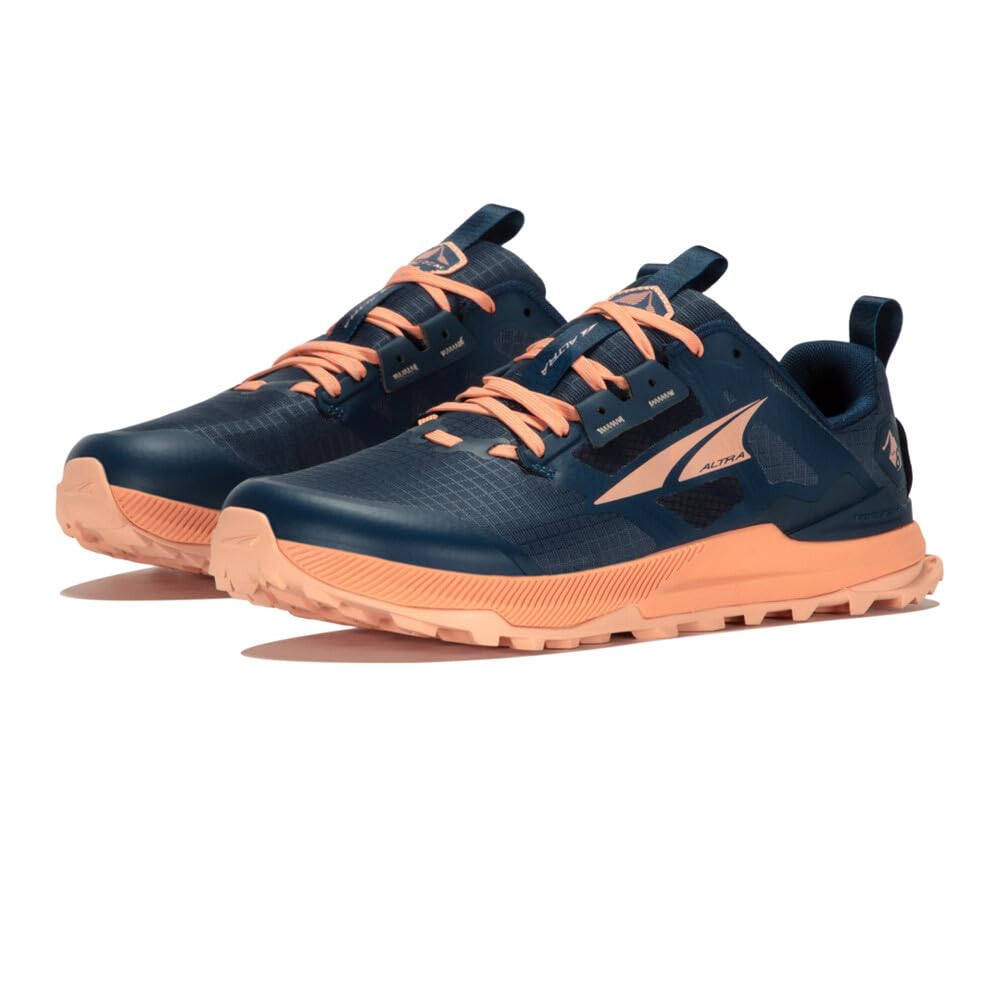
The ALTRA Lone Peak 8 is the gold standard for hikers who refuse to squeeze their toes into a tapered toebox. With a 0mm heel-to-toe drop and a 25mm stack height, it encourages a natural midfoot strike and allows your foot to spread out fully under load. The breathable engineered mesh upper is paired with a thin, perforated lining that doesn’t trap heat, making it one of the coolest-feeling shoes on this list. Several repeat buyers mention this is their sixth pair because no other shoe offers the same combination of wide toebox room, reliable grip, and featherlight feel on 7+ mile hikes.
The outsole uses ALTRA’s MaxTrac rubber compound with a claw-like tread pattern that digs into loose dirt and rock slabs with confidence. A built-in toe guard protects your forefoot from stubs, and there’s even a small gaiter trap if you want to seal out debris. Testers found the shoe comfortable straight out of the box with zero break-in, and one user wore them on a 5-week cruise with daily excursions—no blisters, no hot spots, no complaints. The canvas-like upper material also resists staining well, so the shoes still look clean after muddy outings.
The main downside is that the Lone Peak 8 isn’t built for technical, sharp-rock terrain where you need rigid underfoot protection. The 25mm stack is moderate, but it’s a relatively flexible platform that can let you feel sharp stones underfoot on very rugged trails. Additionally, the wide toebox can feel unstable on steep side-hills if you’re not used to a zero-drop geometry. It’s a specialized tool for natural-foot enthusiasts who prioritize ventilation and toe freedom over armor-like protection.
Why it’s great
- Zero-drop platform encourages natural gait and reduces heel-strike impact
- Exceptionally wide toe box eliminates crowding and improves airflow
- MaxTrac outsole provides confident grip on loose and hard-packed surfaces
Good to know
- Flexible midsole offers less protection on jagged, technical terrain
- Zero-drop geometry requires an adjustment period for heel-strikers
4. New Balance Men’s Dynasoft Tektrel V1 Suede Trail Running Shoes
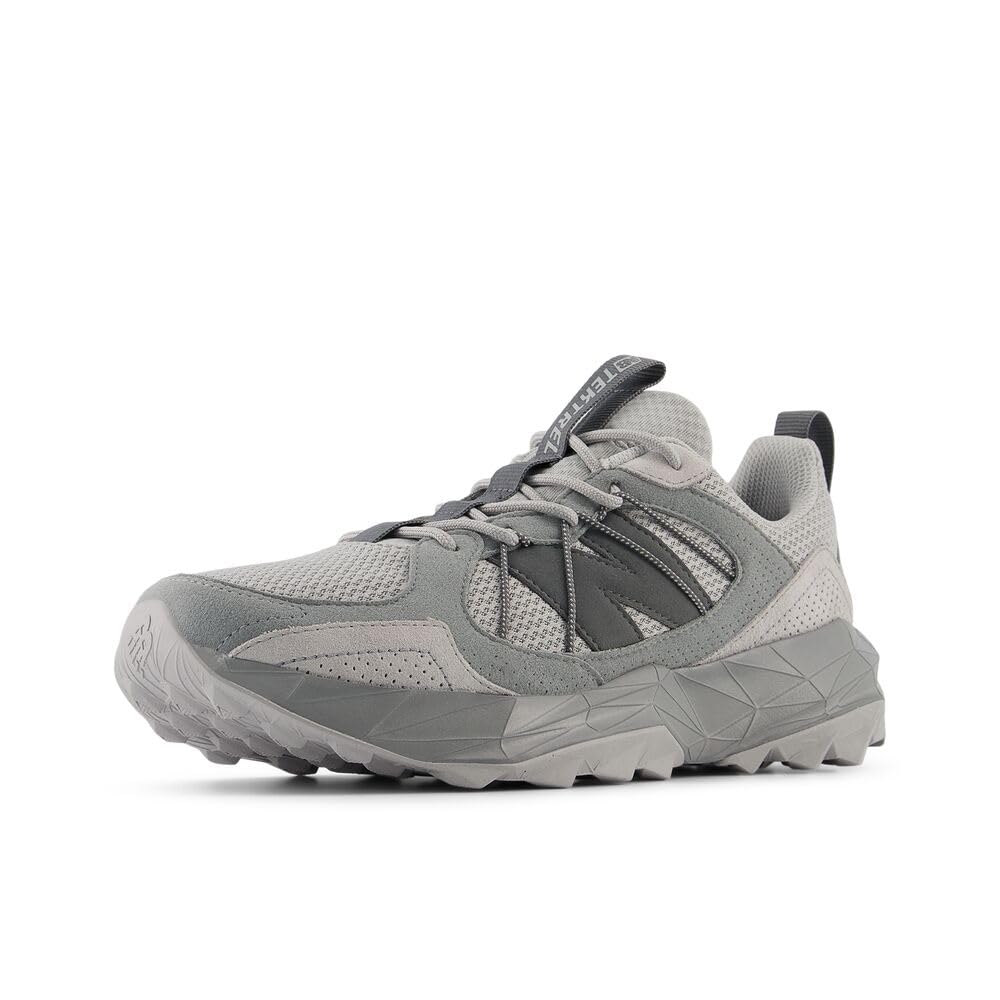
The New Balance Dynasoft Tektrel V1 is a mid-range shoe that punches far above its price point in terms of all-day comfort and out-of-the-box fit. At 289 grams, it’s lighter than many pure trail runners, and the Dynasoft midsole delivers a plush, springy ride that absorbs shock without feeling marshmallowy. The suede and mesh upper is well-ventilated, with a fine nylon mesh that blocks most debris while still allowing airflow. One owner reported walking 7–11 miles daily for eight months and found the cushioning still responsive and the upper still intact.
The tread pattern is surprisingly aggressive for a shoe this lightweight, with deep lugs that bite into loose soil and even provide traction on packed snow. The internal heel counter locks your foot in place, preventing heel slip on steep descents. Multiple users describe this as the most comfortable daily walking shoe they’ve owned, praising the balance of flexibility and support. The toe box is moderately roomy—not as wide as ALTRA or KEEN, but wider than most New Balance trail shoes from previous generations.
Where it falls short is on extremely technical terrain. The Dynasoft midsole, while comfortable, lacks the rock plate or rigid shank you’d want for sharp scree fields or talus slopes. It’s ideal for long-distance walking on maintained trails, fire roads, and town-to-trail commutes.
Why it’s great
- Plush Dynasoft midsole offers exceptional long-distance shock absorption
- Lightweight 289g design reduces fatigue on all-day hikes
- Aggressive tread pattern performs well on dirt, gravel, and light snow
Good to know
- No rock plate—can feel sharp edges on very technical terrain
- Suede panels reduce breathability in extreme heat vs. full-mesh shoes
5. adidas Outdoor Terrex Eastrail 3 Hiking
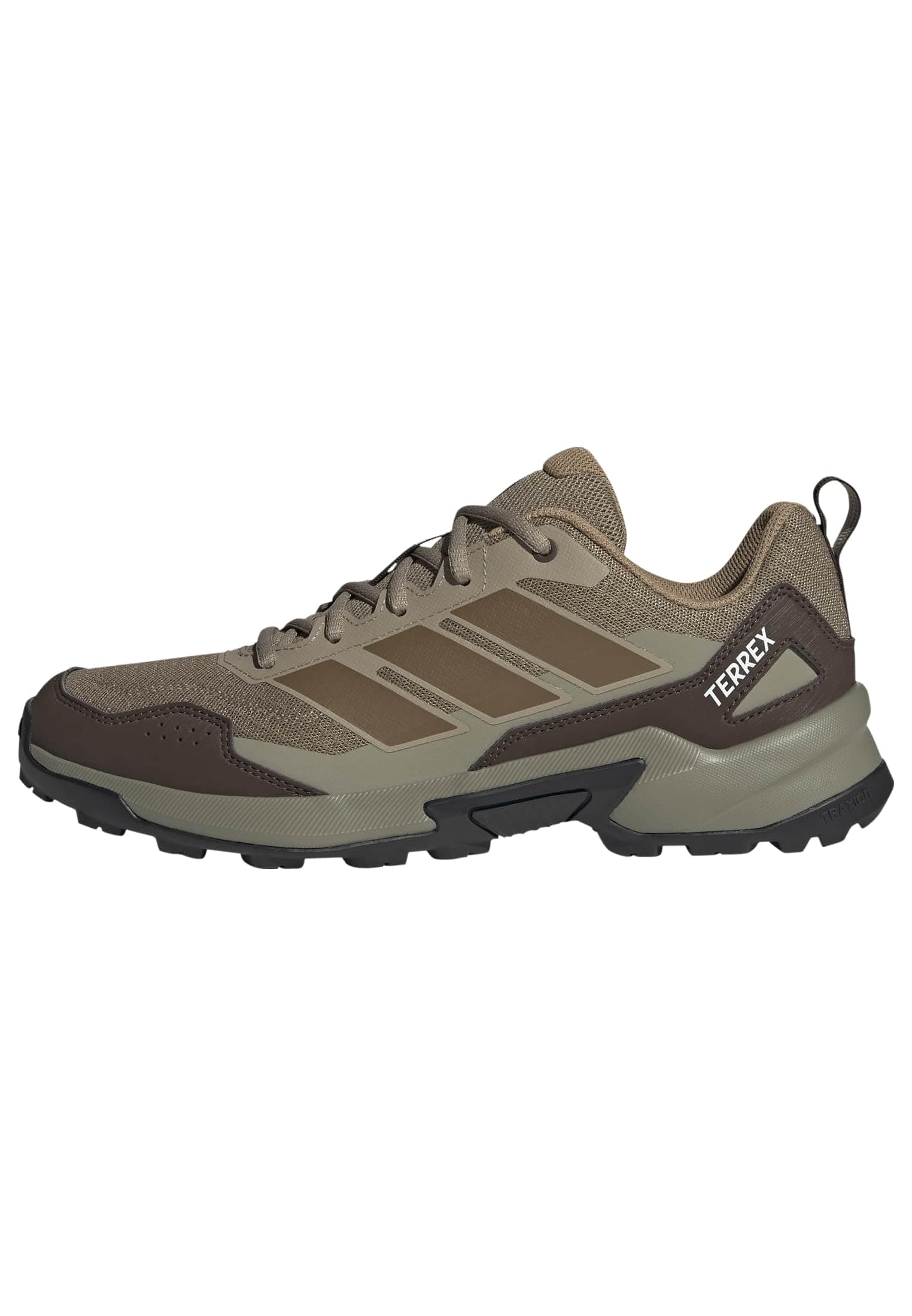
The adidas Terrex Eastrail 3 is a no-frills mid-range hiking shoe that prioritizes grip and durability over cushioning plushness. The full rubber outsole features a deep, chevron-style tread that claws into loose rock, mud, and wet grass with authority. It’s one of the few shoes in this price range that doesn’t cut corners on outsole rubber quality—the compound is the same sticky formulation adidas uses on its higher-end Terrex models. The synthetic upper is predominantly mesh with TPU overlays, giving it decent ventilation for spring and summer use, though the lining adds a slight barrier that reduces airflow compared to open-mesh alternatives.
Fit-wise, the Eastrail 3 runs true to length but has a notably snug midfoot and heel pocket, which helps with stability on uneven terrain. The zero-heel design keeps your foot close to the trail for better ground feel. Several reviewers noted that the shoe is “very well made and priced right,” with one user reporting excellent durability after months of daily wear. The natural rubber lining is a nice touch—it reduces internal sweat buildup compared to synthetic linings, though the shoe is explicitly not water-resistant, meaning it drains fast after creek crossings.
The main complaint is sizing inconsistency. Some users found the shoes ran nearly a full size long and had to exchange down, so ordering a half-size smaller than your typical trail shoe is recommended. Additionally, the midsole is on the firmer side—great for technical scrambles but less forgiving on long, hard-packed sections. If you want a shoe that sticks to rock like glue and doesn’t mind a bit of ground feedback, the Eastrail 3 delivers exceptional value.
Why it’s great
- Premium rubber outsole provides tenacious grip on rock, mud, and wet grass
- Snug midfoot and heel pocket enhance stability on uneven terrain
- Natural rubber lining reduces internal sweat buildup
Good to know
- Sizing runs long—size down by half a full size from your usual
- Firm midsole offers less cushioning for long days on hard-packed trails
6. Columbia Strata Trail Low
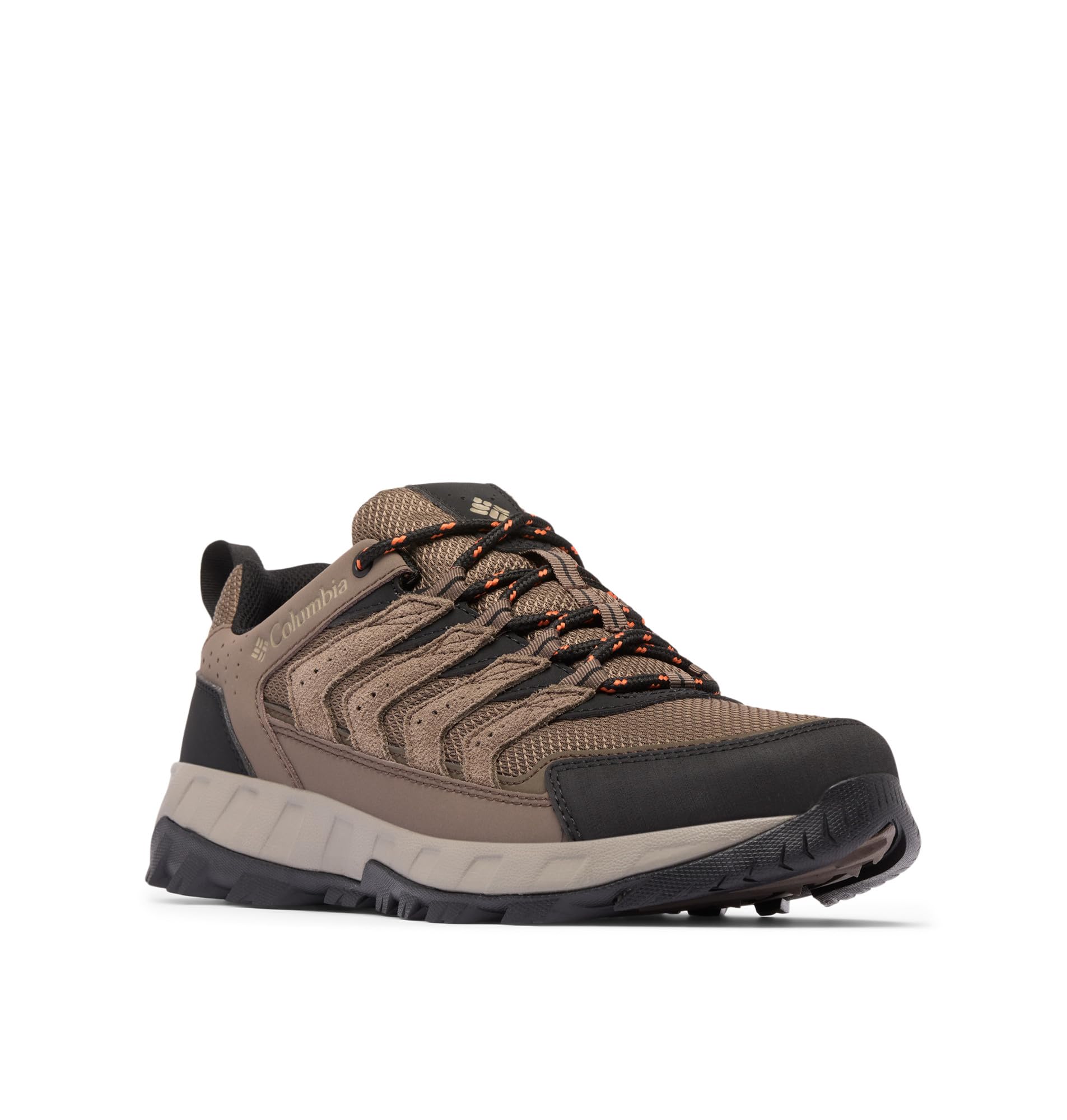
The Columbia Strata Trail Low is a dependable mid-range shoe that checks all the boxes for a hiker who wants breathability, support, and grip without spending premium money. The upper is a lightweight mesh with synthetic overlays, and the tongue is lightly padded to allow airflow without feeling restrictive. At 310 grams, it’s light enough for fast day hikes but still carries enough structure to feel secure on uneven ground. The Omni-Grip outsole is the star here—Columbia’s proprietary rubber compound offers outstanding traction on wet grass, muddy singletrack, and steep dirt inclines, where many budget shoes lose grip.
The insole is a major strength: Columbia uses a Techlite+ footbed that offers noticeable arch support and heel cushioning, which helps prevent foot fatigue over long miles. One reviewer reported using these shoes for daily 4-mile hikes for six months straight before the cushioning began to show wear, which is impressive longevity for a mid-range shoe. The fit runs true to size, with a medium-width toebox that accommodates most foot shapes without pinching. Several owners praised them as excellent work shoes on the farm, replacing heavy boots with a cooler, lighter alternative.
The weak point is the original glued-in liner, which some users found too low in arch height and had to replace with a higher-support insert. The shoe also takes slightly longer to dry than full-mesh alternatives because the Techlite+ midsole foam absorbs some moisture. But if you need a versatile shoe that handles everything from wet trail mornings to paved approaches without complaint, the Strata Trail Low is a solid, no-regret choice.
Why it’s great
- Omni-Grip outsole delivers reliable traction on wet and slippery surfaces
- Techlite+ footbed provides arch support and reduces long-day fatigue
- Lightweight 310g build suits fast day hikes and multi-surface use
Good to know
- Stock liner has low arch height for some users—may need an insert swap
- Midsole foam absorbs moisture, slowing dry time after creek crossings
7. Under Armour Men’s Charged Bandit Trail 3 Sneaker

The Under Armour Charged Bandit Trail 3 is the entry-level option that refuses to feel cheap. It uses Under Armour’s Charged Cushioning midsole, which is a compression-molded foam that delivers a responsive, bouncy feel closer to a running shoe than a hiking boot. The entire upper is a lightweight open-weave mesh that breathes exceptionally well—when you’re hiking in warm conditions, you can feel air moving through the shoe. Multiple reviewers describe them as “the most comfortable hiking shoes they’ve ever worn,” citing the zero break-in period and the plush tongue and collar that prevent pressure points.
The tread pattern is more road-oriented than trail-specific, with small lugs that handle gravel paths and packed dirt fine but struggle in mud or loose scree. The outsole rubber is softer than most dedicated hiking shoes, which provides good grip on dry pavement but wears faster on abrasive rock. One owner noted that the grip “prevents your foot from sliding between pedals” on a mountain bike, which is a unique use case. The fit runs true to size, with a slightly narrower toe box than the KEEN or ALTRA models, so wide-footed hikers should consider sizing up a half step.
The main trade-offs are durability and support. The thin, flexible mesh can tear if you’re bushwhacking through sharp brush, and the flexible midsole lacks the lateral stability you’d want on steep off-camber terrain. The tongue is also thin and tends to bunch up during lacing. But for easy day hikes, fire road walks, or everyday wear on concrete, the Charged Bandit Trail 3 offers unbeatable breathability and comfort at a budget-friendly price point.
Why it’s great
- Plush Charged Cushioning midsole feels like a running shoe with zero break-in
- Open-weave mesh upper delivers category-leading breathability
- Lightweight and comfortable for everyday wear and easy trails
Good to know
- Thin mesh can tear on sharp brush or technical terrain
- Tread is road-oriented—struggles in deep mud or loose scree
FAQ
How do I know if a hiking shoe’s mesh is breathable enough for hot weather?
Can I use breathable hiking shoes in wet or rainy conditions?
Will a breathable hiking shoe provide enough ankle support for uneven trails?
Final Thoughts: The Verdict
For most users, the best breathable hiking shoes winner is the Merrell Speed Strike 2 because it delivers the best overall blend of ventilation, lightweight agility, and reliable trail traction for day hikers and fast-packers. If you have wide feet or need maximum hot-weather ventilation, grab the KEEN Hightrail Vent Low. And for natural-foot purists who demand zero-drop geometry and toe freedom on long-distance trails, nothing beats the ALTRA Lone Peak 8.