
The moment your loved one with Alzheimer’s steps out the door without you knowing, a unique, bone-dry fear sets in — one that only a reliable, always-on tracker can quiet. You need a device that doesn’t just show a dot on a map but provides a direct voice line, a panic button, and automatic fall alerts, all packed into something they won’t rip off their wrist or necklace.
I’m Min — the co-founder and writer behind Gadgets Feed. I’ve spent hundreds of hours researching safety wearables, comparing cellular connectivity bands, battery capacities measured in mAh, and real-world GPS accuracy to find the trackers that genuinely work for dementia care.
Whether you need a simple pendant with a 1000 mAh battery or a feature-rich smartwatch with geo-fencing, this guide cuts through the noise to help you select the best alzheimer’s tracking bracelet for your family.
How To Choose The Best Alzheimer’s Tracking Bracelet
Selecting a tracking device for a person with dementia is not like buying a regular fitness tracker. The core mission is preventing elopement and enabling instant communication. You must prioritize reliable cellular coverage, ease of use for unsteady hands, and battery endurance that matches their daily routine.
Cellular Connectivity Is Non-Negotiable
Bluetooth trackers are useless if your loved one walks out of range. An Alzheimer’s tracking bracelet must operate on a nationwide 4G LTE cellular network (AT&T, Verizon, or T-Mobile) so it works at the grocery store, a park, or a neighbor’s house. Always check which carrier the device uses — some units falsely claim compatibility.
Battery Capacity and Charging Cadence
A dead tracker is a broken safety net. Look for a battery capacity of at least 600 mAh for a smartwatch style, or a device that boasts multiple days between charges. Pendants and clip-on trackers often offer longer life because they have smaller, power-efficient screens or no screen at all. A magnetic charging dock is a huge plus for users with limited dexterity.
Fall Detection vs. SOS Button
Automatic fall detection is a valuable safety net, but it’s not perfect — some units are overly sensitive or fail to detect certain falls. An SOS button that is large, tactile, and easy to press manually is the absolute minimum requirement. A device with both gives you layered protection.
Geo-Fencing and Wandering Alarms
Set a virtual boundary around the home or a safe zone like a garden. If the wearer crosses that boundary, you receive an instant alert on your smartphone. This feature, combined with real-time GPS location history, is the most powerful tool for preventing a lost dementia patient from getting far.
Quick Comparison
On smaller screens, swipe sideways to see the full table.
| Model | Category | Best For | Key Spec | Amazon |
|---|---|---|---|---|
| AngelSense Assistive Technology Watch | GPS Smartwatch | AI-powered routine learning | 16-hour battery life, cellular | Amazon |
| SecuLife Medical Alert Pendant | GPS Pendant | Direct-to-family alerts, 5-day battery | 1000 mAh battery, IP67 | Amazon |
| Tack GPS Plus Care Bundle | GPS Tracker | Ultra-long battery, 30 days | 750 mAh, 30-day charge | Amazon |
| SureSafe Dementia Tracker | GPS Necklace | 3-month subscription included | 4G AT&T connectivity | Amazon |
| Fajocru Fall Detection Smart Watch | Smartwatch | Video calling, no monthly fees | 600 mAh, IP67, 4G | Amazon |
| Bay Alarm Medical SOS Mobile GPS | Medical Alert | 24/7 monitoring center | 420 mAh, 144-hour standby | Amazon |
| Home & WELLNESS co. Stride Watch | Medical Alert Watch | Stylish watch design | 580 mAh, 4G | Amazon |
In‑Depth Reviews
1. AngelSense Assistive Technology Watch
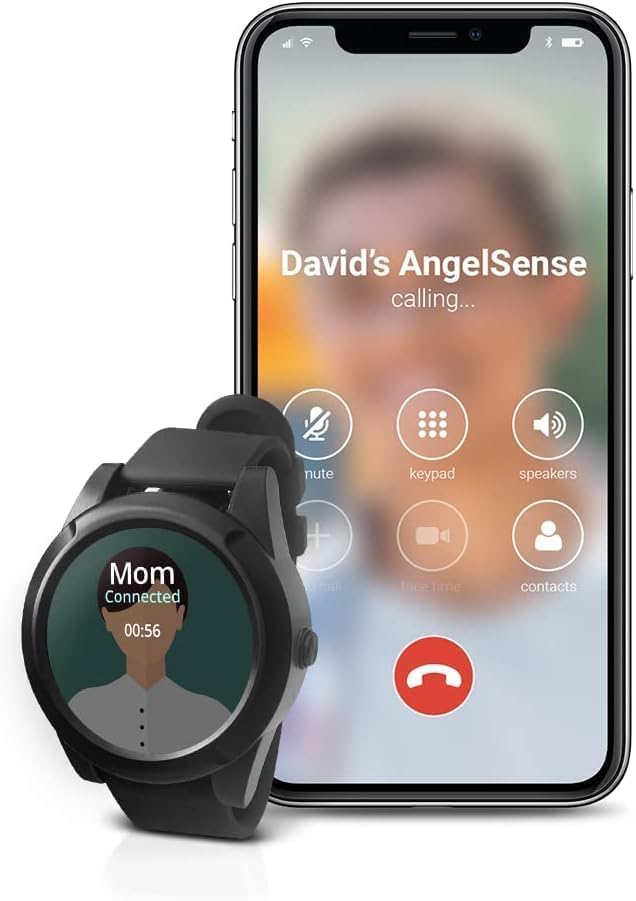
The AngelSense watch goes beyond basic GPS by using artificial intelligence to learn the wearer’s daily routine. It sends proactive alerts for early departure, unexpected places, or late arrival — features that standard geo-fence-only trackers simply cannot match. The assistive speakerphone with auto-answer lets you call in and listen to their environment without them needing to press anything.
It runs on a standalone cellular connection and offers a 16-hour battery capacity depending on usage. The 1.6-ounce weight and 47.5mm diameter make it a comfortable daily wear, though you will need to charge it nightly. The dedicated app works on iOS, Android, or PC, and includes a school dashboard for limiting access during certain hours.
Reviewers consistently praise the GPS sensitivity, noting it can differentiate between rooms and the outdoor deck. The monthly subscription model (first month free, then ongoing) covers unlimited live tracking and alerts. It is a premium investment in data-driven safety for dementia patients who wander.
Why it’s great
- AI learns routines and sends intelligent, contextual alerts.
- Auto-answer speakerphone allows remote listening.
- Dedicated phone number for direct calls.
Good to know
- Requires a monthly subscription after the first free month.
- Some users report inconsistent battery life lasting less than a full day.
2. SecuLife Medical Alert Pendant
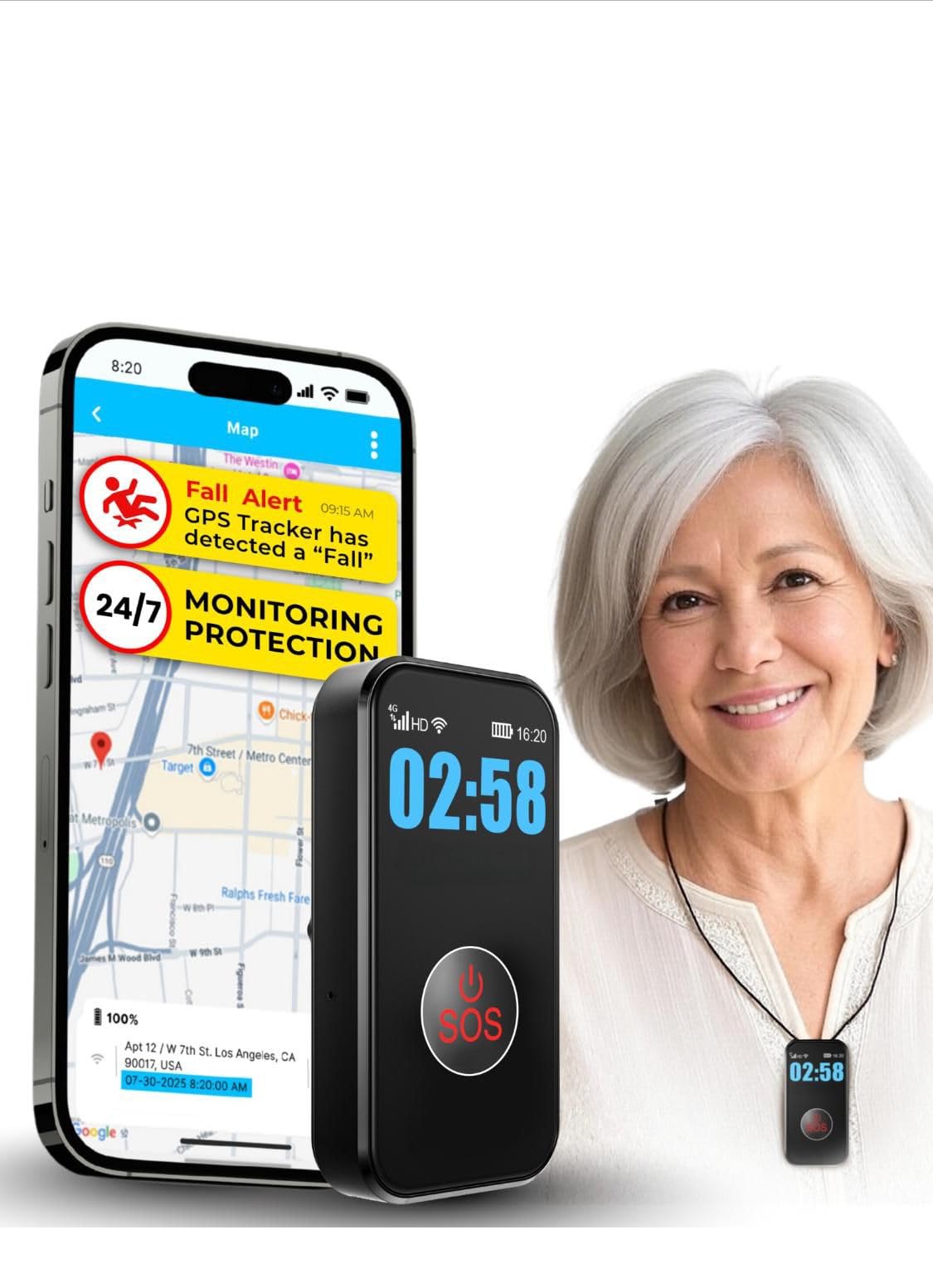
The SecuLife pendant cuts out the middleman call center entirely. When the wearer presses the large SOS button, alerts go directly to your phone — no third-party operator. This direct-to-family model means lower monthly fees (/month) and faster connection to the people who know the patient best. The 1000 mAh battery is the largest in this roundup, delivering up to 5–6 days per charge with GPS tracking intervals.
It includes automatic fall detection that immediately calls and texts your preselected contacts. The IP67 waterproof rating means it can be worn in the shower, which is critical for 24/7 compliance. The pendant itself is compact (3 x 1 x 1 inches) and features a clear display showing time, battery, and signal strength.
Customer reviews highlight the easy magnetic charging dock and the GPS accuracy down to about one meter. The security feature that only allows approved phone numbers to call the device is a strong addition for dementia patients who might be vulnerable to scams. It is a straightforward, powerful pendant for caregivers who want direct control.
Why it’s great
- Massive 1000 mAh battery lasts up to 6 days.
- Alerts go directly to family, no call center lag.
- Fully waterproof for 24/7 wear.
Good to know
- Setup can be challenging and may require support.
- Some users report inconsistent fall detection performance.
3. Tack GPS Plus Care Bundle

The Tack GPS Plus redefines convenience with a 750 mAh battery that, thanks to smart AI movement detection, can last up to 30 days on a single charge. This is a game-changer for caregivers who worry about forgetting to charge a device daily. It operates on AT&T, T-Mobile, and Sprint networks with free roaming in over 120 countries.
Unlike wrist-worn trackers, the Tack Plus comes as a clip-on device with a fabric pouch, pins, and a neck lanyard. This form factor is ideal for dementia patients who might remove a watch. The unique indoor elevation finder shows which floor the wearer is on inside a building — a feature not found on most competitors. It also includes fall detection and geo-fencing.
Customer experiences are mixed: some praise its accuracy and long battery, while others report unreliable location updates in areas with weak cellular coverage. The device does not connect to Wi-Fi, which limits indoor accuracy in rural zones. The subscription plans start very affordably after the free 30-day trial, making it an accessible long-term option.
Why it’s great
- Up to 30-day battery life reduces charging anxiety.
- Indoor floor elevation tracking is a unique safety feature.
- Affordable monthly plans start at just a few dollars.
Good to know
- No Wi-Fi connectivity, so indoor GPS can be inaccurate.
- Some users report delayed or inaccurate location updates.
4. SureSafe Dementia Tracker
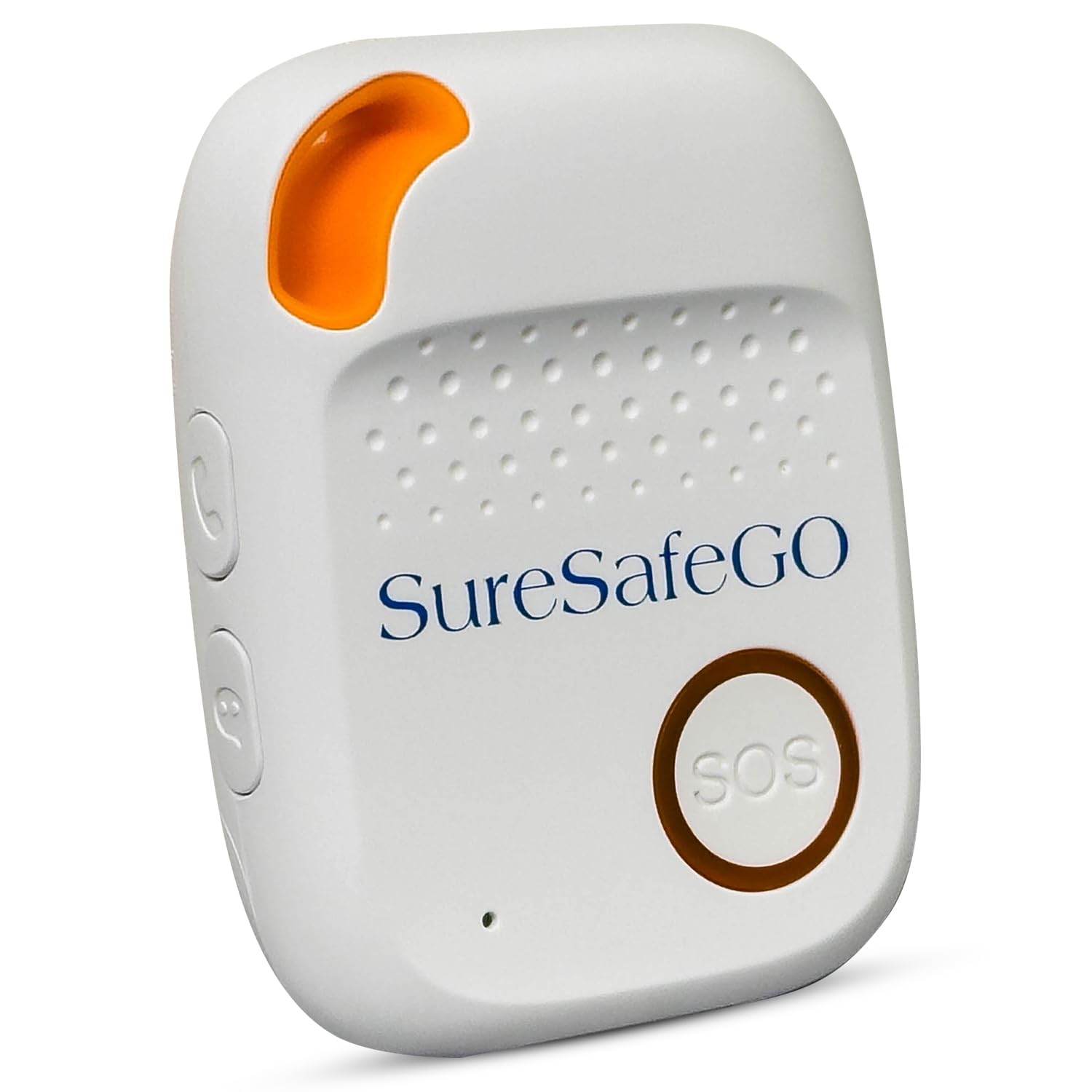
The SureSafe Dementia Tracker is a dedicated wearable that connects directly to your loved one’s emergency contacts, bypassing call centers. Pressing the large SOS button places a call to family or friends immediately. It runs on AT&T’s 4G network and includes a wandering alarm with GPS tracking and geo-fencing.
It arrives with a 3-month subscription included, which is a generous trial period compared to competitors that offer only one month. The pendant form factor is lightweight and adjustable. The fall detection feature is designed for heavy falls, though some users report it can be overly sensitive or miss falls entirely. The battery life is rated at 24–48 hours with geo-fence alerts active.
Customers appreciate the responsive customer service and the low battery voice reminder. One common complaint is that the device is loaned, not owned — you must return it if you end the service. The hardware is solid, but the subscription is required for continued use after the trial.
Why it’s great
- Three months of service included for risk-free testing.
- Direct calls to family without a monitoring center.
- Lightweight and comfortable for daily wear.
Good to know
- Battery life drops significantly with geo-fencing enabled.
- Hardware is loaned, not owned; must be returned.
5. Fajocru Fall Detection Smart Watch
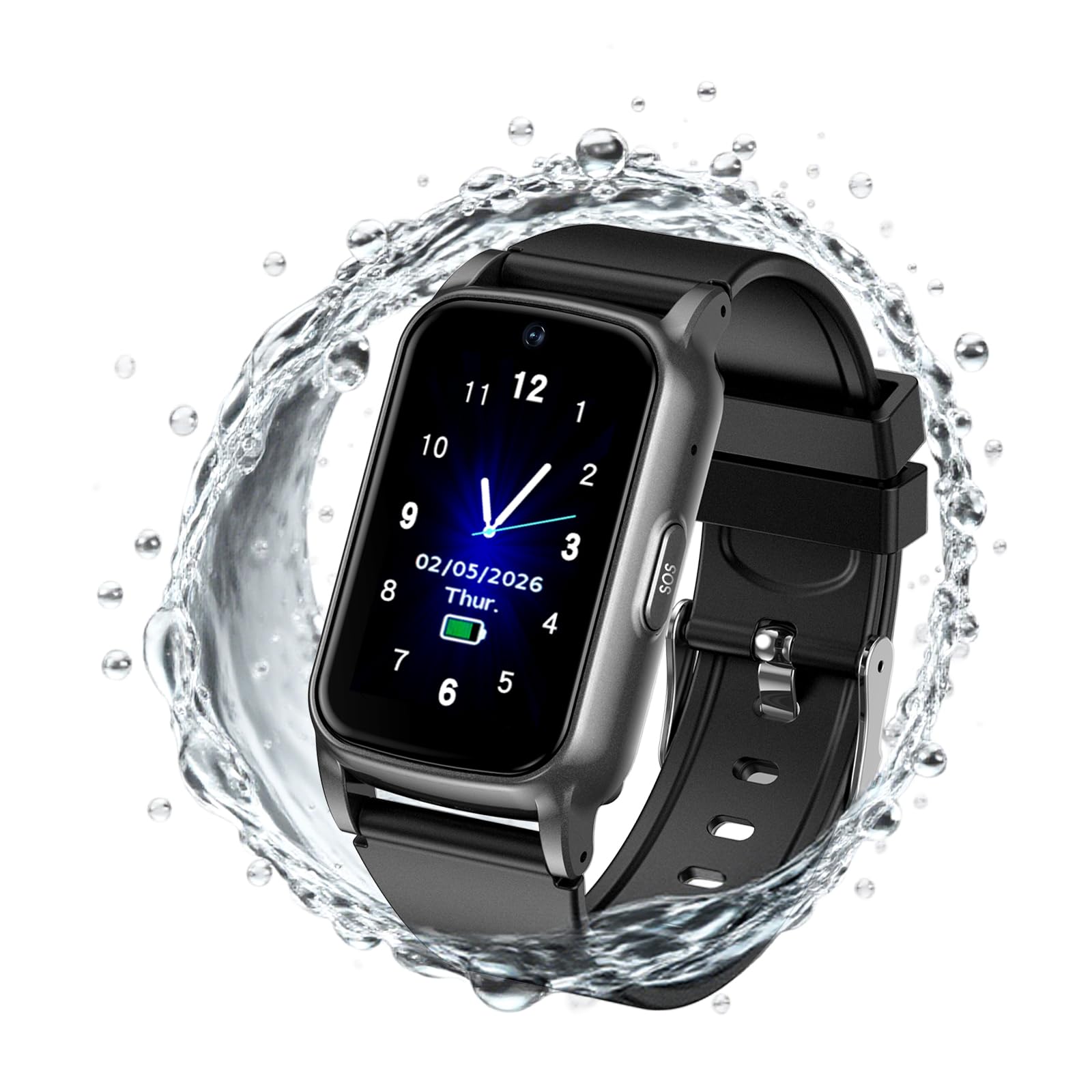
This smartwatch combines medical alert features with a full touchscreen interface, including HD video calling. Unlike many competitors, it comes with a pre-installed data-only SIM card and one year of free data service, meaning no monthly subscription for basic tracking. It also supports a standard SIM for voice calls if you need that functionality.
The 600 mAh battery provides solid endurance for a smartwatch. It includes health monitoring features like heart rate and blood pressure tracking, plus an IP67 waterproof rating. The large, high-contrast display and simple interface are designed for senior usability. Magnetic charging makes it easy for users with arthritis or limited hand strength.
Reviews note that setup can be tricky — the device comes with a specific data SIM that might not work for voice calls. Some users experienced issues with activation, though the company responded with refunds. The wide APN compatibility means it can adapt to different carriers globally, which is a unique advantage for travelers.
Why it’s great
- No monthly subscription required for standard tracking.
- HD video calling keeps families visually connected.
- Broad APN support works globally.
Good to know
- Setup can be complex and may require troubleshooting.
- Data-only SIM does not support voice calls out of the box.
6. Bay Alarm Medical SOS Mobile GPS

The Bay Alarm Medical SOS Mobile GPS is a classic medical alert device that prioritizes simple, reliable emergency response. It weighs under 2 ounces and can be worn with a lanyard or belt clip. Pressing the one-button connects you to a trained operator through a built-in two-way speaker.
The 420 mAh battery delivers up to 144 hours of standby time, meaning you only need to charge it every few days. It works on Verizon’s 4G LTE network, providing solid coverage. The companion caregiver app lets you monitor battery level, device status, and activity. It includes optional fall detection for an additional monthly fee.
Customer reviews are positive, with users noting the easy setup and the low cost compared to competitors. Some users report accidental triggers that connect immediately, which can be jarring but shows the system works. The lack of advanced customization (like setting emergency contacts or medical info) is a limitation for some caregivers who want more control.
Why it’s great
- Very affordable hardware with a proven monitoring center.
- Lightweight and easy to wear in multiple ways.
- Long standby battery life reduces charging frequency.
Good to know
- No advanced customization like programmable emergency contacts.
- Subscription required for full functionality.
7. Home & WELLNESS co. Stride Medical Alert Watch

The Stride watch is designed to look like a regular watch, which may help with compliance from users who dislike medical-looking devices. It includes instant emergency response, GPS tracking, and a companion app for caregivers. The 580 mAh battery provides about 24 hours of use, and it charges in roughly one hour.
The device runs on AT&T’s 4G network, though some customers report that it did not work on AT&T as advertised. This is a critical issue to verify before purchasing. It is shower-safe but not fully submersible. The fall detection feature can be overly sensitive, and some users disable it to avoid false alarms.
Positive reviews highlight the easy daily use for older parents and the peace of mind it provides. The subscription is month-to-month with no long-term contract, and the first month is included. Negative feedback points to connectivity issues and difficulty reaching customer support for setup assistance.
Why it’s great
- Resembles a standard wristwatch, encouraging daily wear.
- No long-term contract with flexible monthly subscription.
- Quick one-hour charging time.
Good to know
- Carrier compatibility claims are disputed by some users.
- Fall detection can be overly sensitive.
FAQ
Do all Alzheimer’s tracking bracelets require a monthly subscription?
What is the difference between a pendant and a smartwatch for dementia patients?
How accurate is the GPS tracking on these devices?
Final Thoughts: The Verdict
For most users, the best alzheimer’s tracking bracelet winner is the AngelSense Assistive Technology Watch because its AI-powered routine learning and auto-answer speakerphone provide unmatched proactive safety. If you want the longest battery life with minimal charging, grab the Tack GPS Plus Care Bundle. And for a direct-to-family alert system with a massive battery in a pendant form factor, nothing beats the SecuLife Medical Alert Pendant.