
A Vitamin C serum is arguably the single most researched skincare active on the market, yet most bottles on drugstore shelves degrade into useless brown sludge before you finish them. The difference between a serum that actually fades dark spots and one that just sits on your skin comes down to three variables: the form of ascorbic acid used, the pH of the formula, and the packaging’s ability to block light and air. Get those right, and you unlock collagen production, free-radical defense, and a visible glow that no moisturizer alone can deliver.
I’m Min — the co-founder and writer behind Gadgets Feed. I spent weeks poring over cosmetic chemistry research, cross-referencing ingredient stability data, and analyzing hundreds of verified buyer reports to separate the serums that perform from the ones that overpromise.
Whether you have dry, oily, or sensitive skin, picking the wrong formula can lead to irritation or wasted money. This guide ranks the most effective formulations on the market so you can confidently choose the best vitamin c serum for your specific skin goals.
How To Choose The Best Vitamin C Serum
Every serum on this list can brighten skin, but the one that works for you depends on your skin type, your tolerance for acidity, and how much time you want to spend storing your bottle properly. Here are the three specs that matter most.
Vitamin C Concentration and Form
L-ascorbic acid is the purest and most bioavailable form, but it requires a low pH (around 3.0–3.5) to penetrate. Concentrations between 10% and 20% are backed by clinical data; anything above that risks irritation without adding benefit. Stabilized forms like sodium ascorbyl phosphate (SAP) are gentler and last longer on the shelf but convert to active vitamin C less efficiently, making them better for sensitive skin.
Packaging Integrity
Vitamin C is notoriously unstable in the presence of light, heat, and oxygen. Opaque airless pumps or metal tubes preserve potency far longer than clear glass dropper bottles. If you buy a serum in a transparent container, you are racing against oxidation from the moment you uncap it. Tinted glass offers limited protection; fully opaque packaging is the safest bet.
Supporting Ingredients
Hyaluronic acid boosts hydration and offsets the potential dryness of pure L-ascorbic acid. Vitamin E (tocopherol) and ferulic acid form a synergistic antioxidant network that quadruples the photoprotective effect. Ceramides help repair the skin barrier if your serum leans acidic. Avoid formulas with added fragrance if you have reactive or rosacea-prone skin.
Quick Comparison
On smaller screens, swipe sideways to see the full table.
| Model | Category | Best For | Key Spec | Amazon |
|---|---|---|---|---|
| Obagi Professional-C | Premium | Maximum potency & clinical results | 15% L-Ascorbic Acid | Amazon |
| Paula’s Choice RESIST | Premium | Dry, sun-damaged skin | Peptides + CoQ10 | Amazon |
| Murad Vita-C Glycolic | Premium | Dullness & uneven texture | Gold-Stabilized Vit C + Glycolic Acid | Amazon |
| La Roche-Posay Pure 12% | Mid-Range | Oily & combination skin | 12% L-Ascorbic Acid + Salicylic Acid | Amazon |
| Clinique Moisture Surge Active Glow | Mid-Range | Layering under makeup | 5% Lactic Acid + Hyaluronic Acid | Amazon |
| Cerave Vitamin C | Mid-Range | Sensitive skin & barrier repair | 10% L-Ascorbic Acid + 3 Ceramides | Amazon |
| TruSkin Vitamin C | Budget | Gentle brightening on a budget | Sodium Ascorbyl Phosphate (SAP) | Amazon |
In‑Depth Reviews
1. Obagi Medical Professional-C Vitamin C Serum
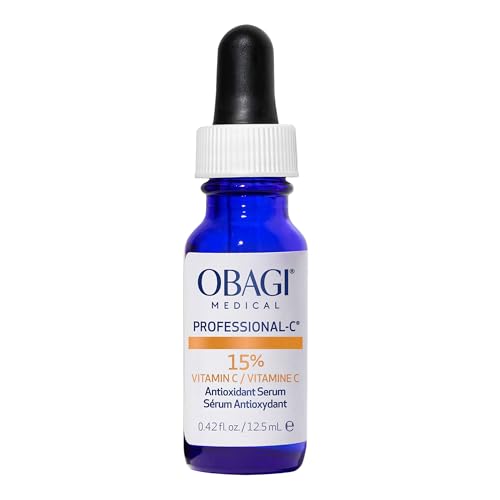
Obagi uses 15% pure L-ascorbic acid formulated at a pH that optimizes both stability and skin permeability, which is the closest you get to clinical-grade efficacy in a retail bottle. Multiple dermatologists recommend this specific serum for its ability to brighten skin tone and minimize fine lines within roughly three weeks of consistent daily use. The lightweight liquid absorbs in seconds and leaves no tacky residue, making it an effortless addition to a morning routine.
Users report the bottle lasting about six months with daily application, which translates to a low per-use cost despite the premium sticker. The formula naturally oxidizes from clear to light yellow over time — this is normal for high-concentration L-ascorbic acid and does not indicate spoilage as long as the color shift remains pale. Keep the bottle stored in a cool, dark cabinet to slow that process and maintain peak potency.
One caveat: a small subset of users with active adult acne noticed that the serum aggravated breakouts, likely due to the low pH that can temporarily disrupt a compromised barrier. If you have active inflammatory acne, patch test for a week before committing to full-face use. For everyone else, this is the gold standard that other vitamin C serums are measured against.
Why it’s great
- 15% L-ascorbic acid at a clinically optimized pH delivers fast, visible brightening
- One bottle lasts six months with daily use, offering strong long-term value
- Medical-grade reputation backed by decades of clinical testing on all skin tones
Good to know
- Must be stored in a cool, dark place to slow oxidation of L-ascorbic acid
- May aggravate active acne breakouts due to its low pH formula
2. Paula’s Choice RESIST Super Antioxidant Vitamin C Serum
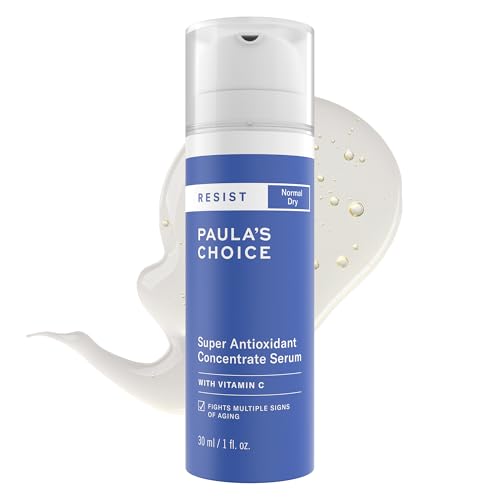
Paula’s Choice pairs stabilized vitamin C with ferulic acid, coenzyme Q10, and peptides to create an antioxidant cocktail that targets both dryness and visible aging. The texture is distinctly silicone-like — a silky gel that glides over dry, sun-damaged skin and acts as an occlusive barrier that locks in moisture overnight. This makes it an outlier on the list because it functions less like a conventional serum and more like a hybrid treatment-moisturizer designed for parched complexions.
Users with dry or low-humidity environments report that it calms flaking and redness caused by retinol or exfoliating acids, which is rare for a vitamin C serum that also carries brightening actives. The new pump bottle design improves hygiene and reduces air exposure compared to the previous tube packaging, though some long-time users miss the ability to squeeze out every last drop. A single pea-sized amount covers the entire face, so the 1-ounce bottle lasts roughly three months with twice-daily use.
The formula is too slick for oily or combination skin types — multiple reviews mention that it sits heavily on the face and can cause foundation to pill or cake. If your skin leans dry, however, this serum delivers both glow and barrier support in one step, replacing the need for a separate moisturizer at night.
Why it’s great
- Rich, silicone-like texture hydrates dry skin without needing a separate moisturizer
- Ferulic acid, CoQ10, and peptides create a multi-antioxidant defense network
- A little goes a long way — one pump covers the entire face
Good to know
- Silicone texture feels heavy and may cause pilling with matte foundations
- Not ideal for oily or combination skin due to its slick, occlusive feel
3. Murad Vita-C Glycolic Brightening Serum
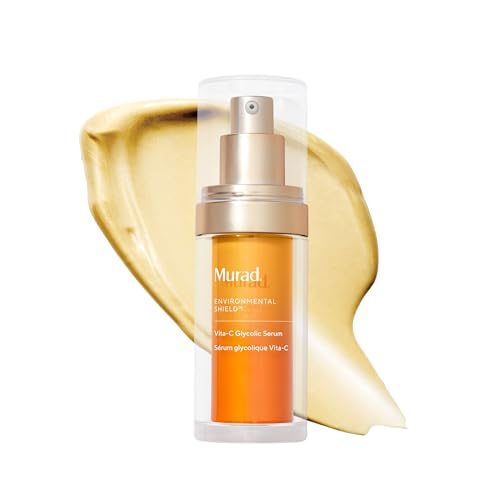
Murad uses gold-stabilized vitamin C combined with glycolic acid in a dual-action formula that simultaneously exfoliates the stratum corneum while delivering antioxidants deeper into the skin. The glycolic acid removes surface dead cells that cause dullness, which allows the vitamin C to penetrate more effectively than standalone serums. This makes the Murad serum uniquely suited for tackling hyperpigmentation and uneven texture in a single product, rather than requiring separate exfoliant and vitamin C steps.
The texture is lightweight and absorbs quickly with no greasy afterfeel, and the packaging uses an opaque airless pump that protects the stabilized vitamin C from light degradation. Users report a subtle citrus scent that fades within seconds — noticeable but not overpowering. A 70-year-old reviewer noted that the serum effectively evened out her skin tone and restored glow without irritation, suggesting the formula is gentle enough for mature skin despite the presence of an AHA.
The price per ounce sits at the top of the range, but the dual-exfoliation mechanism means you can skip a separate glycolic acid toner, which offsets some of the cost. If you already use a dedicated AHA or retinol in your routine, be cautious about layering — using Murad alongside other exfoliants can lead to over-exfoliation and barrier compromise.
Why it’s great
- Glycolic acid exfoliates surface cells so vitamin C penetrates more effectively
- Gold-stabilized vitamin C resists oxidation better than standard L-ascorbic acid
- Lightweight, non-greasy formula absorbs quickly and layers well
Good to know
- May cause over-exfoliation if used alongside other AHAs or retinol
- Premium price per ounce among all serums reviewed
4. La Roche-Posay Pure 12% Vitamin C Serum

La Roche-Posay delivers 12% L-ascorbic acid alongside salicylic acid, making this one of the few vitamin C serums specifically engineered for oily and combination skin. The salicylic acid works to exfoliate inside the pores and control excess sebum while the vitamin C brightens the skin surface. Users report visible oil reduction throughout the day, with a liquid texture that dries down to a completely matte finish — no stickiness, no shine.
The Vitamin C Guard Technology in this formula stabilizes the L-ascorbic acid better than many competitors, meaning the serum retains its potency longer even in less-than-ideal storage conditions. Clinical testing showed 82% of users saw a reduction in fine lines and wrinkles, which is an unusually high percentage for a non-prescription serum. The formula is fragrance-free and non-comedogenic, which reduces the risk of breakouts in acne-prone skin types.
Initial application can feel slightly tacky for about thirty seconds before it fully dries. A few users with very dry skin found the salicylic acid component overly drying, so this serum is best reserved for those who actually deal with oiliness or enlarged pores. During Amazon sales, this serum often drops significantly in price, making it a strong value proposition for the mid-range tier.
Why it’s great
- Salicylic acid controls oil and refines pores alongside brightening vitamin C
- Vitamin C Guard Technology keeps 12% L-ascorbic acid stable longer
- Dries to a matte finish that works well under sunscreen and makeup
Good to know
- Salicylic acid can be overly drying for normal to dry skin types
- Initial 30-second tackiness before the serum fully absorbs
5. Clinique Moisture Surge Active Glow Serum
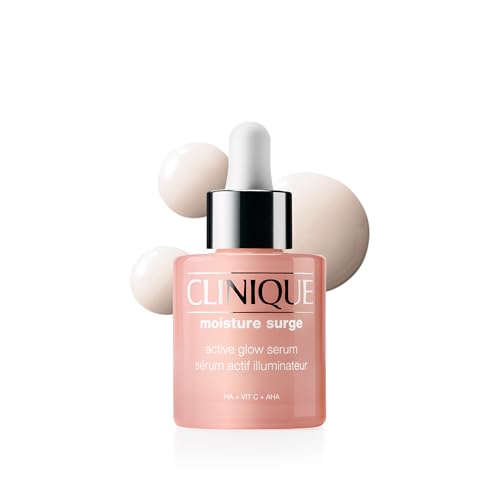
Clinique takes a different approach by combining 5% lactic acid with hyaluronic acid and vitamin C, creating a serum that prioritizes hydration and gentle exfoliation over raw L-ascorbic acid concentration. The lactic acid is an AHA that exfoliates by dissolving the bonds between dead skin cells, which naturally brightens the complexion while the hyaluronic acid holds 1,000 times its weight in water. Users with rosacea report that this formula calms redness and provides a healthy glow without the sting that high-concentration vitamin C often causes.
The texture is a refreshing gel-water that sinks into skin instantly with zero pilling. This makes it an exceptional base layer under moisturizer and foundation — multiple users mention it has reduced their need for heavy foundation because their skin looks naturally brighter on its own. A 57-year-old reviewer noted that the serum visibly lightened dark spots and gave her skin a glow that made her feel confident without makeup.
The vitamin C concentration is not disclosed on the label and appears to be lower than dedicated vitamin C serums, so users seeking dramatic hyperpigmentation reversal should look to the Obagi or Murad options instead. This serum is best viewed as a maintenance brightening product that also hydrates, rather than a targeted pigment-fading treatment. The 1-ounce bottle is priced similarly to competitors but delivers a more hydrating, less aggressive experience.
Why it’s great
- Hyaluronic acid provides deep hydration that plumps and calms sensitive skin
- Gel-water texture absorbs instantly and layers perfectly under makeup
- Lactic acid gently exfoliates without the irritation of high-concentration L-ascorbic
Good to know
- Vitamin C concentration is lower than dedicated brightening serums
- Not potent enough for stubborn hyperpigmentation or deep age spots
6. CeraVe Vitamin C Serum

CeraVe delivers 10% pure L-ascorbic acid in a formula built around three essential ceramides that repair and maintain the skin barrier. This is a critical detail: most vitamin C serums focus entirely on brightening and neglect the fact that low-pH ascorbic acid can weaken barrier function over time. The ceramides directly counteract that effect, making this serum the safest choice for sensitive, reactive, or eczema-prone skin that still wants the benefits of L-ascorbic acid.
The gel texture is lightweight and non-greasy, absorbing within about thirty seconds and leaving a smooth, hydrated finish. The opaque tube packaging protects the serum from light better than any dropper bottle, which is essential for stabilizing 10% L-ascorbic acid long-term. Users with keratosis pilaris on their face reported that consistent use eliminated bumps and rough patches, likely due to a combination of mild exfoliation from the acidic pH and barrier repair from the ceramides.
The formula is fragrance-free, paraben-free, and allergy-tested, which eliminates common irritants that cause breakouts in sensitive users. The main complaint across reviews is the small tube size — 1 ounce goes by quickly with daily use, and some users wish CeraVe offered a larger economy size. If you have resilient, non-sensitive skin, there are higher-potency options available, but for sensitive skin, this is the safest and most effective compromise.
Why it’s great
- Three essential ceramides repair skin barrier while vitamin C brightens
- Opaque tube packaging maximizes protection against light oxidation
- Fragrance-free, allergy-tested formula is safe for reactive skin types
Good to know
- 1-ounce tube runs out quickly with twice-daily use
- 10% concentration is less potent than 15-20% options for rapid dark spot fading
7. TruSkin Vitamin C Serum
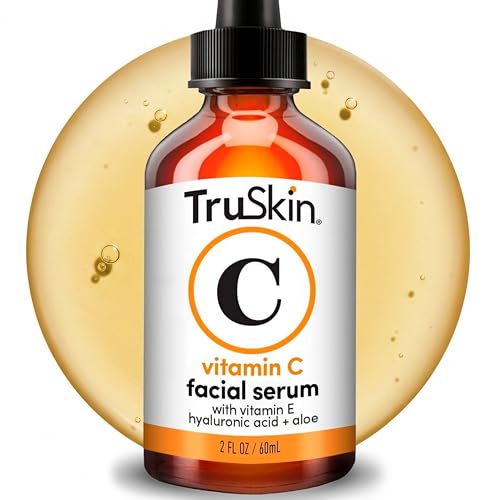
TruSkin uses sodium ascorbyl phosphate (SAP), a stable vitamin C derivative that converts into active ascorbic acid on the skin. SAP is significantly gentler than pure L-ascorbic acid and maintains potency for months without requiring opaque packaging or refrigeration. This makes the TruSkin formula ideal for beginners who are new to vitamin C or for anyone who has tried pure ascorbic acid serums and experienced stinging or redness. The 2-ounce bottle provides twice the volume of most competitors at a lower cost per ounce.
The serum layers hyaluronic acid, vitamin E, aloe vera, and jojoba oil alongside the vitamin C, creating a moisturizing base that counteracts the dryness typically associated with active serums. Users report seeing brighter skin and lighter dark spots within a few weeks, with minimal irritation even on non-Caucasian skin tones. The unscented formula contains no parabens, dyes, or harsh additives, and the brand is cruelty-free and made in the USA.
The dropper bottle is not ideal for long-term potency preservation — the 1-ounce size is recommended for repurchase to ensure freshness before the SAP can oxidize. The formula is less effective for deep wrinkles and advanced photoaging compared to high-concentration L-ascorbic acid serums. If you have normal to oily skin and want a gentle, effective brightener that won’t break the bank, this serum delivers reliable results without the finicky storage requirements of pure vitamin C.
Why it’s great
- Stabilized SAP form is gentle on sensitive skin and resists oxidation
- 2-ounce bottle offers the best volume-to-price ratio among reviewed serums
- Hyaluronic acid and jojoba oil provide built-in hydration
Good to know
- Less potent than 15-20% L-ascorbic acid for advanced photoaging
- Dropper bottle exposes formula to air with each use
FAQ
Can I use a vitamin C serum every day?
Should I apply vitamin C serum before or after moisturizer?
What does it mean when my vitamin C serum turns brown?
Final Thoughts: The Verdict
For most users, the best vitamin c serum winner is the Obagi Professional-C Serum because its 15% L-ascorbic acid at a clinically proven pH delivers the fastest visible brightening and collagen support with strong dermatologist backing. If you want a hydrating, sensitive-skin-safe formula that also repairs the skin barrier, grab the CeraVe Vitamin C Serum. And for a budget-friendly entry point with zero irritation risk that still fades dark spots, nothing beats the TruSkin Vitamin C Serum.