
The difference between a great day in the alpine and a miserable one often comes down to the fabric between you and the snow. Backcountry touring demands pants that breathe on the ascent, shed moisture during a storm, and provide enough mobility to kick turns without restriction. A resort shell simply won’t cut it when your skin track gains two thousand vertical feet.
I’m Min — the co-founder and writer behind Gadgets Feed. I’ve spent countless hours analyzing fabric technologies, waterproof breathability ratings, articulation patterns, and weight specs to separate the genuine backcountry performers from the resort-oriented imposters that still dominate search results.
This guide cuts through the noise by comparing real-world features like knee articulation, venting systems, and durable water repellency so you can find the best backcountry ski pants for your specific touring style and local snowpack conditions.
How To Choose The Best Backcountry Ski Pants
Selecting touring-specific pants involves more than just finding a waterproof rating. You need a system that manages sweat during a 1000-vertical-foot kick and then blocks wind during a rapid descent. Prioritize mobility in the knee and crotch, secure pockets for avalanche gear essentials, and a waist that stays put under a backpack hipbelt without pinching.
Shell vs. Insulated: The Weight Tradeoff
Shell pants offer unmatched versatility because you control the insulation layer underneath based on the day’s temperature. A shell around 10-15 ounces provides wind and waterproofing without adding thermal mass, which is ideal for high-exertion tours where sweat management is critical. Insulated pants work better for low-activity ski mountaineering or cold, dry climates where you want one-piece simplicity.
Venting and Breathability: Your Sweat Strategy
Look for full-length side zippers with mesh backing or dual-zipper thigh vents that let you dump heat without fully removing the pant. Breathability ratings (MVTR) above 10,000 g/m²/24hr help moisture escape during aerobic output. For high-output tours, a membrane like Gore-Tex or a proprietary waterproof breathable fabric with a high CFM (cubic feet per minute) rating matters more than the product name itself.
Quick Comparison
On smaller screens, swipe sideways to see the full table.
| Model | Category | Best For | Key Spec | Amazon |
|---|---|---|---|---|
| Burton Gore-Tex Reserve Bib Pant | Premium Shell Bib | Deep powder and wet storm days | Gore-Tex membrane / 1 lb shell | Amazon |
| Helly Hansen Alpha LIFALOFT Insulated Ski Pant | Premium Insulated | Cold alpine tours and low-output days | LIFALOFT insulation / 1.75 lb | Amazon |
| Mountain Hardwear Ghost Whisperer Pants | Ultralight Down Layer | Camp insulation and extreme weight savings | 800-fill down / 9.6 oz | Amazon |
| SITKA Gear Timberline Pant | Touring Shell | Mixed terrain with kneeling and long approaches | Built-in knee pads / 20 oz | Amazon |
| Spyder Men’s Boundary Insulated Ski Pant | Insulated Hybrid | Lift-access backcountry and variable temps | Waterproof membrane / 175g insulation | Amazon |
| The North Face Freedom Pants (PFAS-free) | Updated Shell | Environmentally conscious skiers wanting modern materials | Polyurethane waterproofing / 14 oz | Amazon |
| The North Face Men’s Freedom Pant | Entry Shell | First-time touring and resort crossover use | DryVent membrane / 14.5 oz | Amazon |
| Helly Hansen Insulated Ski Pants | Mid-Range Insulated | Budget-conscious skiers needing reliable warmth | 100% Polyester shell / medium weight | Amazon |
| Marmot Scree Pants | Entry-Level Softshell | Day trips and approach hikes in mild snow | Nylon woven fabric / 12 oz | Amazon |
In‑Depth Reviews
1. Burton Mens Gore‑tex Reserve Bib Pant
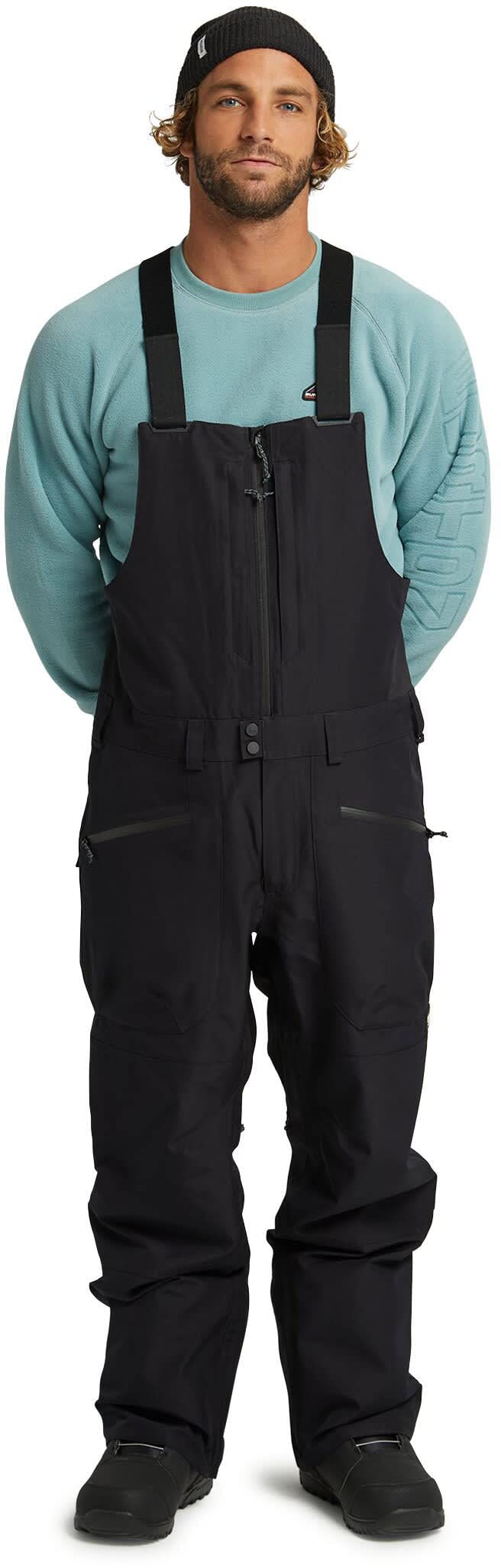
The Burton Gore-Tex Reserve Bib Pant delivers the highest level of waterproof protection for serious backcountry missions. The bib design adds crucial coverage for deep powder days and prevents snow intrusion when you take a hard landing or sidehill through soft snow. Reviewers consistently praise how it stays completely dry through heavy rain and multiple days of Colorado powder, confirming the Gore-Tex membrane handles sustained wet conditions.
Fit is tailored but not restrictive, with enough room for a lightweight base layer and moderate insulation underneath. The multiple pockets are securely placed and accessible even with a backpack hipbelt, which matters when you need to grab a skin or GPS without stopping. Some users note the thigh area runs snug for lifters, so sizing up is recommended for larger quads.
At roughly one pound, this is a pure shell with no integrated insulation, making it ideal for high-output touring where you control warmth through layering. The zipper hardware feels sturdy, and the powder skirt at the bottom seals effectively around most ski boots. If you want a single pant that handles everything from spring corn to mid-winter storms, this bib is the benchmark.
Why it’s great
- Gore-Tex provides absolute waterproof reliability in prolonged wet snow and rain
- Bib design prevents snow entry during deep days and aggressive movement
- Secure pocket layout works well with backpack hipbelts during touring
Good to know
- Snug in the thigh area for athletic builds—consider ordering up one size
- Higher price point than shell alternatives without Gore-Tex branding
2. Helly Hansen Alpha LIFALOFT Insulated Ski Pant
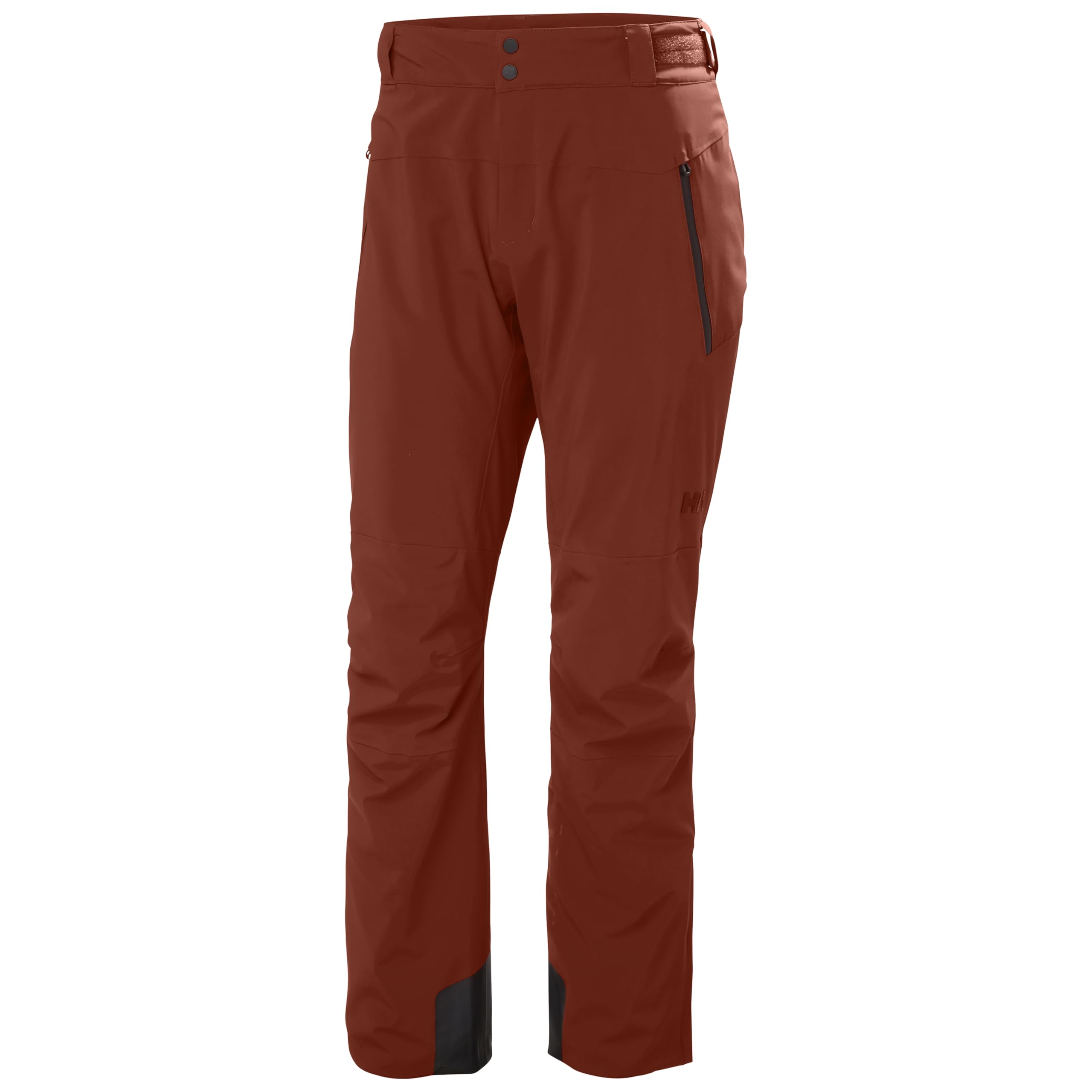
The Helly Hansen Alpha LIFALOFT pants bring a premium insulated option that performs well in cold, low-output touring scenarios where you want one-piece convenience. LIFALOFT is a synthetic insulation designed to mimic down’s warmth-to-weight ratio while retaining loft when wet, and users confirm it keeps them warm in sub-freezing conditions without excessive bulk. The Helly Tech waterproof membrane adds a layer of storm protection that handles wet snow without saturation.
Fit leans slightly slim through the leg, which reduces flapping in wind but means you should size up if you plan on thicker base layers or have muscular thighs. The non-bib design stays in place during movement, and the elasticated powder cuff helps seal out snow at the boot cuff. Reviewers note the zip cuffs may not accommodate oversized boot tongues, but the internal powder skirt compensates effectively.
This pant weighs about 1.75 pounds, placing it on the heavier side for long skin tracks. It works best for shorter approaches, lift-accessed backcountry, or ski mountaineering objectives where you value simplicity and warmth over ultralight weight. The build quality matches Helly Hansen’s reputation for durability in harsh winter environments.
Why it’s great
- LIFALOFT insulation provides excellent warmth without water-logging when wet
- Durable construction that survives extended winter use in tough conditions
- Non-bib design stays secure and comfortable under backpack hipbelts
Good to know
- Slim fit may require sizing up for layering or larger thighs
- Heavier than shell options—less ideal for long, high-exertion touring days
3. Mountain Hardwear Ghost Whisperer™ Pants
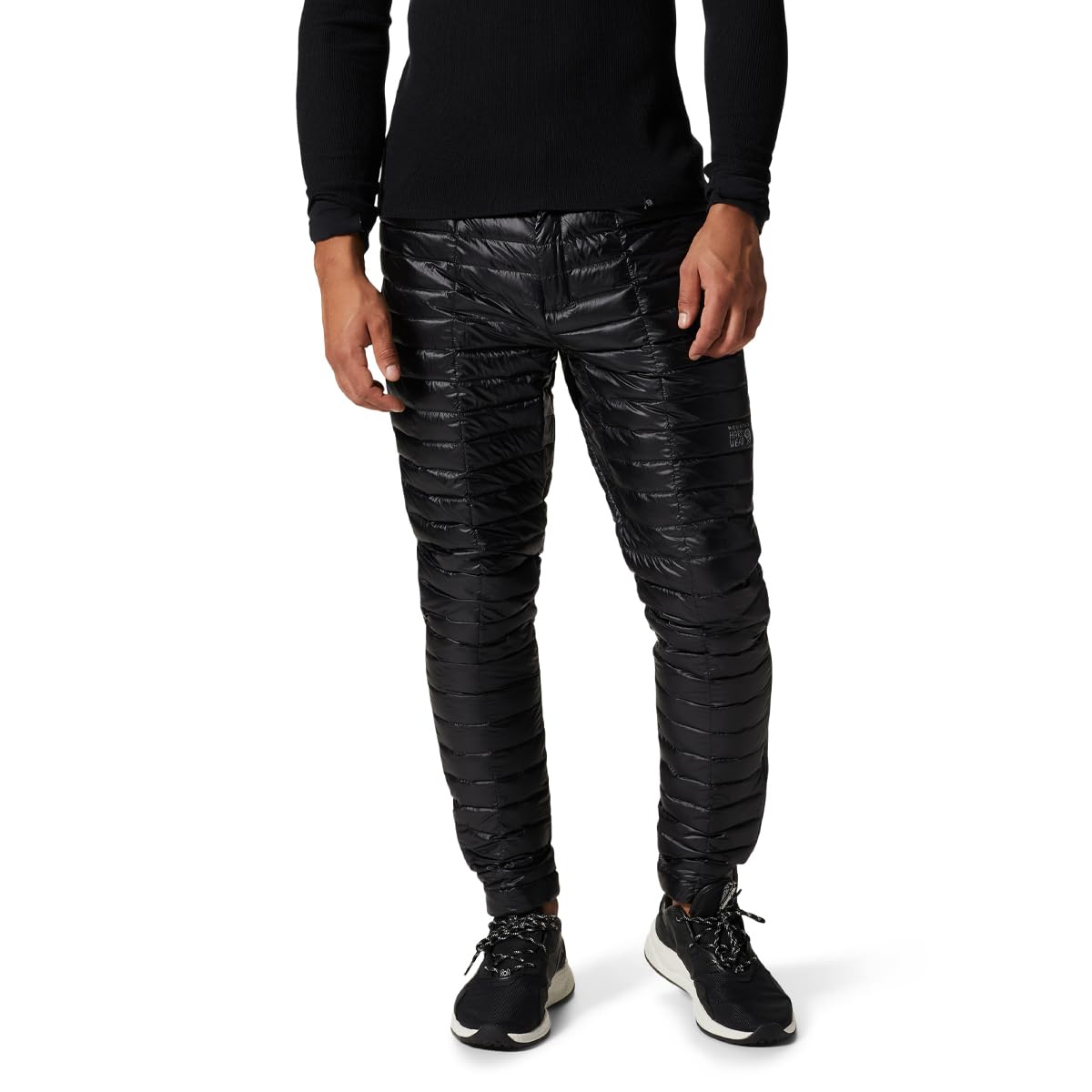
The Mountain Hardwear Ghost Whisperer pants are not a primary touring shell—they are an ultralight down layer designed for camp insulation and extreme weight-conscious missions. At just 9.6 ounces, these pack into a small stuff sack that disappears into your backpack, making them essential for multi-day traverses or ski mountaineering where every gram counts. The 800-fill goose down provides remarkable warmth for the weight, and users confirm they block cold wind effectively during breaks or while wearing under a shell.
The articulated crotch and butt panels prevent bunching when seated or moving, which is a design detail rare in such a lightweight garment. Internal pockets add storage for small items. That said, these pants are not waterproof, and the surface fabric can be punctured by brush or ski edges, so they must be worn under a shell pant for any active touring use.
Some users report the elastic waistband runs slightly tight for a 36-inch waist in size Large, and the drawcord around the waist has been described as short and low quality. These are exceptional for what they are—a static insulation piece—but they are not a standalone backcountry touring pant. Pair them with a durable shell for the full system.
Why it’s great
- Extremely lightweight (9.6 oz) with no comparable warmth-to-weight ratio in this category
- Articulated crotch and butt design improves comfort when seated or crouching
Good to know
- Not waterproof—requires a separate shell pant for active touring in precipitation
- Delicate face fabric can puncture against ski edges or branch contact
4. SITKA Gear Men’s Timberline Pant

The SITKA Gear Timberline Pant brings unique features from the hunting world that translate surprisingly well to backcountry skiing, especially for approaches that involve traversing brush, crawling under deadfall, or kneeling to transition. The built-in knee pads and heavy-duty seat material provide real protection when you spend minutes kneeling on icy snow or rocky ground during gear transitions. Users confirm the windproof construction blocks 40 MPH winds effectively.
Fit is slightly tapered with a mid-rise design, and the material is quiet during movement—a plus when you want to hear natural avalanche cues without fabric noise. The wicking properties and flexible crotch gusset reduce fatigue on long approaches, and the suspender-compatible belt loop system helps secure everything under a pack. At around 20 ounces, it is heavier than a minimalist shell but lighter than a fully insulated bib.
The main downside is that it gets damp in heavy rain—the DWR treatment eventually wets out under sustained downpours. It also lacks a dedicated snow cuff at the ankle, so powder infiltration can occur in deep snow. For dry snow environments and mixed approach-ski objectives, this pant is a highly functional alternative to traditional ski-specific designs.
Why it’s great
- Integrated knee pads and reinforced seat for kneeling on snow and rock during transitions
- Windproof fabric performance rated against gusts above 40 MPH
- Flexible gusseted crotch reduces fatigue during long approaches
Good to know
- DWR wets out in sustained heavy rain—not fully waterproof
- No dedicated snow cuff at the bottom—powder can enter in deep conditions
5. The North Face Men’s Freedom Pants (PFAS-free)
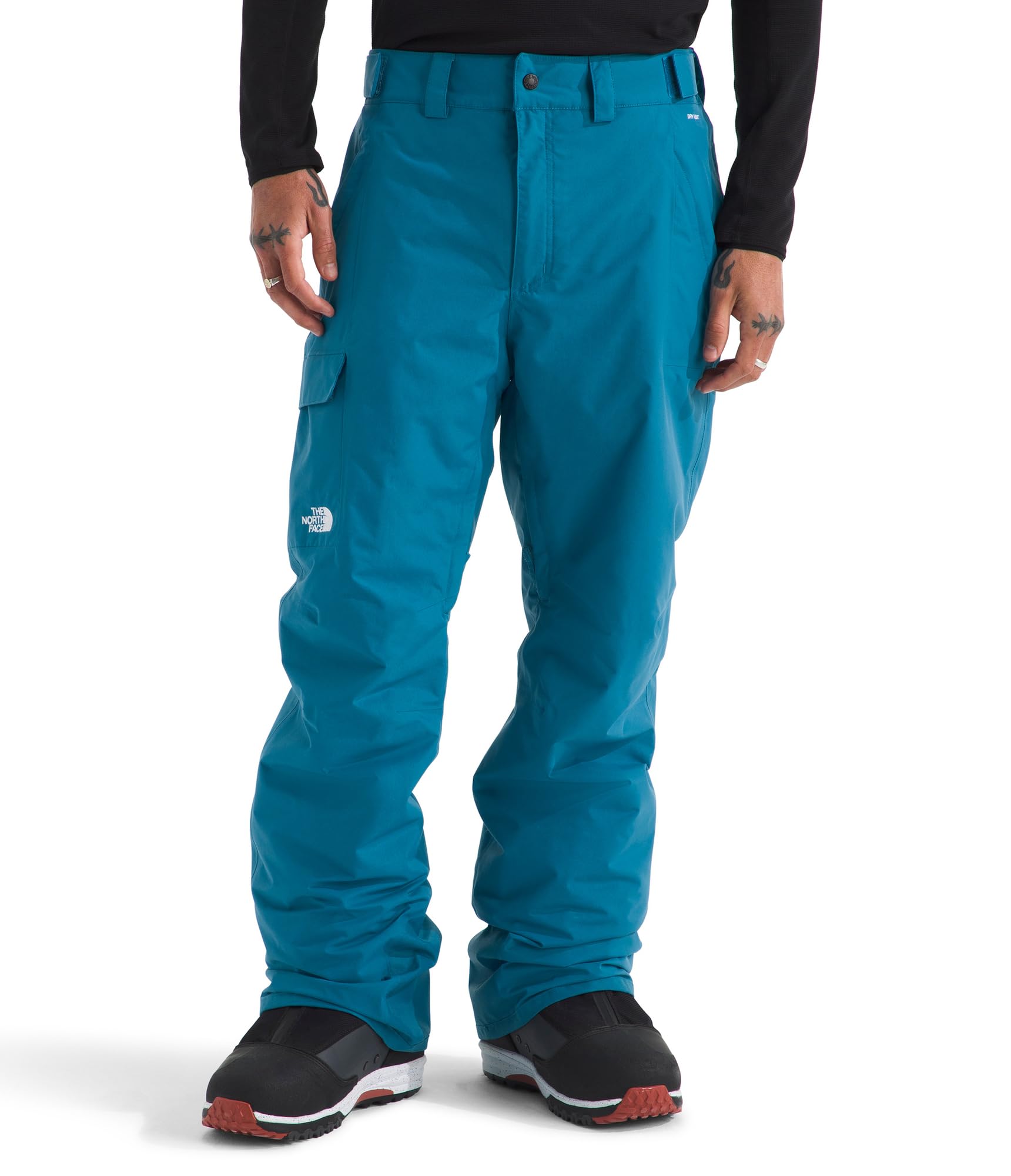
The updated North Face Freedom Pants in the PFAS-free version represent a meaningful shift toward environmentally conscious materials without sacrificing touring performance. The polyurethane waterproofing replaces traditional PFAS-based DWR, and early user reports confirm the fabric remains waterproof and breathable for mixed backcountry use. The shell construction is lightweight at about 14 ounces, making it a viable option for skinners who want a clean environmental profile.
Fit is generous through the leg with a regular cut that accommodates a mid-weight base layer and light insulation underneath. The 30-inch inseam option in short lengths is a rare find for shorter skiers who need proper cuff clearance without bunching. Side vent zippers provide active temperature regulation during climbs, and the zip pockets are secure enough for a phone or beacon.
Some users note the cargo pocket relies on Velcro rather than a zipper, which can lose grip over time, and the non-stretchy fabric limits freedom during dynamic movements like lunges or sidehilling. For the weight and price, this is a solid shell for skiers who prioritize material composition and want a modern, eco-friendly touring pant.
Why it’s great
- PFAS-free waterproof construction for environmentally conscious touring gear
- Available in short inseam (30″) for better fit on shorter legs
- Lightweight shell design at approximately 14 ounces
Good to know
- Cargo pocket uses Velcro closure instead of a more secure zipper
- Non-stretchy fabric limits freedom of movement during aggressive maneuvers
6. The North Face Men’s Freedom Pant (Asphalt Grey)
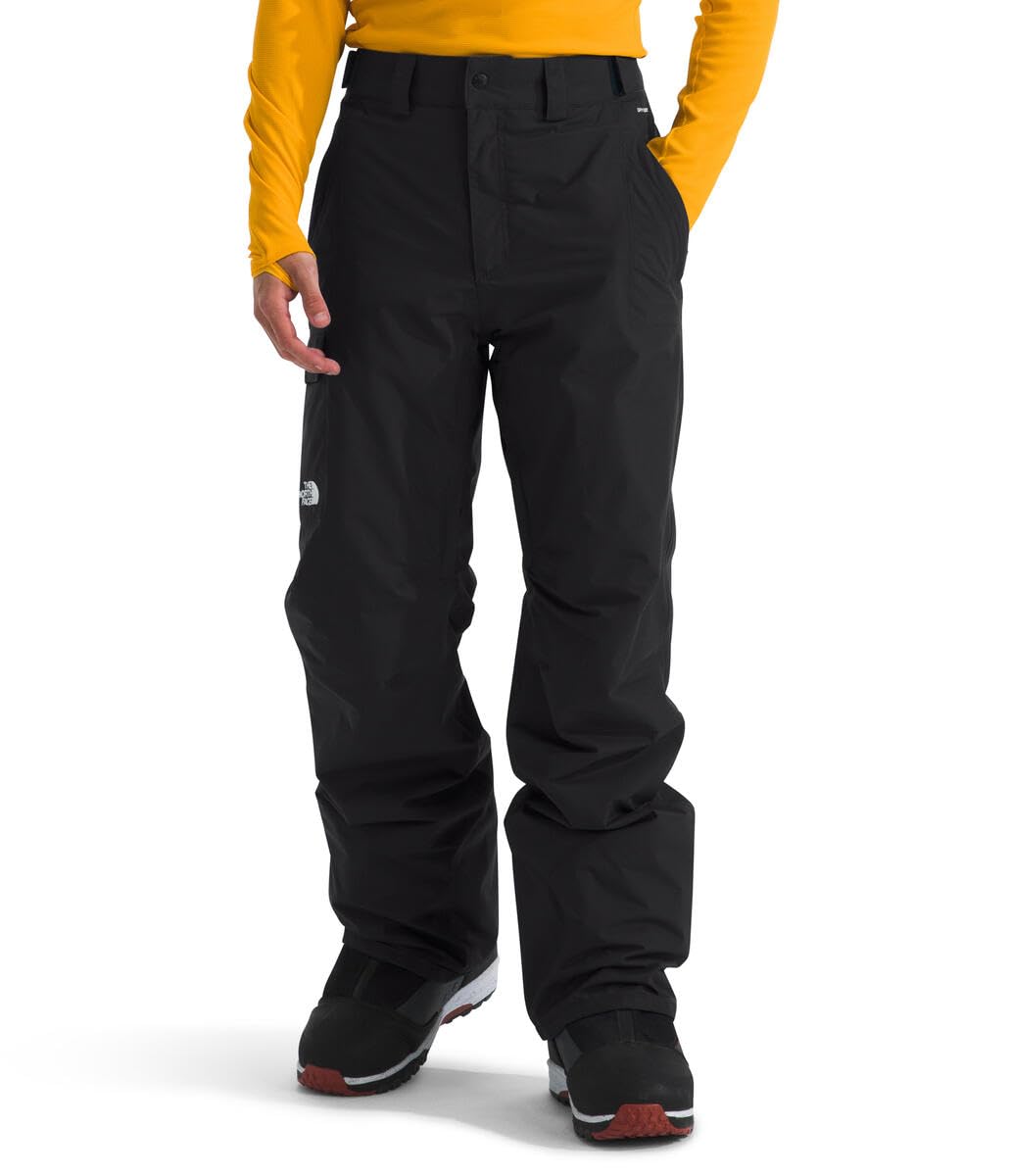
The original North Face Freedom Pant remains a reliable entry-level shell for skiers who split their time between resort runs and mellow backcountry tours. The DryVent membrane provides adequate waterproofing for moderate snow conditions, and users confirm it kept them dry during ice fishing and wet snow without moisture penetration. The 14.5-ounce weight is reasonable for a non-Gore-Tex shell at this price point.
Fit runs large, which allows generous layering room for insulated base layers, though shorter skiers (5’7″ and under) may find even the short inseam too long by 1-2 inches. The insulated version offers enough warmth for cold days with just a lightweight base underneath. Side vent zippers and secure pockets echo the design of its premium sibling.
The fabric is not stretchy, and the cargo pocket relies on Velcro rather than a zipper. These limitations are expected at this price tier, and the overall build quality is good enough to replace older gear after 10+ years of use. For skiers testing the backcountry waters without a premium investment, this is a solid starting point.
Why it’s great
- Affordable entry point for backcountry skiing without sacrificing basic waterproofing
- Generous cut accommodates multiple base layers for cold conditions
- Durable construction that lasts through regular winter use
Good to know
- Runs large—consider sizing down or ordering short length
- Cargo pocket lacks a zipper and relies on Velcro closure
7. Spyder Men’s Boundary Insulated Ski Pant
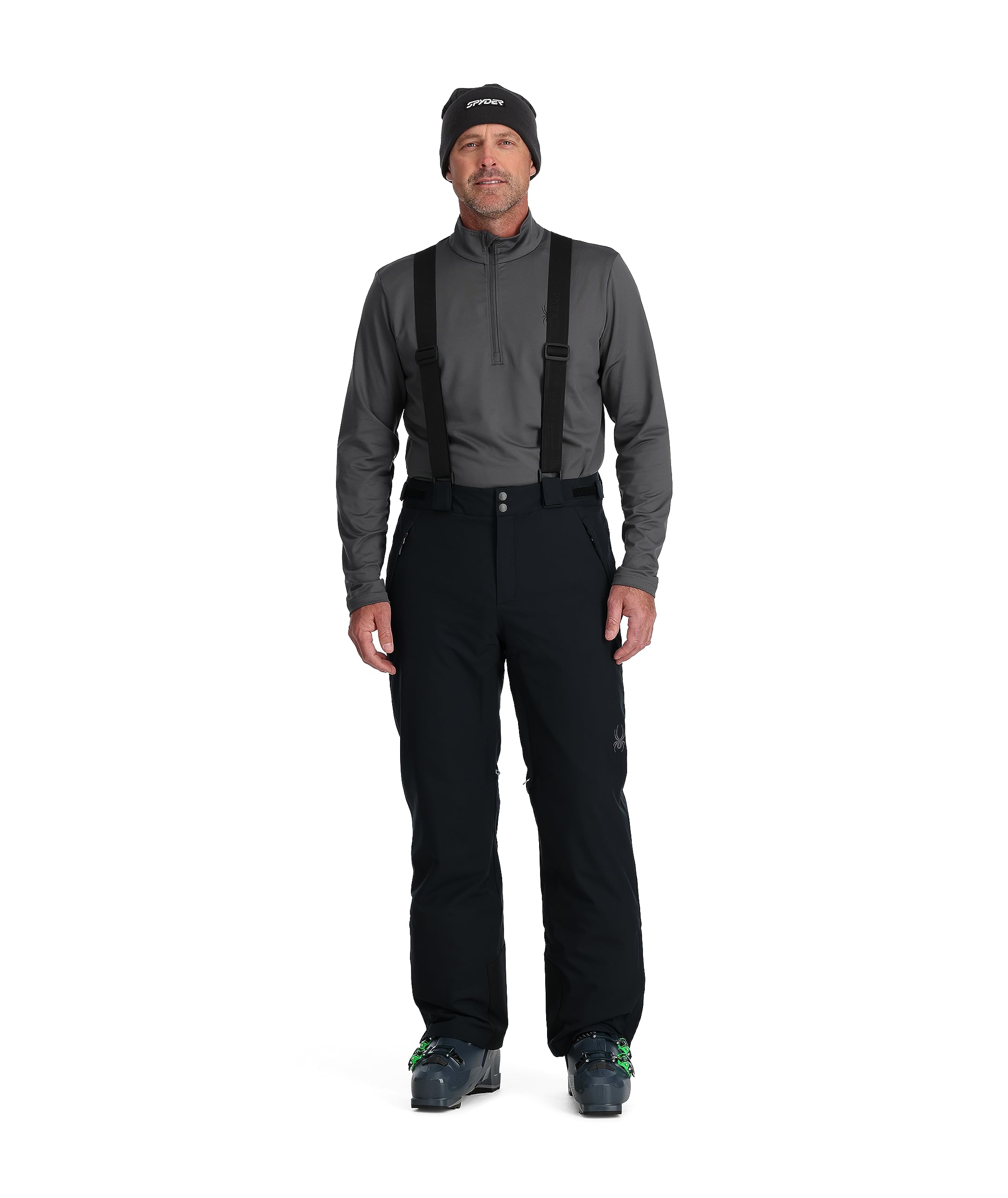
The Spyder Boundary Insulated Ski Pant fills the gap between a pure shell and a heavy insulated pant, making it suitable for variable backcountry days where you want moderate warmth without a full layering system. The 175g insulation provides noticeable heat retention in sub-zero temperatures, and users report excellent comfort down to 10-20 degrees Fahrenheit with just a thin base layer. The waterproof membrane handles wet snow effectively during multi-day use.
Fit runs slightly loose in a non-restrictive way, which is intentional for mobility during skiing and hiking. The adjustable straps allow a customized fit over base layers. Reviewers praise the mobility—sizing is accurate, and the articulated knee design enables full flexion without binding. The quality speaks to Spyder’s reputation for durability, with some users expecting 15 years of service from the pant.
The main compromise is weight—the insulation adds bulk compared to a shell, making this less ideal for long, high-exertion skin tracks where sweat management is a priority. Some users note the fit is a bit baggy in the legs if you prefer a sleeker profile. For lift-assisted backcountry, short hikes, or cold climates, this pant offers excellent value.
Why it’s great
- 175g insulation provides reliable warmth in sub-zero backcountry conditions
- Spyder build quality supports long-term durability—users report 10-15 year lifespans
- Articulated knee design allows full range of motion during skiing and hiking
Good to know
- Heavier than shell alternatives—not ideal for long, high-exertion touring
- Slightly baggy leg cut may not appeal to those preferring a trimmer fit
8. Helly Hansen Insulated Ski Pants
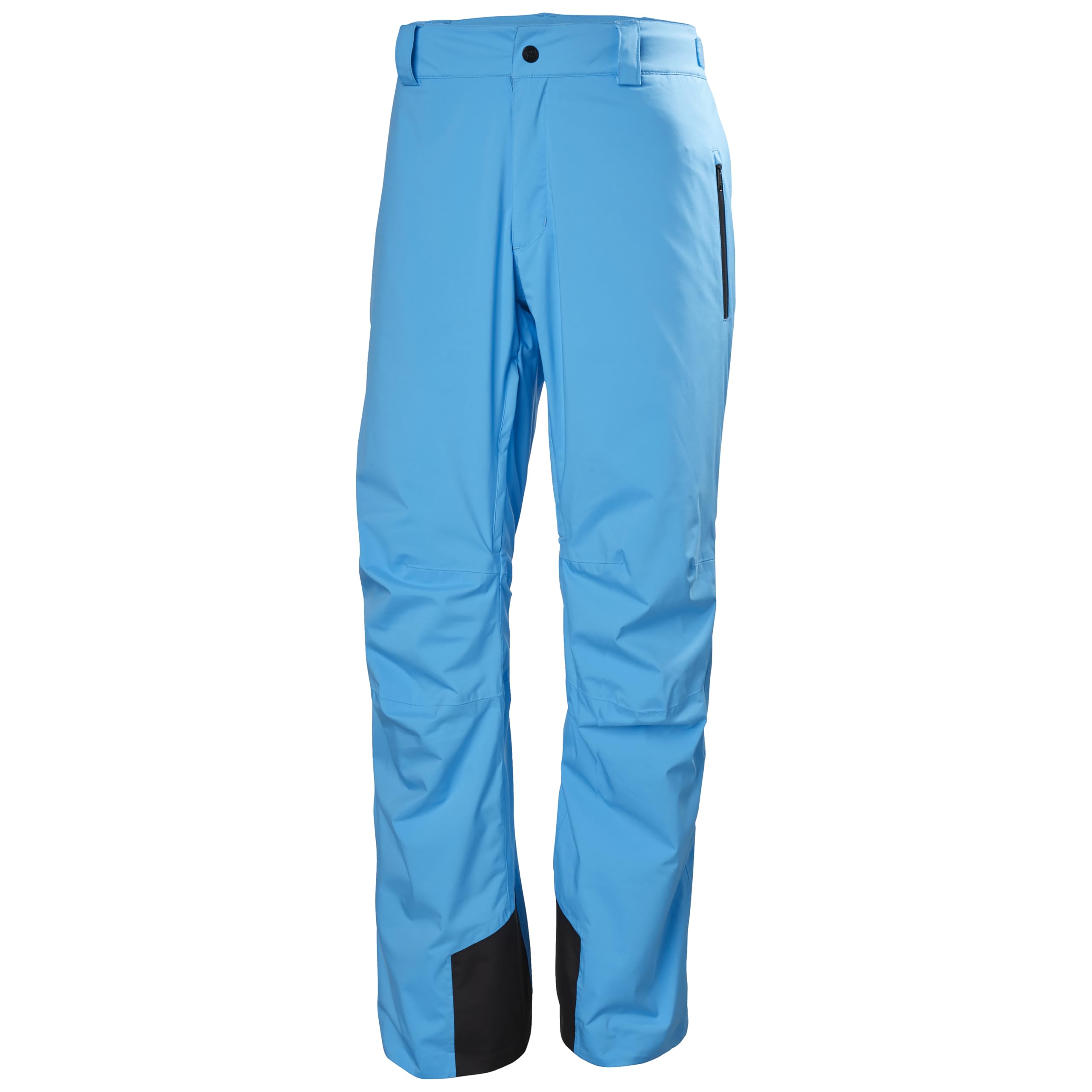
The Helly Hansen Insulated Ski Pants offer an affordable path into backcountry-capable insulated gear without sacrificing basic weather protection. The 100% polyester shell with medium stretch provides reasonable mobility for skiing and skinning, and users confirm the pants kept them warm in 10-20 degree Fahrenheit conditions in Utah. The adjustable waistband helps dial in the fit over a variety of base layers.
Fit is consistent with typical ski sizing—reviewers at 5’8″ and 160 pounds found a Small Regular fit well with room for movement without being baggy. The fabric is lightweight for an insulated pant, which helps during longer approaches, though it does not pack down as small as a shell. Pockets are well-positioned for slope use.
The most common user complaint is the absence of a zippered thigh pocket, which many skiers rely on for lift passes or beacon storage. Additionally, the fabric is not stain-resistant, and some users report difficulty removing food stains after washing. For the price, these pants deliver comfortable warmth and reliable water resistance for moderate backcountry use.
Why it’s great
- Lightweight insulated construction that keeps you warm in 10-20°F conditions
- Adjustable waistband provides a customizable fit over varying base layers
- Medium stretch fabric improves mobility during dynamic skiing movements
Good to know
- No zippered thigh pocket for lift passes or beacon—only two front pockets
- Fabric is not stain-resistant and may hold onto food stains after washing
9. Marmot Scree Pants
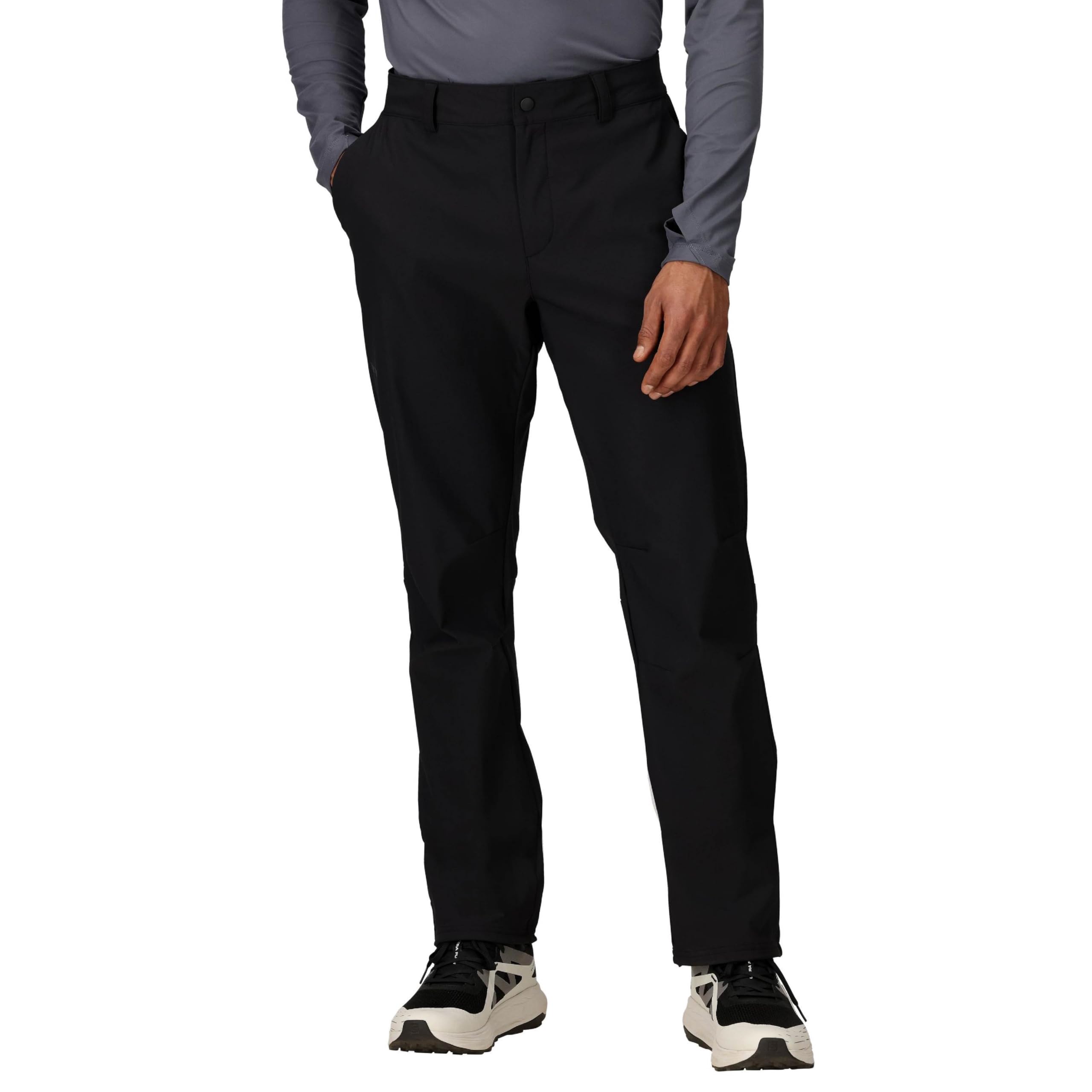
The Marmot Scree Pants occupy a unique space as a softshell hiking pant that some backcountry skiers repurpose for approach duties and mild touring days. The nylon woven fabric is durable, quick-drying, and comfortable for long approaches, and users consistently praise the exceptional fit, cleaning ease, and overall construction quality. The tapered leg and zippered ankles allow easy on-and-off over boots.
These are not waterproof—the initial DWR coating fades after washing, meaning they are not suitable for snow in precipitation. However, for dry powder days, low-angle touring, or as a camp pant, they excel in comfort and mobility. The fabric is breathable enough for high-output hiking without overheating, and the articulated knee design supports natural movement.
The lack of any meaningful waterproof membrane limits their use to fair-weather backcountry or as a base layer under a more protective shell. They are best considered as a budget-friendly softshell option for skiers who want a dual-purpose hiking/skiing pant for dry conditions or approach use. For the price, the quality and fit are exceptional.
Why it’s great
- Durable nylon woven fabric holds up well to brush and rocky approaches
- Comfortable fit with articulated knees that allow full range of motion
- Quick-drying fabric sheds moisture when used as a base layer under a shell
Good to know
- Not waterproof—DWR coating fades quickly and does not repel wet snow reliably
- Best suited for dry snow conditions or use as a light approach/camp layer
FAQ
Should I get insulated or shell pants for backcountry touring?
How important are side vents in touring pants?
What does a 10K/10K waterproof rating mean for ski pants?
How should backcountry ski pants fit over ski boots?
Final Thoughts: The Verdict
For most users, the best backcountry ski pants winner is the Burton Gore-Tex Reserve Bib Pant because it combines uncompromising Gore-Tex waterproofing with a bib design that seals out snow during deep days and a versatile shell weight that pairs with any layering system. If you want premium insulation without the layering fuss, grab the Helly Hansen Alpha LIFALOFT Insulated Ski Pant. And for ultralight camp insulation and weight-conscious missions, nothing beats the Mountain Hardwear Ghost Whisperer Pants.