
The challenge with affordable smartphones is no longer a compromise on camera quality — it is a war of sensor size, computational photography, and pixel-binning algorithms. The market has shifted; a 200MP main shooter with OIS is now within reach, and the difference between a low-budget sensor and a well-tuned mid-range module is not just megapixels — it’s dynamic range, low-light noise handling, and color science that was previously locked to flagship devices.
I’m Min — the co-founder and writer behind Gadgets Feed. I have spent hundreds of hours analyzing spec sheets, examining sample photo outputs, and comparing sensor technologies to separate marketing hype from genuine value in the affordable camera phone space.
This guide cuts through the noise to deliver a curated list of devices where the camera hardware and processing genuinely deliver. These are the affordable phones with great cameras that prove you don’t need to spend a fortune for sharp, vibrant, and versatile photography.
How To Choose The Best Affordable Phone With Great Cameras
The secret is not the highest megapixel count; it is the combination of sensor size, pixel-binning technology, optical stabilization, and the quality of the computational photography pipeline. You need to understand these core elements to pick the right device.
Sensor Size and Aperture
A larger sensor (1/1.4″ or bigger) captures more light, directly reducing noise in low-light shots. The aperture (f/1.7 or lower) determines how much light hits the sensor. Together, these two specs define a phone’s low-light ceiling more than any other single factor. A 50MP sensor on a small 1/2.0″ base is often outperformed by a 48MP sensor on a larger 1/1.3″ base.
Optical Image Stabilization (OIS) vs. Electronic (EIS)
OIS uses a physical floating lens module to counteract hand shake, resulting in sharper handheld shots and smoother video, especially in dim lighting. EIS crops into the frame and applies software stabilization — effective for video but it lowers the effective field of view and can introduce warping. A phone with OIS on its main lens is a non-negotiable starting point for serious photography.
The Role of Dedicated Telephoto vs. Digital Zoom
A dedicated telephoto lens with optical zoom (even 2x or 3x) preserves image detail at that focal length without interpolation. Most affordable phones lack this, relying on the high-resolution main sensor to crop in. A 200MP sensor with pixel-binning can simulate 2x lossless zoom, but a dedicated periscope telephoto (like 3x optical) produces a fundamentally sharper image at that range. For portrait and travel photography, the telephoto lens is the feature that separates a good camera phone from a mediocre one.
Quick Comparison
On smaller screens, swipe sideways to see the full table.
| Model | Category | Best For | Key Spec | Amazon |
|---|---|---|---|---|
| Google Pixel 10a | AI-Powered | Computational photography & low-light | Camera Coach, 30hr+ battery | Amazon |
| Google Pixel 9a | AI-Powered | Best overall AI camera | Gemini, Add Me, Best Take | Amazon |
| Samsung Galaxy A56 5G | Mainstream | Reliable triple-camera system | 50MP OIS, Nightography | Amazon |
| Nothing Phone (3a) Pro | Telephoto Specialist | Periscope zoom & design | 50MP Periscope 60x zoom | Amazon |
| Samsung Galaxy A37 5G | Mid-Range | Durable & reliable photos | 50MP HDR, IP68 | Amazon |
| Xiaomi Redmi Note 15 Pro 5G | Value Flagship | High-resolution 200MP sensor | 200MP OIS, 1/1.4″ sensor | Amazon |
| HTC U23 Pro | Design-Focused | Clean build & large RAM | 12GB RAM, 120Hz display | Amazon |
| MMY 32+1TB Rugged Armor | Rugged | Extreme battery & durability | 108MP, 22000mAh battery | Amazon |
| BLU Bold N4 5G | Entry-Level Flagship | Budget-friendly specs & display | 50MP, 512GB storage | Amazon |
In‑Depth Reviews
1. Google Pixel 9a with Gemini

The Google Pixel 9a is the most refined affordable camera phone on the market, leveraging Google’s computational photography prowess. Its camera system, though not packing the highest megapixel count, delivers exceptional dynamic range, accurate skin tones, and stunning low-light performance thanks to the Tensor G4 chip’s AI-powered processing. Features like Add Me and Best Take are genuinely useful for group portraits, editing out closed eyes or missing faces by combining multiple shots.
The 30-hour Adaptive Battery with Extreme Battery Saver mode ensuring you capture all day without anxiety. The IP68 water resistance adds a layer of durability that is rare in this price bracket. The 6.7-inch Actua display is sharp for reviewing photos on the go.
The main trade-off is the 128GB storage cap and the lack of a dedicated telephoto lens — you rely on Super Res Zoom for any distant subjects. But for general photography, the computational magic makes it the most consistent and reliable camera phone in the entire affordable segment.
Why it’s great
- Exceptional computational photography with AI editing features like Add Me and Best Take.
- IP68 water and dust resistance for durability.
- Clean Android 14 software with 7 years of updates.
Good to know
- No dedicated telephoto lens; relies on digital zoom.
- 128GB storage may feel limited for heavy photo/video users.
2. Samsung Galaxy A56 5G 2025
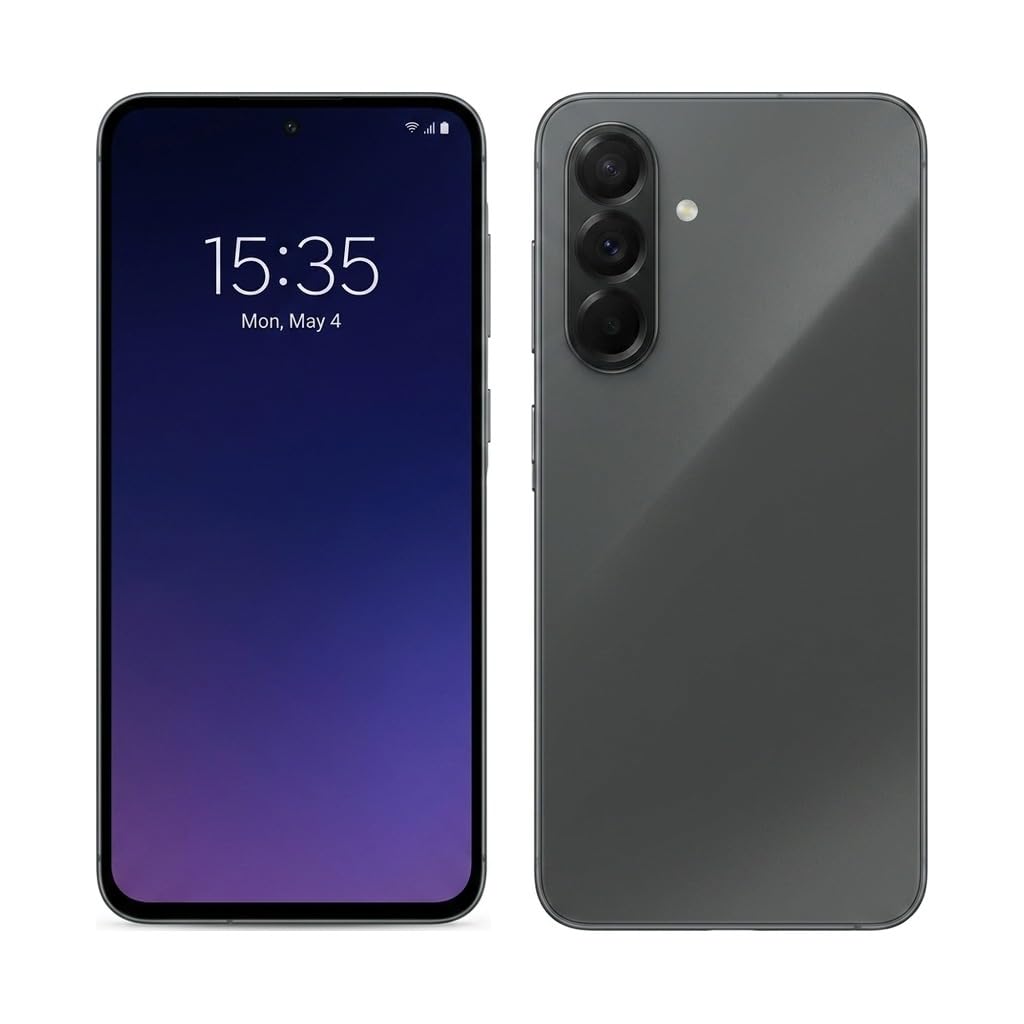
The Galaxy A56 5G sets the standard for what a mid-range phone camera should deliver. Its 50MP main sensor with OIS captures sharp, well-exposed images in most lighting conditions, and Nightography mode lifts shadows without excessive noise. The 12MP ultra-wide lens offers a consistent color profile with the main shooter, a rarity at this level. The 120Hz Super AMOLED display provides an excellent viewfinder and a smooth scrolling experience.
The Exynos 1580 chip handles the camera processing pipeline efficiently, and the 5000mAh battery ensures you can shoot all day without worrying about battery life. The IP67 rating provides basic splash resistance, and the One UI 7 software promises six major OS upgrades.
Potential buyers should note the lack of a microSD slot and the shallow ultra-wide lens depth. The selfie camera is also limited to 12MP, which while decent, lacks the detail of higher-resolution front shooters. Still, this phone is the most well-rounded package for the price, offering flagship camera features in a durable, mainstream design.
Why it’s great
- Reliable 50MP OIS main camera with excellent Nightography mode.
- Stunning 6.7-inch 120Hz Super AMOLED display.
- Strong 5000mAh battery with fast charging.
Good to know
- No microSD card slot for storage expansion.
- Ultra-wide camera lacks autofocus and is only 12MP.
3. Nothing Phone (3a) Pro

The Nothing Phone (3a) Pro is the first affordable phone to make a dedicated periscope telephoto lens genuinely usable. The 50MP periscope sensor with OIS delivers 3x optical zoom that is remarkably sharp, and the 60x ultra zoom software is surprisingly usable in good light — a feature previously exclusive to flagships. The 50MP selfie camera also shoots in 4K, making it a content creator’s dream.
The 6.77-inch 120Hz AMOLED display with 3000-nit peak brightness is exceptional for outdoor photography, and the Snapdragon 7s Gen 3 chip keeps the camera app fast. The 5000mAh battery with 50W fast charging means you can capture and edit on the go without frequent top-ups.
The main compromises are the lack of a macro lens and the reliance on digital zoom beyond 3x. Also, the Essential Key button is not remappable. However, for the cost, the telephoto capability is unmatched, making this the best phone for portrait and travel photography on a budget.
Why it’s great
- Outstanding 50MP periscope telephoto with 3x optical and 60x ultra zoom.
- Pro-grade 50MP selfie camera with 4K video recording.
- Bright 3000-nit AMOLED display ideal for outdoor use.
Good to know
- Digital zoom beyond 3x introduces motion blur.
- Essential Key cannot be remapped for shortcuts.
4. Samsung Galaxy A37 5G
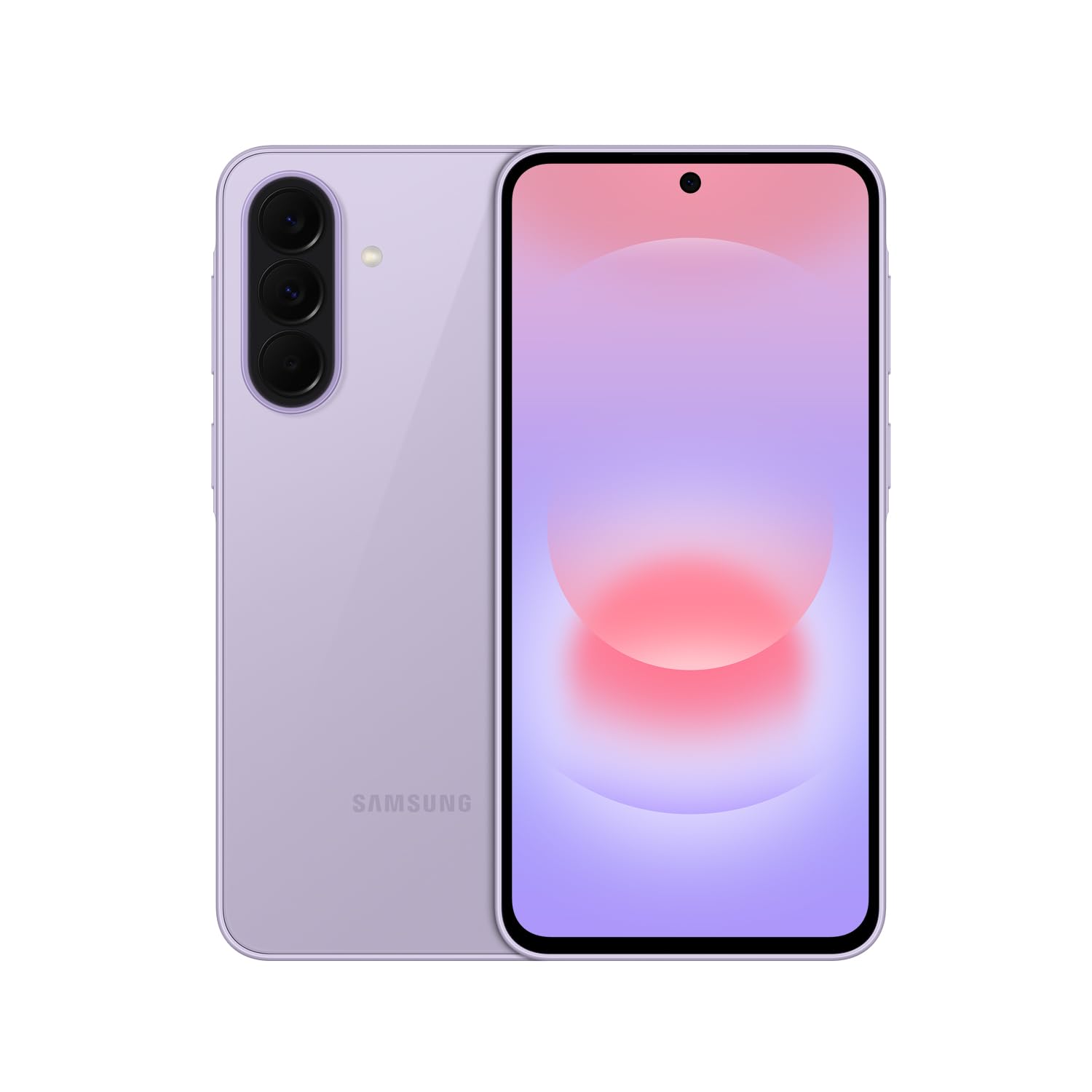
The Galaxy A37 focuses on reliability and durability. Its 50MP HDR main camera captures vibrant photos with good dynamic range, and the Nightography mode improves low-light shots automatically. The IP68 water and dust resistance is a premium feature that protects the camera module from the elements.
The 6.7-inch Super AMOLED display is bright and detailed for composing shots, and the Exynos 1480 handles the camera pipeline without lag. The 5000mAh battery with Super Fast Charging 2.0 ensures you can capture all day.
The main limitation is the lack of a dedicated ultra-wide or telephoto lens — you get a single main shooter and a depth sensor. The 2x zoom is digital, so fine detail is lost at longer ranges. It is also a larger device, which may not be ideal for one-handed operation. For users who want a tough phone that takes reliable photos without fuss, this is an excellent choice.
Why it’s great
- IP68 water and dust resistance for durability.
- Reliable 50MP HDR camera with automatic Nightography.
- Excellent software support with 6 OS upgrades.
Good to know
- No dedicated ultra-wide or telephoto camera.
- Large size may be difficult to handle with one hand.
5. Google Pixel 10a

The Pixel 10a builds on the successful formula of the 9a, with Camera Coach — a new AI feature that guides you to take better photos in real-time, a godsend for beginners. The main sensor captures crisp, detailed photos with Google’s signature color science, and the 3,000-nit Actua display shows them off brilliantly in direct sunlight.
The 30+ hour battery life is a relief, and the IP68 rating adds confidence. The AI photo editing tools like Add Me and Auto Best Take continue to make the Pixel the easiest phone to get a perfect group photo.
However, the Pixel 10a sticks to a single main camera — no telephoto or macro lens. The 128GB storage cap is also a limitation if you shoot a lot of 4K video or take many RAW photos. And the heavy reliance on Gemini AI might feel intrusive for users who prefer a simpler smartphone experience.
Why it’s great
- Camera Coach AI guide helps improve photography skills.
- Excellent 30+ hour battery life with Extreme Battery Saver.
- Bright 3000-nit Actua display with scratch-resistant Corning Gorilla Glass 7i.
Good to know
- No dedicated telephoto or macro lens.
- Gemini AI integration may feel forced for some users.
6. Xiaomi Redmi Note 15 Pro 5G

The Redmi Note 15 Pro 5G packs a 200MP main sensor with OIS on a 1/1.4″ sensor — a spec list that rivals phones costing three times as much. In good light, the detail is staggering; pixel-binning produces 12.5MP shots that are sharp and colorfully vibrant. The 120Hz 6.83-inch AMOLED display with 3200 nits peak brightness is one of the best screens on any mid-range phone for photo reviewing.
The 6580mAh battery is immense, easily lasting two days of heavy use. The MediaTek Dimensity 7400-Ultra chip handles the camera processing smoothly, and the AI editing features like AI Erase Pro are genuinely useful.
The main downsides are the software — Xiaomi’s HyperOS still has some bloatware — and the lack of a dedicated telephoto lens. The 200MP sensor’s cropping ability can simulate a 2x zoom, but it is not optical. For users who prioritize raw hardware and battery life, this phone is a monster.
Why it’s great
- Massive 200MP main sensor with OIS for incredible detail.
- Enormous 6580mAh battery for multi-day use.
- Spectacular 120Hz AMOLED display with 3200 nits peak brightness.
Good to know
- No microSD slot for storage expansion.
- Software has some bloatware that needs to be disabled.
7. HTC U23 Pro 5G

The HTC U23 Pro is a niche offering that appeals to those who value clean design and plentiful RAM. Its camera system is capable but not class-leading — the main shooter takes decent photos in good light, and the ultra-wide lens is serviceable. The 120Hz display is smooth for scrolling through galleries.
The standout feature is the 12GB of RAM, which keeps the phone snappy during intensive photo editing and multitasking. The 4600mAh battery provides reliable all-day endurance.
The most significant concern reported by users is the durability of the camera lens cover, which has been prone to scratches. The software support from HTC has also been historically slow. For photography, it is a competent but not exceptional device; it is best for users who need high RAM and a clean build.
Why it’s great
- Generous 12GB of RAM for snappy performance and multitasking.
- Lightweight design with a fingerprint-resistant back.
- 120Hz display for smooth visual experience.
Good to know
- Camera lens cover scratches easily, affecting photo quality.
- Software support history is slow and limited.
8. MMY 32+1TB Rugged Armor

The MMY Rugged Armor phone is for extreme users who need a device that refuses to die. Its 108MP main camera takes decent daytime shots, and the specialized underwater and night vision photography modes are genuinely unique features. The 22000mAh battery is absurdly large, providing multiple days of use even with heavy camera usage.
The 6.99-inch HD+ display is huge for reviewing photos, and the IP68 waterproofing means you can shoot in the rain or even submerge the device. The inclusion of NFC and infrared adds versatility.
The trade-off is that the camera quality, while functional, does not match the pixel count — processing is not on par with the Google or Samsung options. The device is also extremely heavy and bulky, making it impractical for daily pocket carry. It is a specialist tool for outdoor enthusiasts, not a general-purpose camera phone.
Why it’s great
- Colossal 22000mAh battery for multi-day outdoor trips.
- IP68 waterproofing and night vision photography support.
- Enormous 1TB storage and 32GB RAM.
Good to know
- Camera processing is basic; image quality is not competitive.
- Extremely heavy and bulky form factor.
9. BLU Bold N4 5G

The BLU Bold N4 5G is an incredible value proposition, packing 512GB of storage and 8GB of RAM alongside a 50MP main camera. The camera captures sharp, vibrant photos with good color reproduction, and the 4K video recording is smooth. The unique small rear display is a clever gimmick for quick selfies and notifications.
The 6.78-inch AMOLED display is sharp and responsive, and the 5000mAh battery with 66W fast charging (0-100% in 20 minutes) is phenomenal. The inclusion of NFC and a headphone jack adds to the feature set.
The compromises are real: the camera processing is not as refined as Google or Samsung, and the front camera is just 16MP. The curved display makes typing a bit prone to typos, and software updates are not guaranteed. For the storage and display quality alone, it is a steal, but photographers seeking fine detail may want to look higher up this list.
Why it’s great
- Massive 512GB storage for thousands of photos.
- Incredible 66W fast charging reaches 100% in 20 minutes.
- Sharp 50MP camera with 4K video recording.
Good to know
- Camera processing lacks refinement compared to top brands.
- Curved screen can cause accidental touches and typos.
FAQ
Is a 200MP sensor always better than a 50MP sensor?
What is the best affordable phone for zoom photography?
Is a dedicated telephoto lens necessary for good portraits?
Can an affordable phone shoot good 4K video?
Final Thoughts: The Verdict
For most users, the affordable phones with great cameras winner is the Samsung Galaxy A56 5G because it offers the most balanced and reliable camera system with OIS, excellent night mode, and a fantastic display for the price. If you want dedicated telephoto zoom for portraits and travel, grab the Nothing Phone (3a) Pro. And for raw hardware specs and insane battery life, nothing beats the Xiaomi Redmi Note 15 Pro 5G.